Photo credit: 2026 EPFL LMTS CC BY SA 4.0
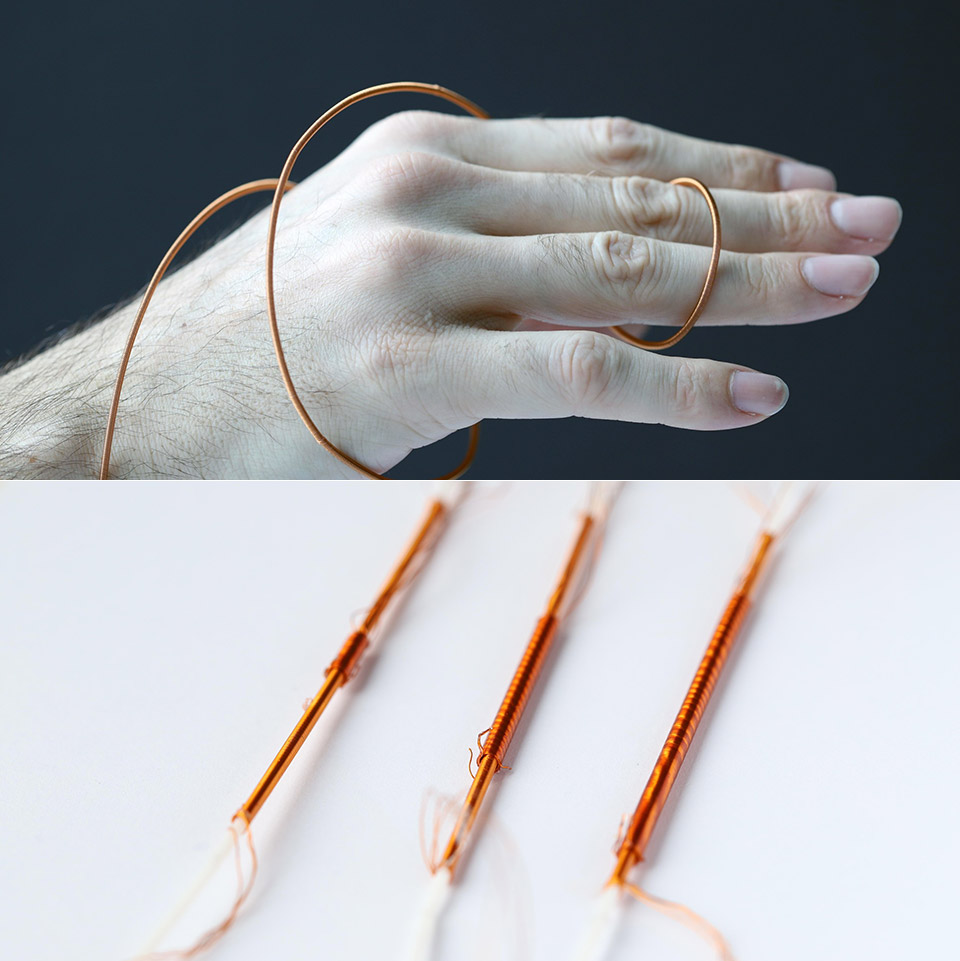
Engineers in Lausanne have built a motor easy to mistake for a length of heavy sewing thread. FiberMotor, from the Soft Transducers Laboratory at EPFL, measures only 1 to 3 millimeters across and turns electricity straight into a push or a pull. Herbert Shea, who leads the lab, calls it the first fiber-format sliding motor, and the description fits once the inner strand starts to move.
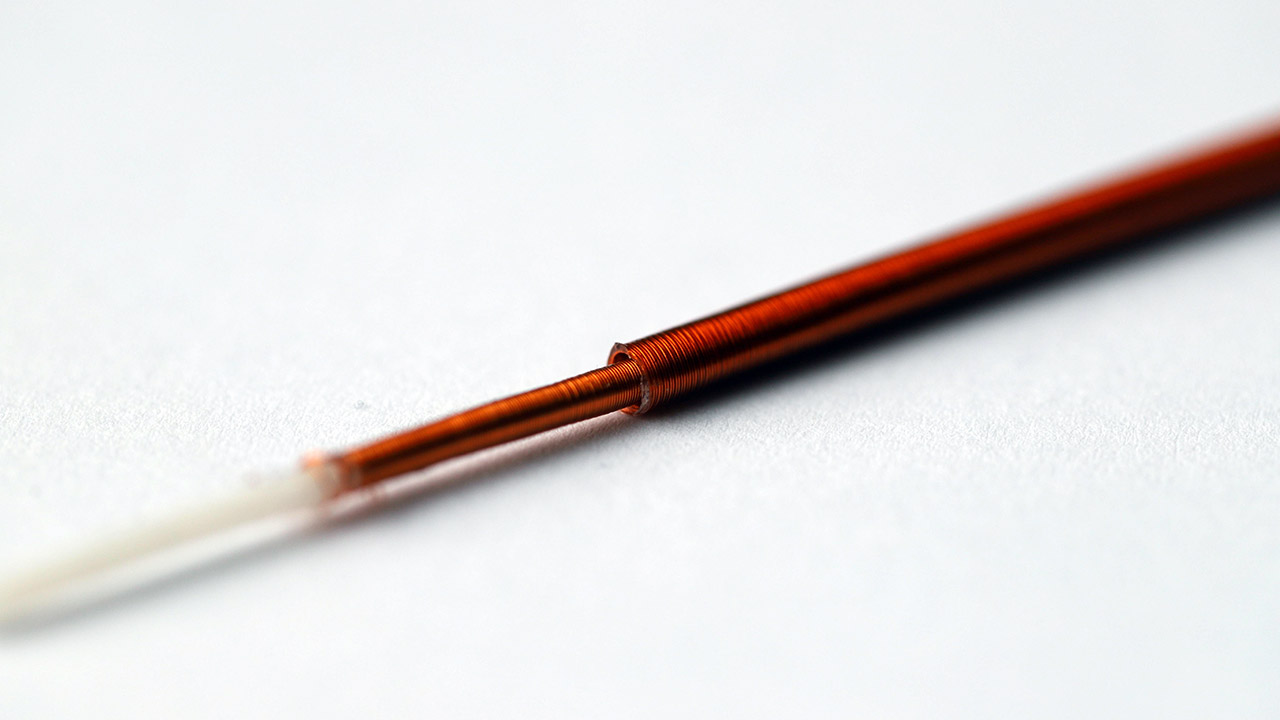
Two hollow fibers sit nicely within each other. Each fiber is tightly twisted with three coils of insulated copper wire, each about the thickness of a single human hair. A high voltage signal is supplied to these coils in a step-up way, and static electricity begins to draw the fibers together. One fiber then glides easily along the other, similar to how telescope tubes slide back and forth. Because the motion is caused by sliding rather than anything else, the distance it may go is mostly determined by the length of the fibers, and the force remains constant throughout.

- 𝐔𝐩 𝐭𝐨 𝟑𝟓-𝐇𝐨𝐮𝐫 𝐅𝐫𝐢𝐝𝐠𝐞 𝐁𝐚𝐜𝐤𝐮𝐩: With 6W idle power draw and 10% higher efficiency, this...
- 𝟏𝟎,𝟎𝟎𝟎-𝐂𝐲𝐜𝐥𝐞 𝐋𝐅𝐏 𝐁𝐚𝐭𝐭𝐞𝐫𝐲: Powered by 314Ah LFP cells, S2000 has a 15-year lifespan...
- ...
Ordinary motors work by spinning, and the only way to get a straight pull from them is to use gears, screws, or belts, which, let’s be honest, add bulk and can jam if you try to reverse direction. The other option, artificial muscles composed of elastic materials, has the disadvantage of being limited in their ability to shorten before failing. The FiberMotor is unique in that it does not use any permanent magnets or gears, making it as silent as a mouse, and you can even apply an external force to push the fibers past each other rather than clogging the joint. Lab movies indicate that even if you bend it, it will continue to move in both directions at speeds of more than 100 millimeters per second.
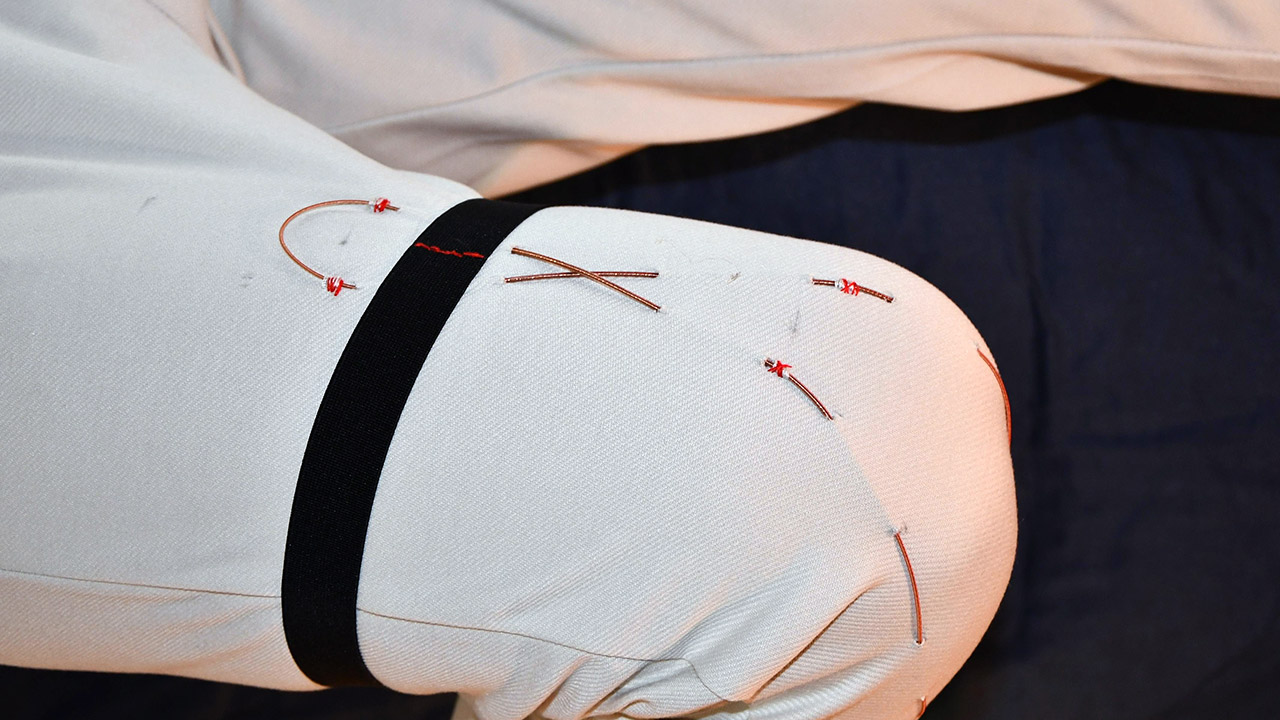
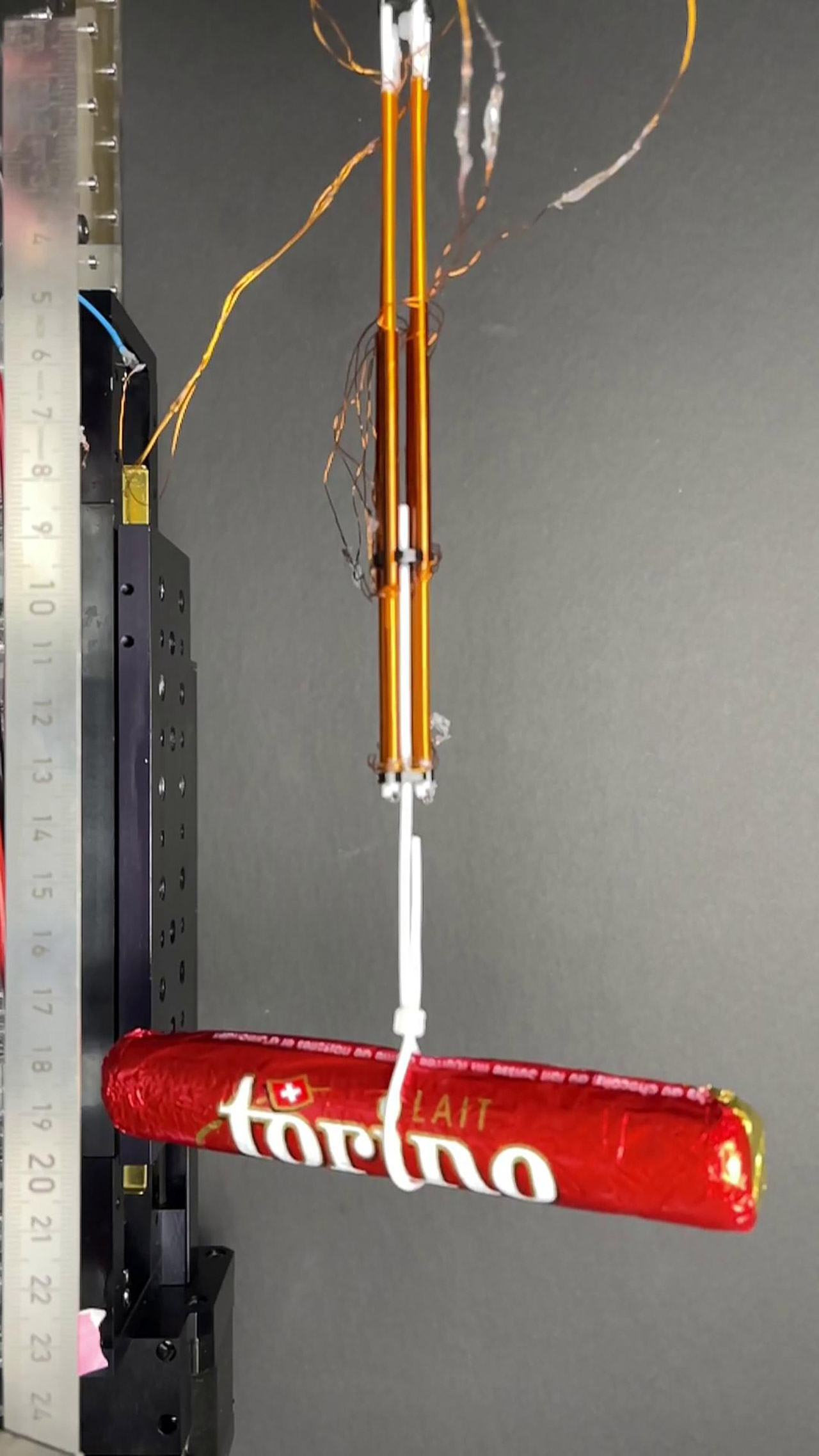
A single FiberMotor can typically support a stationary weight of approximately 75 grams. However, when four of them were bundled together, they were able to lift a 46-gram chocolate bar and bend this robotic finger held in place by a tendon. Those figures won’t lift a person on their own, but they will add up. Researchers tried their hand at developing a prototype piece of clothing to fit around a knee, and they can see this notion being weaved through all sorts of soft textiles for suits that help you walk a little better, light prosthetics, or that press/tug at you when you’re in VR.
Sylvain Schaller, first author on the paper in Advanced Materials, has already started a company, Elecsyor, to carry the design out of the lab. Work sits on an earlier fiber pump from the same group, the kind that can be sewn into cloth to move liquid for cooling or for a soft squeeze against the skin. Next steps named by the team are thinner electrodes made mostly of insulation, materials that last longer, and a way for the motor to report its own position so a suit can follow how the wearer is already moving. Funding came from the Swiss National Science Foundation and the Novo Nordisk Foundation.