Author

Jackson Chung

Browsing

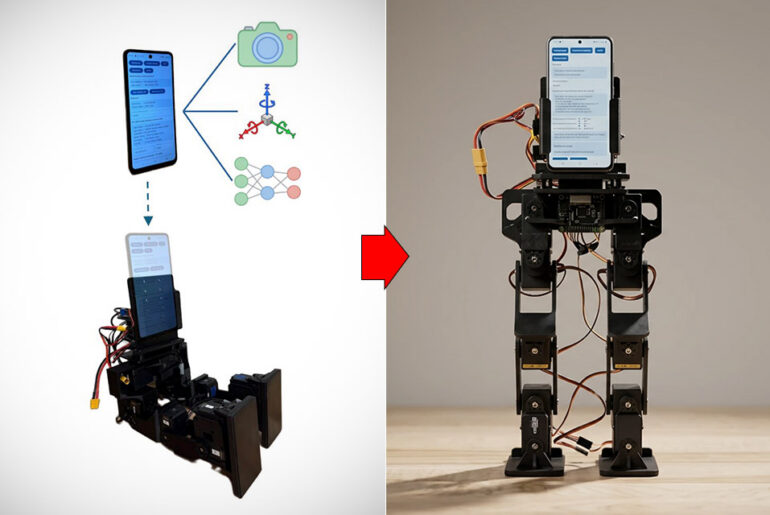
UCLA PhoneBot Smartphone Robot
Photo credit: Ruochen Hou et al. / RoMeLa, UCLA / New Atlas
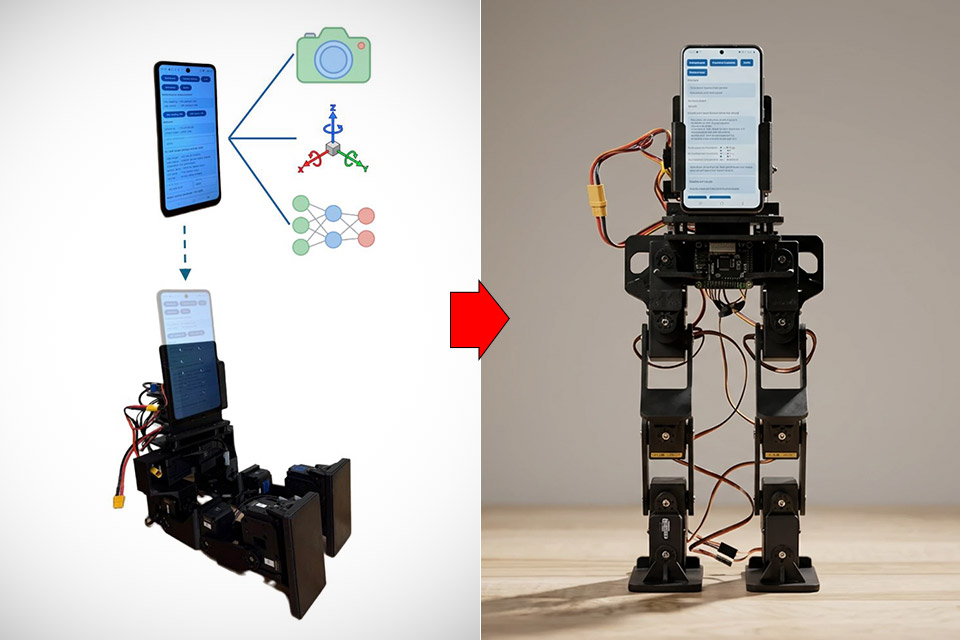
Old Android phones sitting unused in drawers can now serve as the central brains for a compact walking robot that stands about nineteen inches tall and weighs under four pounds. Researchers at UCLA’s Robotics and Mechanisms Laboratory built PhoneBot as an open-source platform that mounts a commodity smartphone as the torso, relying on the phone’s camera, motion sensors, processor, and wireless connection to handle vision, balance sensing, and movement calculations. Hardware costs for the body, motors, and supporting electronics run around four hundred dollars, leaving the phone itself as the main variable. The design deliberately keeps electronics simple so that swapping one phone for another requires no rewiring.
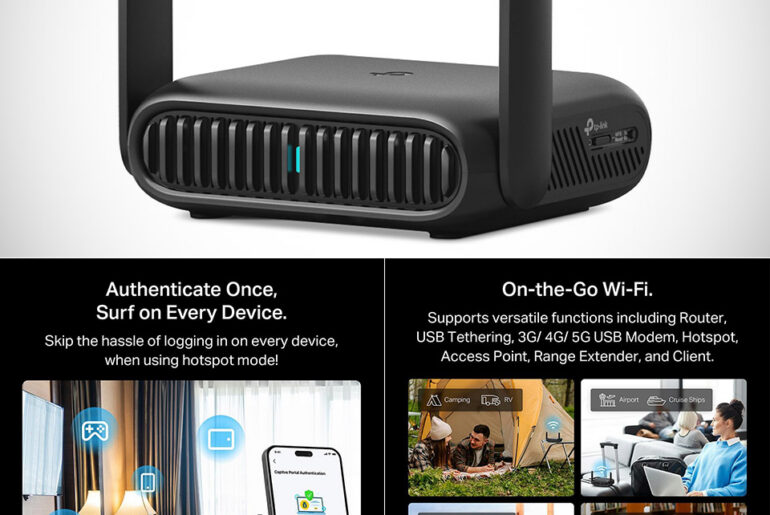
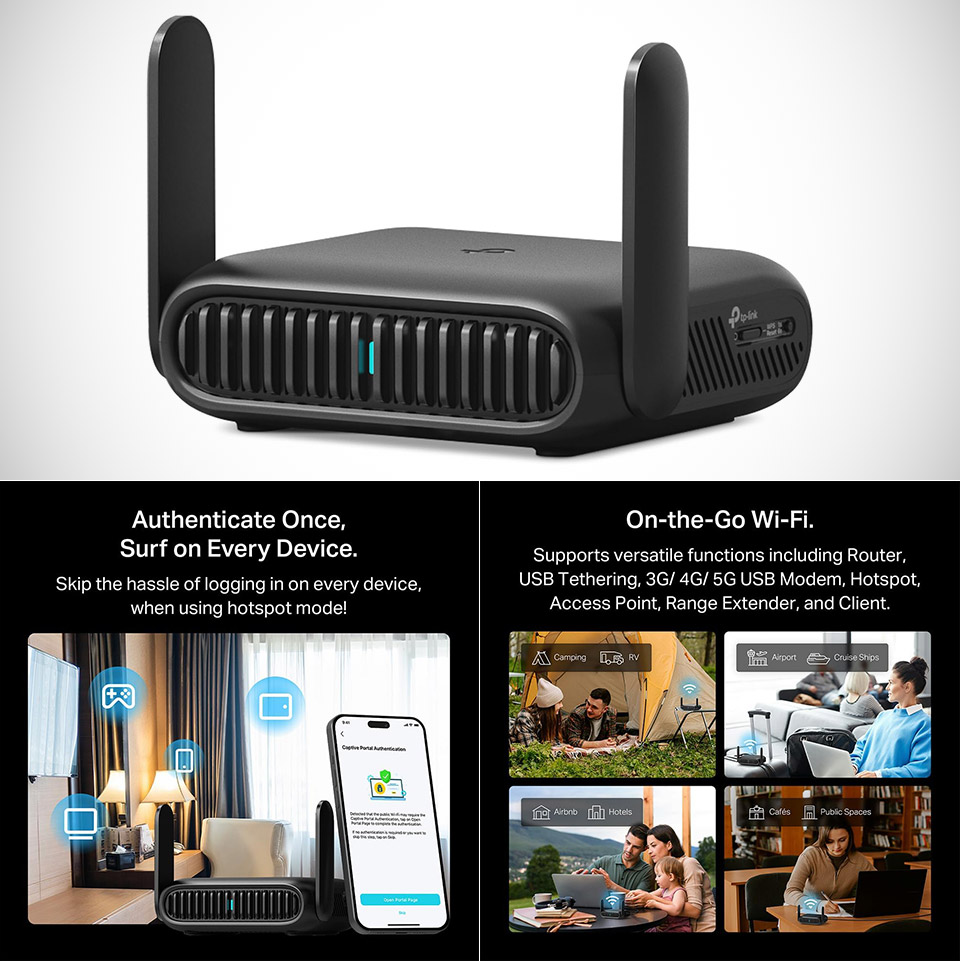
TP-Link Roam 7 BE3600 WiFi 7 Travel Router
Hotel rooms, airport lounges, and Airbnbs often leave travelers sharing a single public network with strangers or struggling with a weak signal that drops during a video call. TP-Link’s Roam 7 BE3600 travel router, priced at $89.98 (was $130), solves that by sitting between any available internet connection and a private network that belongs only to the person who set it up.

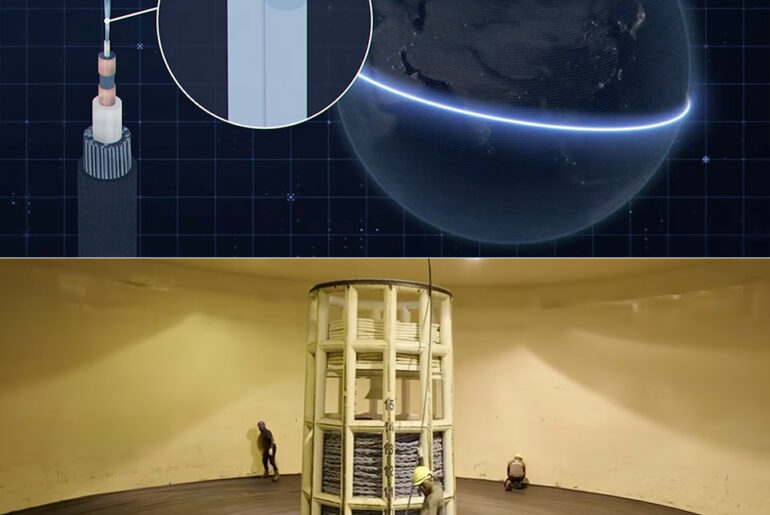
SubCom Undersea Cables Inside Look Technology
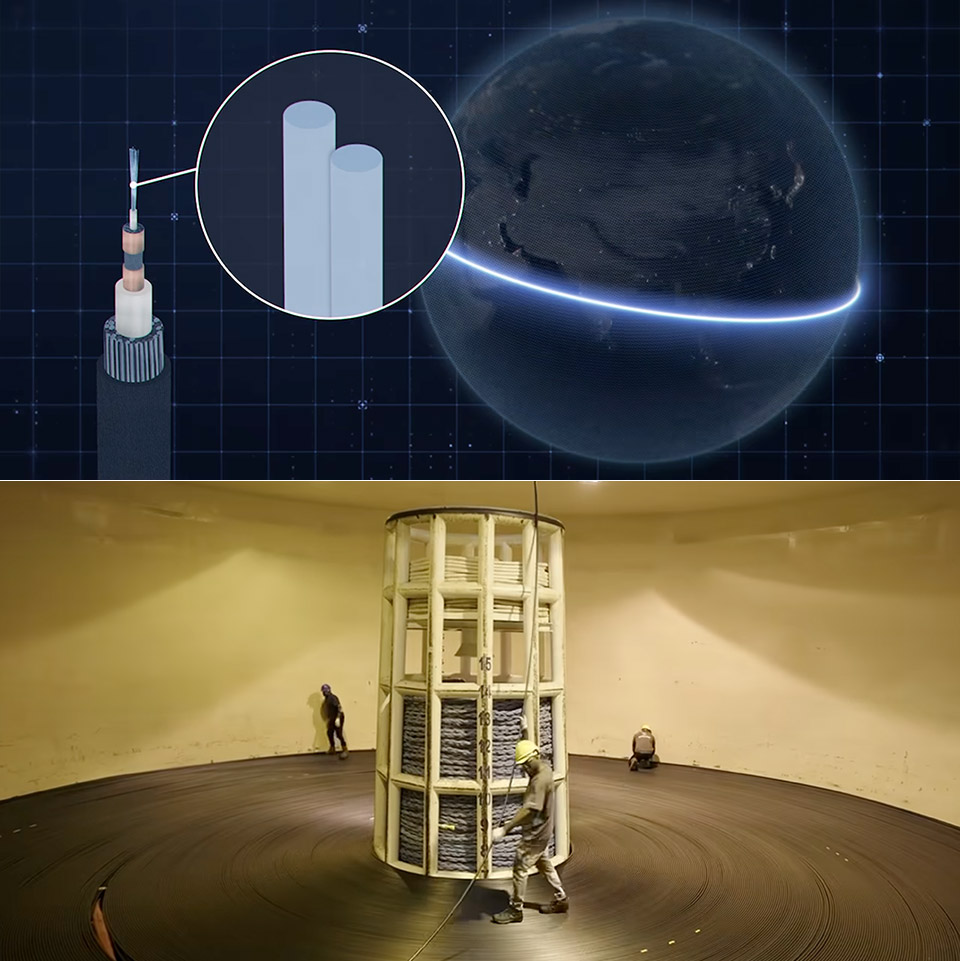
Almost every international email, video call, and cloud file travels through fiber-optic cables resting on the ocean floor, and the company that designs, builds, and installs a large share of them operates from a 50-acre campus in Newington, New Hampshire, where machines run around the clock turning hair-thin glass into the routes that connect continents. SubCom produces roughly 58,000 kilometers of cable each year at that site beside the Piscataqua River, with an expansion under way that aims for 77,000 kilometers by the end of 2026 and a longer-term target near 100,000 kilometers.

DEEP Robotics DR02 Humanoid Robot Traffic Officer
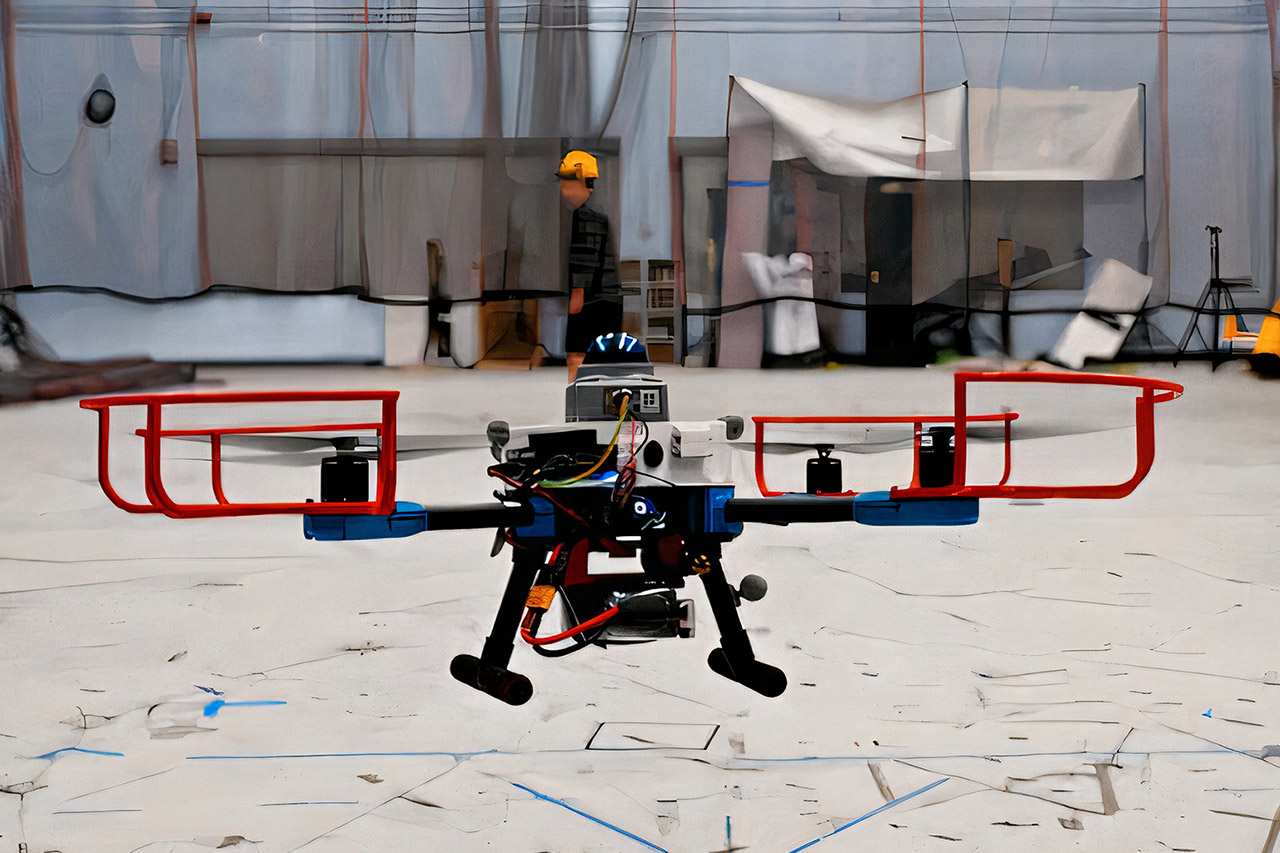
Early October brought steady rain across Hangzhou, packing scenic spots, commercial areas, and event venues with visitors and vehicles that strained local traffic crews. Against that backdrop DEEP Robotics sent a batch of its DR02 humanoid robots into Xihu District for practical trials at busy intersections and tourist sites. Units took positions on Zheda Road and West Wenyi Road in Lingyin Subdistrict, where they handled traffic direction, order maintenance, and basic consultation while others worked the heavier visitor flows at Xixi National Wetland Park.

Kostya Trachenko Why Life Exists Liquid
Scientists at Queen Mary University of London have identified a fresh constraint on the basic numbers that shape the universe. Physicist Kostya Trachenko examined how those numbers control the thickness of liquids. Cells depend on liquids for nearly every function. Molecules must reach reaction sites, waste must leave, and chemical exchanges must continue without interruption. Viscosity decides how freely those movements occur. Water pours easily because its viscosity stays low. Honey moves more slowly, while tar barely moves at all.

Apple Watch SE 3 2026
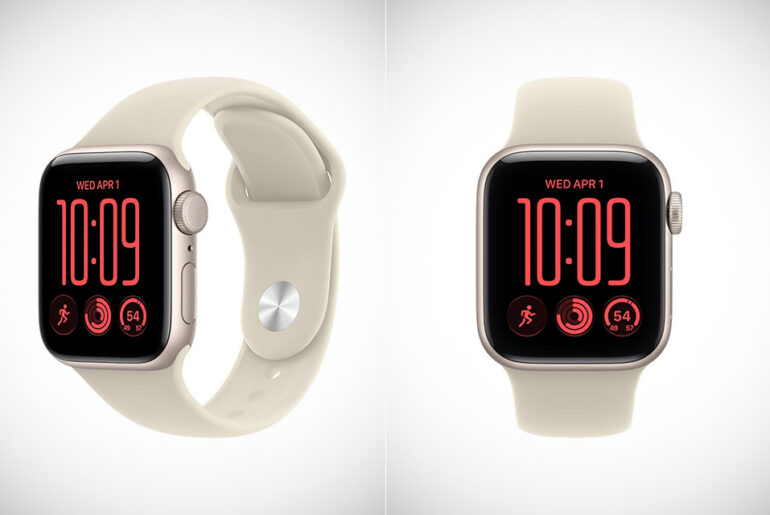
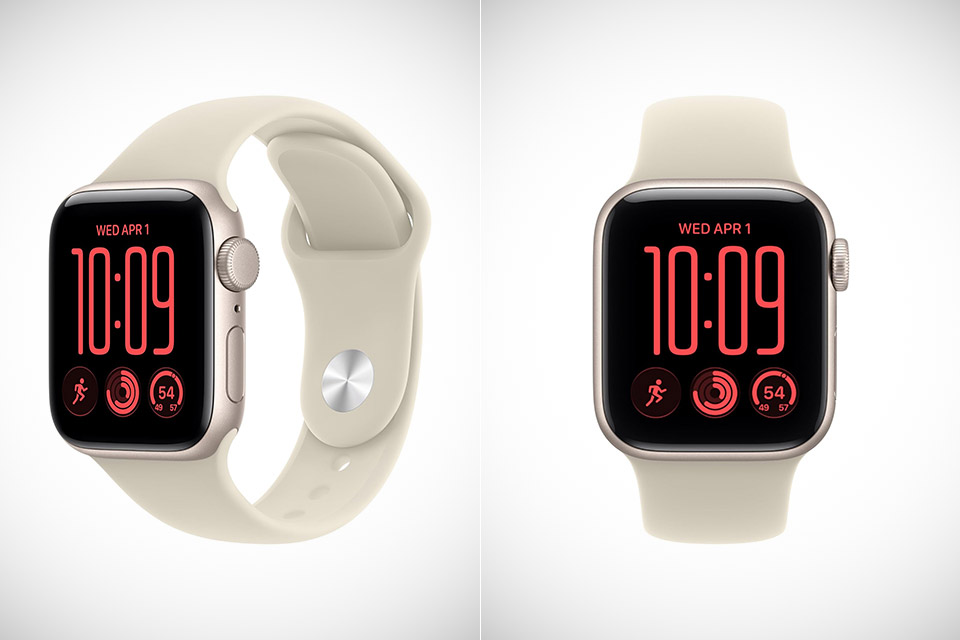
Apple Watch SE 3, priced at $199.99 (was $249), arrives with the S10 chip that powers the higher priced Series models, bringing double tap and wrist flick gestures along with on device Siri responses that no longer require an iPhone nearby for basic requests. A 40mm aluminum case in Starlight wraps an Always On Retina display that stays visible at a glance, peaking at 1000 nits while dropping as low as 2 nits, and the Ion X glass covering it resists cracks four times better than the glass on the previous SE, while storage doubles to 64GB.

Sierra Space Ghost Balloon Orbital Delivery Test
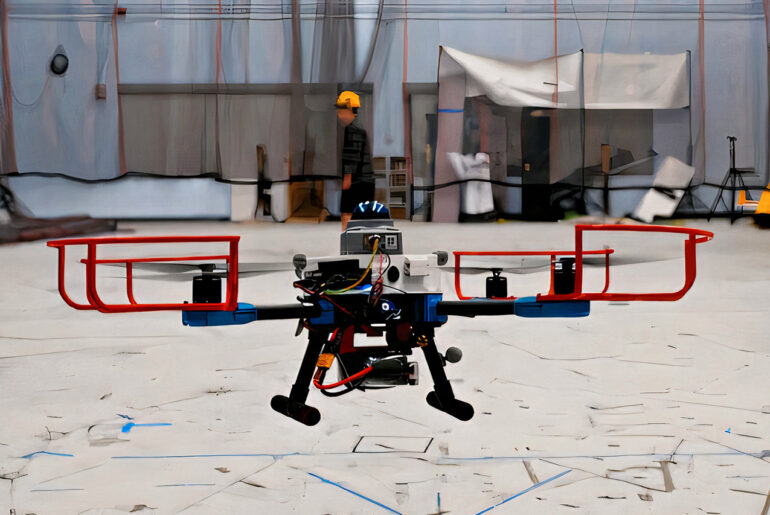
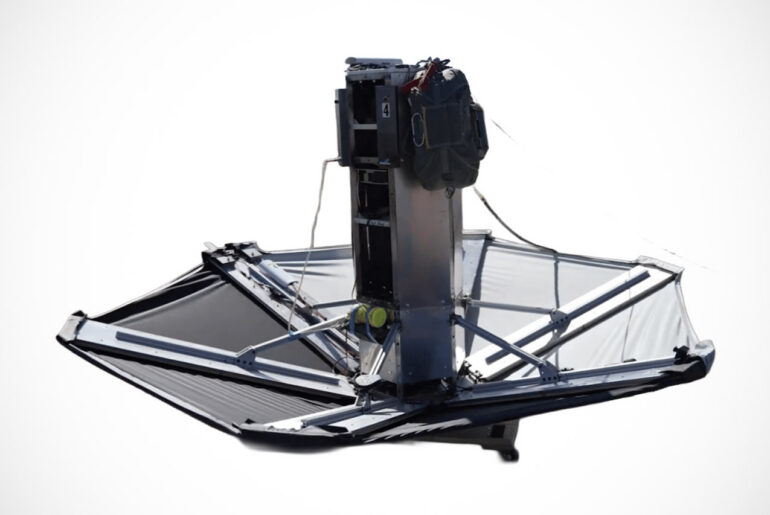
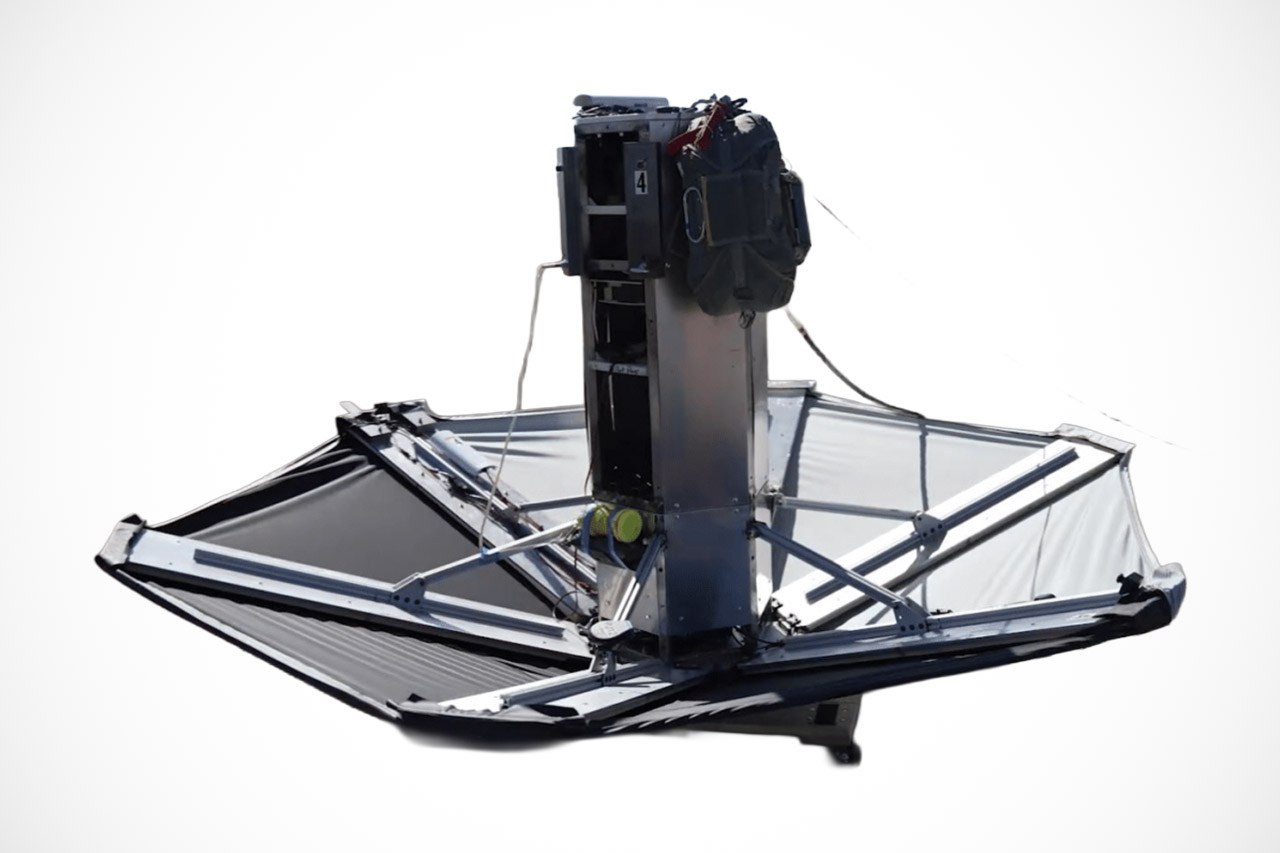
High above the Utah desert a high-altitude balloon released Sierra Space’s compact reentry vehicle carrying a bottle of whiskey and a software-defined radio. Both items reached the ground intact after falls from 35,000 feet and 68,500 feet, and recovery crews located them quickly. Those flights in May formed the first live tests in nearly two years for Sierra Space Ghost, a decelerator built to move cargo from orbit to any point on Earth in roughly ninety minutes.