
Apple released the fourth generation Apple TV 4K today, priced at $299 with the matching remote included. Preorders open immediately and the first units ship on November 13. The box now carries the A19 chip, which Apple says runs the processor roughly 50 percent faster and the graphics twice as fast as the A15 inside the 2022 model.

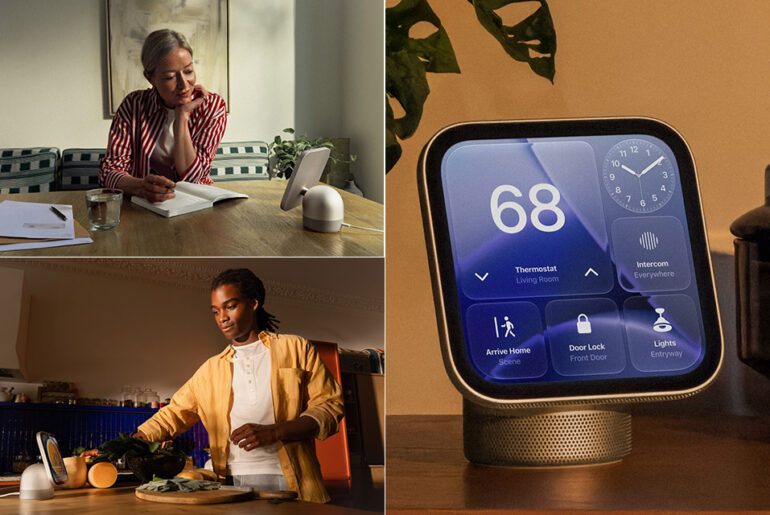
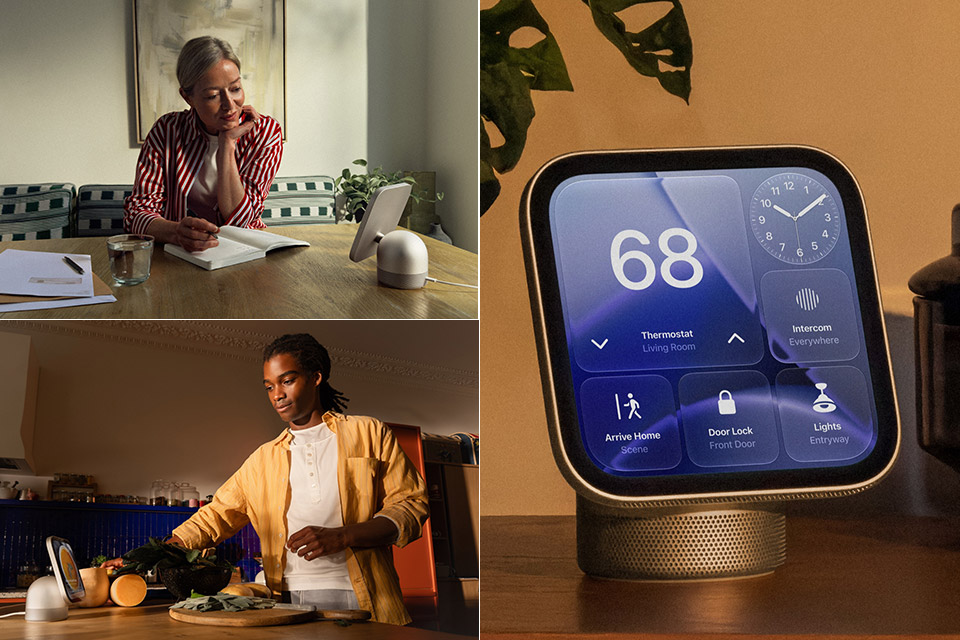
Apple HomeView landed this morning as a dedicated screen meant to sit in a kitchen, on a nightstand, or fixed to a wall, handling music, video calls, and the controls for lights, locks, and cameras all at once. Both the tabletop version and the wall-mounted version cost $299, with pre-orders open today and units shipping on November 13 in the United States, Canada, the United Kingdom, Australia, and a handful of other countries.

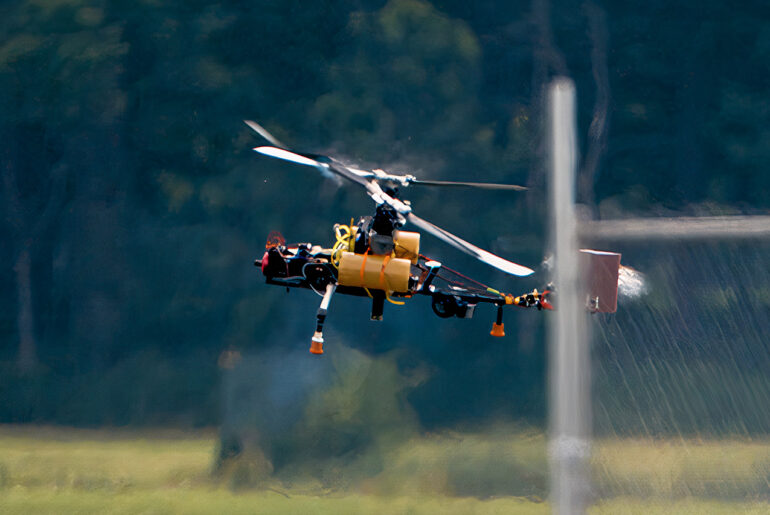
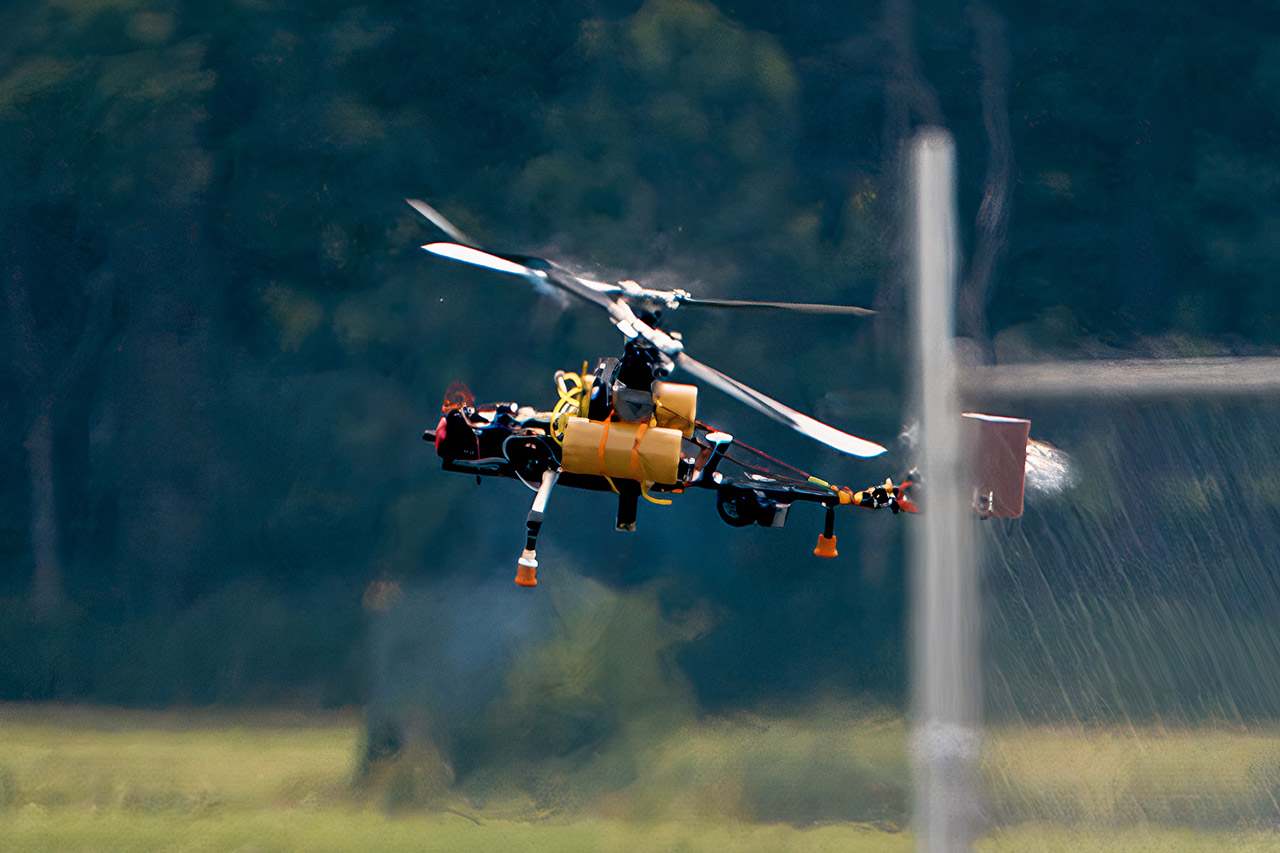
An electric helicopter built by a small team in Columbia, Maryland, flew away with first place in the DARPA Lift Challenge after hauling a load of cast iron that weighed nearly four times the aircraft itself. The machine, called Katana, finished its winning run in just over nineteen minutes at the National Museum of the U.S. Air Force in Dayton, Ohio. Judges measured an empty weight of 29.3 pounds and a payload of 112.4 pounds, producing a ratio of 3.84 to 1. No entry cleared the official four-to-one mark that would have unlocked the full prize amounts, so the top check was cut to $1.25 million. Still, the result set the highest completed score of the week and left every other finished aircraft behind.

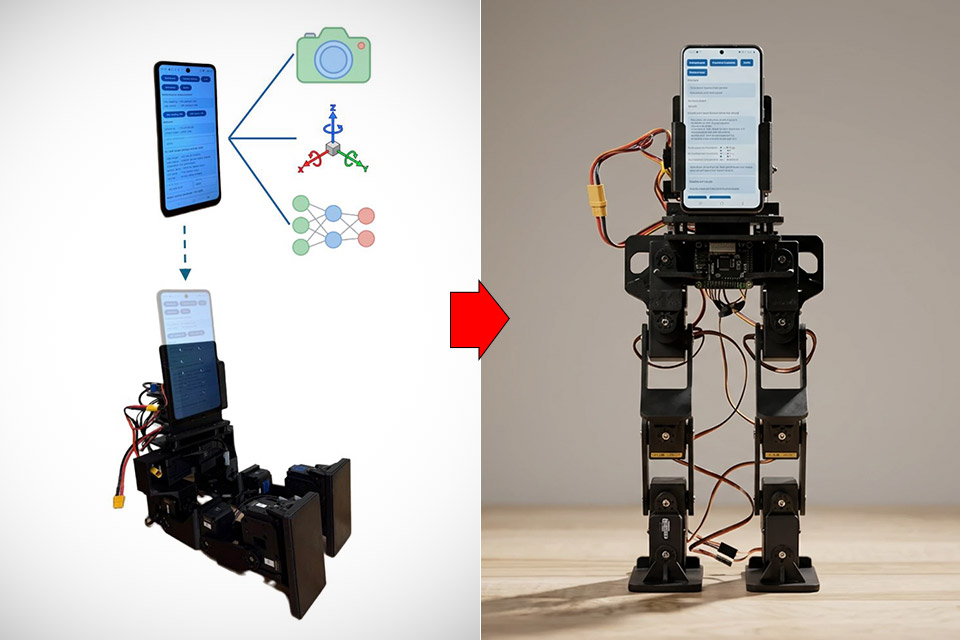
Photo credit: Ruochen Hou et al. / RoMeLa, UCLA / New Atlas
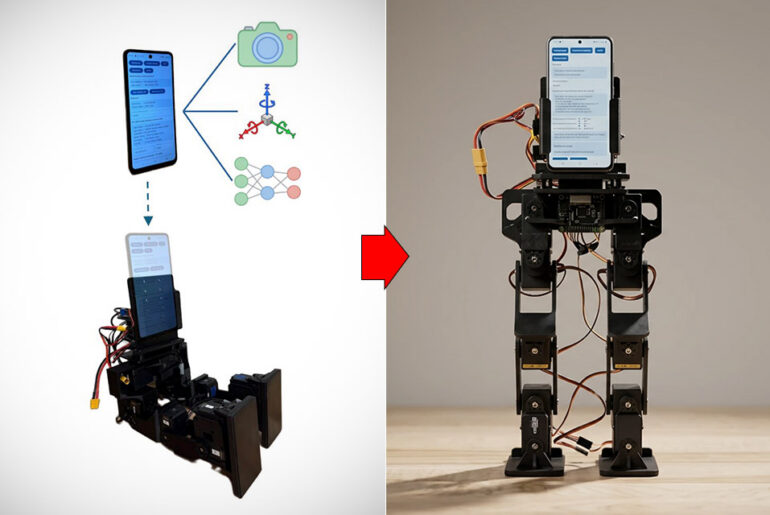
Old Android phones sitting unused in drawers can now serve as the central brains for a compact walking robot that stands about nineteen inches tall and weighs under four pounds. Researchers at UCLA’s Robotics and Mechanisms Laboratory built PhoneBot as an open-source platform that mounts a commodity smartphone as the torso, relying on the phone’s camera, motion sensors, processor, and wireless connection to handle vision, balance sensing, and movement calculations. Hardware costs for the body, motors, and supporting electronics run around four hundred dollars, leaving the phone itself as the main variable. The design deliberately keeps electronics simple so that swapping one phone for another requires no rewiring.

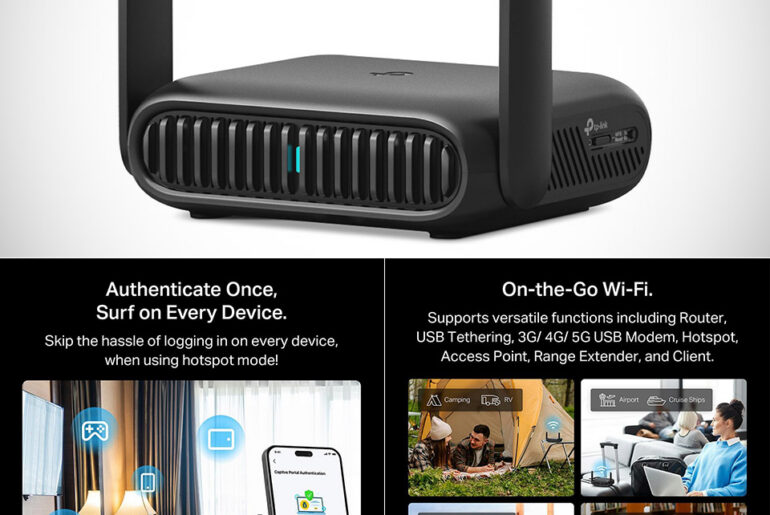
Hotel rooms, airport lounges, and Airbnbs often leave travelers sharing a single public network with strangers or struggling with a weak signal that drops during a video call. TP-Link’s Roam 7 BE3600 travel router, priced at $89.98 (was $130), solves that by sitting between any available internet connection and a private network that belongs only to the person who set it up.

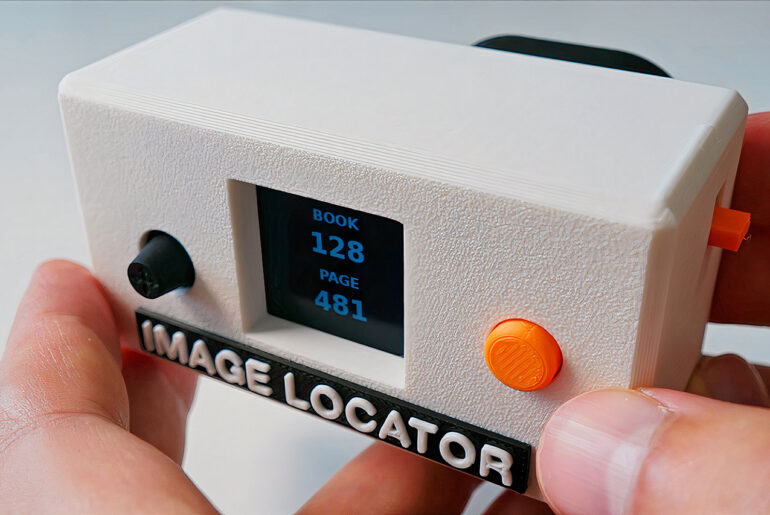
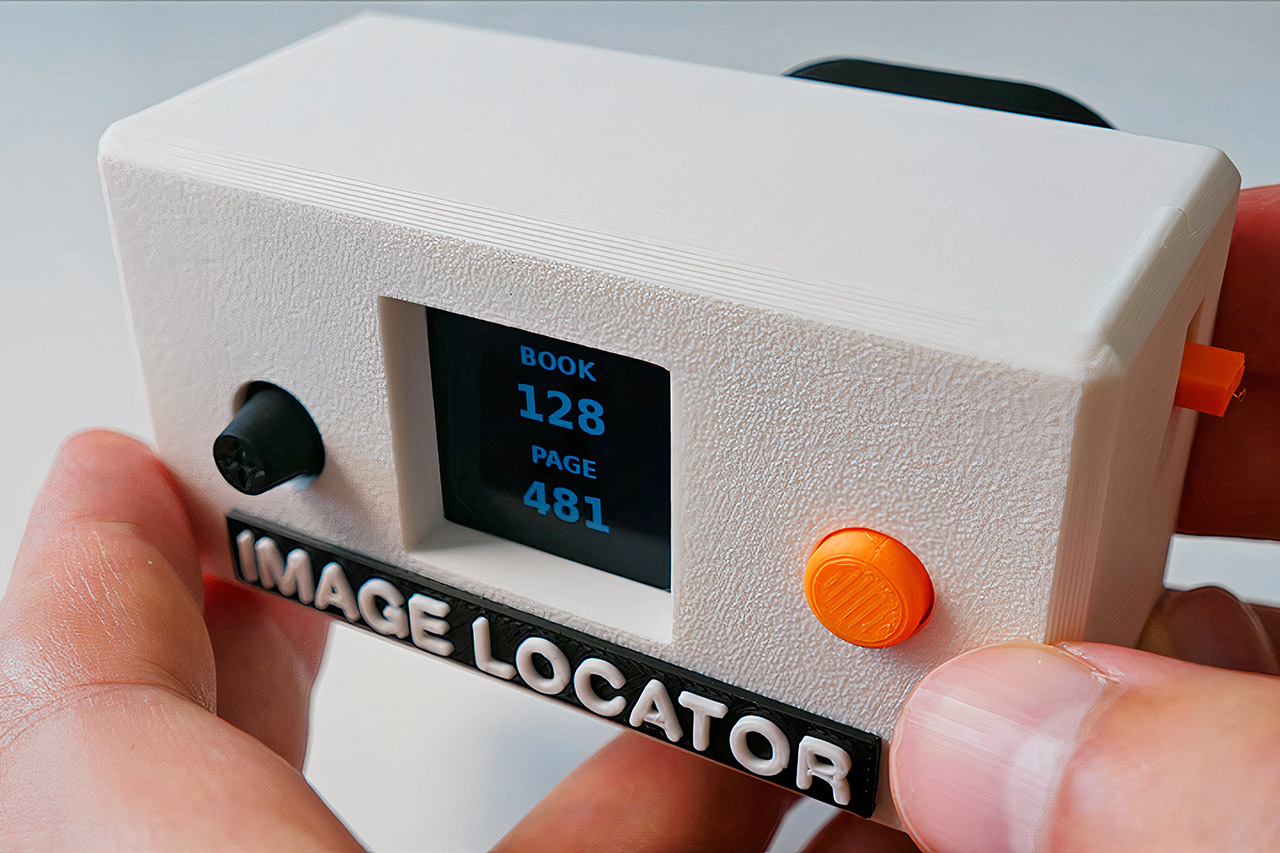
A camera that never stores a single photo sits in the hands of Dutch maker Jens from Strange Inventions. Point it at any scene and the small screen shows a number instead of an image. That number marks one exact page inside a theoretical collection that already contains every photograph that could ever exist.

OnePlus released its newest flagship in China today. The OnePlus 16 centers on a 9,000mAh silicon-carbon battery, a display that can update as fast as 185 times a second, and Qualcomm’s Snapdragon 8 Elite Extreme Gen 6 chip built on a 2nm process.

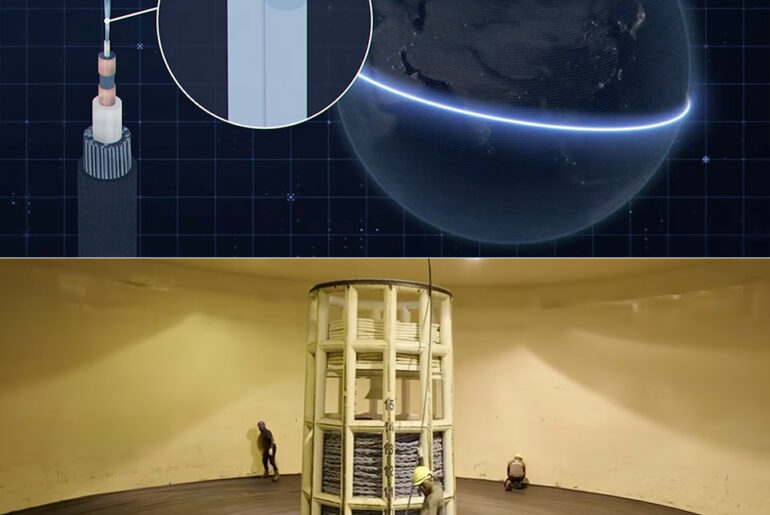
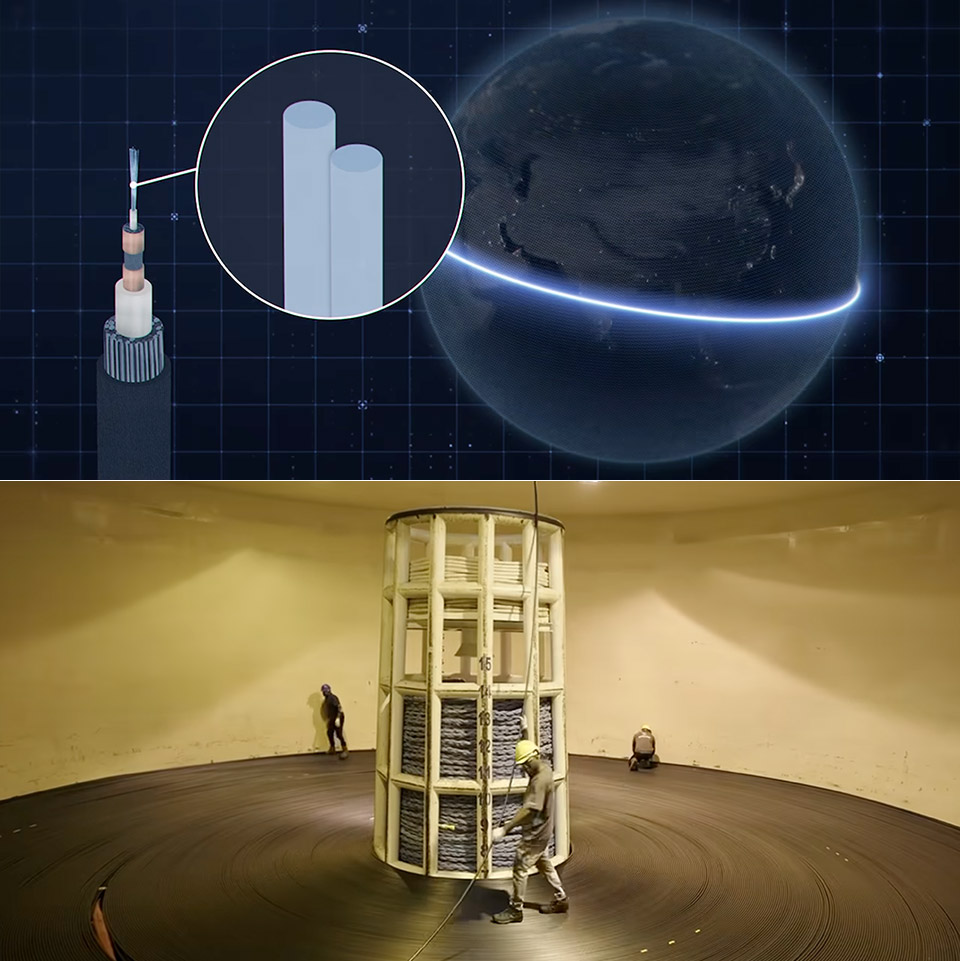
Almost every international email, video call, and cloud file travels through fiber-optic cables resting on the ocean floor, and the company that designs, builds, and installs a large share of them operates from a 50-acre campus in Newington, New Hampshire, where machines run around the clock turning hair-thin glass into the routes that connect continents. SubCom produces roughly 58,000 kilometers of cable each year at that site beside the Piscataqua River, with an expansion under way that aims for 77,000 kilometers by the end of 2026 and a longer-term target near 100,000 kilometers.

Early October brought steady rain across Hangzhou, packing scenic spots, commercial areas, and event venues with visitors and vehicles that strained local traffic crews. Against that backdrop DEEP Robotics sent a batch of its DR02 humanoid robots into Xihu District for practical trials at busy intersections and tourist sites. Units took positions on Zheda Road and West Wenyi Road in Lingyin Subdistrict, where they handled traffic direction, order maintenance, and basic consultation while others worked the heavier visitor flows at Xixi National Wetland Park.

Scientists at Queen Mary University of London have identified a fresh constraint on the basic numbers that shape the universe. Physicist Kostya Trachenko examined how those numbers control the thickness of liquids. Cells depend on liquids for nearly every function. Molecules must reach reaction sites, waste must leave, and chemical exchanges must continue without interruption. Viscosity decides how freely those movements occur. Water pours easily because its viscosity stays low. Honey moves more slowly, while tar barely moves at all.