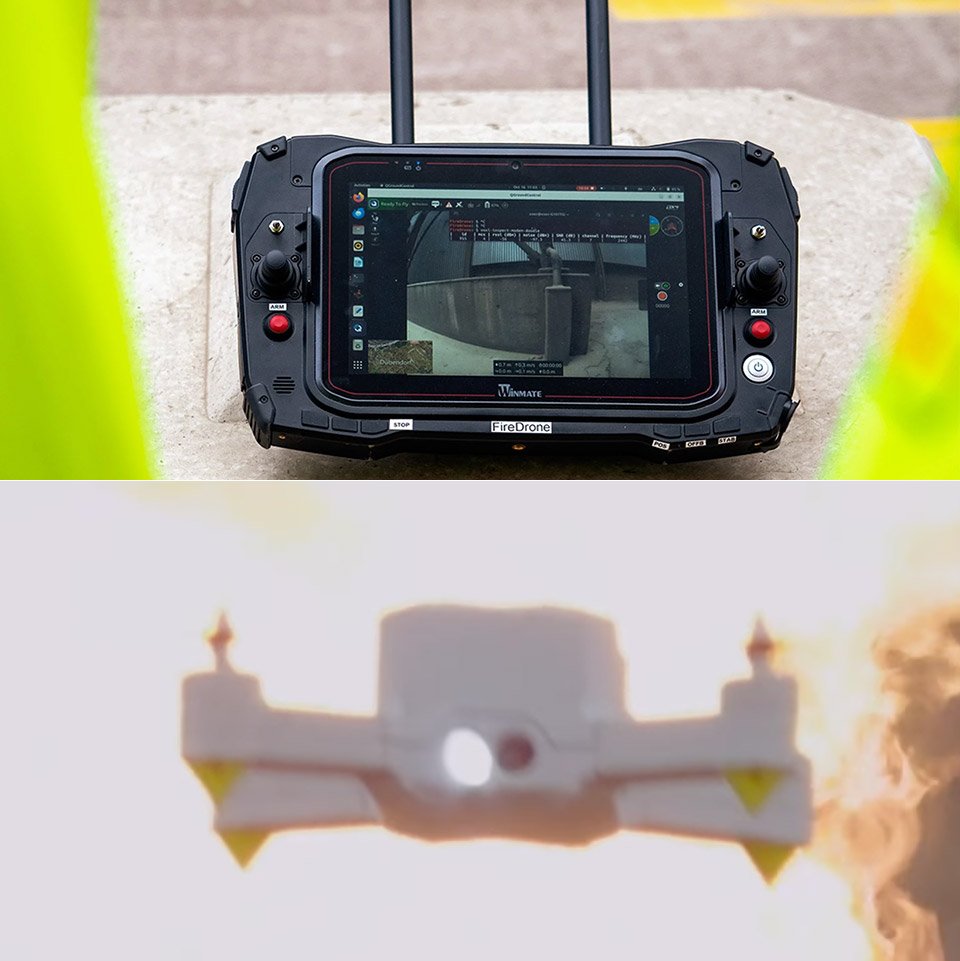
Firefighters race into blazing buildings, tunnels, and industrial sites, where they are all too familiar with the deadly heat, choking smoke, and hidden dangers that lurk around every corner, ready to strike. On top of the usual challenges, conventional drones simply can’t handle the extreme conditions of a fire, as they tend to fail or overheat almost immediately A team from Switzerland’s Empa research labs had a different idea…FireDrone.
Empa’s engineers began with the most obvious problem: heat. Any drone electronics will immediately turn to mush if the temperature gets above about 104°F. Fire zones, on the other hand, are a completely different story, as temperatures can reach hundreds of degrees near the flames. So the engineers set to work developing a unique insulator comprised of polyimide aerogel, which functions as an air-trapping, lightweight, porous substance that effectively limits heat transfer from one location to another. To take advantage of this, they cast the aerogel directly over the drone’s sensitive components, including cameras, batteries, flight controllers, and radios, which are all housed in a single protective shell. Early designs just used glass-fiber reinforcement, but this latest edition is more simpler and eliminates unnecessary reinforcements. It is lighter in weight and provides superior coverage.

- No Registration Needed - Under 249 g, this drone with camera for adults 4K does not require FAA registration or Remote ID for recreational use. Visit...
- 4K Ultra HD & 3-Axis Gimbal for Cinematic Quality Shooting - Capture stunning moments in any light—sunrises, sunsets, and night scenes with...
- 38kph (Level 5) Wind Resistant - This drone for adults has a stable flight even in Level 5 winds. Brushless motors enhance power and allow takeoff at...
This drone can survive for 10 minutes at 392°F, which is enough time to fly in, collect some crucial data, and get out safely. It also includes an inbuilt cooling system that monitors temperatures and activates when they become too high to keep the electronics safe. Furthermore, the infrared cameras provide live thermal video and extremely high-resolution images through even the thickest haze. Back at base, the pilots may watch everything unfold on one giant display screen from a safe distance and share the footage with anyone else who may be present.
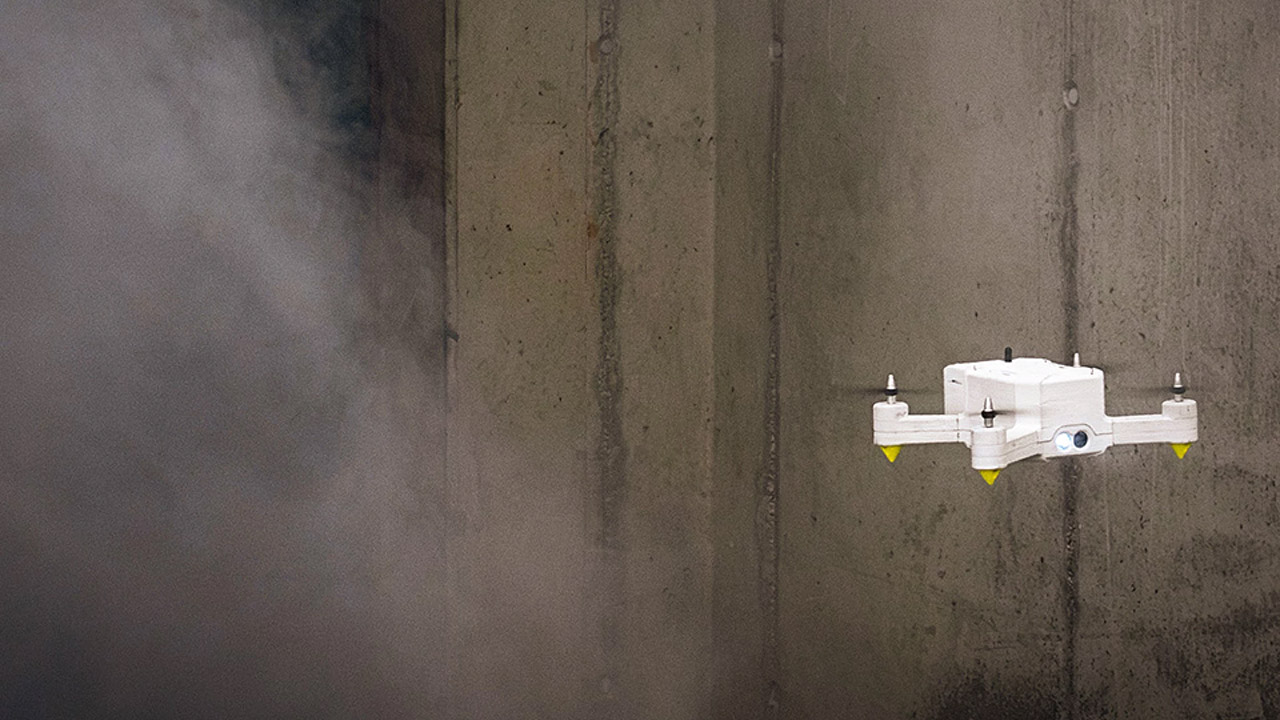
Since GPS can’t provide a signal inside a building or tunnel, the Empa team devised some backup methods to help the drone keep track of its location and travel from point A to point B without getting lost. The flight controls are all about giving the drone tight maneuverability indoors that you wouldn’t need if you were just flying outside, so it’s ideal for searching large rooms, parking garages, or industrial complexes where the smoke is so thick you can’t see your hand in front of you.
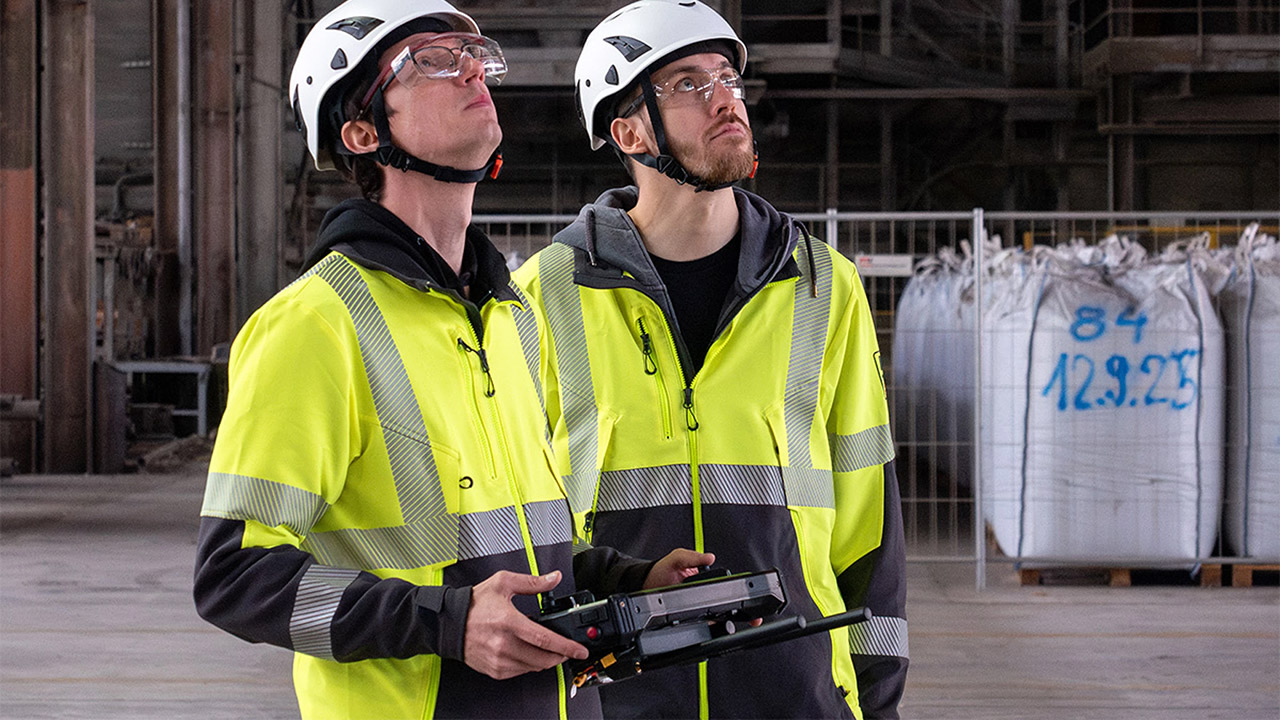
Tests showed that the concept works in the actual world. Prototypes were flown over a gas flame setup at a firefighter training school in Andelfingen, and they were also able to resist the furnace-like interior of Siggenthal cement plant. What was the result? All of the electronics were recovered intact, and the thermal feeds provided a clear picture of what was happening.
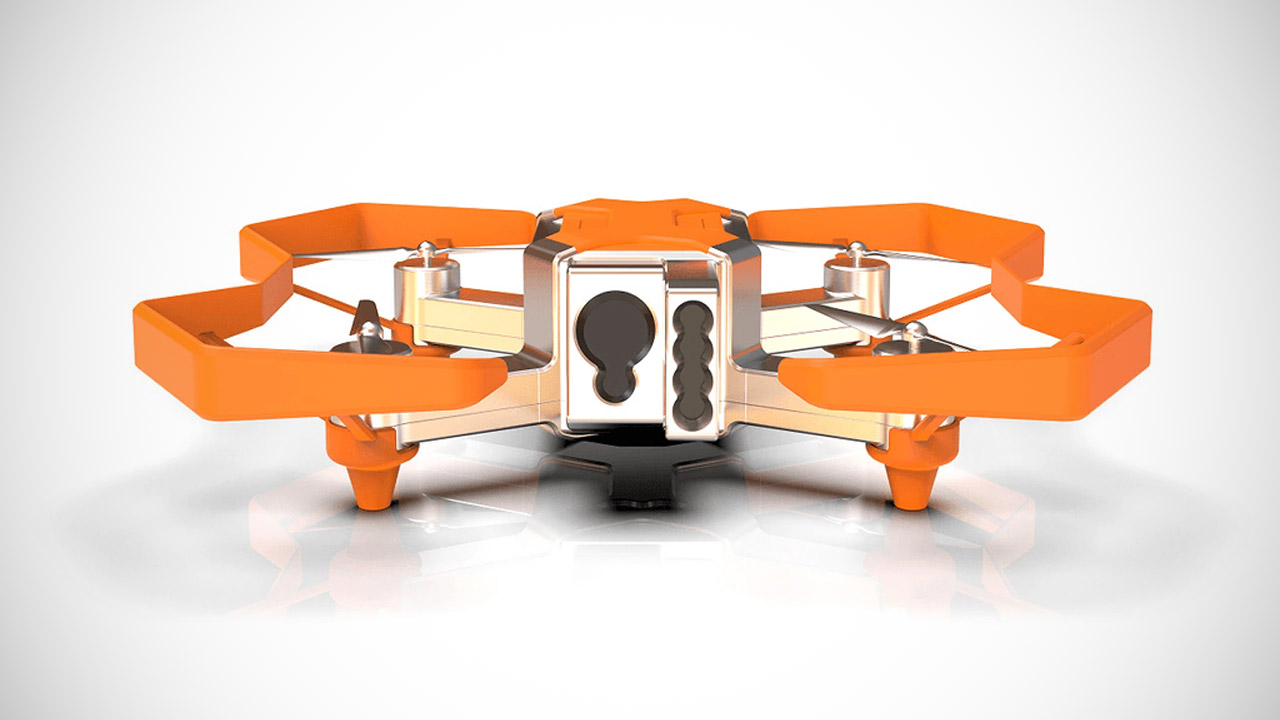
The FireDrone reduces some significant risks. For starters, teams are no longer required to put themselves in harm’s way when they do not need to. They can send the drone in to look for missing people or inspect the damage to ensure there are no hidden threats. Furthermore, the commanders receive a real-time image of what is happening before anyone enters. It is the same with industrial inspections. Those large furnaces, refineries, and kilns can take days to cool down, which means no one can enter to inspect for damage. However, if you have a drone that can fly in while the equipment is still hot and acquire all of the necessary information, you save valuable time, limit damage, and overall lower the costs of downtime.
[Source]