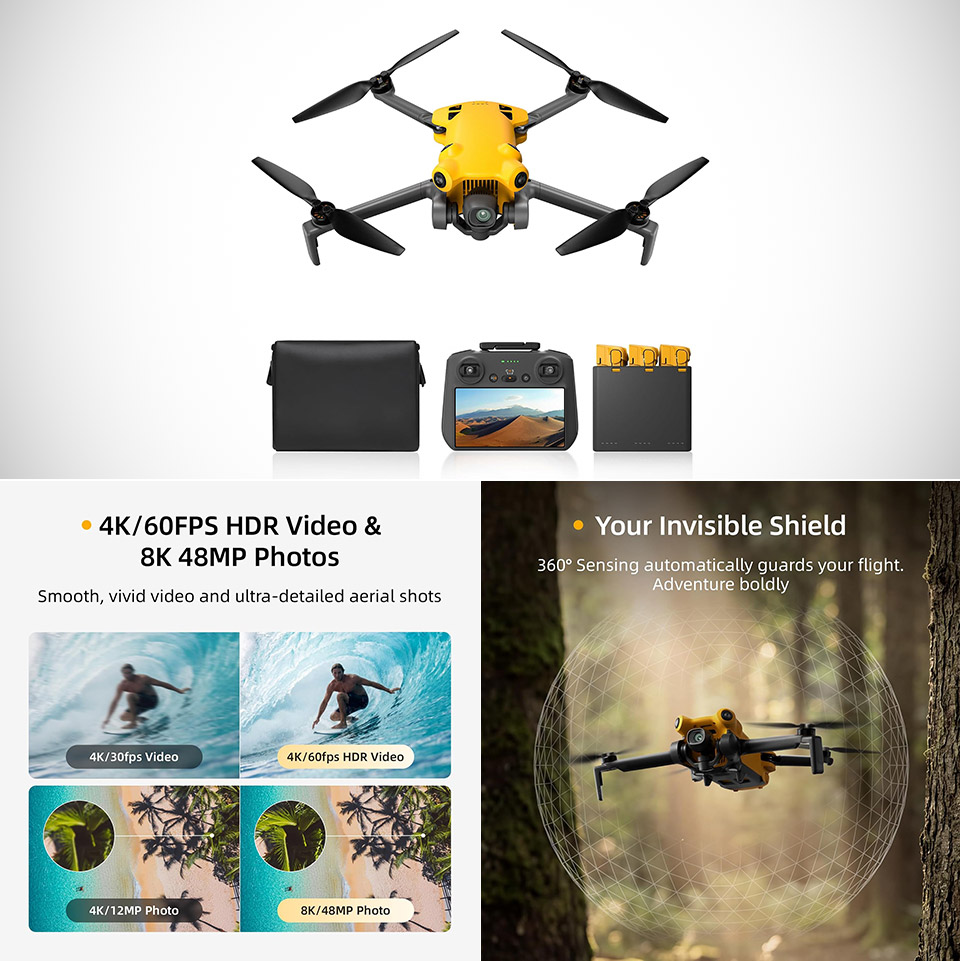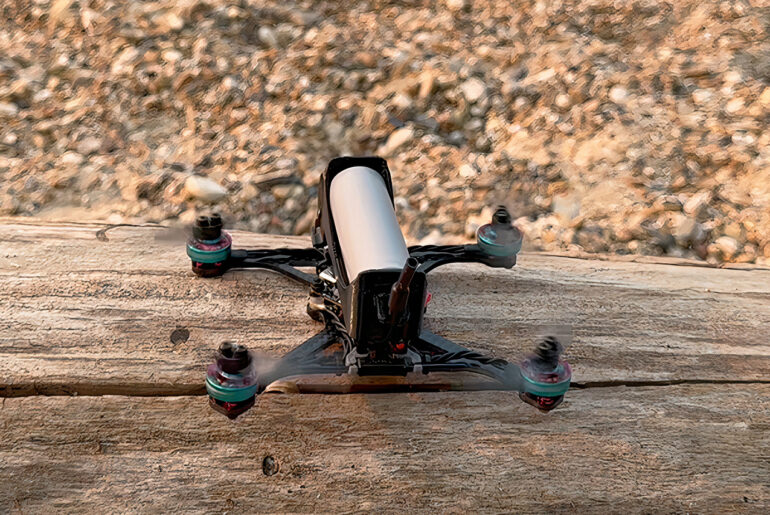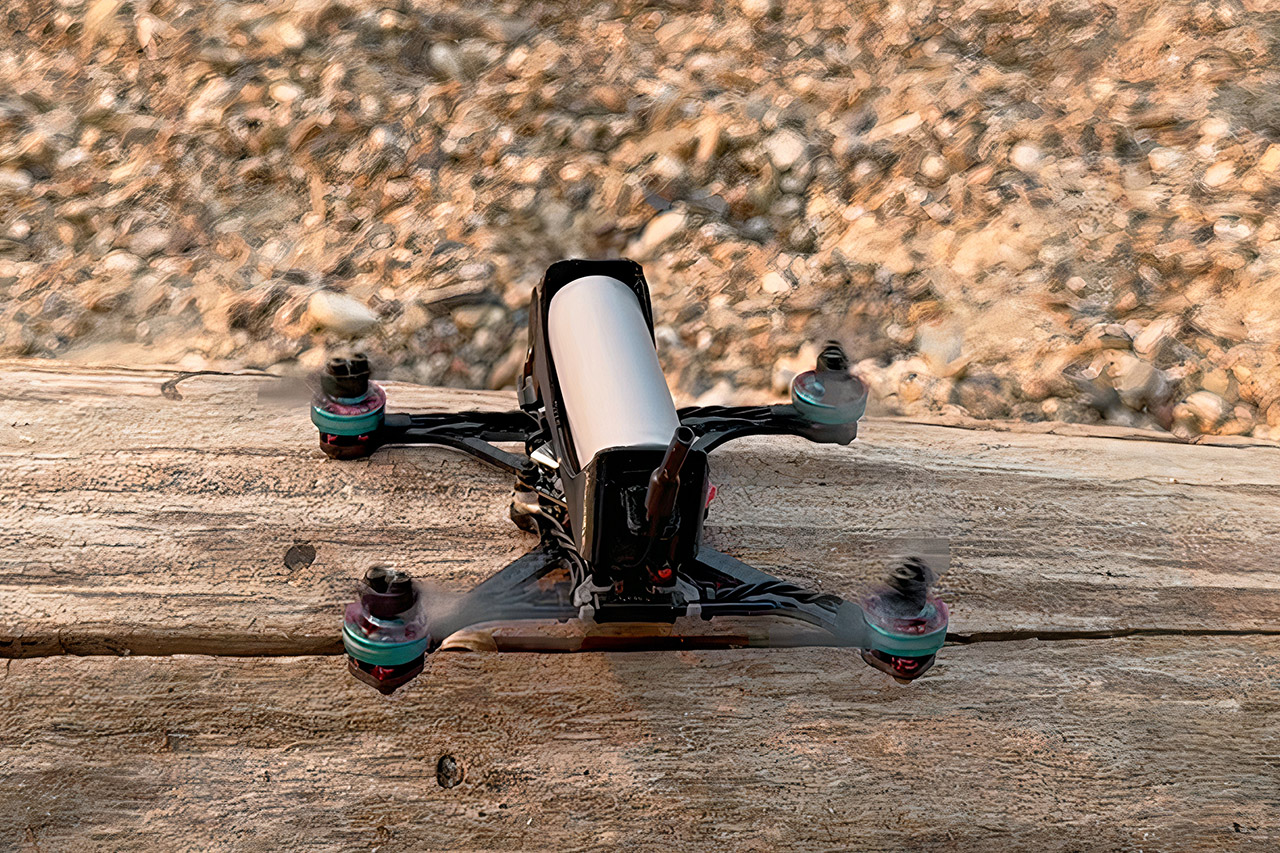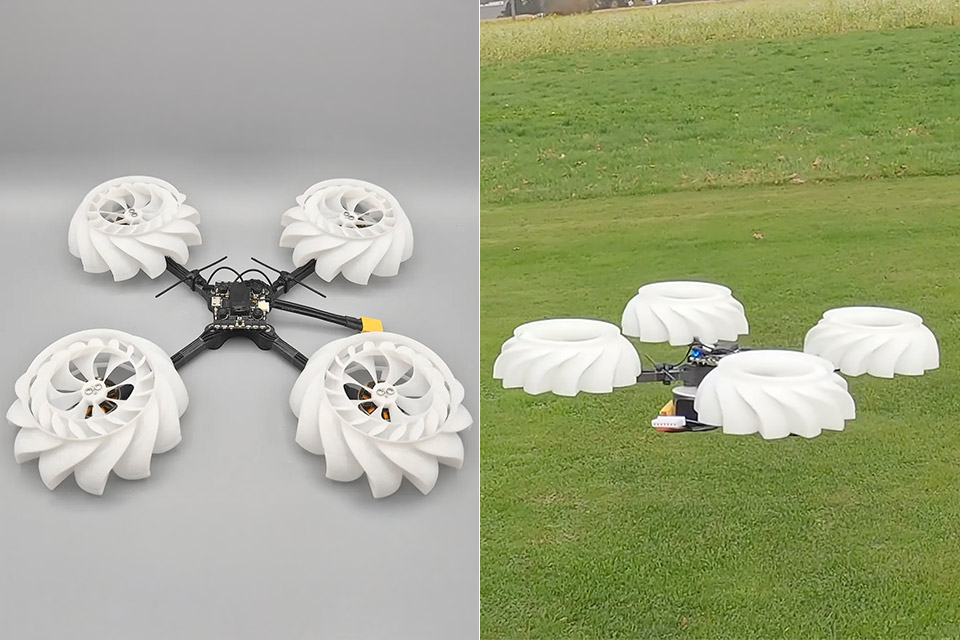
A new drone has just launched, and it has the potential to revolutionize the way we capture the world from above. Antigravity, a newcomer to the scene and a spinoff of the team at Insta360, created the A1.

Dropping packages from the sky may sound like a crazy idea right out of a sci-fi film (and who knows, it could be the future we’ve all been waiting for). But in Metro Atlanta, forget the science fiction for the time being; Wing, Alphabet’s drone company, has partnered with Walmart to bring that futuristic delivery dream to the people of Atlanta. Beginning today, homeowners in a few neighborhoods across the city may pull out their phones, hit a few buttons, and have groceries or holiday gifts delivered right to their doorstep, or more likely, their backyard, in as fast as 30 minutes.

Luke Bredar sits in the passenger seat of a battered old pickup truck, his gaze fixed on a set of goggles that are live-streaming footage from a drone flying hundreds of feet over the Oklahoma plains. The sky front of him is one giant gray cloud bursting with heavy, living presence, and it’s sliding down to the ground like a finger stirring up the dirt.

On November 20, 2025, Britain’s DragonFire laser targeted drones flying through the air at 650 km/h, twice the speed of a Formula One car along Scotland’s Hebrides Range, and brought them down with precision. Engineers from MBDA, QinetiQ, and Leonardo watched as their brainchild worked its magic once more, identifying, tracking, and disabling objects that resembled the fast-moving dangers already common on the battlefield. DragonFire is five years ahead of schedule and one step closer to being deployed on Royal Navy ships.

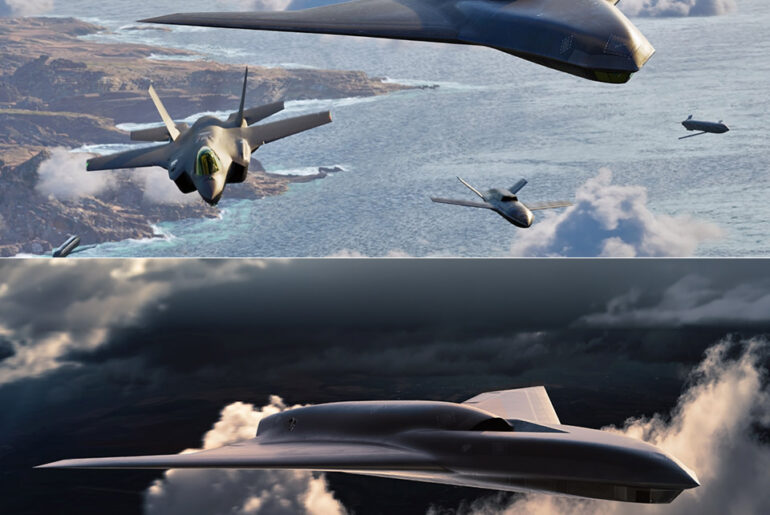
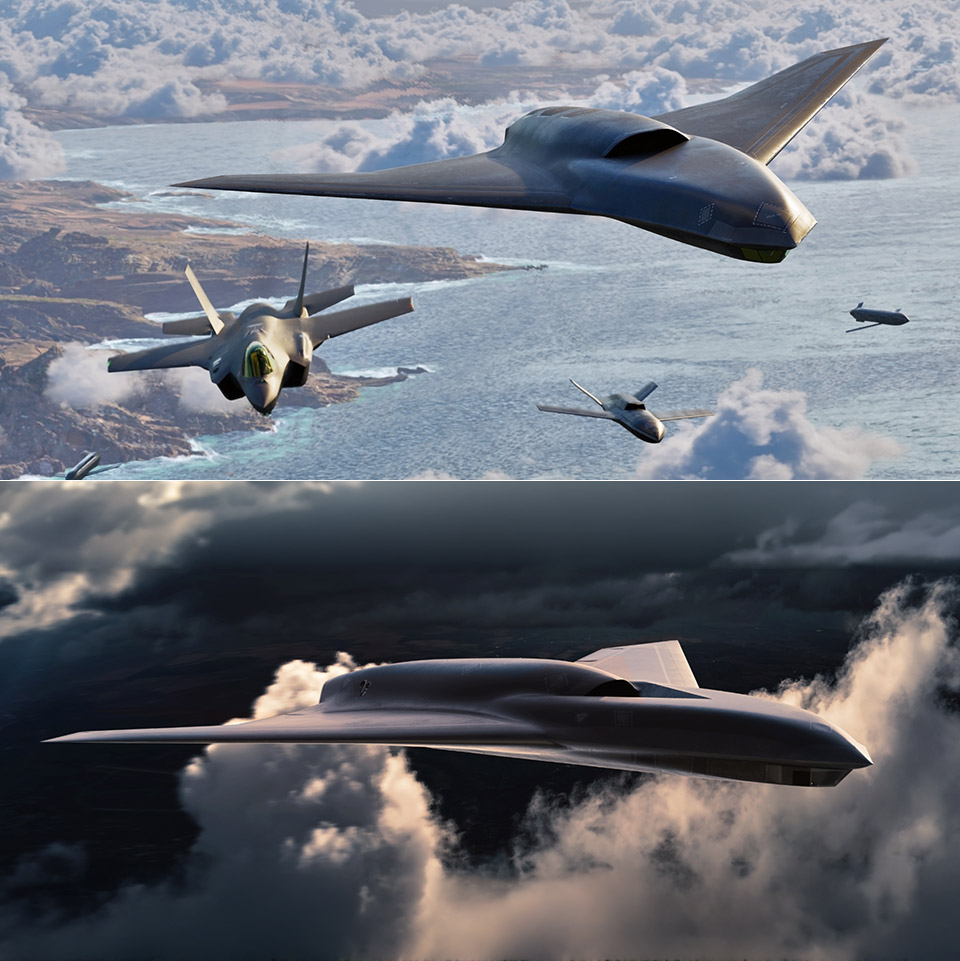
Lockheed Martin’s Skunk Works engineering team knocked it out of the park earlier this month. An F-22 Raptor hurtling through the Nevada sky at breakneck speeds was communicating with an unmanned drone from inside the cockpit. The pilot flew the fighter with ease, commanding the drone’s motions from the plane’s seat. This test flight was a first for a fifth-generation aircraft, since it seized full control of a loyal wingman while still airborne.

AutoFlight has introduced a game-changing solution: a floating platform for electric vertical takeoff and landing aircraft. This is the world’s first dedicated landing location for eVTOL air taxis on rivers, lakes, and the open sea. Built with battery giant CATL, the platform works entirely on solar power and stored energy, with no emissions. Sick of gridlock roads and long airport wait times? There’s a new way to cross the water without ever seeing a fixed runway.

Luke Maximo Bell and his father Mike spent months in a makeshift workshop building a drone that would rewrite the rules of airspeed. On June 22, 2025, the Peregreen 3 crossed the 360.4 mph barrier in Dubai’s Al Qudra desert, setting a new Guinness World Record for the fastest battery-powered remote controlled quadcopter. Outpacing the previous year’s milestone of 347 established by a Swiss team, it was a hard-fought victory that required seven crashes and a run of devastating setbacks to secure.

A group of miniature quadcopter drones sit in a lab at TU Delft, cables trailing from their bellies like umbilical cords to a shared load beneath. The load sways slightly as they lift off, but the machines quickly settle into a pattern, pulling together with silent precision. Researchers have spent years working toward this kind of harmony, and now they’ve cracked the code to turn a slew of off-the-shelf drones into a force capable of lifting weights much beyond what one could manage alone.

Erik Spijk spent more than a year transforming a failed 2017 experiment into a functional drone that displays graphics in mid-air. He calls it Zippy, and it’s a small-scale tribute to Las Vegas’ gigantic LED-covered Sphere. A ring of 144 LEDs spins quickly enough to trick the eye into perceiving solid images, writing, or basic animations, while the entire contraption hovers on its own power.

Late October is typically a quiet time in aviation, but that was not the case at a California test site. A sleek matte gray jet with a mostly empty interior took off from Victorville’s runway, rose slowly, and was able to negotiate its own path through the sky without even a remote pilot at the controls. It was a historic event; no one was inside, and the entire route had essentially been left in the hands of the YFQ-44A, also known as Anduril’s Fury.