Marques Brownlee, aka MKBHD, recently accompanied the NBC production crew and Spurs staff for an in-depth look at the tools and people who transform an NBA playoff basketball game into the polished feed that millions watch from home. His tour included camera placements across the arena, specialist rigs designed for dramatic views, audio capture stations strewn throughout the court, and trucks that connect everything together as the action develops.
NBC typically sets up 40 to 50 cameras for key games. Many of their basic broadcast units rely on their trusty Sony P50 cameras, which have a sensor small enough to fit on a fingernail and can shoot 1080p video at 60 frames per second with global shutter capability. Individual units are expensive, costing close to $50,000 each. About six of these cameras work side by side with swiveling seats, and their primary function is to capture clear, isolated pictures of individual players. When the director calls out for a certain player over the headset, the operator has only about 2 seconds to track him down, frequently from behind, as he sprints down the court, and lock in a steady frame before moving on to the next thing. They have a fast reference sheet with images of the players to help them out.

- Cinematic-Style Footage - Experience the power of Xtra Muse's 1-inch CMOS sensor, capable of recording breathtaking 4K resolution videos at 120fps...
- Ultra-Steady Shooting - No more shaky videos! Xtra Muse's advanced 3-axis gimbal camera stabilizer ensures exceptional smoothness. Enjoy smooth...
- Effortless Framing - Enjoy Xtra Muse's expansive 2-inch touch screen, and switch between horizontal and vertical shooting effortlessly.
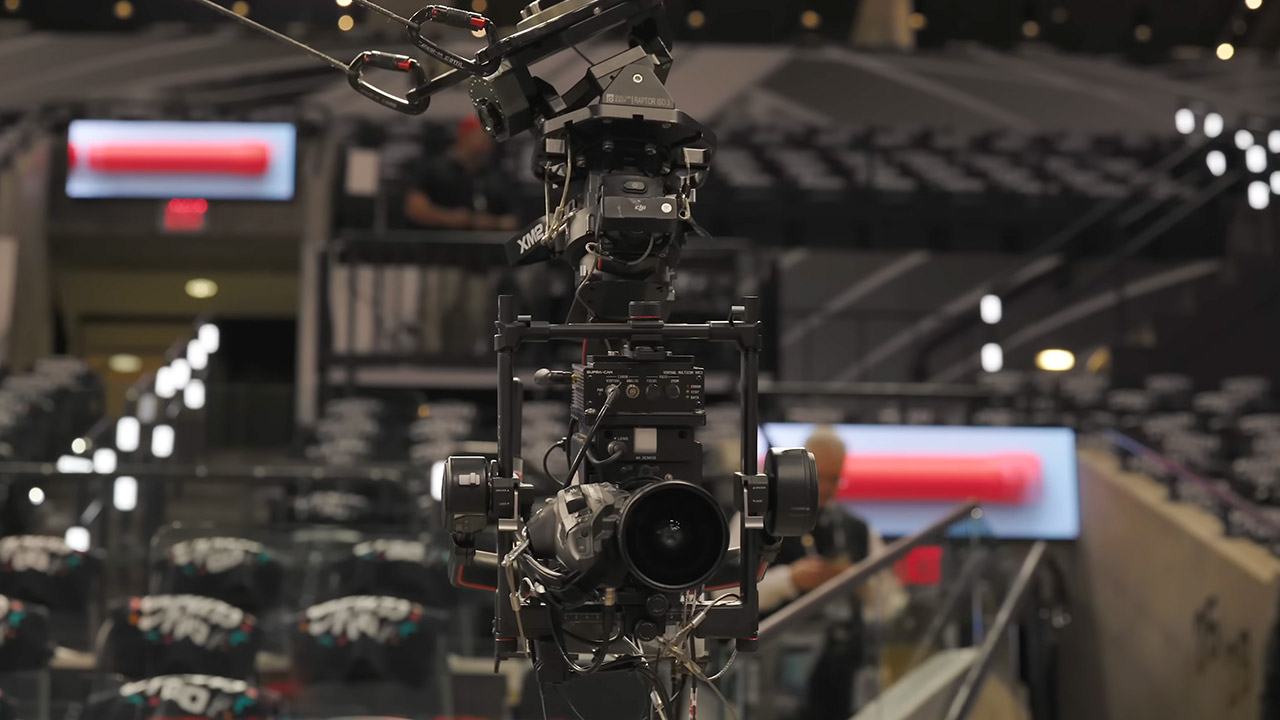
Many of these cameras now have more than just conventional lenses. One variant has an 8-to-1000 millimeter range, resulting in 122 times optical zoom. The servo controls, however, maintain focus and zoom changes smooth as silk, even while things are going at full speed, and there’s that one famous opening picture, a cable rig that runs along the arena’s ceiling, with a Sony P50 camera dangling from it on a stabilized gimbal. Two operators work together to make the photo just perfect, with one moving the entire apparatus through the air and the other handling framing, zoom, and focus.
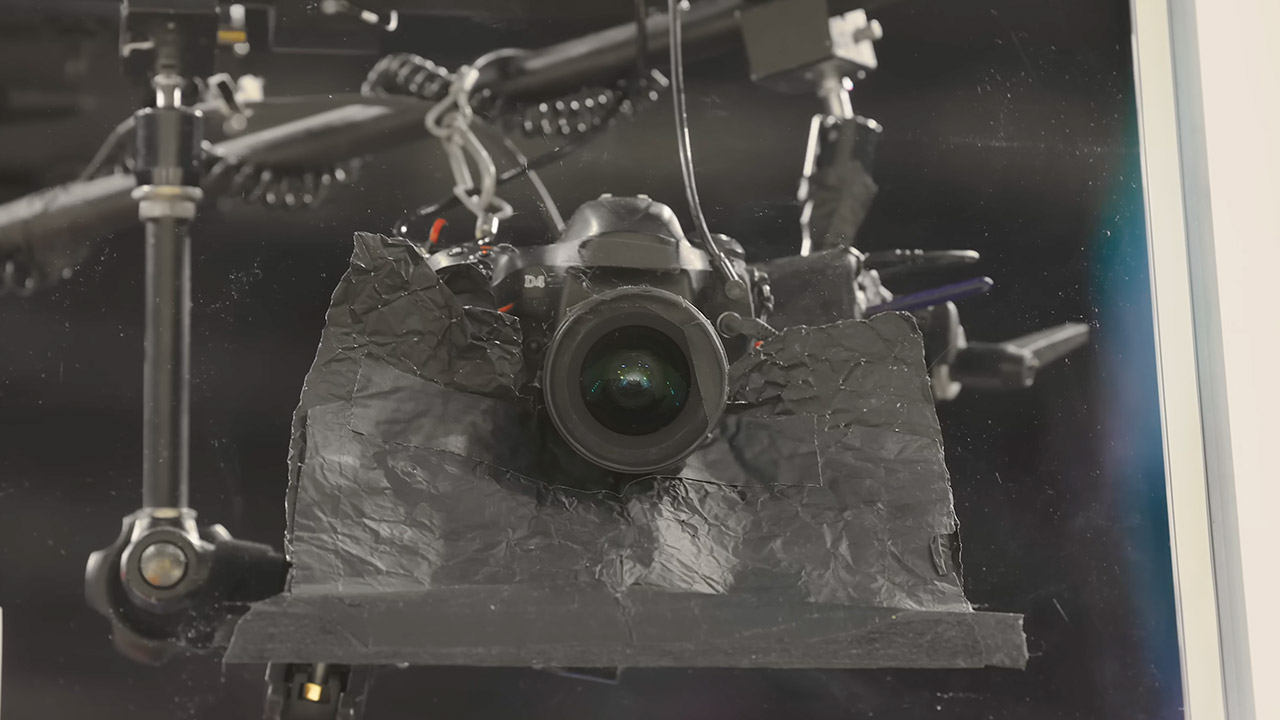
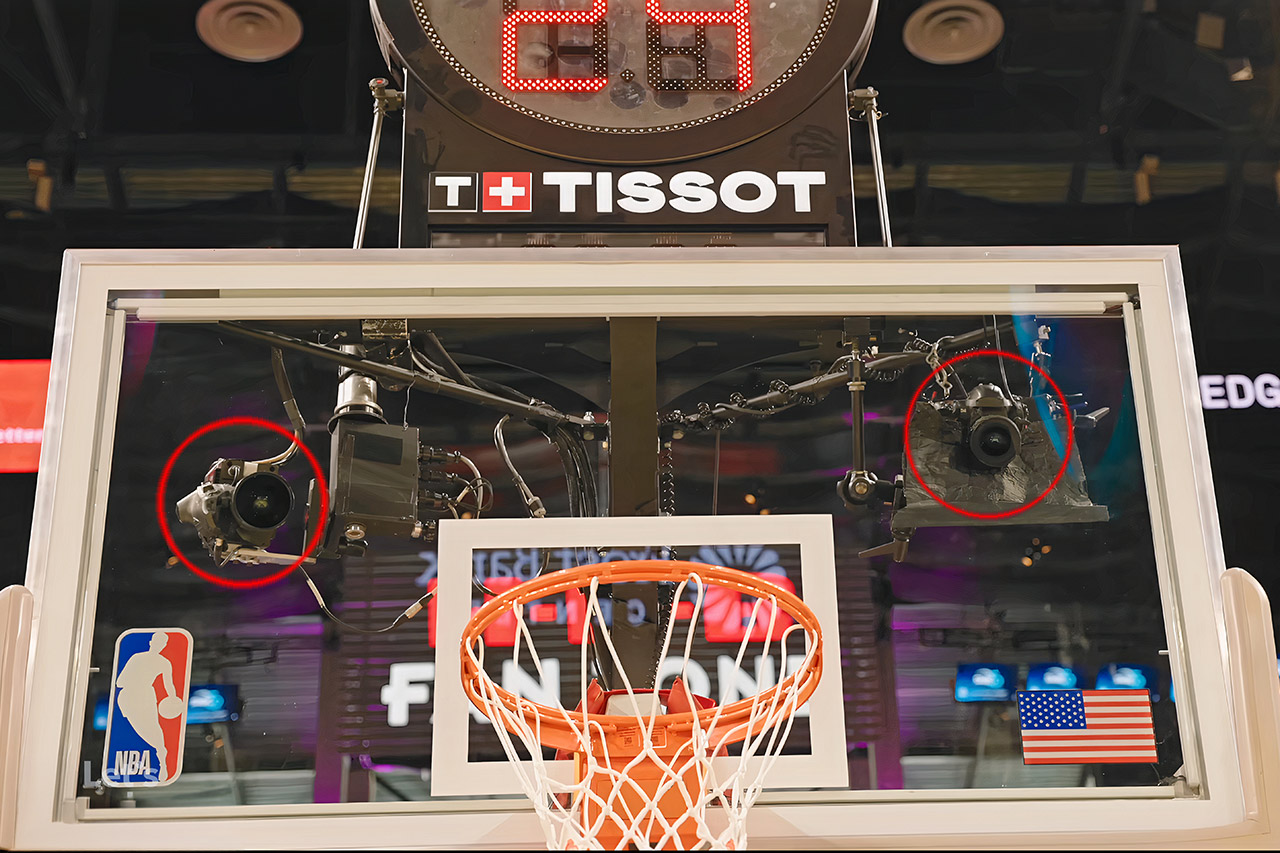
Each basket has its own support structure with extra gear on it, such as your RED and Sony cameras providing alternate viewpoints or stills, and Sennheiser shotgun mics dispersed throughout to capture the sounds of sneakers on the floor, the ball bouncing against the rim, and all that other nice things. Then there’s a remote camera sitting right above the rim, giving you those awesome straight-down views of dunks and such. Cameras aren’t the only game in town; you’ve got your wide-angle shots showing the entire court, your low-angle units providing dramatic floor-level perspectives, your dedicated feeds following key players or the bench, and your Steadicam operator moving along the baseline with a stabilized rig for silky smooth sideline coverage. If that isn’t enough, you can also use your remote dome cameras to get rotational views of the entire arena.
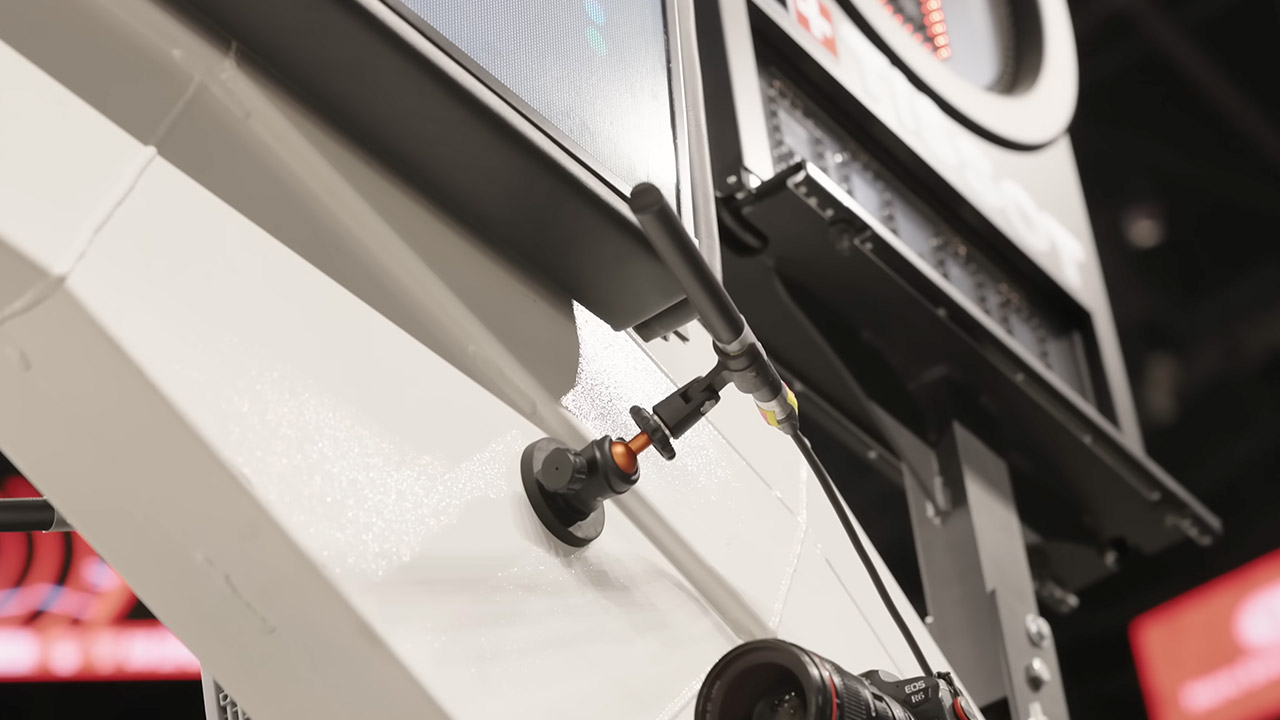
Of course, audio receives the same treatment, with microphones positioned all over the court and in the seats, some for capturing on-court sounds and others for layering in crowd excitement from various parts of the arena. The ultimate goal is straightforward: keep the audio in time with what’s happening on the court and make it sound like you’re right there in the action. Brownlee linked to a video by Dallas Taylor that demonstrates what happens with the audio engineer on NBC’s broadcasts.
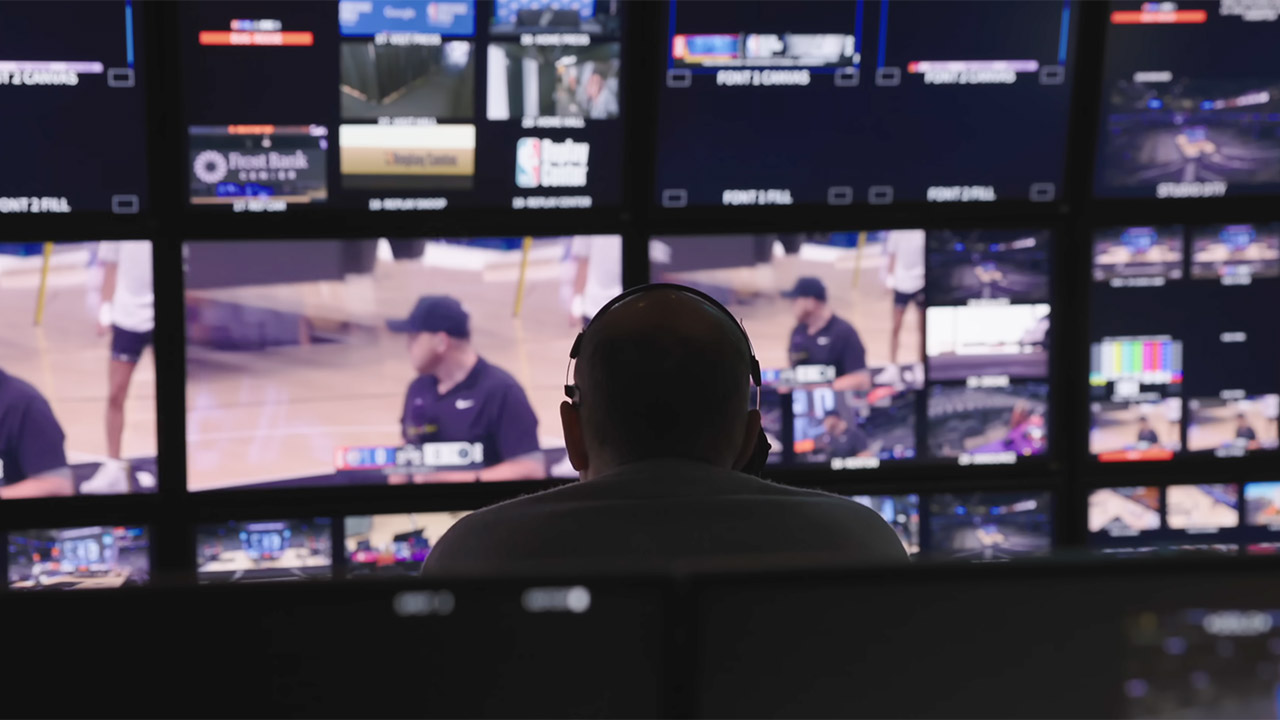
All of that video and audio is then routed to a cluster of broadcast trucks situated a few hundred yards away from the arena. Teams inside perform their magic to color-grade all of the camera feeds, make the live audio sound clean and clear, prepare fast replays, and decide which shot to air next. The replay specialists then get to work, utilizing their fancy controls with scrubbing wheels and variable-speed levers to quickly locate and slow down critical moments.