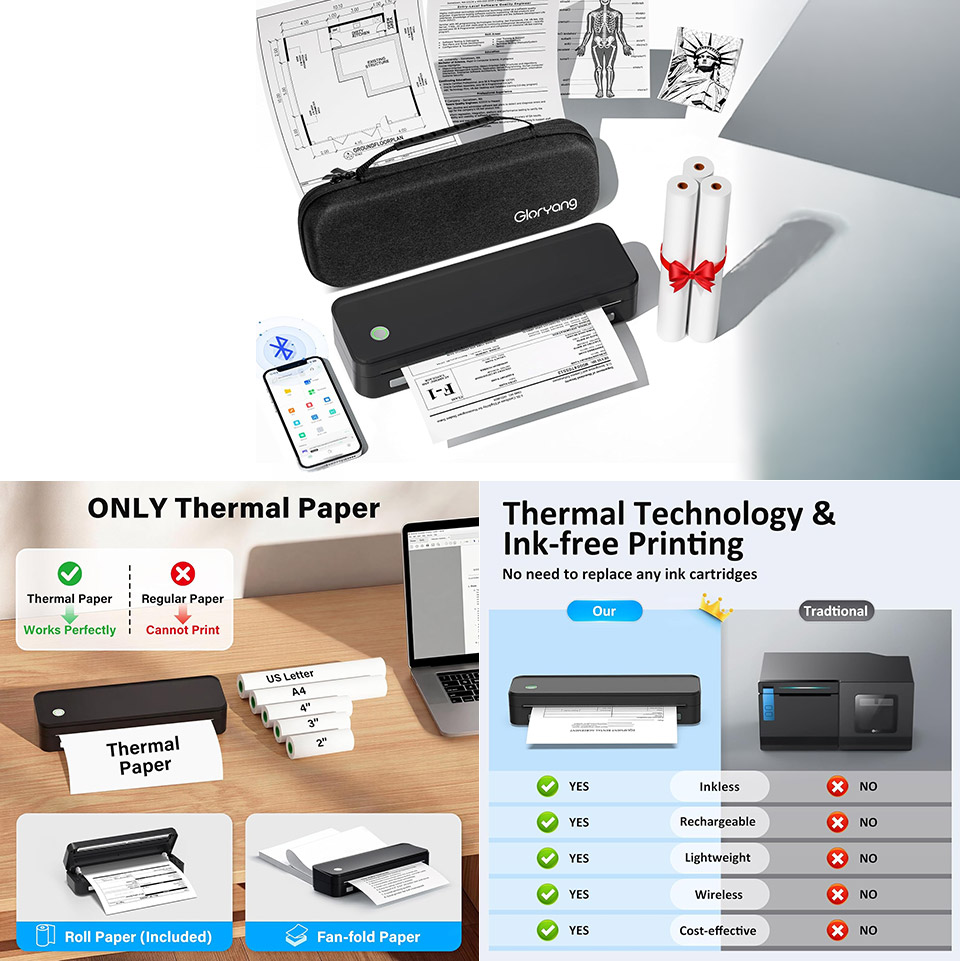
Many travelers hit the same snag during trips. You arrive at the airport or hotel and need a physical boarding pass, hotel confirmation, or attraction ticket in hand. The front desk has a line. The business center sits locked or requires extra fees. Phone screens work until they do not, especially when staff ask for paper copies. A compact device removes that friction without adding bulk to a bag. The Gloryang PD-A4 inkless portable printer, priced at $75.99 (was $100), handles full-size documents on the go.

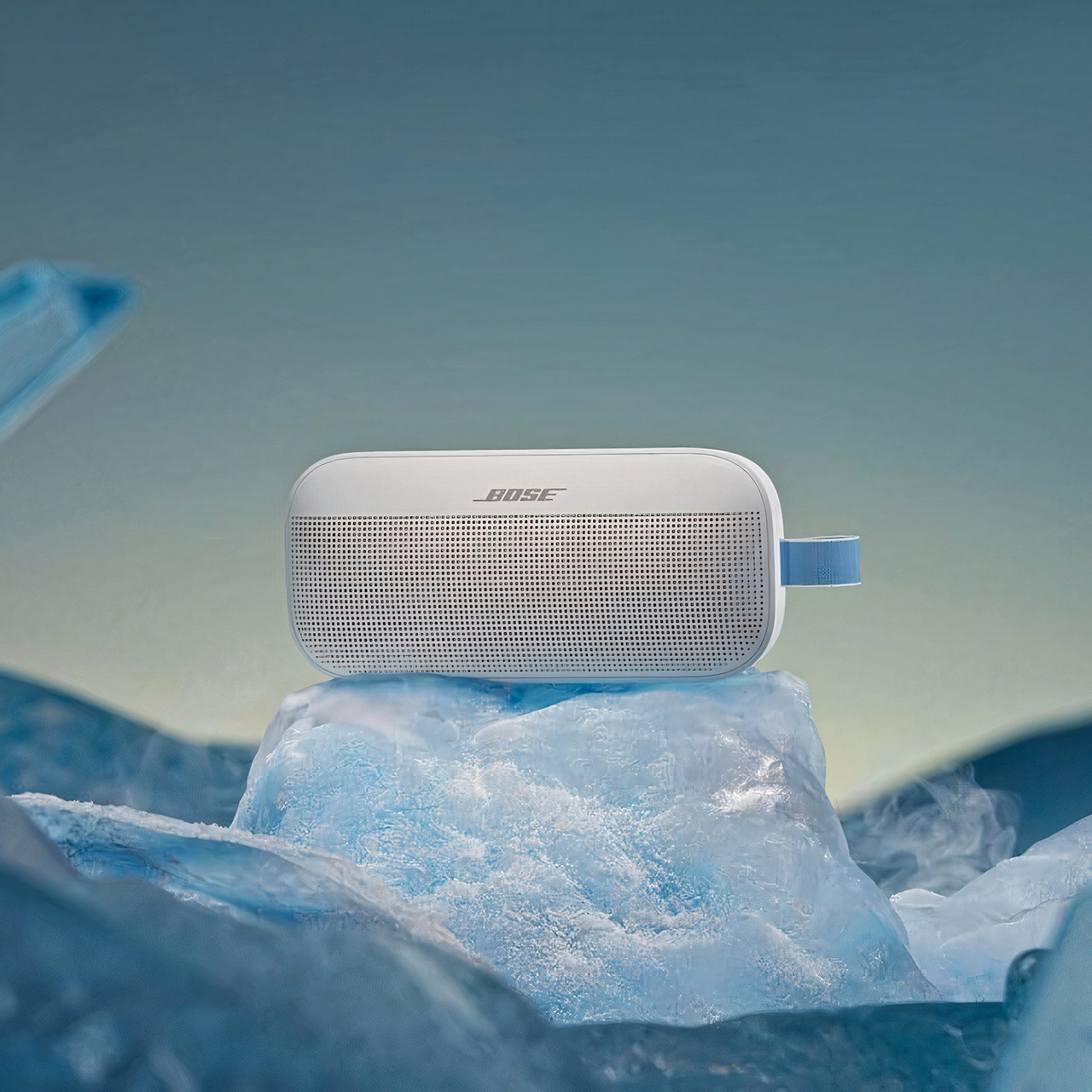
Bluetooth speakers in the $100 to $200 range often promise big performance from small packages. Many deliver on volume or bass at first listen, only to reveal thin sound, weak build quality, or quick battery drain once real life enters the picture. The Bose SoundLink Flex 2nd Gen, priced at $99.99 (was $159), stands apart by focusing on the things that actually matter day after day.

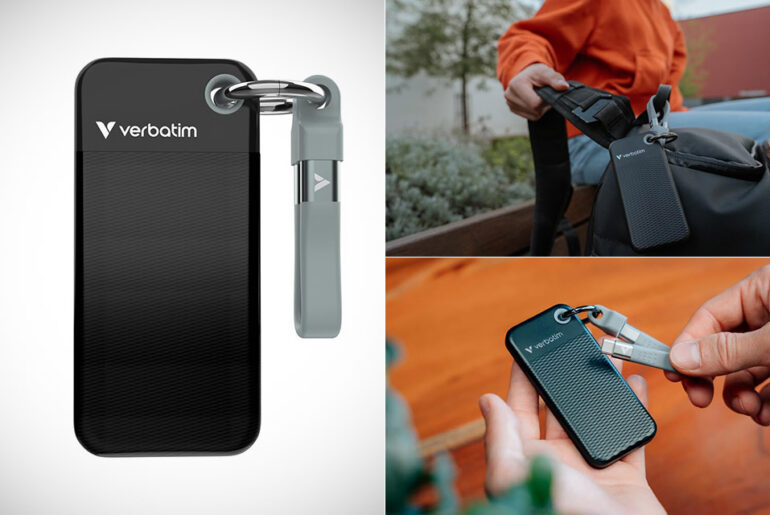
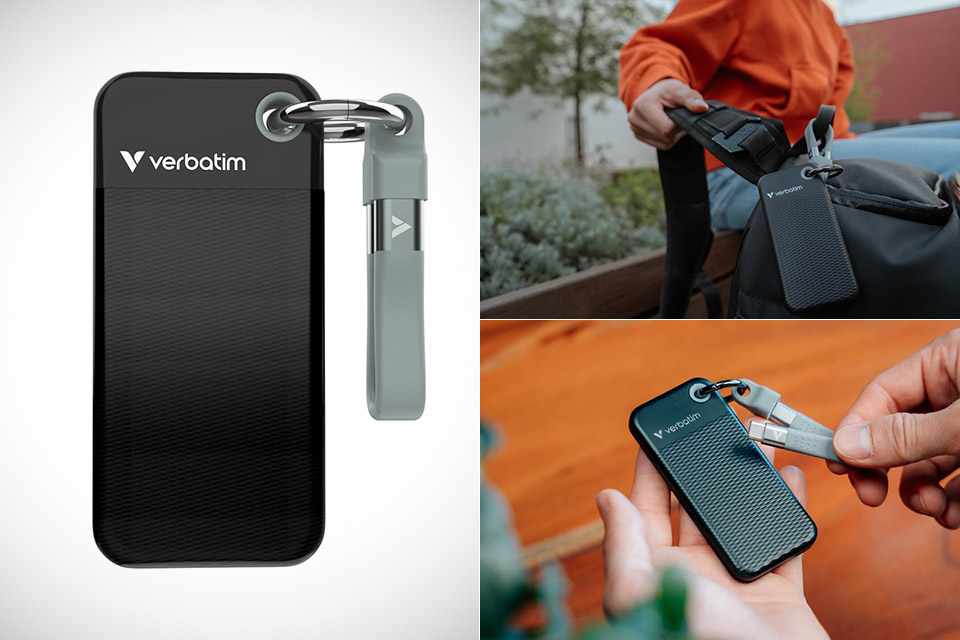
Storage prices keep rising, and portable options often force awkward choices between size, speed, and practical daily use. Verbatim built the 1TB Pocket SSD, priced at $179.99 (was $299.99), to sidestep those compromises with a design centered on actual carry habits rather than spec-sheet bragging rights.

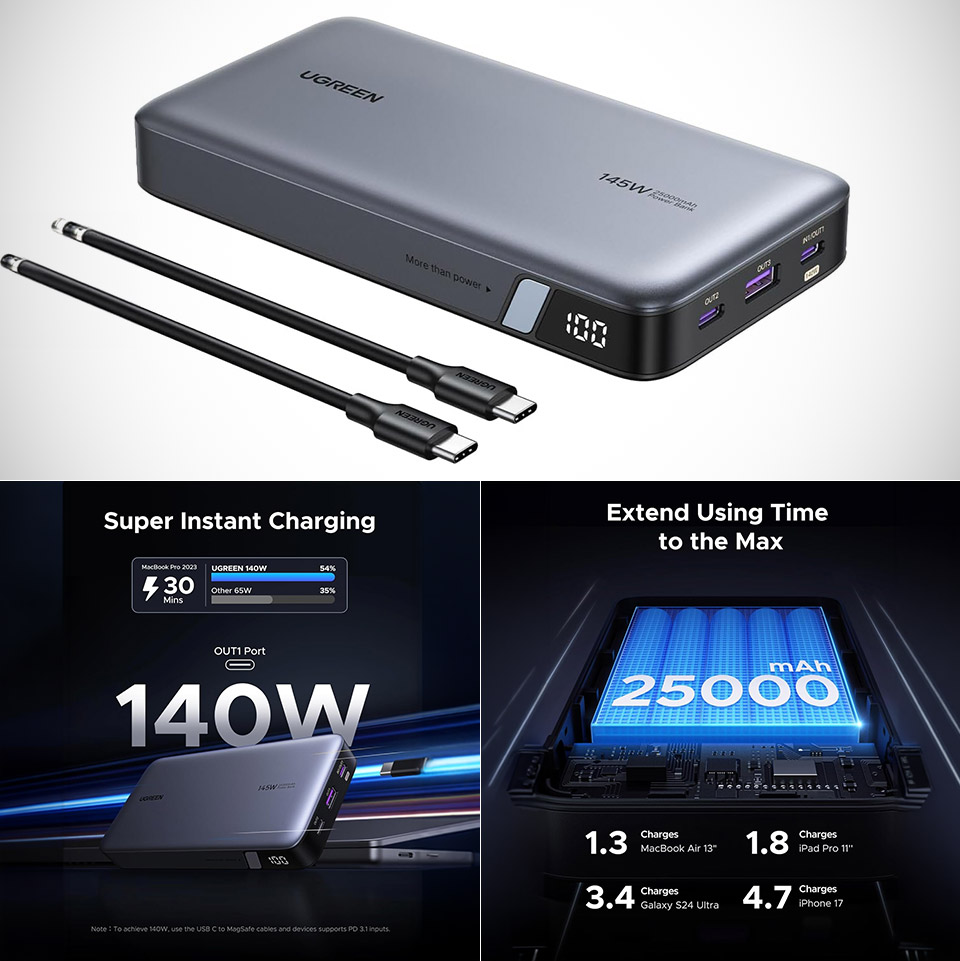
Frequent travelers and anyone who works long hours away from outlets know the sinking feeling when a laptop or phone battery drops into the red. UGREEN built this 25,000mAh power bank, priced at $59.98 (was $110), to remove that worry with enough capacity and output to handle serious devices without constant hunting for wall plugs. Capacity sits at 25,000mAh. That store of energy supports roughly 1.3 full charges on many laptops and up to five or six full charges on typical smartphones. The math translates into multiple days of normal use or a full workday plus travel time on a single fill of the bank itself.

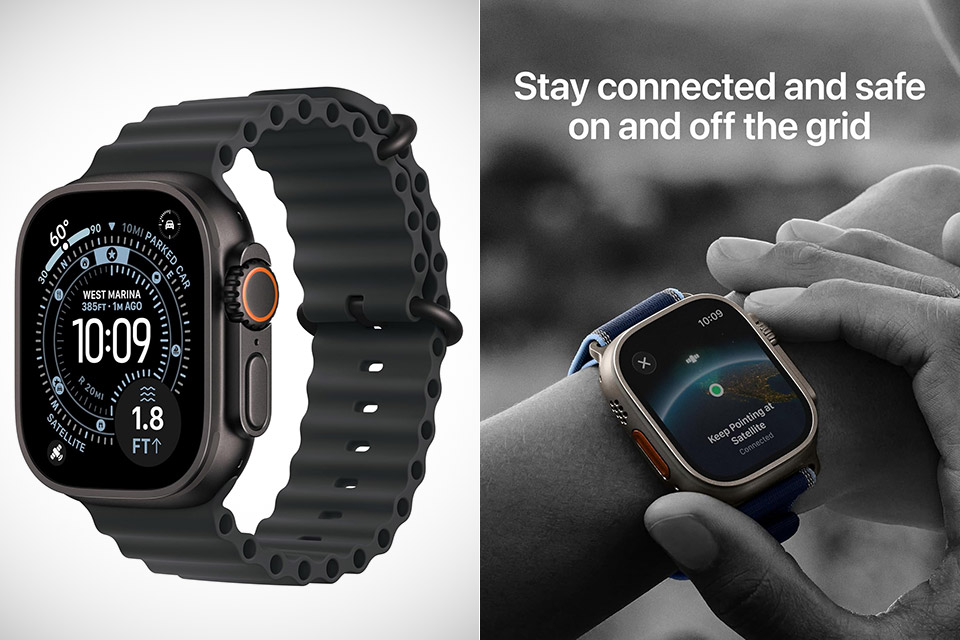
Summer stretches days longer and pulls people toward trails, water, and full days outside. A watch that handles knocks, stays readable in bright light, and runs for extended stretches without a charger becomes more than nice to have. The Apple Watch Ultra 3, priced at $699.99 (was $799), fills that role for many who want one device to cover serious activity and everyday tracking.

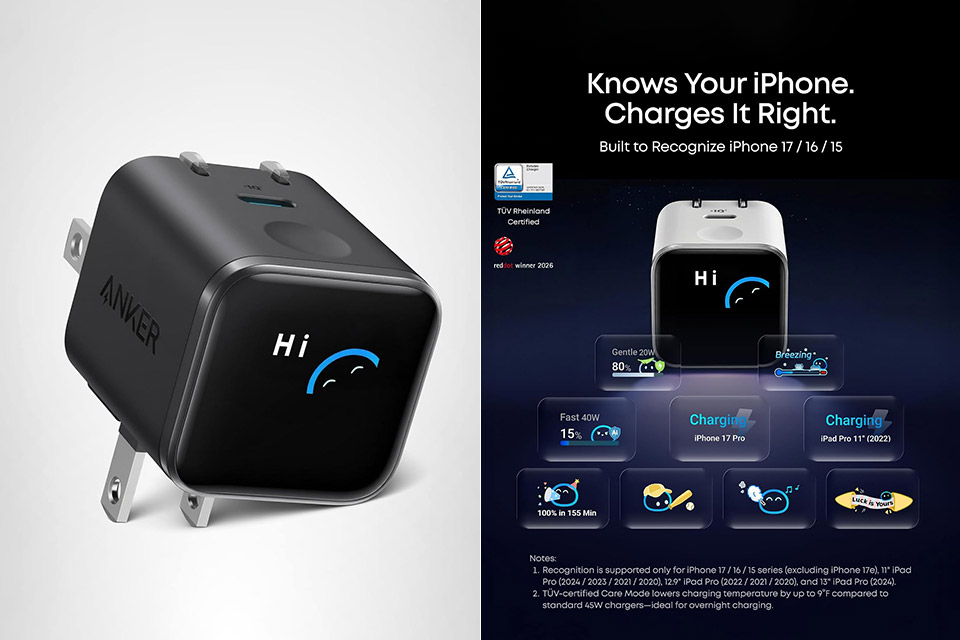
Plug a recent iPhone into Anker’s Smart Display Nano Charger, priced at $25.99 (was $39.99), and the small screen wakes up right away. It flashes the model name for a moment before settling into numbers that show exactly how much power flows in and where the battery sits. That quick recognition sets the tone for what Anker built here.

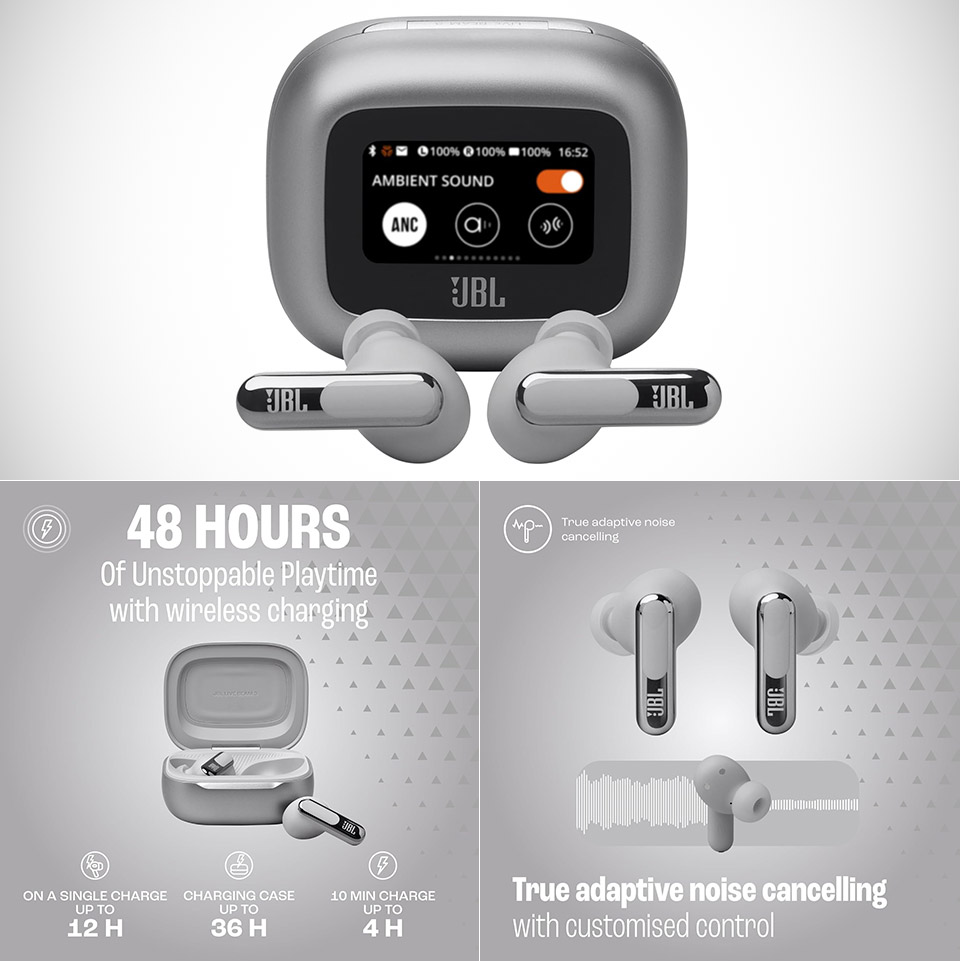
JBL packed a color touchscreen into the charging case of the Live Beam 3 earbuds, priced at $99.95 (was $149.95). That addition changes how people interact with their audio gear during a normal day. Someone heading to work or hitting the gym can open the case and swipe through options right there. Volume goes up or down with a touch. Playback pauses or skips without pulling out a phone. ANC modes switch from full noise blocking to letting in some surroundings. Even EQ presets become accessible on the go.

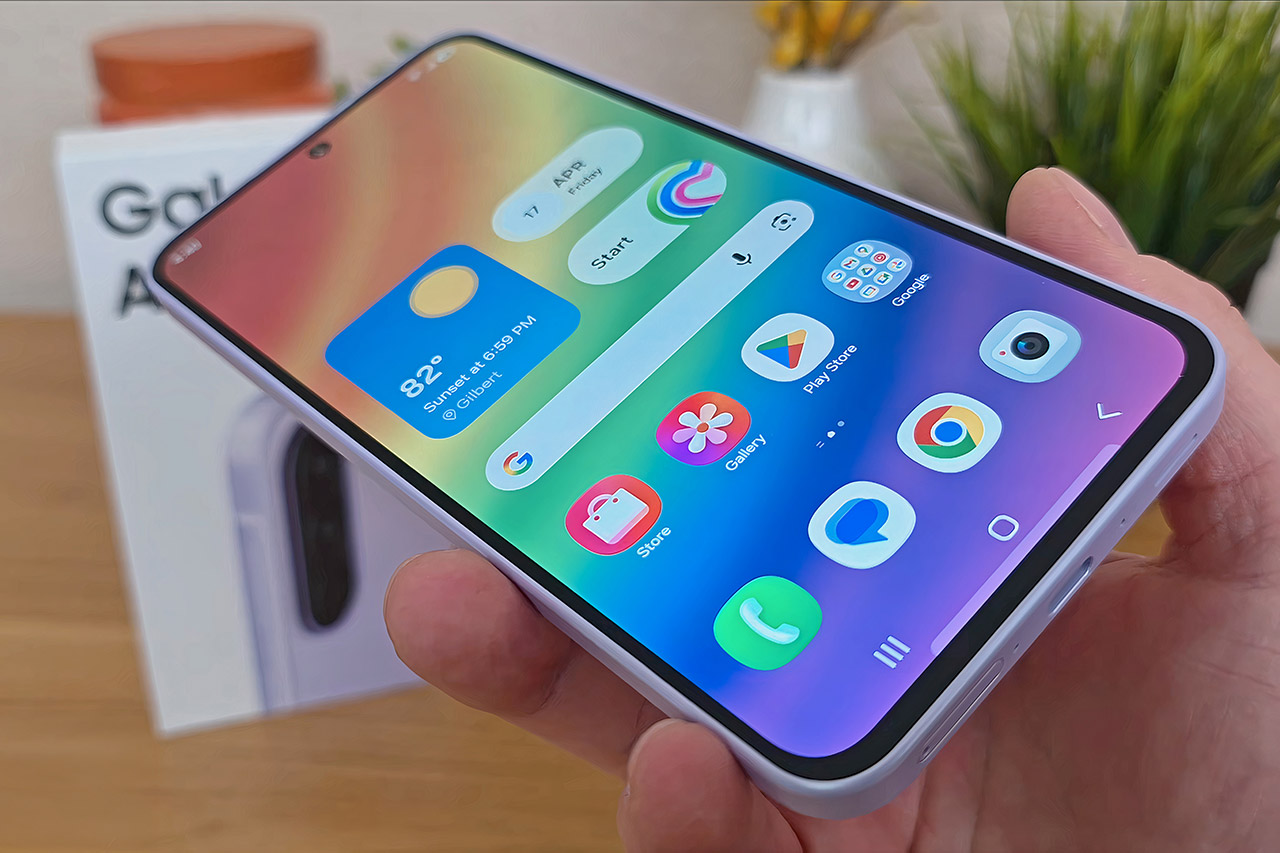
Many smartphone shoppers today simply want a device that manages their routines smoothly. They need reliable calls, zippy apps, clear photos for everyday moments, and enough battery to last without constant worry. Samsung built the Galaxy A37 5G, priced at $399.99 (was $539.99), around those priorities.

Runners and cyclists who train outdoors face a constant balancing act between enjoying their audio and staying safe amid traffic and other users on the path. Sealed earbuds can isolate a person too much from honks, voices, or approaching bikes. Traditional over-ear options add bulk and heat during intense efforts. Bone conduction, like on the Shokz OpenRun Pro 2, priced at $119.95 (was $199.95), sidesteps both issues by sending sound through vibrations in the cheekbones straight to the inner ear while leaving the ear canal free.
![]()
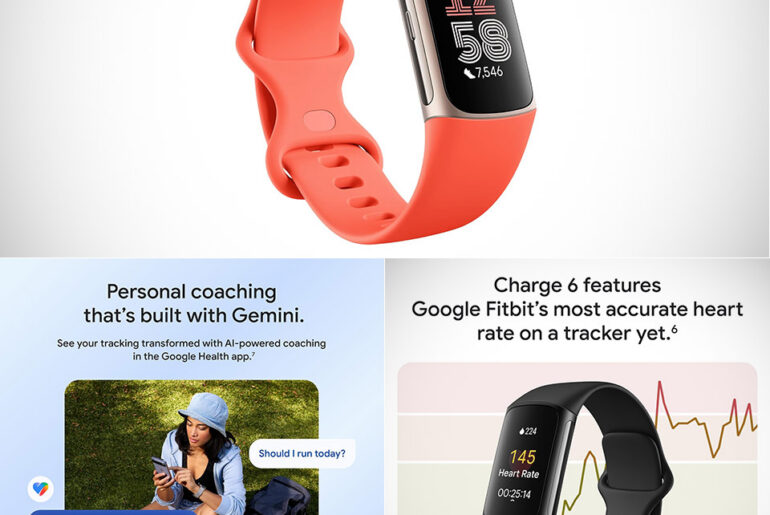
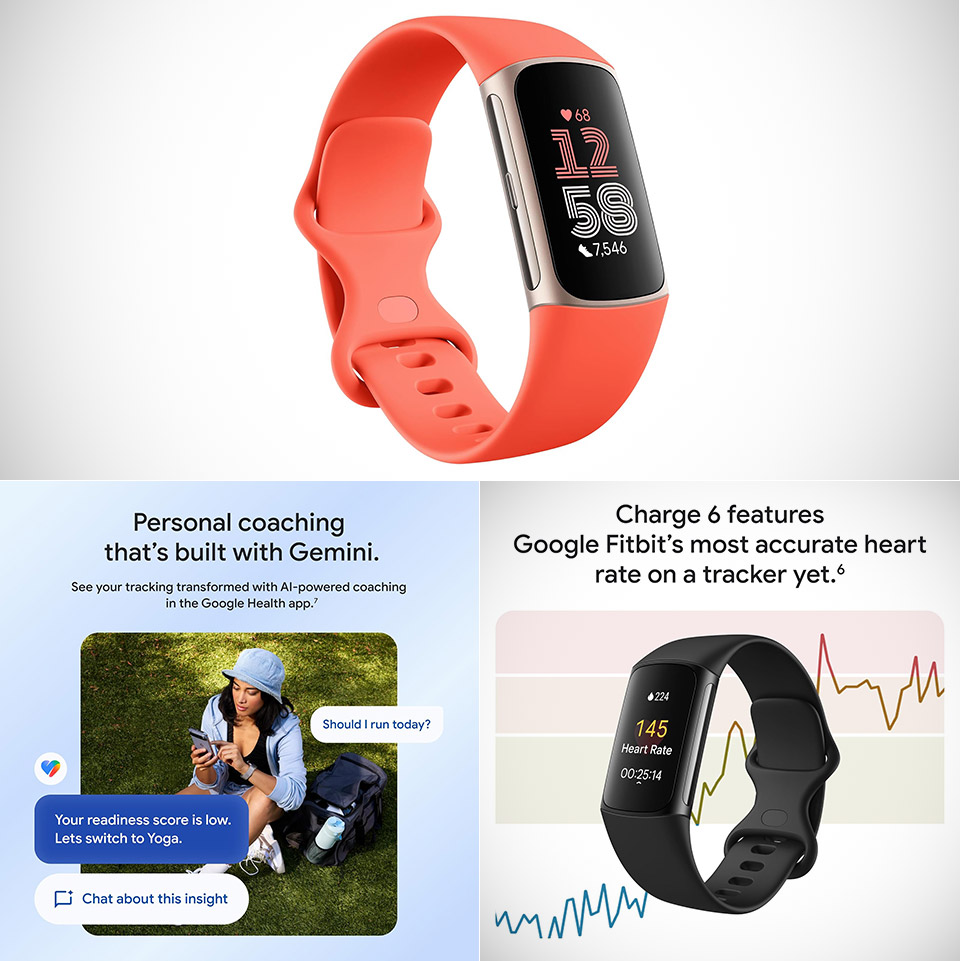
Fitness trackers flood the market with options that range from stripped-down counters to full smartwatches loaded with apps and sensors. Many buyers end up frustrated when a device either skips the basics or piles on features that demand constant charging and attention. The Fitbit Charge 6, priced at $76 (was $160), takes a different path by sharpening the core jobs most people actually want from a wristband while adding just enough extras to feel modern and useful.