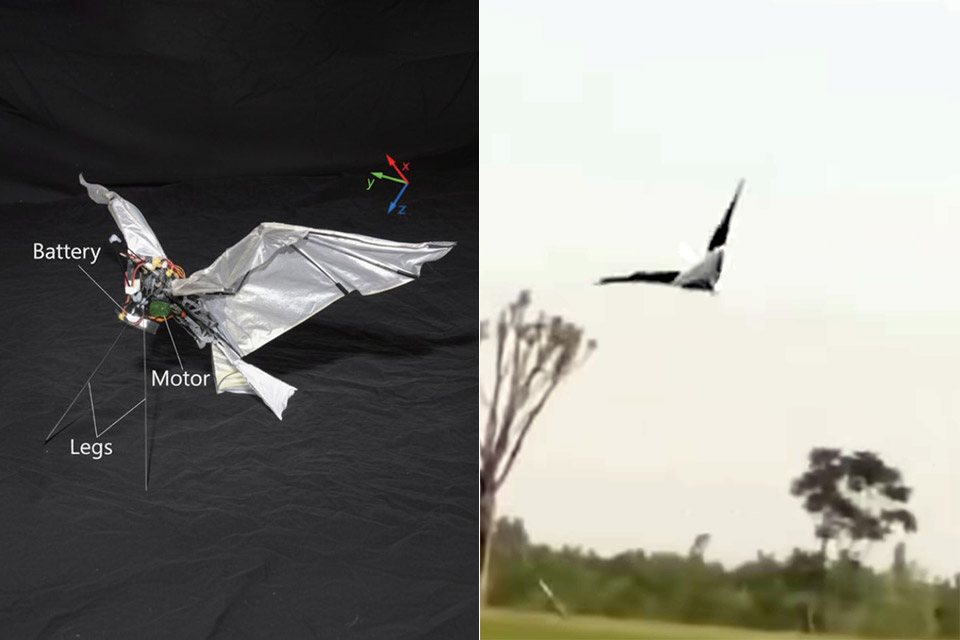
A team of engineers from Northwestern Polytechnical University in China have captured the beauty of a falcon soaring through the air, wings beating with precision, lifting off the ground in a burst of power, in a machine called RoboFalcon2.0.

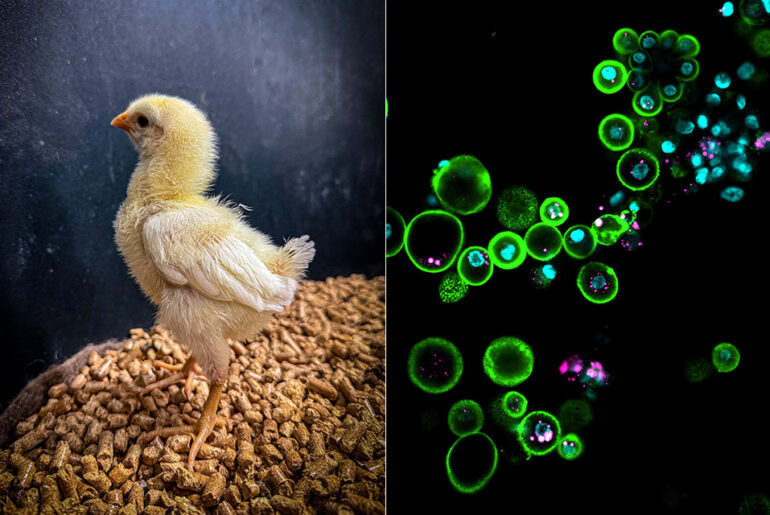
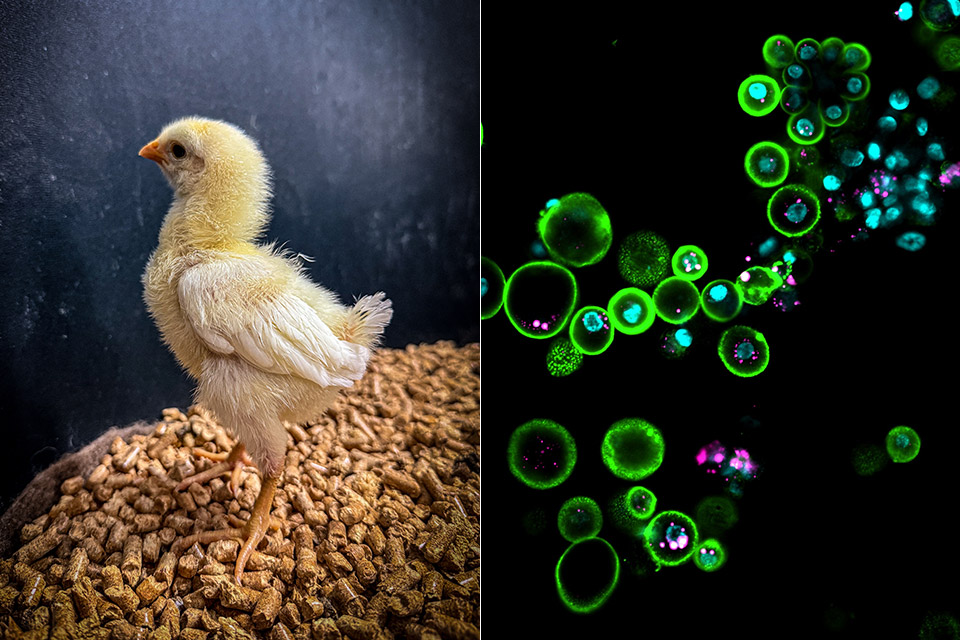
Colossal Biosciences, a Texas-based company that wants to bring back extinct species, just made a big leap forward in their quest to revive the dodo. They grew pigeon primordial germ cells (PGCs) for the first time and got an additional $120 million in funding.


Xing Zhilei, a Chinese YouTuber with an engineering background, built a fully functional mini subway system for his cats. This is not just a static sculpture, it has tunnels, a station and a working train.
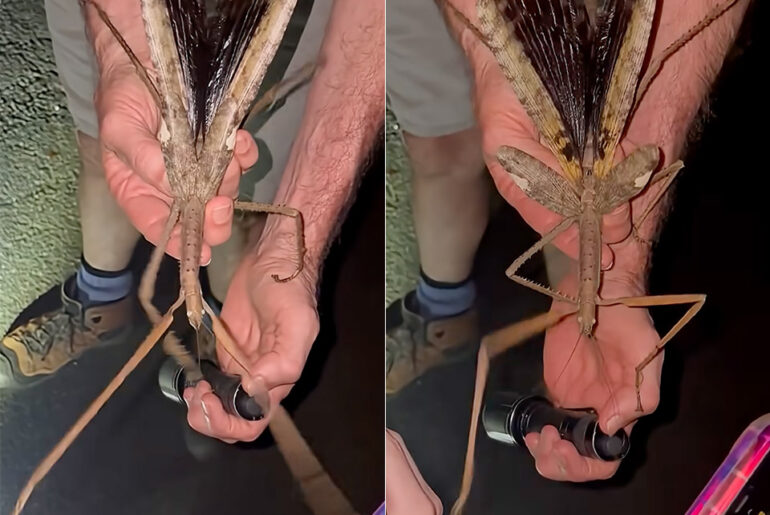
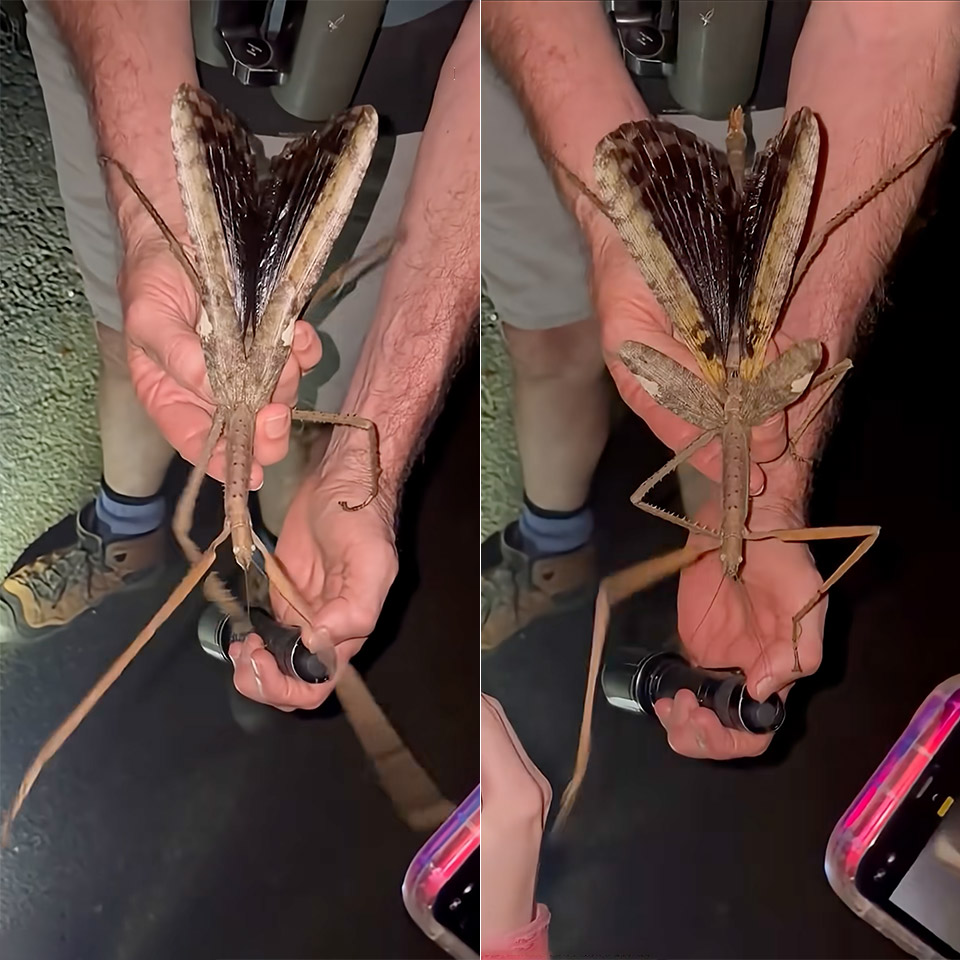
Deep in the misty rainforests of North Queensland, where tree canopies stretch like green cathedrals, a monster has been found. A stick insect, 40cm long and as heavy as a golf ball, has been discovered in the high altitude forests of the Atherton Tablelands. Named Acrophylla alta, this is likely the heaviest insect ever recorded in Australia, a find that sounds like something from a prehistoric tale but is very much real today.
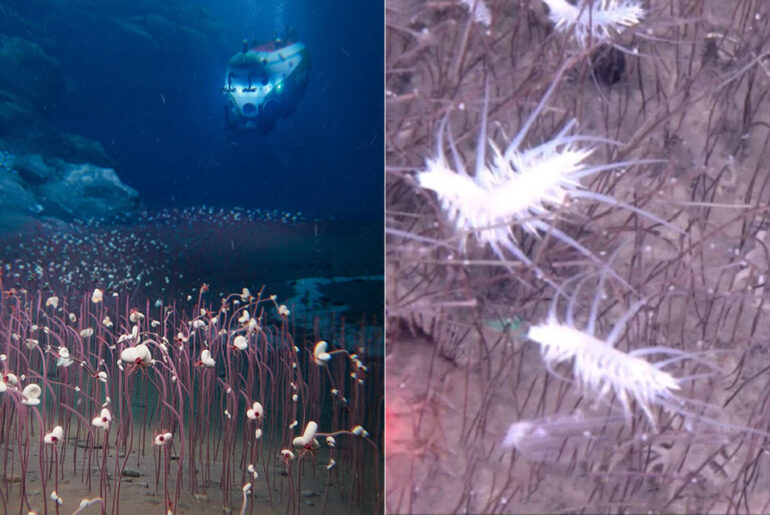
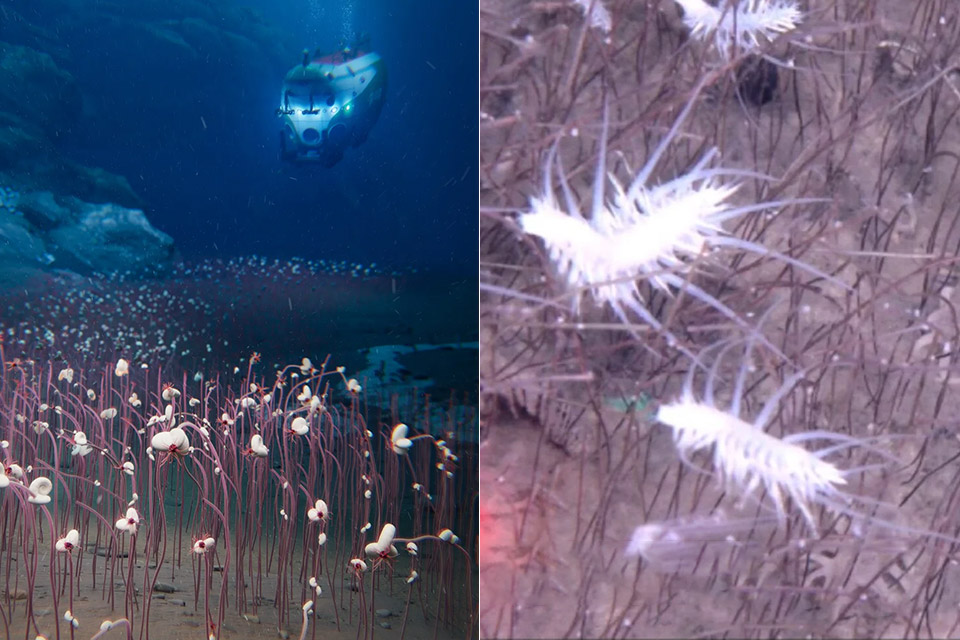
Photo credit: IDSSE/CAS
A submersible called Fendouzhe dove six miles into the northwest Pacific’s dark depths, where pressure could crush a tank. Scientists from the Chinese Academy of Sciences expected a lifeless void in the Kuril-Kamchatka and Aleutian trenches. Instead they found thriving ecosystems, teeming with creatures that laugh in the face of the impossible.
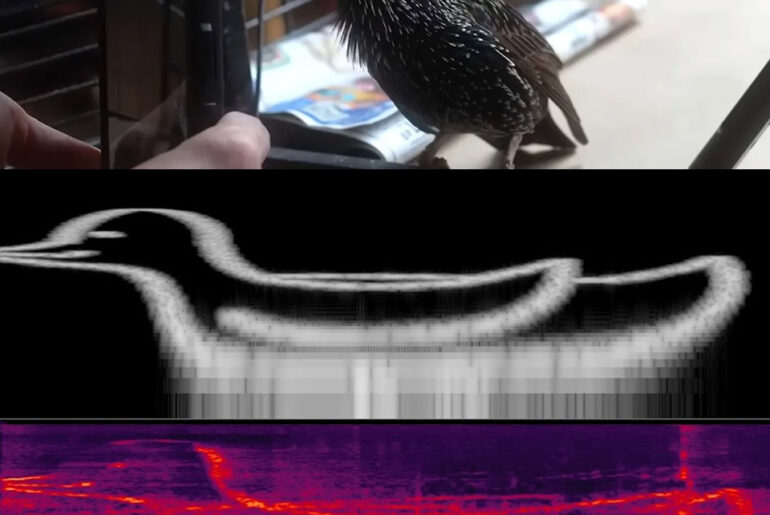
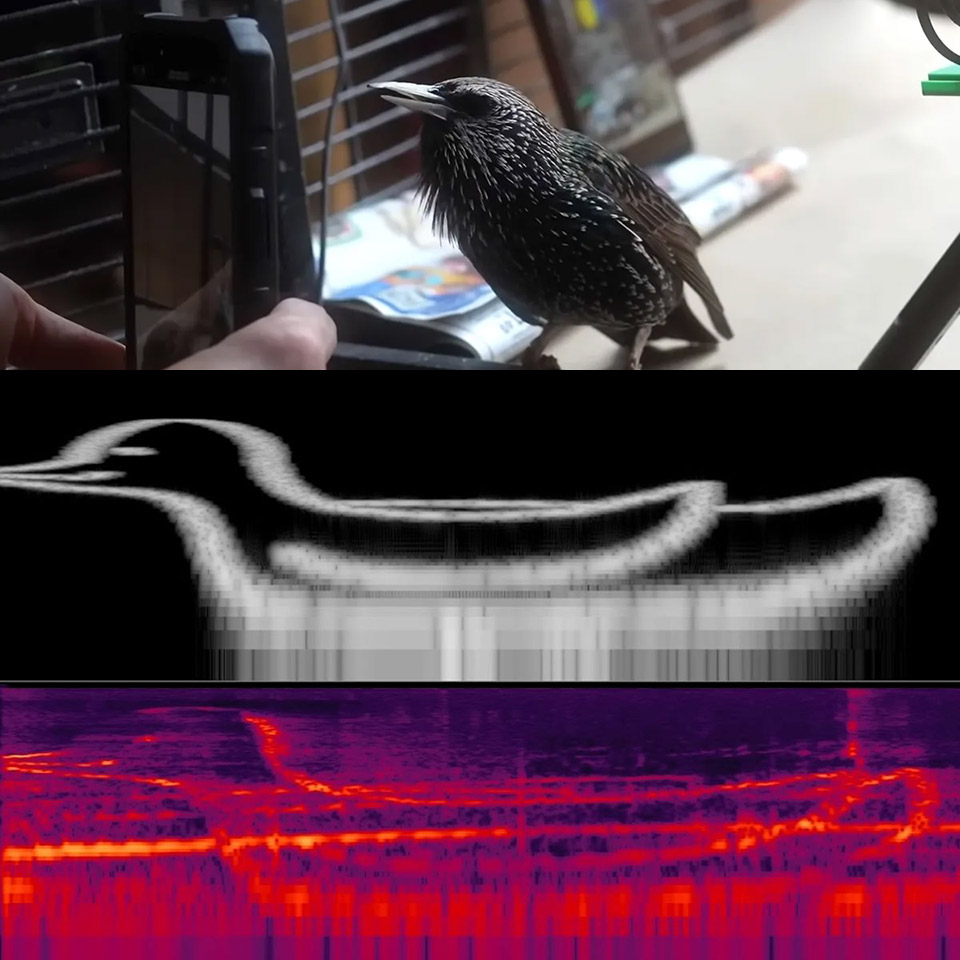
In Louisville, Kentucky, a starling named The Mouth, rescued as a fledgling, has learned to mimic a sound encoding a digital bird image. Guided by Benn Jordan, a science and music enthusiast, this project combines the starling’s natural mimicry with technology to show how songbirds can carry data.
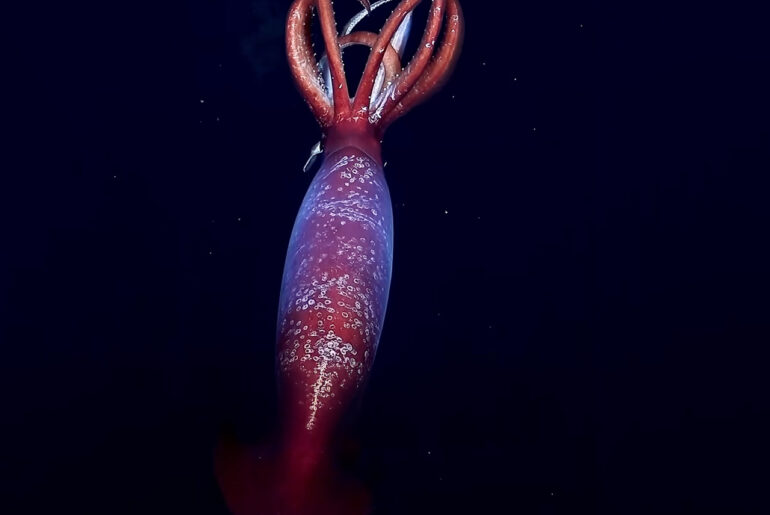

On Christmas Day 2024, a National Geographic expedition aboard the Schmidt Ocean Institute’s research vessel Falkor (too) delivered the first-ever live footage of an Antarctic gonate squid. This three-foot-long, blood-red cephalopod was spotted 7,060 feet beneath the Southern Ocean’s surface, gliding through the midnight zone.


Scientists aboard the Schmidt Ocean Institute’s research vessel Falkor (too) captured the first confirmed video of a live colossal squid (Mesonychoteuthis hamiltoni) in its deep-sea environment. This marks a historic moment, as 2025 is the 100-year anniversary of the species’ discovery.