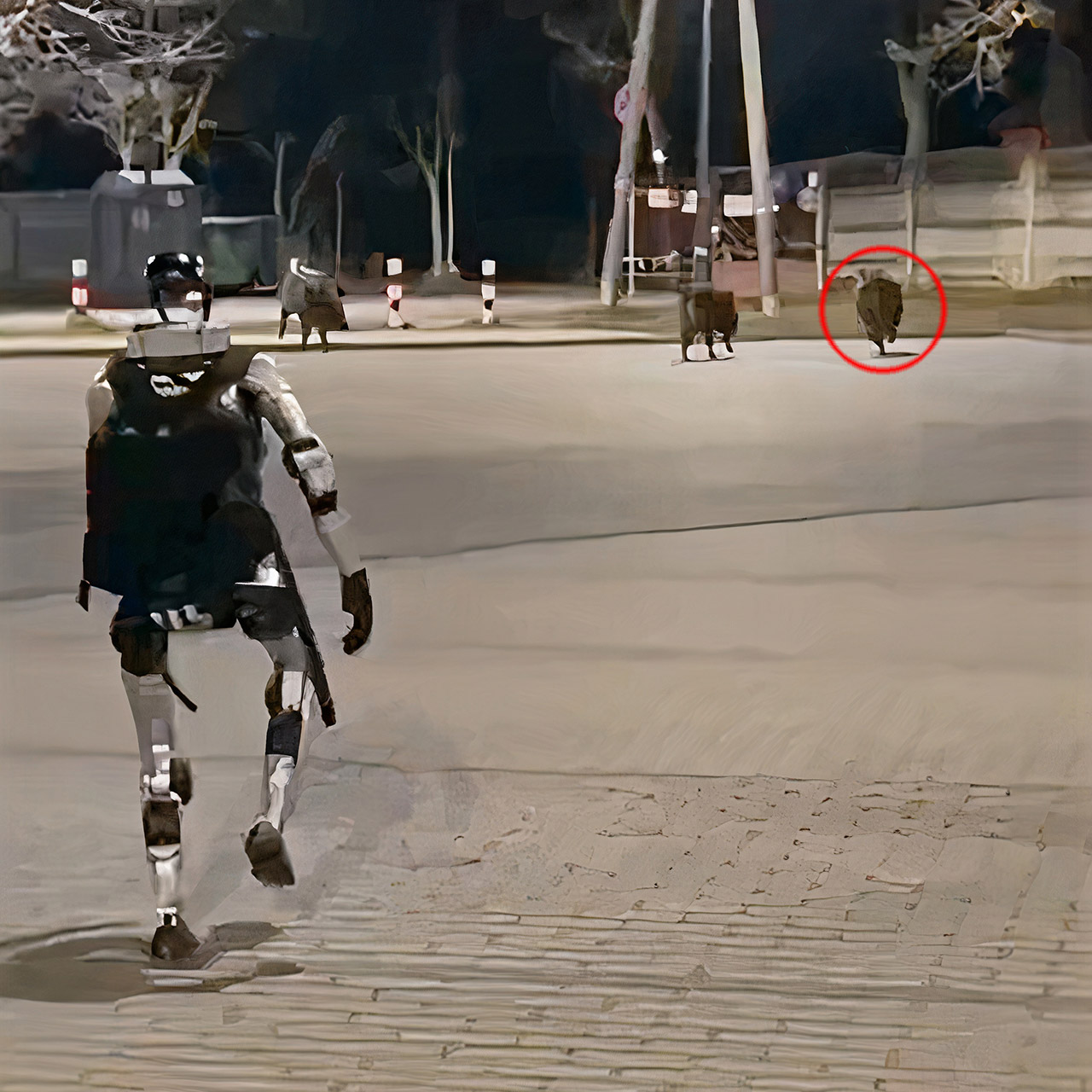
A band of wild boars broke onto the sidewalk and grass on the outskirts of Warsaw, as seen on video late one night. Barely a moment later, a Unitree G1 humanoid robot appears from the side, its legs pumping furiously as it fights to stay upright.
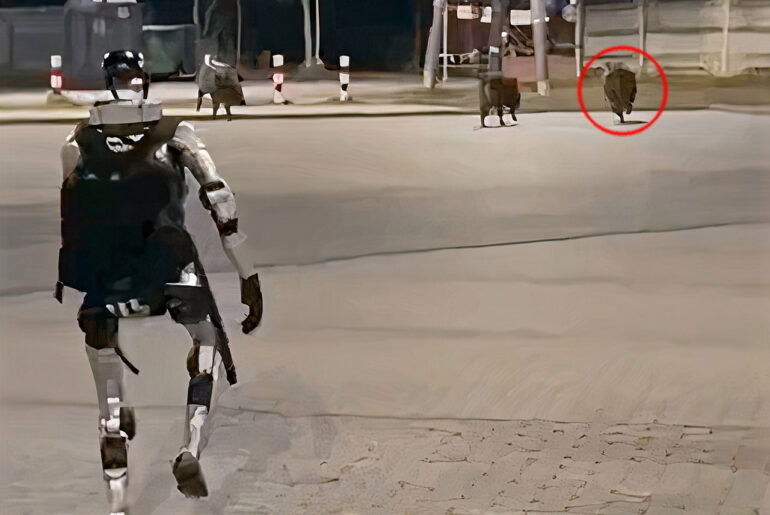

A band of wild boars broke onto the sidewalk and grass on the outskirts of Warsaw, as seen on video late one night. Barely a moment later, a Unitree G1 humanoid robot appears from the side, its legs pumping furiously as it fights to stay upright.
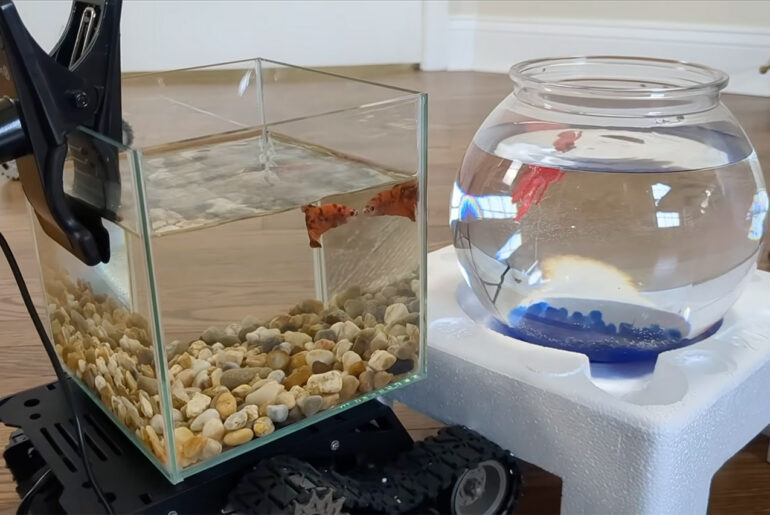
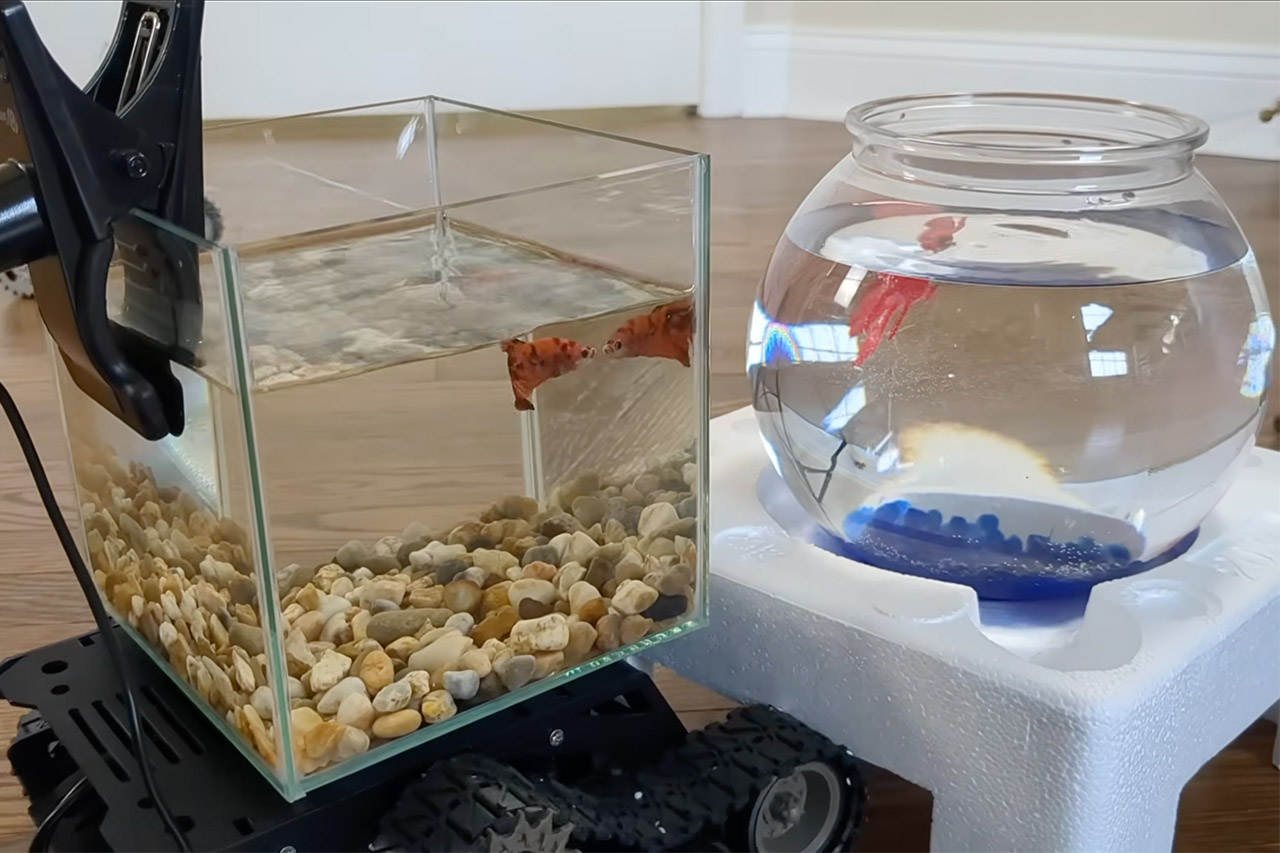
Carrot, a betta fish, has been promoted to tank captain thanks to a tinkerer who was determined not to let a fish become permanently locked in one location. Everything Is Hacked spent over a year developing a simple concept and gradually turning it into a reality. It all began with riffing on an old joke about a fish who gets to control the tank, and they set out to make the punchline a living, breathing entity. They were first playing with the concept of putting a simple fish bowl on a toy truck, but it felt too lazy. The major issue here was finding adequate space, as most fish want personal space to breathe, and cramming a full tank onto a small wheeled robot simply wasn’t going to cut it.
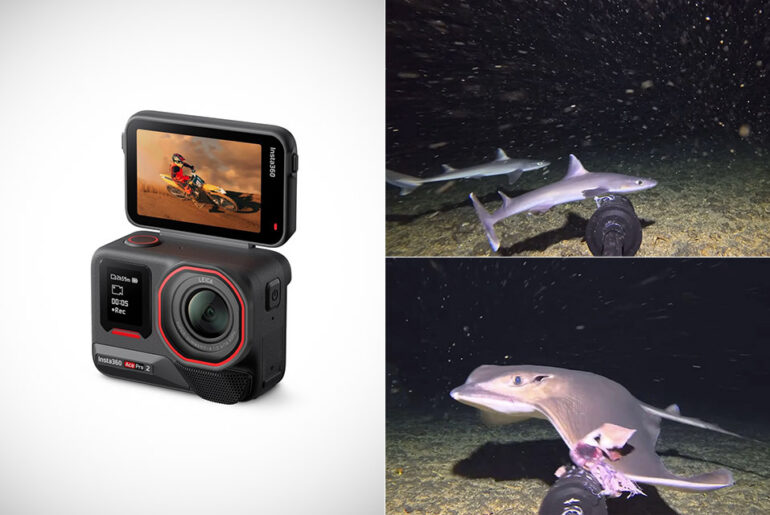
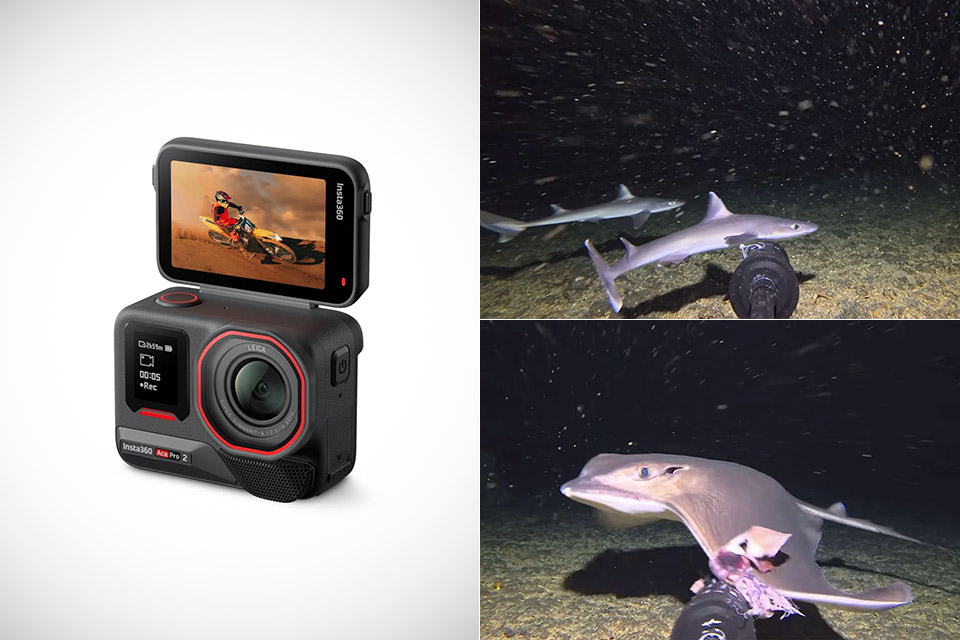
Photo credit: Barny Dillarstone
Barny Dillarstone is an adventurer who enjoys traveling to distant bodies of water and placing baited camera systems in places that most don’t even think of. He chose a location near Nusa Penida, a small Indonesian island nicknamed the “Black Magic Island” due to its murky legend and hazardous tides. Over the course of a few days, he was able to get his beloved Insta360 Ace Pro 2 down to about 170 metrers / 600 feet, where the water is so forceful that only the most desperate life can cling to the bottom.
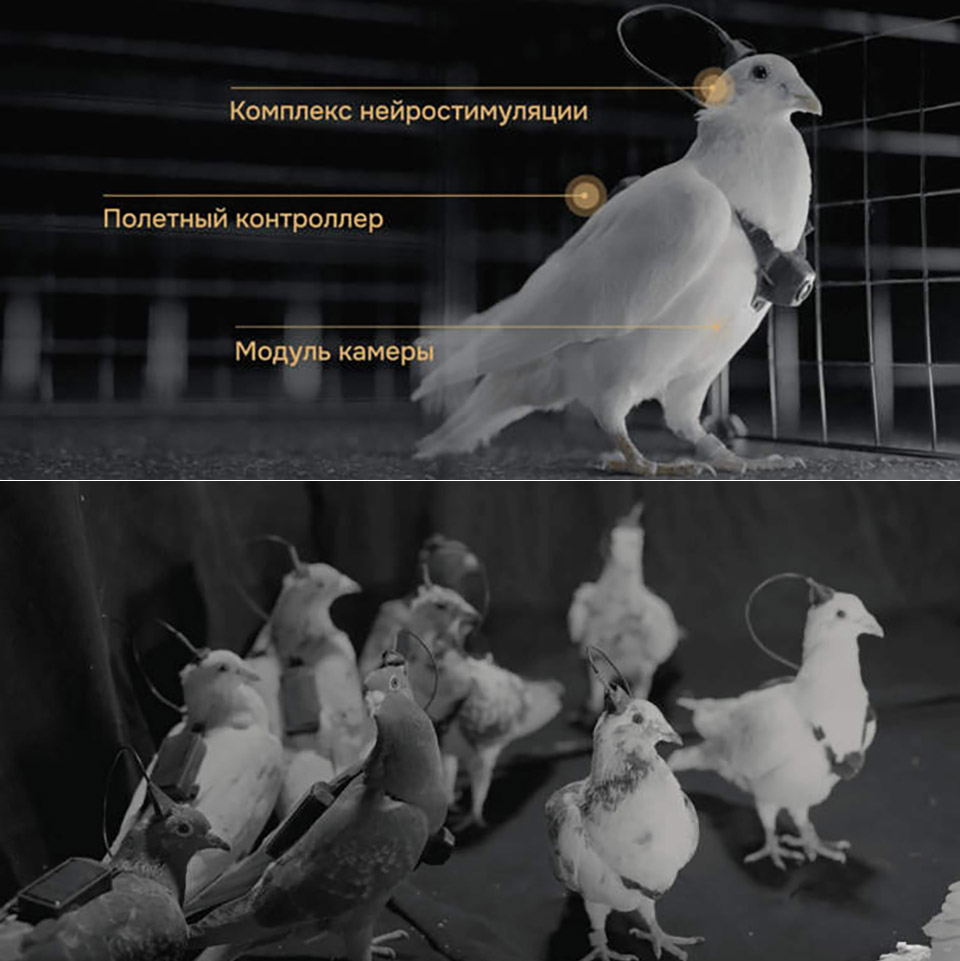
A Moscow-based startup has taken a big move into the area of animal-machine hybrids. Neiry, a Moscow-based neurotech company, claims to have already made progress on remotely operated pigeons by inserting electrodes into their brains.
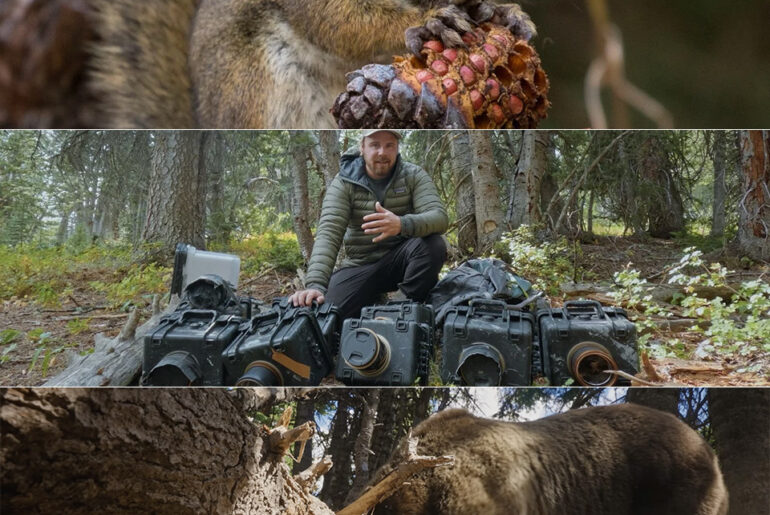
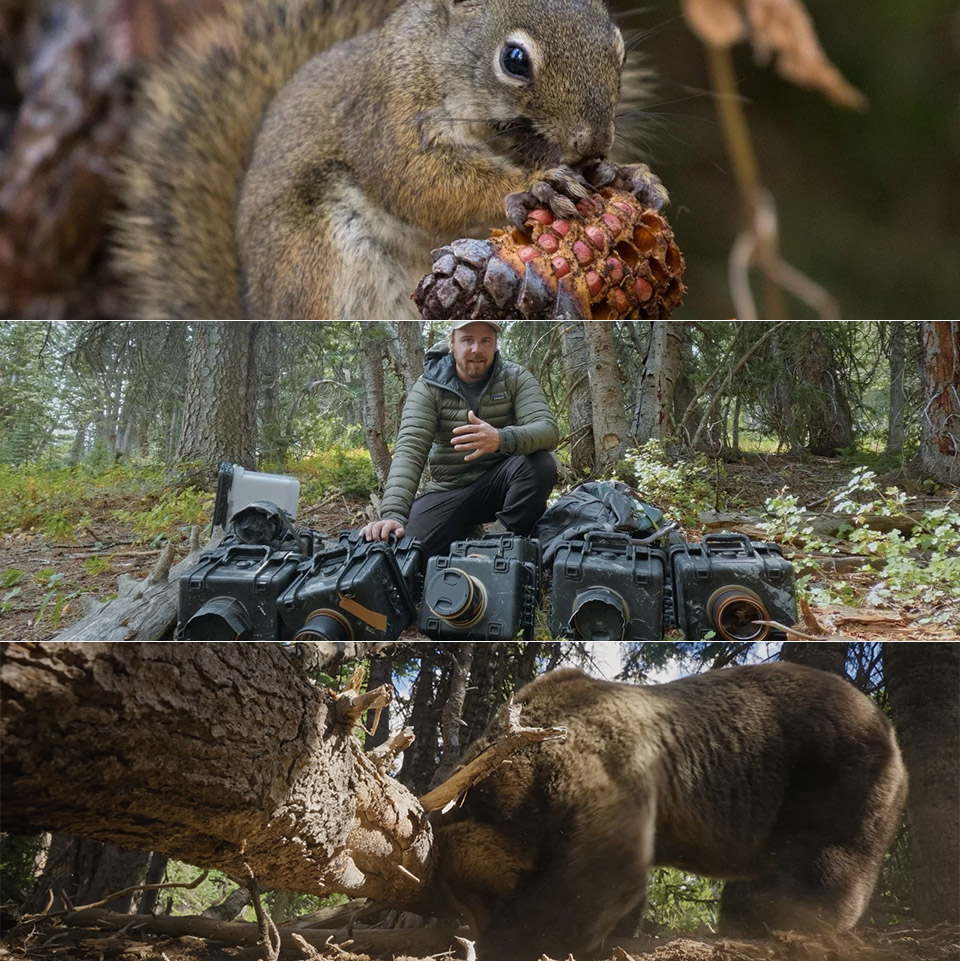
Photo credit: Jake Davis
Wildlife filmmaker Jake Davis placed ten high-end Sony cameras around a red squirrel’s food stash in Yellowstone’s high-elevation woodlands. This project had been years in the making, beginning with a simple desire to film grizzly bears and eventually turning into a deep curiosity with the intricate web of life that revolves around a single resource: whitebark pine cones.
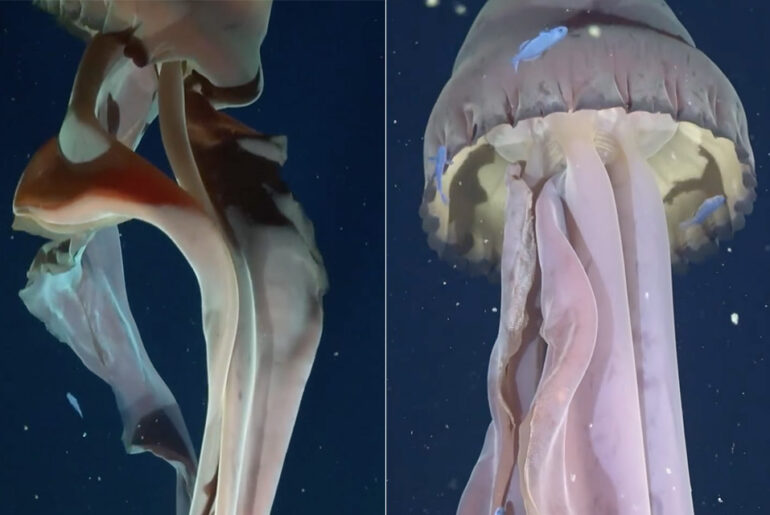
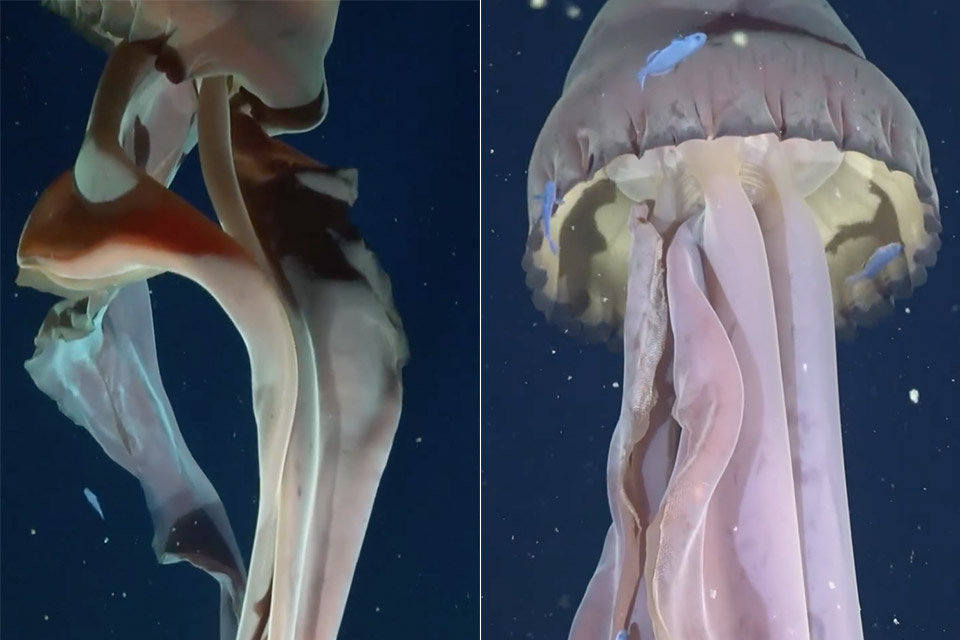
During a recent expedition, Schmidt Ocean Institute researchers captured fantastic footage of a rare giant phantom jellyfish. But they had to put in the time: the remote-controlled vehicle, which was exploring the Colorado-Rawson submarine canyon off the coast of Argentina, didn’t detect the species until it was 830 feet down. Even so, it was only because the ROV illuminated its translucent bell as it slowly drifted down into the depths.
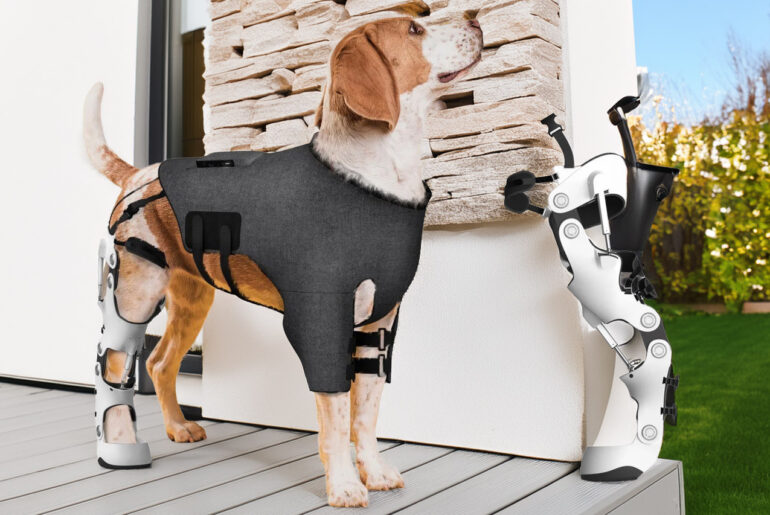
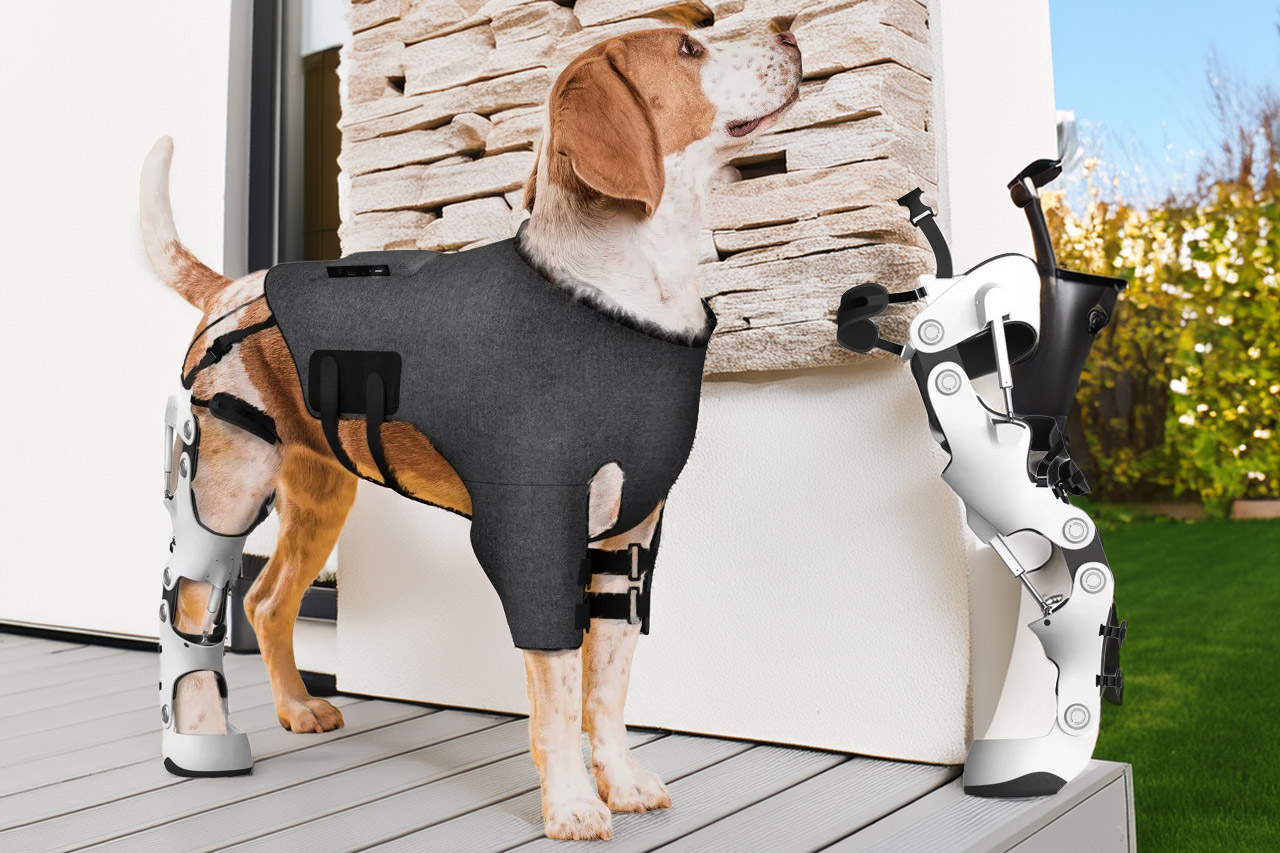
Photo credit: Leijing Zhou
Dogs rely entirely on their legs to get through the happiest parts of their lives, dashing after balls around the yard, running to greet their owners as soon as they arrive home, and just exploring the world on their regular walks. All of the flexibility evaporates when a hind leg is injured, which can happen unexpectedly.
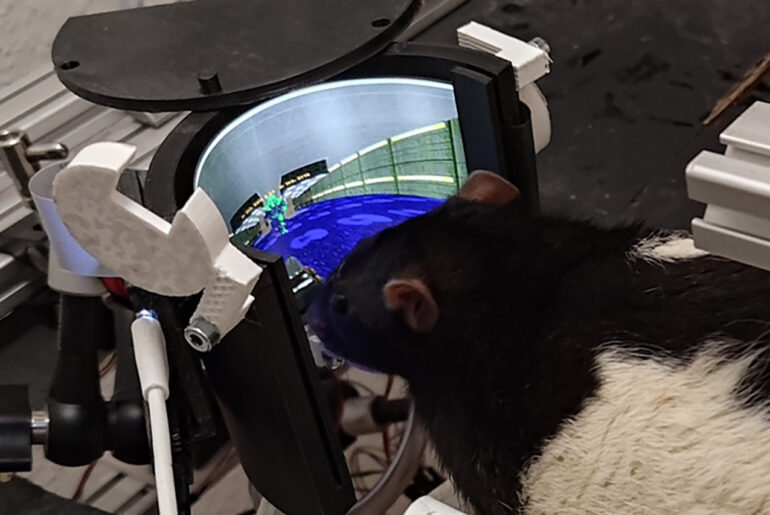
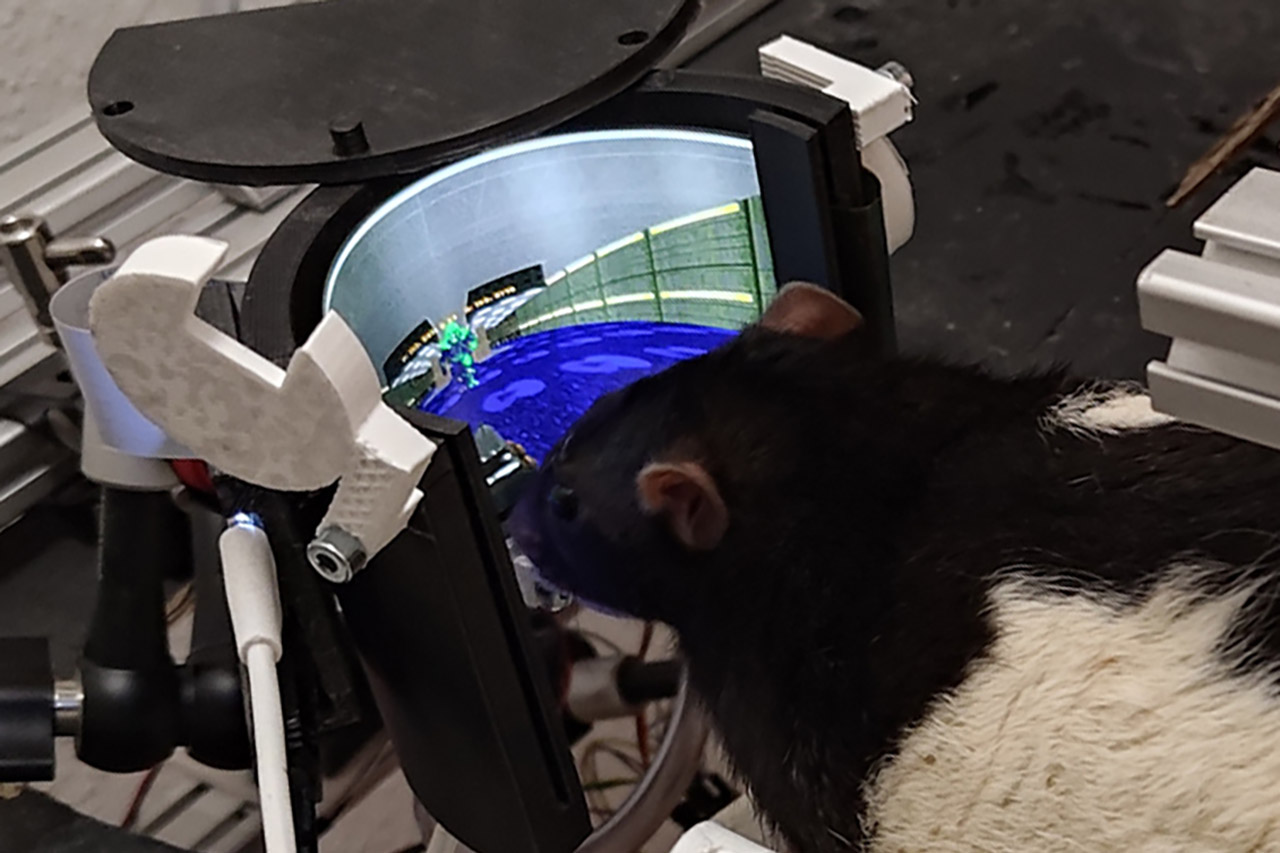
Photo credit: Viktor Tóth
Viktor Tóth began down this path a few years ago with a simple question: can rats figure out how to navigate the levels of a classic video game? He tried setting up something similar in New York a while back, with rats running on a large ball that logged their every move. As the rat ran back and forth on the spot, sensors detected its motion and turned it into forward movement within DOOM II. Every time the rat reached a specific point, a tube would appear and feed it a delectable drop of sugary water to keep it motivated and moving down those interminable halls.
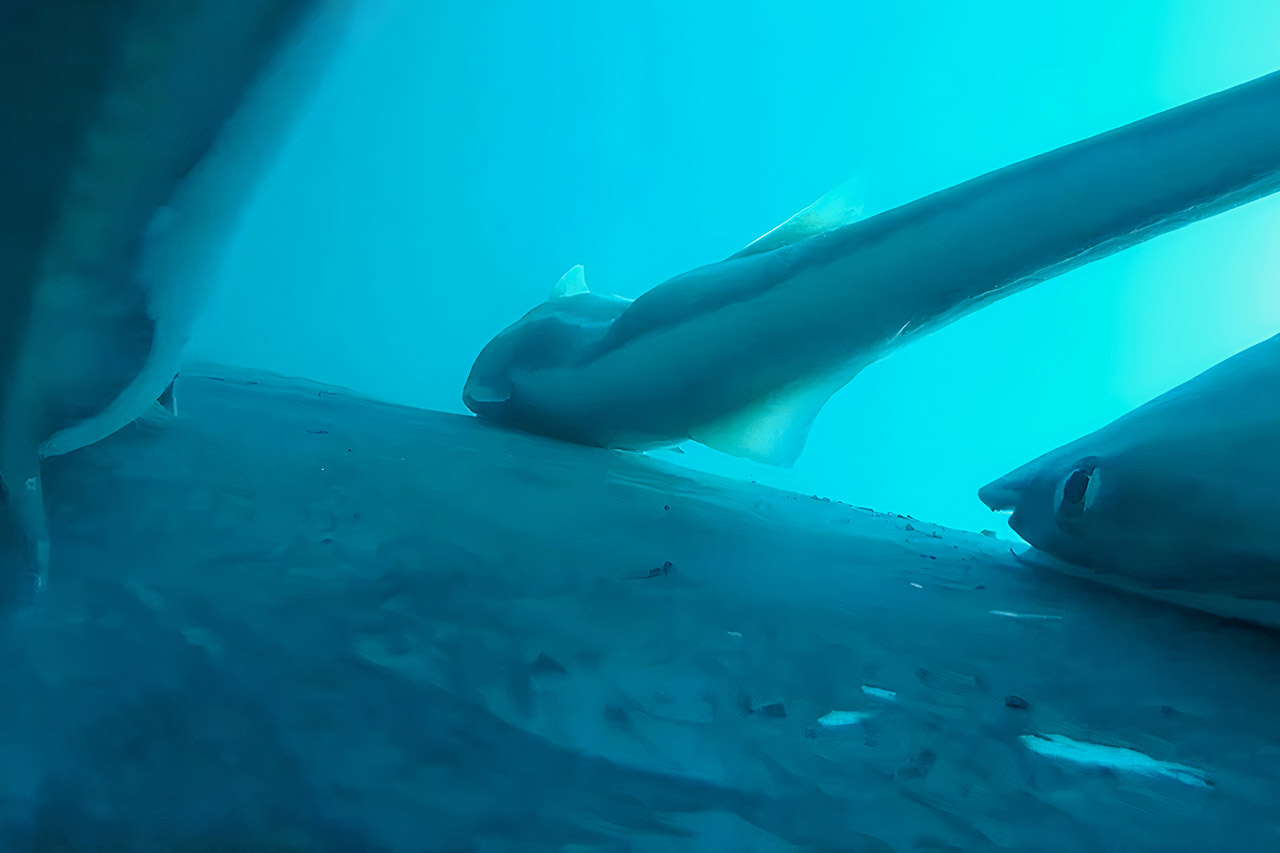
Dr. Olaf Meynecke just wanted to see humpback whales migrate. So, he attached small suction-cup cameras to their backs along Australia’s eastern coast to record feeding patterns and social calls on the long journey from Antarctica to Queensland. Instead, the lenses filled with fish.
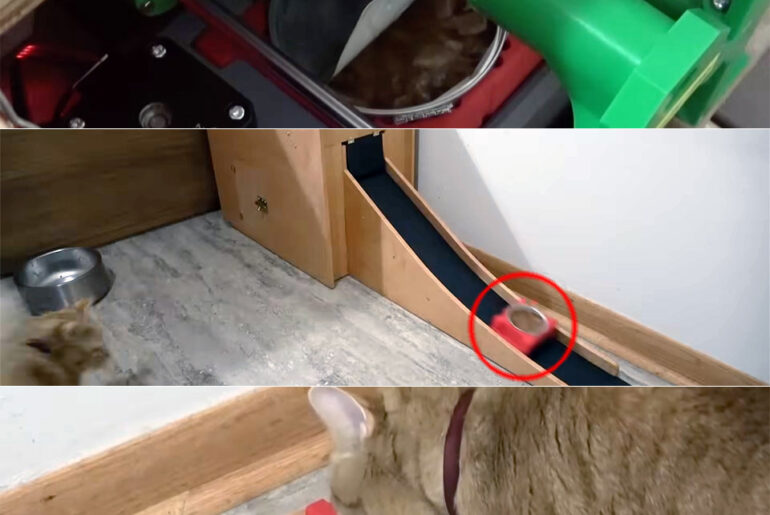
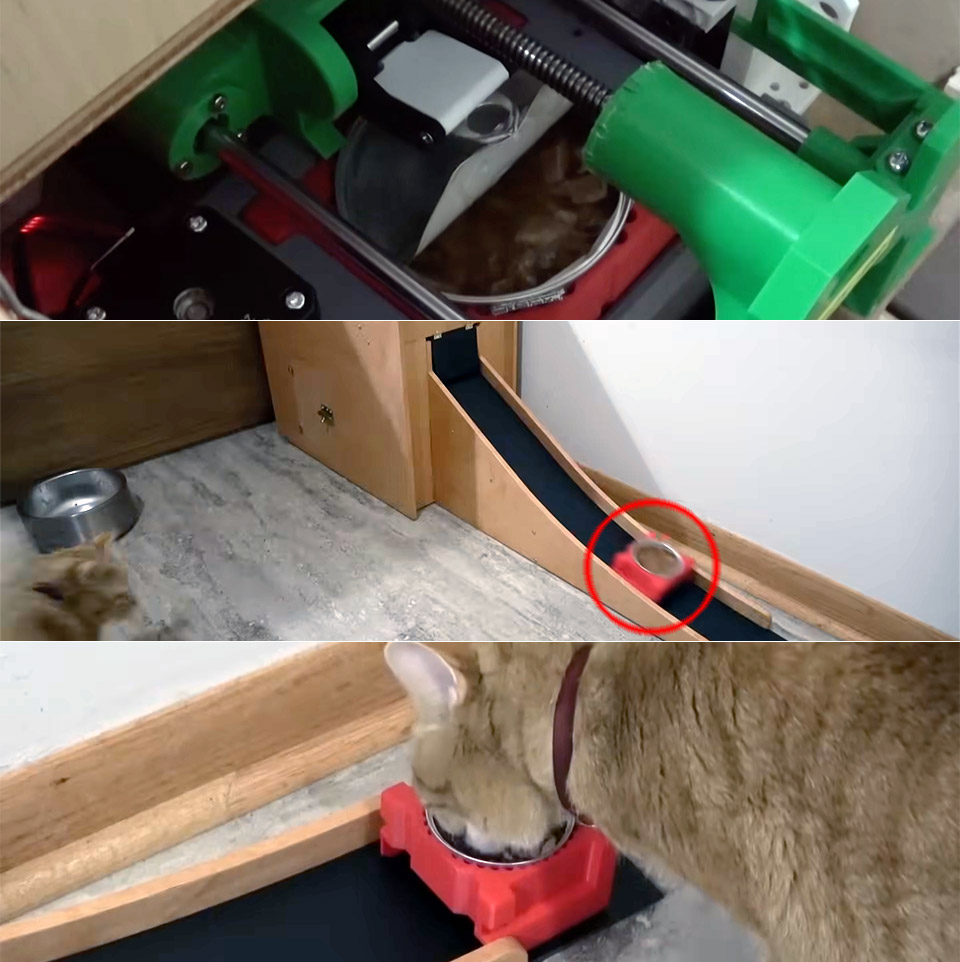
Ben Heckendorn is the man behind some of the wildest and most creative retro gaming mods out there, but now, he’s turned his talents to a much more mundane challenge: feeding his cat, Bud, who due to a health issue requires prescription wet food. His latest invention, an autonomous cat food dispenser, is a work of genius, using 3D printing, precision engineering and clever programming to serve canned meals with military grade reliability.