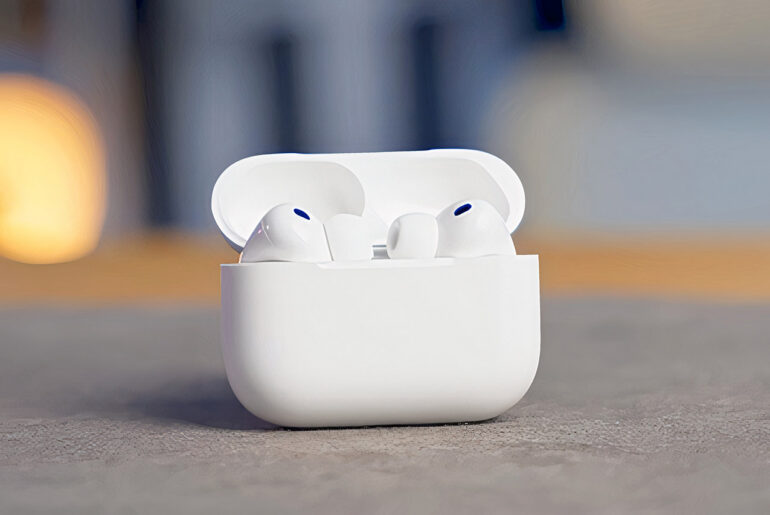
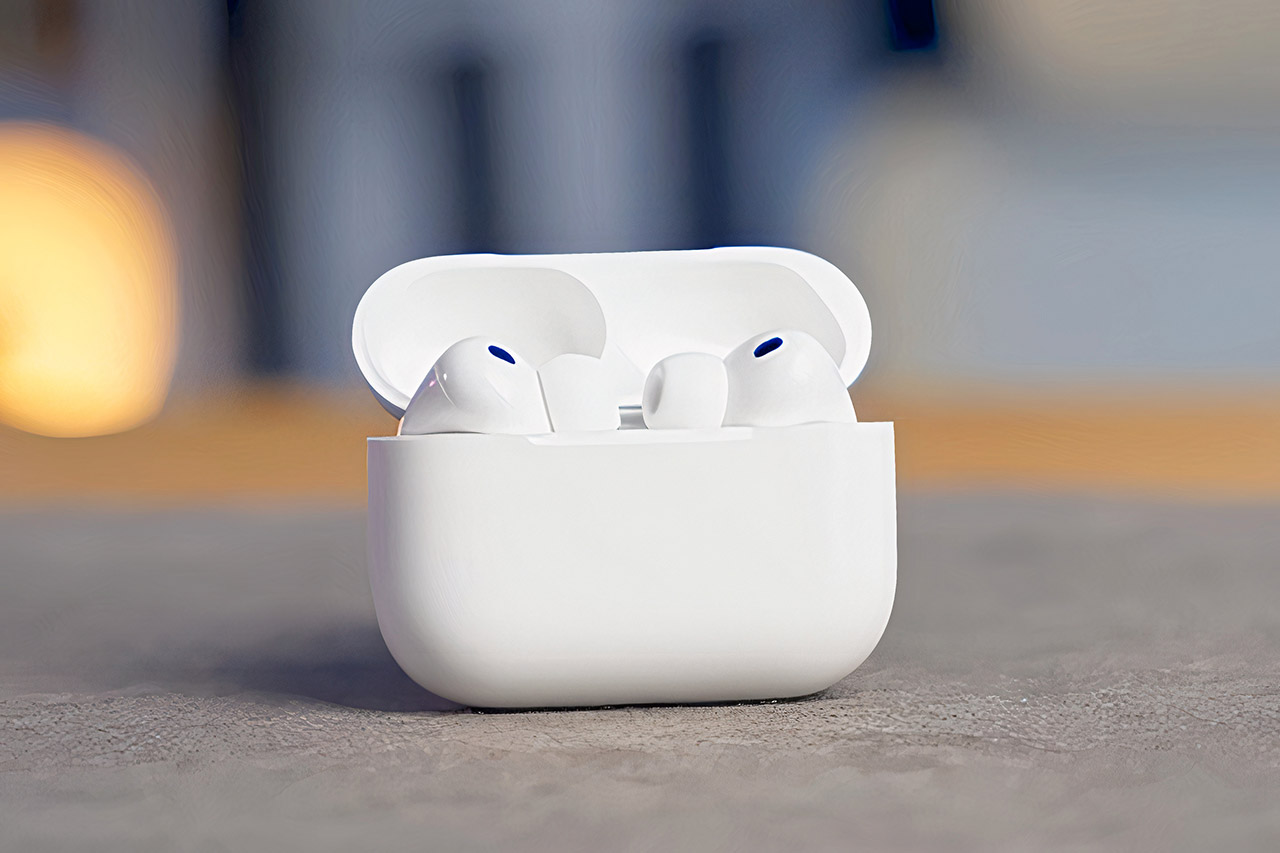
Apple left a short video sitting inside the latest macOS release candidate, and someone found it. The clip lasts only a few seconds. A man wears a pair of AirPods that look thicker than the current Pro model. He holds a book up in front of him. A calm Siri voice explains that Visual Intelligence can save what you see. Just ask, and the title of the book is logged for later.

In the summer of 1997, Apple was running out of time. Cash on hand covered maybe ninety days of payroll. The company had burned through nearly two billion dollars in losses over the previous two years. Market share had collapsed. Talent was walking out the door. Rivals openly suggested shutting the whole thing down and returning the remaining money to shareholders. Steve Jobs had just returned after a twelve-year exile and the place he came back to felt exhausted.

Huawei just released the MateBook Pro S, a 14.2-inch laptop that weighs 798 grams and measures only 11.9 millimeters thick. That puts it among the lightest full-metal machines in its size class, lighter than many 13-inch models by a noticeable margin. The magnesium-lithium body keeps the whole package easy to carry all day, and it comes in several finishes including Midsummer Purple, Dawn Yellow, Smoke Gray, Velvet White, and Feather Black.

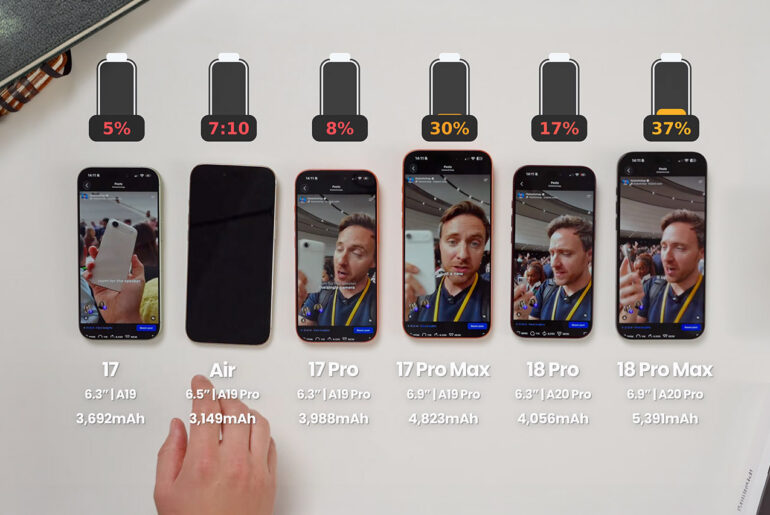
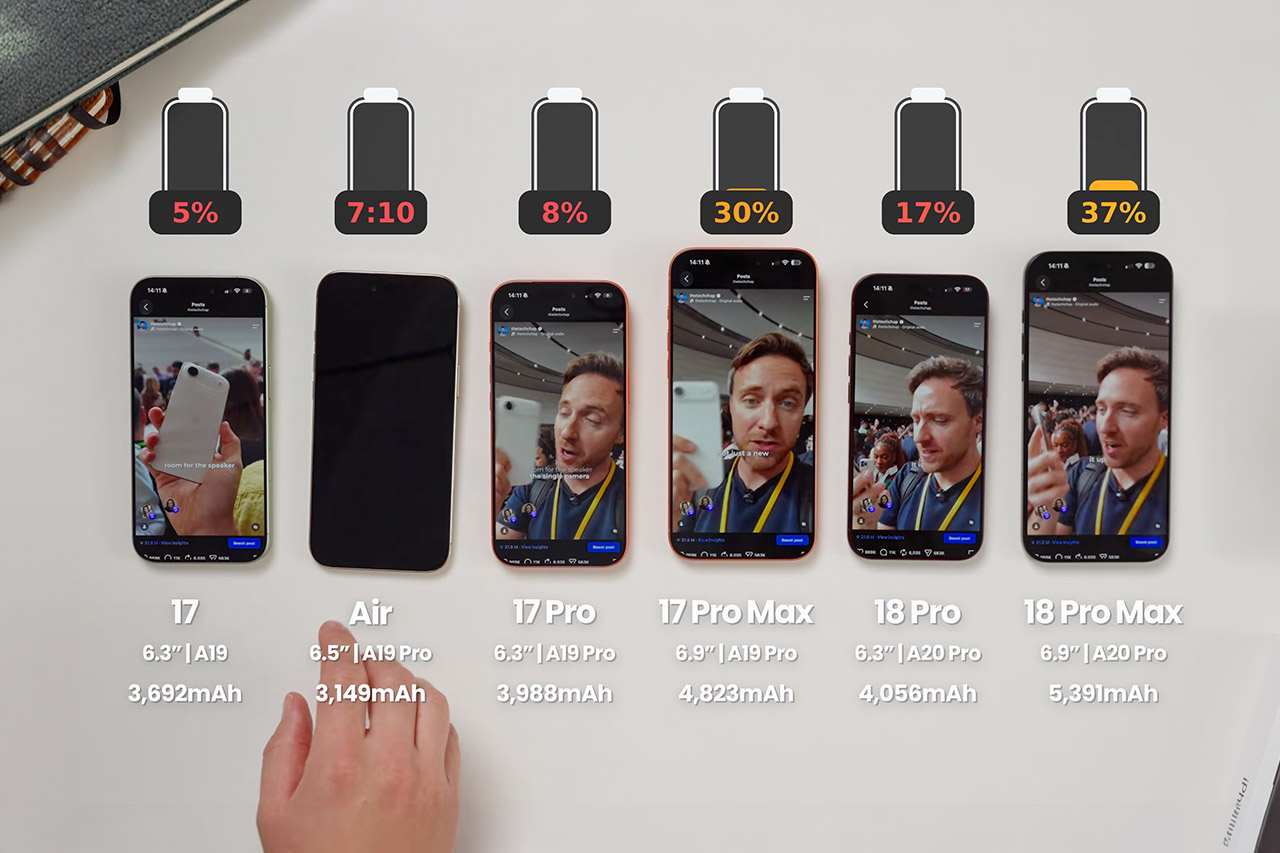
Jon Prosser’s latest Front Page Tech (FPT) lays out the most complete picture yet of what he calls the iPhone Ultra. He presents it as a book-style foldable that arrives this September alongside the iPhone 18 Pro and Pro Max, and positions it as the clear premium model of the year. Base iPhone 18 and Air models wait until later, with two color options being offered at launch: black / grey, and white / silver.

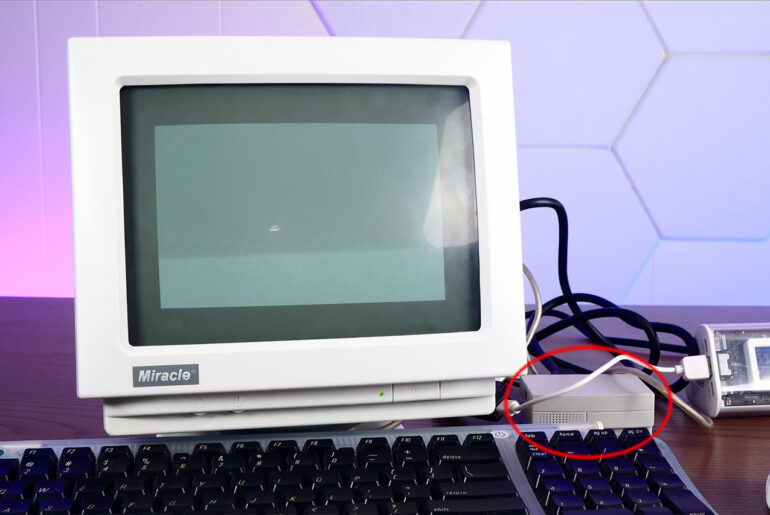
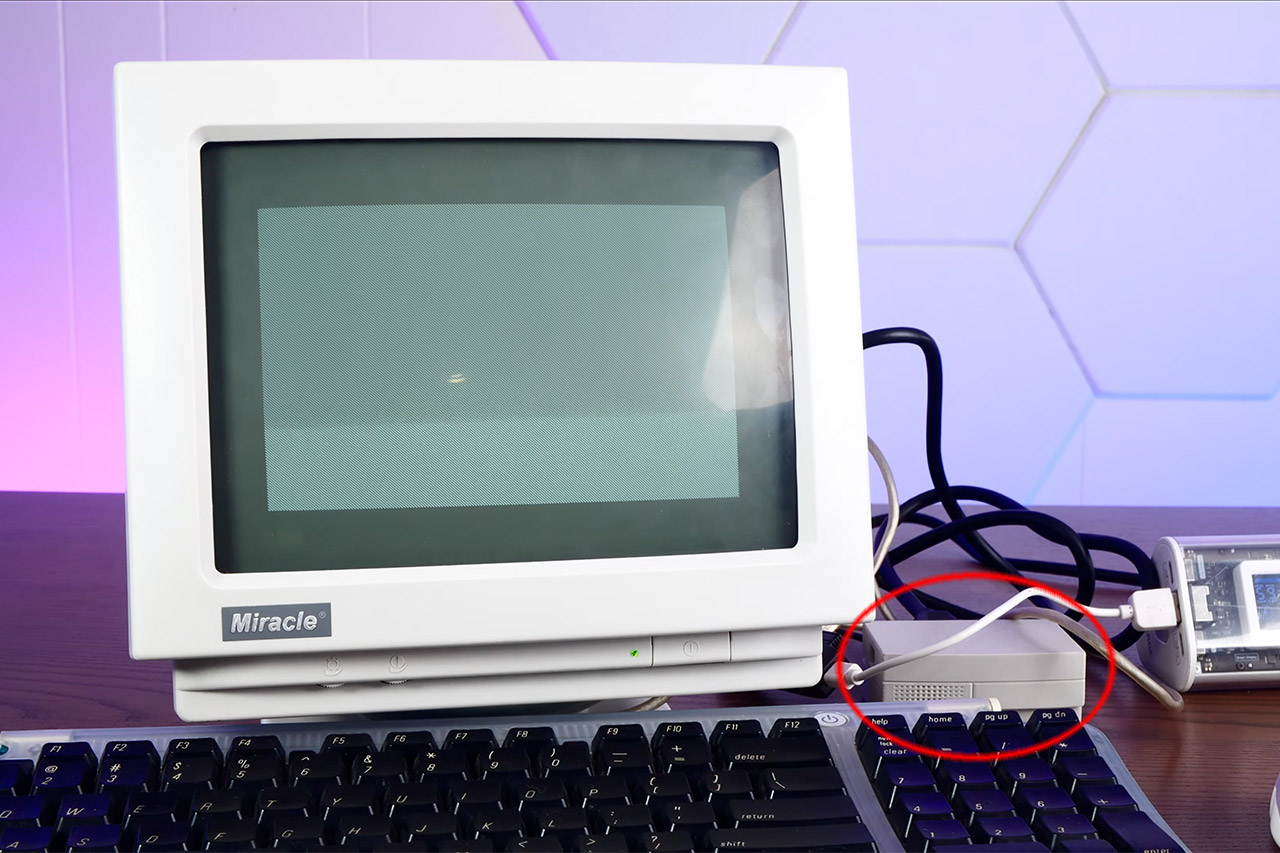
Dan Wood sat down with the same kind of machine that once filled university labs and design studios, the blue-and-white Power Mac G3, and rebuilt the exact setup he remembered from the early 2000s. Nearly three decades later the computer boots, runs its original software, and still feels purposeful in a way modern machines rarely do.
![]()
A small, pale oblong device has started turning up in European retail listings and a clear photo, and it carries the name Google Pixel Tag. The model number GA12506 appears alongside a color called Fog Light. The shape stands taller and more pill-like than the round discs most people already know, closer to the core of an old Fitbit without the band attached. A large Google “G” sits in the center of the face. Below it sits a tiny speaker grille and what looks like a small LED.

Apple has opened a leasing program that spreads the cost of its phones, watches, tablets, and computers into monthly payments. Available starting today across the United States, Apple Upgrade runs through Klarna and gives eligible customers a way to walk out with hardware without paying the full price up front.

Callum Turner appeared on a screen in Hall H this past weekend and handed San Diego the first real look at Neuromancer, Apple TV’s adaptation of William Gibson’s 1984 novel. He could not attend in person. His short video message introduced a dense, restless minute of footage that finally shows the world Gibson put on the page more than four decades ago.

Apple’s fall event calendar has settled into a familiar groove, and this year’s Labor Day landing on September 7 leaves Wednesday the 9th looking like the strongest candidate for the iPhone 18 Pro reveal. Past fifteen years of keynotes rarely stray far from that window, and the pattern points to pre-orders opening the following Friday with phones shipping a week later on the 18th. A later Monday date remains possible, yet the early-September slot has held more often than not.