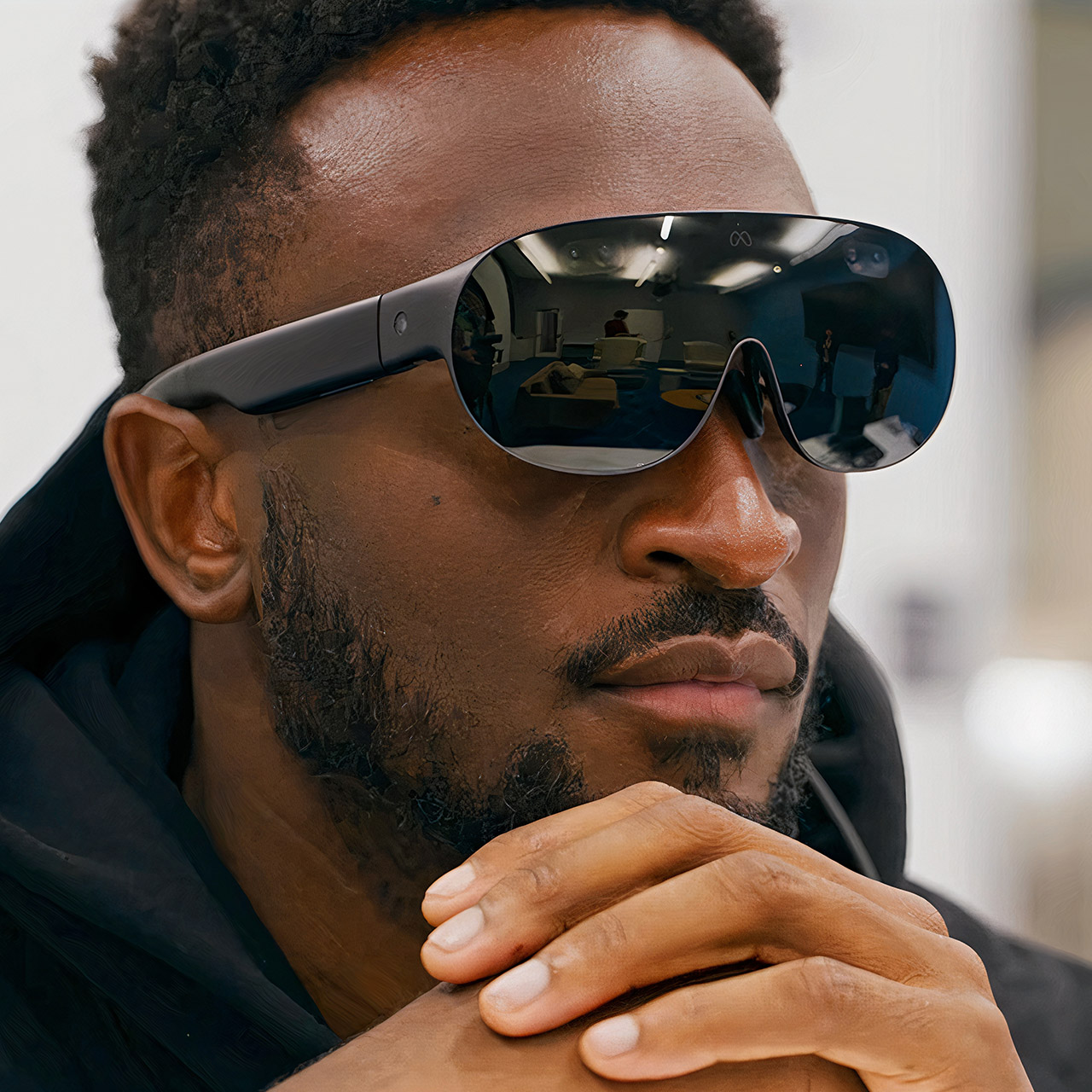
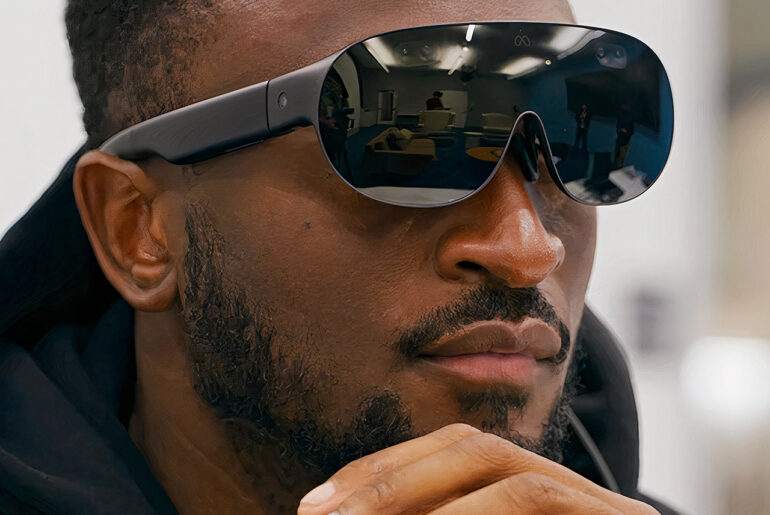
Marques Brownlee spent time with Meta’s upcoming VR Glasses and came away convinced they represent the direction Apple’s Vision Pro might have taken if the company had kept refining the original design. Apple appears to have stepped back from further headset development in favor of simpler eyewear, leaving Meta to push both lightweight glasses and full headsets forward at the same time. These new Meta devices sit in a middle space, heavier than everyday frames yet far lighter than anything that straps across the head.
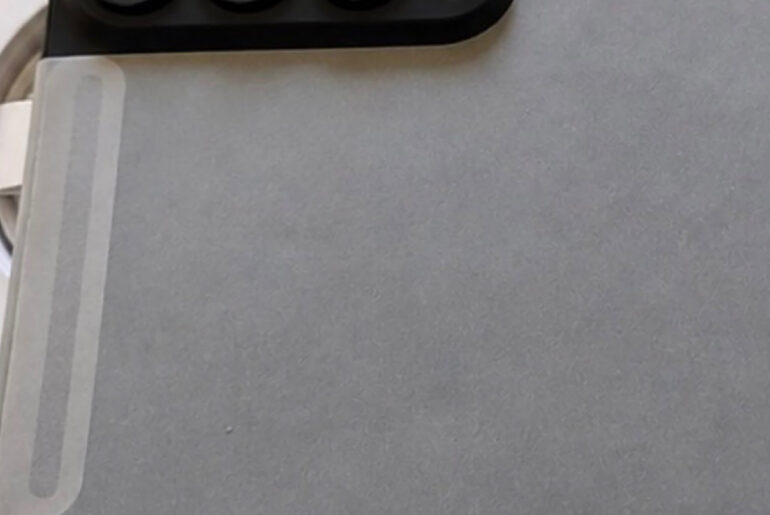
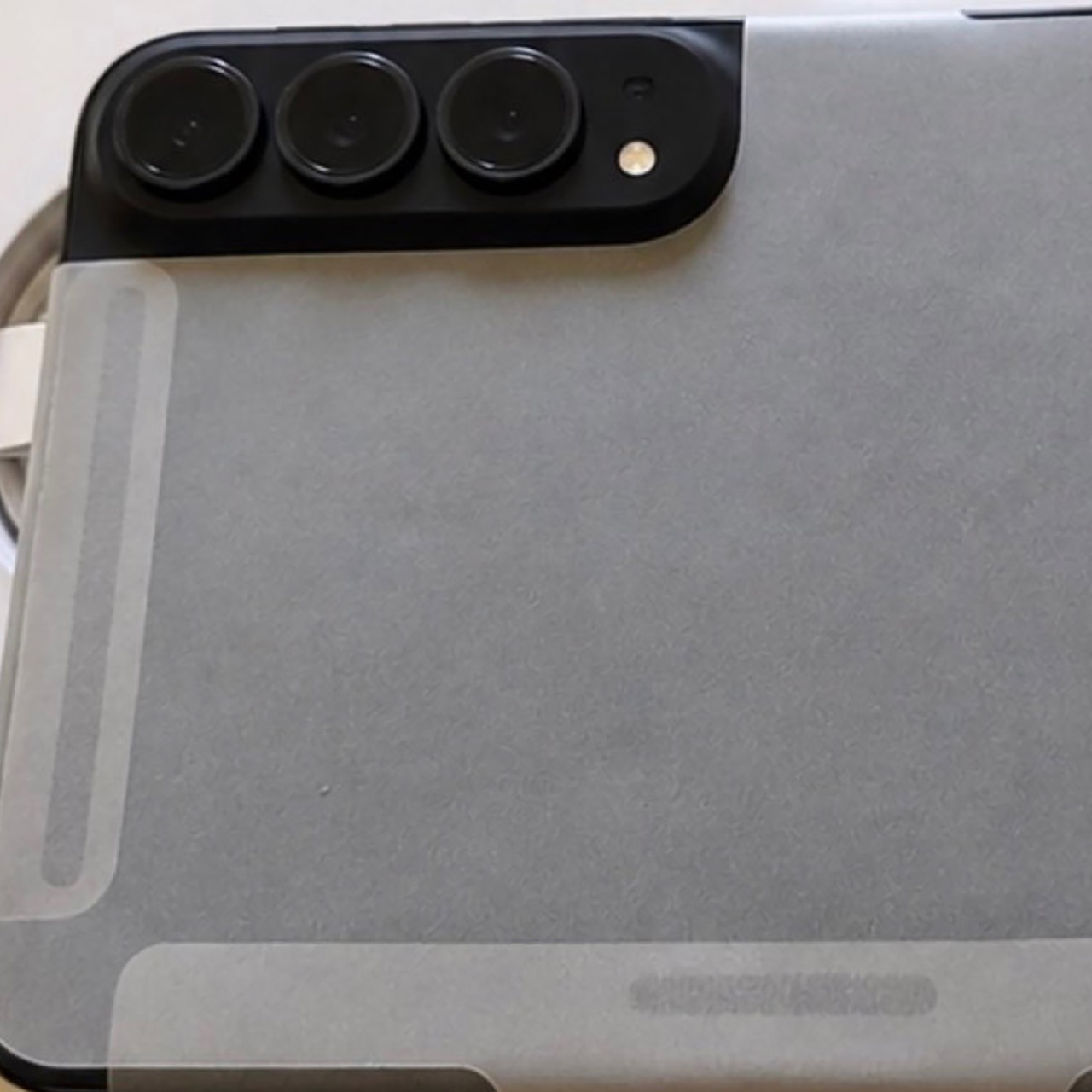
A photo shared on X by the account @MajinBuOfficial has circulated as an early look at an iPhone Duo 2 prototype. The image shows a pill-shaped rear camera module that runs slightly longer than the module on the current model and holds three lenses instead of two. Reports treat the image as unverified, with no independent confirmation of its authenticity, so it remains a clue rather than proof of final hardware.
![]()
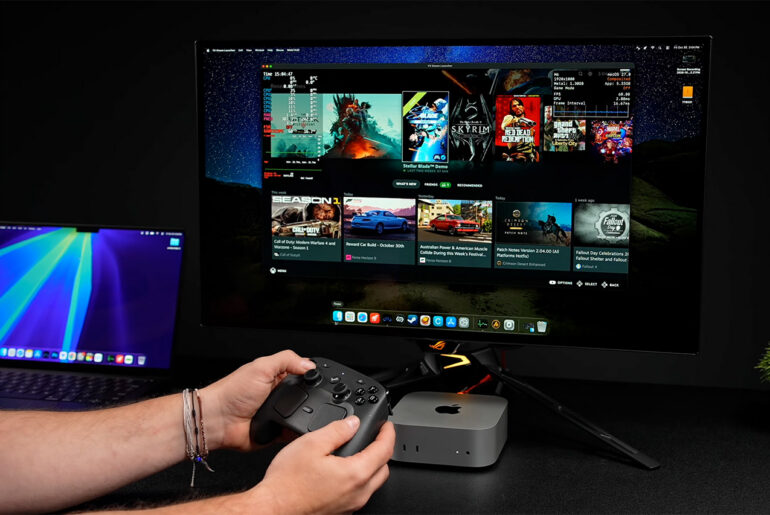
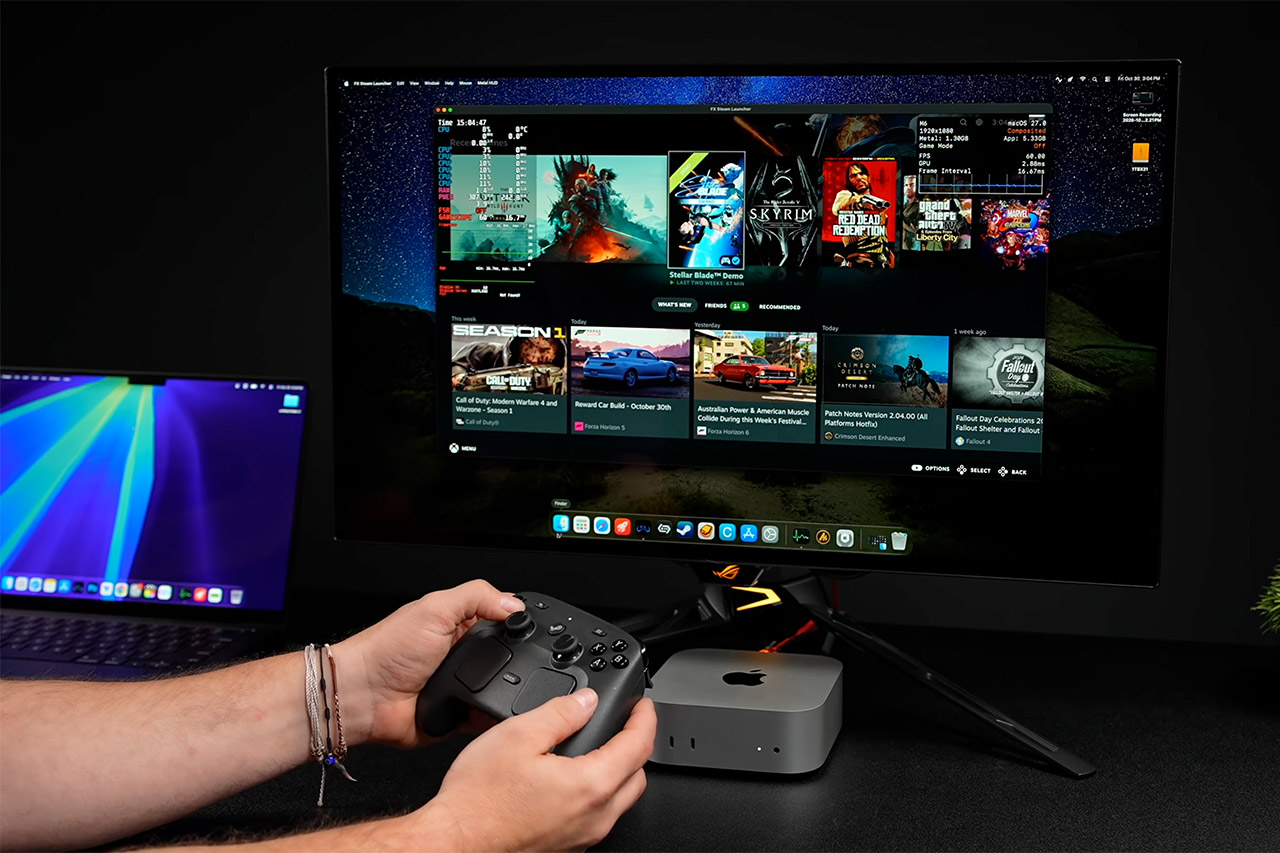
Apple Silicon Macs have sat outside Valve’s gaming plans for years, yet a single open-source effort on GitHub now places the company’s own ARM64 SteamOS image inside a lightweight virtual machine on those same machines. The project, called steamac and released as FX Steam Launcher, downloads Valve’s signed Steam Frame build, verifies the checksum, and boots it through Apple’s Hypervisor framework with libkrun. Once running, the familiar Steam gamepad interface appears in a Mac window, complete with controller support and CoreAudio sound, while Windows games arrive through Proton and the FEX emulator.

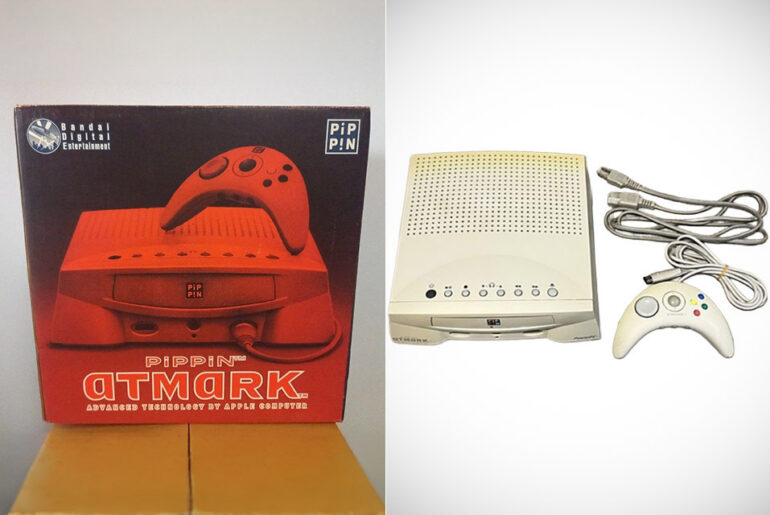
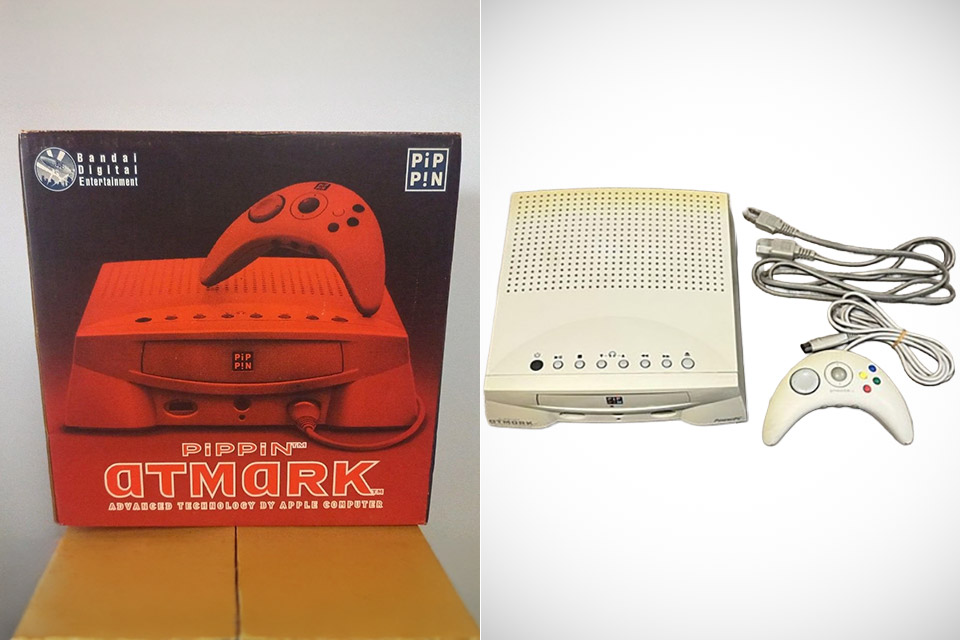
In December 1994, Apple stood on a stage in Tokyo and introduced Pippin as a licensed multimedia platform built around a stripped-down Macintosh. Bandai, already deep into toys and children’s entertainment, signed on as the first manufacturer. The plan called for a living-room box that could play CD-ROMs, connect to early internet services, and run a simplified version of Mac OS without forcing families to buy a full computer. Apple would supply the design and collect modest royalties. Bandai would handle the hardware, the packaging, and most of the financial risk.

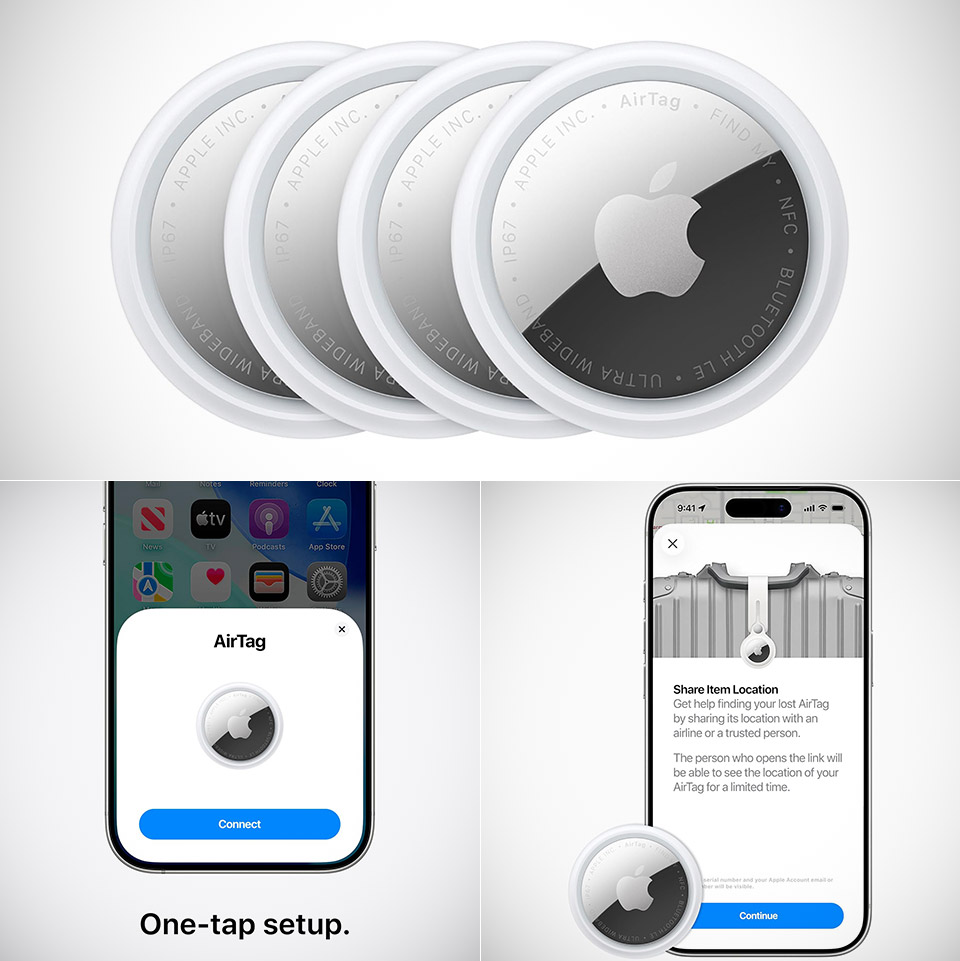
Holiday travel season arrives with packed airports, delayed flights, and the constant risk that a checked bag ends up on the wrong carousel or a set of keys slips between seats in a rental car. A 4-pack of second-generation AirTags, priced at $69.99 today (was $99), addresses those ordinary losses by attaching a small disk to each important item and then reporting its location through Apple’s Find My network of nearby phones and tablets.

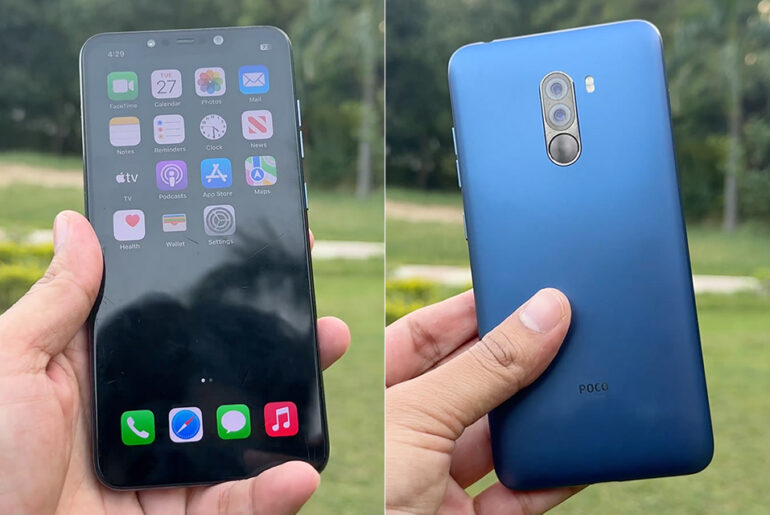
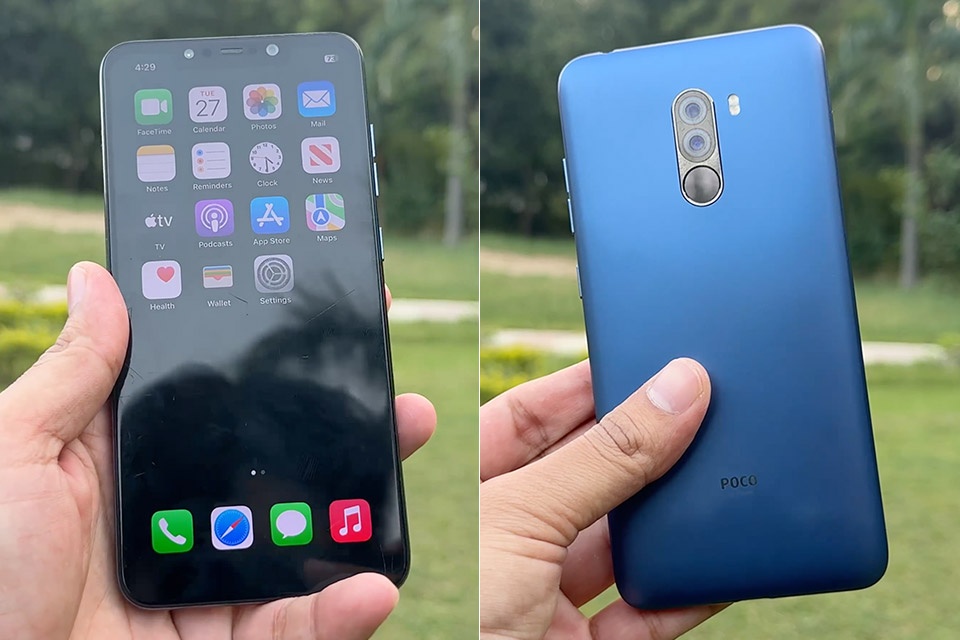
Powering on an old Xiaomi Poco F1 now brings up an iOS lock screen instead of the usual Android boot animation. Orailnoor’s recent demonstration shows the phone starting directly into a modified version of Apple’s software, with the home screen, Settings app, Control Center, and basic gestures all responding to touch. The device identifies itself as an iPhone X even though the hardware underneath remains the same Snapdragon 845 board that shipped in 2018.

Journalists at the Los Angeles event today lifted the lid on Apple’s new MacBook Pro and immediately felt the weight drop before the screen even lit up. The 14-inch model comes in at three pounds, half a pound lighter than the previous version, while the 16-inch version sits at four pounds. In the hand it feels closer to a thinner machine, and several people noted that the difference shows up right away when the laptop goes into a bag.

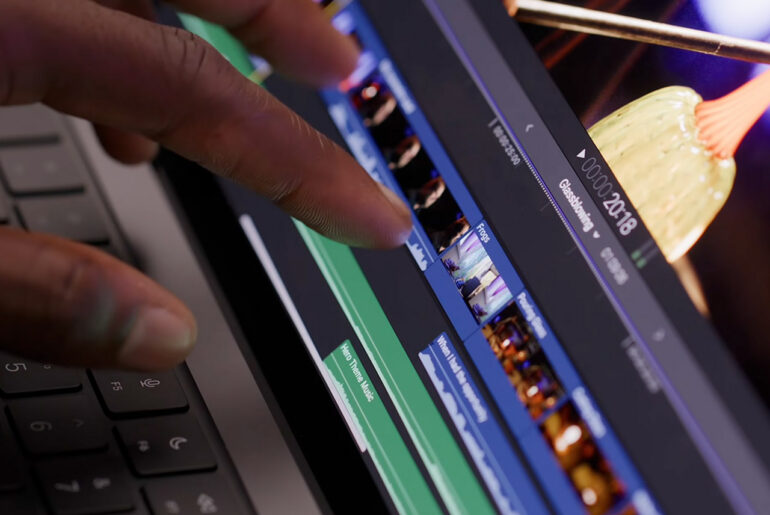
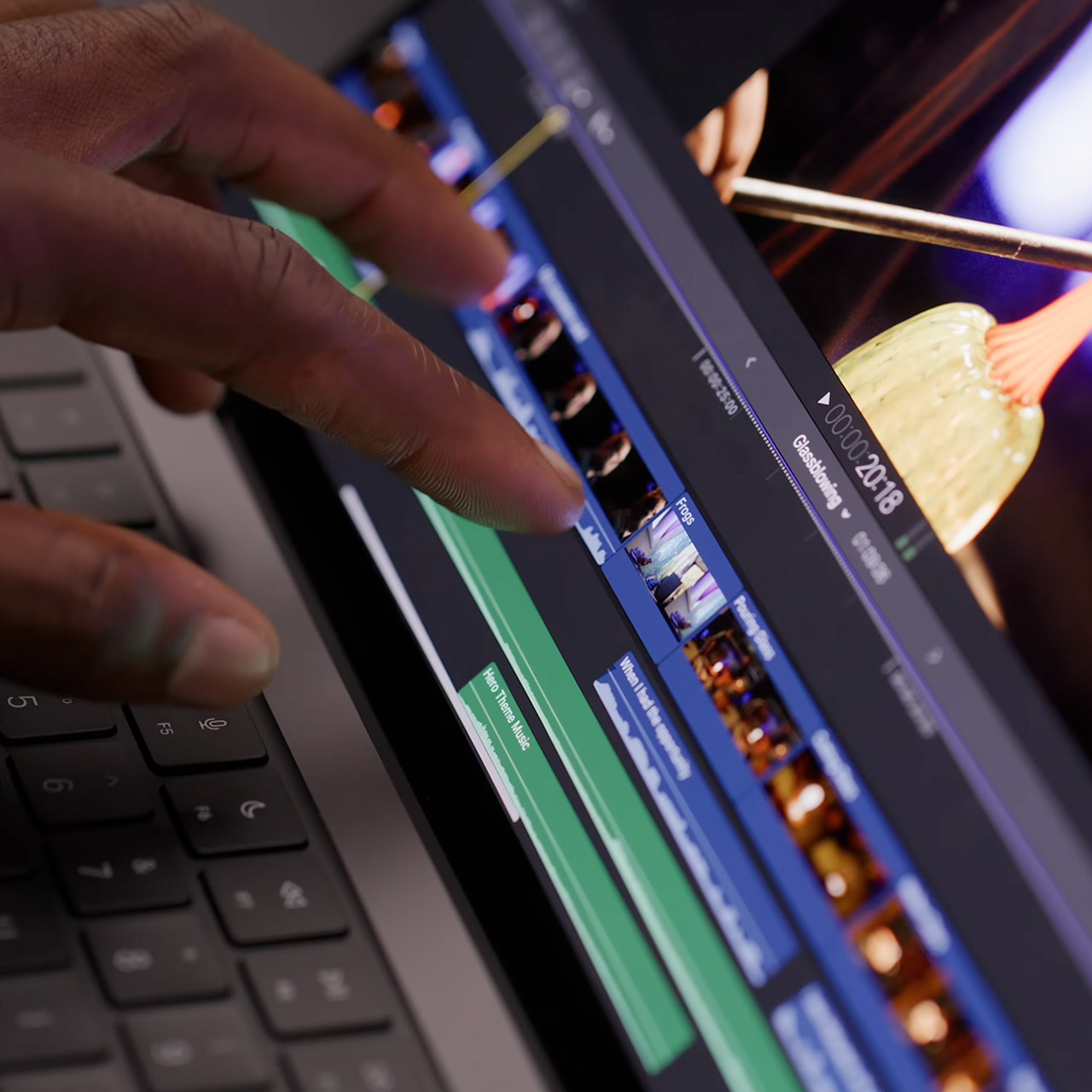
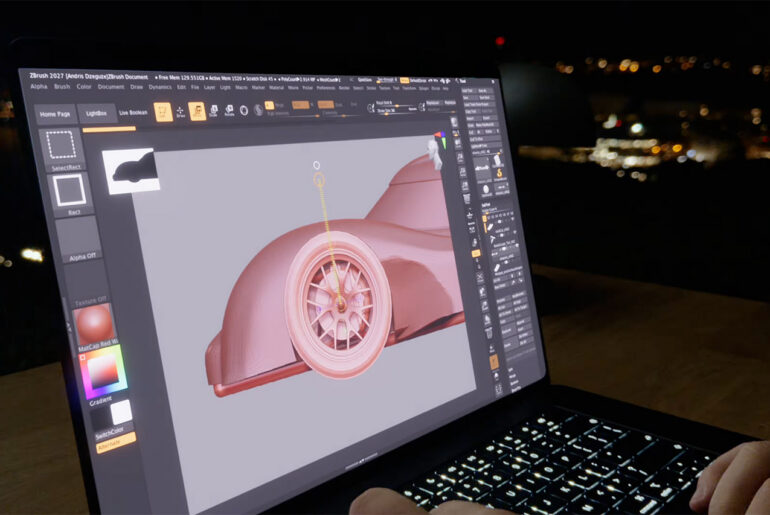
Apple finally put a touchscreen on a MacBook Pro and paired it with a tandem OLED panel called PROLED XDR that reaches 2000 nits of peak brightness for both HDR and ordinary SDR content. Available in 14.2-inch and 16.3-inch sizes, the display hits a 10,000,000:1 contrast ratio, supports ProMotion that ramps from 10Hz to 120Hz, and covers both the P3 and Adobe RGB color spaces with more than 80 percent of Rec. 2020.

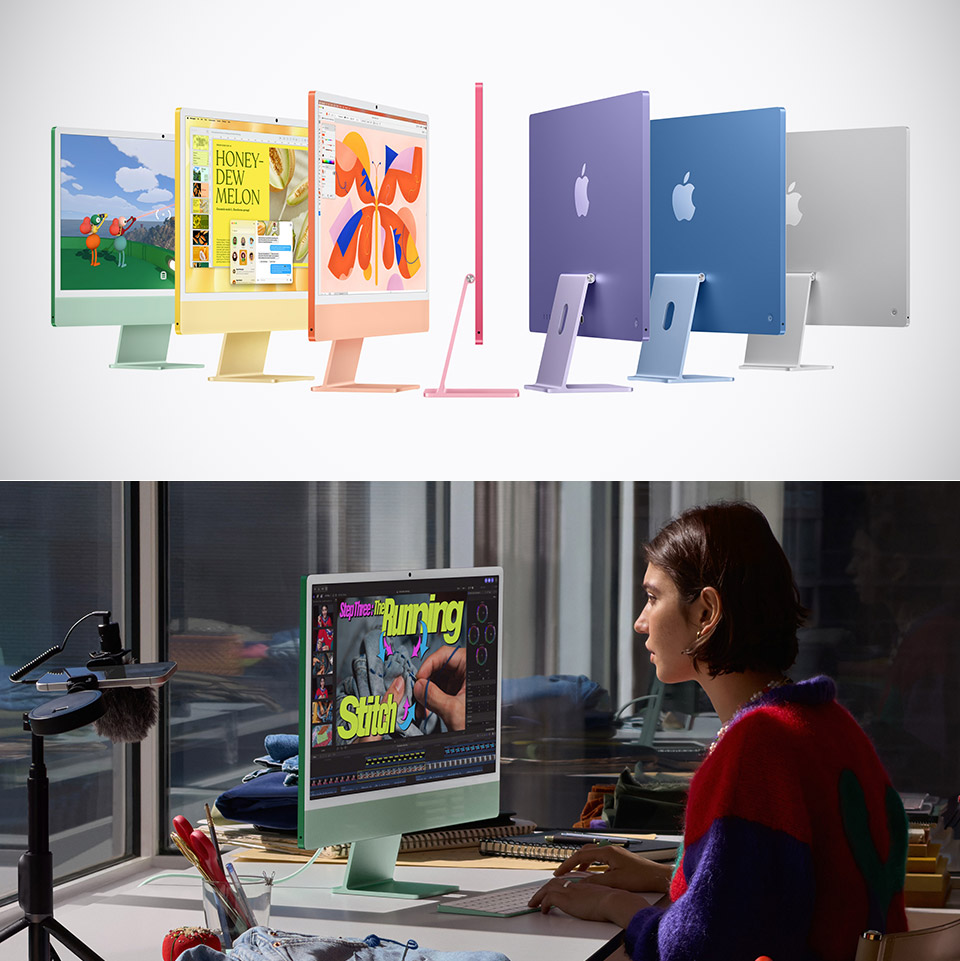
Apple launched an updated 24-inch iMac today that uses the company’s newest M6 chip and keeps nearly every outside detail from the version that arrived two years ago. Buyers still choose from the same seven colors: blue, green, pink, yellow, purple, orange, and silver. Each machine ships with matching keyboard and mouse or trackpad, and the thin all-in-one body sits on the same stand as before.

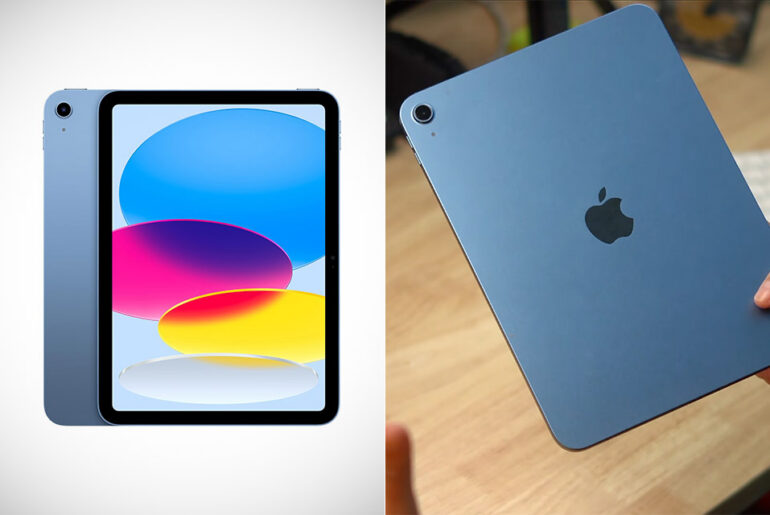
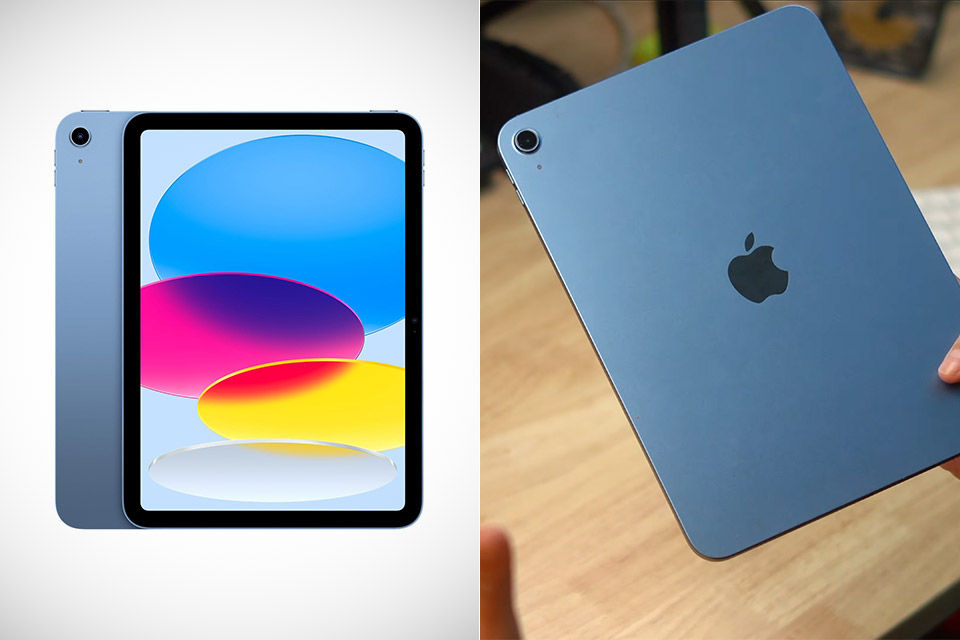
Anyone already carrying a capable iPhone faces a simple calculation when Apple’s first folding model arrives. The iPhone Duo opens to a 7.6-inch panel and starts at $1,999, while a basic 11-inch iPad with the A16 chip will set you back just $399 (was $449). That gap alone explains why many people with a working phone in their pocket simply add the tablet and skip the foldable.