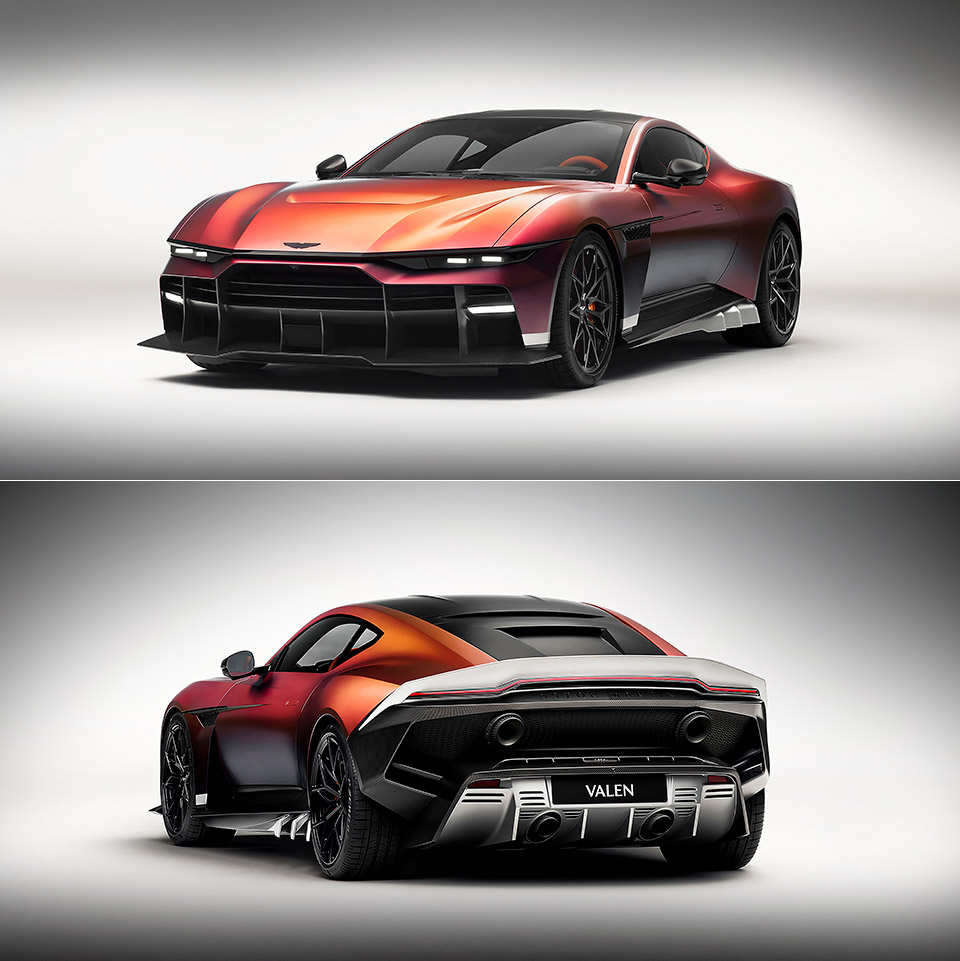
Aston Martin has officially introduced the Valen, a new limited-edition coupe that the company claims is the world’s most powerful front-engine production vehicle. The Valen is based on the current Vanquish chassis and was designed by the Q special vehicles team in collaboration with the Special Vehicle Operations department. It takes the classic long-hood, short-deck layout and makes every essential system work harder. Only 150 will be constructed, with the first vehicles expected to arrive in the second quarter of 2027. The base price is approximately two million dollars before options.
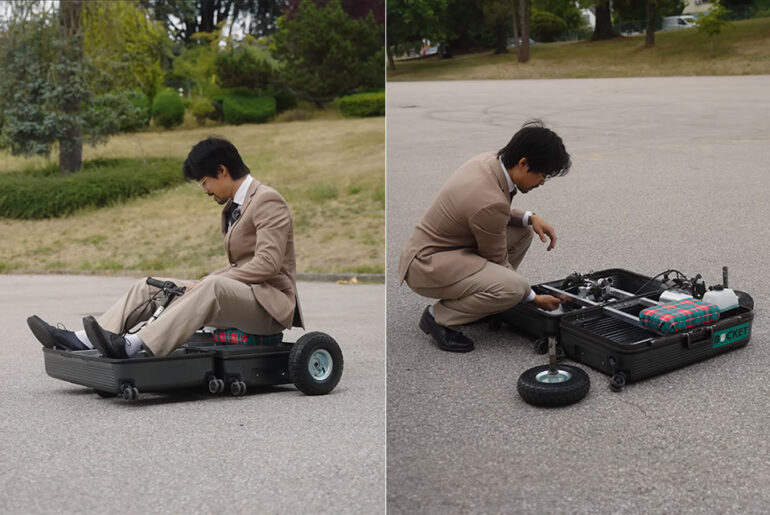
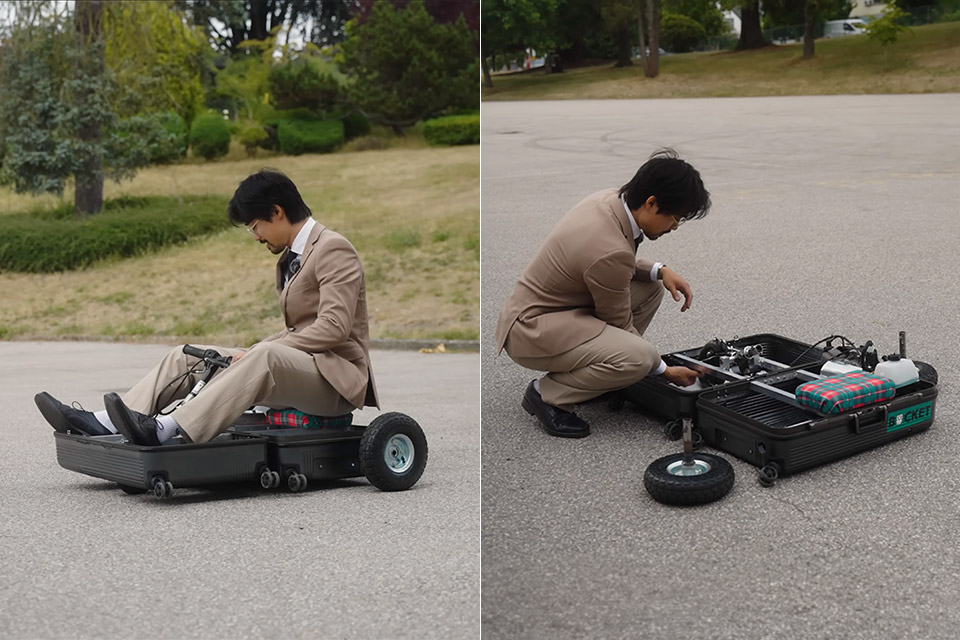
In 1991, seven Mazda transmission research engineers combined a hard-shell Samsonite and a pocket bike to create something no airline would ever allow. Their submission for the company’s Fantasyard contest was a three-wheeled motorcycle that folded into luggage, weighed seventy-one pounds, and could reach speeds of nearly nineteen miles per hour with a 33.6-cubic-centimeter two-stroke engine. Assembly takes approximately one minute. The thing was highlighted on Oprah and at major auto shows, but just one original remains today.

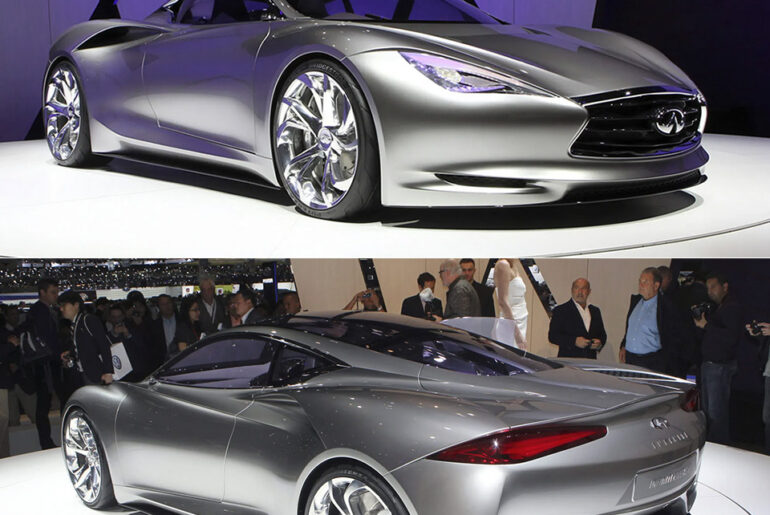
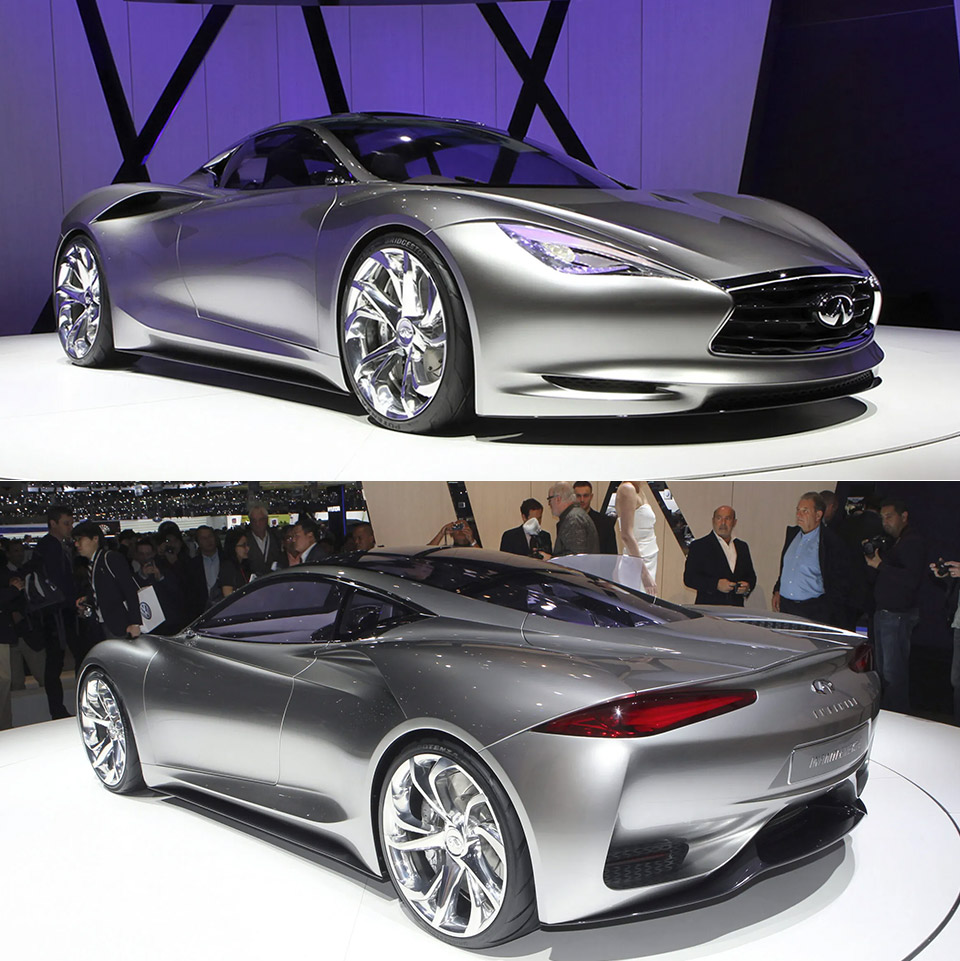
Infiniti spent the late 2000s watching Lexus launch the LFA and wondering how a brand built on elegant sedans and SUVs could ever answer. The response arrived in March 2012 at the Geneva Motor Show, a low-slung two-seater that looked nothing like anything the company had sold before. Called the Emerg-E, it was the first Infiniti designed and engineered almost entirely in Europe, and it carried a hybrid powertrain so unusual for its time that it still feels modern fourteen years later.

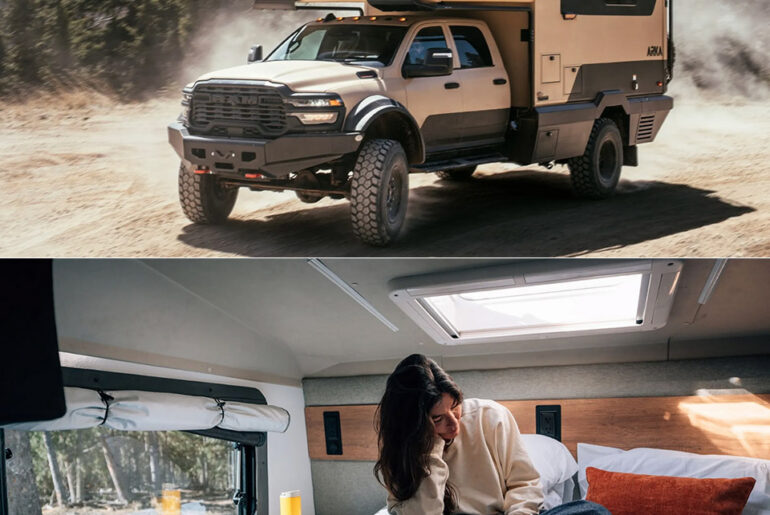
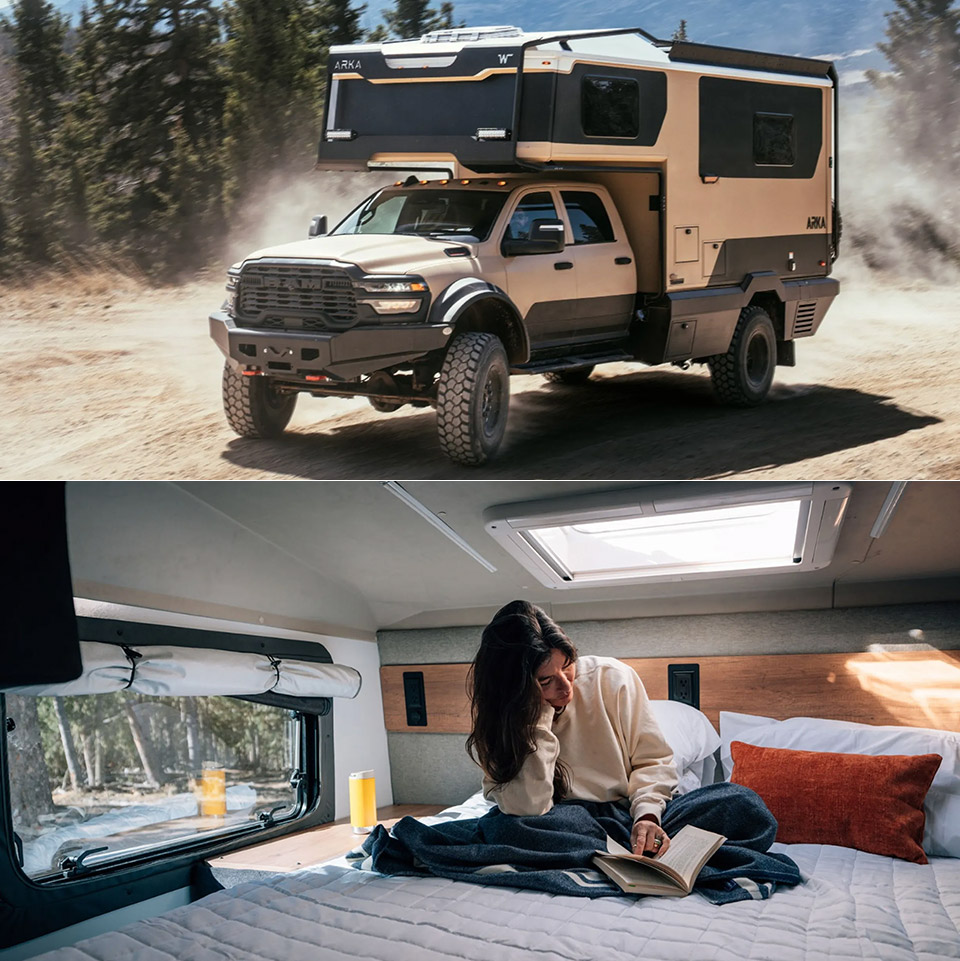
You could put $332,000 toward a house in many American cities. Or you could buy the fully equipped Winnebago ARKA 20Z and take that money straight into the backcountry. Winnebago built this machine on a Ram 5500 crew-cab chassis powered by a 6.7-liter Cummins turbo-diesel. The engine makes 360 horsepower and 800 pound-feet of torque through an eight-speed automatic.

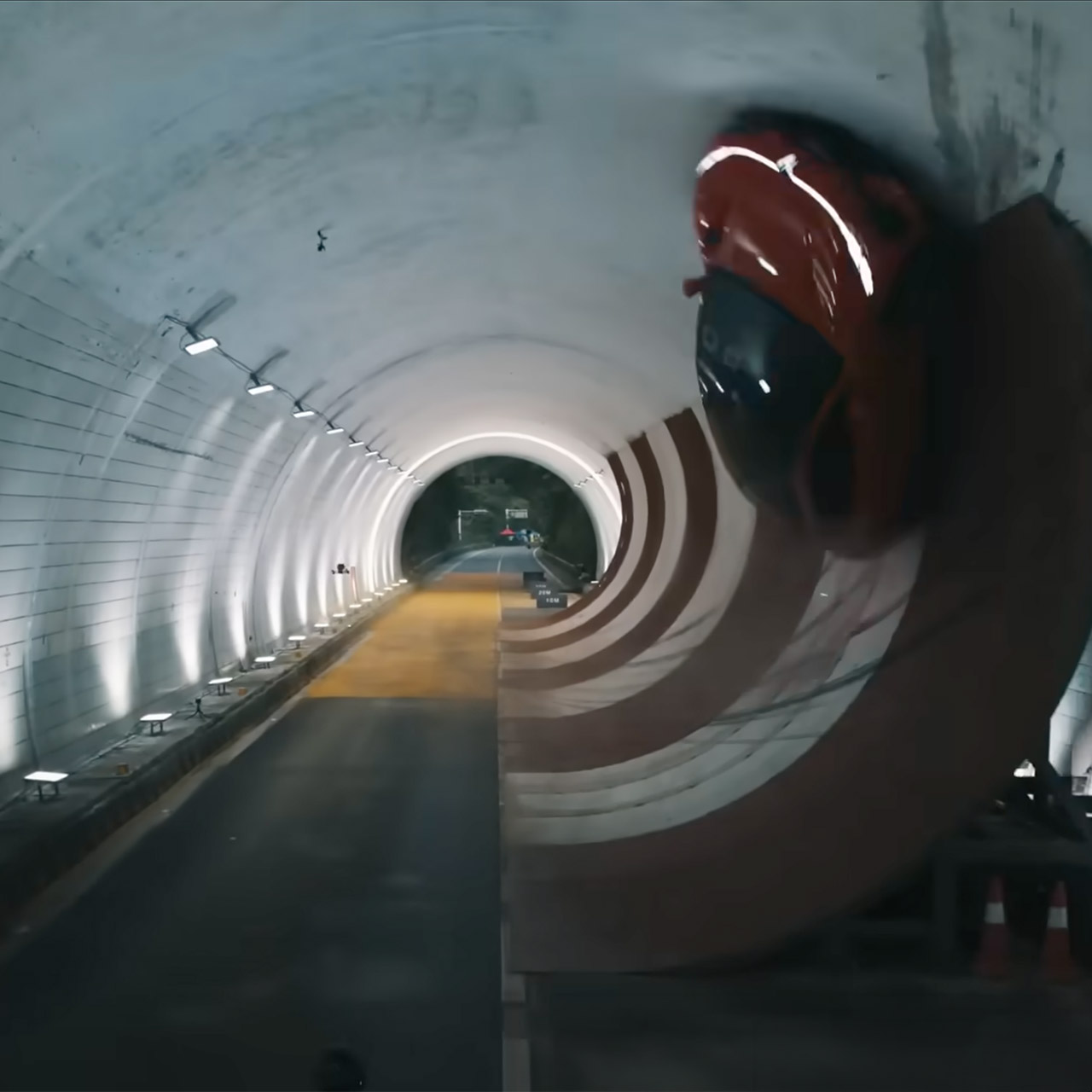
In a closed test tunnel in Wuhan, a production Voyah Passion S electric crossover entered a curved section at roughly 130 kilometers per hour and stayed on the surface until it was driving across the ceiling. Drivers held about 16 degrees of steering lock the entire way, generating the continuous force that pressed the tires into the wall and then the roof before bringing the vehicle back down the opposite side in one unbroken run.

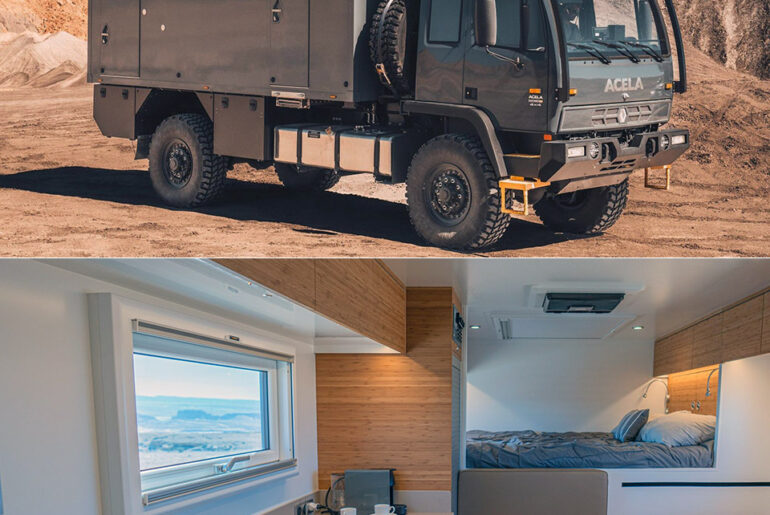
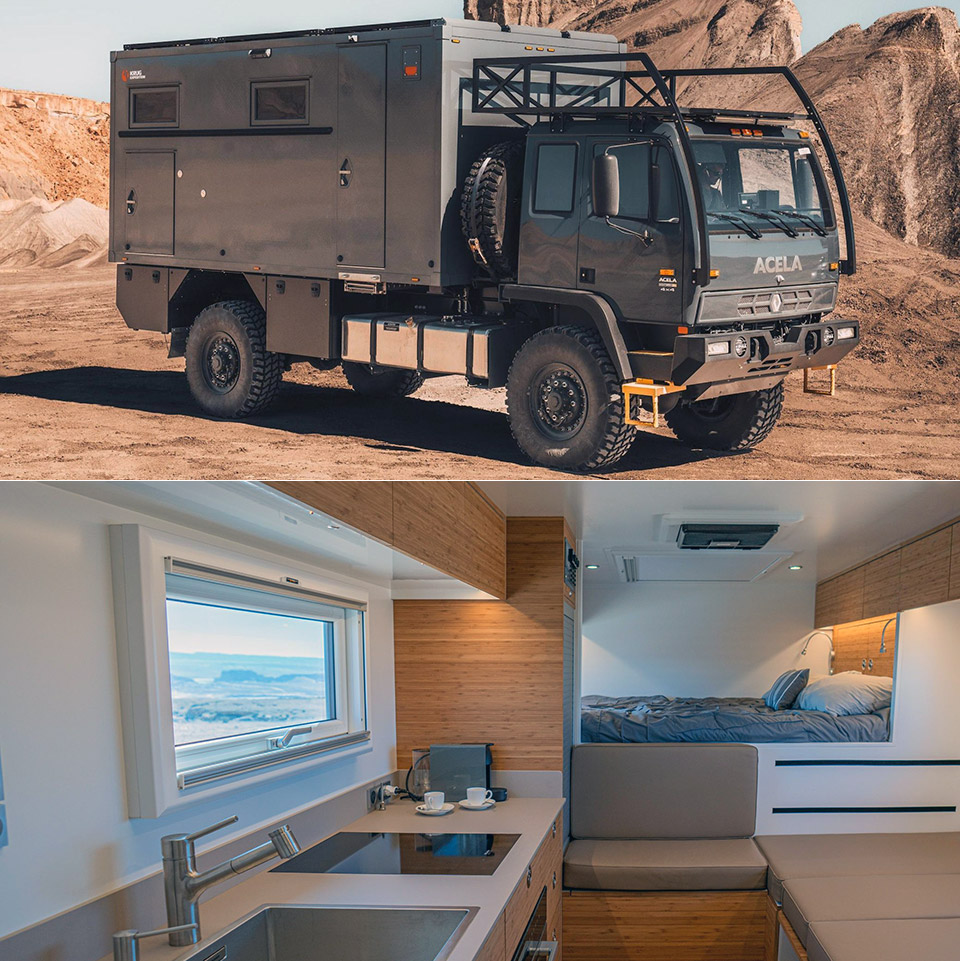
A retired military hauler once tasked with moving troops and supplies now carries a double bed, a Miele oven, and a bathroom most studio apartments would envy. Sitting on Cars & Bids right now is this ACELA MONTERRA GL 4×4 finished by Krug Expedition, a fully sorted expedition truck whose current asking range still sits below many 2026 Porsche 911 configurations while the auction runs.

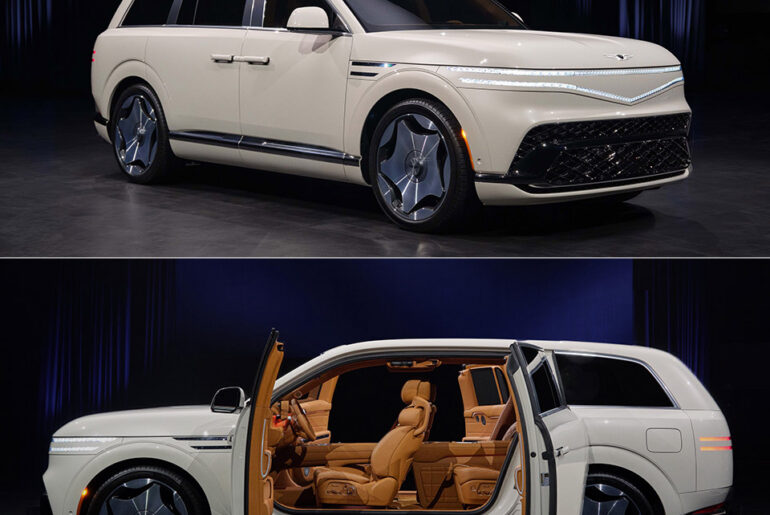
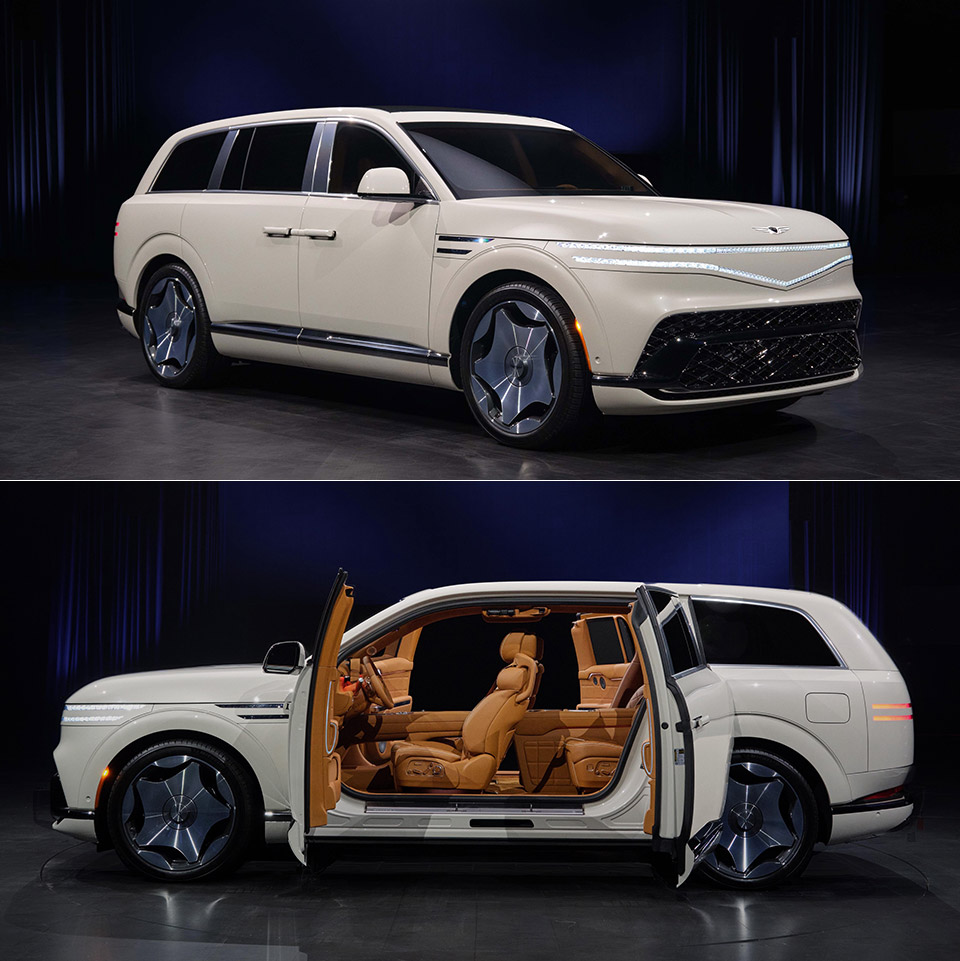
Genesis just showed the world its first full-size electric SUV, the GV90, and the doors alone are enough to stop traffic. On the range-topping Neolun version, the rear doors open backward while the fronts swing forward. A dual-motion hinge lets the rear doors slide out a short distance first, then swing wide. When both pairs stand open, the B-pillar vanishes from view. Genesis calls the arrangement the Neolun Arch Gate and claims it is the first coach-door system that can open and close each door on its own. The result is a single, unbroken opening that feels closer to stepping into a private lounge than climbing into a conventional three-row SUV.

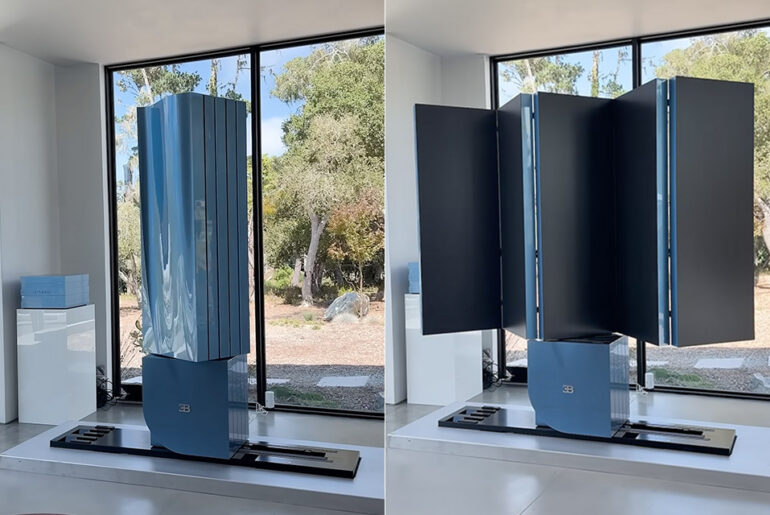
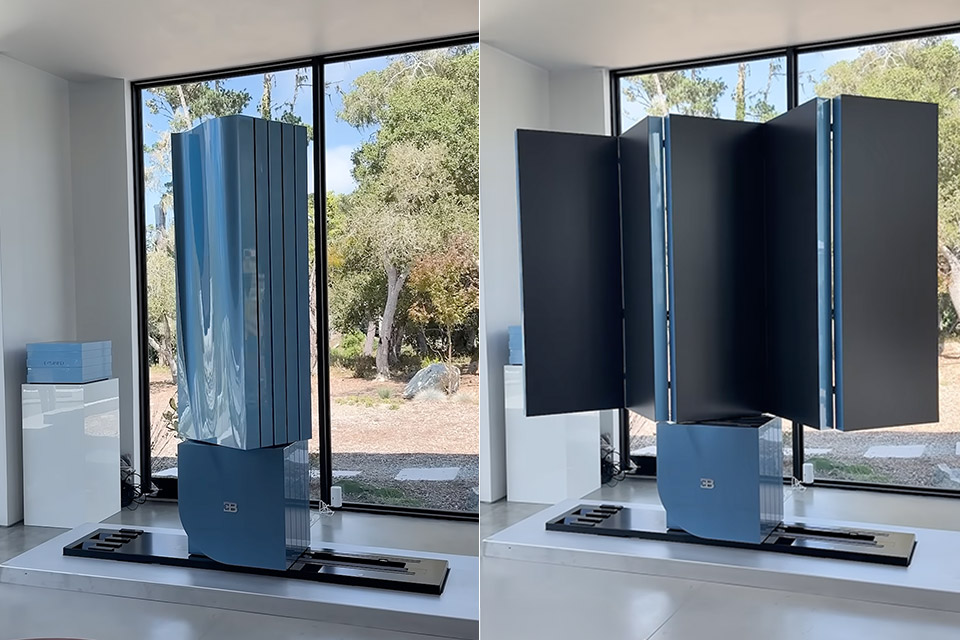
Road & Track spent time with the C SEED Bugatti N1 during Monterey Car Week and came away calling the transformation more striking in person than the press photos suggested. That reaction lines up with every account of watching the thing work. One button starts a silent, multi-stage sequence that lasts exactly 45 seconds.

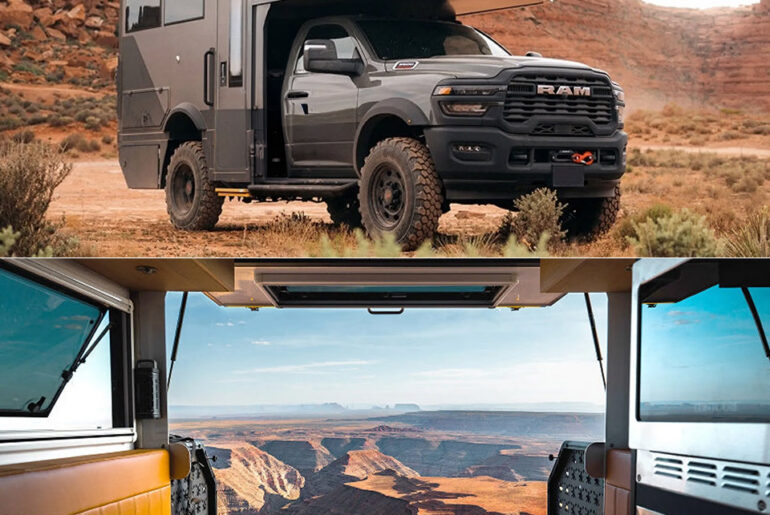
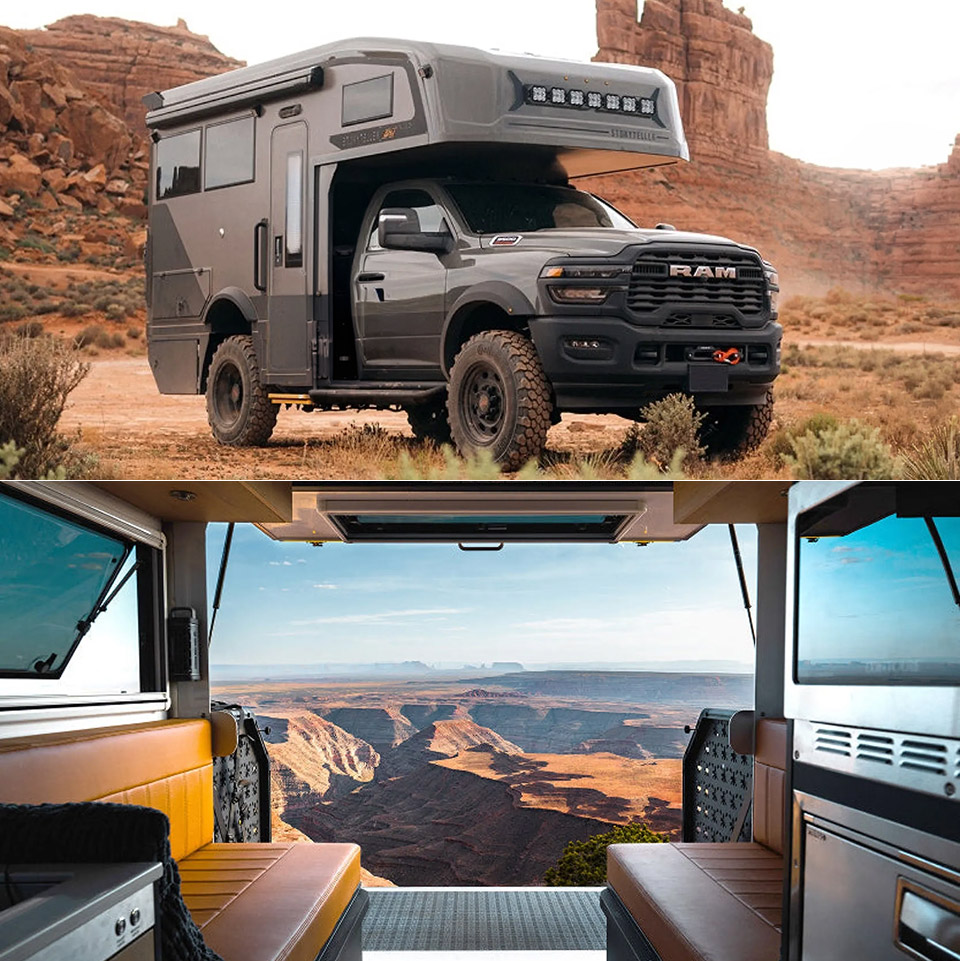
Storyteller Overland just put a nearly three-hundred-thousand-dollar price tag on a Ram 3500 that can sleep four, cook a full meal, and open its rear wall into an elevated outdoor platform. The GXV Wild arrives as the smaller, more agile member of the company’s Global Expedition Vehicles line, built to reach remote places while still offering real living space once you stop.

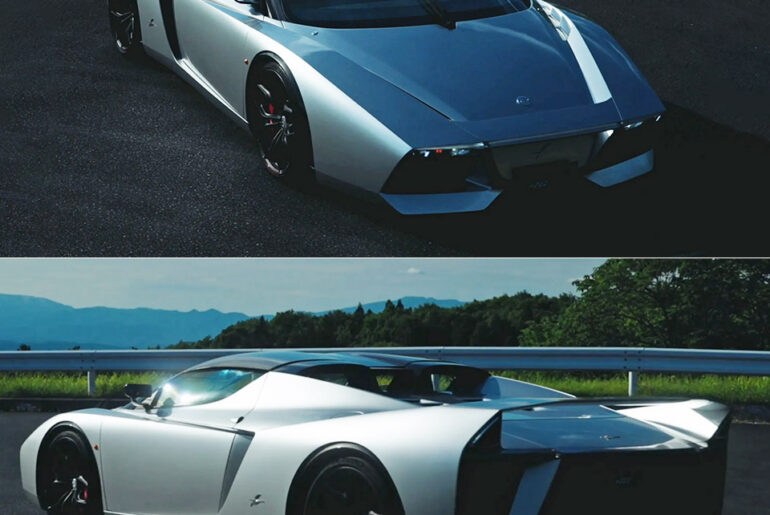
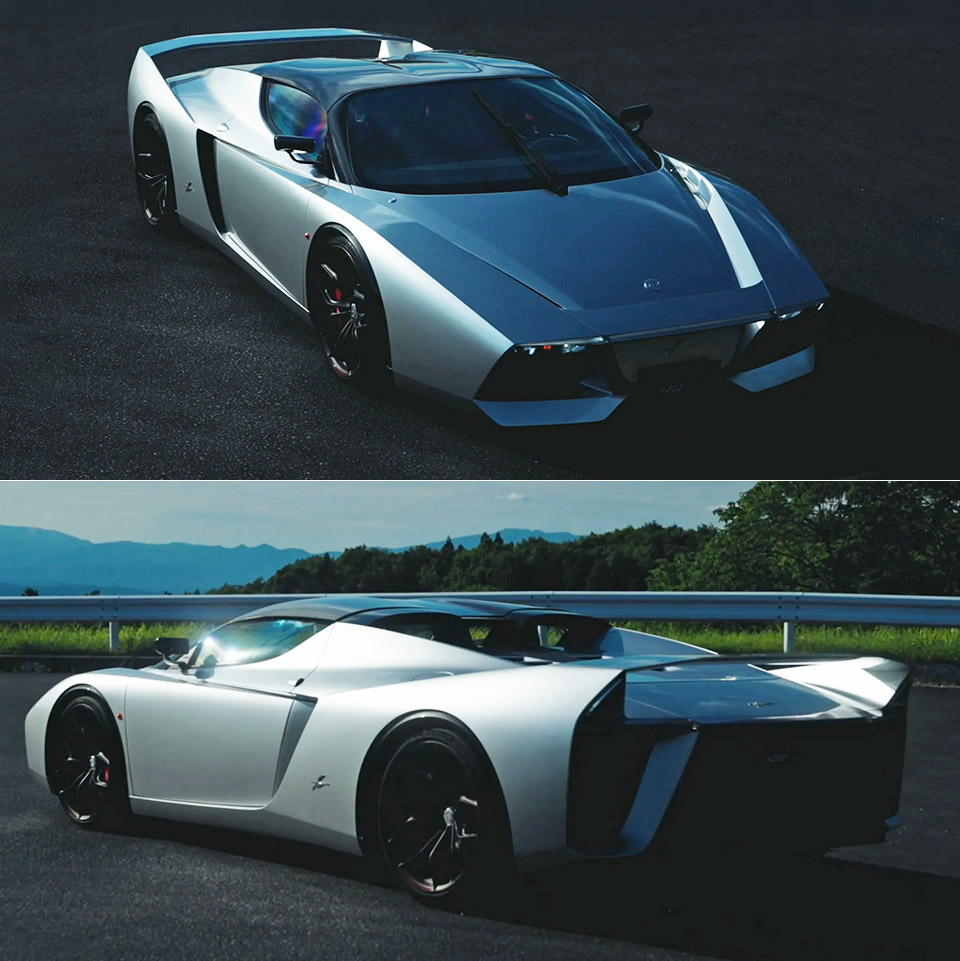
Ken Okuyama, the Japanese designer who shaped the Ferrari Enzo during his years at Pininfarina, brought a new open mid-engine car to the Pebble Beach Concours d’Elegance on August 16. Named Kode89, it arrived after a quiet run on the Tour d’Elegance a few days earlier, with Okuyama himself at the wheel. The car marks twenty years since he set up his own studio and represents the first time his company has built a complete vehicle around an original chassis rather than adapting platforms from Lotus, Ferrari or Lamborghini.