Tag

Hardware

Browsing

The Stock Pot Custom Game Console Halo Cartridge
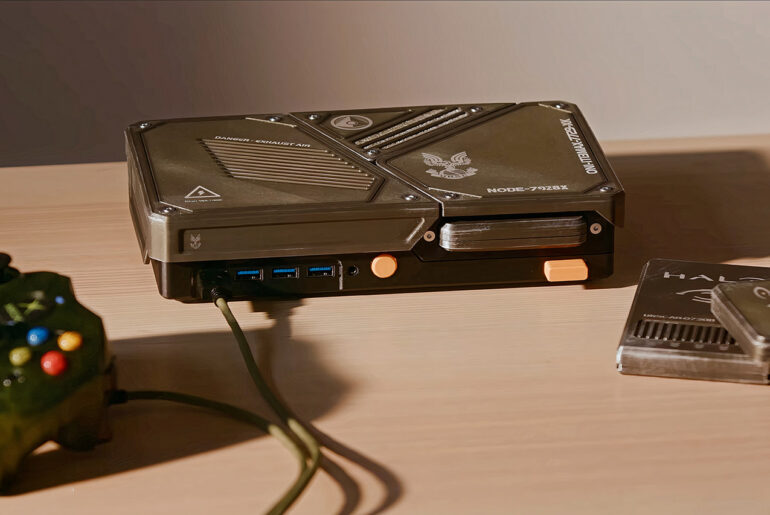
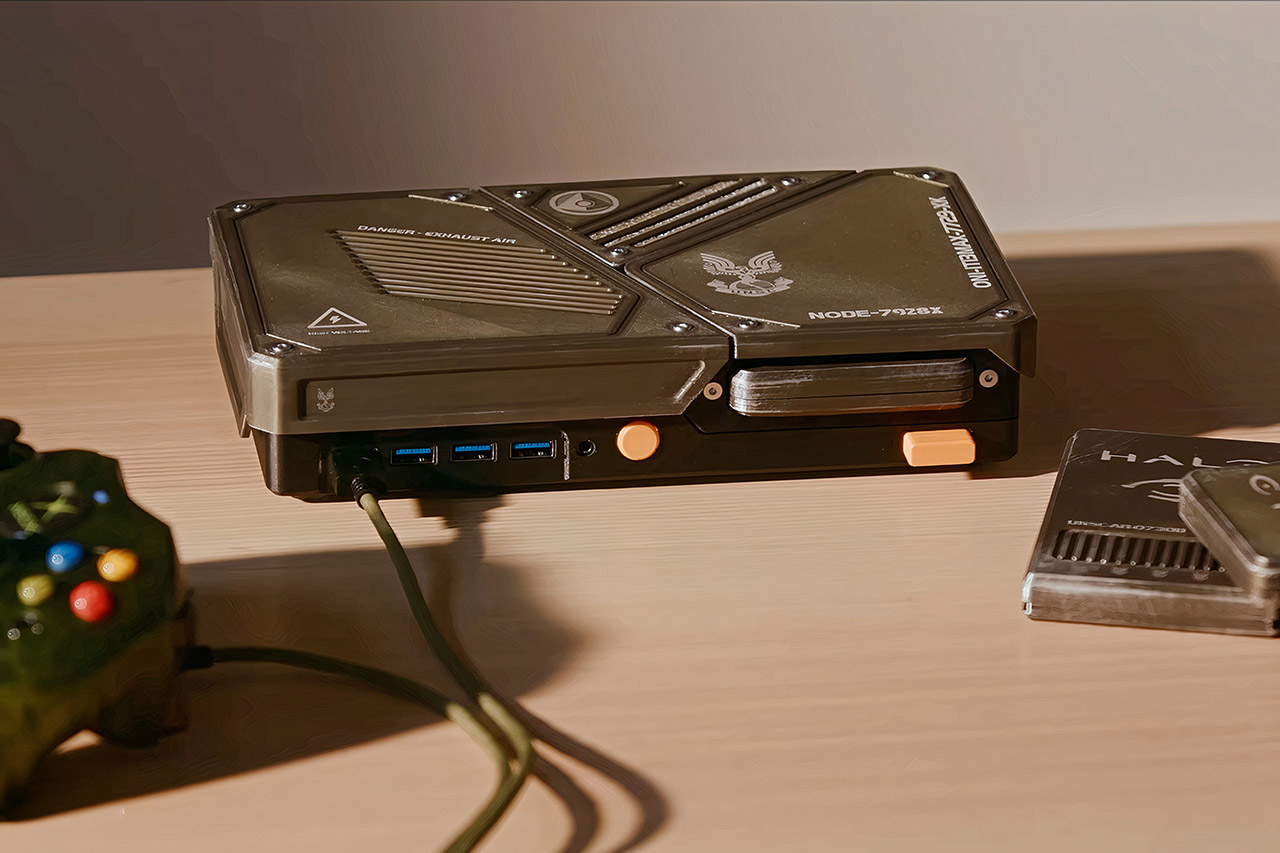
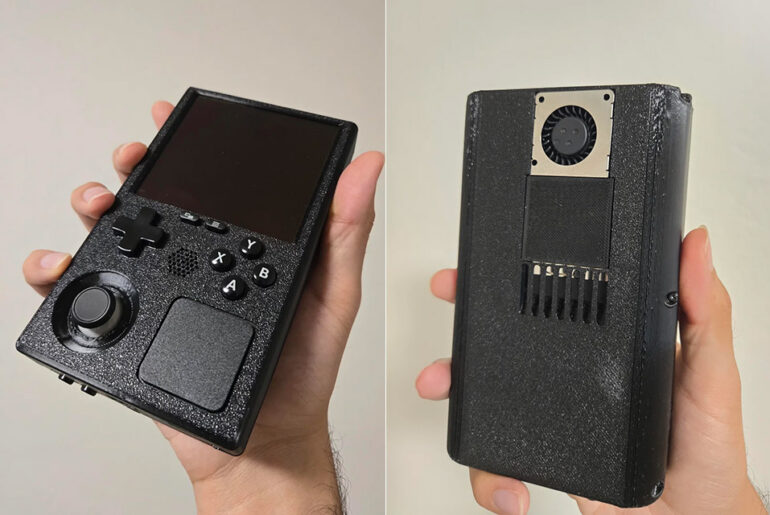
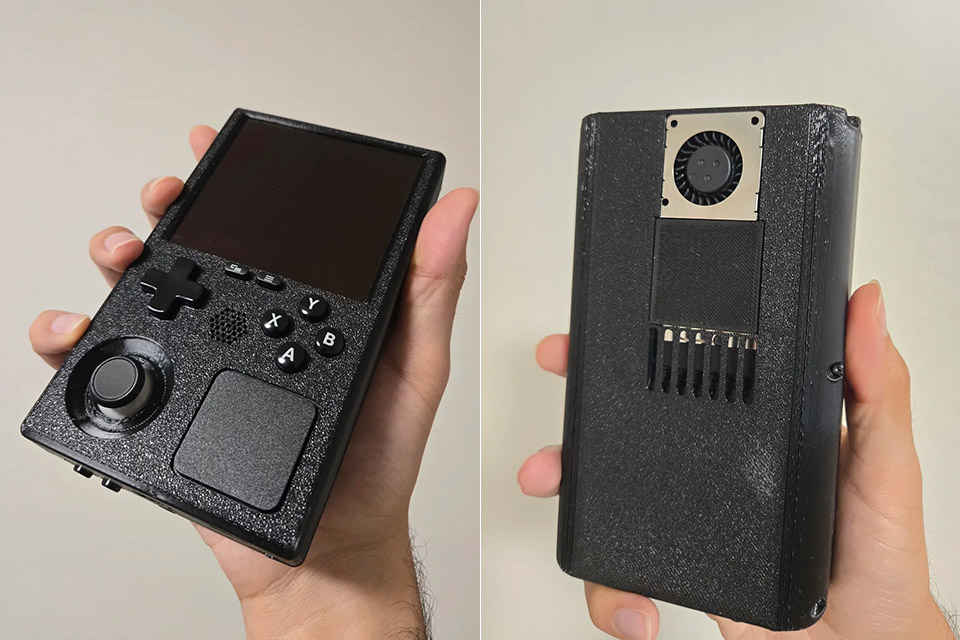
Sliding a plastic brick into a cartridge slot and hearing the soft click of an eject button should not feel revolutionary in 2026. Yet that simple motion sits at the center of a one-off machine that quietly argues for something most big publishers stopped offering years ago. YouTuber The Stock Pot took a Geekom IT13 MAX mini PC, stripped its original shell, and wrapped the board in a fresh 3D-printed body shaped like a compact Halo console.

Sharp X68000 Console PC Restoration
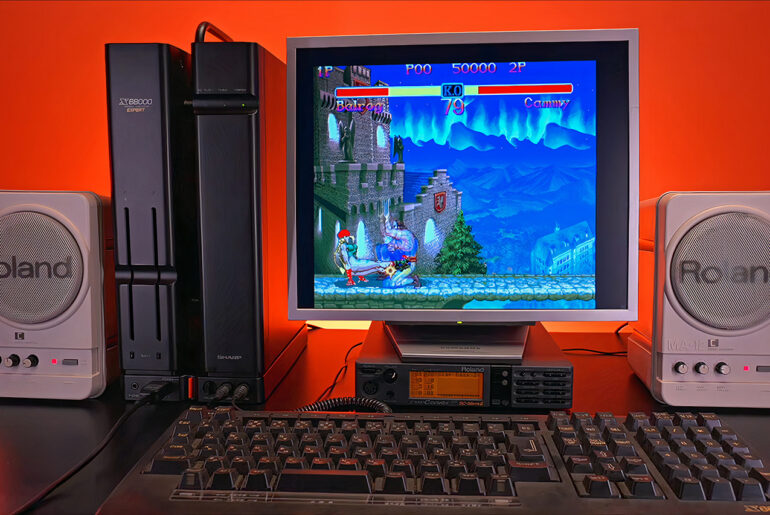
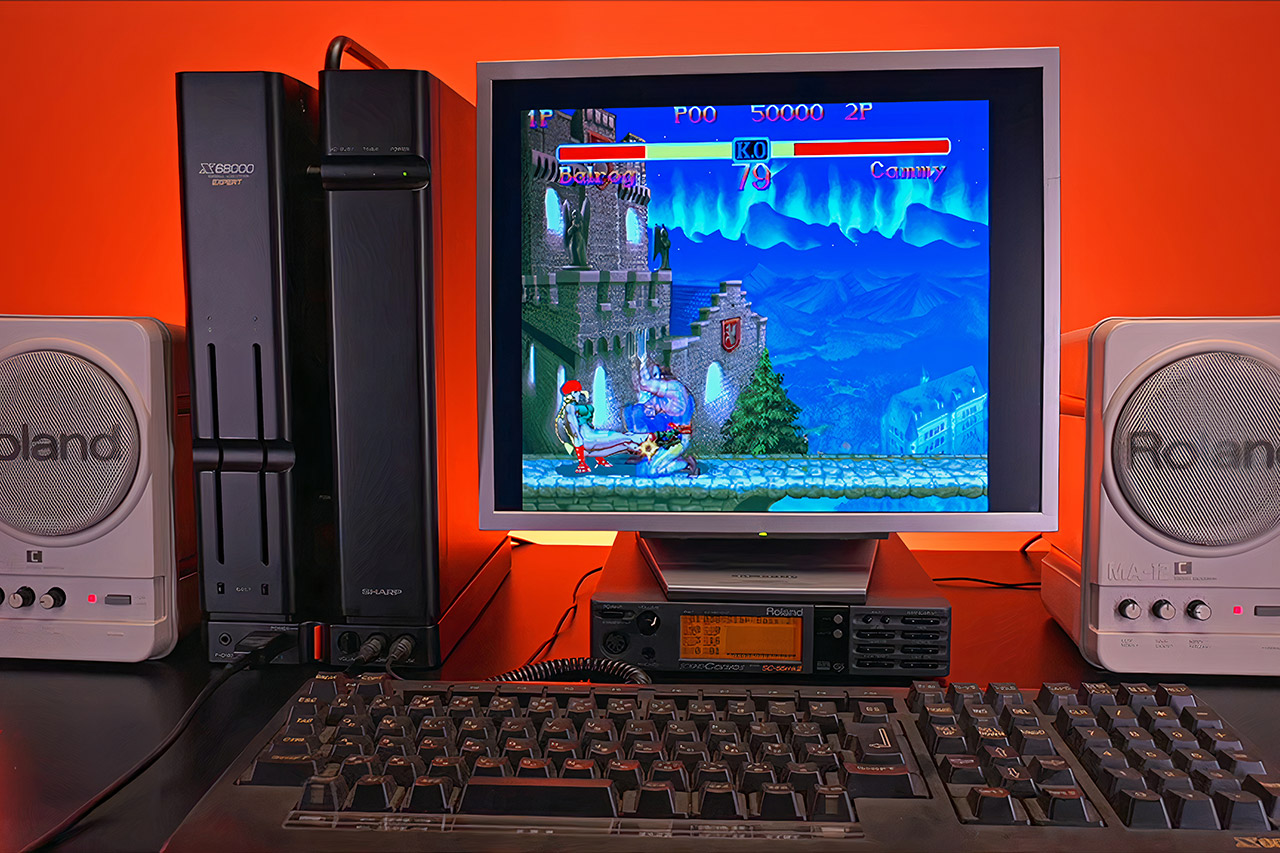
Most people who spent the 1990s chasing perfect arcade ports never got the chance to sit in front of a Sharp X68000. Japan kept the machine almost entirely for themselves, and the admission cost made it prohibitively expensive for everyone else. A basic model was introduced in 1987 costing several thousand dollars ($8,818) today. What you got for your money was a Motorola 68000-based system with unique graphics and sound hardware that resembled modern arcade boards rather than any home computer. Capcom used these machines as development kits. Ports of Final Fight, Street Fighter II, and countless shooters arrived with fidelity that still surprises people who only know the console versions.

MoneyGram Kiosk PC Windows Teardown Computer
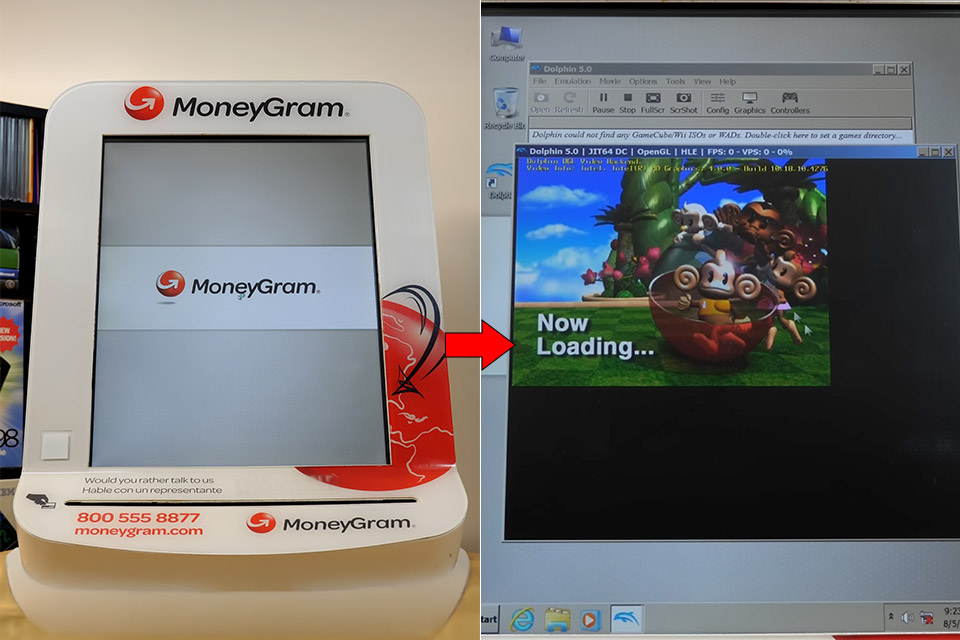
Michael MJD picked up a decommissioned MoneyGram self-service kiosk PC that once sat in places like pharmacies, ready for customers to start money transfers or bill payments before heading to the counter. The unit arrived as a solid metal enclosure weighing around 60 pounds, built more like industrial equipment than a regular computer. An Elo DuraTouch resistive screen sat in front of a Dell monitor, with a card reader, speakers, wireless antenna, and a Belkin power strip riding along for the various ports. Power, USB, audio, ethernet, and display connections filled the back. It powered on by itself once electricity reached it, with no obvious external button needed.

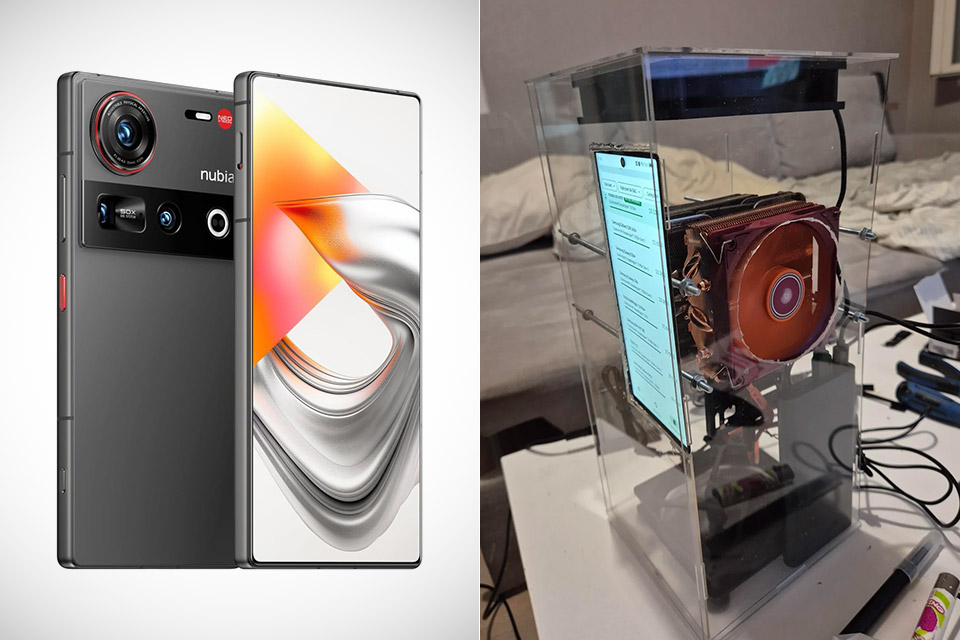
Nubia Z70 Ultra Smartphone Desktop PC Mod
Photo credit: ntsnow
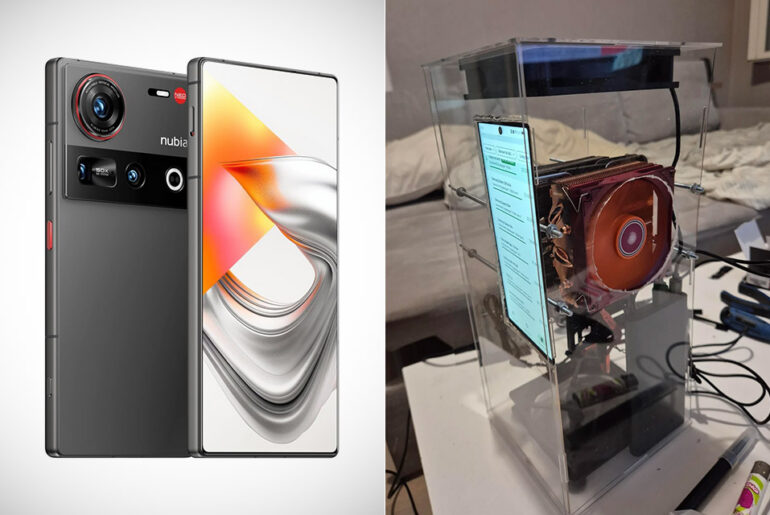
Reddit user ntsow started with a straightforward question. How far can a smartphone go once it stops living as a phone? The answer arrived in the form of a Nubia Z70 Ultra clamped between a pair of full-size desktop CPU coolers inside a clear acrylic case. What began as curiosity about sustained performance became a working desktop that still runs Android, boots a full Linux environment, and plays Windows games at settings most phones never attempt.

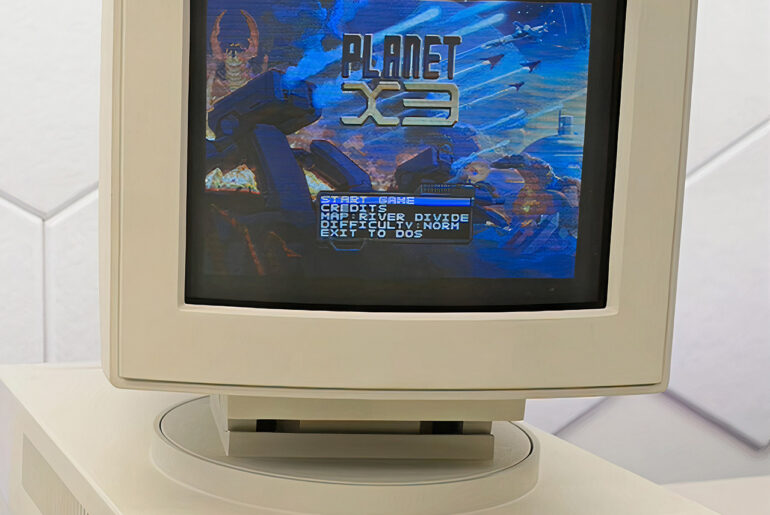
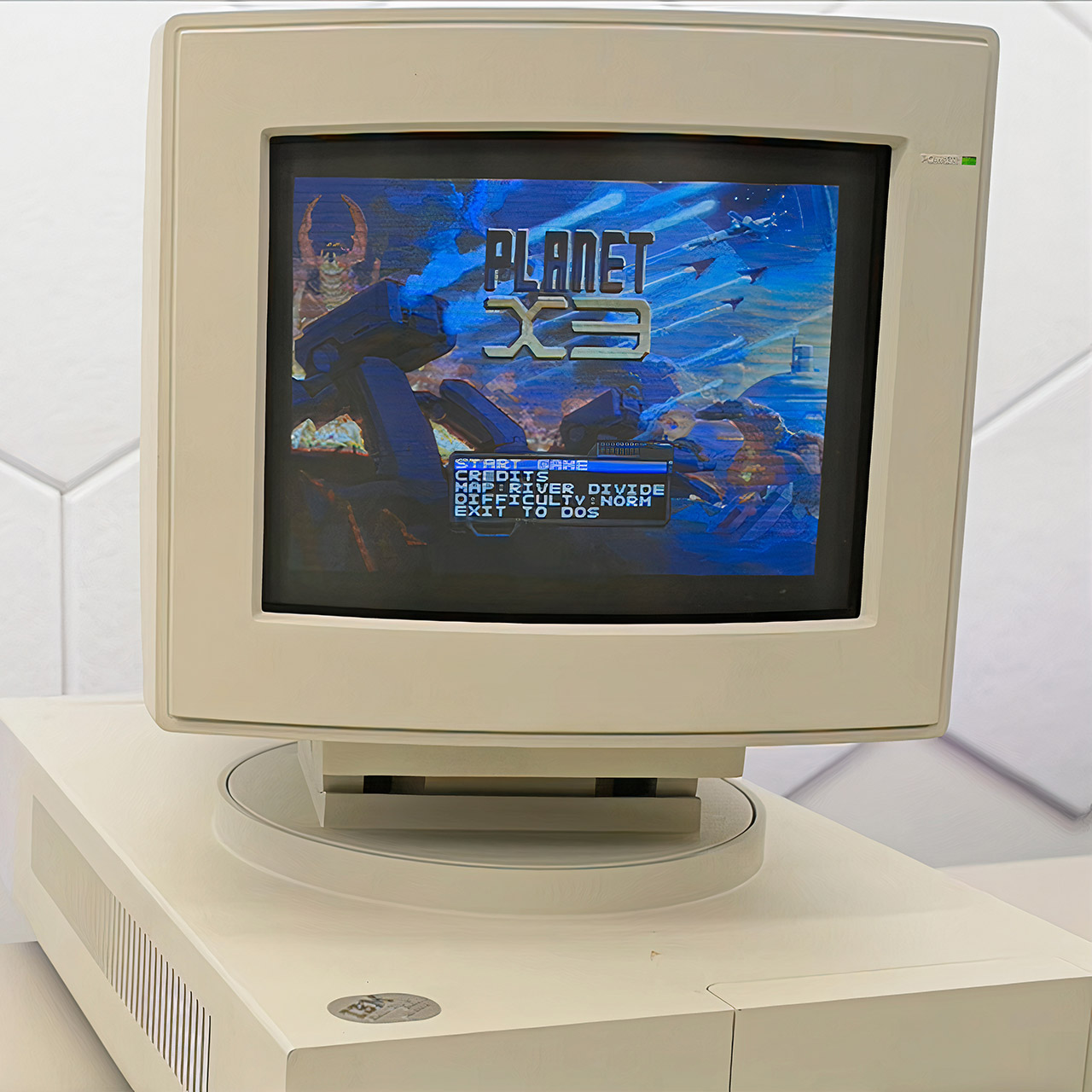
IBM 7496 Executive Workstation Prototype Restoration
Most people have never seen one. Most never will. Yet a compact computer from the late 1980s, stamped with an IBM type number almost no one recognizes, has drawn a small circle of restorers into years of careful work. Roman of Epictronics recently finished another round of repairs on one of them, the IBM 7496 Executive Workstation, turning a once-dead machine into something that boots, stores files, and even plays period sound.

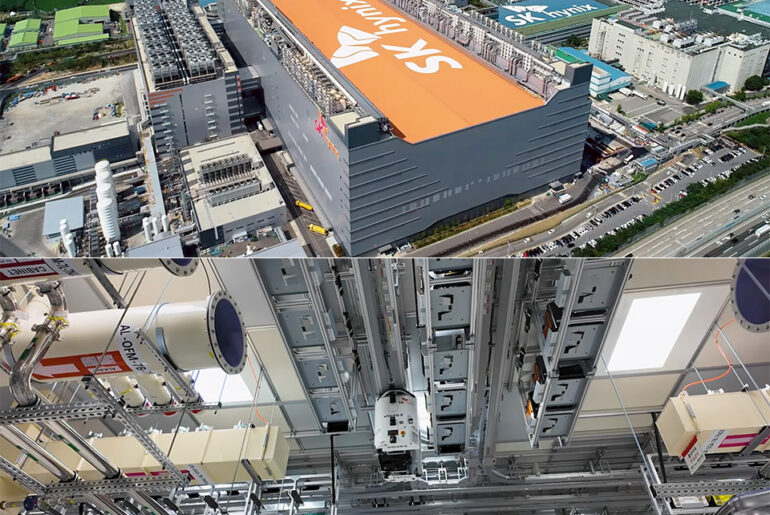
SK Hynix Factory Tour Korea
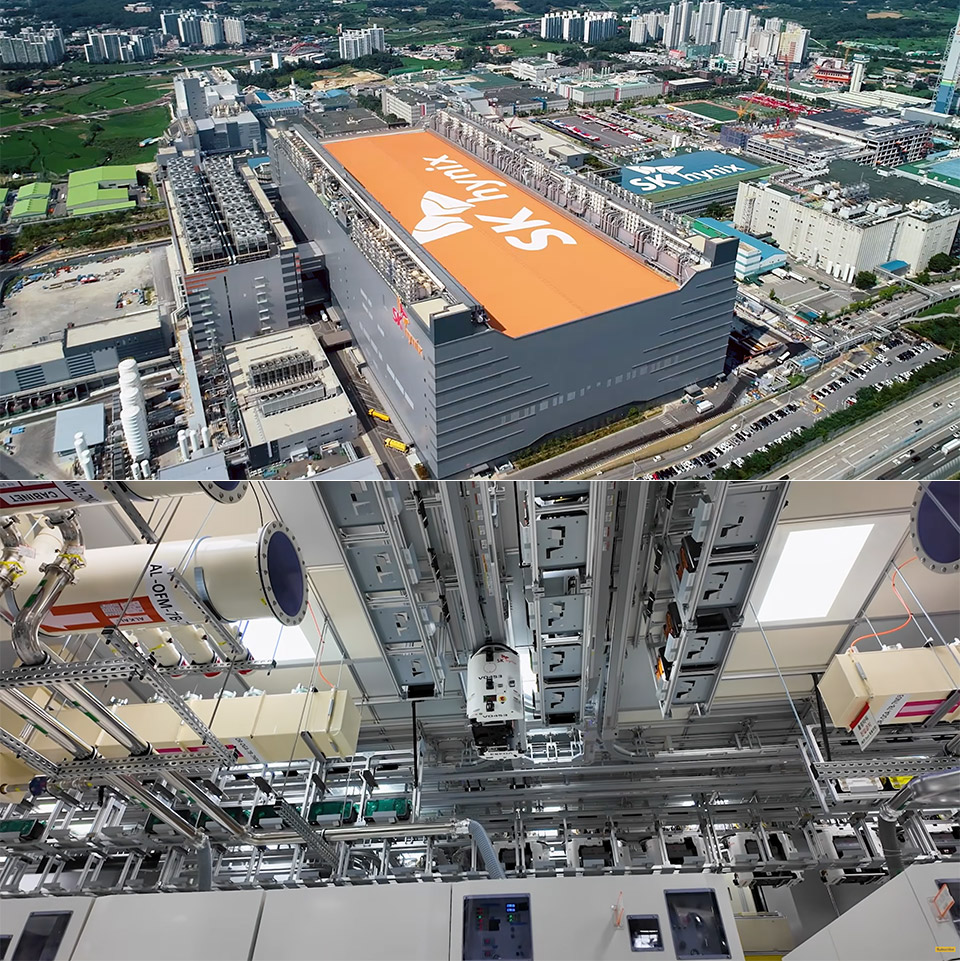
South Korea’s hills once stood where steel skeletons now climb toward the sky. On a July morning last month, a small group of visitors stepped onto ground that crews had flattened from mountains. What rose around them was the first section of what SK Hynix calls the largest memory factory complex on Earth. Walls already reached halfway up a structure planned to match a 50-story apartment tower. Six cleanrooms will stack inside that single building, connected floor to floor. Production is set to begin in February.

NVIDIA Spectrum-X Ethernet Photonics Production
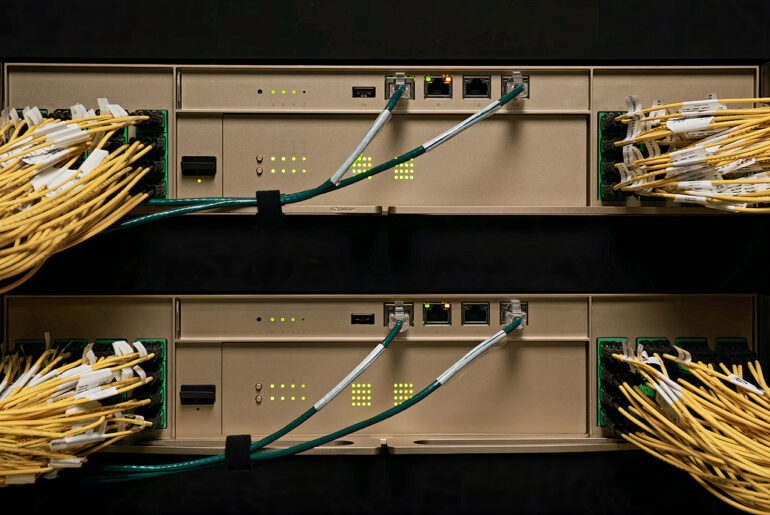
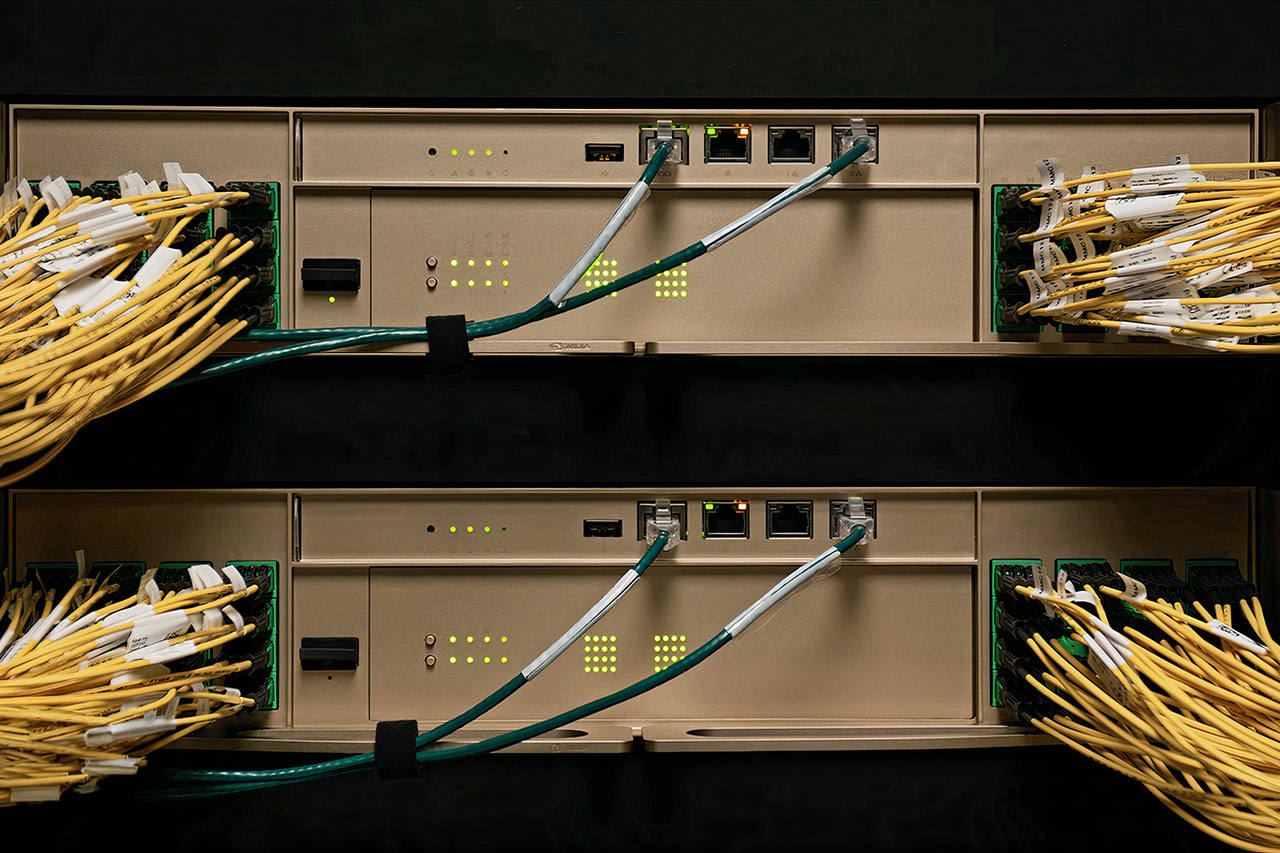
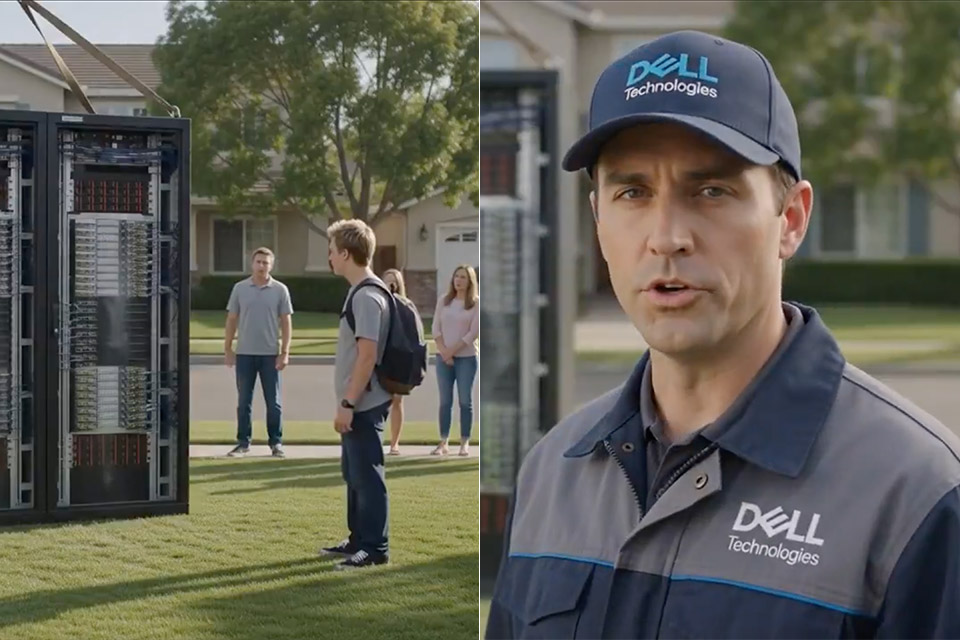
AI factories keep getting bigger. Rows of servers packed with GPUs need to pass enormous amounts of data back and forth without slowing down or overheating the building. For years the network that moves all that data has relied on separate optical modules plugged into the face of each switch. Those modules convert electrical signals into light, send the light through fiber, then convert it back again. They work, but they draw a lot of power, add heat, and introduce more points that can fail.

Xerox Alto Computer
Photo credit: Righto
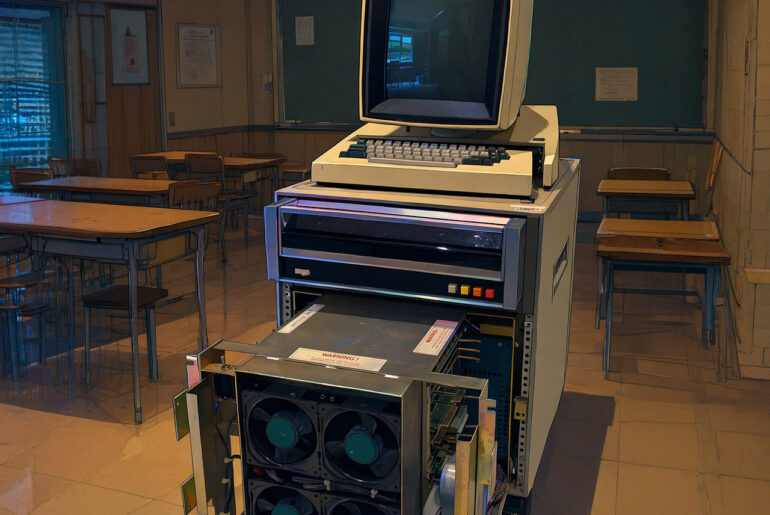
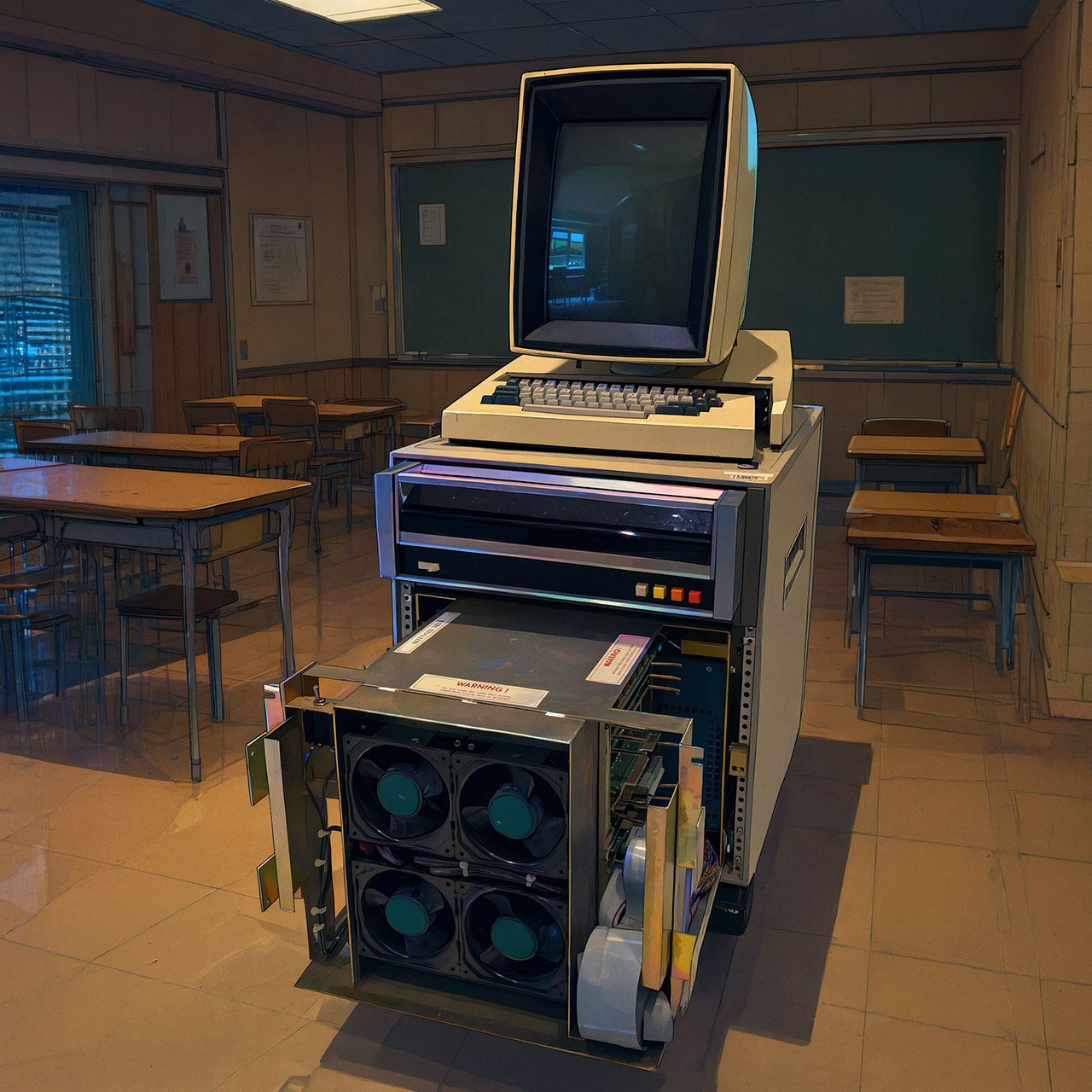
In late 1972 Butler Lampson sat down at Xerox PARC and wrote a short internal memo titled “Why Alto?” He wanted a machine each researcher could claim as their own. Alan Kay had been dreaming of a portable Dynabook for years. Lampson and Chuck Thacker offered him an interim version that would fit under a desk instead. Bob Taylor gave the project its name, and work began that November. By April 1973 the first unit was running, with a Sesame Street Cookie Monster test pattern appearing on its tall portrait screen.