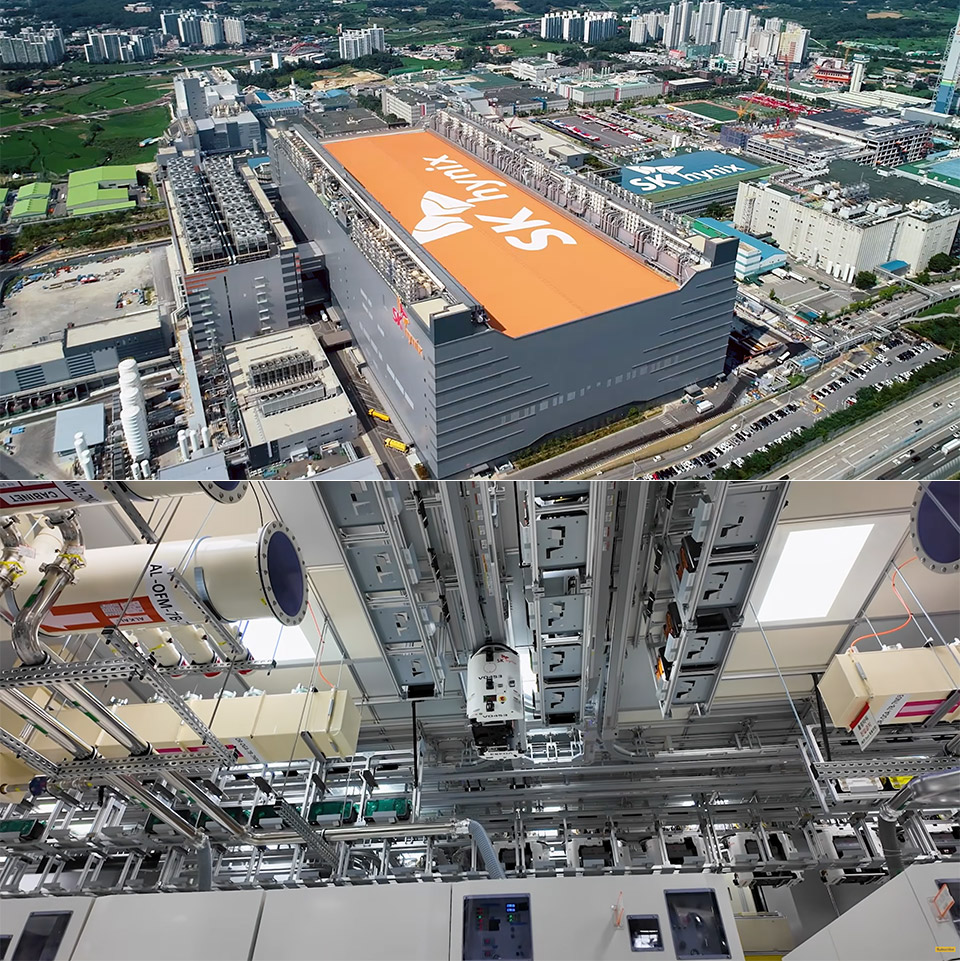
South Korea’s hills once stood where steel skeletons now climb toward the sky. On a July morning last month, a small group of visitors stepped onto ground that crews had flattened from mountains. What rose around them was the first section of what SK Hynix calls the largest memory factory complex on Earth. Walls already reached halfway up a structure planned to match a 50-story apartment tower. Six cleanrooms will stack inside that single building, connected floor to floor. Production is set to begin in February.
The Yongin Cluster is where corporate representatives gave reporters a behind-the-scenes tour of the unfinished floors while presenting a somewhat ambitious $720 billion plan to increase overall capacity by 2034. Four factories will eventually occupy a large location of approximately 45 million square feet, which is roughly comparable to 600 soccer fields. The fundamental reason for the vertical form is more than just esthetics; roughly 70% of the country is mountainous, making it unfeasible to spread out like some chip facilities in the Arizona desert.

- Disclaimer: Maximum Speed requires overclocking/PC BIOS adjustments. Maximum speed and performance depend on system components, including motherboard...
- Hand-sorted memory chips ensure high performance with generous overclocking headroom
- VENGEANCE LPX is optimized for wide compatibility with the latest Intel and AMD DDR4 motherboards
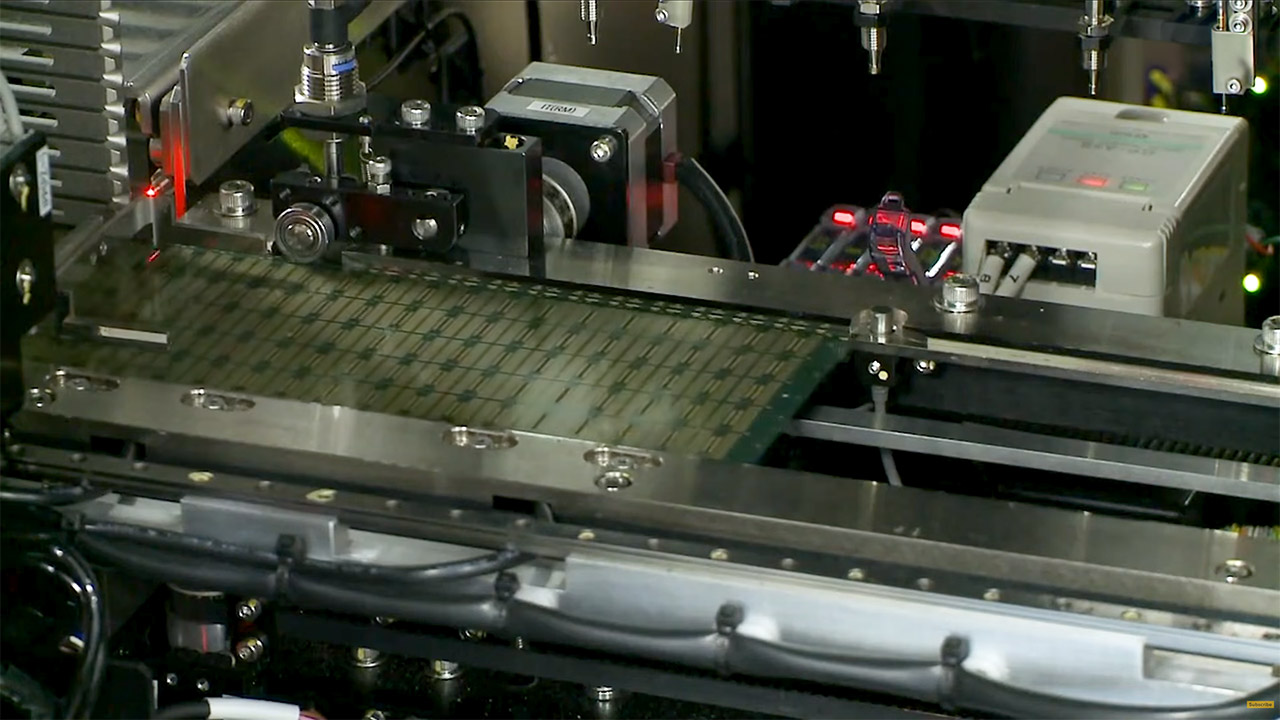
Myeong-jae Park, SK Hynix’s Head of HBM Design, conducted this tour and pointed out the steel and concrete taking shape, recounting the story of how the company placed an early bet on high-bandwidth memory about 7 years before AI processors came up and there was a race for it. They introduced the first commercial version of the technology in 2013, despite the fact that relatively few devices required this stacked design at the time, but they had a strong belief, which propelled the project forward. Fast forward to today, and such stacks now feed the processors that power the large AI models.
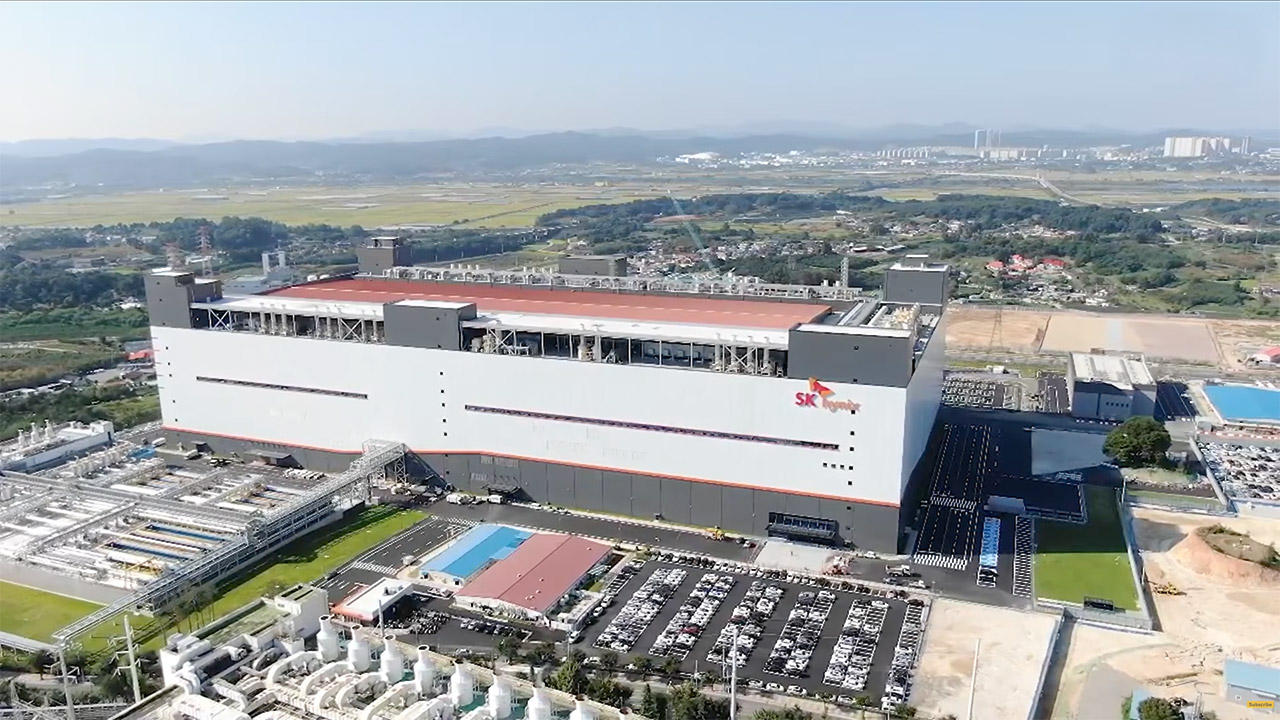
Two hours south of Seoul, they rolled out the red carpet for media to have a closer look at a site where work had already been completed. The M15X fab in Cheongju is a 33-floor building that opened in 2025. Visitors must first use an air shower to remove all outside dust before donning a full cleanroom suit. Once inside, the space is like to entering into a chamber the size of 13 football fields. Woo-jin Choi, head of packaging and testing, showed them the ropes as they strolled by these overhead hoist systems that shuttle wafer carriers thru the air; in this one building alone, there are 700 of these machines in use, with each costing up to $70,000. They can transport 25 wafers at once, and the company claims this is the world’s longest cleanroom track, at least in relation to the adjacent Icheon complex.
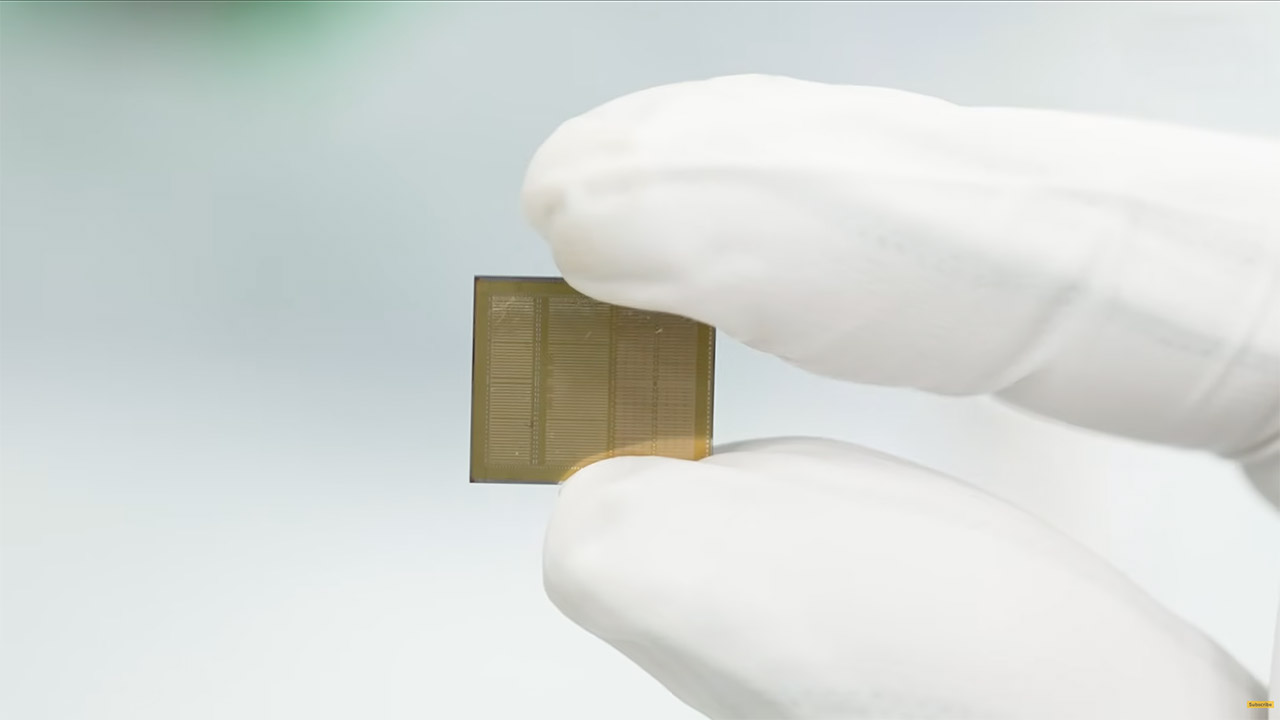
Choi came to a station where the layers of DRAM are all linked together to form finished high-bandwidth memory, and the process of producing the latest HBM4 takes four months and more than a thousand distinct processes. Now one of those procedures, called bulk reflow mold under fill, is truly unique to SK Hynix. Multiple dies are connected simultaneously under low pressure, and a protective liquid fills the spaces between the layers. Result? A stack that’s around 40 percent thinner than what they used to do it and better at managing heat, and you do that by squeezing in 380 billion tranistors into a single module. The same plant is already running HBM3E alongside the newer generation, and the next chip on the horizon is HBM5, which has been designed with specific clients in mind. Now, NVIDIA and Google have each requested customized versions that match their own processors. This shift is what is causing memory to become less interchangeable and generic than it was previously.

At SK Group headquarters in Seoul the following day, Chairman Chey Tae-won held up a finished HBM4 chip and a wafer that carried a handwritten note from Nvidia’s Jensen Huang: “Please make more.” Chey described the current demand in simple terms. “It’s like a war. Everybody wants the memory chips. Without that, they cannot produce their AI computing and AI chips.”