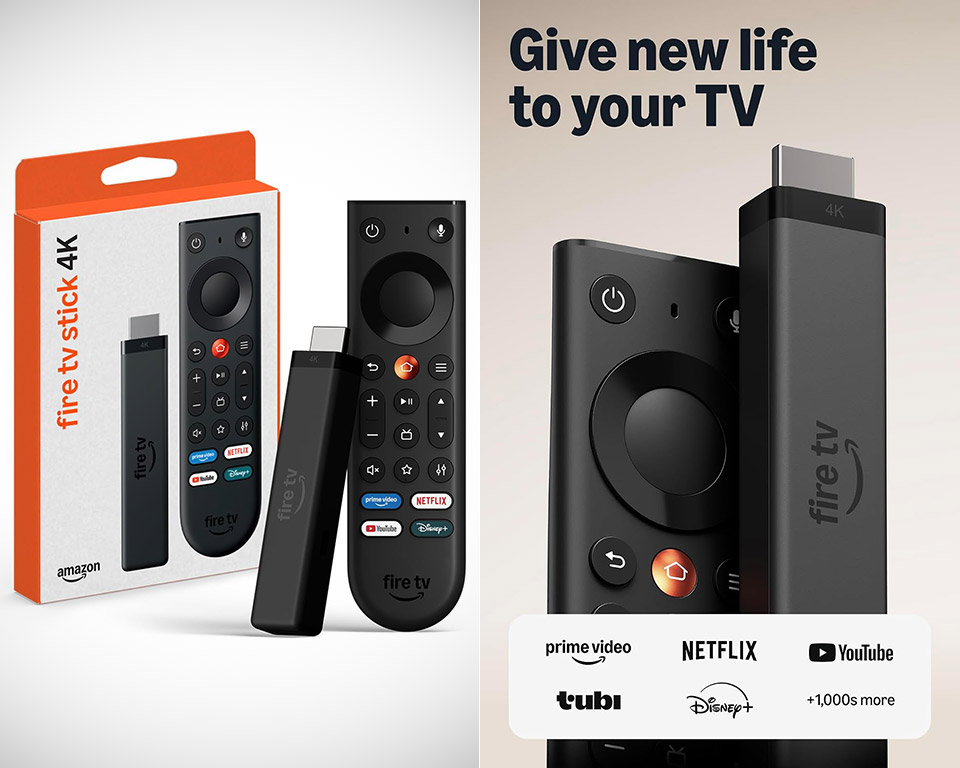
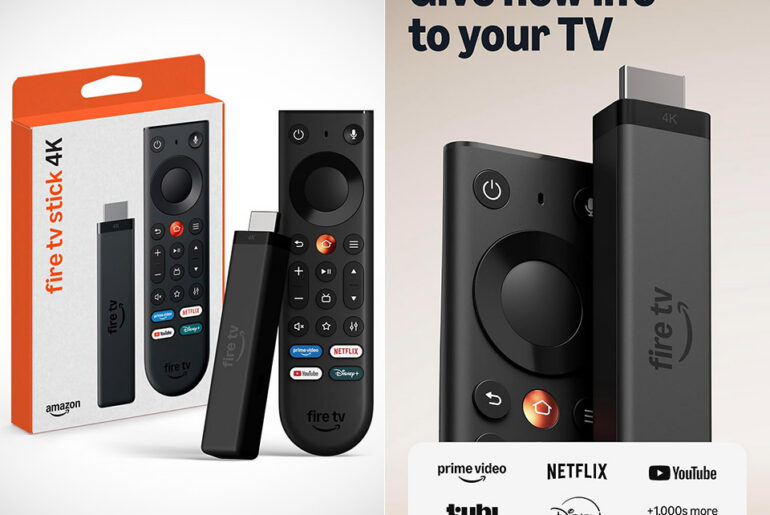
Amazon’s latest Fire TV Stick 4K (2026), priced at $29.99 today (was $60), arrives in a noticeably slimmer shell that tucks more cleanly behind most televisions and packs easily for travel. Power now comes straight from a compatible set’s USB port through a short included cable, so no separate wall adapter is required and one less cord hangs behind the screen. A quad-core 1.7 GHz processor sits inside with 1 GB of memory and 8 GB of storage, paired with Wi-Fi 6 and Bluetooth 5.3 so wireless connections stay current for typical home networks.
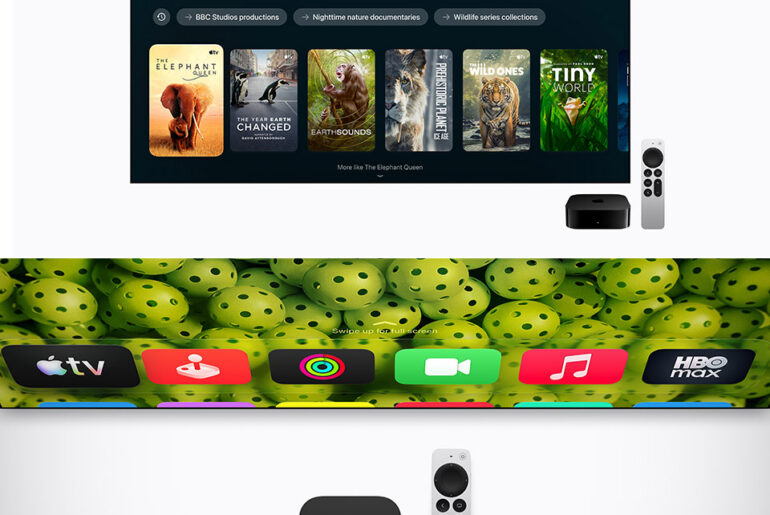
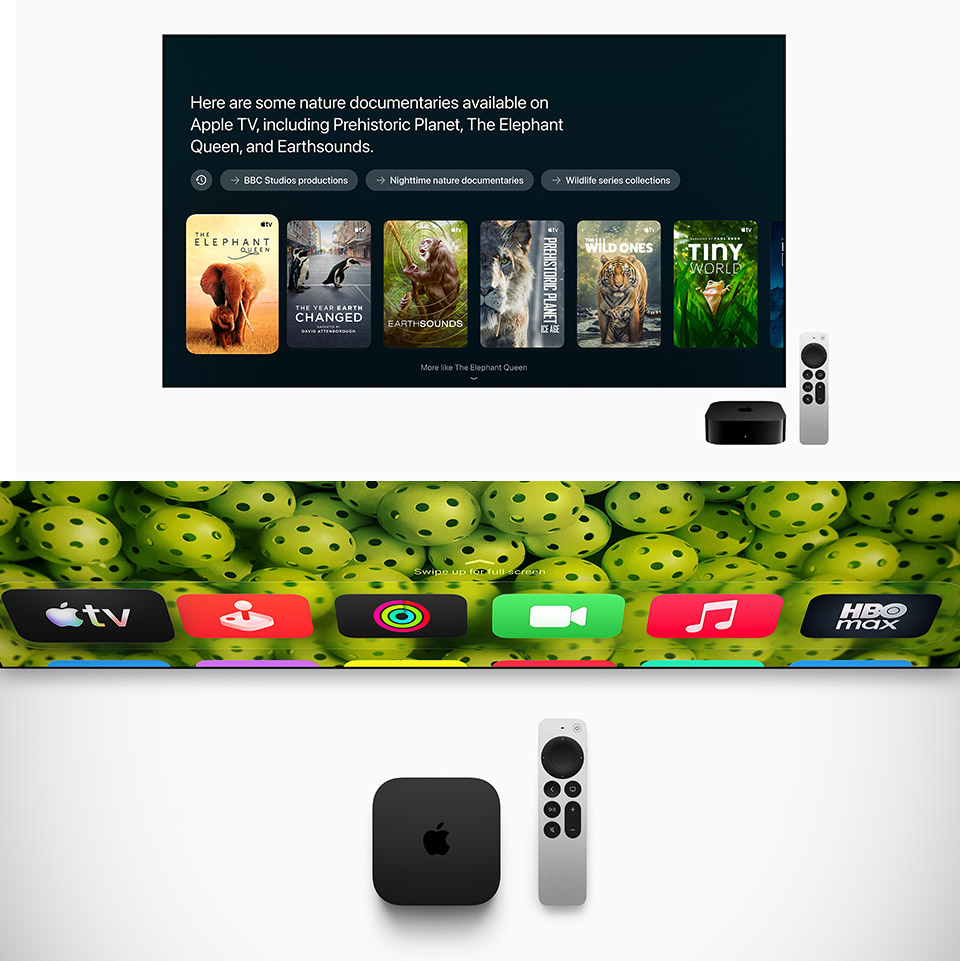
Apple released the fourth generation Apple TV 4K today, priced at $299 with the matching remote included. Preorders open immediately and the first units ship on November 13. The box now carries the A19 chip, which Apple says runs the processor roughly 50 percent faster and the graphics twice as fast as the A15 inside the 2022 model.

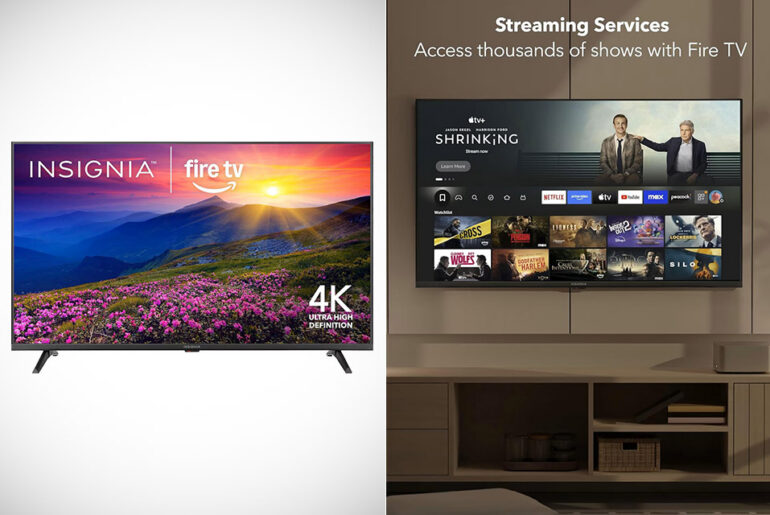
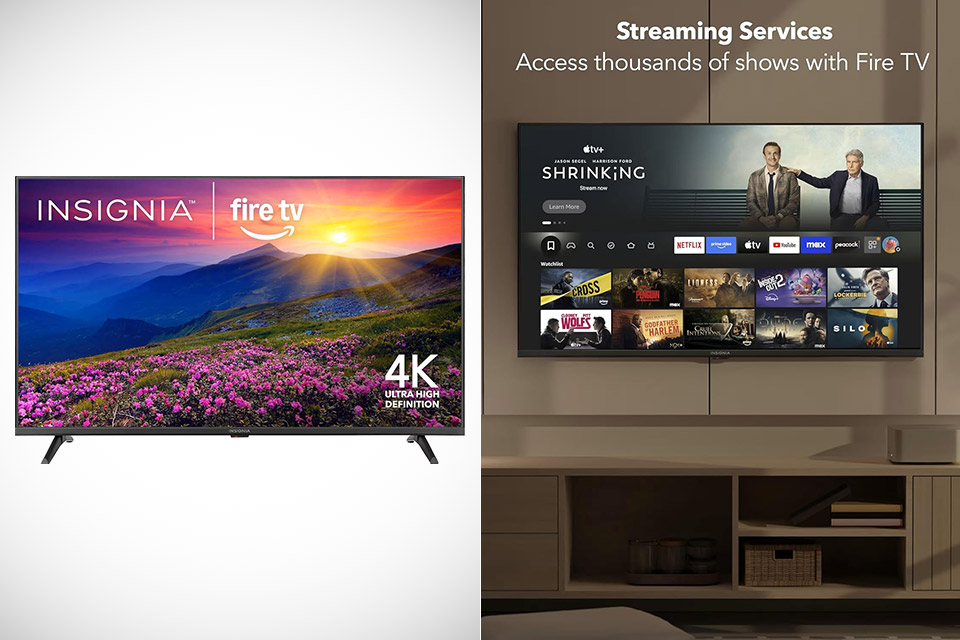
Shoppers hunting a 50 inch 4K set that does not empty the bank should circle back to this Insignia F50. Recent listings for the latest model sit at $159.99 (was $300), giving you a direct-lit LED panel with native 3840 by 2160 resolution, HDR10, and Fire TV already running so there is no extra streaming box to buy or hide. Setup is quick: attach the feet, plug in power and Wi-Fi, sign into Amazon, and the home screen is ready with Prime Video, Netflix, Disney+, YouTube, Hulu, and a long list of free ad-supported apps.

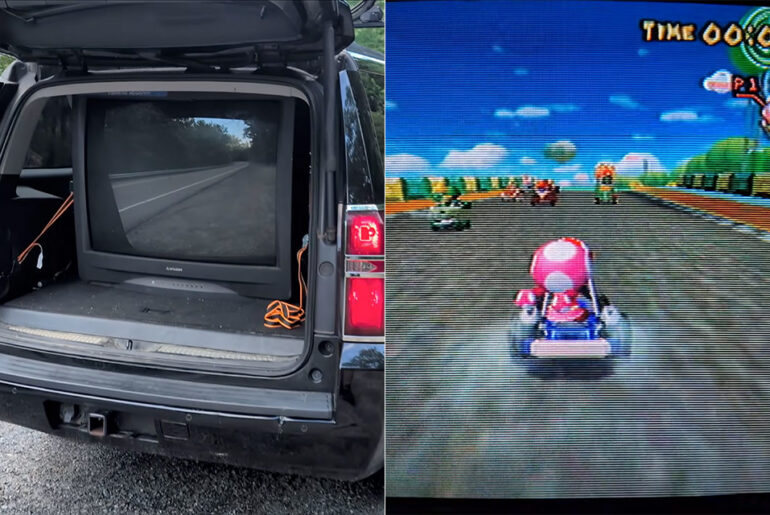
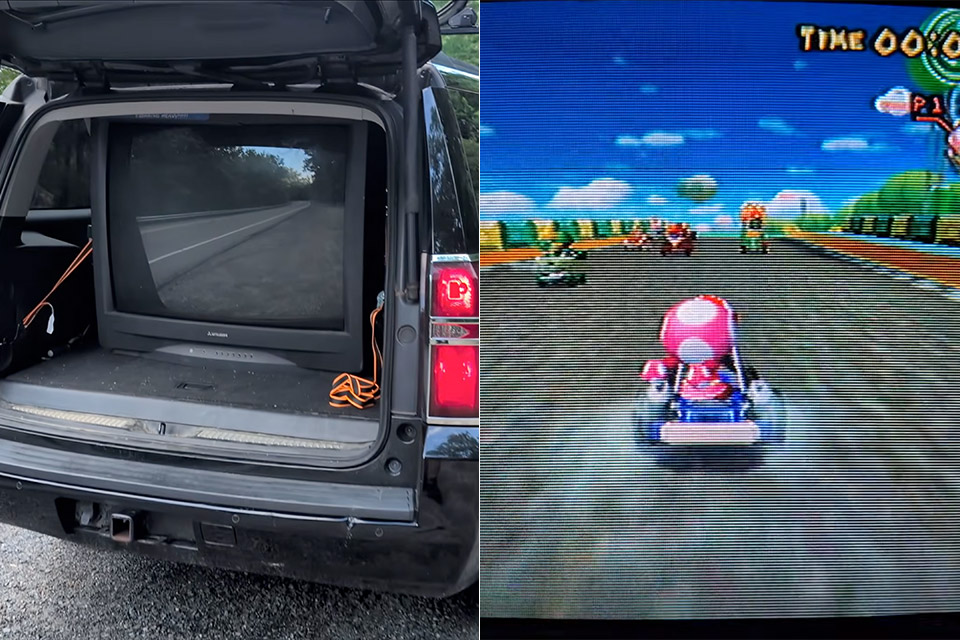
Mitsubishi spent the late 1980s and early 1990s stretching the limits of glass and electron guns until a 40-inch direct-view tube became something you could actually buy. The CS4307 belongs to that short, expensive run of sets that sat at the top of the company’s American lineup in the mid-1990s. Few other makers even tried a tube this large for living-room use. Projection sets offered more inches for less money, yet they never matched the punch of a real cathode-ray picture. Owners who wanted the biggest possible image without a projector chose this family of Mitsubishi consoles and paid accordingly.

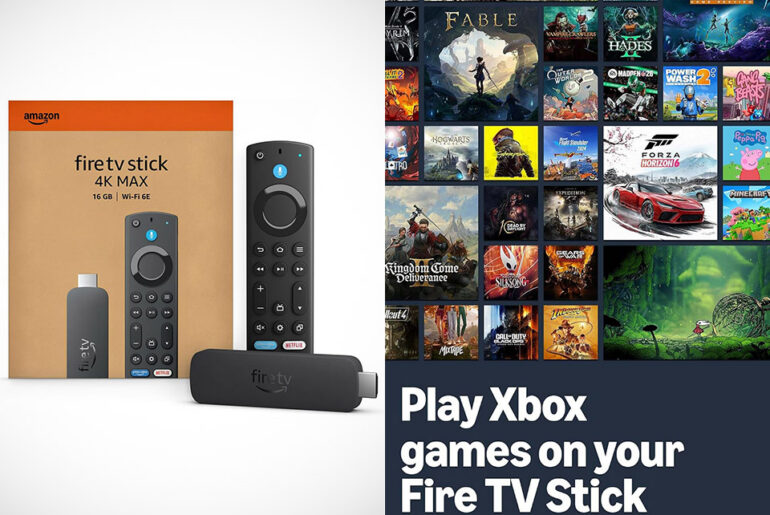
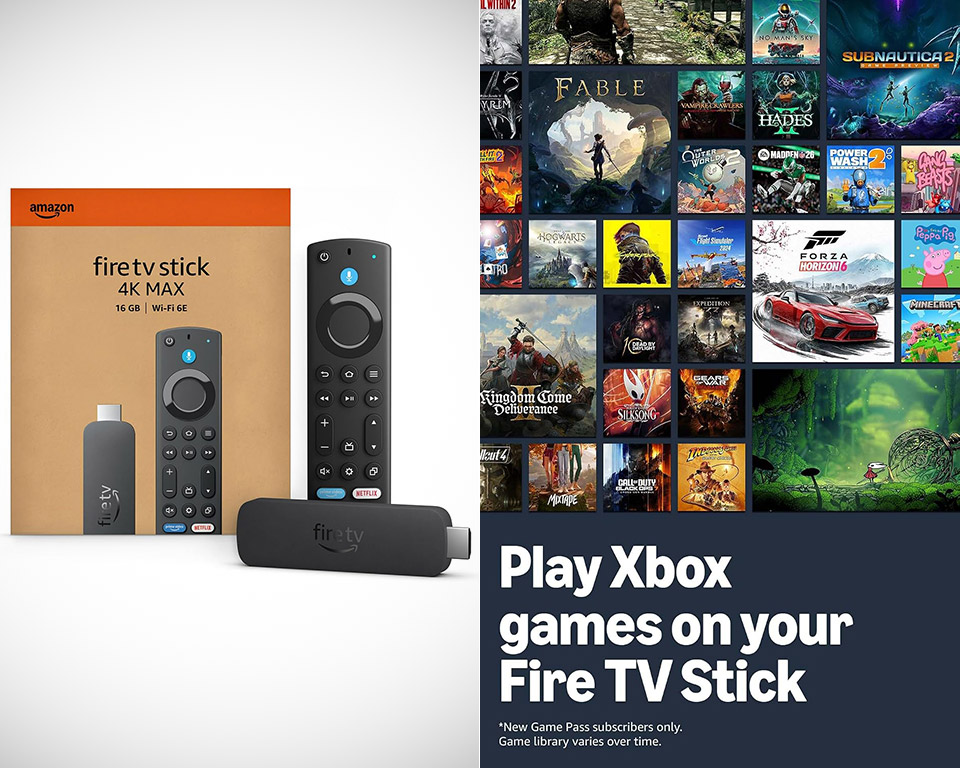
Amazon still markets this little black dongle as a way to watch movies. That pitch misses half the point. Second-generation Fire TV Stick 4K Max is a $49.99 (was $85) HDMI stick that also runs Xbox Game Pass, Amazon Luna, and GeForce NOW, so a living room TV becomes a cloud console after you pair a Bluetooth controller.

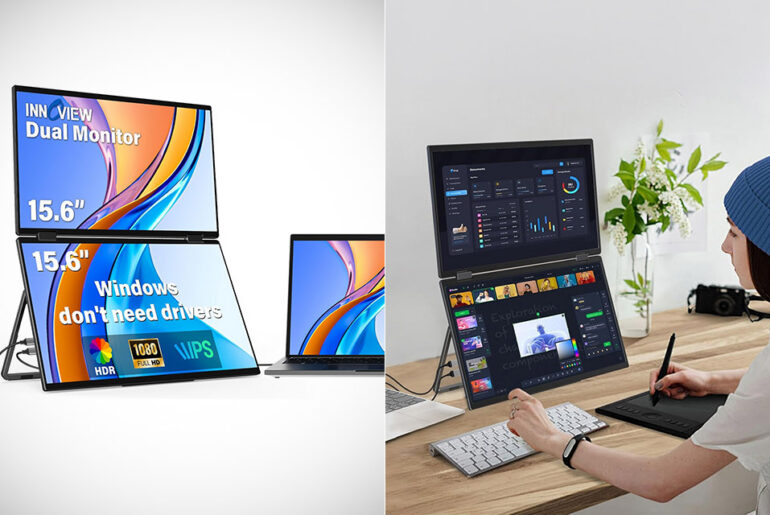
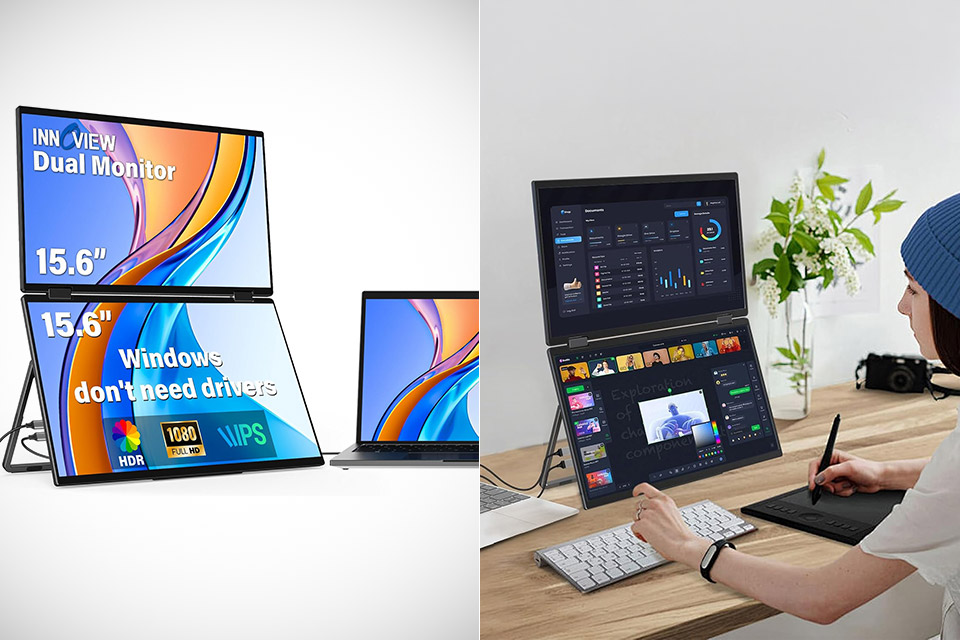
Laptop displays leave many users squeezed for room when juggling documents, code, browsers, and notes at once. InnoView tackles that constraint head on with a dual monitor, priced at $189.99 (was $260), built around two 15.6-inch panels that stack vertically in a foldable frame.

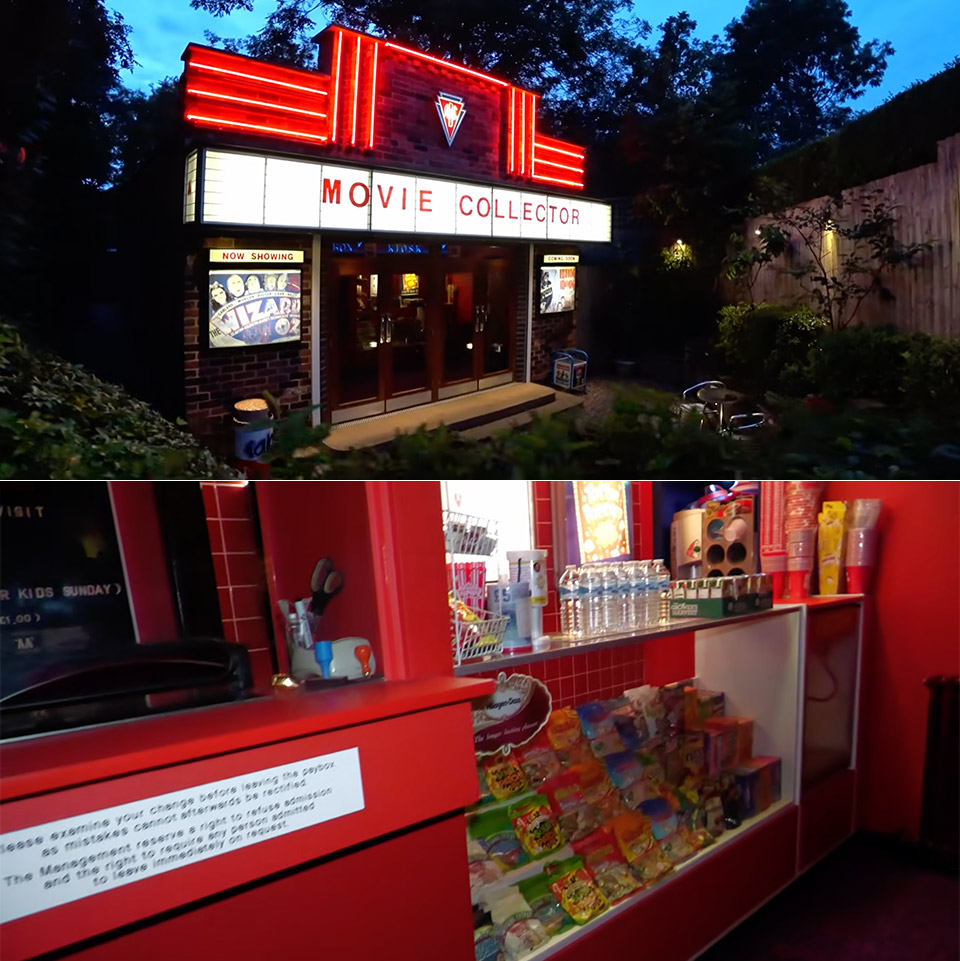
Anderson Jones grew up adoring the movies since his grandmother worked as an usherette at the local ABC in Hanley, where he spent many hours with his family. Those trips left an impression, and by the time he started school, he was already telling pals that he wanted to build his own cinema one day. Most of them laughed it off, but decades later, he kept his promise.

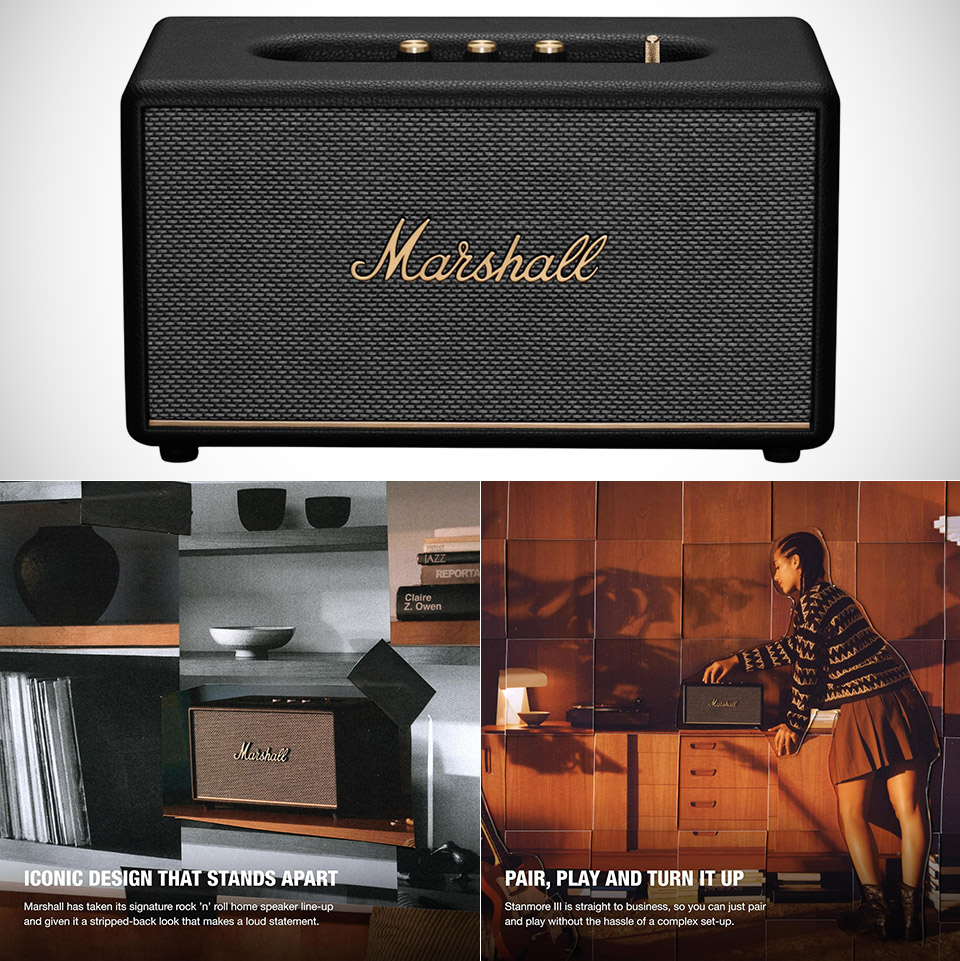
Marshall designed the Stanmore III, priced at $249.99 (was $400), to capture the look and feel of its famous amplifiers while giving people a straightforward way to fill a room with music. The result sits in that sweet spot between lifestyle speaker and serious audio hardware, and it earns plenty of praise as one of the stronger home Bluetooth options available. A cloth grille stretches across the front with the gold Marshall script logo front and center. Leatherette sides and top give it a durable, premium texture that feels good to the touch. Brass-finished knobs and switches on the upper panel complete the vintage amplifier impression without looking like a costume piece.

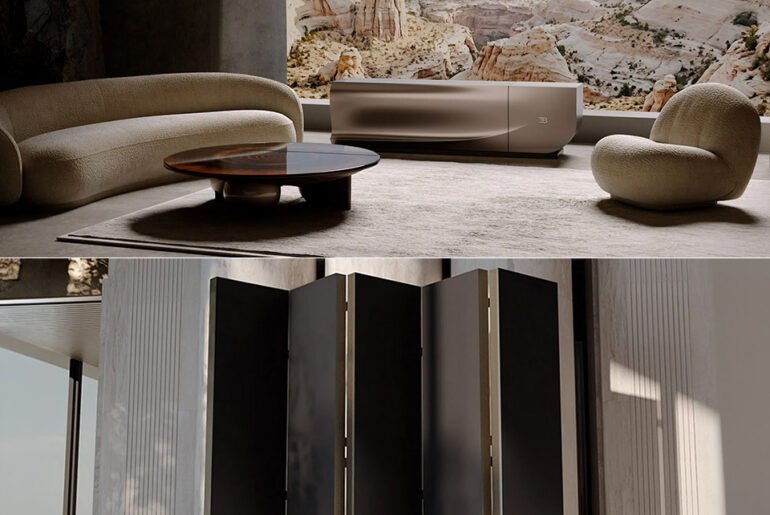
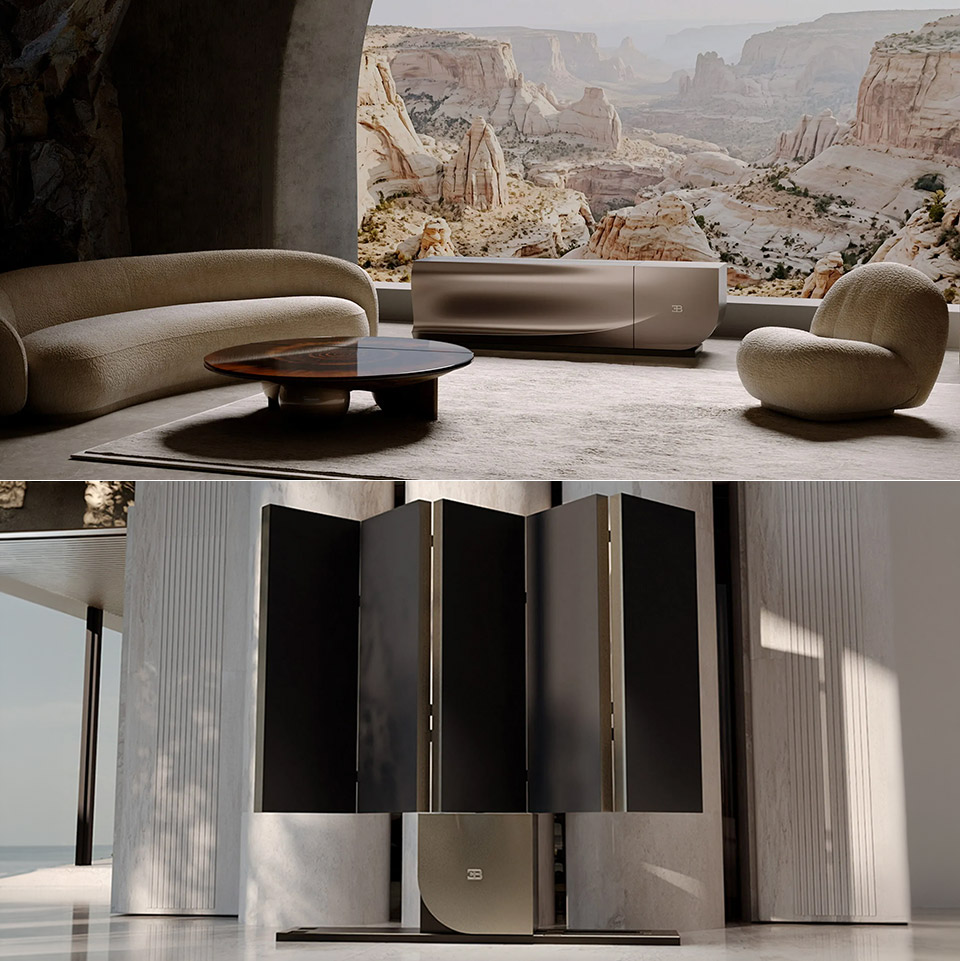
Bugatti teamed with Austrian display specialists C SEED to build the N1 Super TV, a massive, folding screen that appears to be directly inspired by the Tourbillon hypercar’s design language. The project converts the car’s fluid contours, precise measurements, and distinctive C-line into a piece of furniture that remains low-profile until needed.

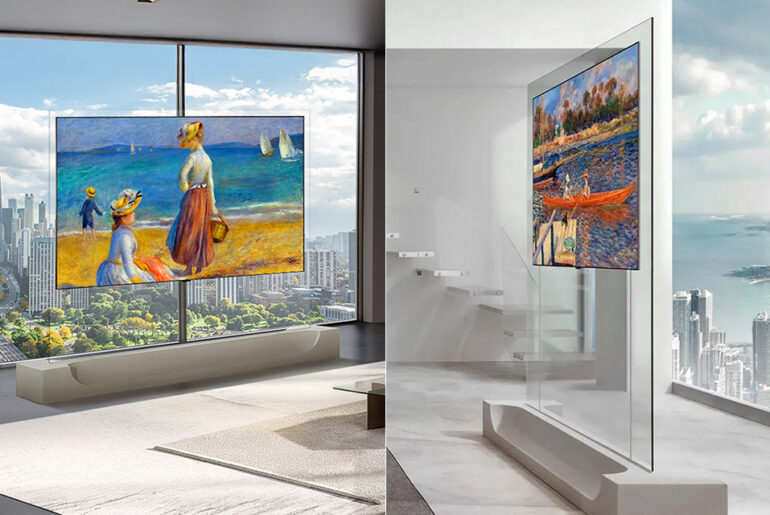
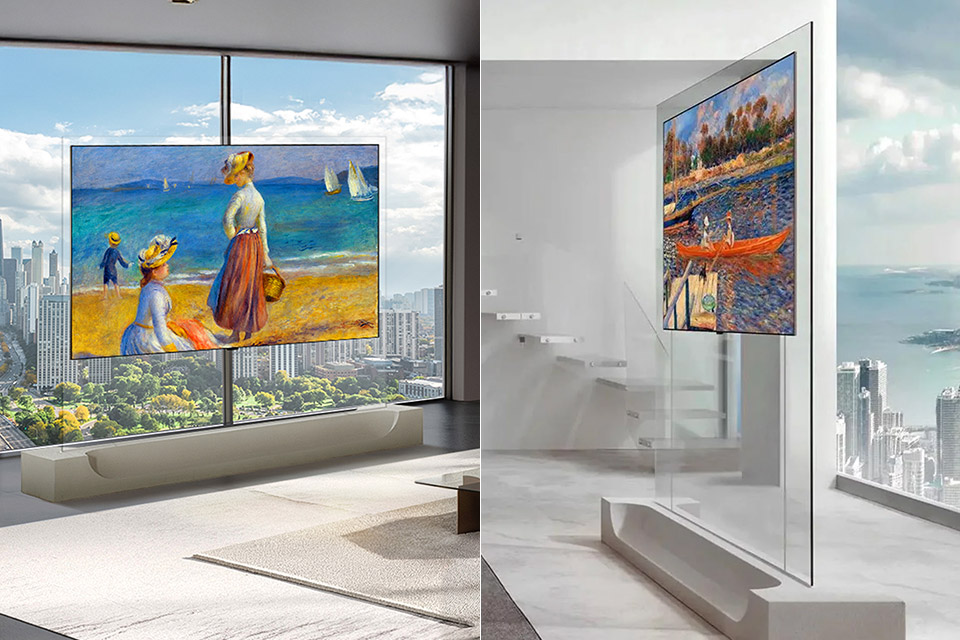
Engineers squeezed a high-end TV into a panel that is only 9 millimeters thick. LG calls it the OLED evo W6, and once hanging, it truly lives true to its “wallpaper” label. Two flat mounting pads and a couple of screws hold the screen tightly against the wall, leaving no obvious gaps. A ultra slim power board at the back connects to the nearest outlet, and that’s it. What about the weighty electronics? They remain out of sight somewhere else.