In the early 1990s, Japan created a remarkable ship that moved over water without the use of propellers or turbines. Mitsubishi Heavy Industries completed the project in 1991 and called it Yamato-1. It made its inaugural excursion across Kobe Harbour under its own power in June 1992, marking a historic milestone as the first full-sized ship to cruise along using magnetohydrodynamic propulsion to transport people.
It all operated on a rather simple principle: seawater has electric conductivity, which is largely due to the dissolved salts. When a strong magnetic field crosses an electric current in the water, it generates a force known as the Lorentz force, which pushes the water backward and propels the ship forward. To do this, the Yamato-1 used superconducting coils chilled to -269 degrees Celsius using liquid helium to generate magnetic fields of roughly 4 Teslas. These coils were snuggled inside two large pods situated beneath the hull, each containing six cylindrical dipole magnets organized neatly in a ring; seawater flowed via central conduits where the magnetic fields and currents interacted. Because no mechanical parts touched the water, there was almost no noise or vibration.

- Pro-Grade Night & Dynamic Imaging - Discover breathtaking imaging quality with Osmo Action 5 Pro action camera 4K and its all-new 1/1.3" sensor...
- Always Centered, Always Focused - Achieve pinpoint accuracy with our advanced 4nm chip. DJI Osmo Action 5 Pro vlogging camera keeps fast-moving...
- 360° HorizonSteady [17], Rock-Solid Footage - Industry-leading stabilization eliminates 360° roll-axis shakes, keeping your horizon level and motion...
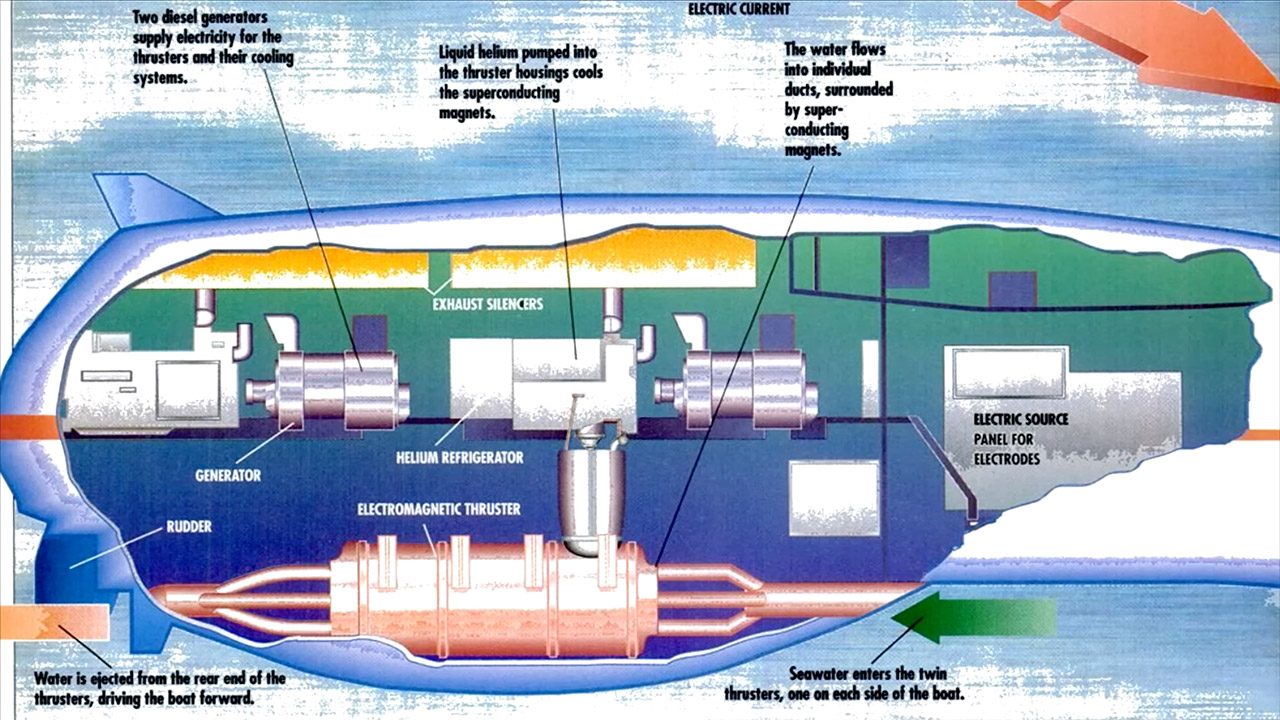
Yamato-1 measured around 30 meters from bow to stern, with a beam of somewhat more than 10 meters and a draft of approximately 2.7 meters. It weighed in at a respectable 185 tons, with two main generators each producing 2000 kW of power and a lightweight aluminum alloy shell that served to keep the weight under control while reducing any creeping magnetic interference. The ship was built to accommodate ten persons, including the crew, in a small wheelhouse with good vision over the calm water.
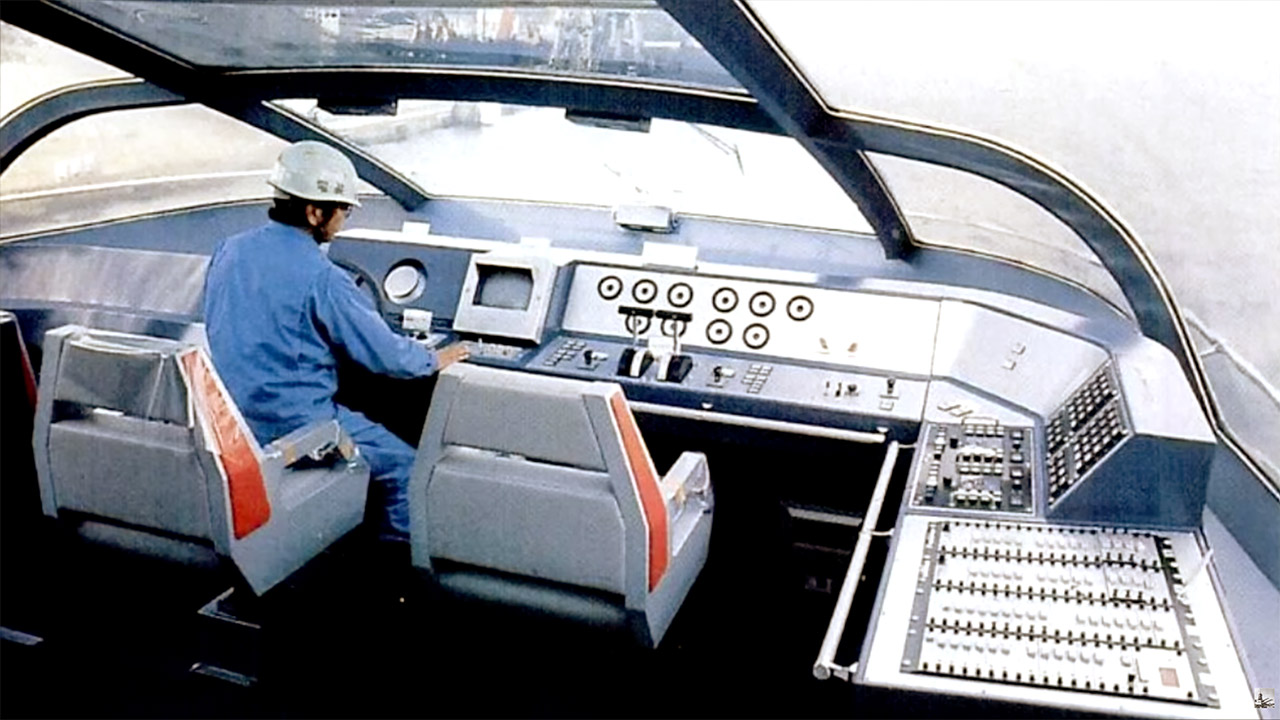
Trials in the harbor revealed that the vessel indeed operated, moving at roughly 8 knots or 15 kph. Each unit provided approximately 8 kN of thrust, which was sufficient to keep the thing moving slowly, and spectators observed the uncanny quietness that came with it – no churning propellers, no motors roaring, just a calm, peaceful glide.
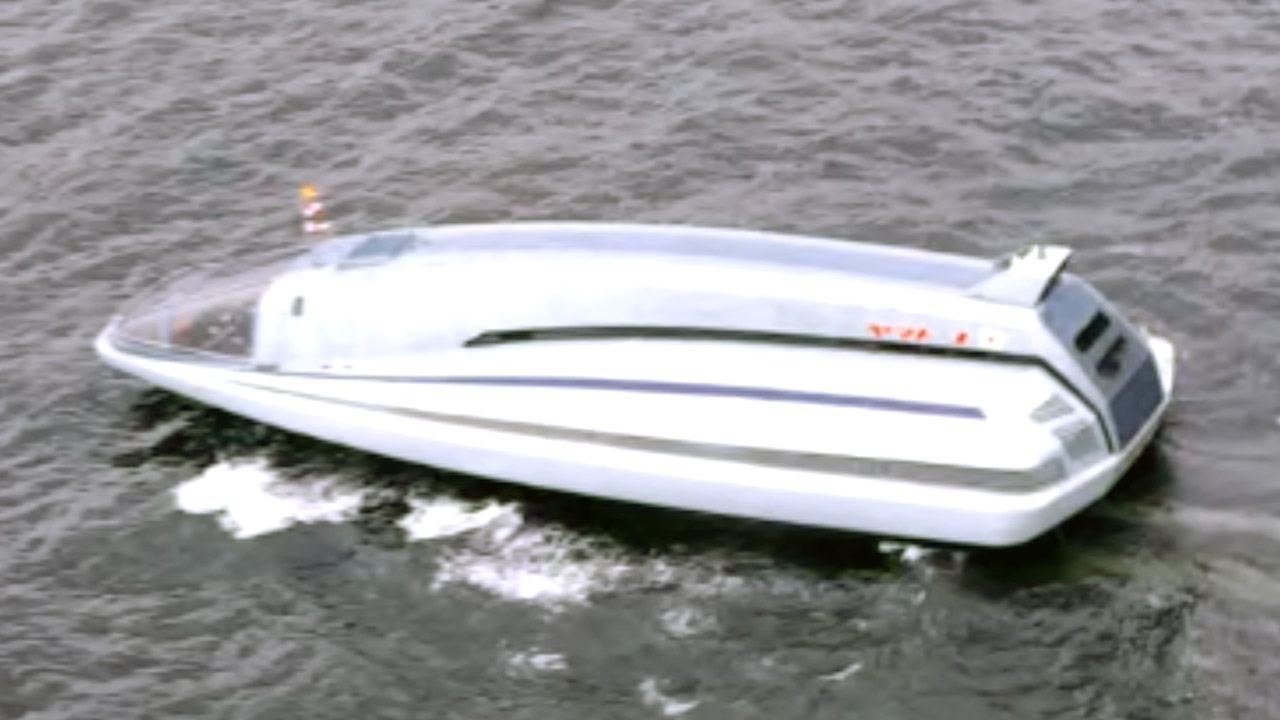
Unfortunately, a number of practical issues prevented the technology from progressing further, as its efficiency was only about 15%, which is extremely poor when compared to conventional systems, due to the fact that seawater is a poor conductor of electricity and superconducting magnets require constant cooling. Furthermore, higher speeds were essentially impossible to achieve without a breakthrough in stronger, lighter magnets. After the trials, the Yamato-1 spent years on display at the Kobe Maritime Museum before being dismantled in 2016, however one of the MHD thrusters is currently on show at Tokyo’s Ship Science Museum.
[Source]