

Most security cameras force a choice. You either get a wide view that shows everything but leaves details fuzzy, or a tighter lens that catches faces and license plates while leaving big parts of the room or yard uncovered. Tapo’s C246D, priced at $54.99 (was $70), refuses that trade-off by packing two separate 2K sensors into one compact body.
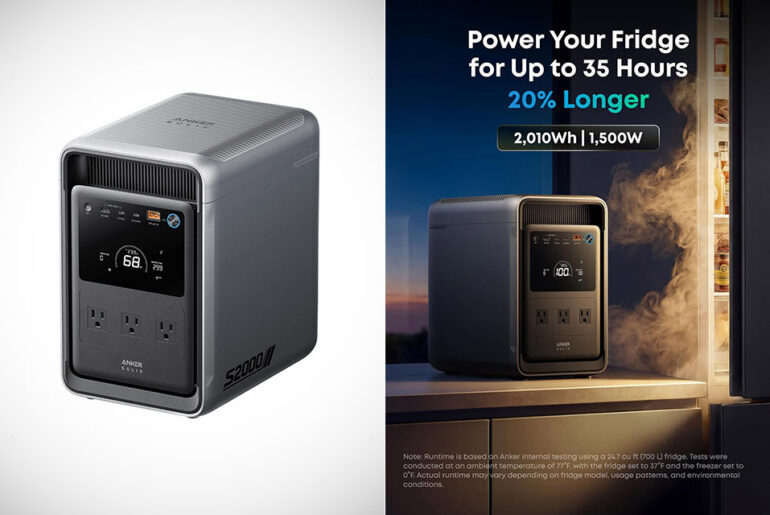
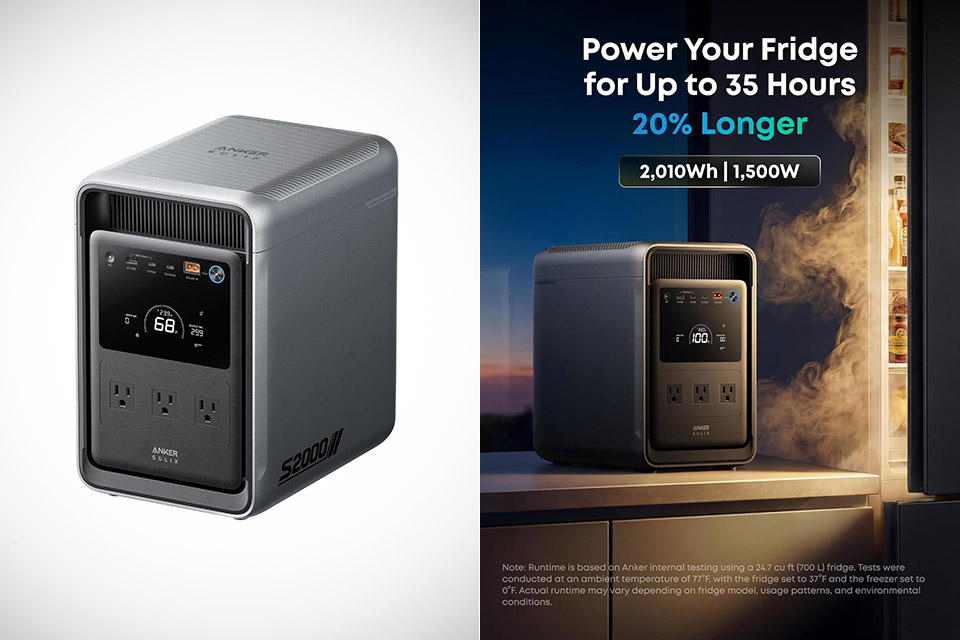
Power stations have long sold themselves on big capacity numbers that look good on paper. Real use often tells a different story once the unit sits idle between fridge cycles or conversion losses start eating into the total. Anker’s SOLIX S2000, priced at $599.99 (was $1,200), aims straight at that gap with a 2,010 watt-hour LiFePO4 pack designed to deliver more of its stored energy to the things that actually need it.

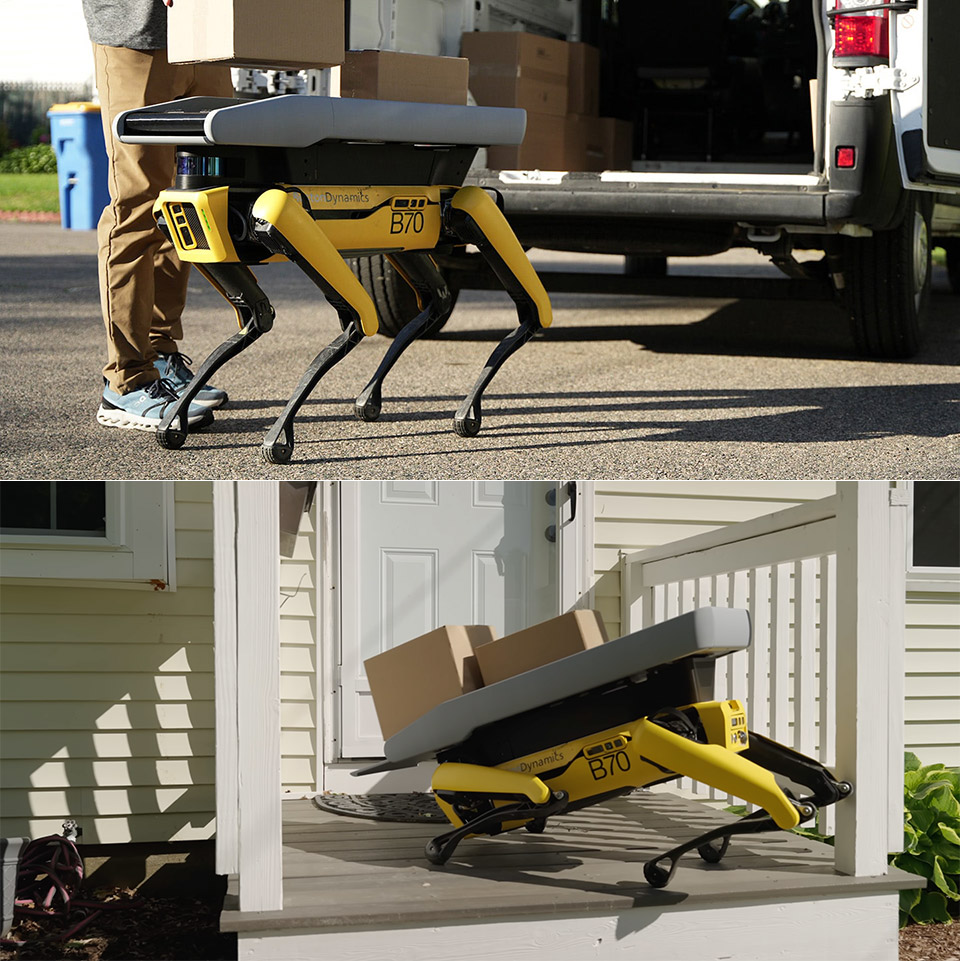
Boston Dynamics just gave its yellow four-legged Spot robot a new assignment that still stumps most machines. Spot now hauls packages from a delivery van and sets them carefully on doorsteps, closing the short but costly stretch that carriers call the porch gap.


Security cameras frequently promise peace of mind yet deliver grainy clips, nonstop false alerts, or hidden fees that add up fast. The Tapo C530WS from TP-Link, priced at $55.99 (was $70), takes a simpler route and focuses on the basics done right. A 5-megapixel sensor records in 3K resolution. Details hold up well when you zoom during playback, whether checking a face at the front gate or reading a plate on a vehicle that pulled into the driveway. Daytime color stays natural and edges remain defined across the frame.

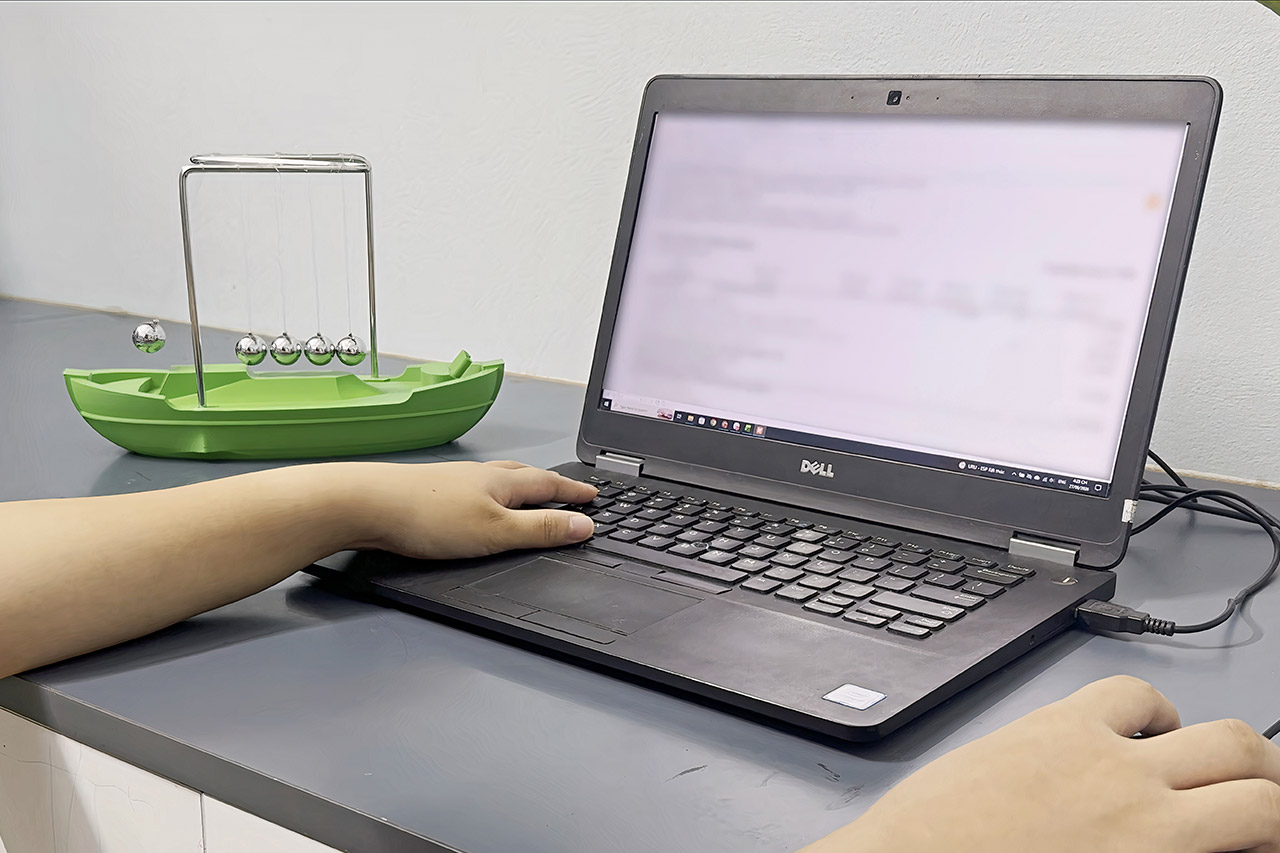
Newton’s Cradles have long been staples on office desks, their five steel balls transferring motion in a satisfying chain of collisions. Most versions eventually lose their rhythm as energy dissipates through air resistance, sound, heat, and slight changes in the shape of the balls during impact. A recent project changes the outcome by adding a small, precisely timed push that replaces those losses. The result looks like the classic toy yet keeps swinging for hours on battery power alone.

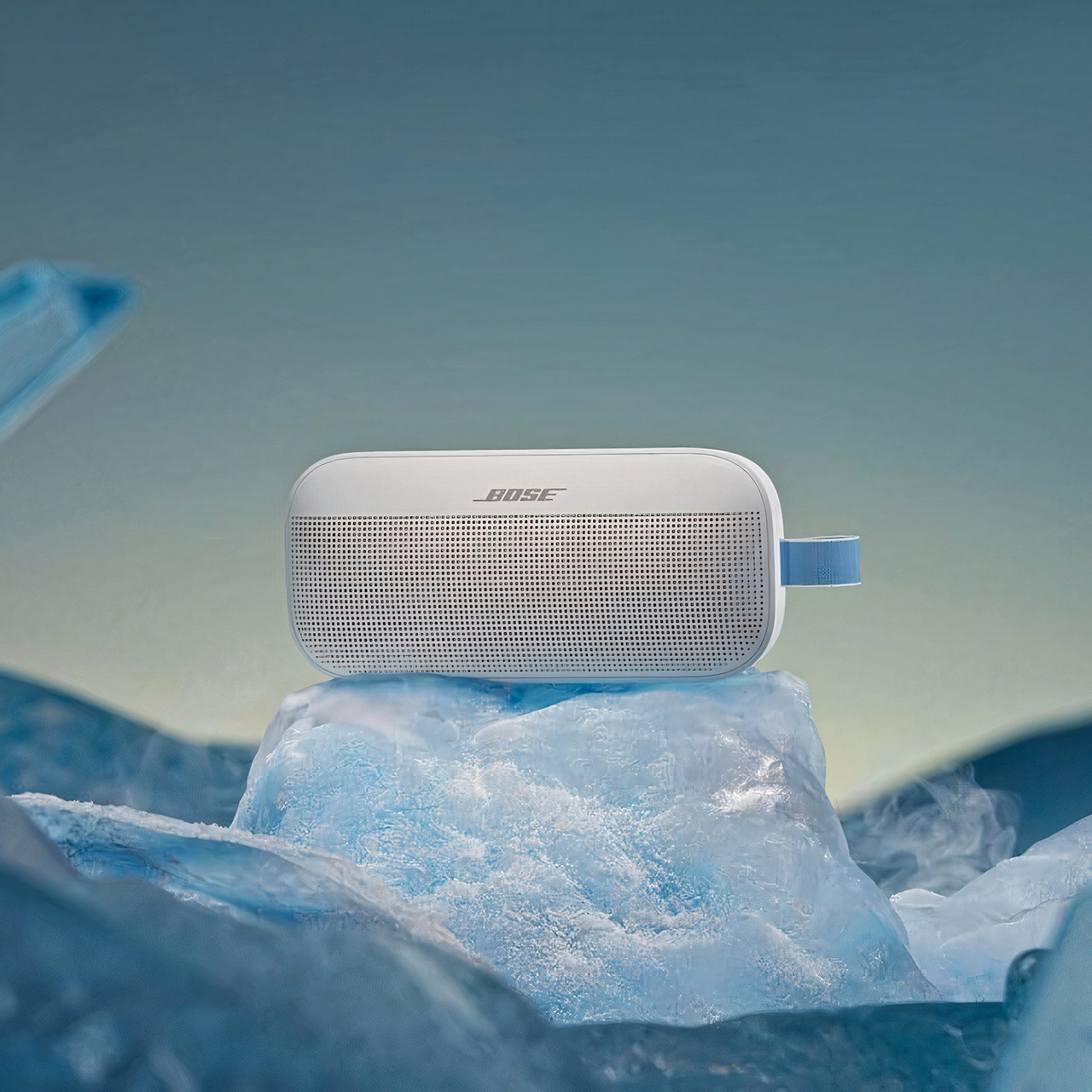
Bluetooth speakers in the $100 to $200 range often promise big performance from small packages. Many deliver on volume or bass at first listen, only to reveal thin sound, weak build quality, or quick battery drain once real life enters the picture. The Bose SoundLink Flex 2nd Gen, priced at $99.99 (was $159), stands apart by focusing on the things that actually matter day after day.


Summer heat often leaves people weighing comfort against the steady climb in electricity bills. Running central air or room units for hours on end keeps everyone comfortable but spreads cooling across empty spaces and unused rooms. A more focused option directs relief straight to the person who needs it. The TORRAS COOLiFY Air 2026, priced at $99.73 (was $116.99), takes that idea and turns it into a device you simply wear.

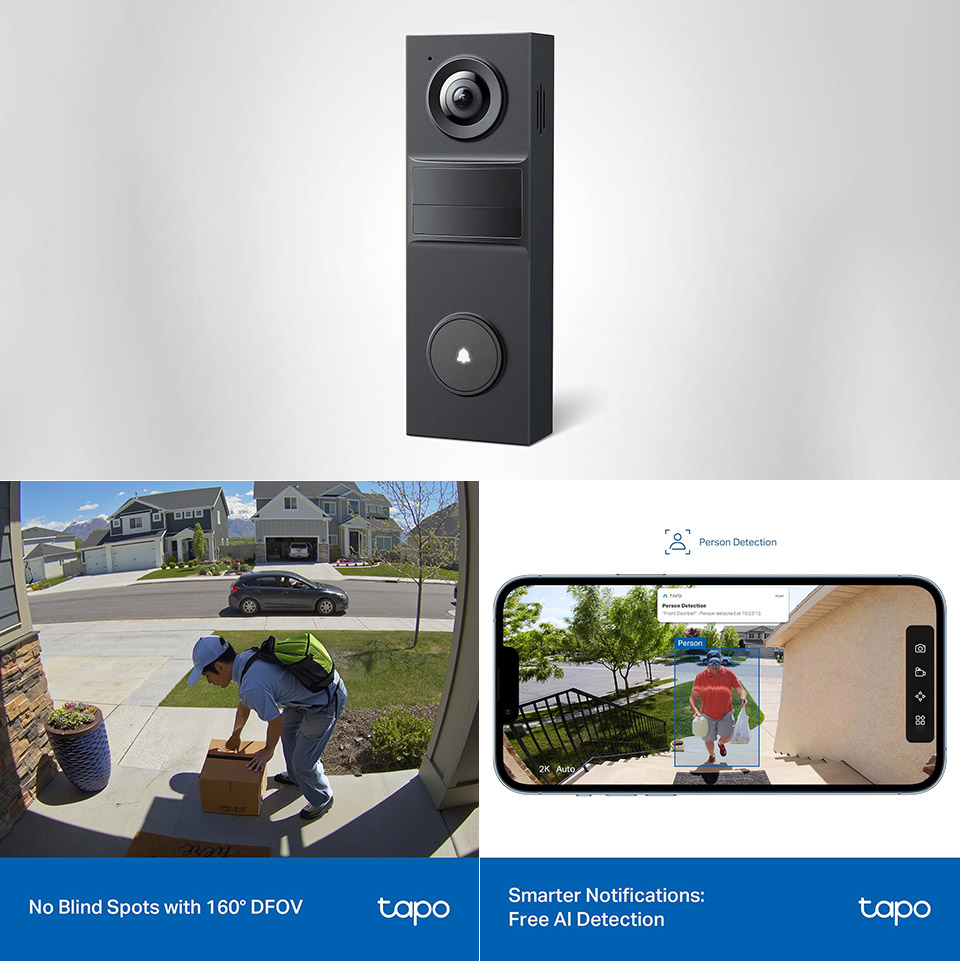
Homeowners who want a clear view of their front door often run into the same roadblocks. Running power and data cables through walls creates dust and hassle. Hiring someone to do the job adds cost and scheduling headaches. The Tapo D205 from TP-Link, priced at $34.97 (was $49.99), sidesteps those issues with a compact, self-contained design that mounts in minutes and runs on its own power. It delivers 2K video across a wide angle, spots people automatically, and sends alerts straight to a phone. Storage stays local by default, so owners skip recurring cloud bills unless they choose to add them later.

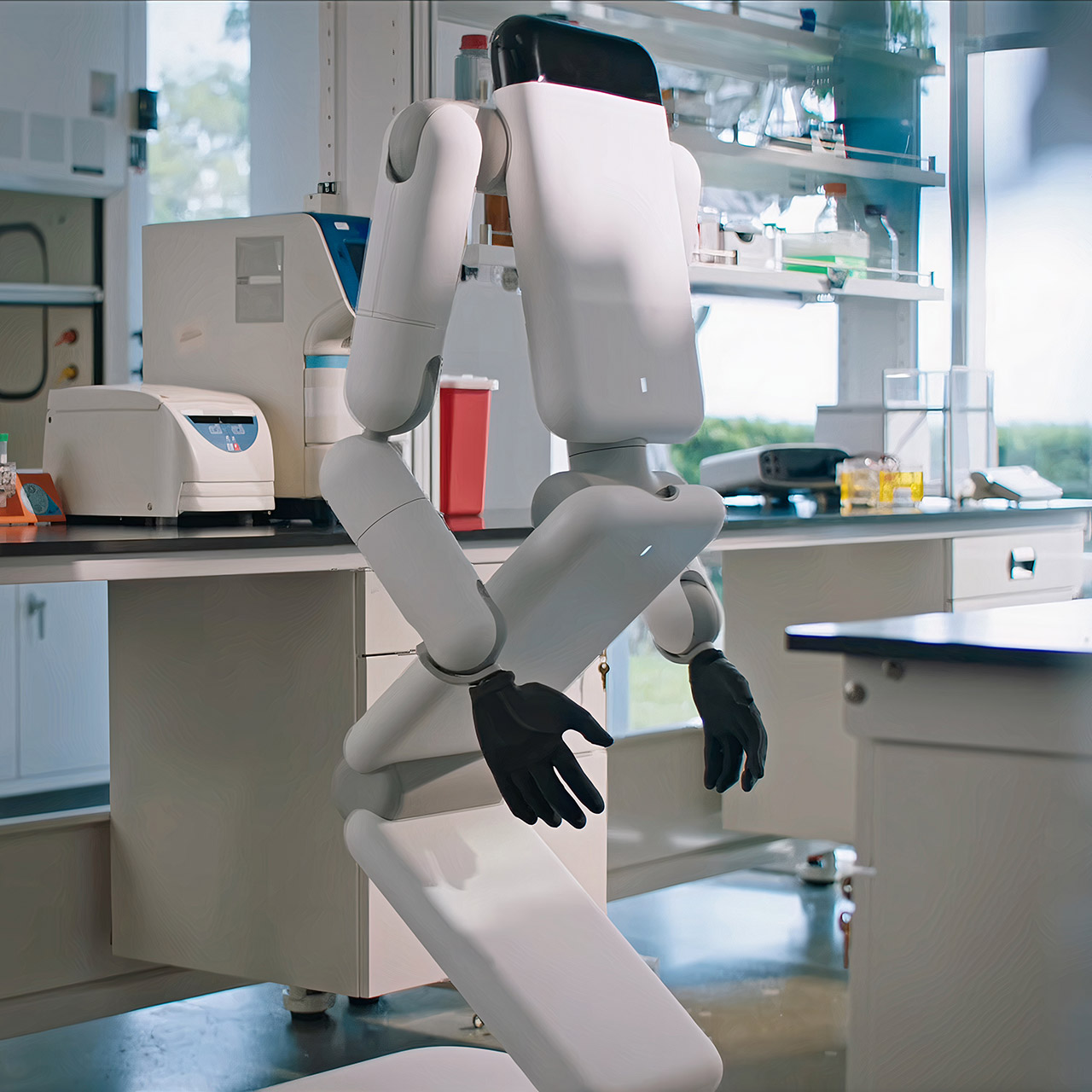
Genesis AI introduced Eno this month as its first general-purpose robot, and the machine immediately stands apart from nearly everything else in the crowded field. It rolls on a wheeled base rather than walking on legs. A compact tower of articulated panels rises and tilts to set the working height and reach, then folds down tight when the job ends. Two arms carry hands that match human size and proportion almost exactly. There is no head, no face, and no attempt to hide the fact that this machine was never meant to pass for a person.