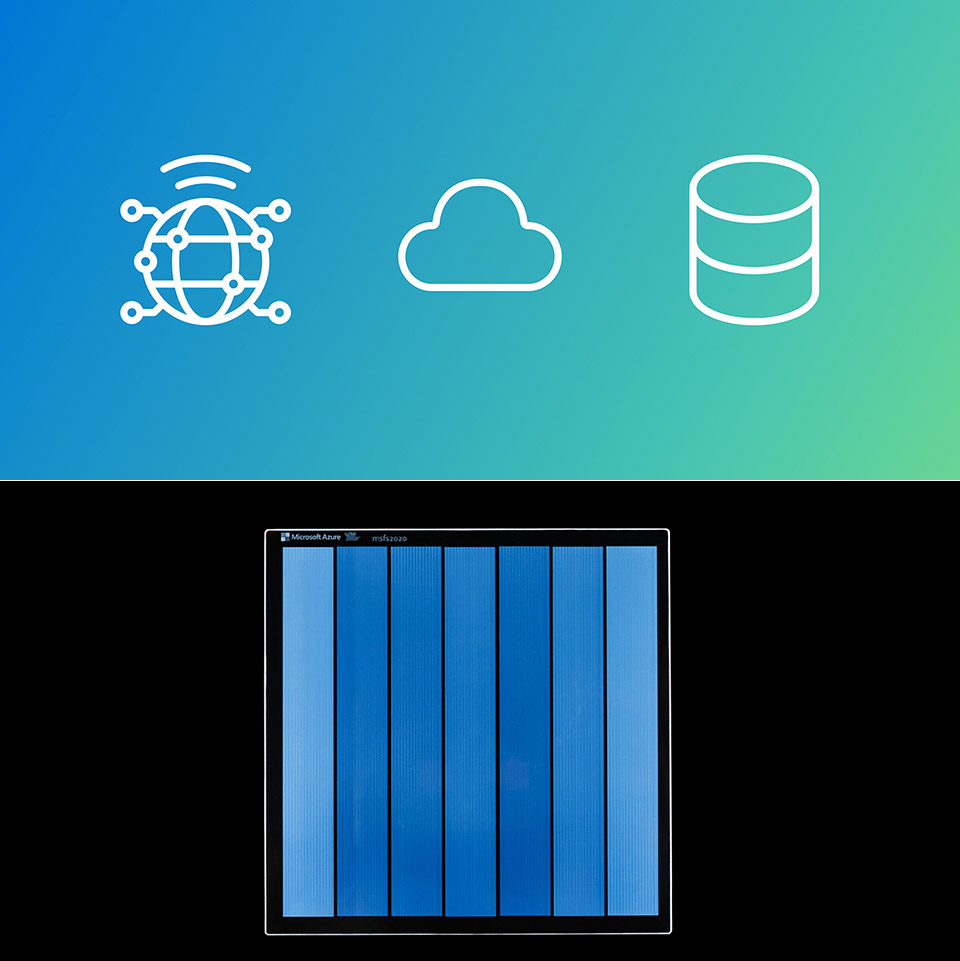
Microsoft’s Project Silica has reached a significant milestone in its goal to develop ultra-long-lasting storage that can survive for generations. Researchers in the field have just published a paper in Nature outlining a major breakthrough in the approach, as they are now using good old-fashioned kitchen cookware glass, such as that found in an oven door or a Pyrex dish, rather than super-specialized glass that is far too expensive for the job.
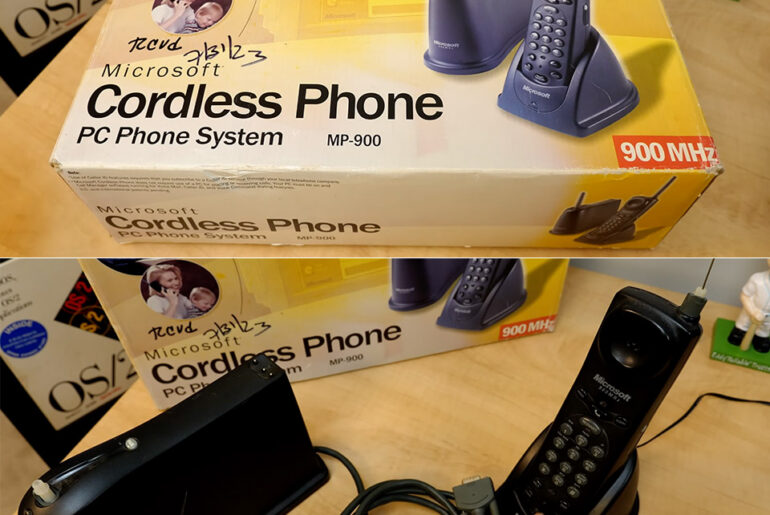
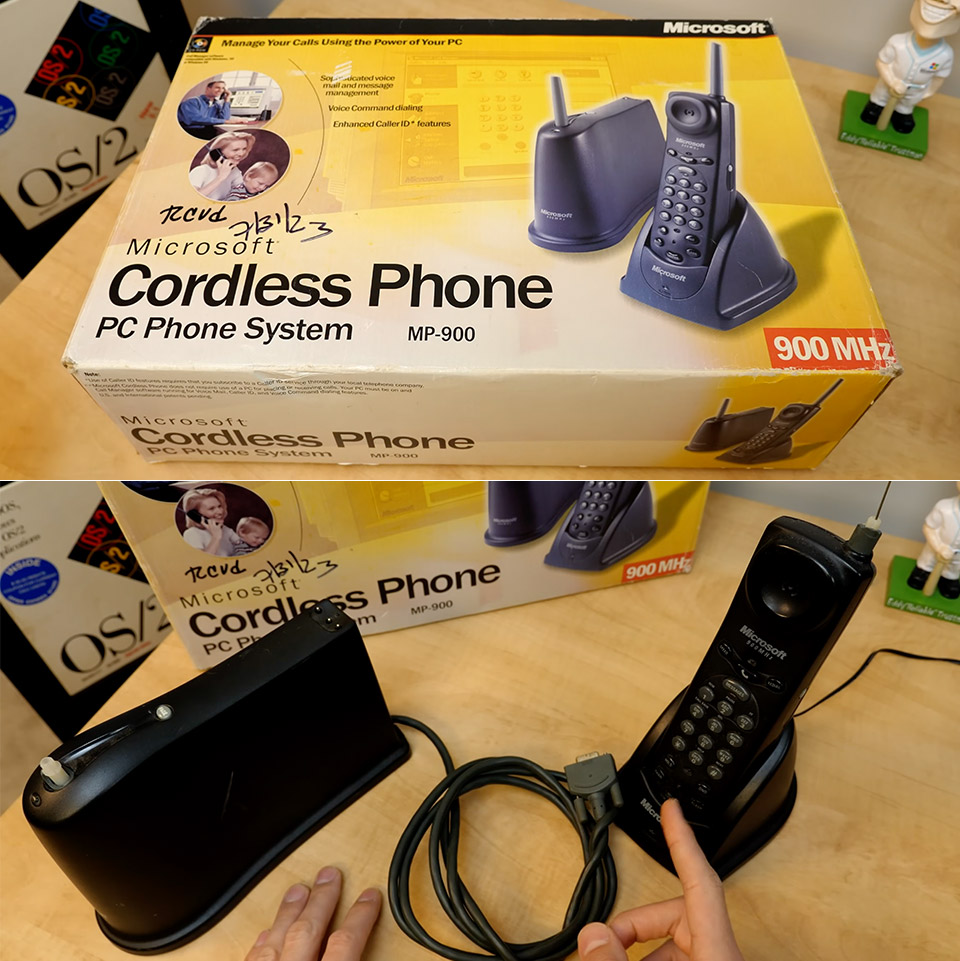
The Microsoft Cordless Phone System debuted quietly in late 1998, marking the company’s first move into hardware. It plugged directly into a Windows PC, aiming to combine ordinary calls with the power of home computers. This product was launched on October 6th, and by November, it was available in stores for an anticipated price of $199.95 ($395 today).

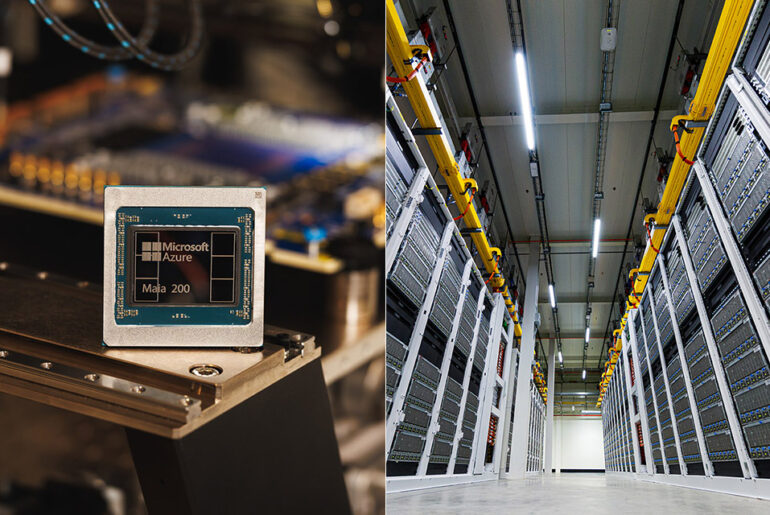
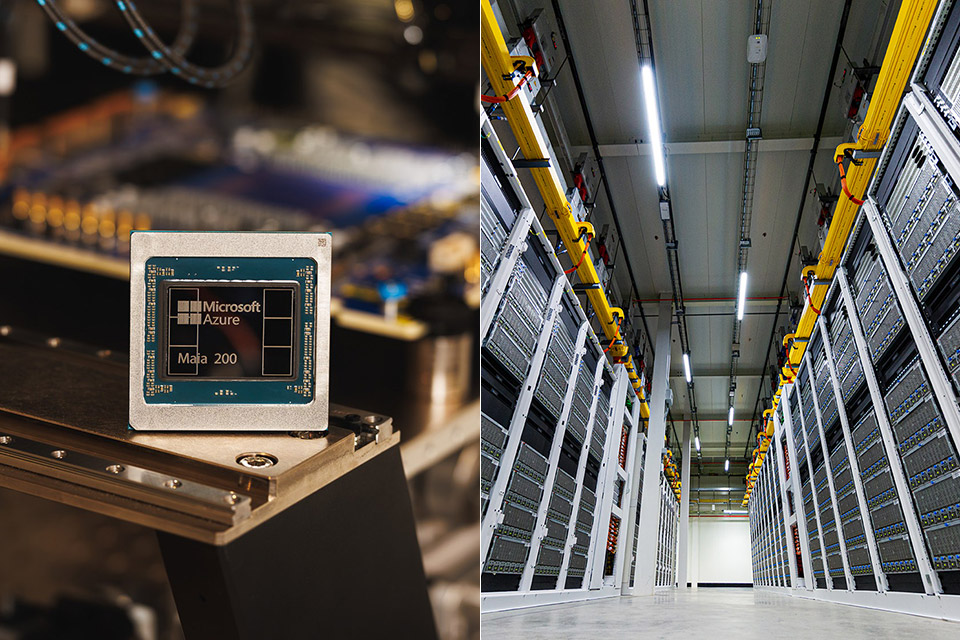
Microsoft has recently launched its latest custom AI processor, the Maia 200, and the timing, or should I say circumstances, of its release could not be more coincidental. Inference, the stage where a trained AI model generates responses and other outputs, has become the most expensive part of running AI systems at scale. To address that issue square on, Microsoft designed the Maia 200 from the ground up with the sole purpose of making inference more efficient and cost-effective, and the results are very evident.

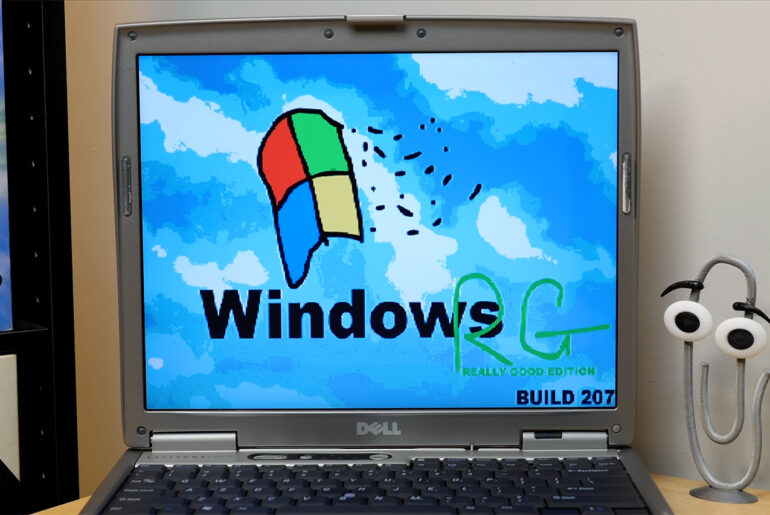
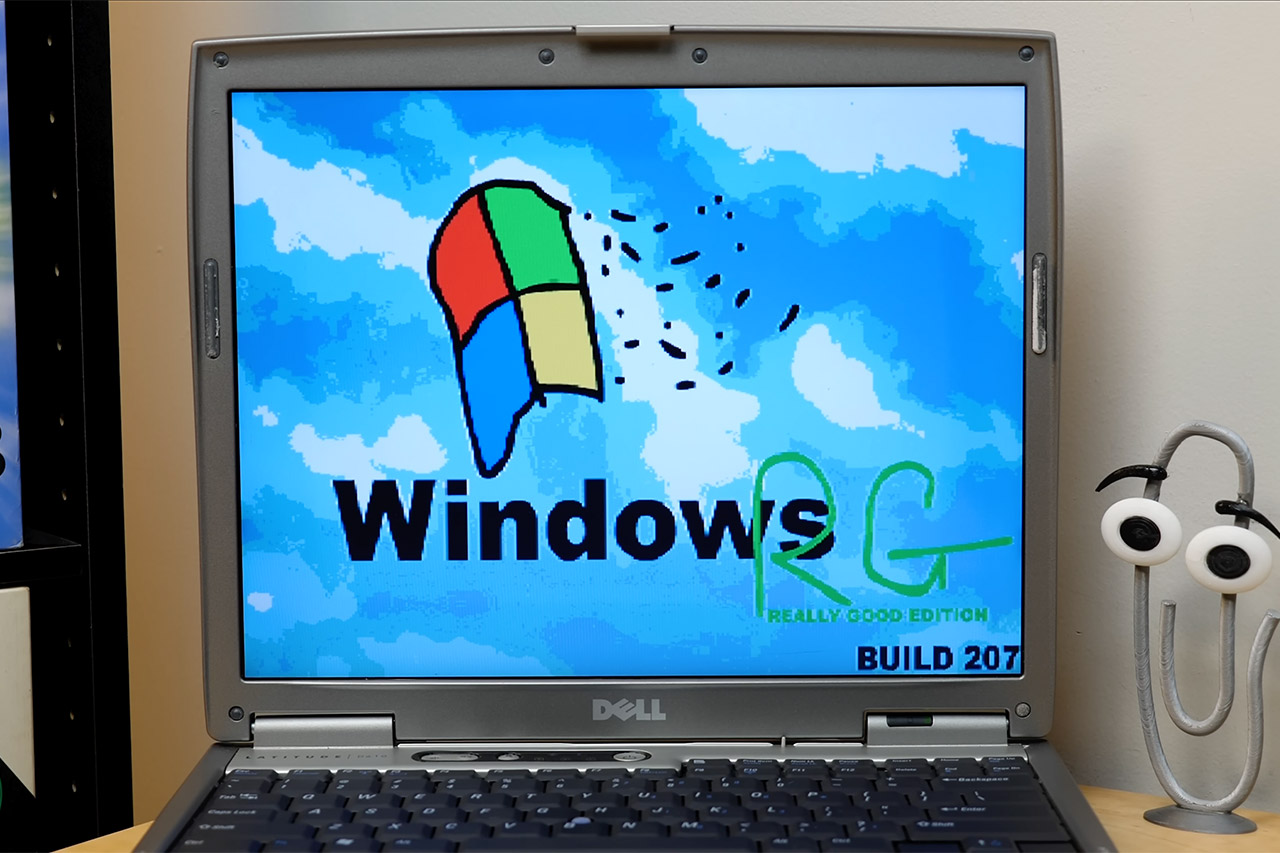
Windows RG started off as a snarky little Flash animation in 2001, when using Windows ME felt like an endless misery. James Webb, the person who came up with the idea, programmed a spoof of Windows ME that captured the irritation of dealing with a broken operating system that simply wouldn’t operate.

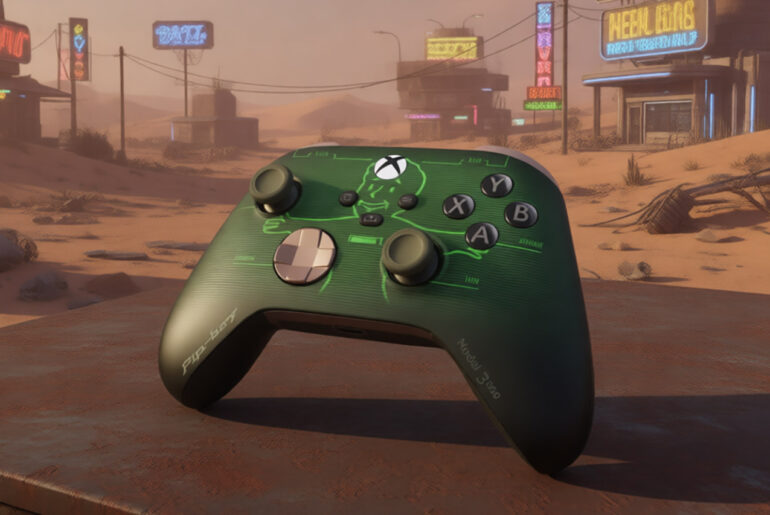
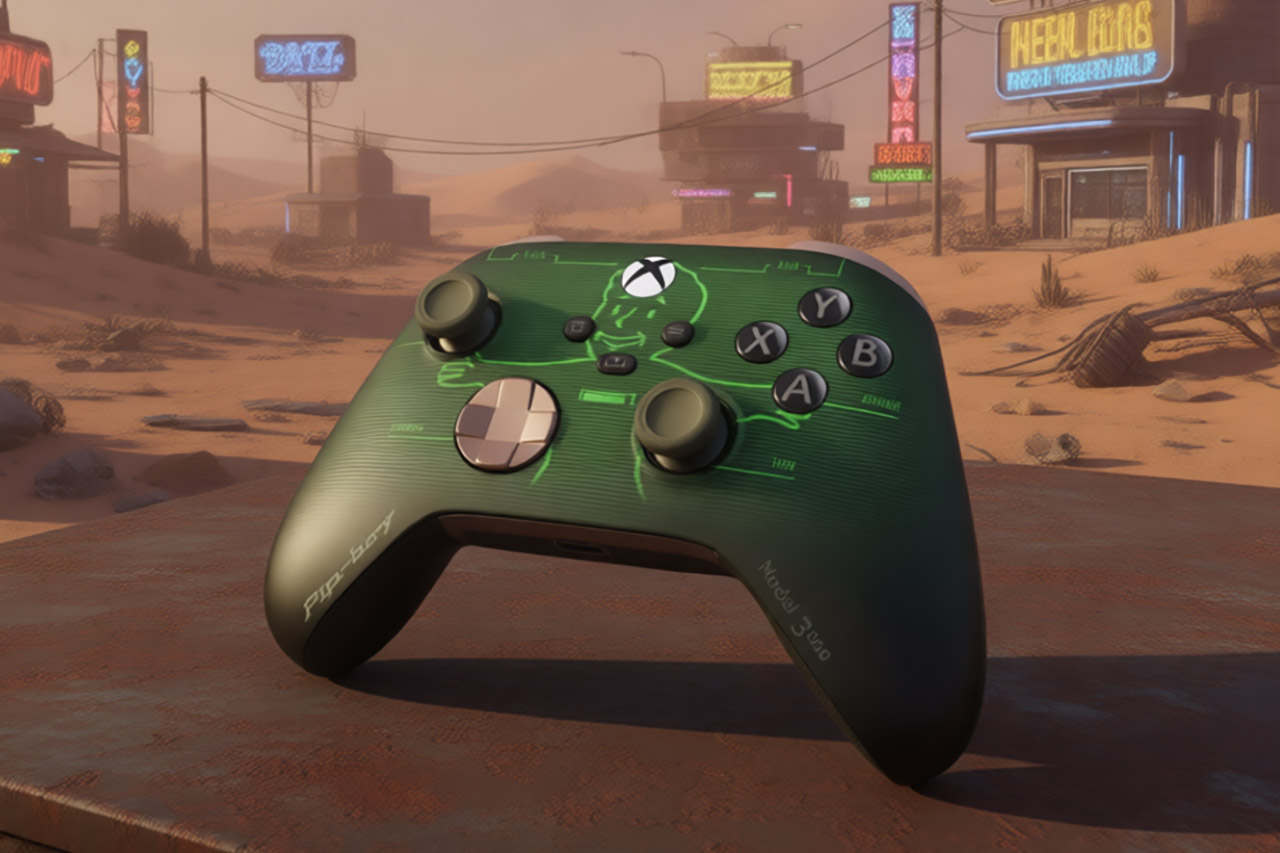
Microsoft knows how to time a release perfectly. With the second season of Prime Video’s Fallout series just around the corner, the company has released a pair of controllers that draw inspiration from the game’ most recognizable device: the Pip-Boy. The Xbox controllers are available in two versions: a normal Wireless model and a top-tier Elite Series 2 variant.

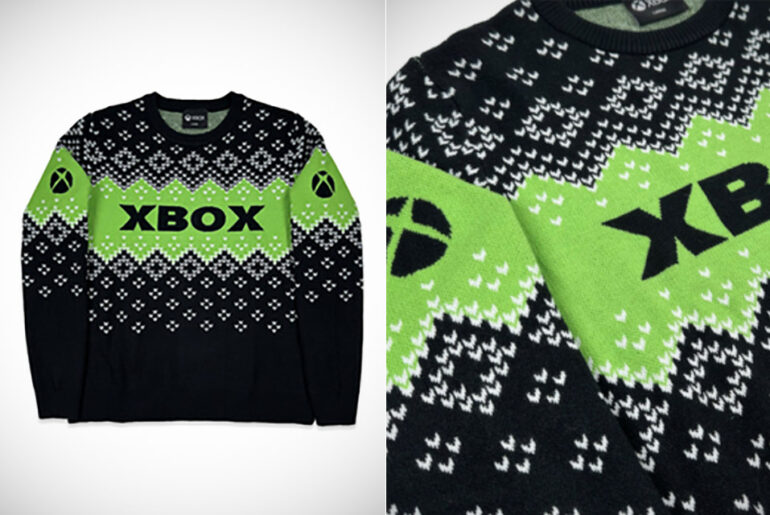
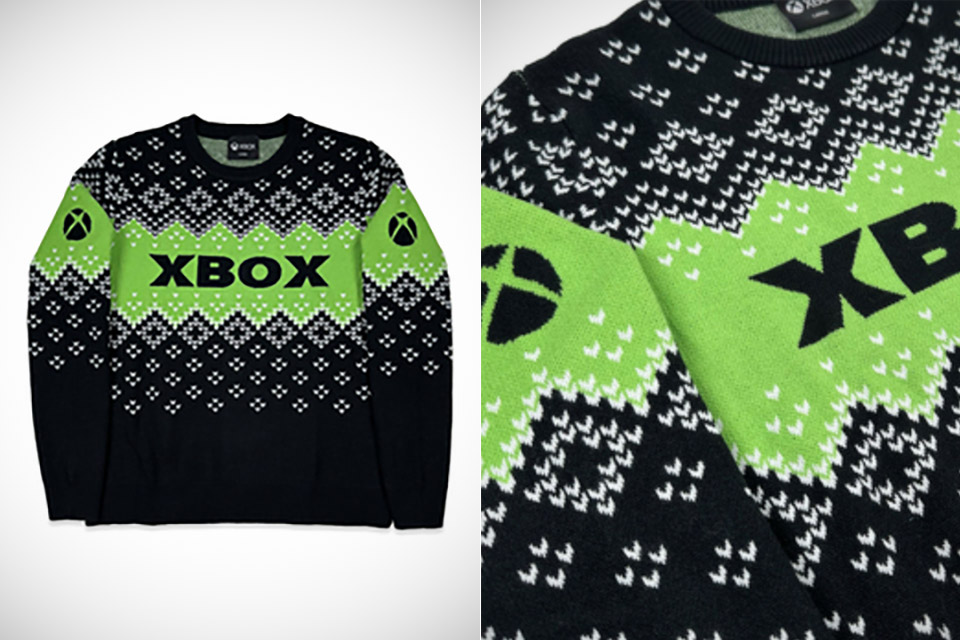
Microsoft’s annual holiday sweater release has arrived, and this year they’ve thrown caution to the wind by creating three sweaters commemorating the good, terrible, and ugly of Microsoft history. Each of them is essentially a wearable essay on the company’s greatest achievements and mistakes, a jumble of software flaws, faded content that no one remembers, and console releases that changed everything, for better or worse.

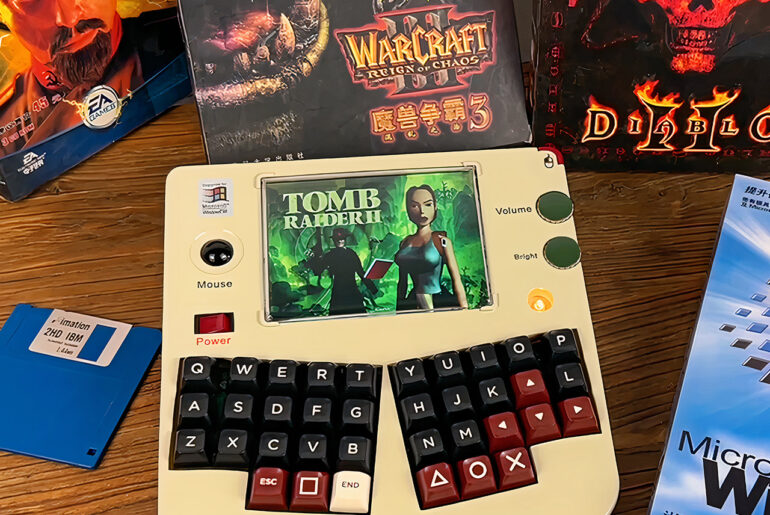
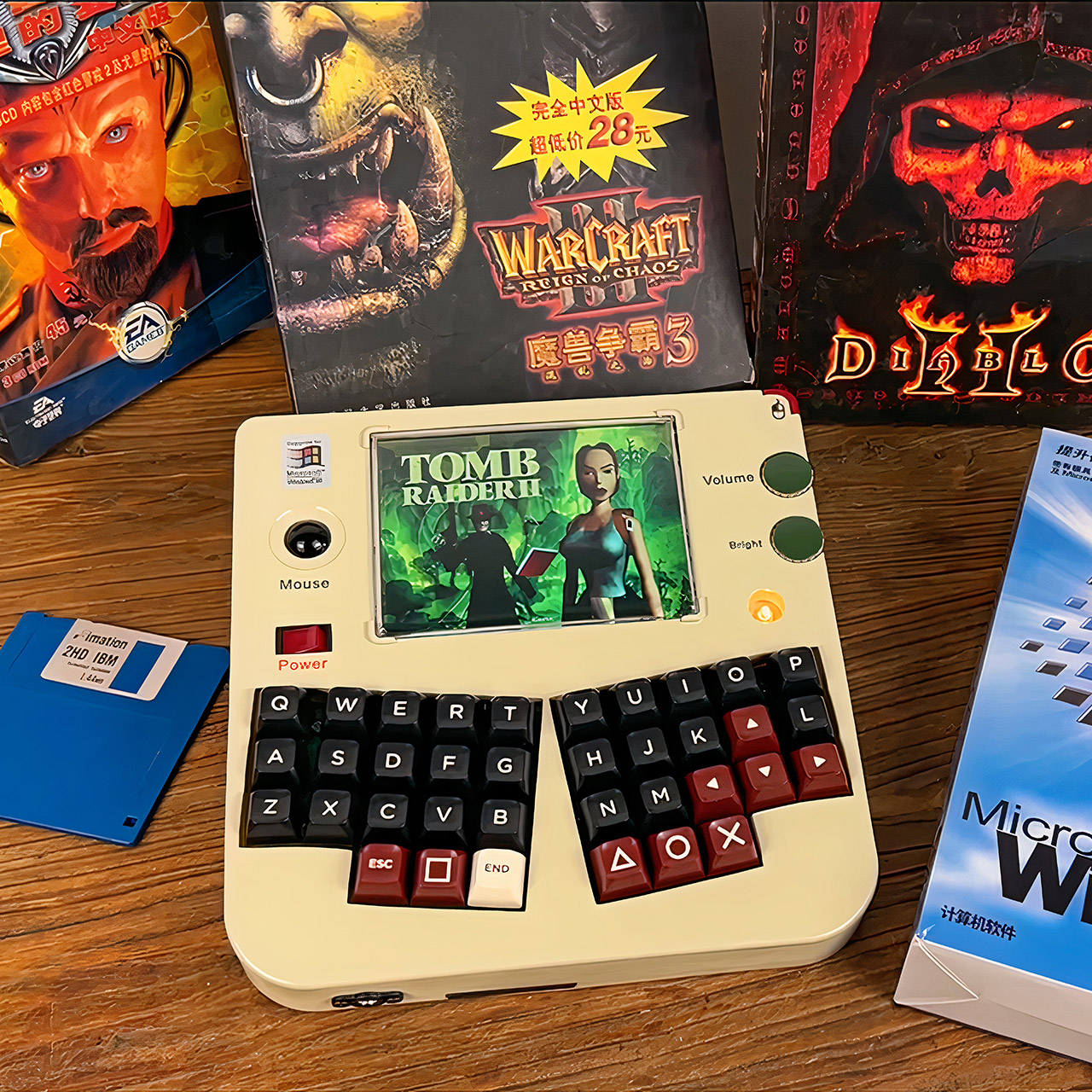
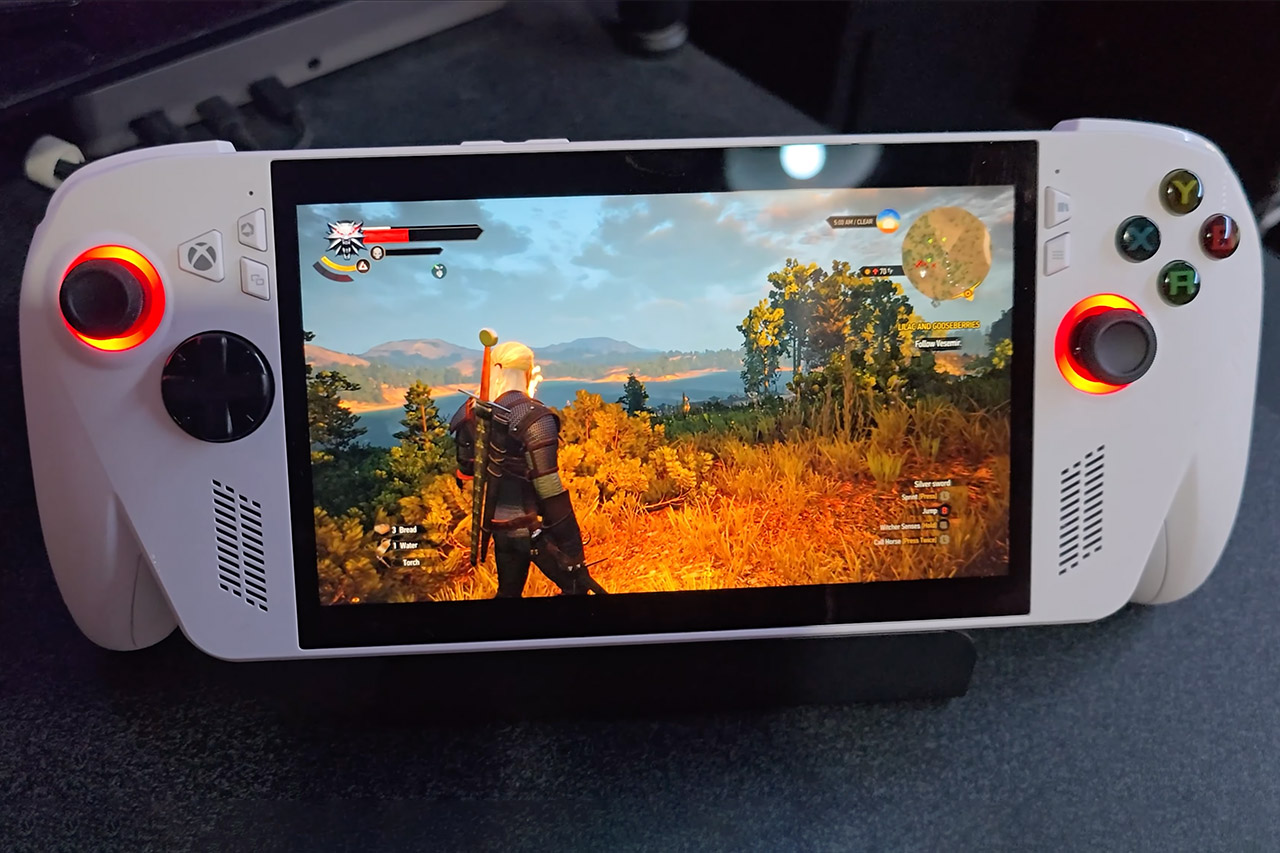
Back in the late 1990s, people who spent their evenings fiddling with their motherboards and looking for the latest driver updates frequently fantasized about the day when a full-fledged PC could fit in a backpack. Laptops did exist, of course, but they were similar to carrying a little anvil and running hot enough to give you a warm glow, almost like a space heater. The goal was to create something far more portable, light enough to fit into an everyday carry without hesitation. Fast forward to 2025, and that dream has finally come true thanks to modder Changliang Li, who converted a surplus Pentium processor into a handheld system that boots directly into – you guessed it – Windows 98.

Microsoft has spent years developing its cloud streaming service, and today is the big moment. After more than five years in beta, Xbox Cloud Gaming has transitioned from preview to full production. Subscribers can now stream games at higher resolutions, with improved visuals and smoother animation, without the need for a high-end console or PC. These improvements will primarily affect the top-tier Game Pass Ultimate subscription, but they will also extend cloud access to lower-tier plans.

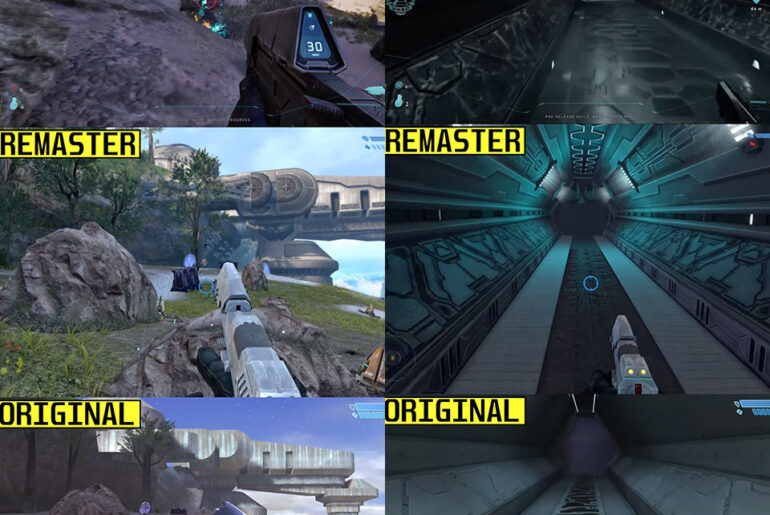
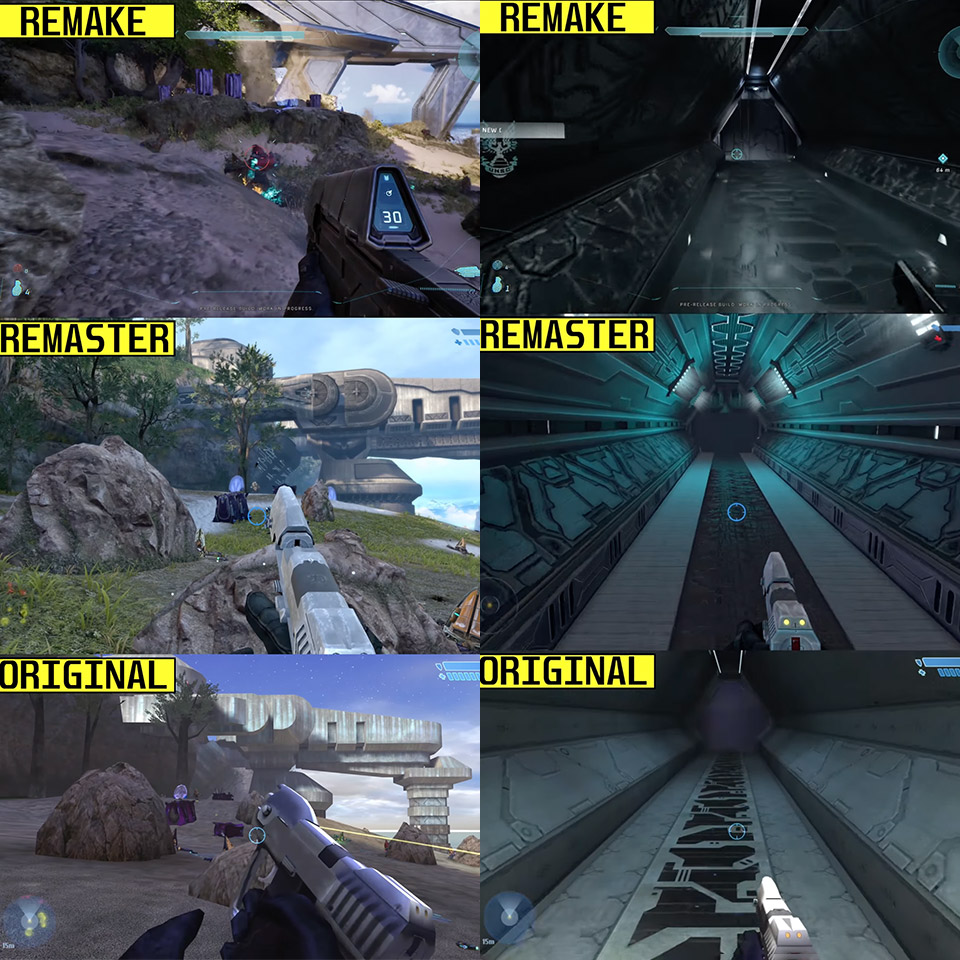
A single frame from Halo: Campaign Evolved depicts Master Chief standing on the Ring’s beach, with sunlight cutting through palm fronds so sharp you can count the veins. Twenty-four years after the original Halo debuted on a clunky Xbox, the same shore shines in Unreal Engine 5.

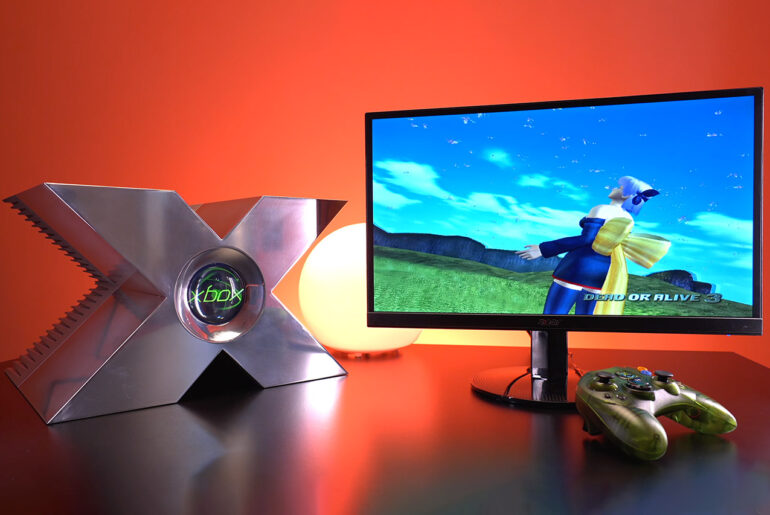
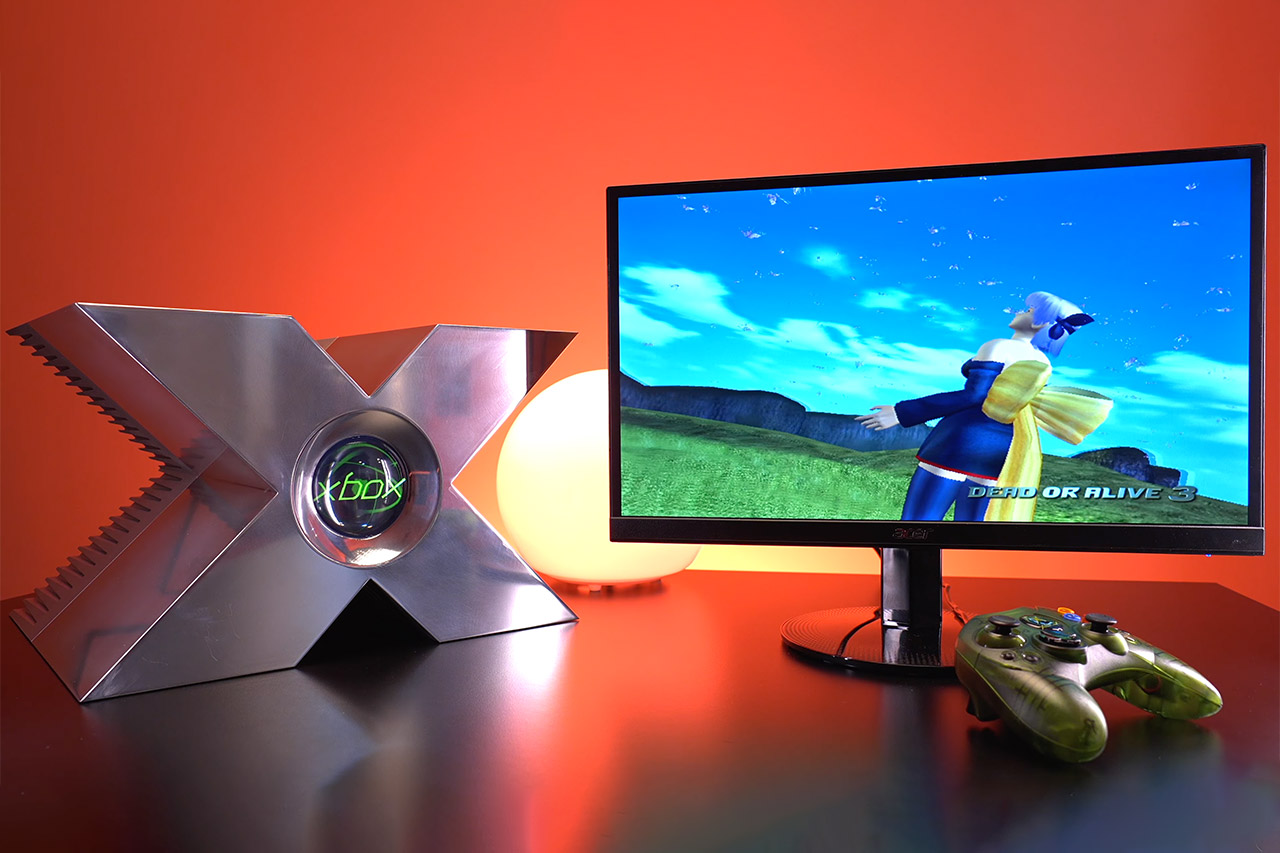
Tito Perez of Macho Nacho Productions spent months staring at a grainy photograph of Microsoft’s 2000 Xbox prototype. A 40-pound X carved from solid aluminum, polished so it mirrored the room like a dark mirror, and topped with a glowing green diamond. The original is kept away at Microsoft headquarters, a relic that no one could touch. So he created his own, a version that could actually play games.