Photo credit: Bot Junkie
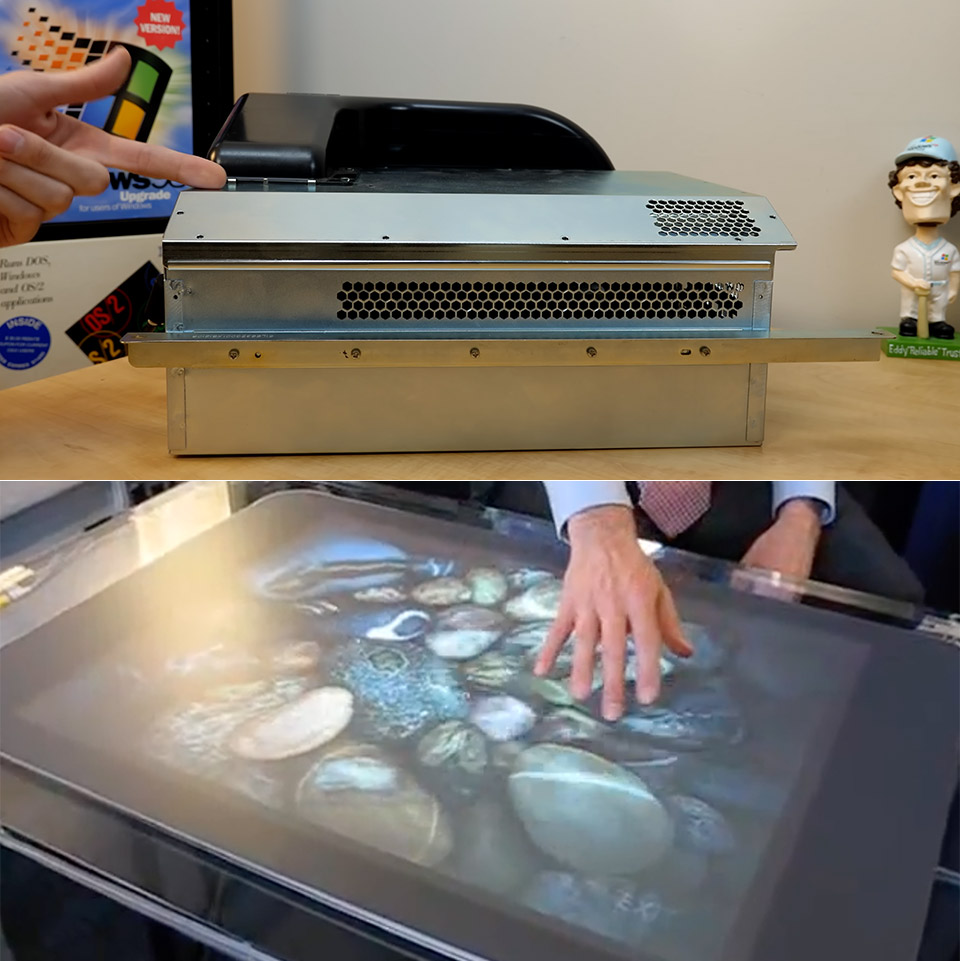
Michael MJD recently tracked down something most people never knew existed. Back in 2008 Microsoft released a giant touch table called Surface. It weighed close to 200 pounds, cost around $10,000, and turned an ordinary tabletop into a shared computer screen. The public saw the glowing surface and the wild multi-touch demos. What stayed hidden was the actual computer that made the whole thing work.

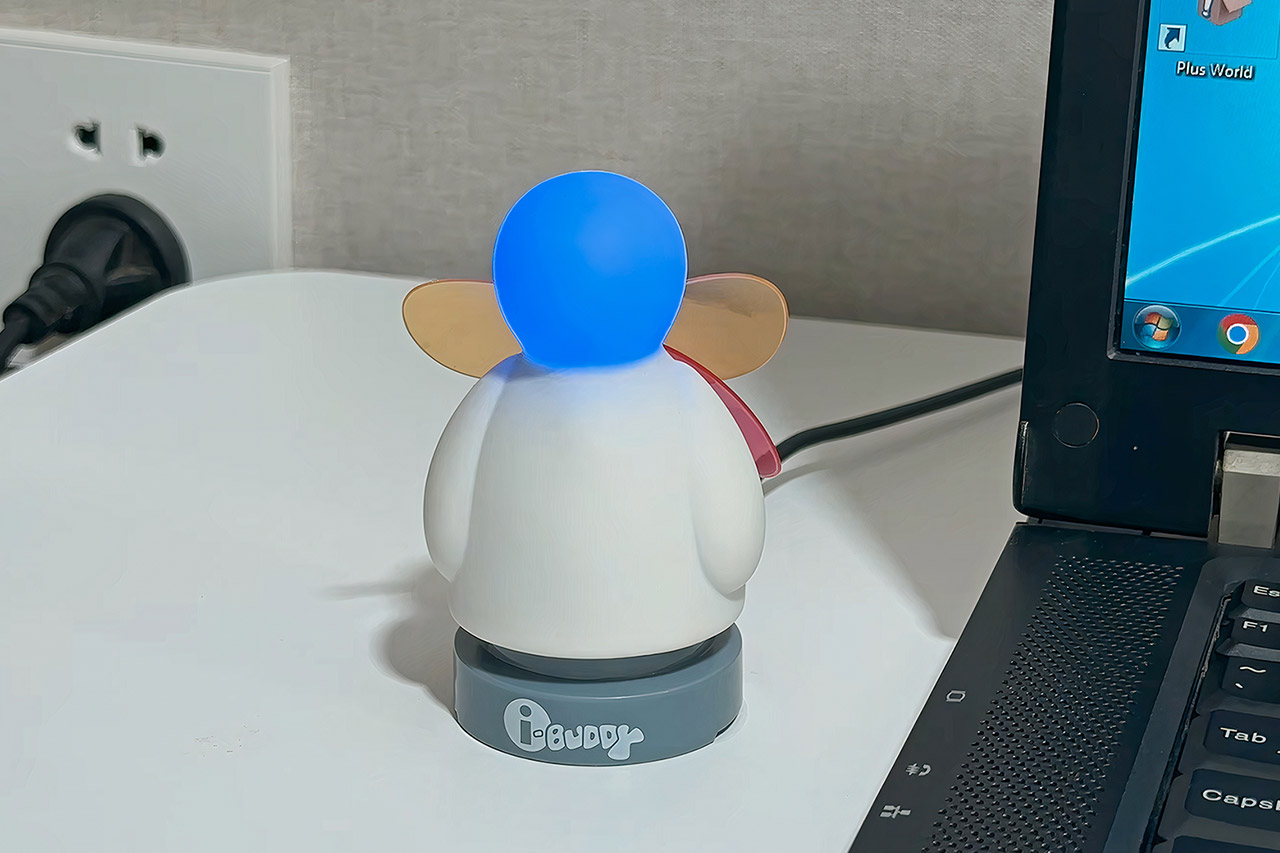
A small plastic figure sat untouched inside its original box for close to two decades. When Rayly Retro finally opened it this month, the i-Buddy looked exactly as it did on store shelves back in 2008. White body, translucent wings, a round head ready to glow, and a sturdy base that plugs straight into USB. Nothing about the hardware had changed. The real work began once the cable touched a computer.

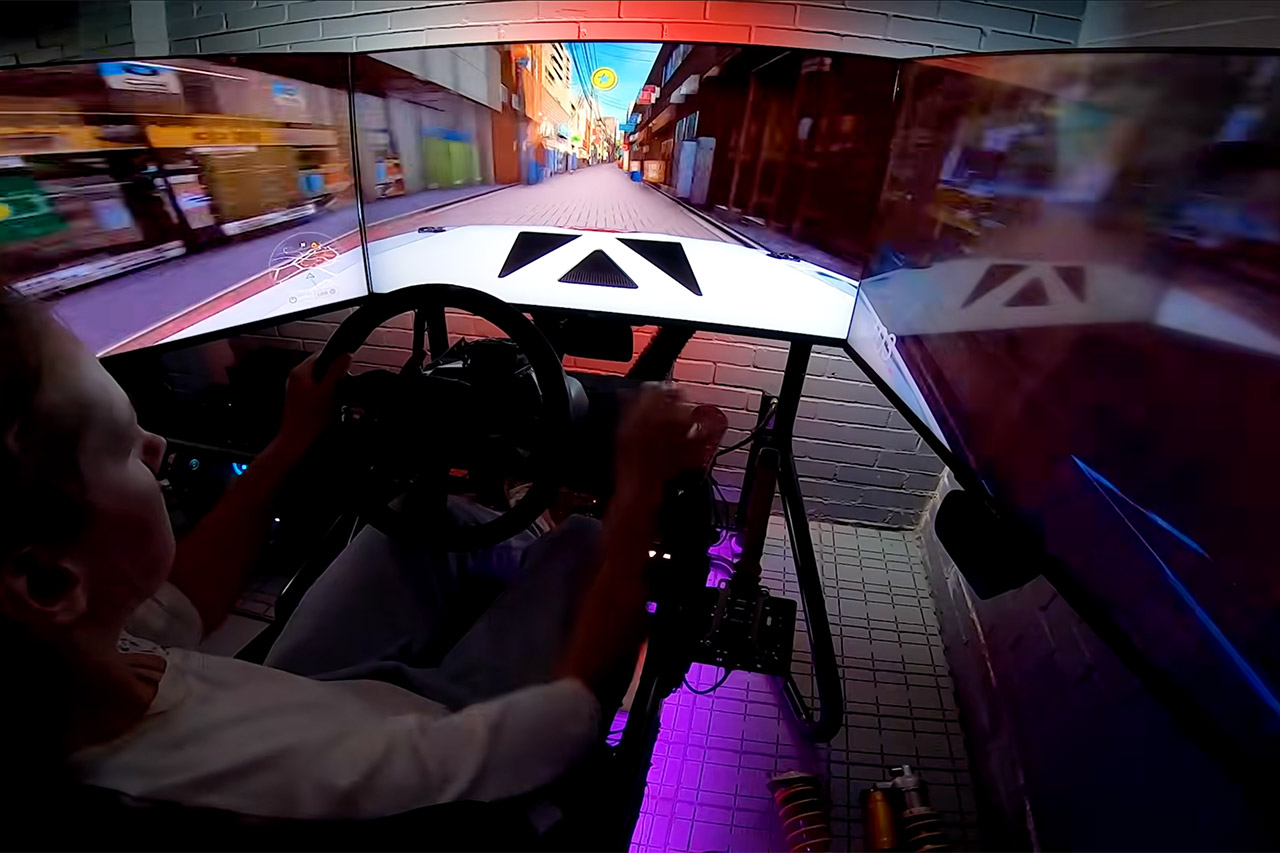
British World Rally Championship (WRC) driver Louise Cook recently climbed into Forza Horizon 6 with an enthusiast-grade Direct Drive (DD) wheel setup, triple screen monitor rig, and a digital 1986 Audi Quattro rally car. She is most likely using dialed in custom force feedback values, before threading the car through narrow mountain roads, tunnels, and tight corners with pro racer precision.

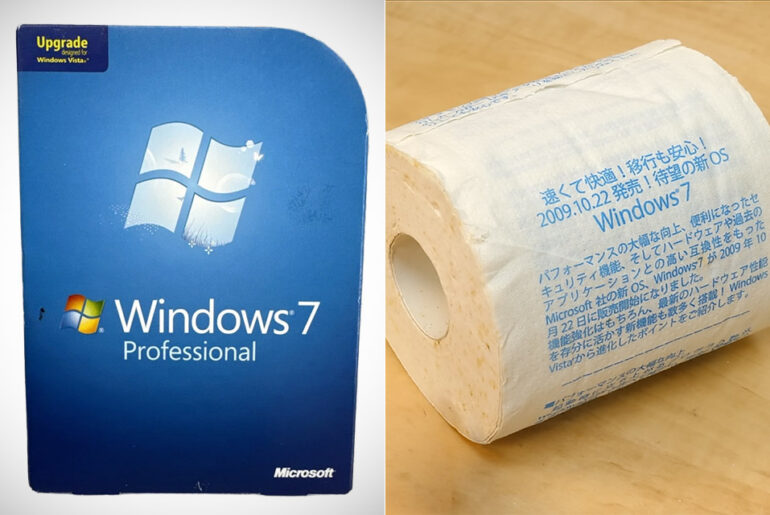
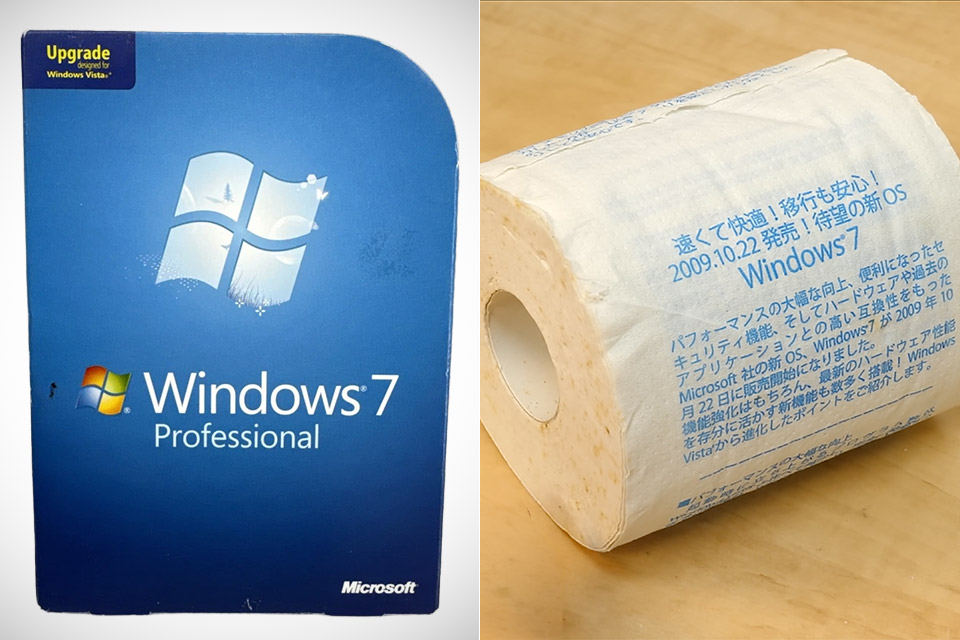
Japan approached the October 22, 2009 launch of Windows 7 with typical enthusiasm for new technology and a flair for memorable promotions. In select stores, buyers encountered something far more unusual than posters or demo kiosks. A standard roll of toilet paper carried the Windows 7 name and a full rundown of its improvements directly on the sheets.

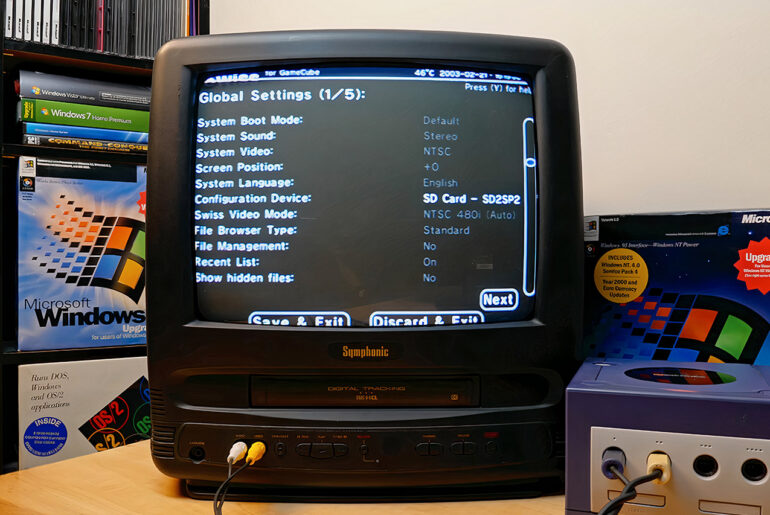
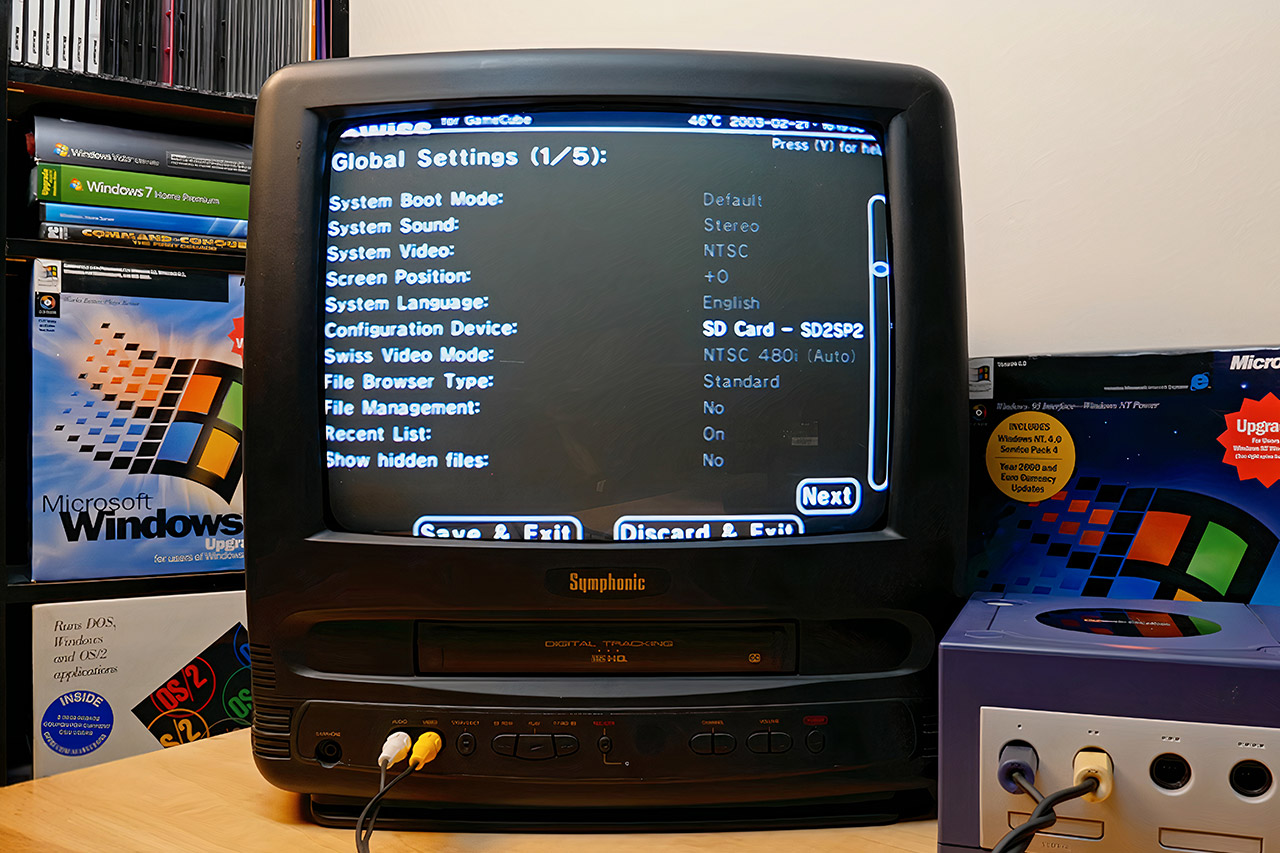
GameCube hardware already delivers strong value for fans of its original game library. Loaders such as Swiss open the door to region-free play, disc backups from SD cards or USB drives, and emulators that reach back to earlier Nintendo systems and beyond. Homebrew keeps the console active long after its commercial peak. A separate project now layers something unexpected onto that foundation by bringing a full PowerPC build of Windows NT to the same machine.

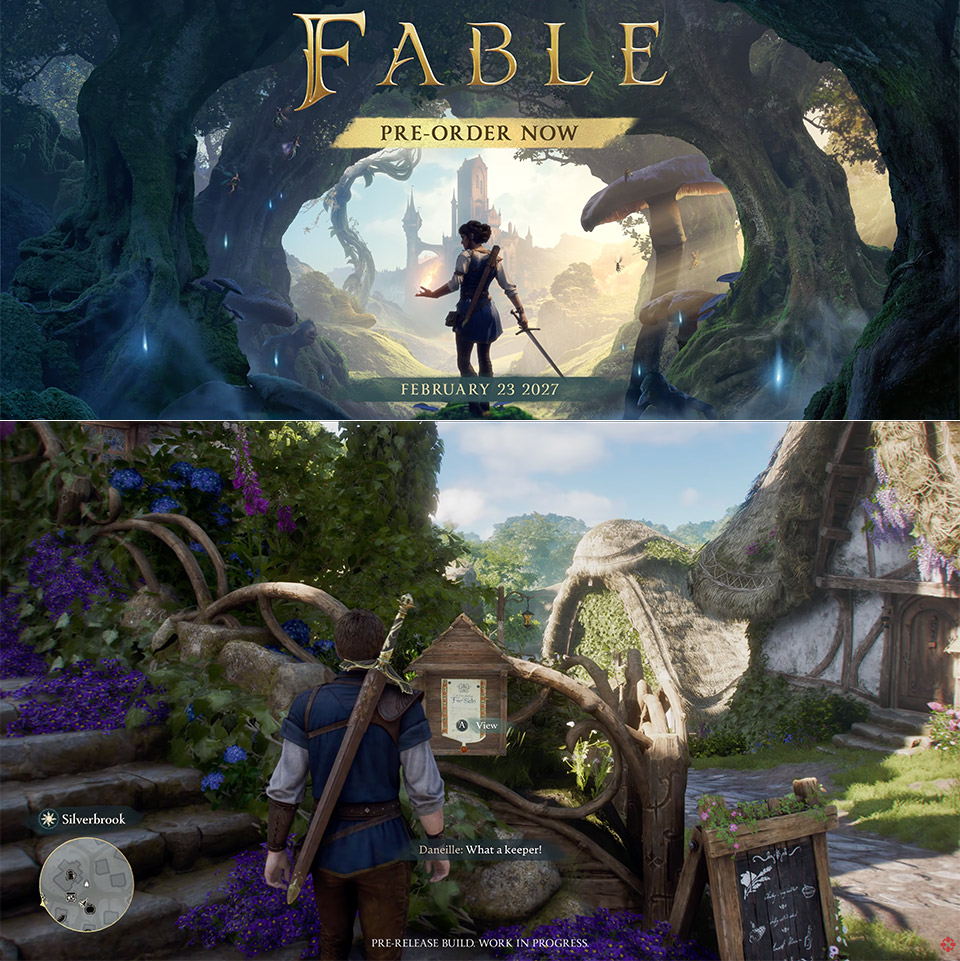
Microsoft shared a 30-minute gameplay video for Fable right after the latest Xbox showcase. The footage offers the most detailed look yet at how Playground Games plans to handle the return to Albion. Players step into the role of a hero who begins as a child discovering unusual powers in the village of Briar Hill. A time jump then moves the story forward to adult life, where decisions start to shape both the character and the surrounding world.

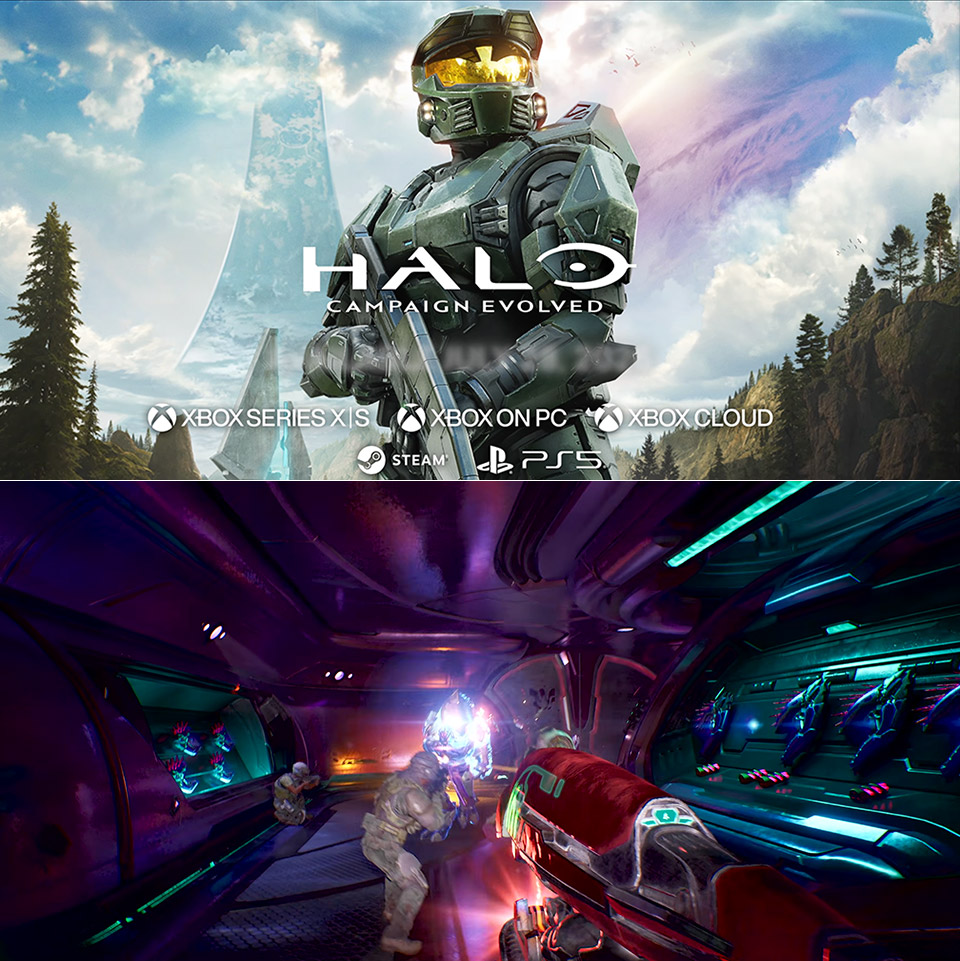
At its Games Showcase yesterday, Xbox unveiled Halo Campaign Evolved, which effectively rebuilds the 2001 campaign from the first Halo game from the ground up as an accurate remake with major added content. Players step back into the shoes of the Master Chief for the first ten missions on Alpha Halo, which have been updated with sharper visuals, new cinematics, streamlined controls, and better level flow.

Microsoft picked June 7 to show off a new limited edition Xbox Series X, called the X25, that celebrates the company’s gaming hardware reaching its 25th birthday. The machine carries a translucent green shell that lets light pass through and gives a glimpse of the structure inside. This marks the first time a Series X has received a see-through treatment.

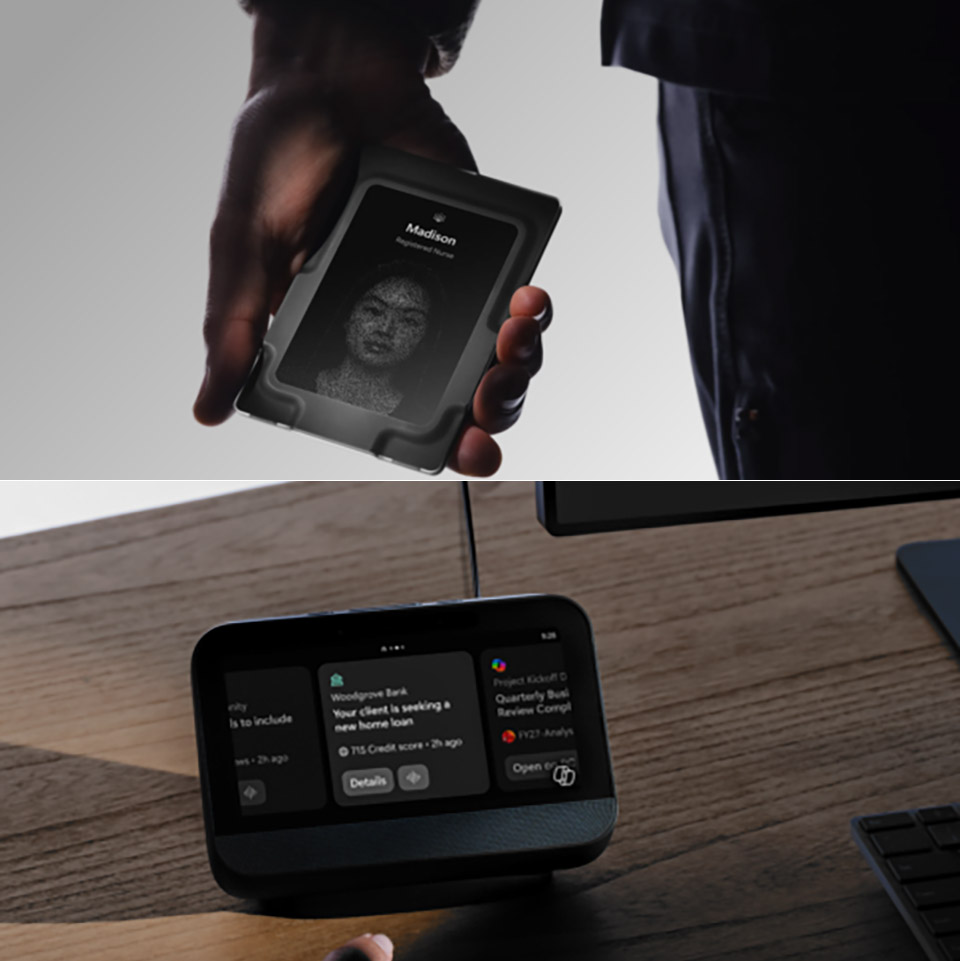
Microsoft used its Build 2026 developer conference to show a different direction for computing hardware. Instead of phones or laptops that run collections of apps, the company presented Project Solara as a platform where AI agents handle tasks directly. The setup targets smaller, purpose-focused gadgets that stay ready in places where pulling out a full device feels awkward or slow.

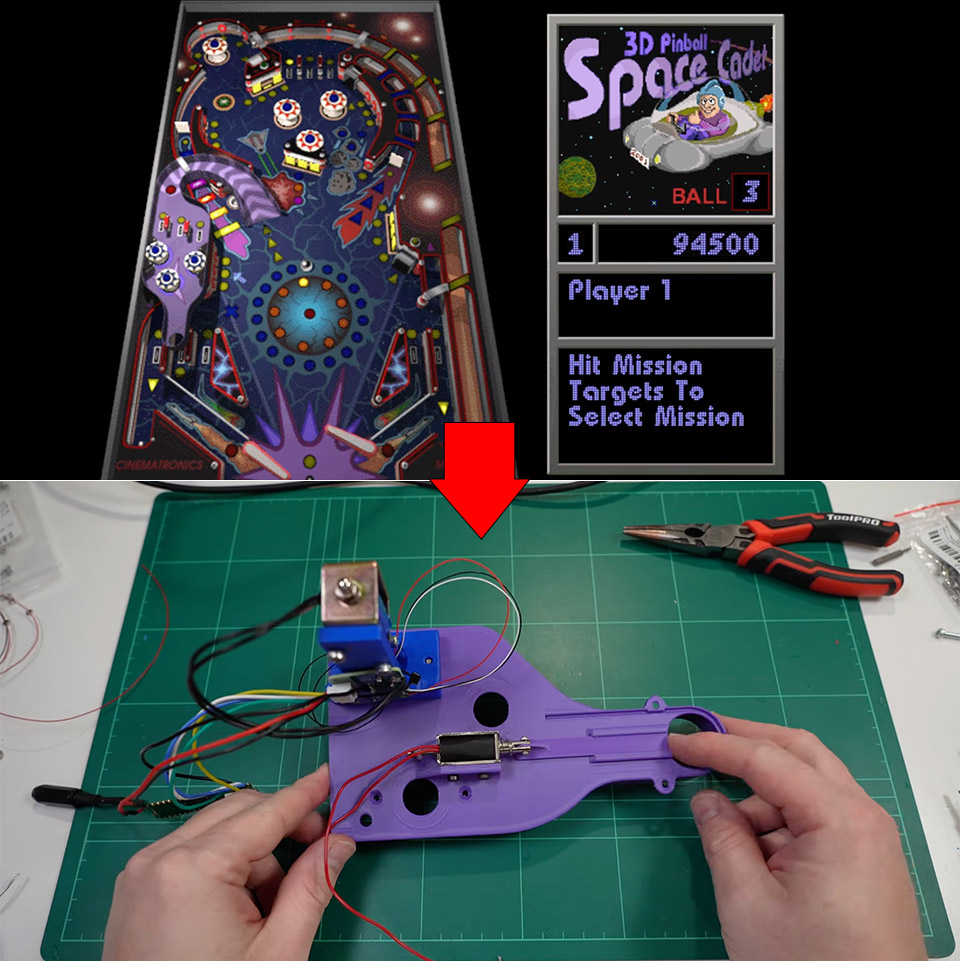
Childhood afternoons often included loading up Space Cadet Pinball on a family computer running early versions of Windows. That simple game with its space theme, ringing sounds, and satisfying flipper action left a mark on a generation. Years later, one determined builder decided the experience deserved a physical form. CNCDan took on the challenge of turning the digital table into a working mechanical pinball machine. He measured every element from the original game and scaled it precisely. Commercial pinball parts would not match those proportions, so nearly everything began as a 3D printed design.