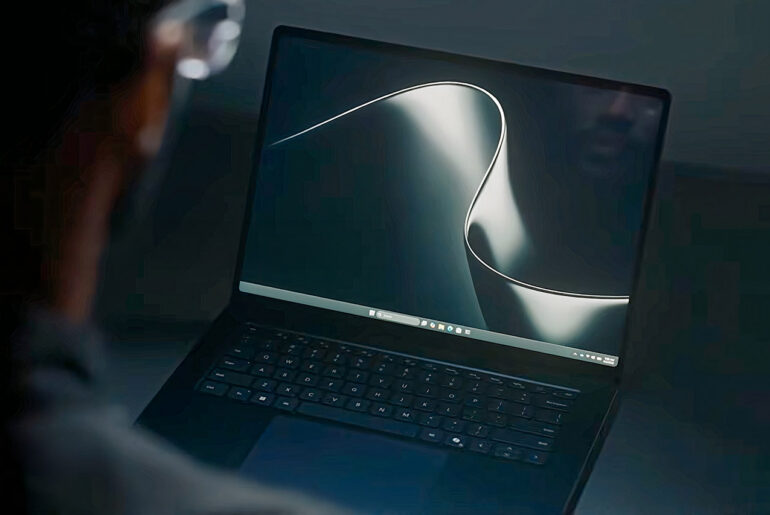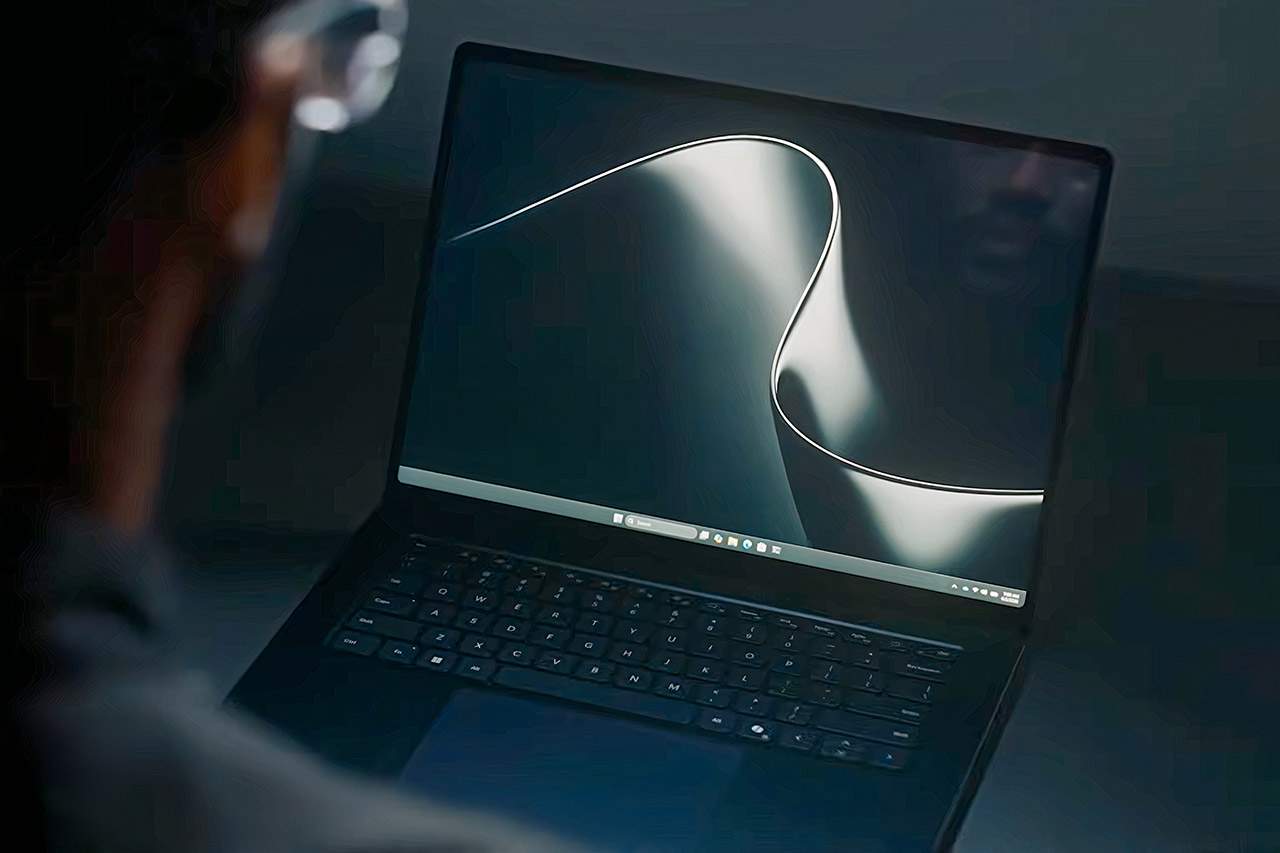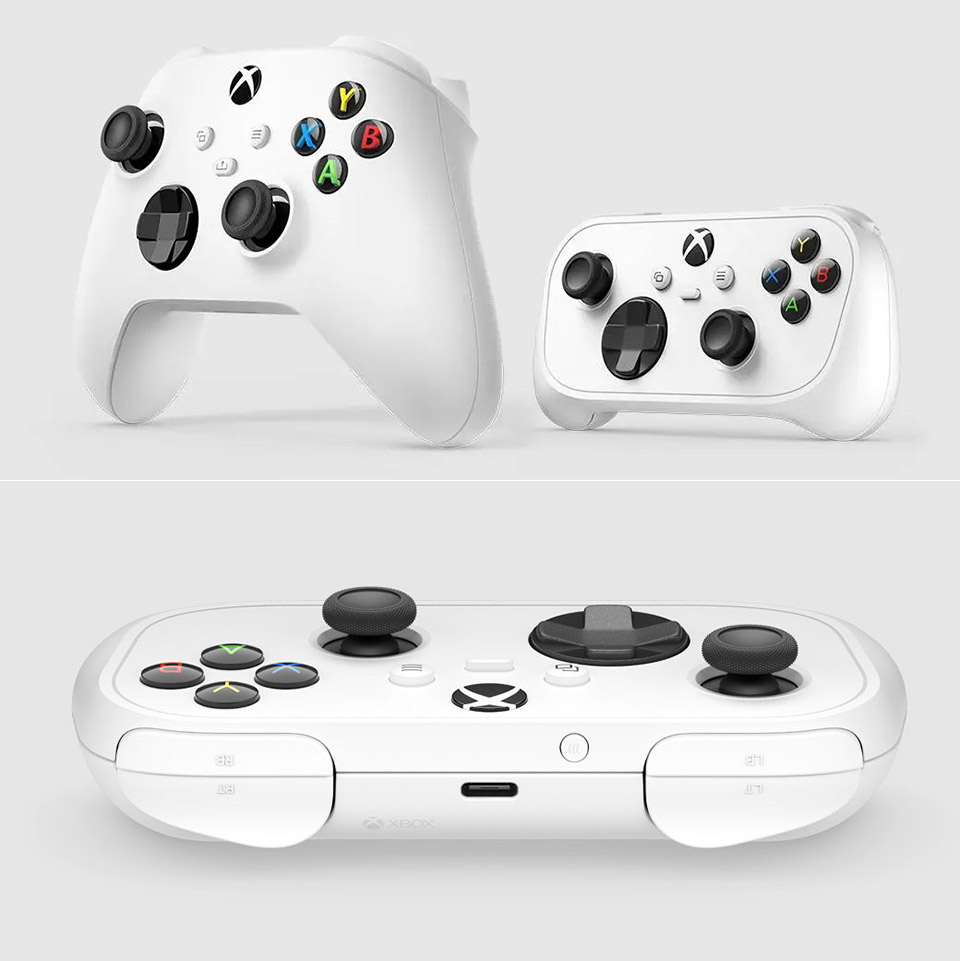
Microsoft used its Build 2026 developer conference to show a different direction for computing hardware. Instead of phones or laptops that run collections of apps, the company presented Project Solara as a platform where AI agents handle tasks directly. The setup targets smaller, purpose-focused gadgets that stay ready in places where pulling out a full device feels awkward or slow.

Childhood afternoons often included loading up Space Cadet Pinball on a family computer running early versions of Windows. That simple game with its space theme, ringing sounds, and satisfying flipper action left a mark on a generation. Years later, one determined builder decided the experience deserved a physical form. CNCDan took on the challenge of turning the digital table into a working mechanical pinball machine. He measured every element from the original game and scaled it precisely. Commercial pinball parts would not match those proportions, so nearly everything began as a 3D printed design.

Developer Throaty Mumbo spent months chasing an idea that started as a simple observation about shared hardware. An old IBM Workpad Z50 laptop relies on a MIPS processor much like the one inside every Nintendo 64. The laptop already ran Windows CE without trouble, so Mumbo wondered what would happen if the same operating system landed on the game console instead. The answer turned out far more complete than anyone expected.

Gamers everywhere just gained a cleaner path to play on their Windows 11 machines. Microsoft started pushing out Xbox Mode on April 30 in select markets, with the update spreading to more users over the coming weeks. This full-screen interface draws straight from the console playbook yet runs on everything from laptops and desktops to tablets and handhelds. Players flip into it when they want games front and center and slip back to the regular desktop whenever they need to check email or open another app.

Microsoft Flight Simulator 2024 will be available on PS5 in April of this year, and there will be no additional cost to enjoy it in Virtual Reality. Sim Update 5 includes the VR mode as well as a few other minor improvements, such as snazzy new avionics and compatibility for five new payware aircraft. Anyone who already owns the game on PS5 will be able to try out the VR feature for free because, let’s be honest, the timing looks promising for a release in the first half of next month.

Microsoft has just launched Copilot Health, a completely new feature of its AI assistant that functions as a health hub, deciphering your medical records and fitness tracker data to identify key health trends. Users get started by simply creating a dedicated tab in Copilot and give authorization to import data from the appropriate sources.

Photo credit: Video Games History
The original Xbox prototype made a comeback appearance at GDC 2026, generating a lot of interest as part of a larger Microsoft exhibit showcasing Xbox history. That first concept design was originally shown at the Game Developers Conference in March 2000, just as the company was about to enter the console market.

Microsoft’s Project Silica has reached a significant milestone in its goal to develop ultra-long-lasting storage that can survive for generations. Researchers in the field have just published a paper in Nature outlining a major breakthrough in the approach, as they are now using good old-fashioned kitchen cookware glass, such as that found in an oven door or a Pyrex dish, rather than super-specialized glass that is far too expensive for the job.

The Microsoft Cordless Phone System debuted quietly in late 1998, marking the company’s first move into hardware. It plugged directly into a Windows PC, aiming to combine ordinary calls with the power of home computers. This product was launched on October 6th, and by November, it was available in stores for an anticipated price of $199.95 ($395 today).