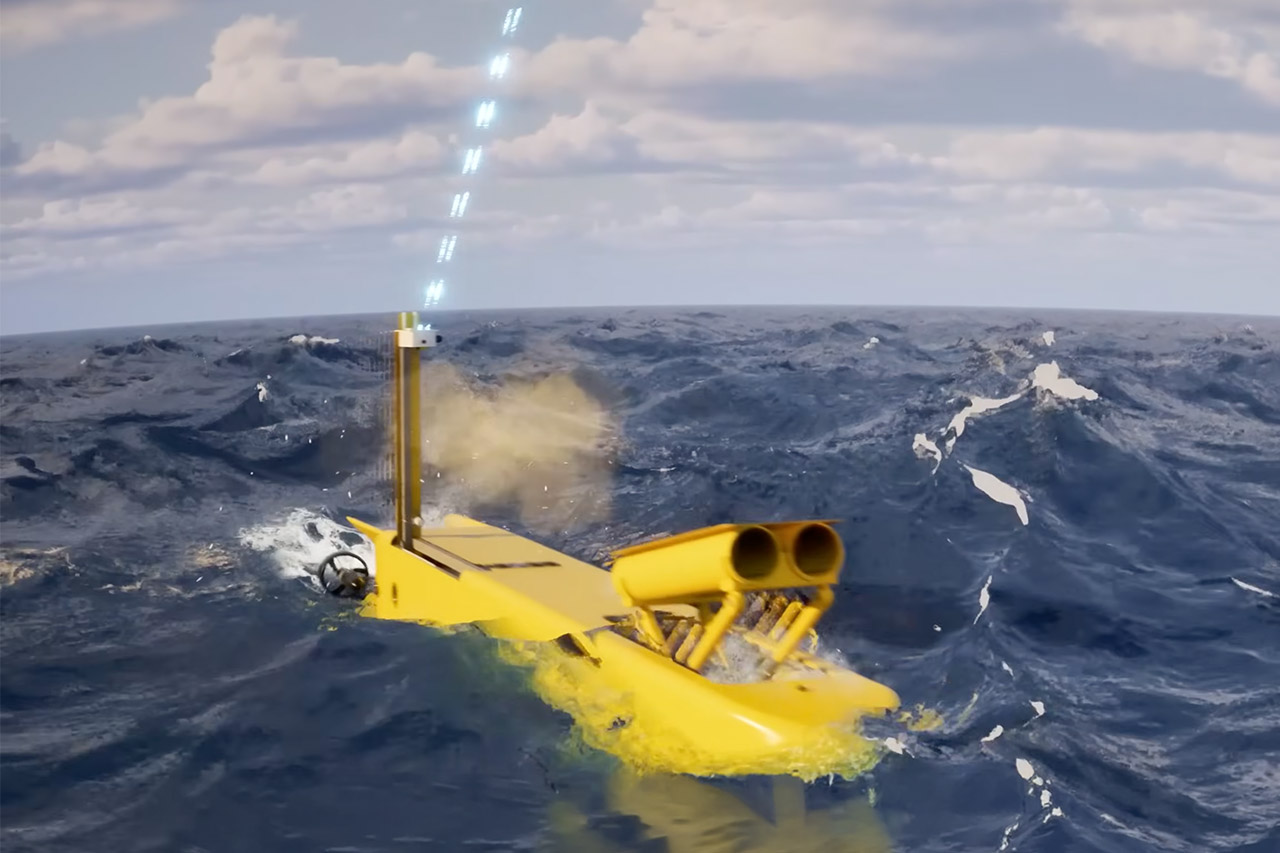
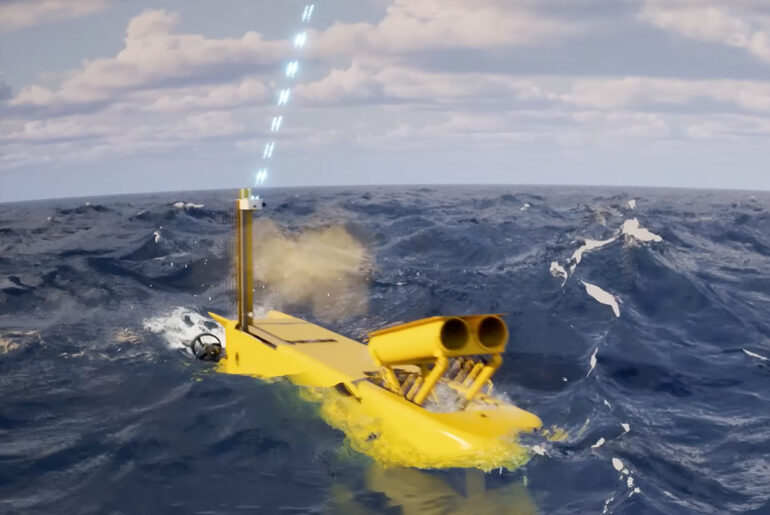
Lockheed Martin’s Lamprey Multi-Mission Autonomous Undersea Vehicle (MMAUV) challenges traditional methods for operating underwater drones in adverse environments. This stealthy autonomous vehicle attaches to a larger ship or sub, travels quietly to remote locations, and is ready to enter without using up its own power.
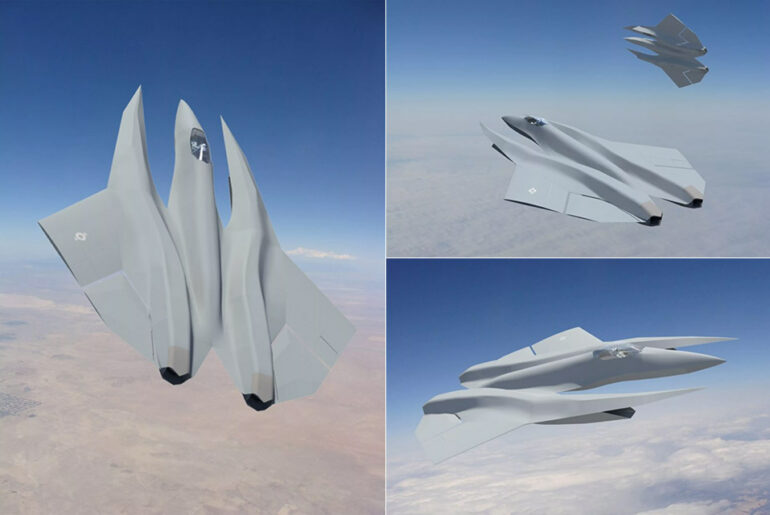
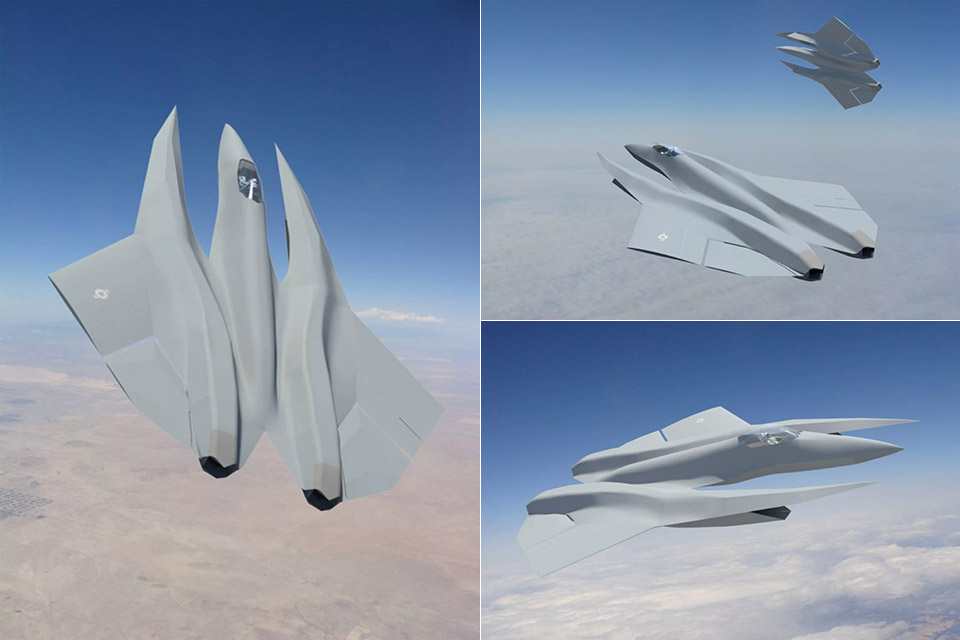
Stavatti Aerospace showcased the SM-39 Razor, which they hope will eventually replace the US Navy’s Carrier Air Wing mainstays. The Stavatti team genuinely believes their aircraft should be capable of filling the roles currently occupied by the F-22 in air superiority, the F-15 in long-range strikes, the F/A-18E/F in multi-role carrier duties, and even older designs such as the F-14 Tomcat, the venerable SR-71 Blackbird in intercept mode, and the A-6 Intruder in attack mode.

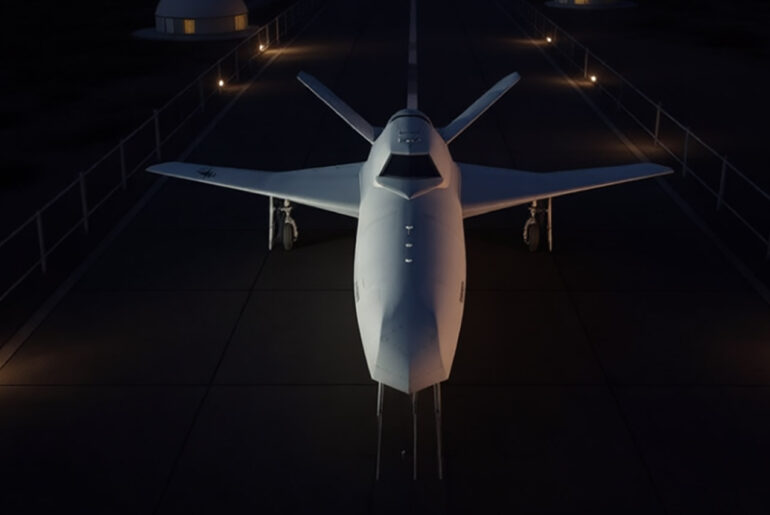
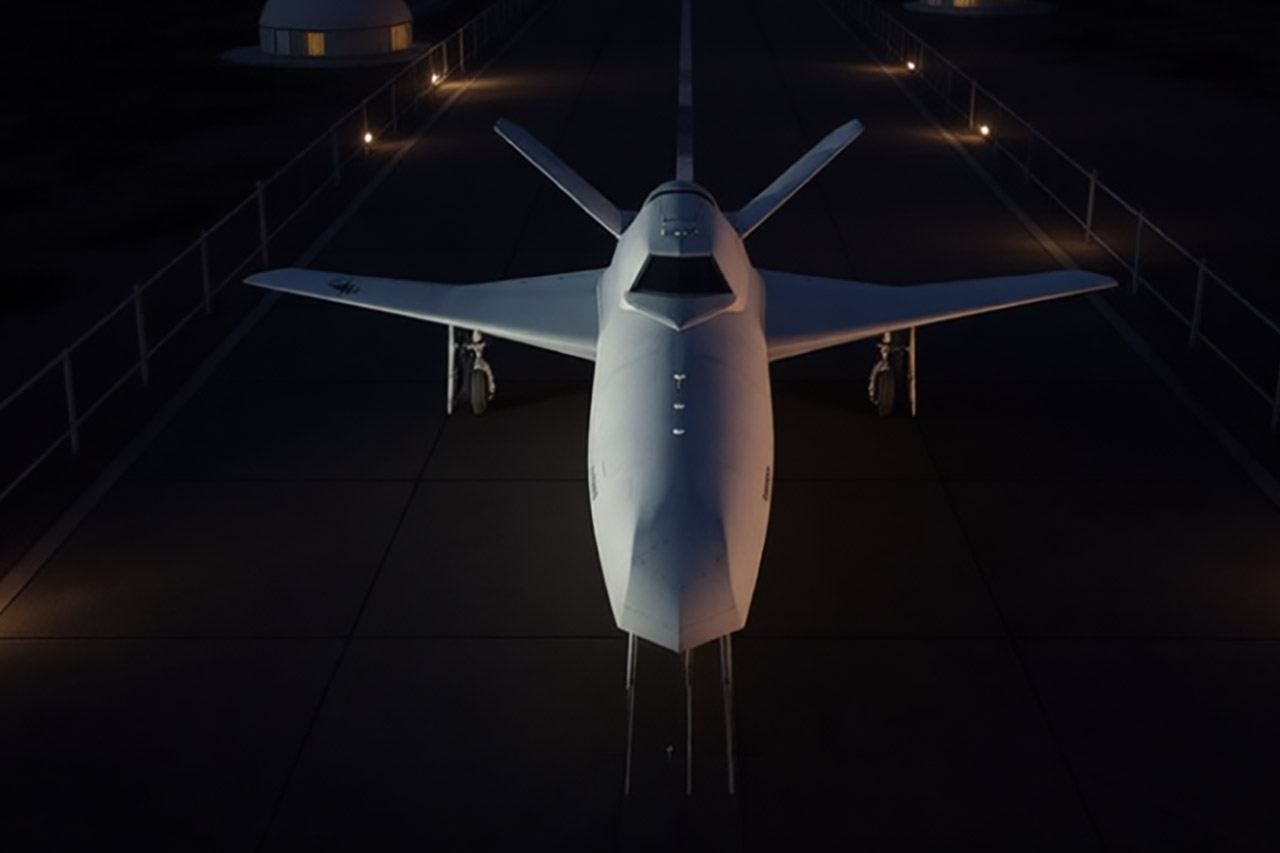
Northrop Grumman unveiled Project Talon in the vast hangars of the Mojave Air and Space Port in the California desert. This unmanned aircraft is ready to team up with fighter jets, transforming solo missions into coordinated raids that protect pilots and provide them a competitive advantage. Northrop’s engineers and the magicians at Scaled Composites have been pounding this prototype into shape over the past 15 months, and in just nine months, it will make its first flight.

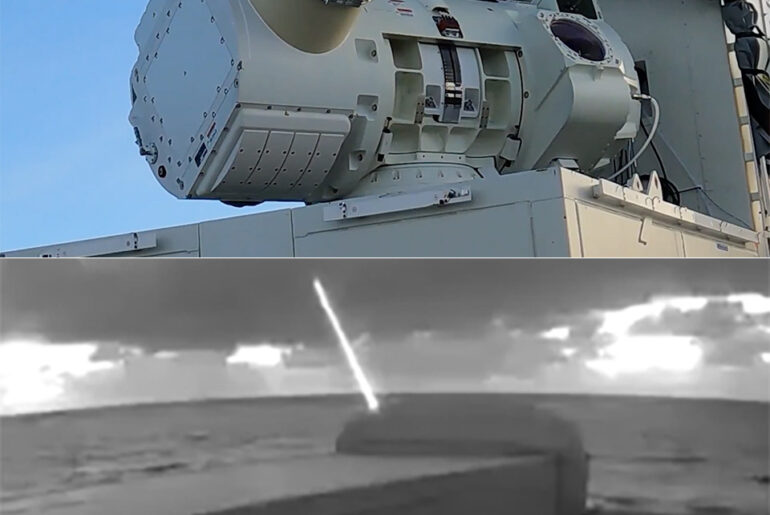
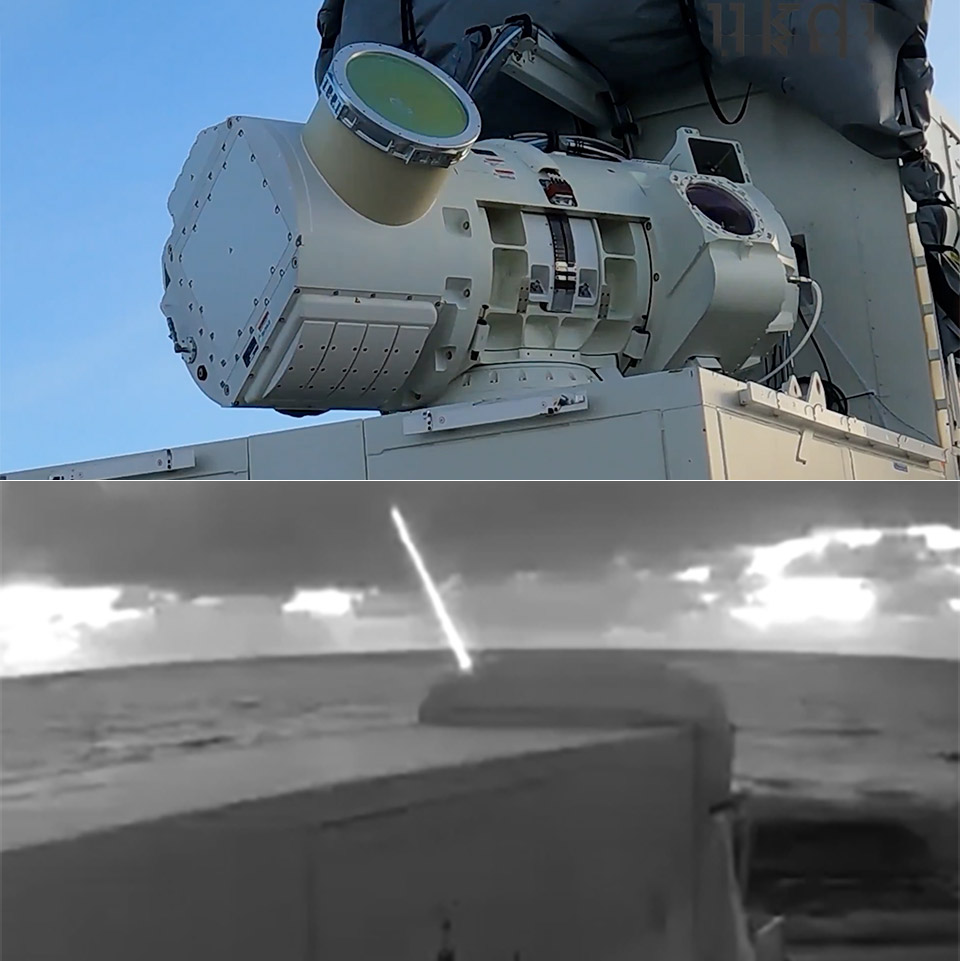
On November 20, 2025, Britain’s DragonFire laser targeted drones flying through the air at 650 km/h, twice the speed of a Formula One car along Scotland’s Hebrides Range, and brought them down with precision. Engineers from MBDA, QinetiQ, and Leonardo watched as their brainchild worked its magic once more, identifying, tracking, and disabling objects that resembled the fast-moving dangers already common on the battlefield. DragonFire is five years ahead of schedule and one step closer to being deployed on Royal Navy ships.

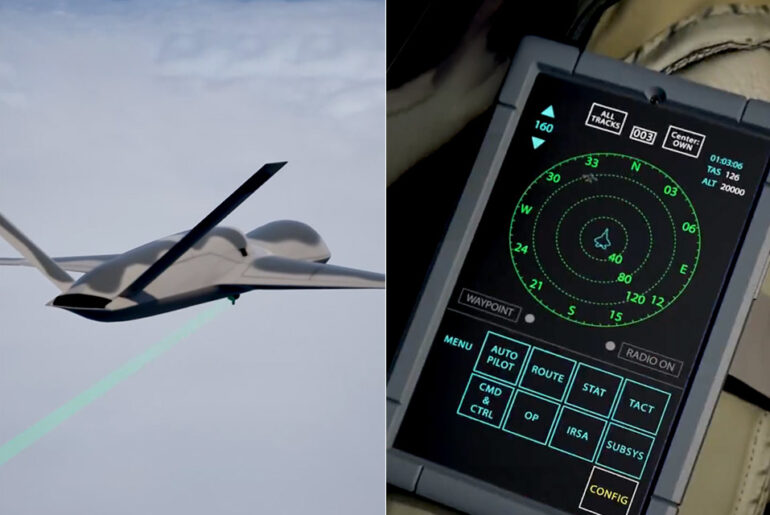
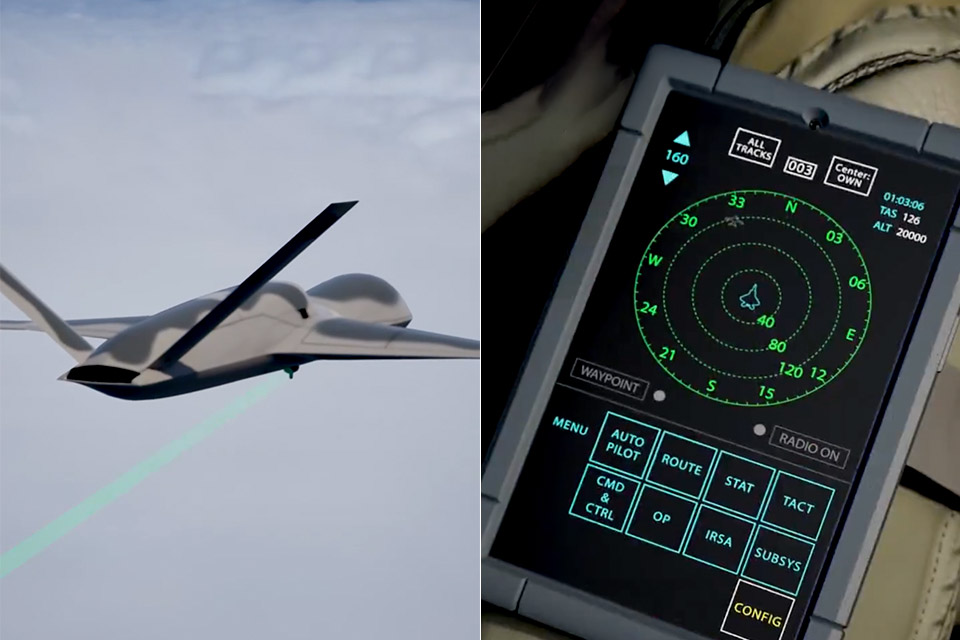
Lockheed Martin’s Skunk Works engineering team knocked it out of the park earlier this month. An F-22 Raptor hurtling through the Nevada sky at breakneck speeds was communicating with an unmanned drone from inside the cockpit. The pilot flew the fighter with ease, commanding the drone’s motions from the plane’s seat. This test flight was a first for a fifth-generation aircraft, since it seized full control of a loyal wingman while still airborne.

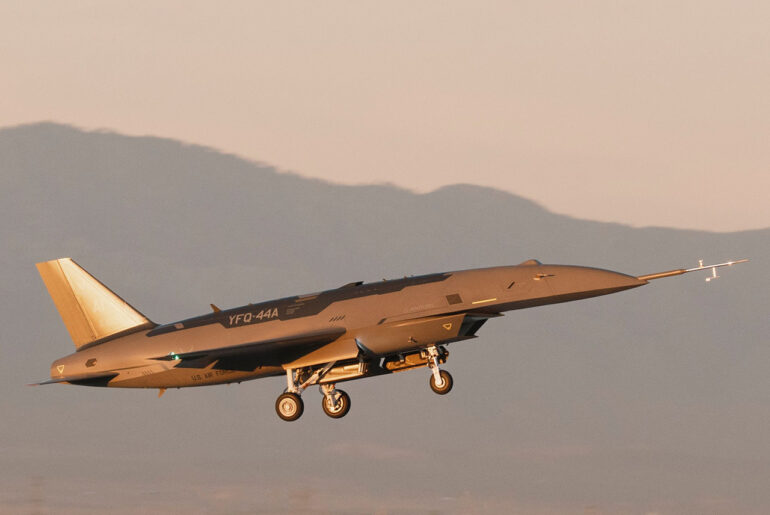
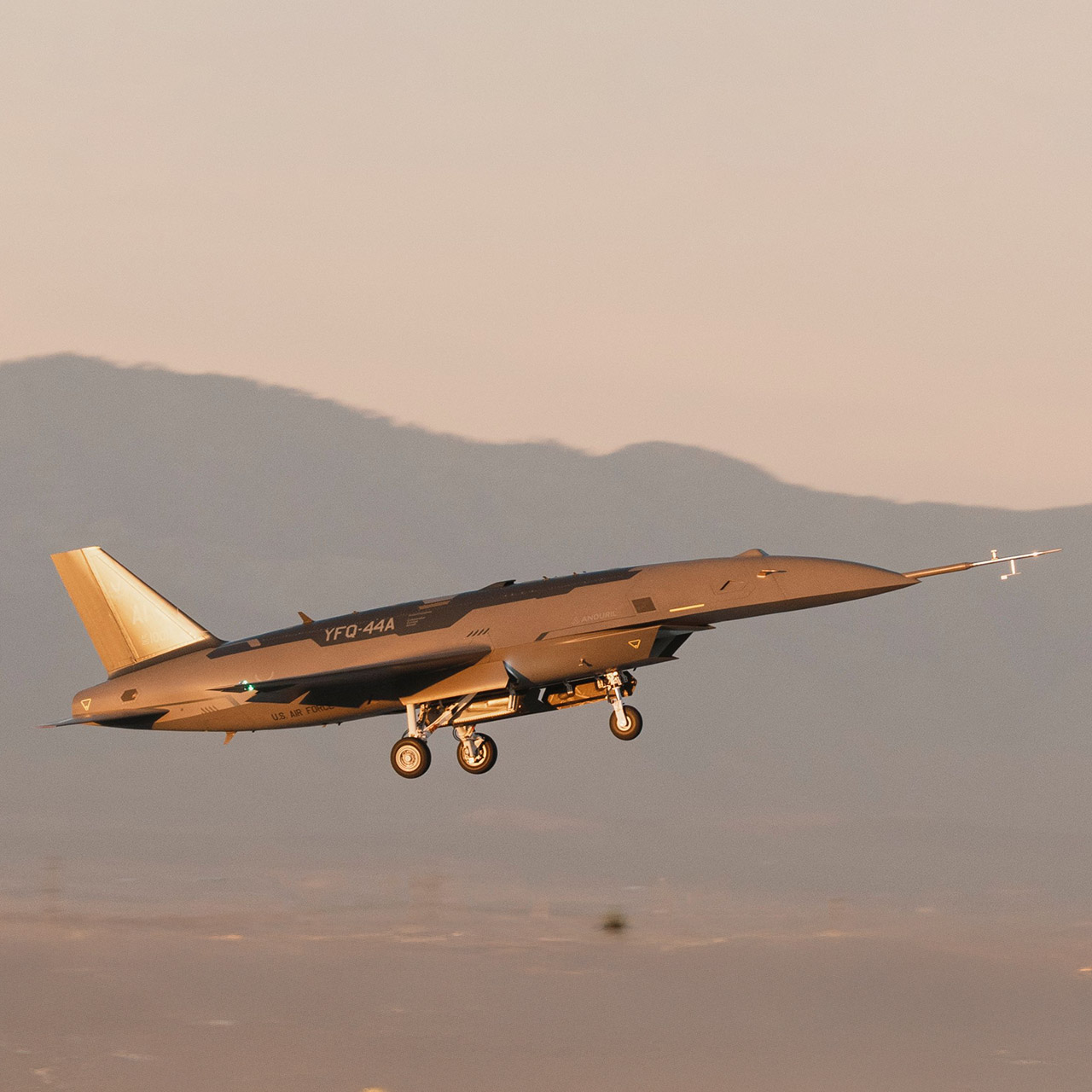
Late October is typically a quiet time in aviation, but that was not the case at a California test site. A sleek matte gray jet with a mostly empty interior took off from Victorville’s runway, rose slowly, and was able to negotiate its own path through the sky without even a remote pilot at the controls. It was a historic event; no one was inside, and the entire route had essentially been left in the hands of the YFQ-44A, also known as Anduril’s Fury.

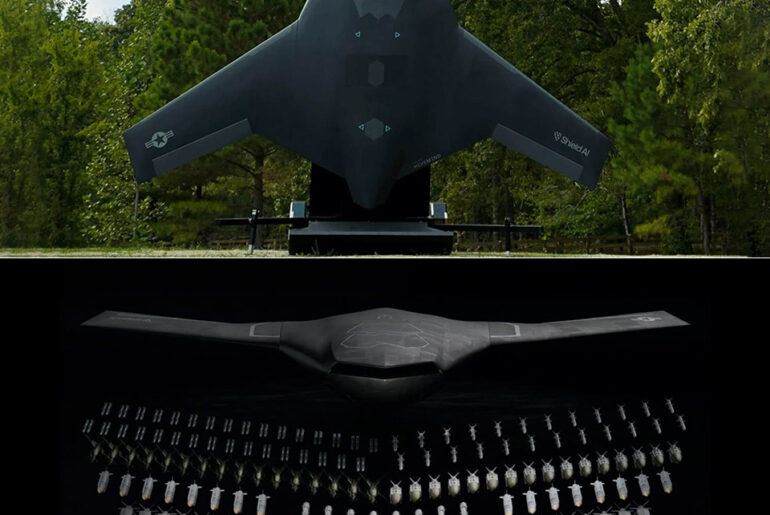
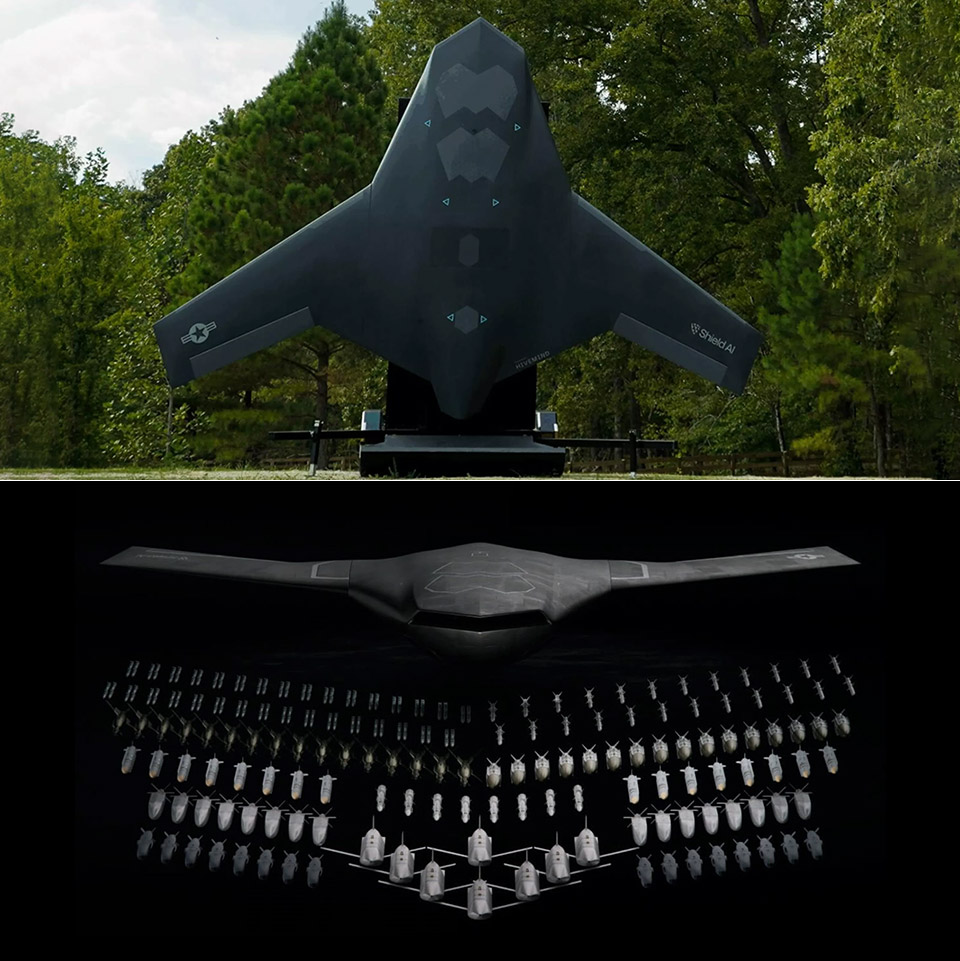
Shield AI debuted its latest creation Wednesday in front of a crowd of military leaders, lawmakers, and industry watchers in Washington, D.C. The company already received a $200 million contract from the US Coast Guard last year for their smaller V-BAT scout drone, but the X-BAT puts them in heavier ground, literally: it’s a Group 5, the biggest class of unmanned aircraft, weighing more than 1,320 pounds.

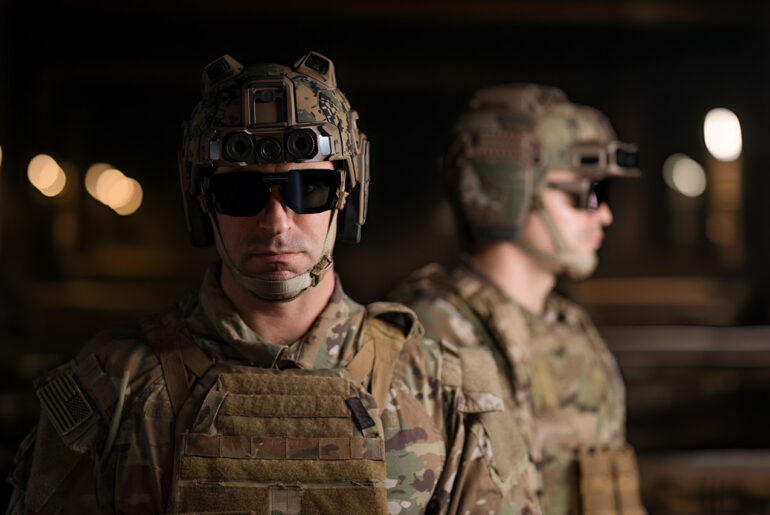
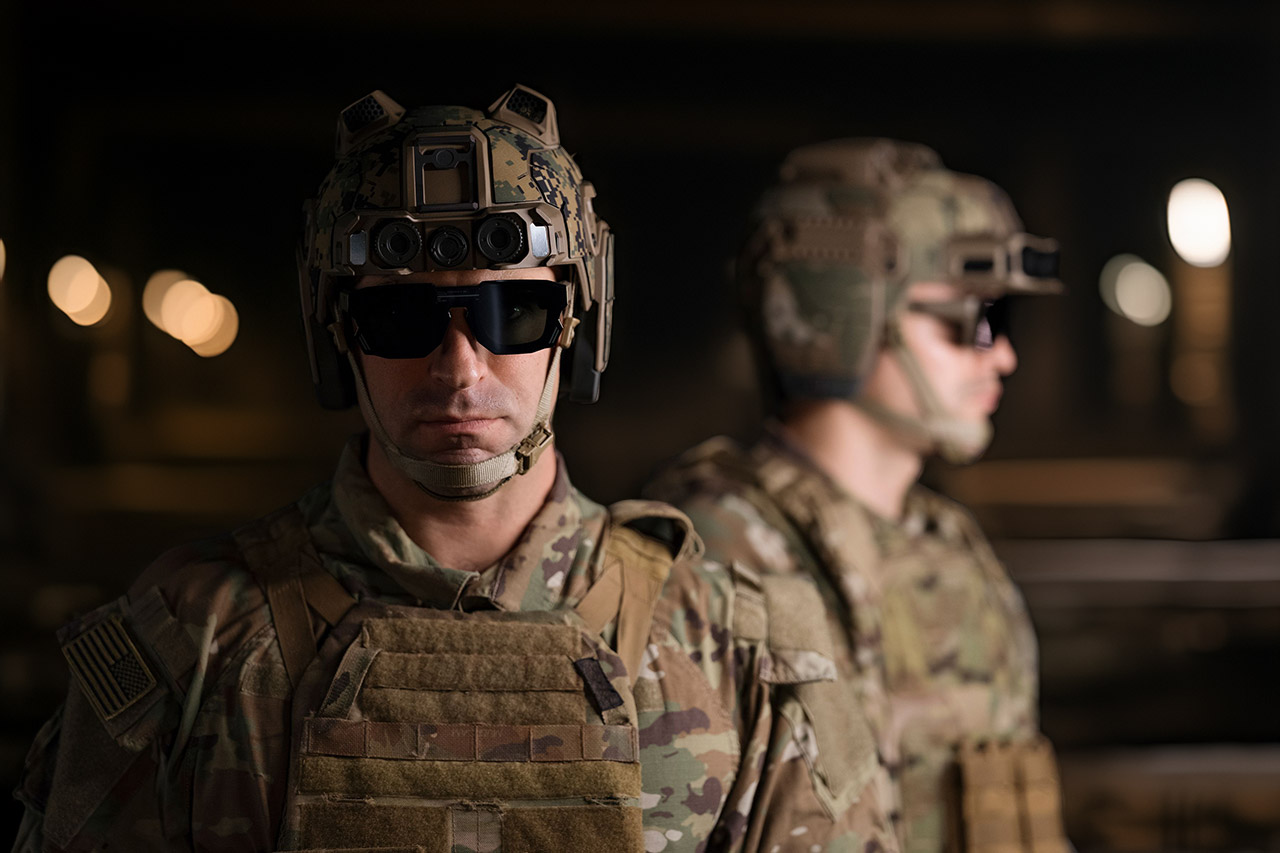
Palmer Luckey stands in a Washington, D.C. conference room getting some sunlight, fiddling with a couple of high-tech glasses that look a lot like something you’d expect to see a fighter pilot or mechanic wearing . These are prototypes for EagleEye, the latest foray into wearable battlefield tech from Anduril Industries. Now the guy who kickstarted the whole virtual reality thing with Oculus in his parents’ garage way back in the day, Luckey has been circling around to this exact point for years.

Lockheed’s Sikorsky engineers began with a leftover US Army UH-60L Black Hawk. They purchased the helicopter earlier this year and converted it into something altogether new: the S-70UAS U-Hawk, an autonomous aircraft. The entire project, from initial sketches to a working prototype suitable for presentation, took only 10 months.