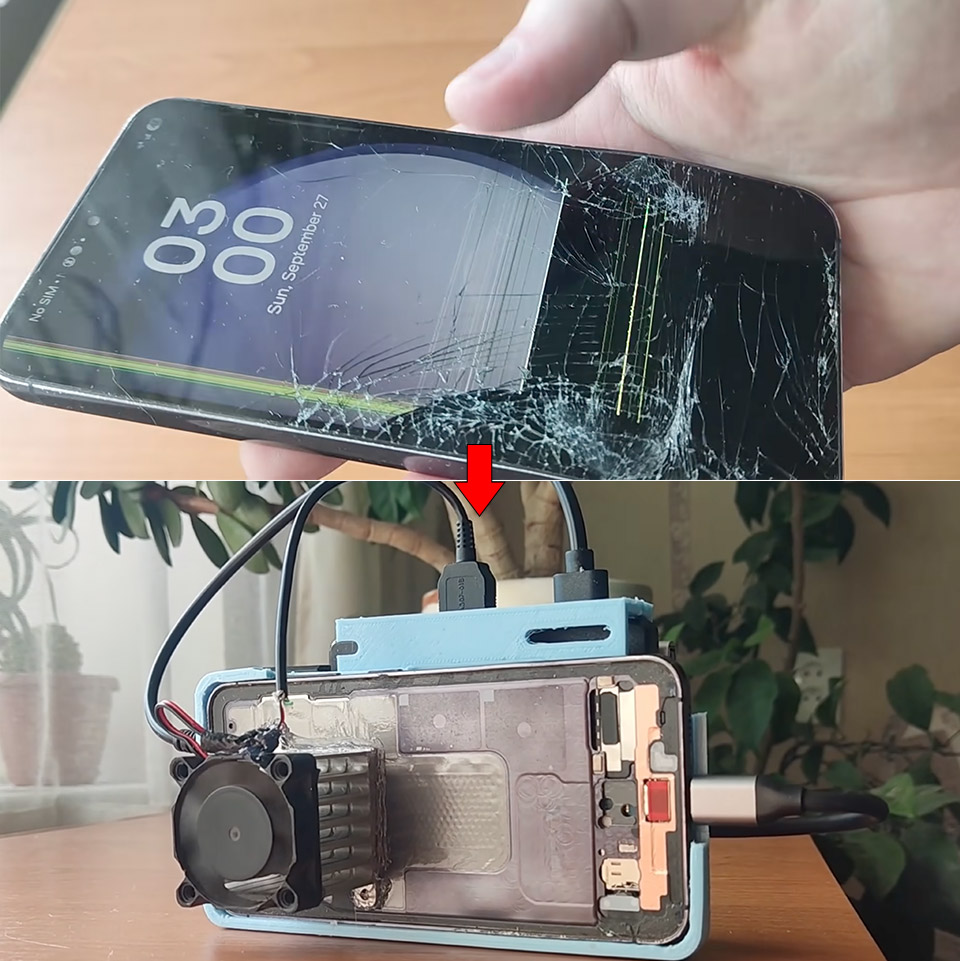
Most people treat a phone that looks like it lost an argument with traffic as scrap. LastComputer paid about forty dollars for one anyway. The listing came to 1,700 Ukrainian hryvnia, and a carrier lock kept the price down because nobody was going to drop a SIM in it again. This Samsung Galaxy S23 arrived bent in half, back cover smashed, battery squished, and still willing to boot.
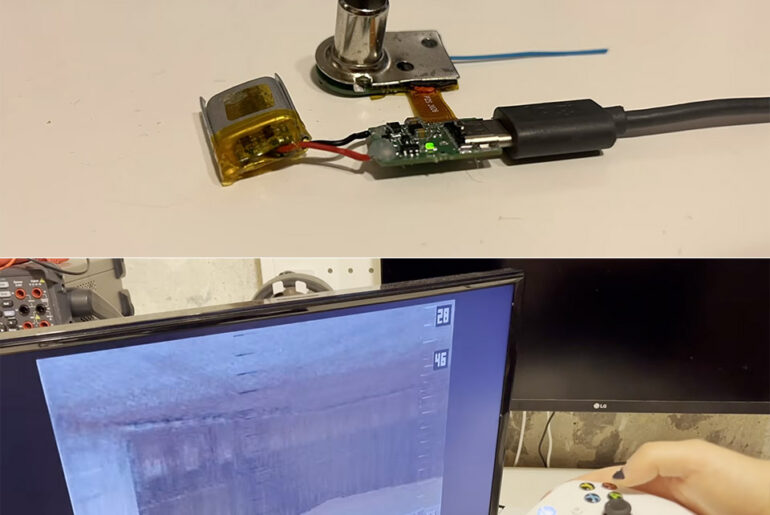
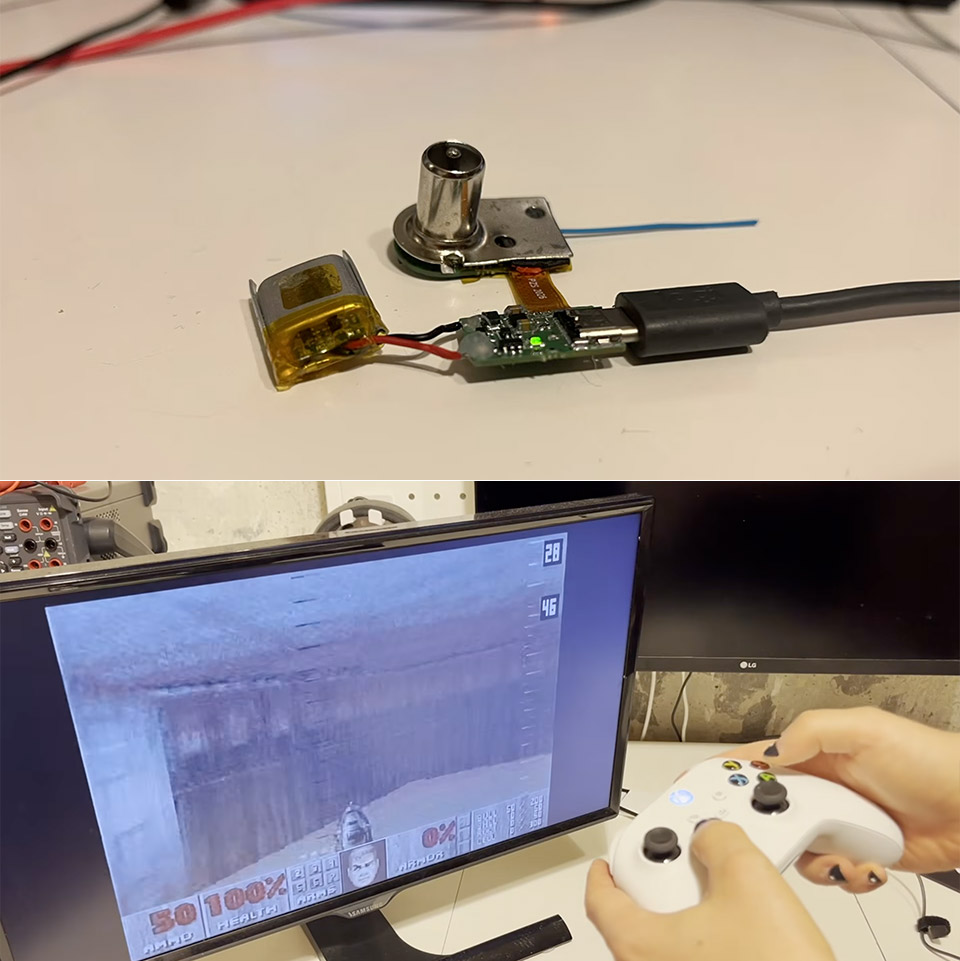
RayTriangle built a game console small enough to live inside a 9.5 mm Goobay antenna plug, the sort of screw-terminal adapter once used to join old 300 ohm ribbon cable to a 75 ohm television socket. Battery included, the whole machine screws into the antenna jack and puts DOOM on the screen.

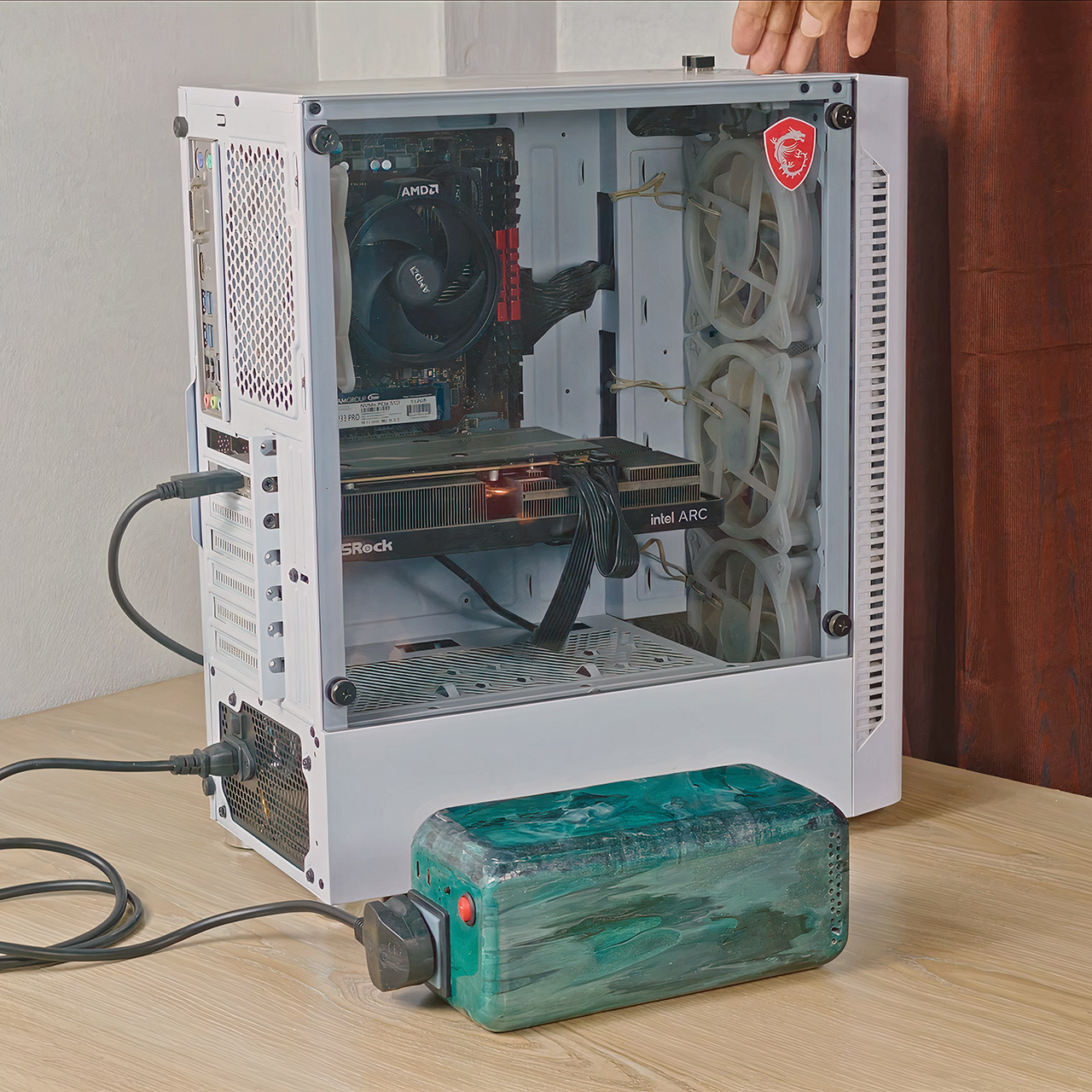
Four brick-shaped lithium iron phosphate cells, each rated 3.2 volts and 15 amp-hours, sit in a row and form the whole energy store of a homemade power station small enough to close a hand around. Wired end to end, they make a 12.8-volt pack that climbs to 14.6 volts when full and holds about 192 watt-hours. A 100-amp battery management board watches cell voltage, balances the four cells, and cuts the circuit on overcurrent or a short. Spot-welded nickel strips, stacked so the joints can carry the current, tie the pack together. Cells of this chemistry tolerate a 3C discharge, which on paper means up to 45 amps, and they are rated for more than 3,000 charge cycles with less fire risk than the lithium-ion packs common in phone banks.

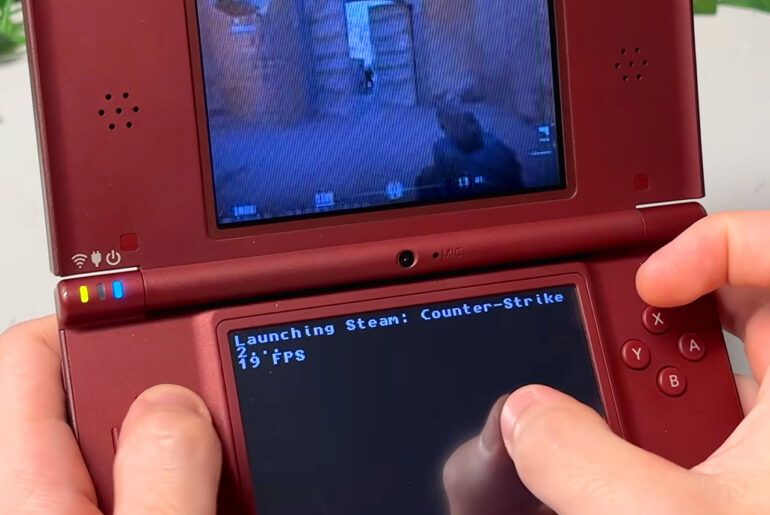
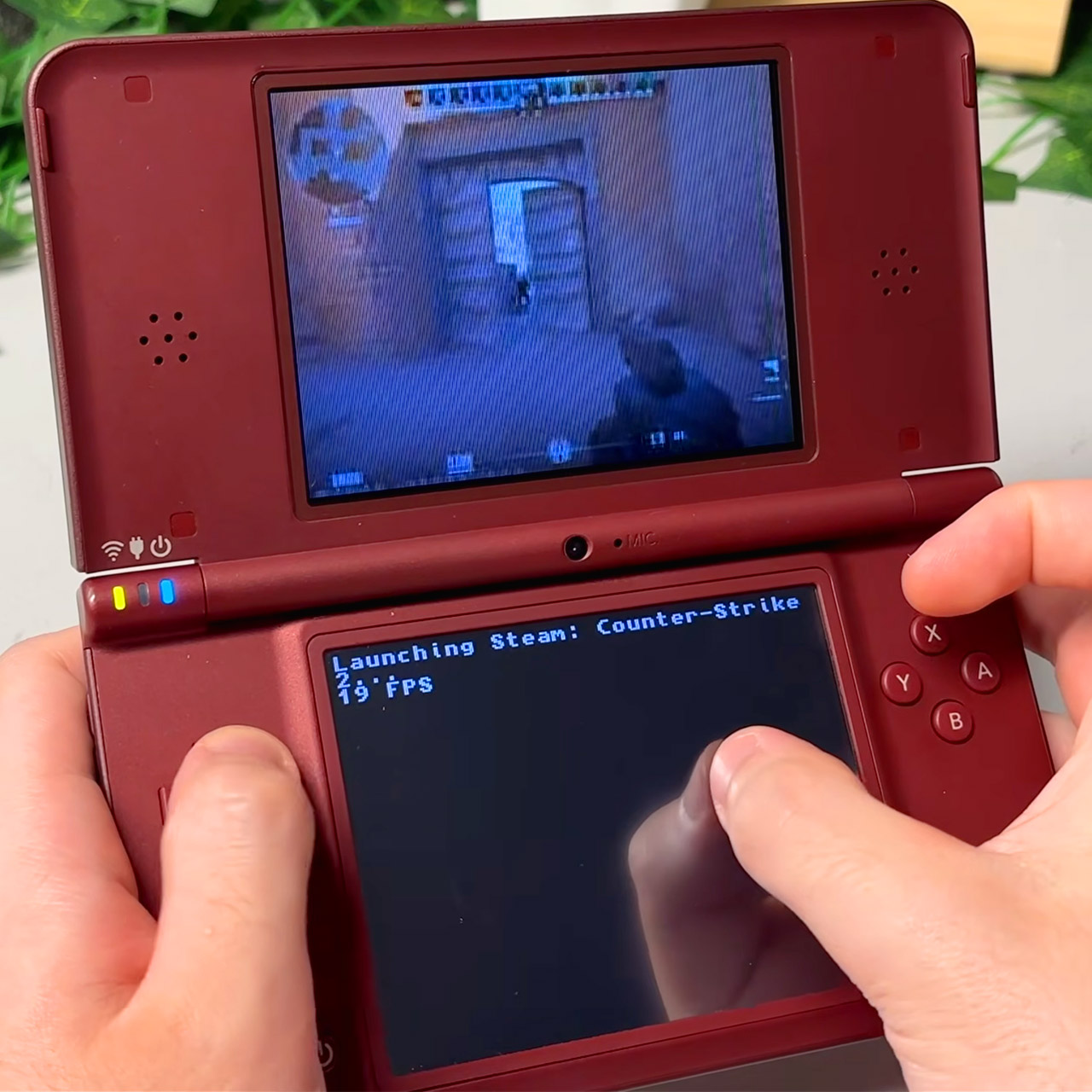
Across the room from a Linux PC, a Nintendo DSi is drawing Minecraft Java Edition on a pair of 256 by 192 screens that first shipped in 2008. Counter-Strike 2 shows up the same way. Video decoding happens on the handheld. A server on the computer only has to capture a window, squeeze each frame into a JPEG, and send the pile across the local network.

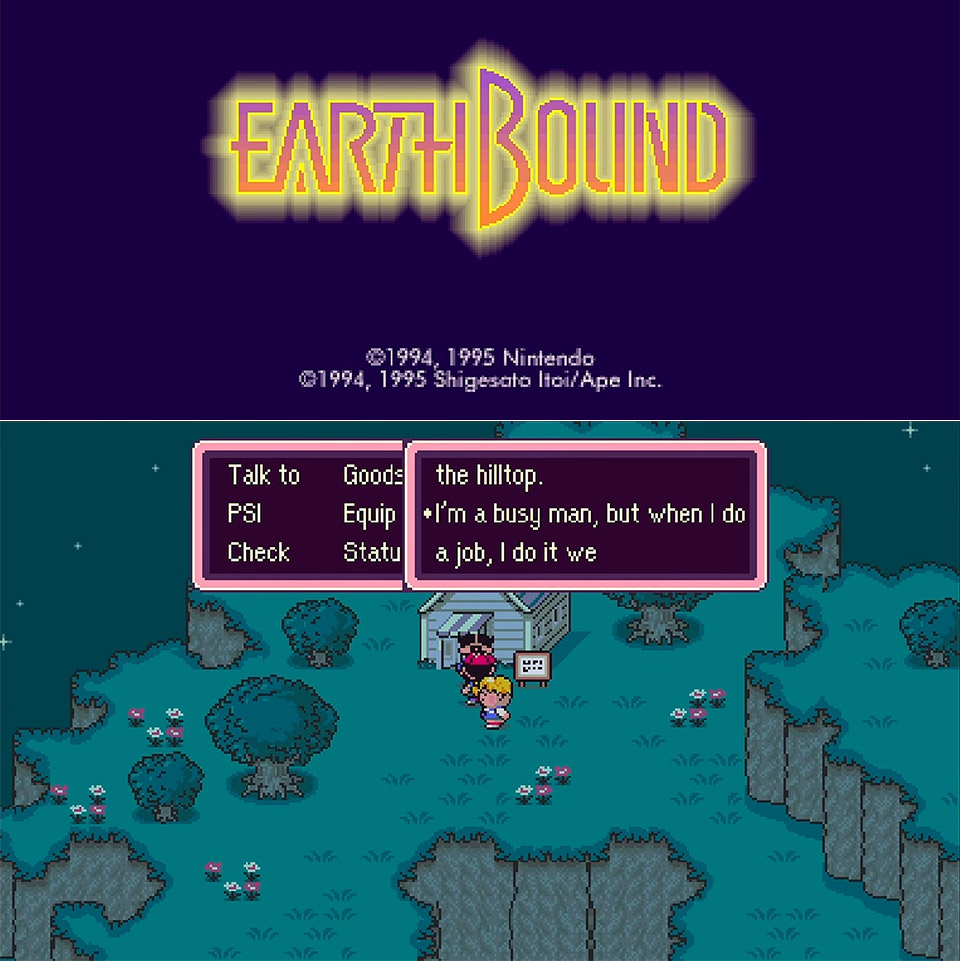
Ness, Paula, Jeff, and Poo can now walk Onett on a desktop, and the program that takes them there shares a name with the time machine Dr. Andonuts built for the end of the game. Phase Distorter, written by a developer going by TheRunaway5, is an unofficial native port of the 1994 Super Nintendo role-playing game EarthBound and its Japanese release, Mother 2. Version 0.2.1 went out on October 4, 2026, as a development build for Windows and Linux, and write-ups followed within a couple of days.

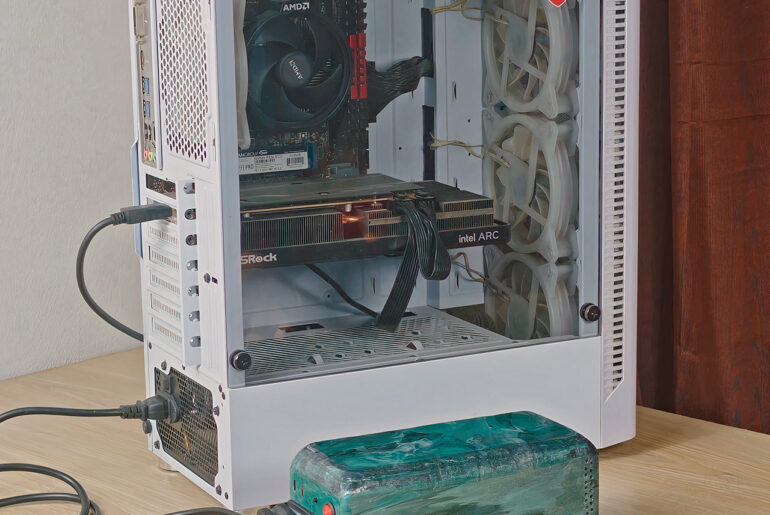
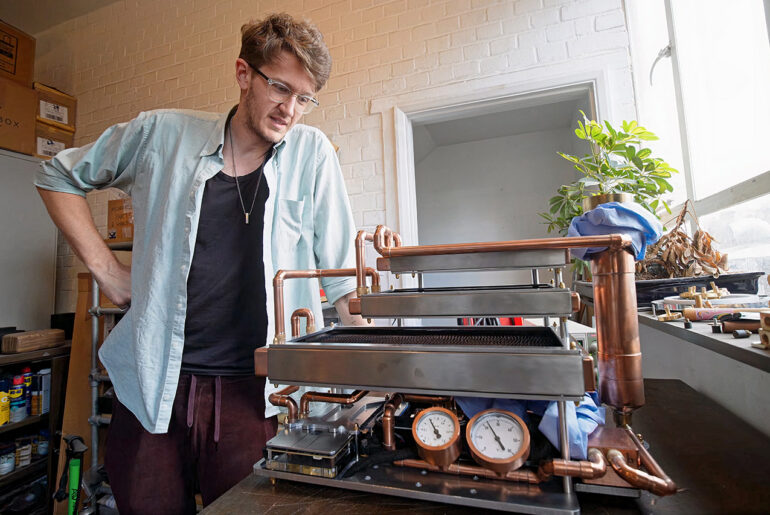
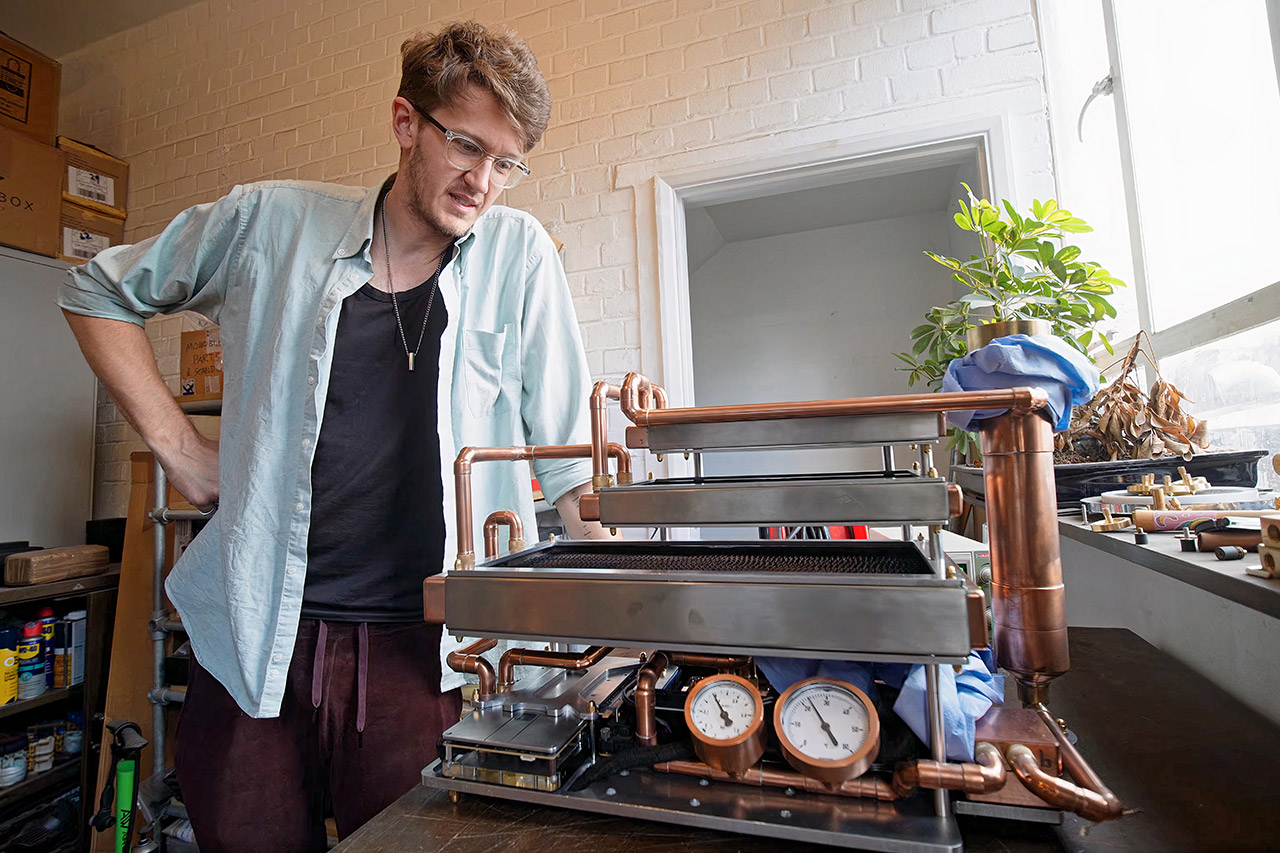
Felix at Billet Labs set out to park a real gaming PC in a living room and leave the fans off. A Ryzen 9 9800X3D and an RTX 5080 share a Gigabyte AORUS Pro B850 board, fed by a 600 watt Flex ATX supply, and the pair can pull well past 500 watts once a demanding game settles in. Air coolers handle that load by moving a lot of air. Moving a lot of air makes noise. An earlier attempt had hung the same idea on a cast iron radiator and ended near 100 kilograms, so this version started over on a hand-worked aluminum block that brings the finished machine down to about 15.7 kilograms once the loop holds roughly two liters of water.

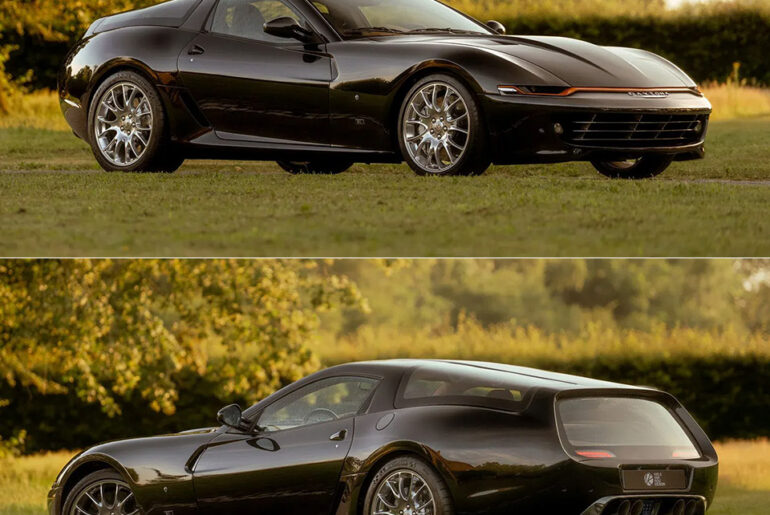
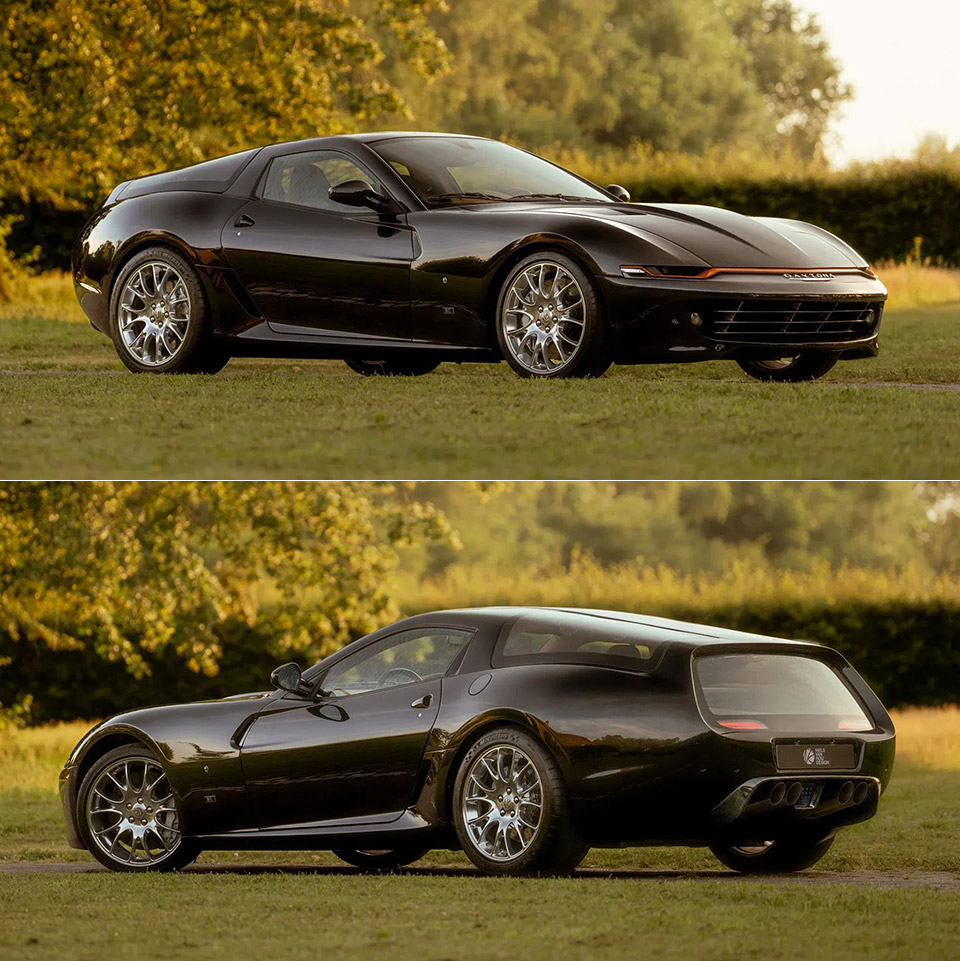
Broad Arrow will offer the only Daytona Shooting Brake Hommage this Friday at the Zoute Concours Auction in Belgium, lot 172, with an estimate of $450,000 to $650,000. Dutch studio Niels van Roij Design spent about 15,000 hours on the car, a one-off coachbuilt body on a 2009 Ferrari 599 GTB Fiorano, chassis ZFFFD60B000160781, with 43,802 km recorded at cataloguing. Its public debut came July 8 on the lawn at the Royal Automobile Club, Woodcote Park, while the mechanical parts stayed as Ferrari delivered them.

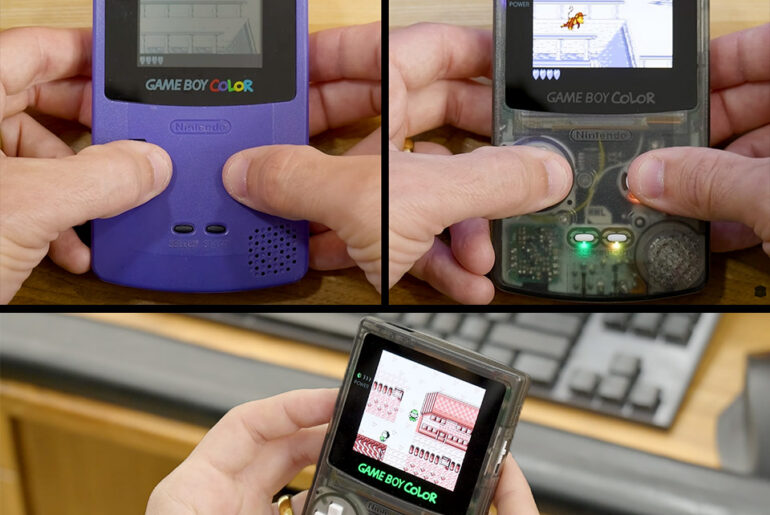
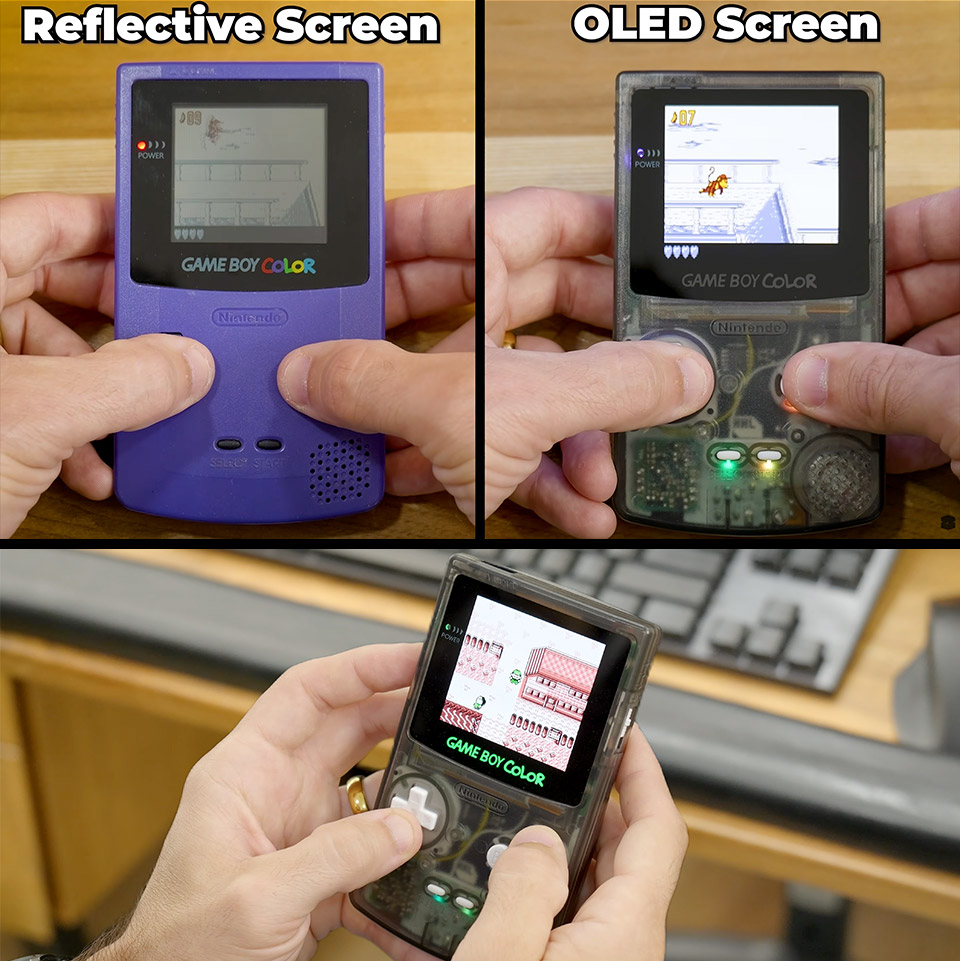
Zac Builds wanted a Game Boy Color that still looked like the 1998 handheld and behaved like something you would actually carry in 2026. His latest project walks through that job on a working donor board, the one part he treats as non-negotiable. Almost everything else can come from current reproduction kits, so a battered shell and a tired screen do not end the project.
![]()
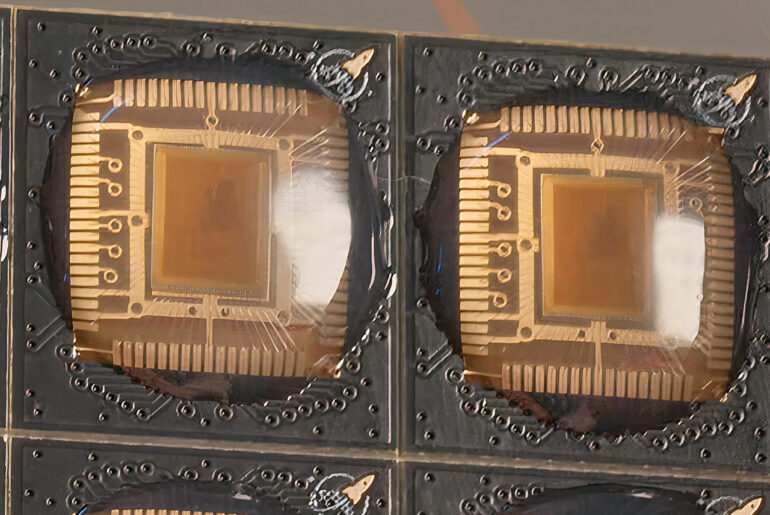
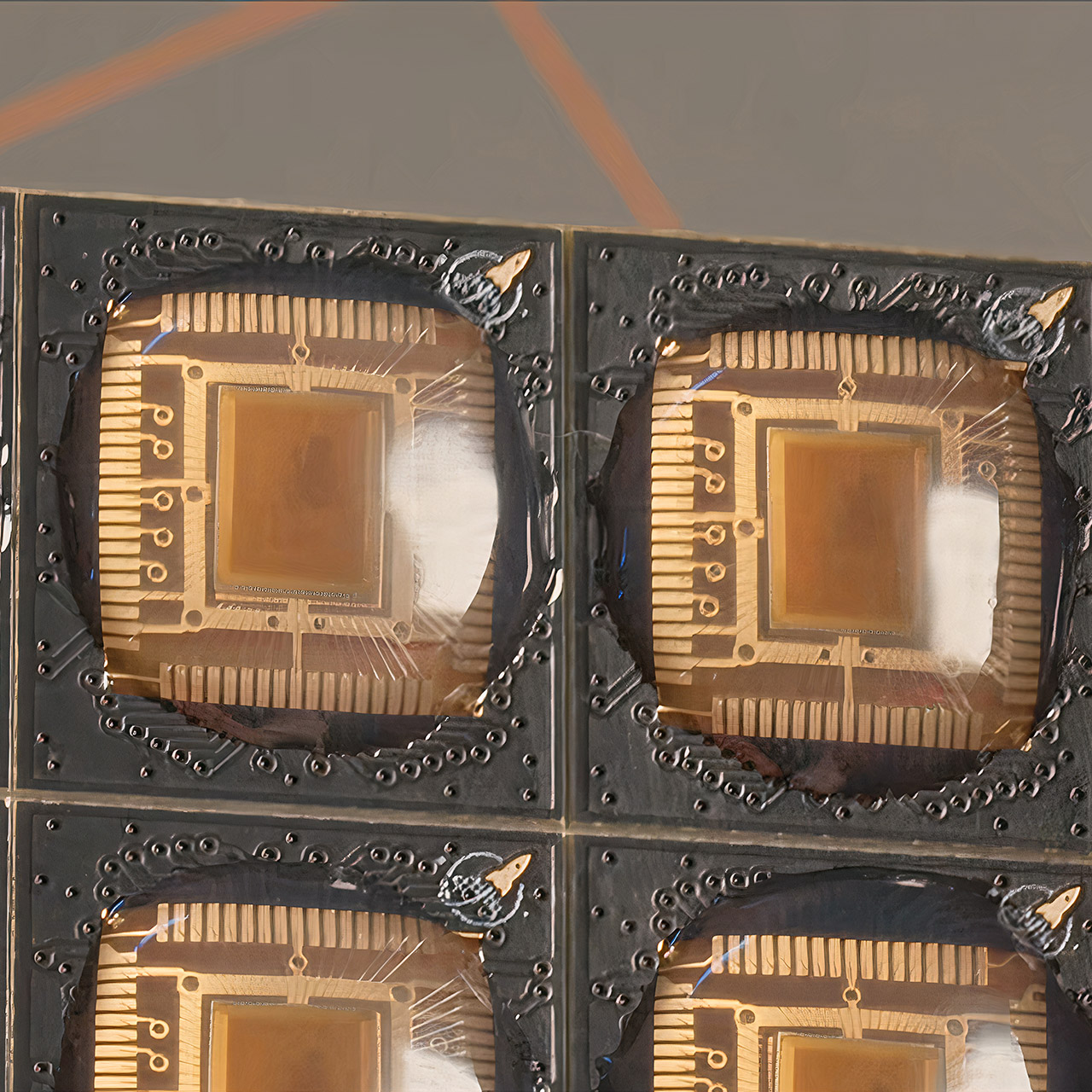
Zachary Tong had never designed a chip. He had never programmed an FPGA either, and he will tell you his electrical skills were rough. With about a month left before the first wafer.space deadline, he still decided to write a microprocessor, send the file to a real foundry, and wait to see if silicon came back alive.

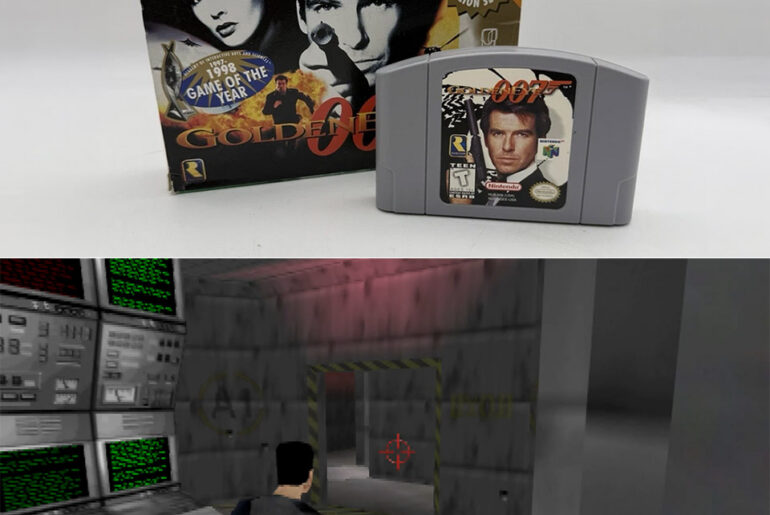
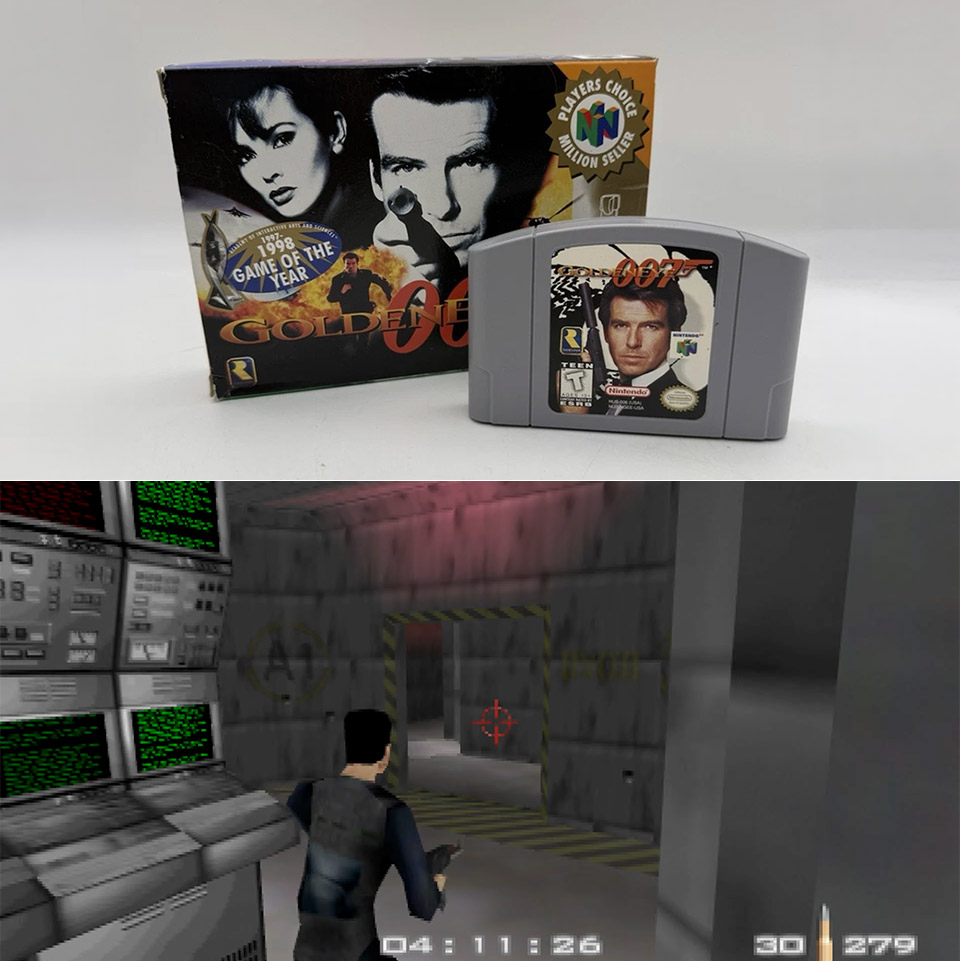
Joshua-1248 spent the late stretch of September pushing a public snapshot of GoldenEye 007 Plus, a fork of the fully decompiled Nintendo 64 source that can place James Bond on screen for an entire mission. Footage from Graslu00, shot on an Analogue 3D and confirmed to run on original hardware, walks Silo, Bunker I, and Surface I with the camera sitting behind Bond instead of inside his eyes.