
Tyler Fever of Prop Department already cut a Ford Festiva into the thinnest street-legal car possible. For the follow-up he reversed the idea and produced a version that measures exactly ten feet from one side to the other. Three more of the little 1988 hatchbacks served as donors, each purchased for roughly $250, so the whole starting collection stayed cheap while still supplying enough parts and metal.

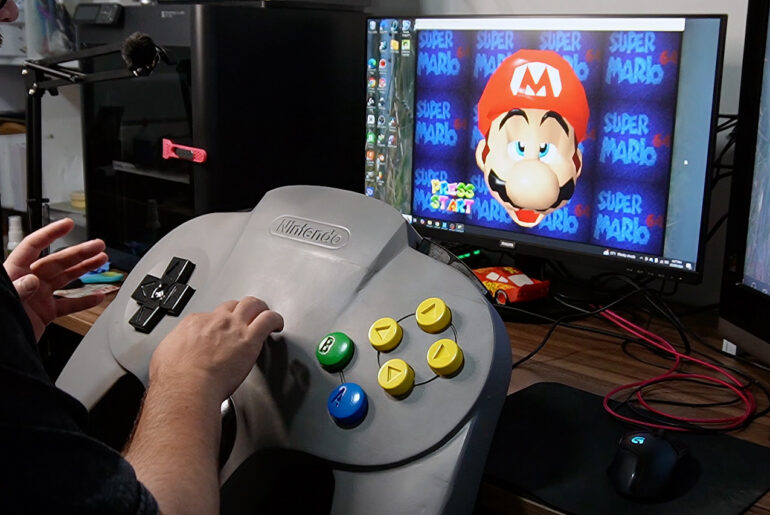
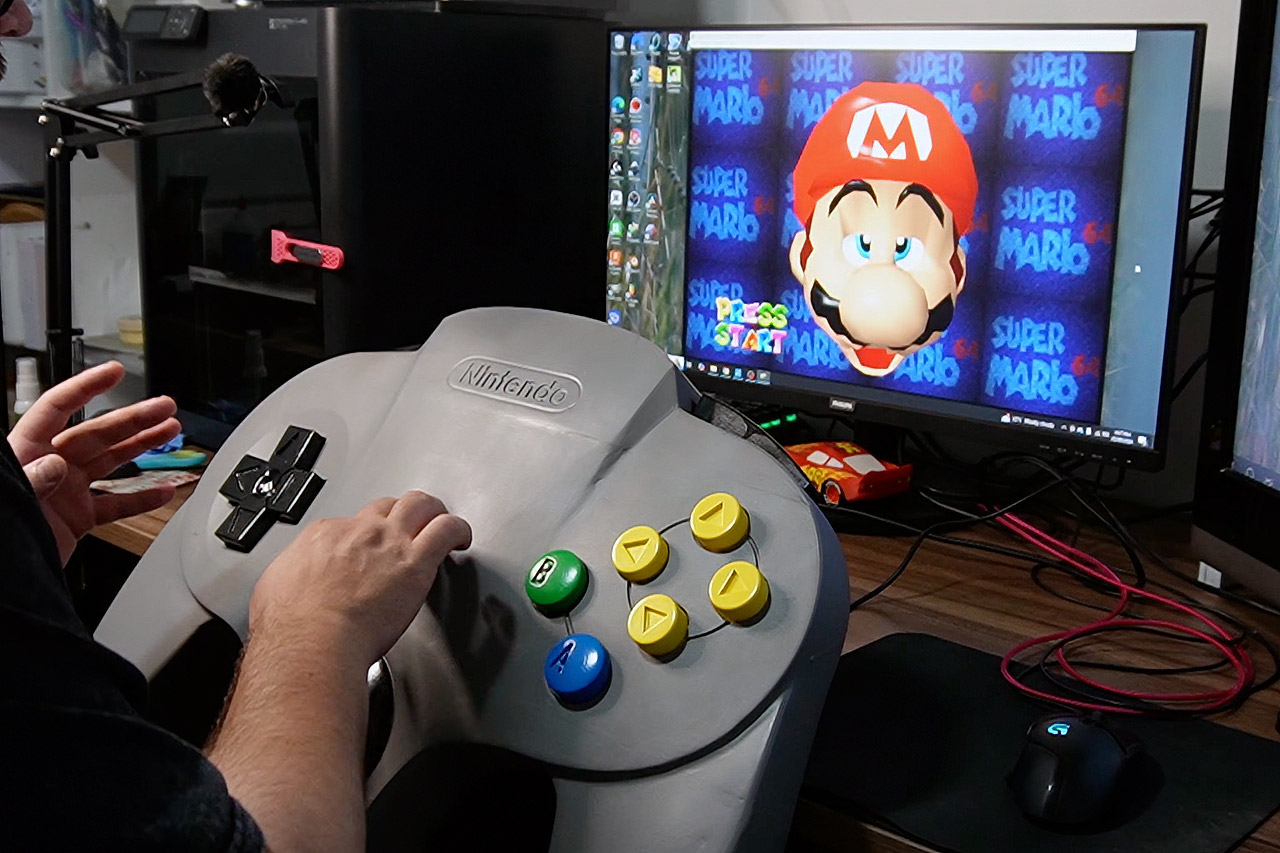
Nintendo 64 controllers already look chunky next to modern pads, with three grips and a stick planted in the middle. ChaosBench took that layout and enlarged it until ordinary button presses turned into arm movements that require real force.

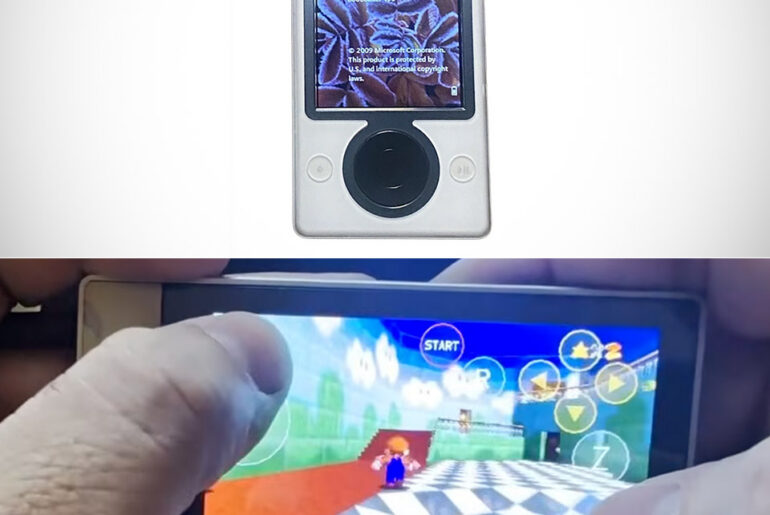
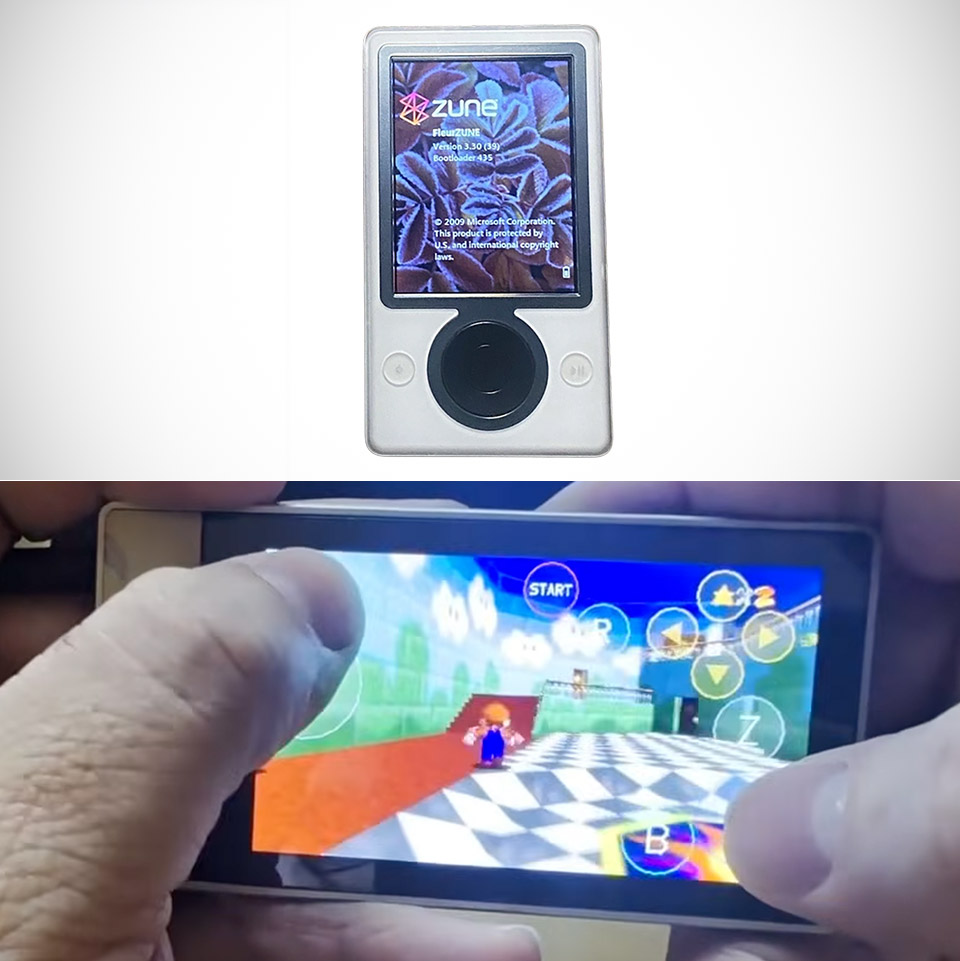
Microsoft’s Zune never matched the iPod’s hold on the culture, yet the Zune HD has just gained a new purpose as a Super Mario 64 machine through a fresh open-source port.

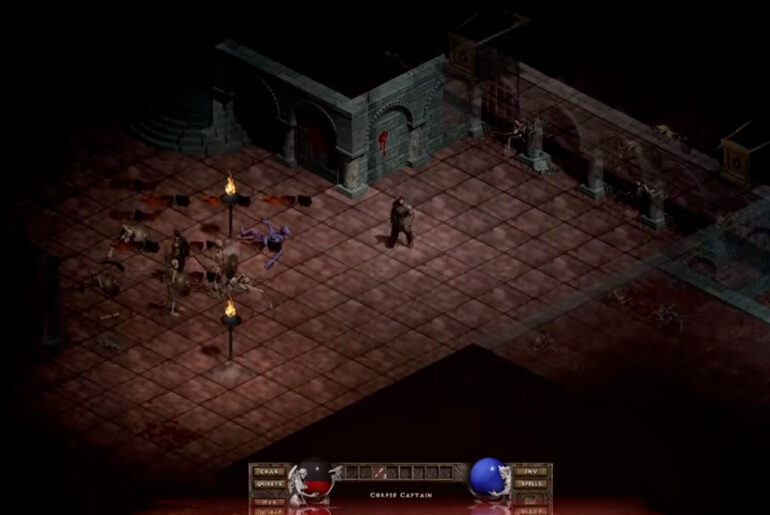
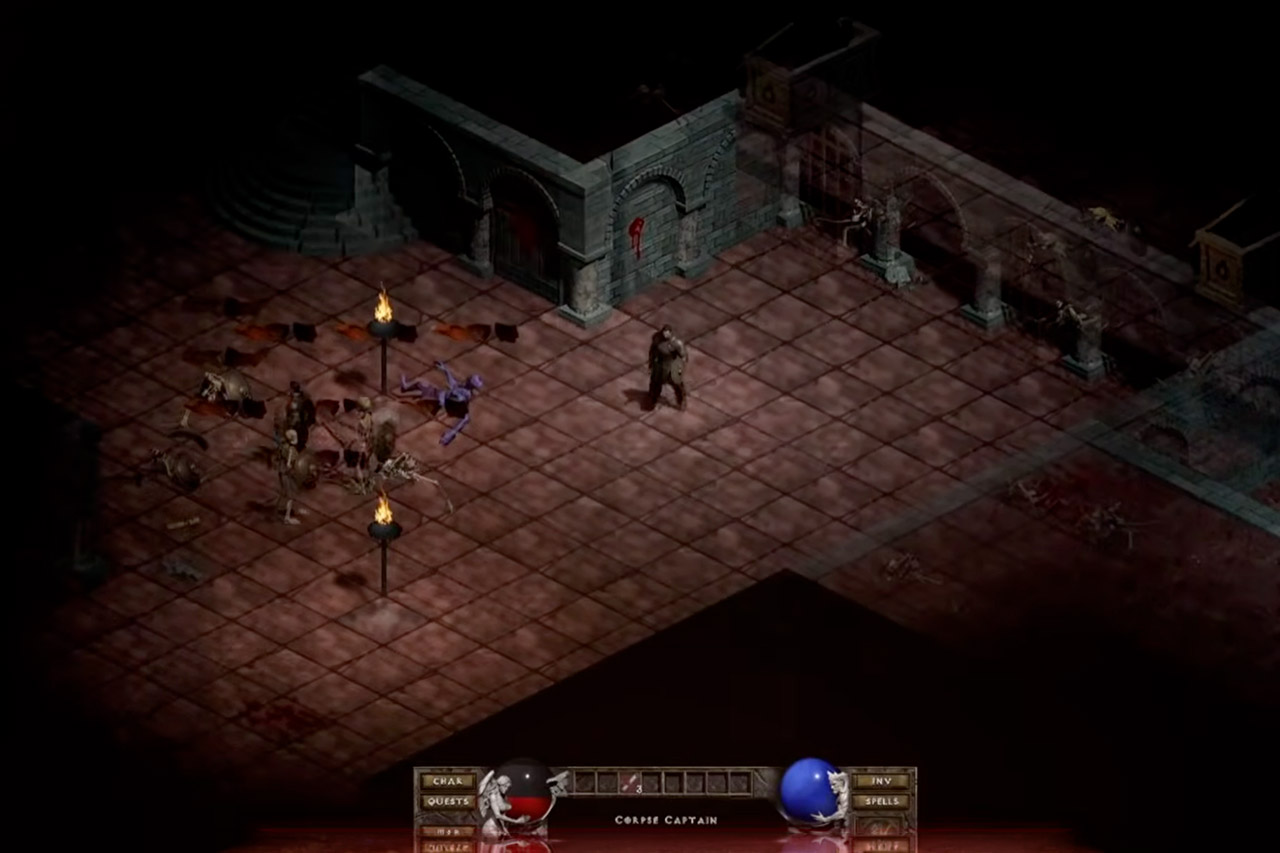
Fans who still wander the dark streets of Tristram and the levels beneath it now have another way to return. DamnationX is a fan project built on top of DevilutionX, the long-running open-source port that already lets people run the original 1996 Diablo on modern computers with higher frame rates, controller support, and other practical fixes. Troygentic has taken that foundation and layered on optional high-definition art, lighting that uses ray tracing, and an online lobby so groups can play together.

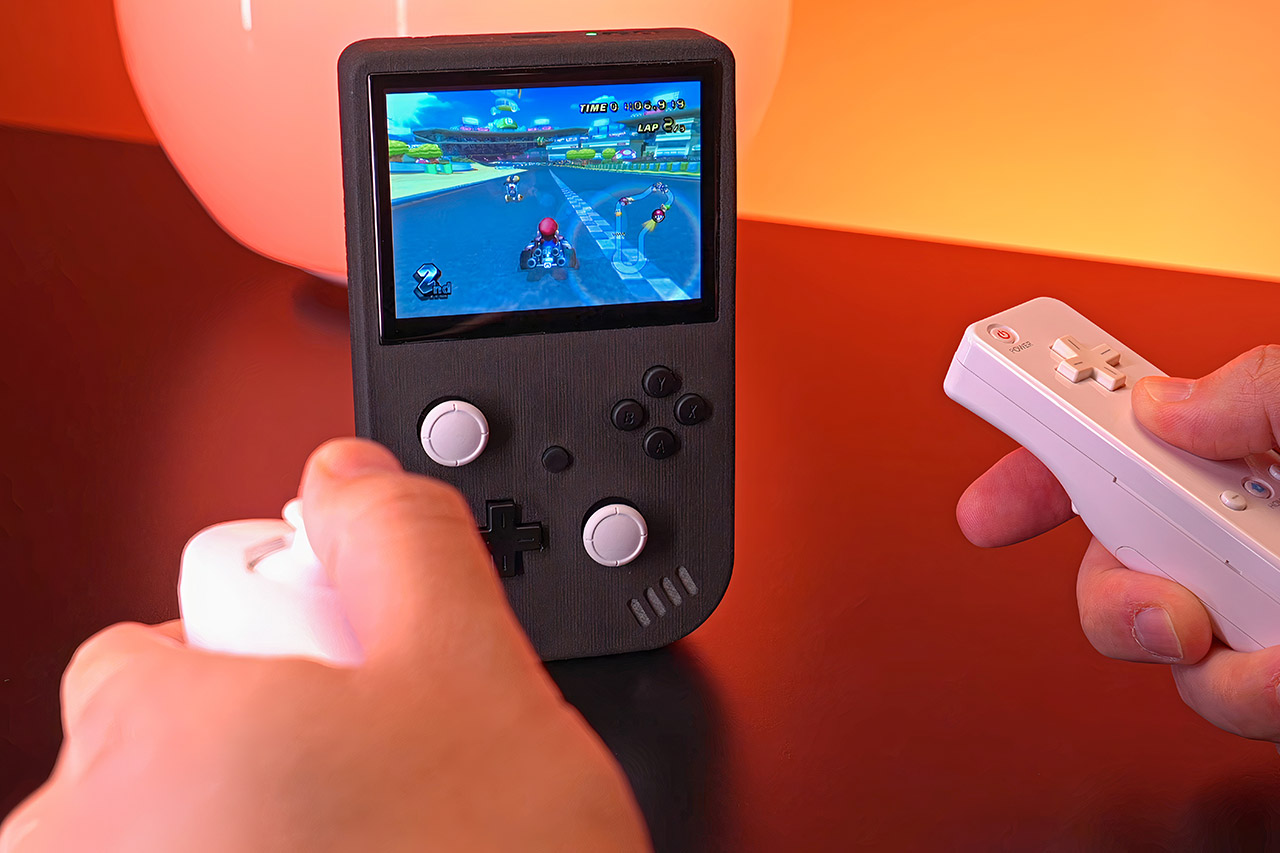
Modders have spent years trimming Nintendo Wii motherboards down to the absolute minimum so they fit inside handheld shells that resemble the original Game Boy. Xenii refined that approach across earlier Xii-Boy versions until the latest Ultra revision arrived as a fully modular kit. Tito from Macho Nacho Productions assembled one, and the result sits at roughly 145 by 86 by 27 millimeters while still containing a genuine Wii board that has undergone the standard OMGWTF trim.

Riley picked up an old Prusa MK3S+ 3D printer whose hot-end had already failed in an explosive blow-out. Most owners would scrap the machine or hunt for a replacement nozzle and heater block. He saw an opportunity to remove the entire filament path and install something else in its place. The motion system, frame, and stepper motors still worked. Only the part that melts plastic was gone, which left an open mounting point for a different kind of extruder.

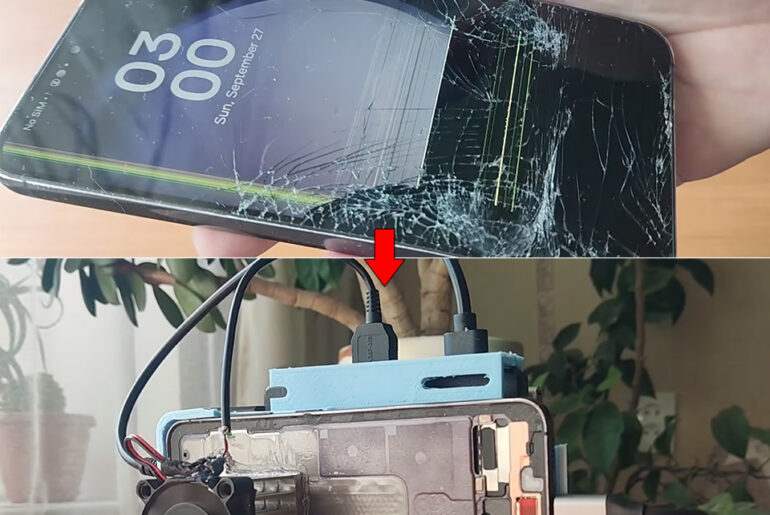
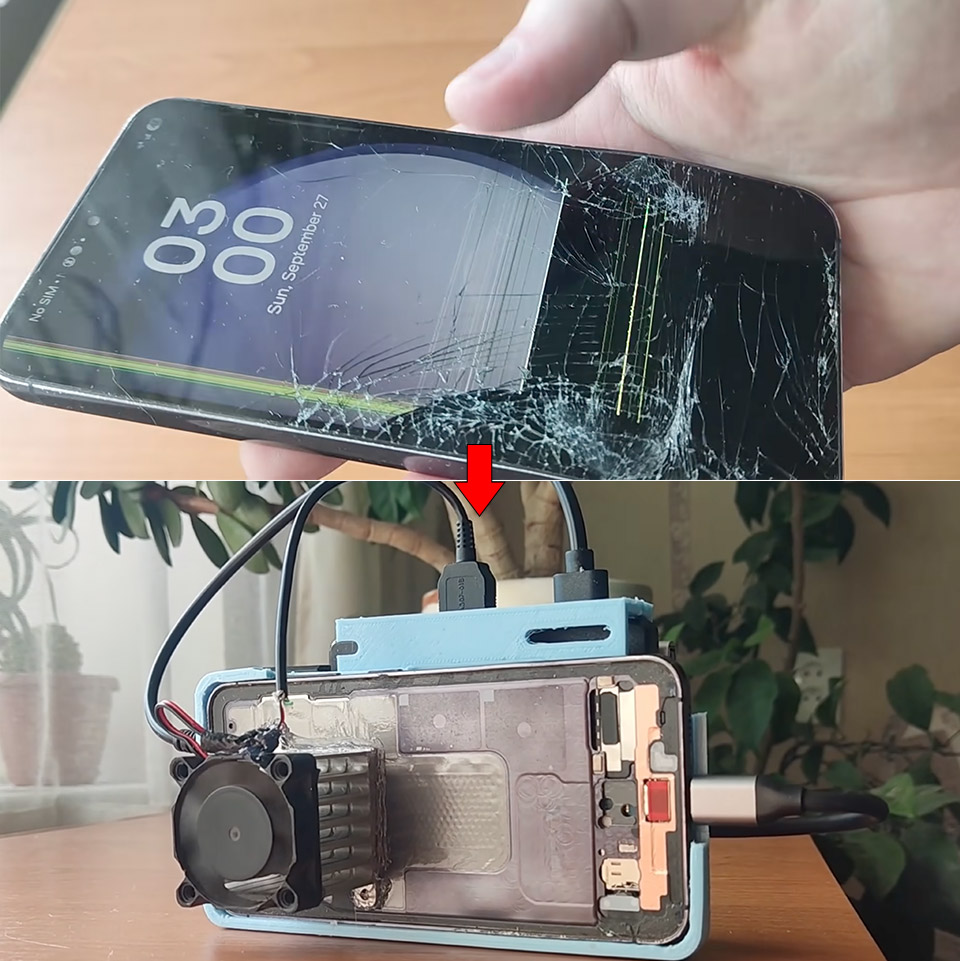
Most people treat a phone that looks like it lost an argument with traffic as scrap. LastComputer paid about forty dollars for one anyway. The listing came to 1,700 Ukrainian hryvnia, and a carrier lock kept the price down because nobody was going to drop a SIM in it again. This Samsung Galaxy S23 arrived bent in half, back cover smashed, battery squished, and still willing to boot.

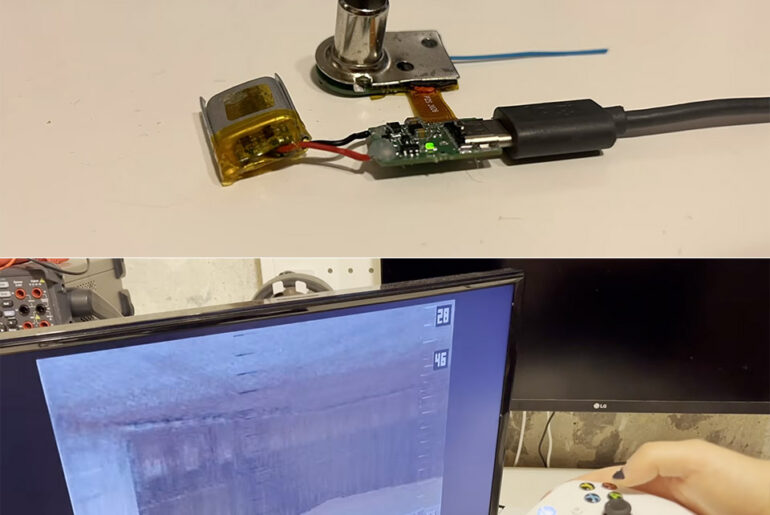
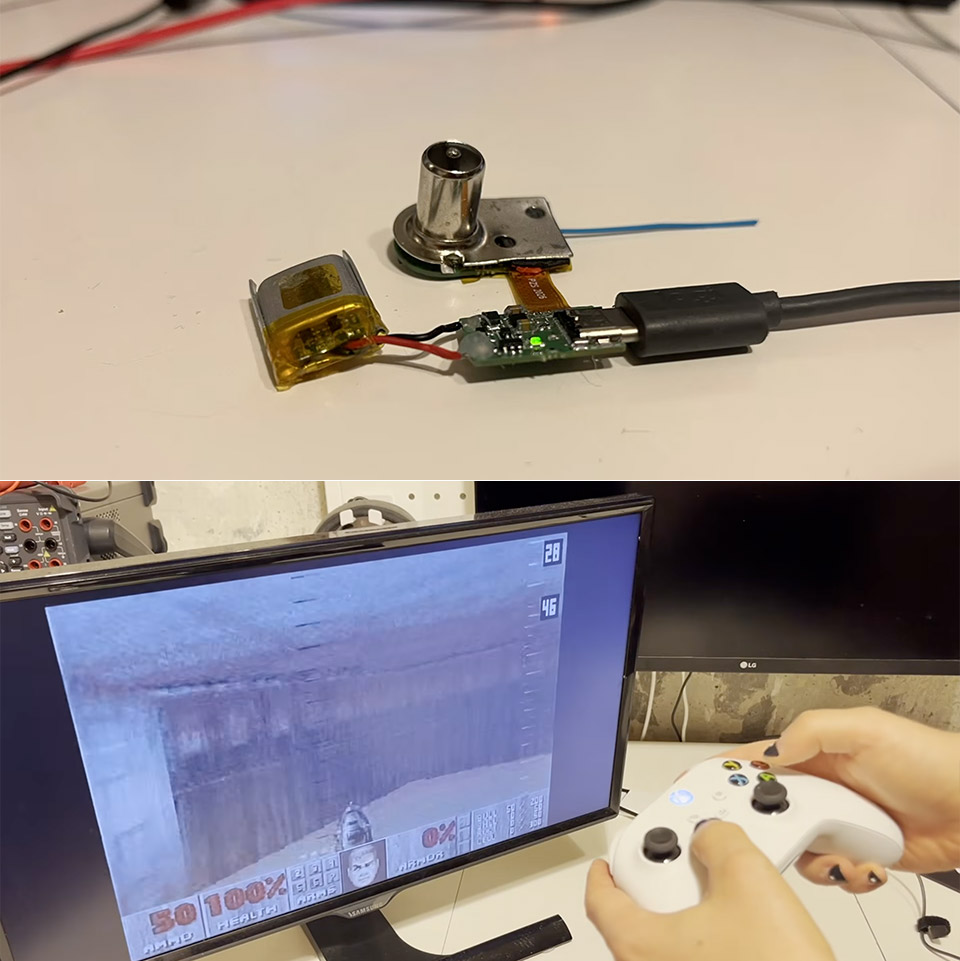
RayTriangle built a game console small enough to live inside a 9.5 mm Goobay antenna plug, the sort of screw-terminal adapter once used to join old 300 ohm ribbon cable to a 75 ohm television socket. Battery included, the whole machine screws into the antenna jack and puts DOOM on the screen.

Four brick-shaped lithium iron phosphate cells, each rated 3.2 volts and 15 amp-hours, sit in a row and form the whole energy store of a homemade power station small enough to close a hand around. Wired end to end, they make a 12.8-volt pack that climbs to 14.6 volts when full and holds about 192 watt-hours. A 100-amp battery management board watches cell voltage, balances the four cells, and cuts the circuit on overcurrent or a short. Spot-welded nickel strips, stacked so the joints can carry the current, tie the pack together. Cells of this chemistry tolerate a 3C discharge, which on paper means up to 45 amps, and they are rated for more than 3,000 charge cycles with less fire risk than the lithium-ion packs common in phone banks.