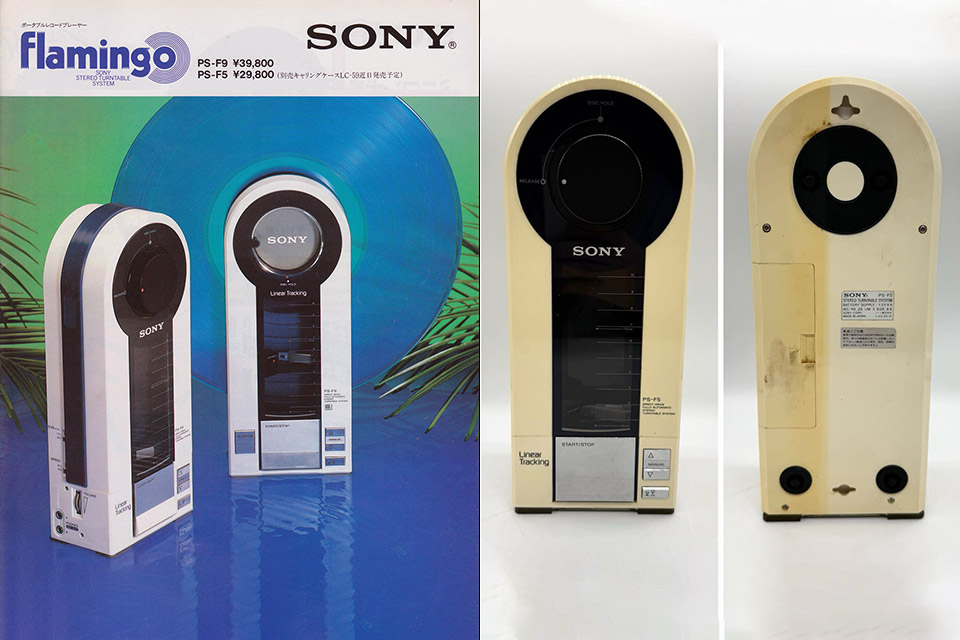
Sony debuted the PS-F5 in 1983, just as cassette tapes and the first Walkmans dominated portable music. Vinyl looked to be confined in living rooms, tethered to weighty platters and delicate arms. Sony engineers decided to change that. They created a portable turntable that plays records standing upright, runs on four AA batteries, and weighs so little that it can be carried anywhere.
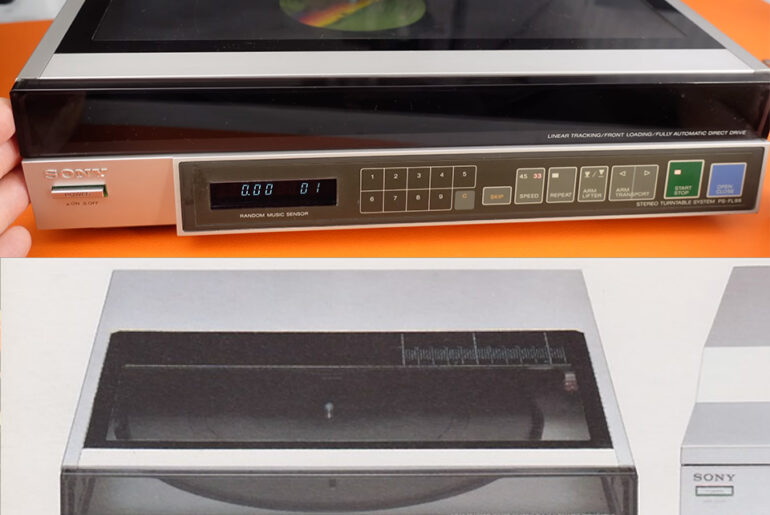
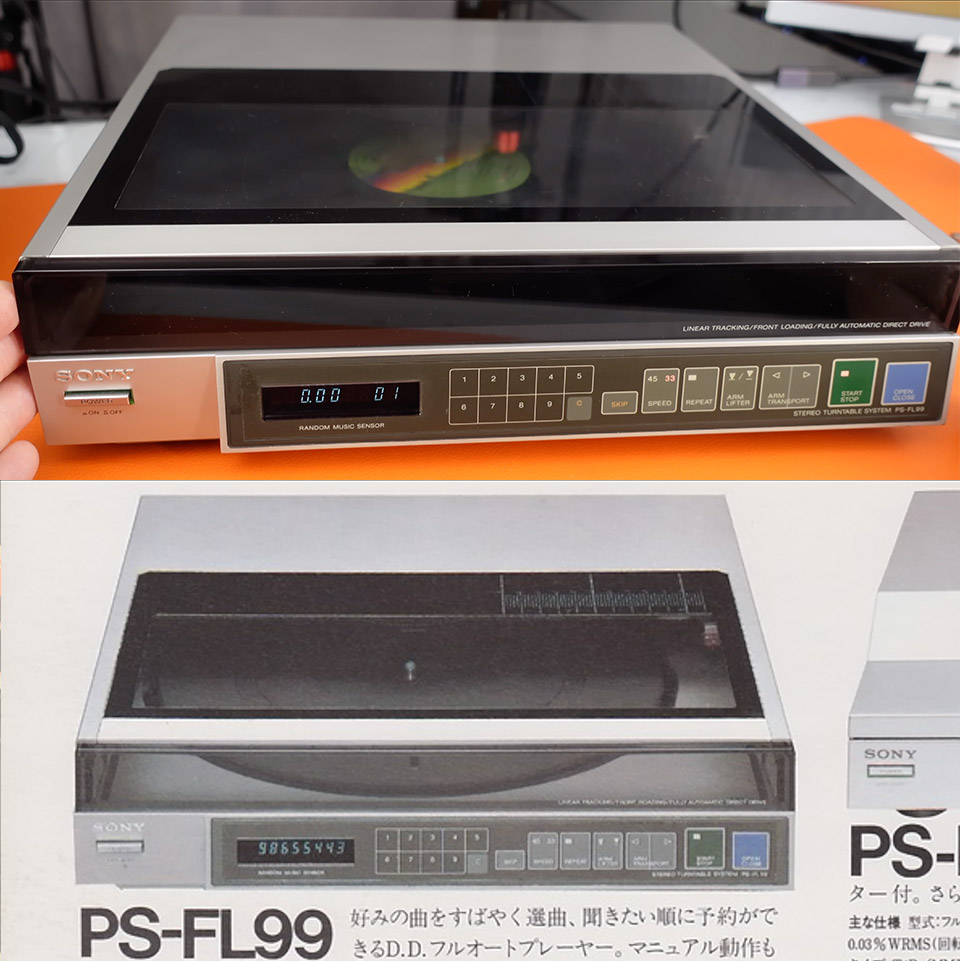
Sony released the PS-FL99 in 1983, just as compact discs were changing the way people listened to music. Vinyl records still held strong appeal for many listeners at that time, and Sony crafted this model to keep the format fresh with clever engineering. Collectors these days are looking for any surviving PS-FL99s they can find since, let’s face it, after more than four decades, most of them aren’t functional.

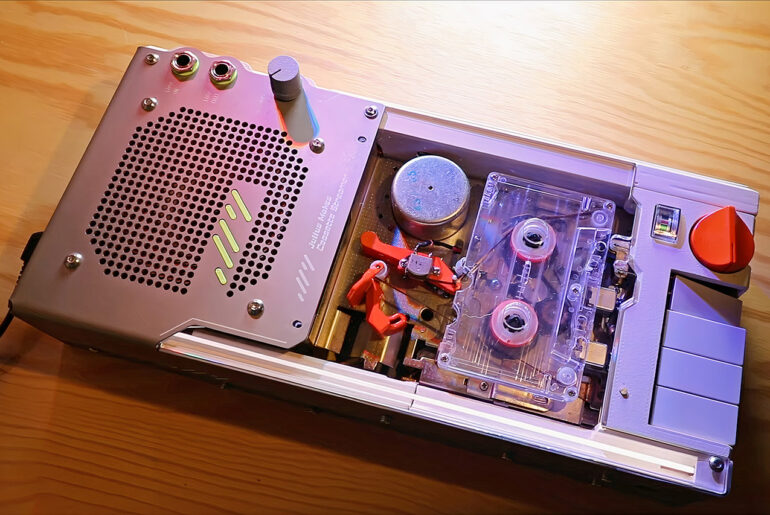
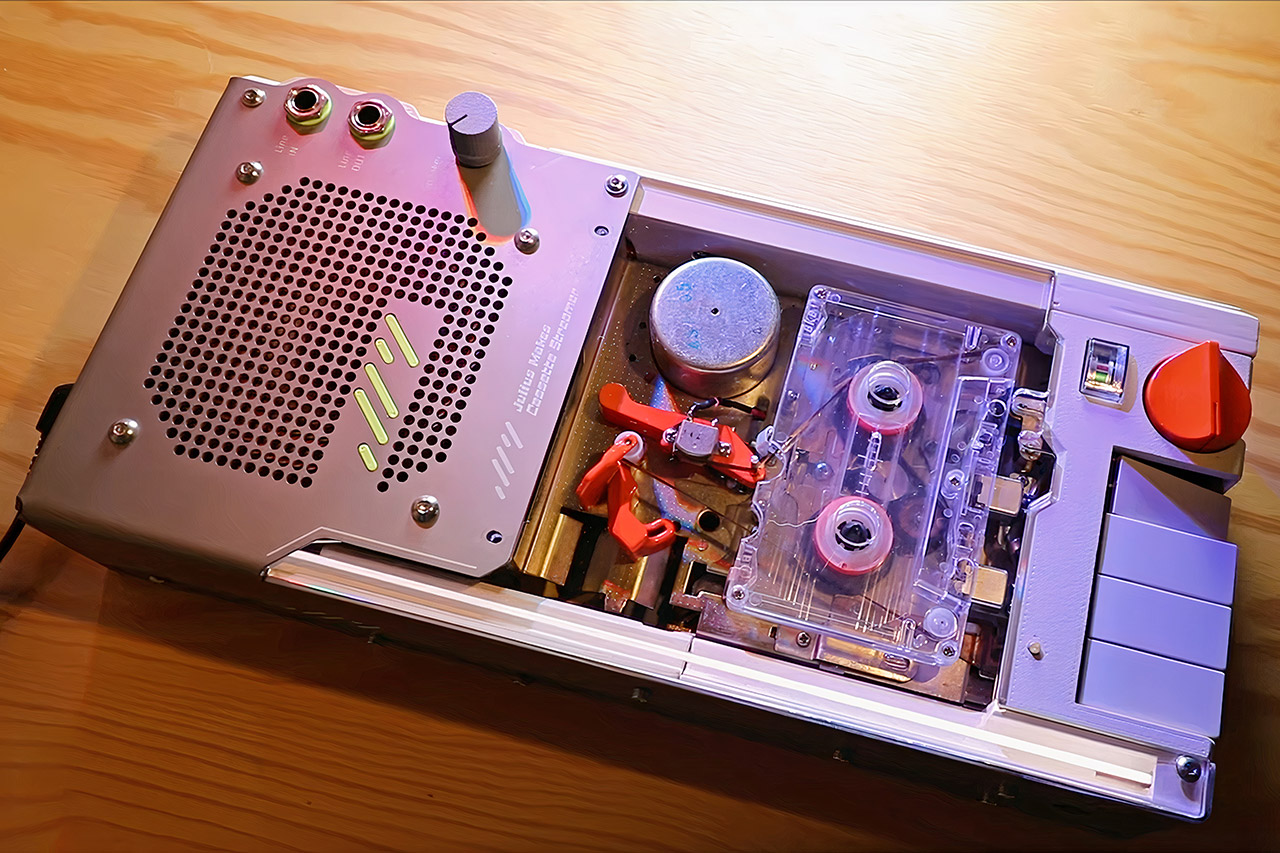
Julius Makes, a YouTube creator of some fairly weird electronics projects, recently attempted to build something that combines old-school cassette playback with ultra-modern streaming technology. He calls it the Cassette Streamer, and it has all the hallmarks of a vintage portable cassette player, including knobs, buttons, and a large clear front panel that allows you to view the tape as it moves by.

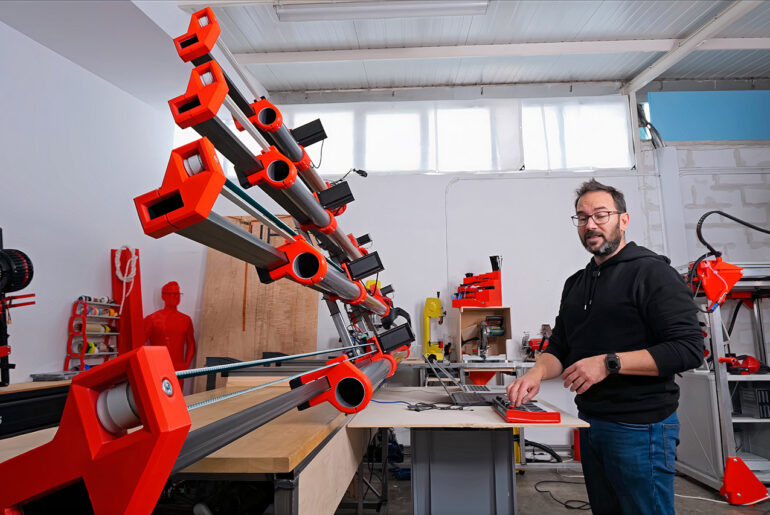
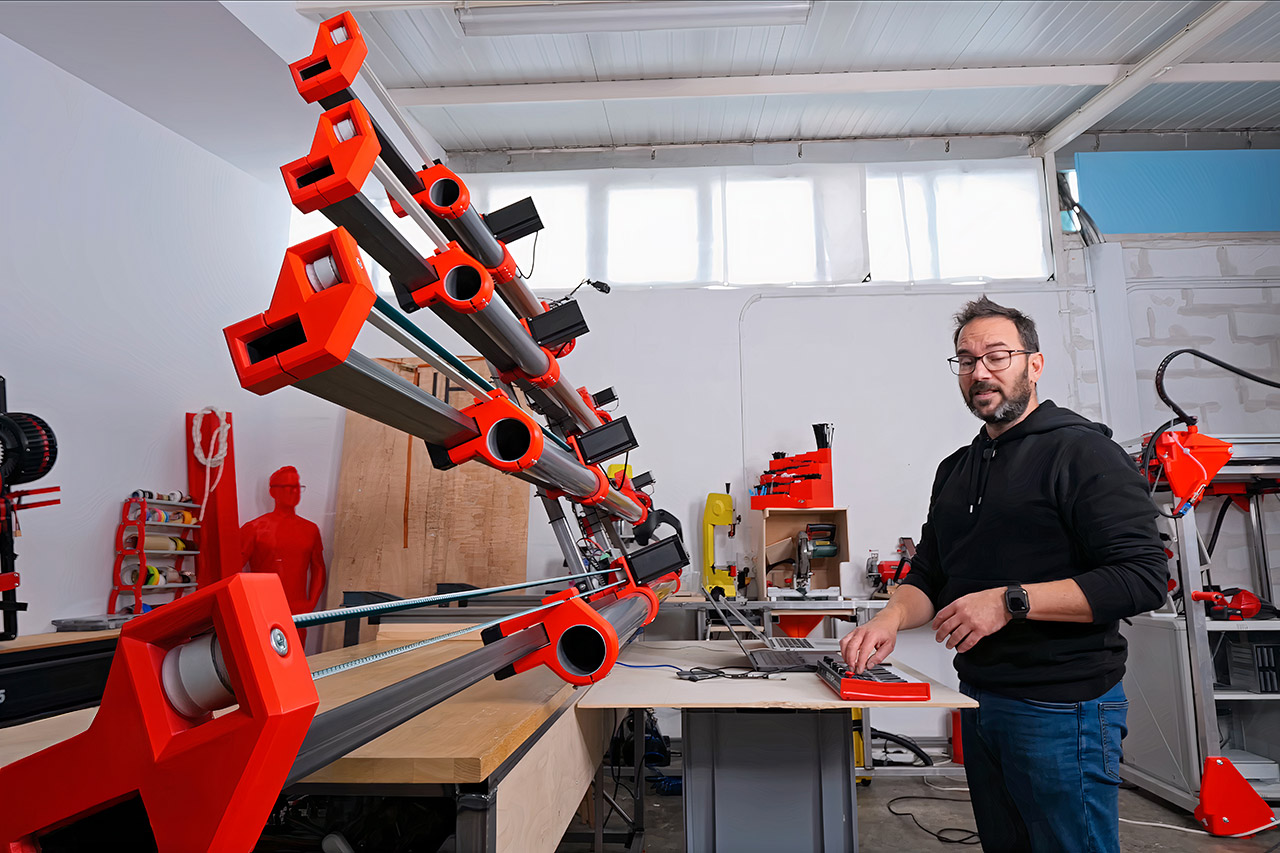
Fans of the Blue Man Group have frequently found themselves tapping their toes to the characteristic pounding sound of their PVC pipe instruments, which are essentially just slapping pipes of varying lengths with paddles to produce these rhythmically resonating tones that fill theaters. Ivan Miranda, a Spanish maker known for his ambitious 3D-printed creations, decided to take it a step farther. He decided to take the whole pipe-slapping thing and build a version of the slapophone that connects to MIDI, allowing you to control it electronically while still producing the physical slap sound.

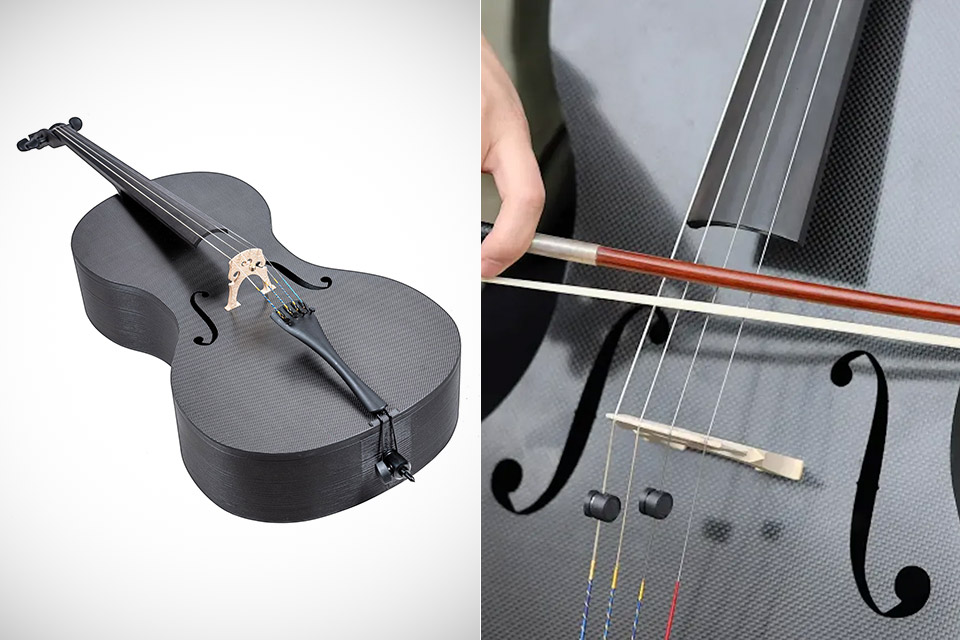
Cellos have always relied on wood to produce rich tones through labor of love construction, rather than just meticulous cutting and assembly. Forte3D takes an entirely different approach; the firm’s founders, Alfred Goodrich and Elijah Lee, as well as cellist Mike Block, who currently co-runs the company, created the world’s first 3D-printed carbon fiber cello.

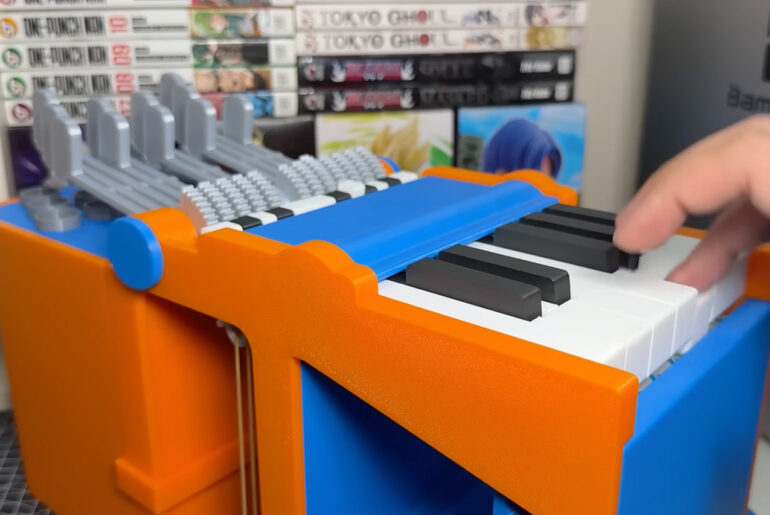
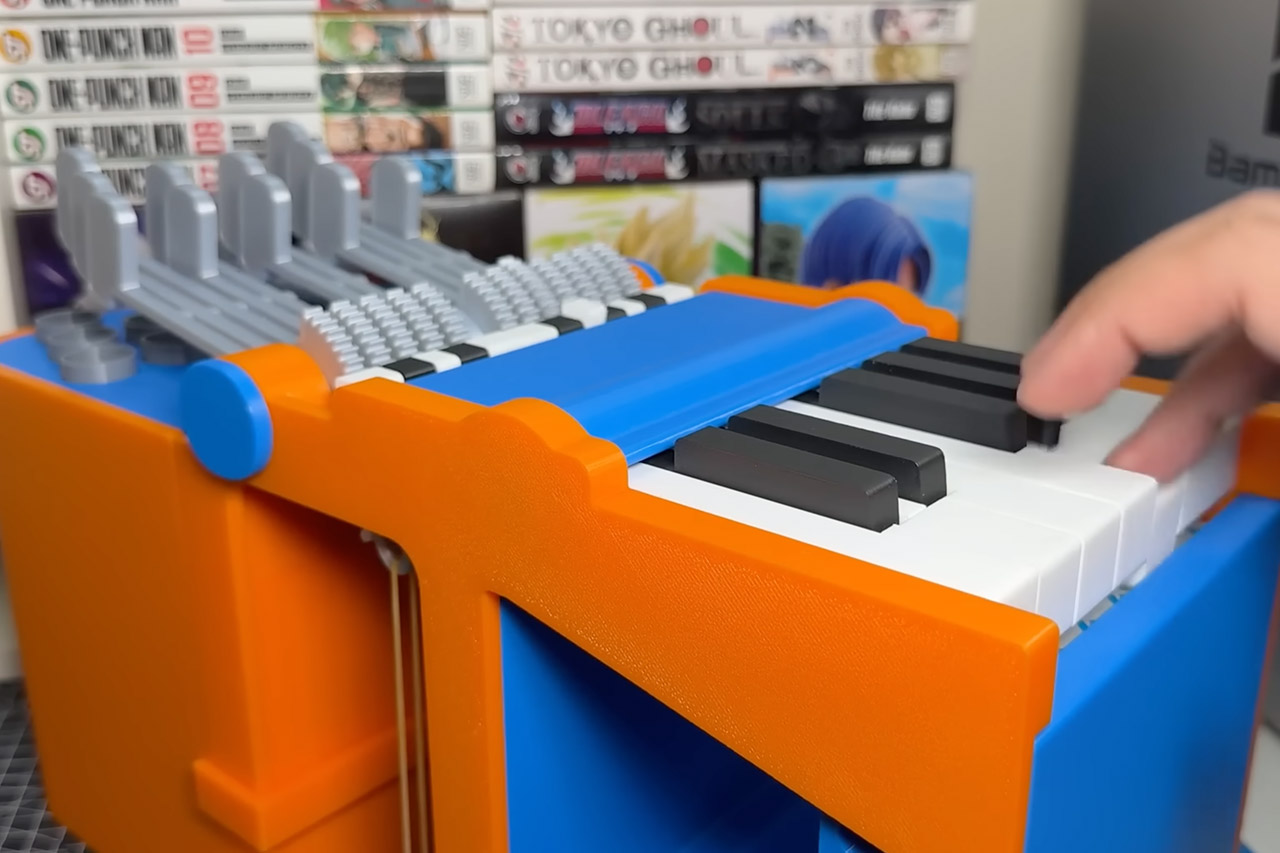
Toast, a YouTuber who turns crazy ideas into real gadgets, decided to master one of the most complex machines in music. He wanted a piano that could be printed at home with a normal 3D printer. No strings or heavy wood frames – just layers of molten plastic that form keys, hammers and resonant tubes. The end result plays actual notes, fits on a desk and doesn’t cost much more than a few rubber bands.

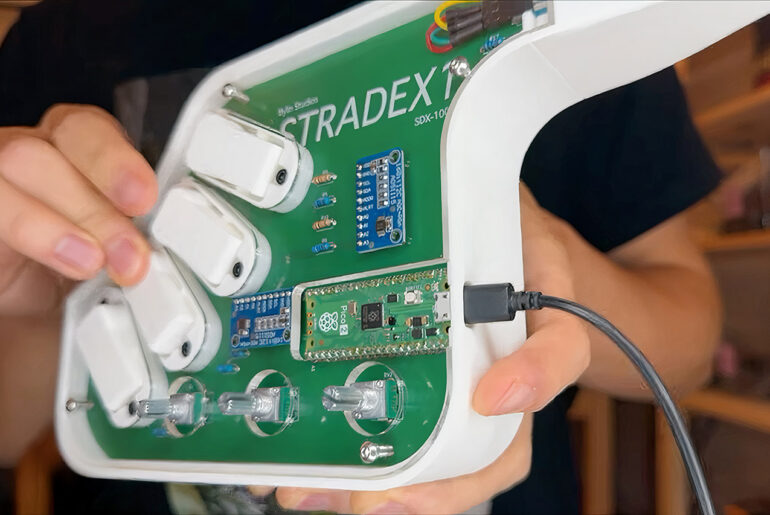
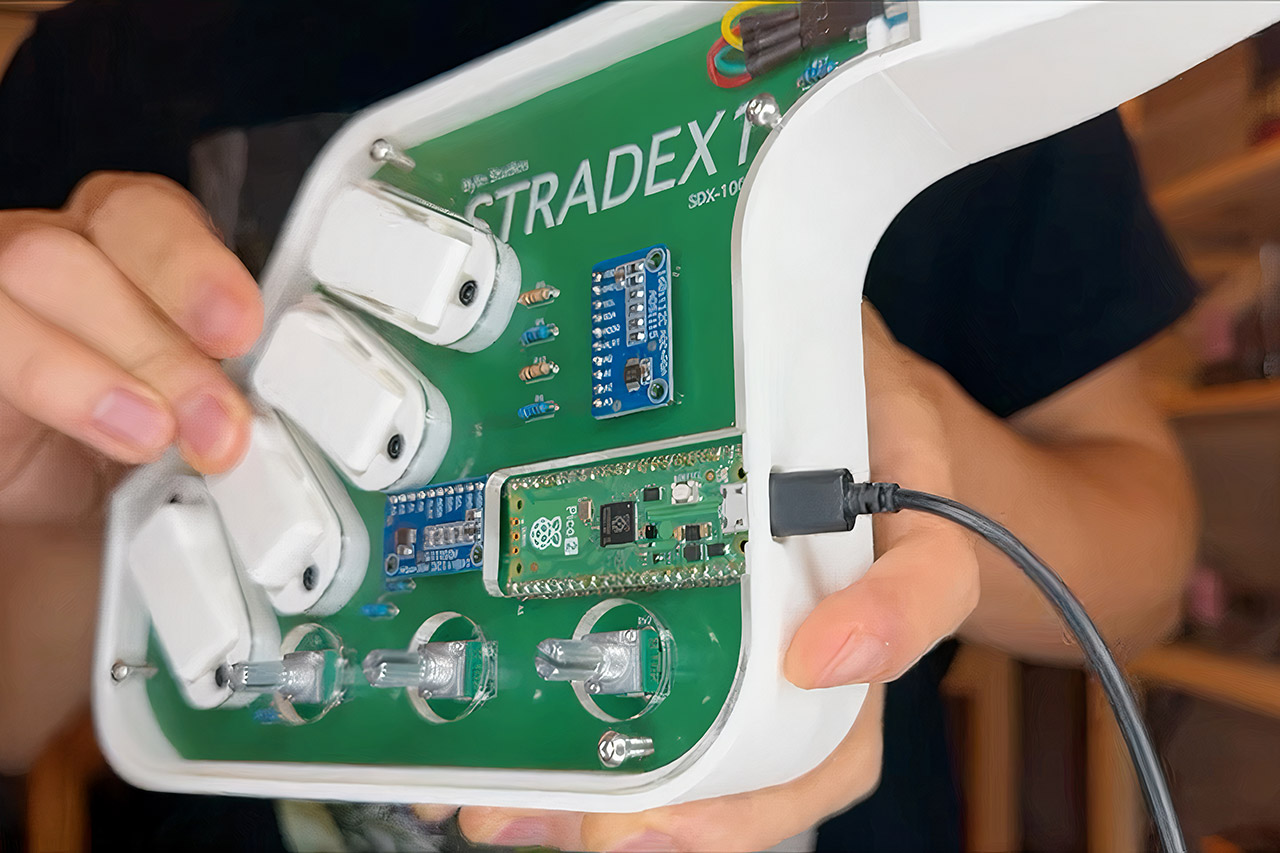
Brady Y. Lin treats the Stradex1 like an old friend; it’s been four years since he originally attempted to create a violin simulator – a box of buttons that created chiptune sounds. Lin, a beginner maker at the time, coaxed square waves out an Arduino, imitating strings with discrete presses that locked pitches into stiff steps. Lin is now halfway through his electrical engineering degree and has turned his aggravation into something playable, portable, and free for anybody to print and assemble.

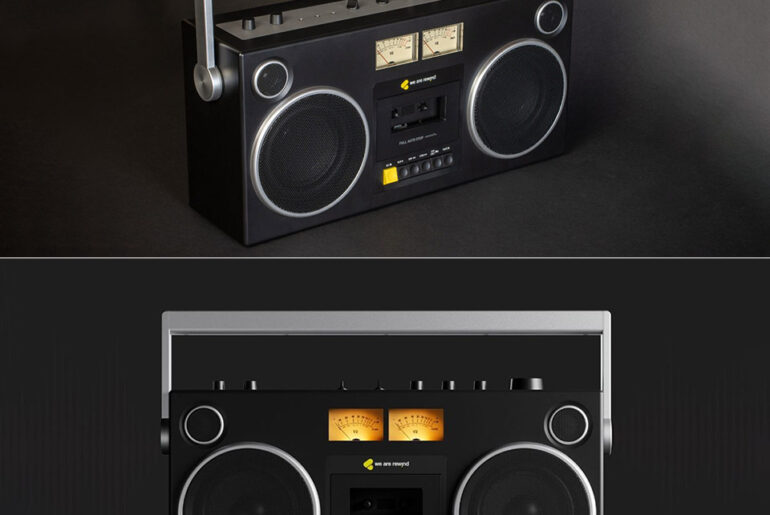
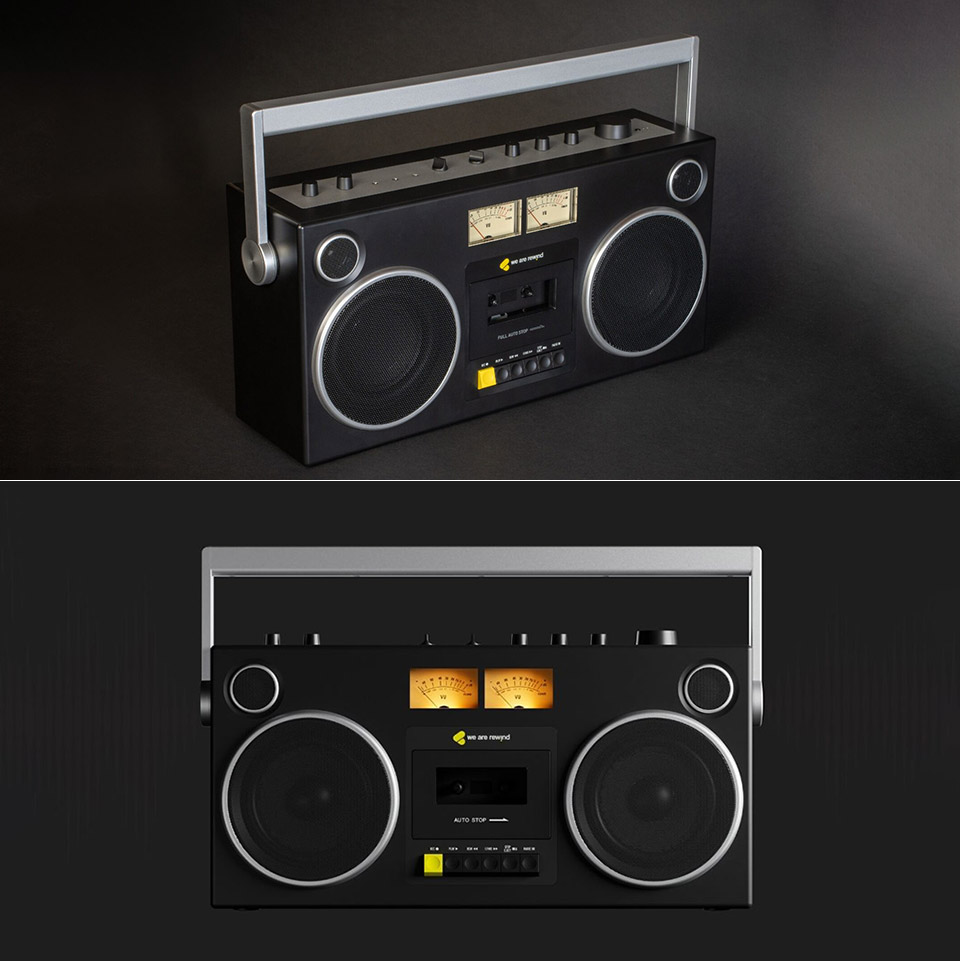
A cassette tape boombox is a relic of another era in 2025 when music seemingly falls from the sky and earbuds are almost invisible. But We Are Rewind’s GB-001 does more than just revive an old format; the boombox does it with such accuracy that you’ll want to start making new mixtapes or dig out your old ones.

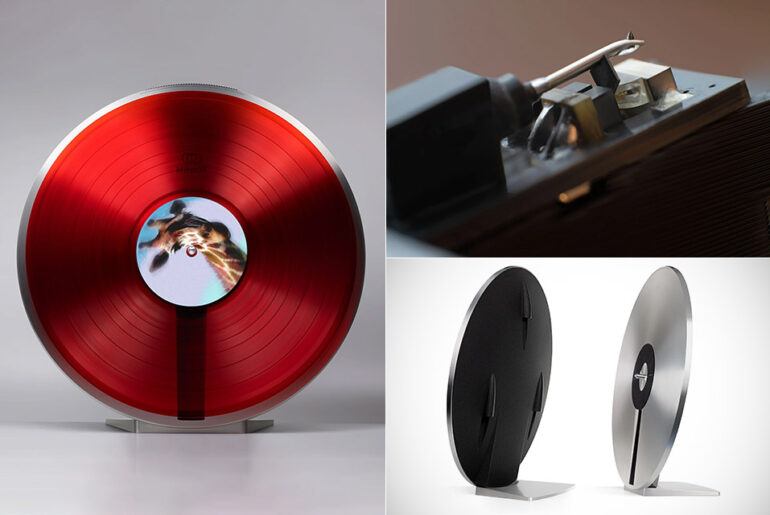
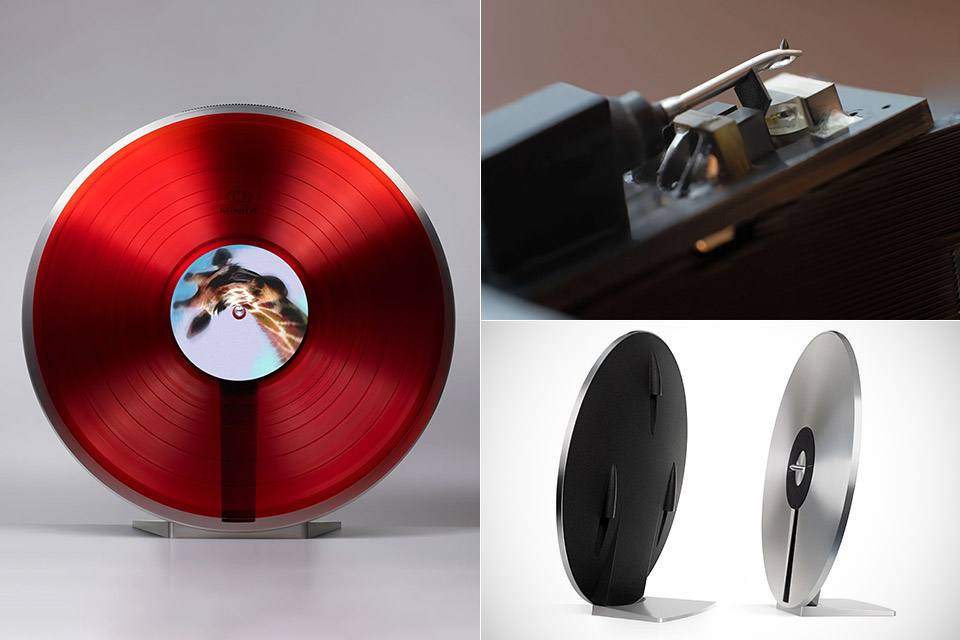
A record player that stands upright, hangs on a wall, or lies flat, all while using light to read vinyl grooves—Miniot’s Wheel 3 feels like it rolled in from a Wes Anderson film. Handmade by a small Dutch family business, the Wheel 3 combines a beautiful design with clever technology that makes you rethink what a record player can do.

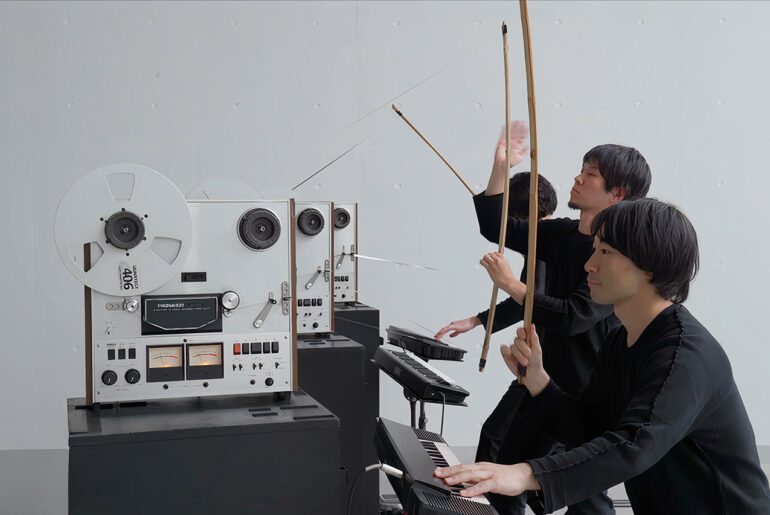
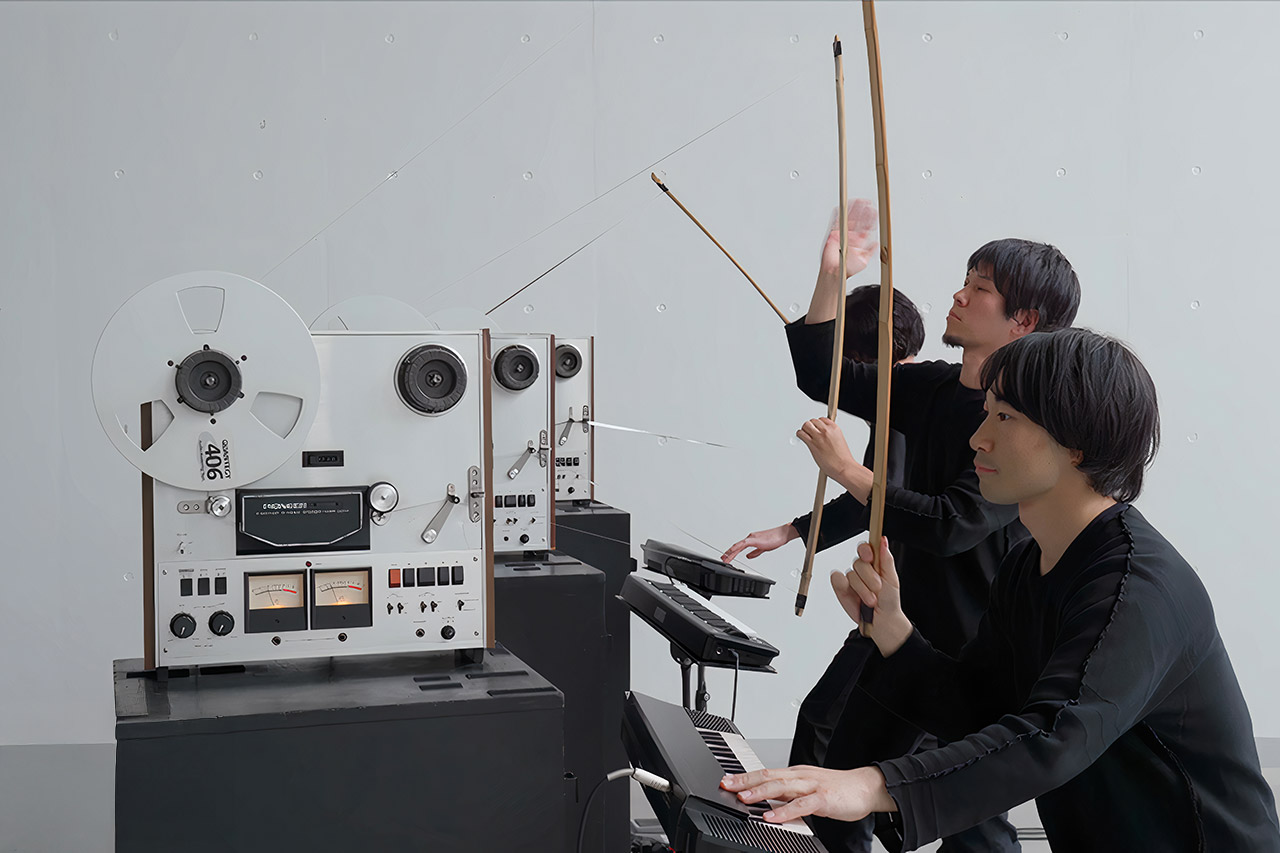
Magnetic tape reels, once the foundation of music recording, are now collecting dust in forgotten basement corners, but in the hands of Japan’s Open Reel Ensemble, these relics become something extraordinary: the JIGAKKYU. This trio—Ei Wada, Haruka Yoshida, and Masaru Yoshida—have created an unconventional sound using bamboo bows and magnetic tape .