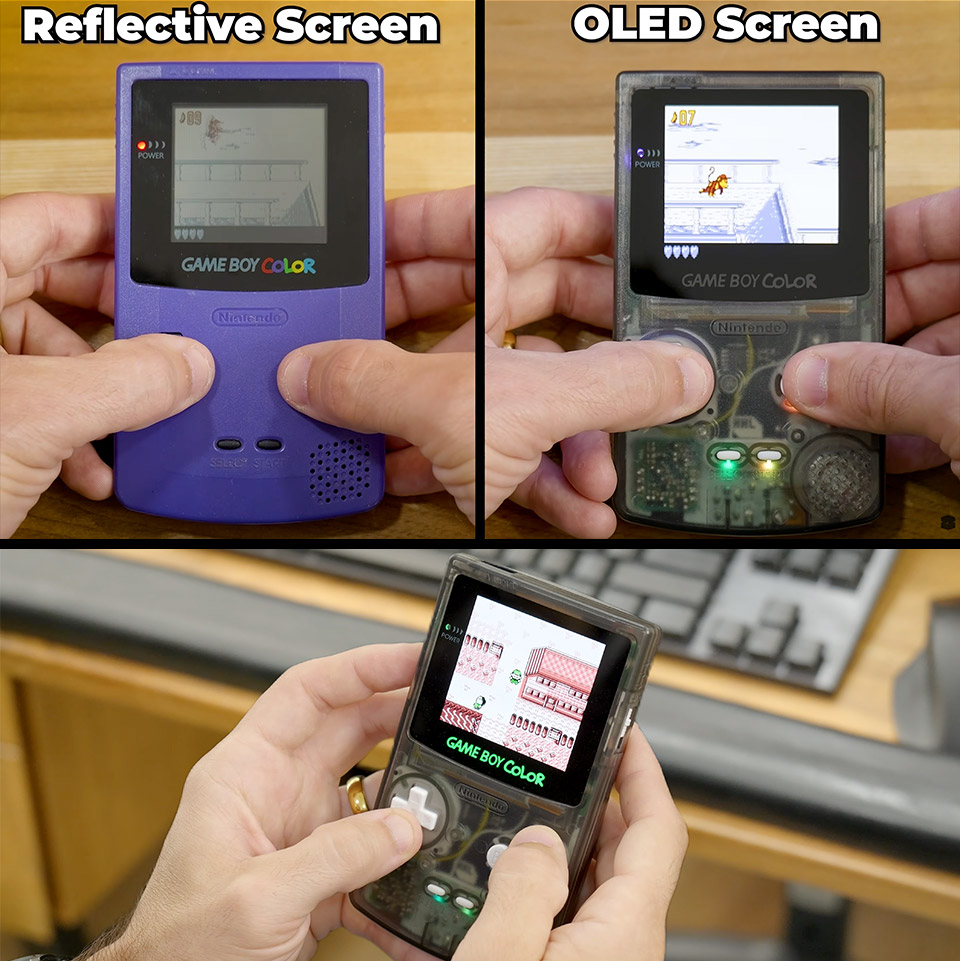
Zac Builds wanted a Game Boy Color that still looked like the 1998 handheld and behaved like something you would actually carry in 2026. His latest project walks through that job on a working donor board, the one part he treats as non-negotiable. Almost everything else can come from current reproduction kits, so a battered shell and a tired screen do not end the project.
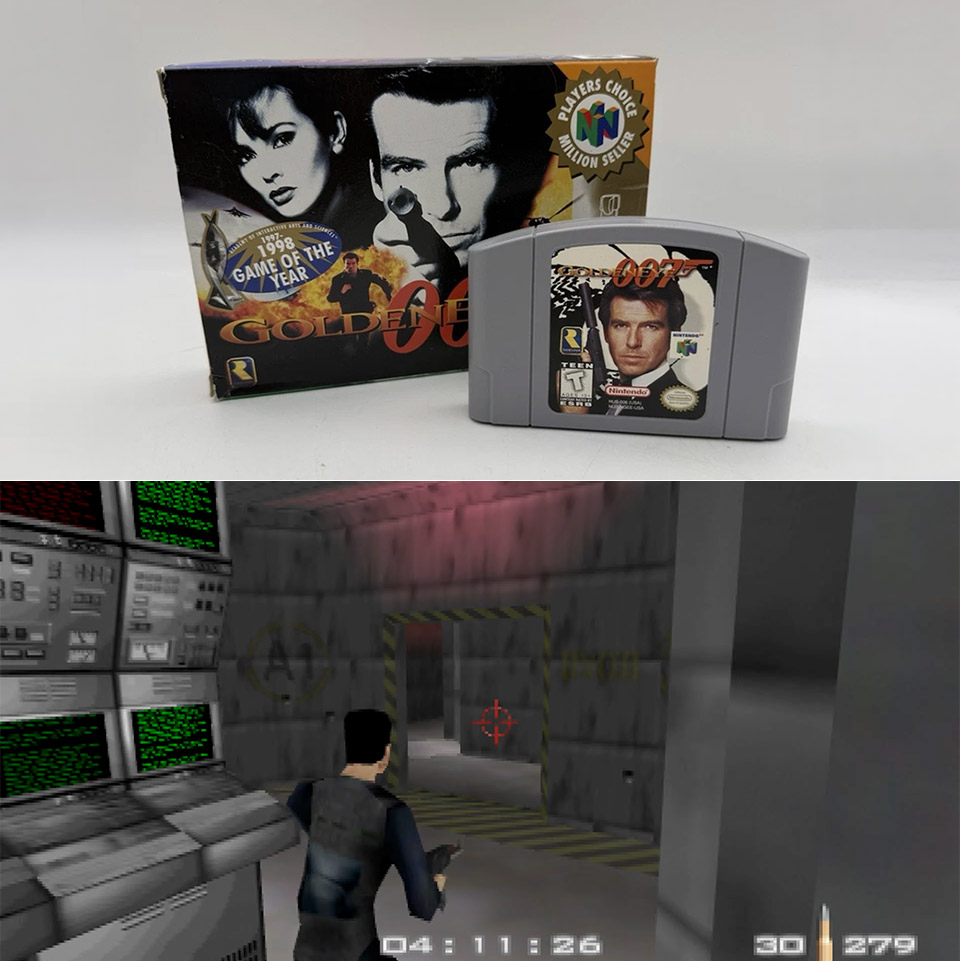
Joshua-1248 spent the late stretch of September pushing a public snapshot of GoldenEye 007 Plus, a fork of the fully decompiled Nintendo 64 source that can place James Bond on screen for an entire mission. Footage from Graslu00, shot on an Analogue 3D and confirmed to run on original hardware, walks Silo, Bunker I, and Surface I with the camera sitting behind Bond instead of inside his eyes.

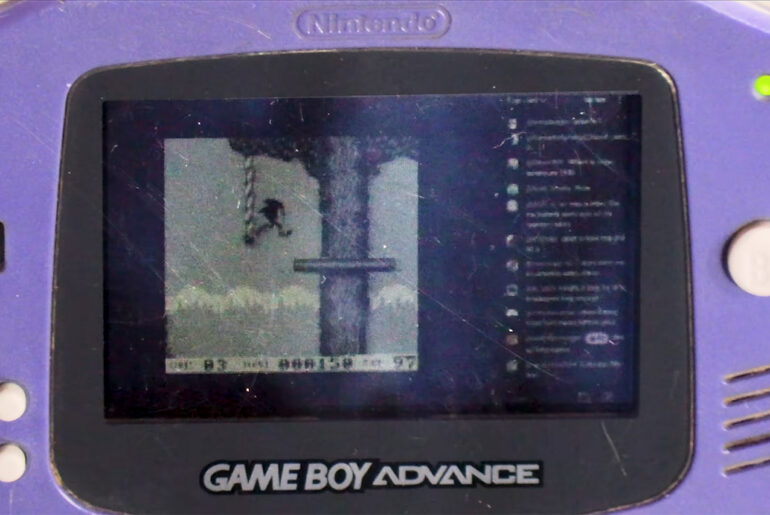
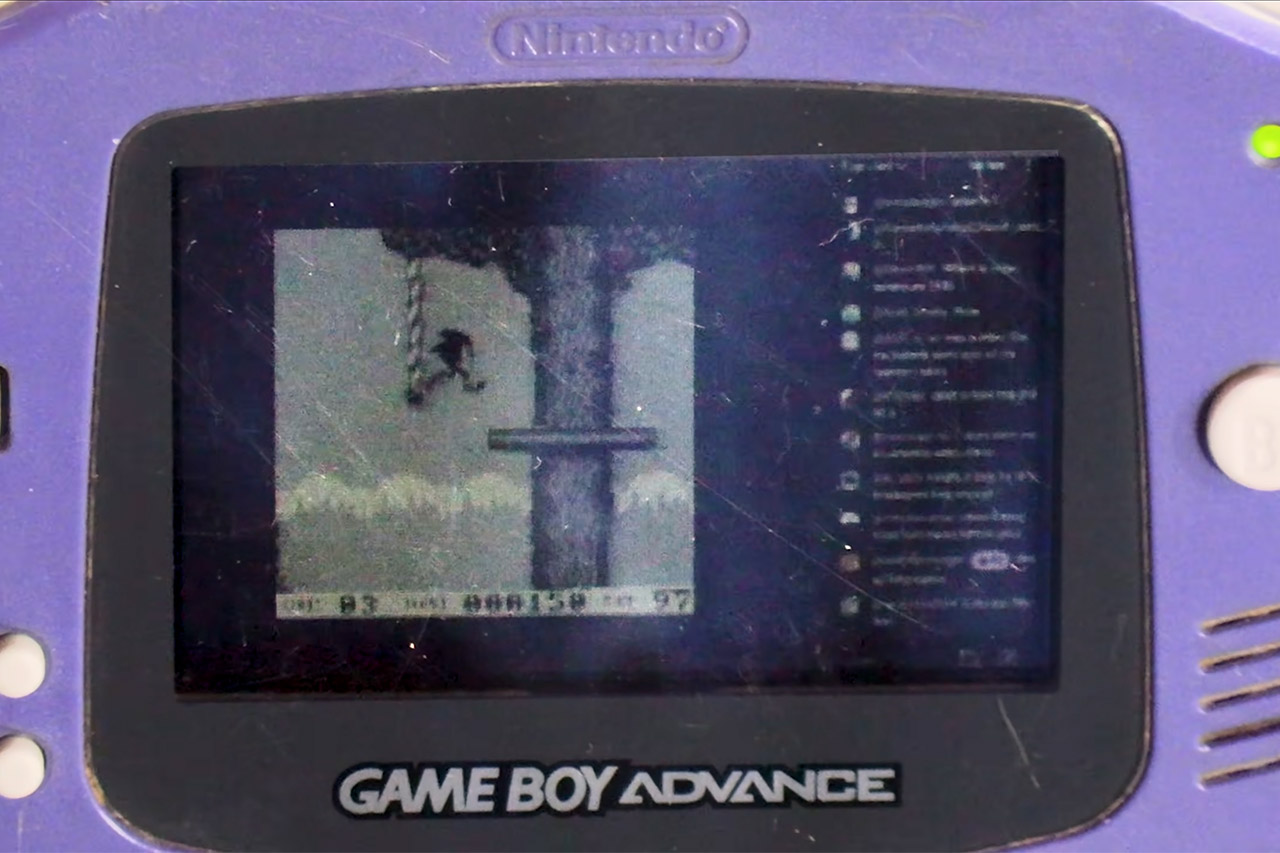
Peter Knetter has spent years asking old machines to do a modern job. His series, YouTube in, treats a console or a dusty operating system as a whole production desk. A few days ago, he posted the one fans had been waiting on. ‘YouTube in Game Boy‘ documents his journey to make a YouTube video using only a Game Boy.

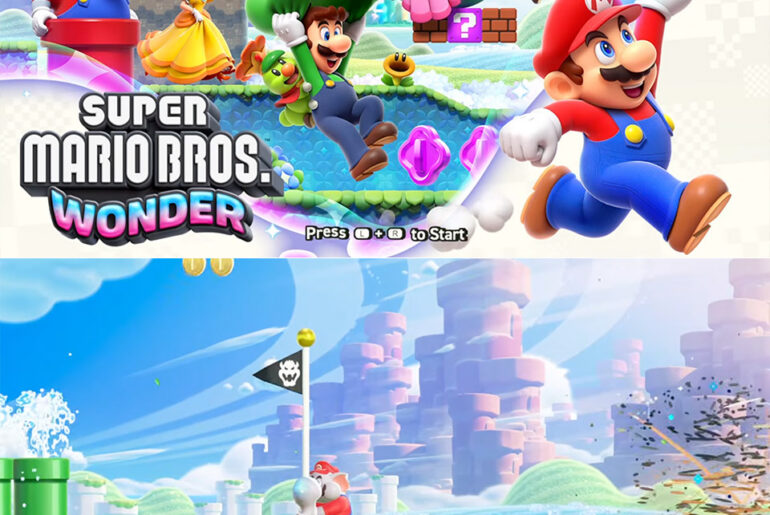
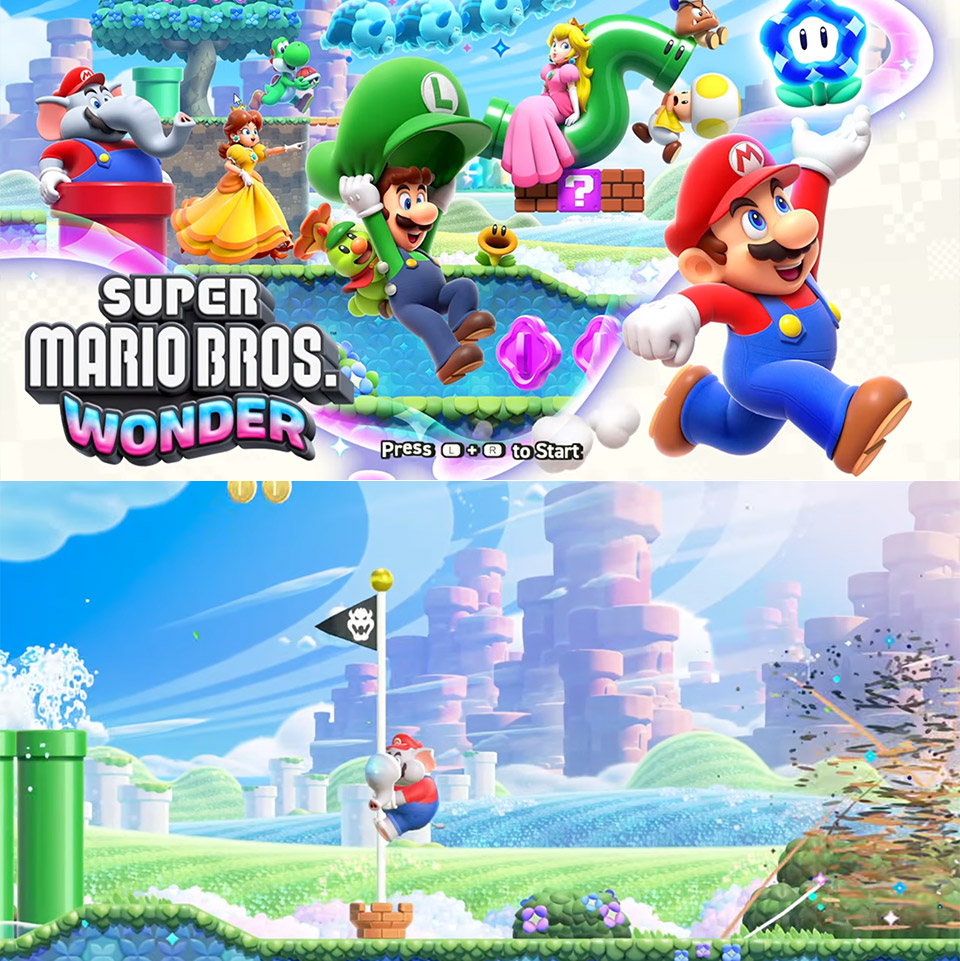
A laptop with an RTX 3050 is running Super Mario Bros. Wonder as a Windows program, and a clip from a developer called Belmante is the clearest look yet at how far that work has come. World 1-1 plays at close to 60 frames a second. Menus, character select, the opening cutscene, and the world map all line up with an earlier Mac build of the same project. Sound comes through the game’s own audio path, routed on Windows through XAudio2.

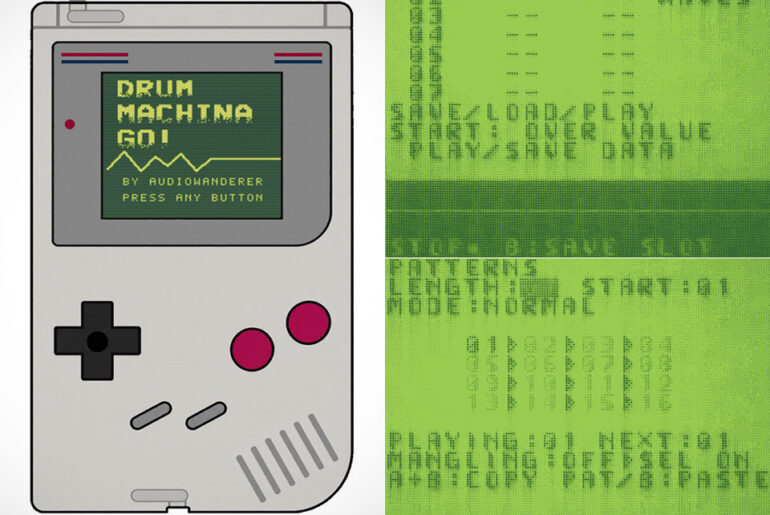
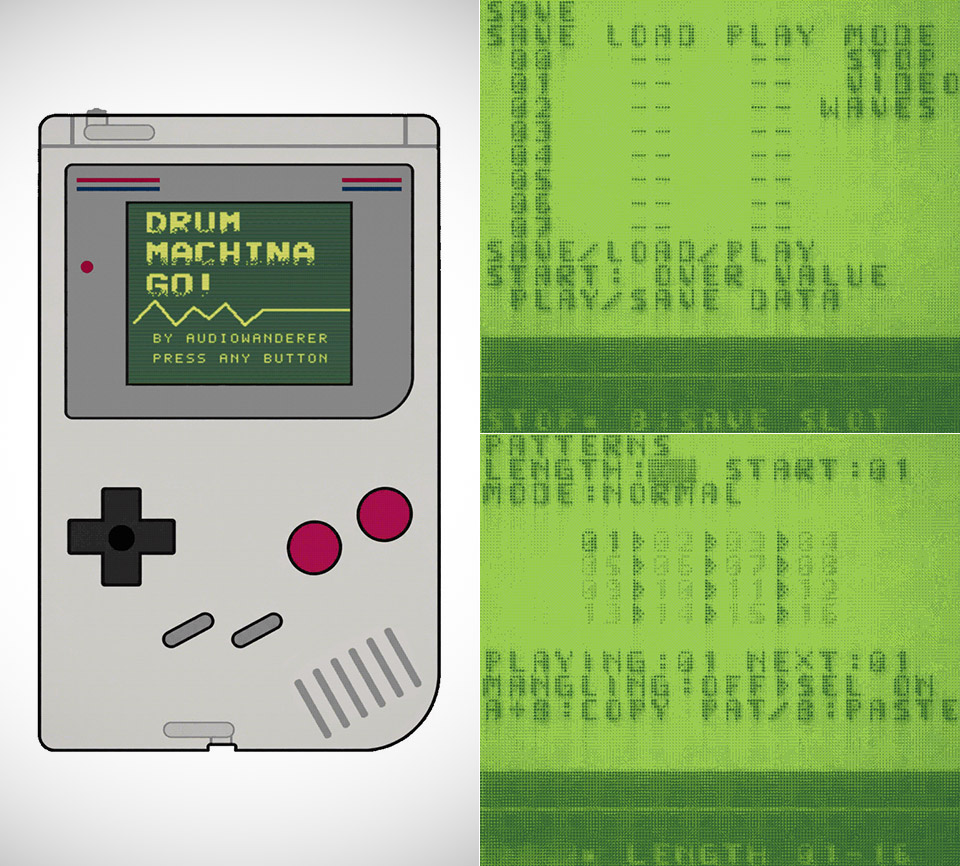
Nintendo shipped the original Game Boy in 1989 with a sound chip small enough to live on batteries for hours, and that same chip is now running a full drum machine. Drum Machina Go!, shortened to DMGo!, treats those four voices as a step sequencer you can carry in a coat pocket. Two of them are pulse waves, the square tones behind so many early game soundtracks. One is a programmable waveform. The last is noise, the hiss and crackle that usually stands in for explosions and static.

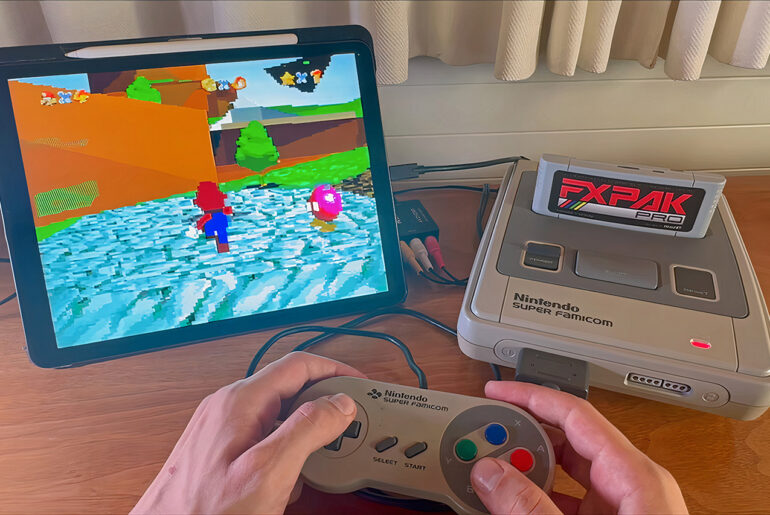
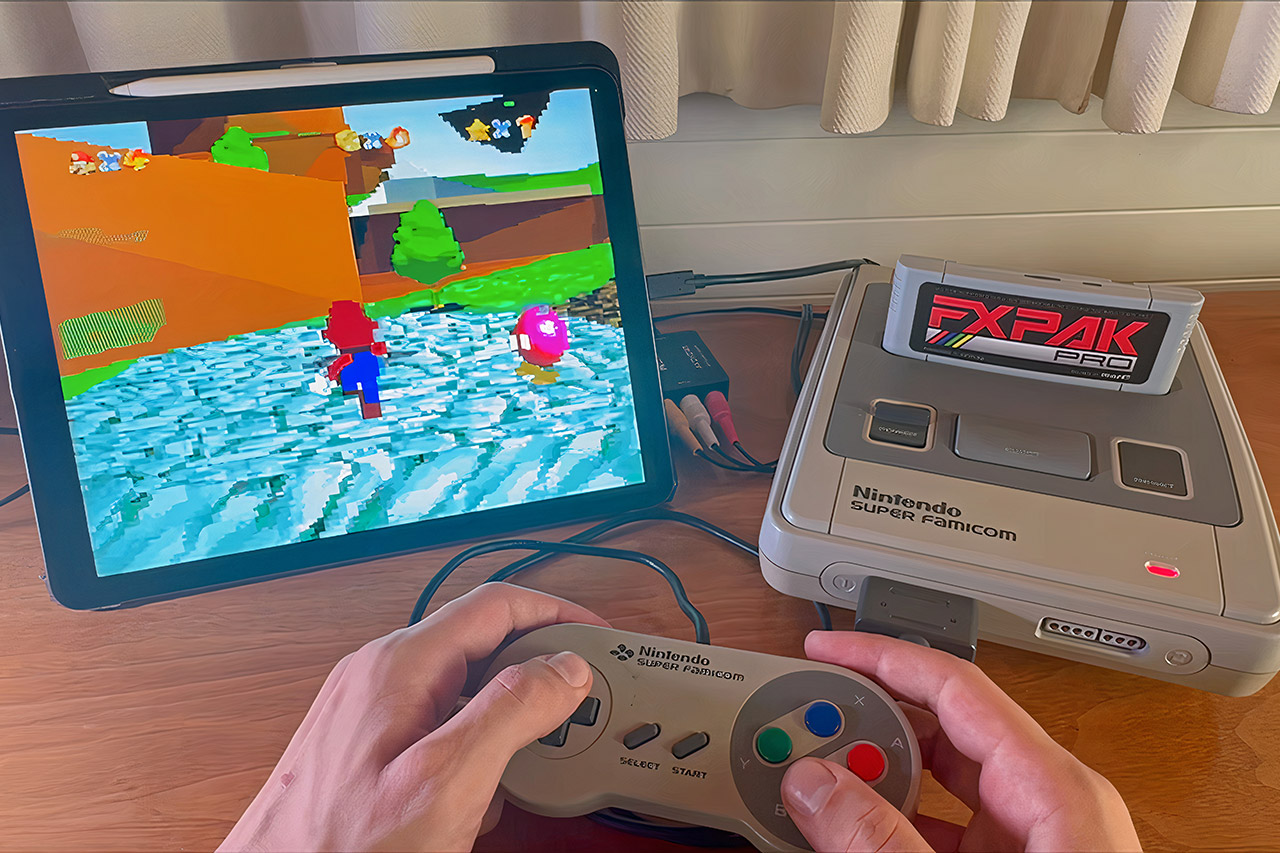
Game of Tobi spent the last stretch of September proving that Super Mario 64 can move on a Super Nintendo if the cartridge carries a Super FX chip. His video, titled Fine, I made Super Mario FX, shows the result on original hardware, with Mario jumping through low, blocky versions of rooms that still read as Peach’s Castle, Bob-omb Battlefield, and Jolly Roger Bay.

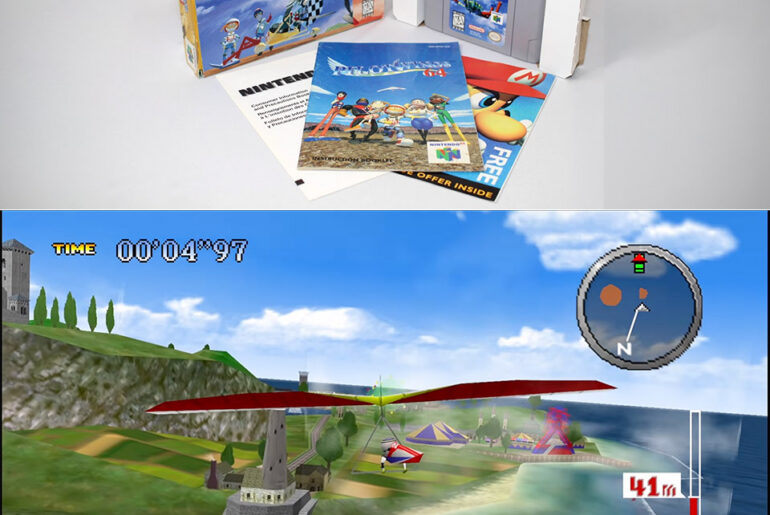
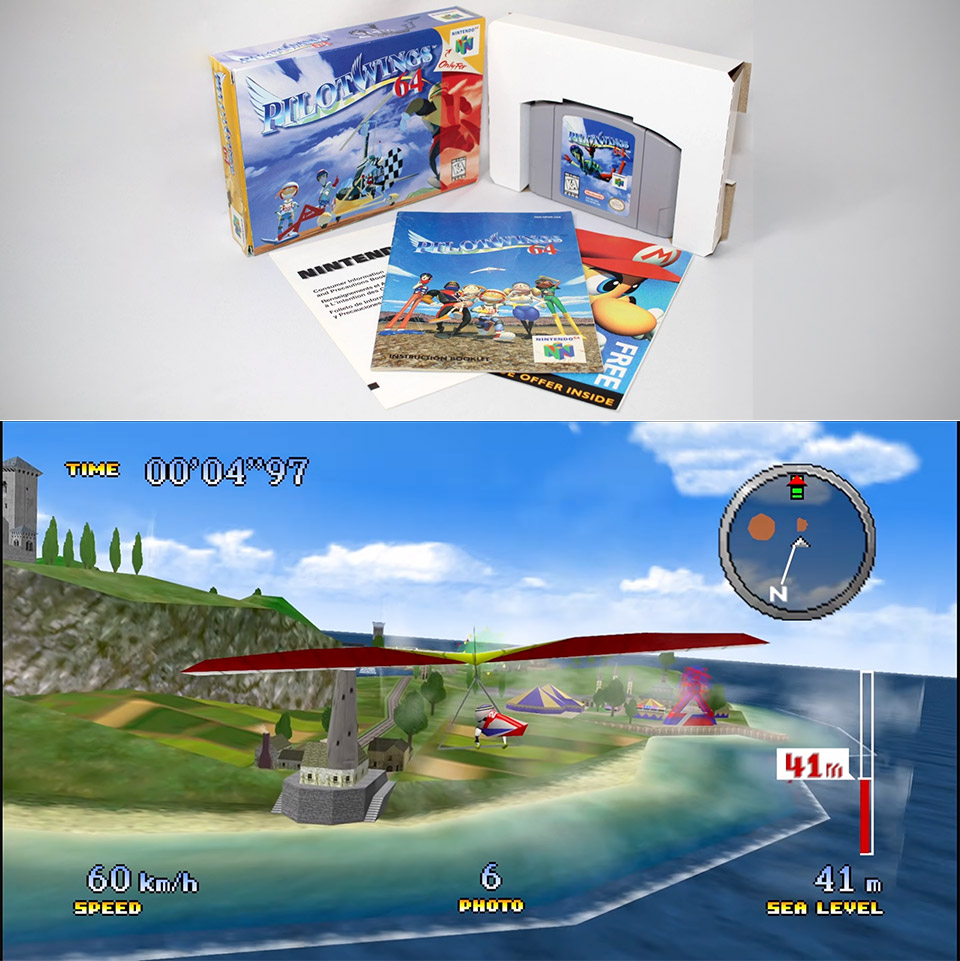
Nintendo 64 owners spent 1996 lining up hang gliders over Little States and hoping the analog stick would forgive a late flare. Nearly thirty years later, Pilotwings 64 Recompiled puts that same flight school on Windows and Linux as a native program you launch like any other PC game.

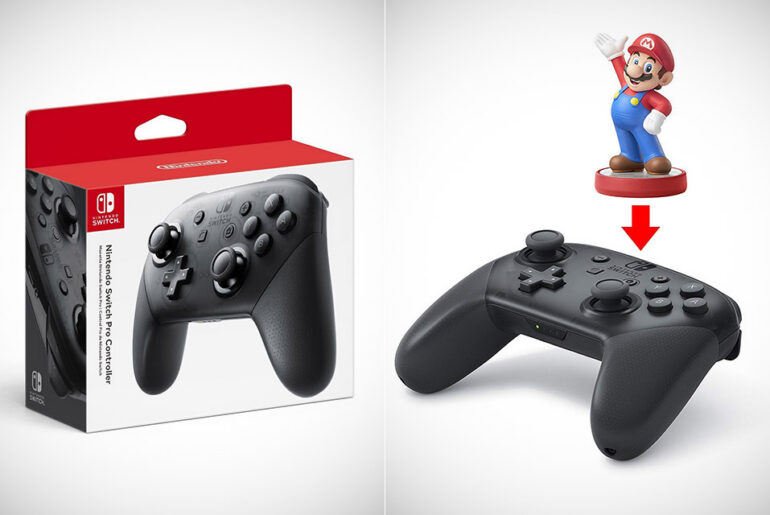
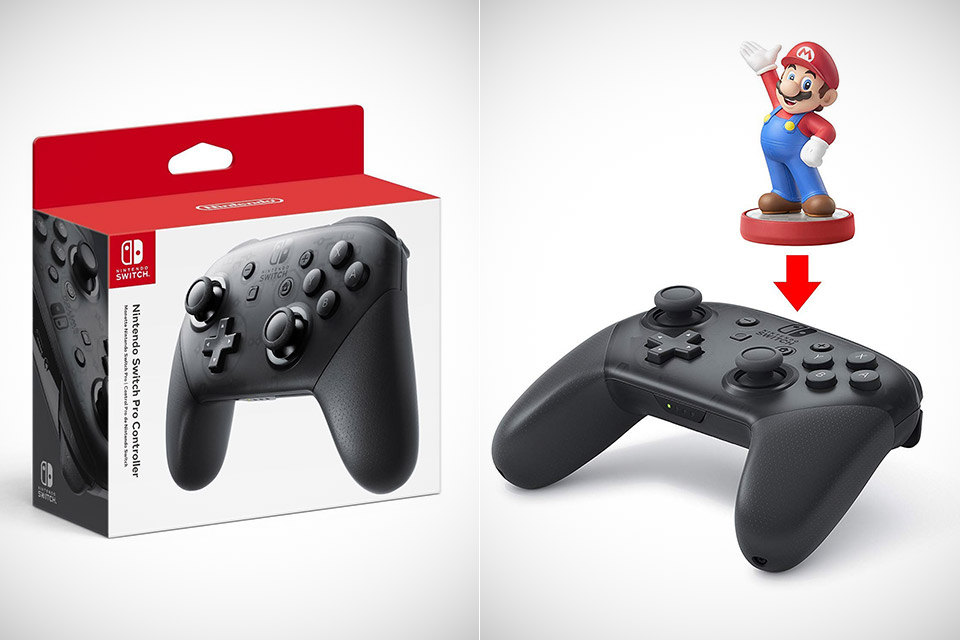
Nintendo shipped the Switch Pro, priced at $55.97 (was $80), a while back, the same day the original Switch arrived, and the shape has barely needed defending since. You get a one-piece gamepad measuring 106 millimeters tall, 152 millimeters wide, and 60 millimeters thick, weighing about 246 grams. Offset analog sticks sit in the familiar Xbox arrangement, with a plus-shaped direction pad under the left stick and the four face buttons above the right. Both sticks click. Capture, Home, Plus, and Minus land where muscle memory already lives. Plastic feels dense without turning heavy, and the grips stay comfortable through long docked sessions that split Joy-Cons never quite manage.

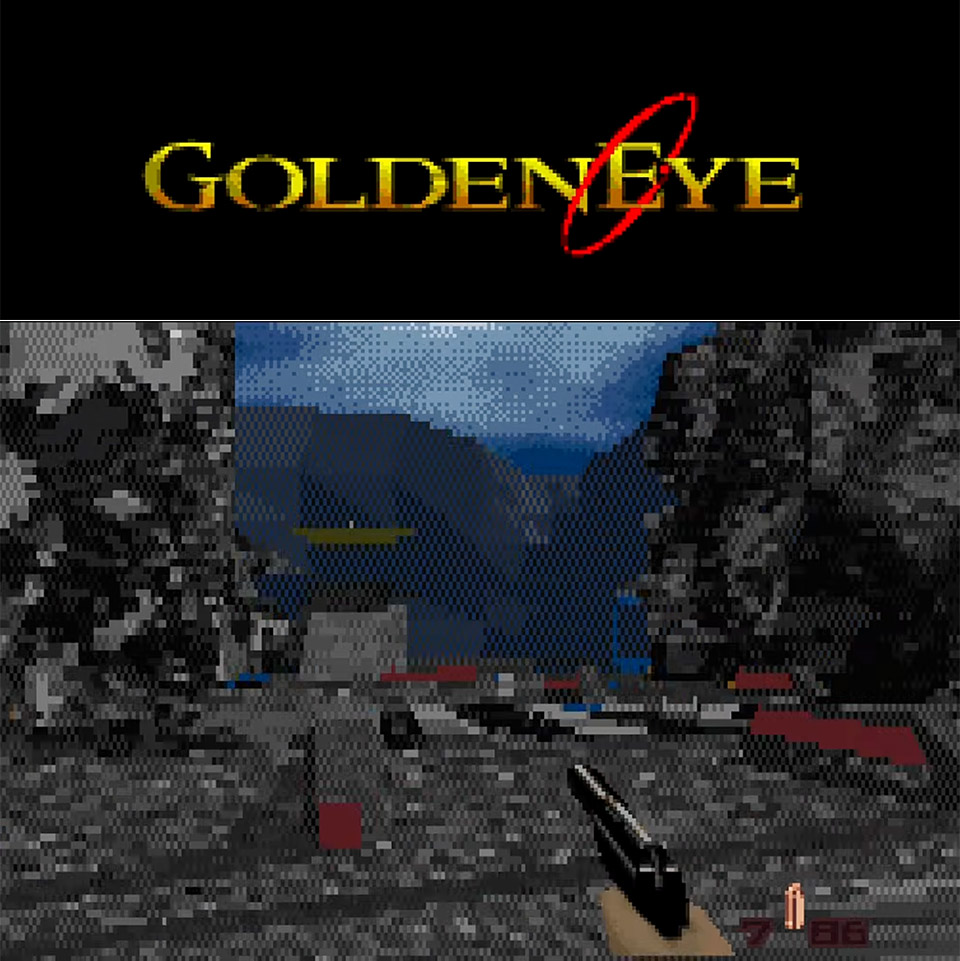
A three-and-a-half-minute video released this weekend made an N64 first-person shooter look like it belonged on the Super Nintendo, a 16-bit machine that many grew up with. Bond stands on the Arkhangelsk dam, the gun is in the lower corner of the frame, and the concrete bunkers pass by in chunky polygons while fog eats the far cliffs.

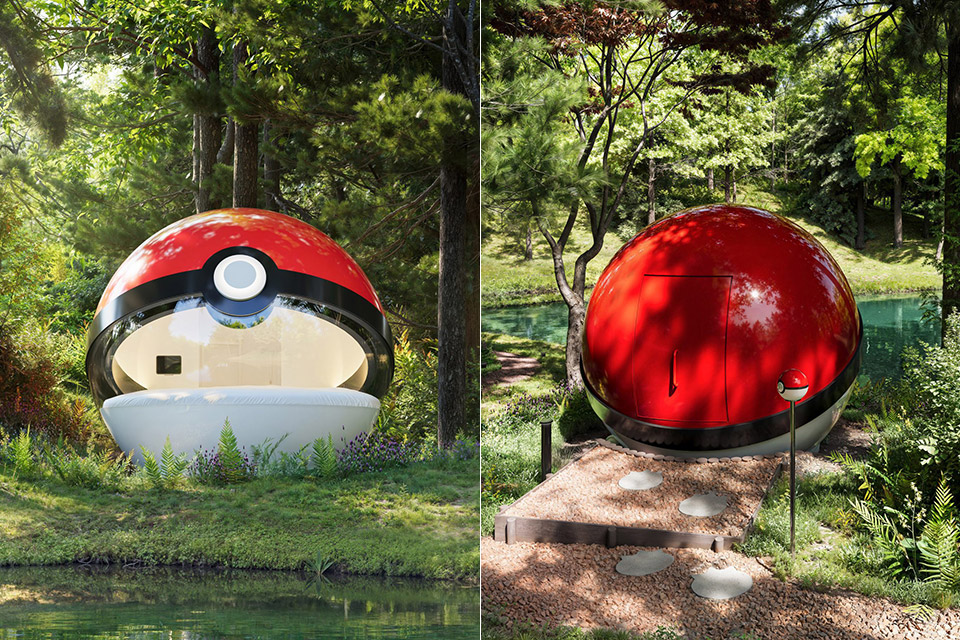
NOT A HOTEL and Pokémon Sleep have set a glossy red and white sphere on a wooded lakeshore in Tomakomai, Hokkaido, about an hour south of Sapporo, and opened it for a short run of overnight stays. The guest room is a three meter sphere, close to ten feet across, formed from two molded acrylic hemispheres so the finished object reads as a life size Poké Ball sitting among trees with lake water just beyond the glass. Promotional nights run in brief windows from October 8 through 18, 2026, timed to the franchise’s 30th year and the third anniversary of the Pokémon Sleep app.