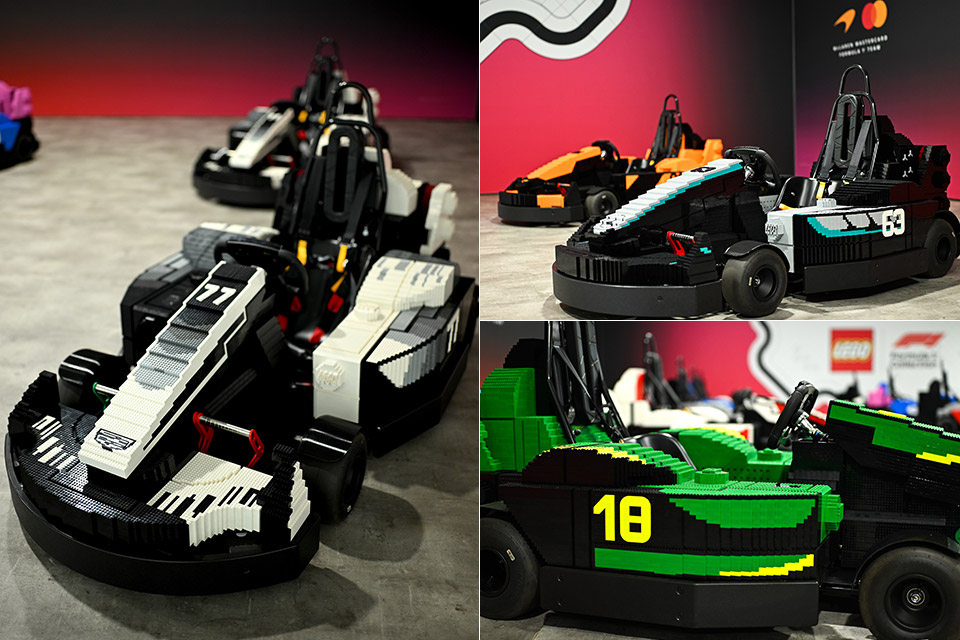
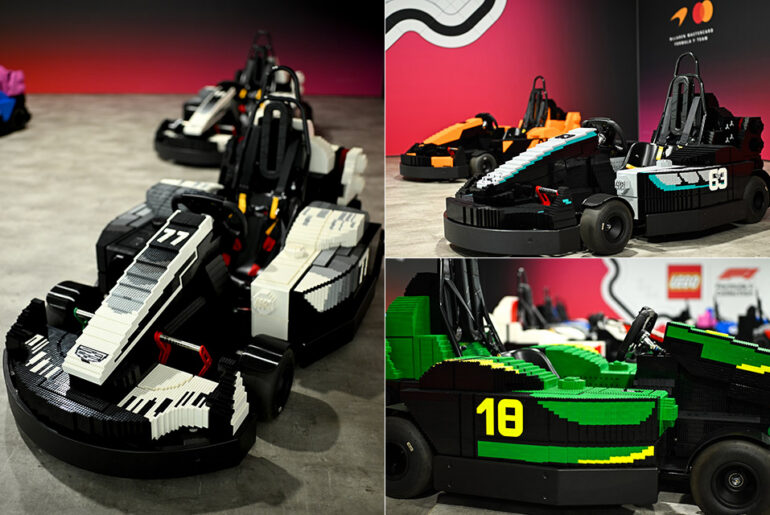
Silverstone gets ready for a different kind of lap this weekend when all 22 Formula 1 drivers take the wheel of minicars made from LEGO bricks. Builders at the LEGO factory in Kladno, Czech Republic, put more than 6,400 hours into creating these 22 vehicles. Each one incorporates over 28,000 bricks arranged over a steel frame to match the specific livery of every team on the grid. Driver numbers and team emblems appear in their proper places with a playful LEGO touch.
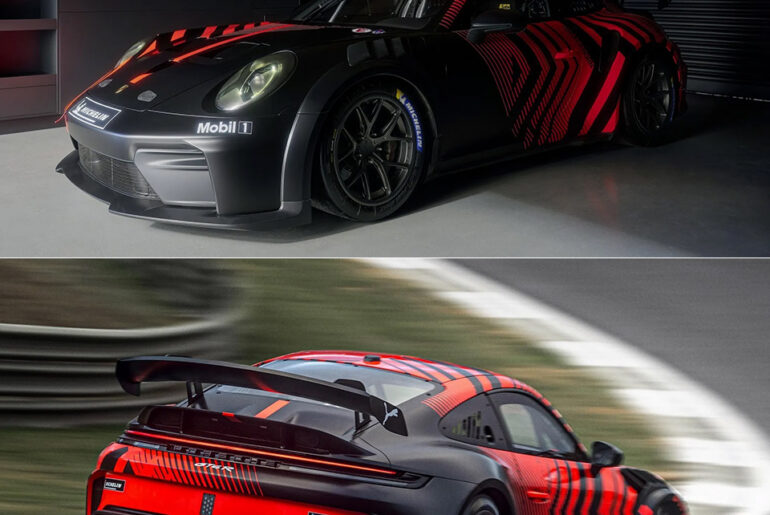
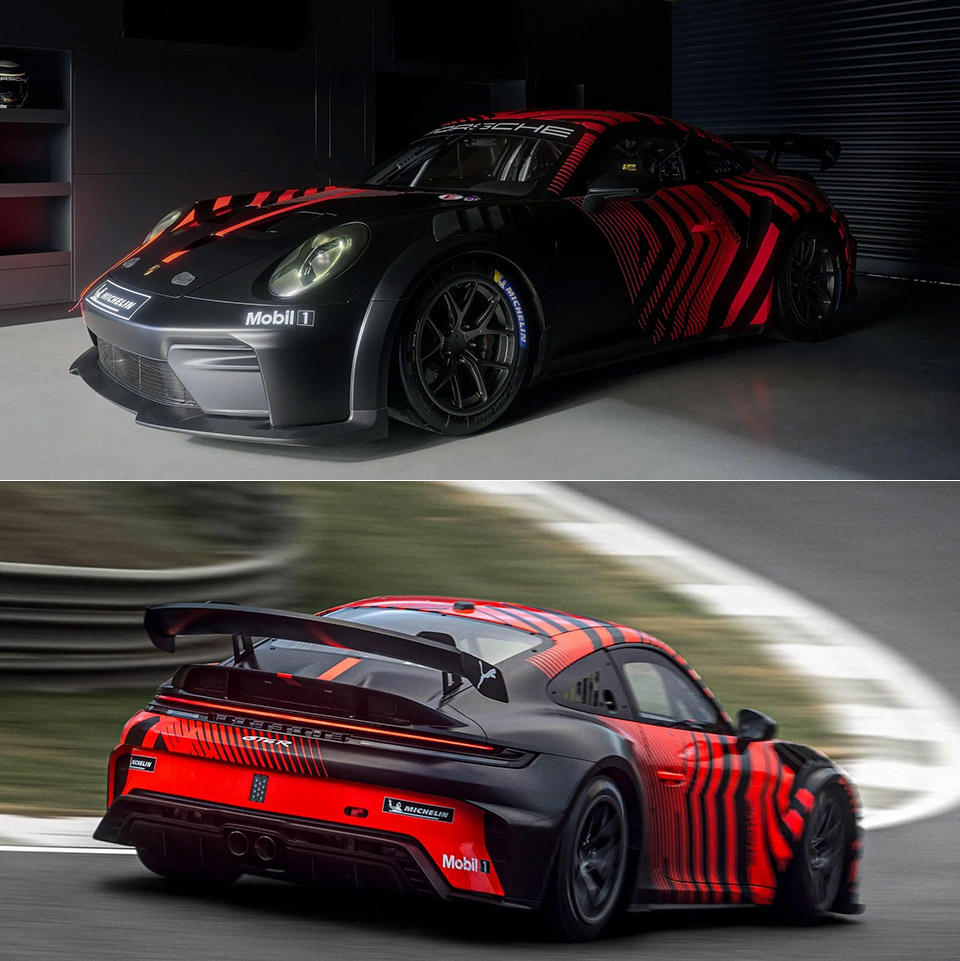
Porsche lifted the curtain this week, with a clear message for its customer racing community. The new 911 GT4 R replaces the long-running Cayman-based GT4 models and becomes the first car in this category to wear the iconic 911 shape. Built on the same foundation as the current 911 Cup, the car arrives in time for the 2027 season and carries a starting price of $375,500 in the United States, including delivery.

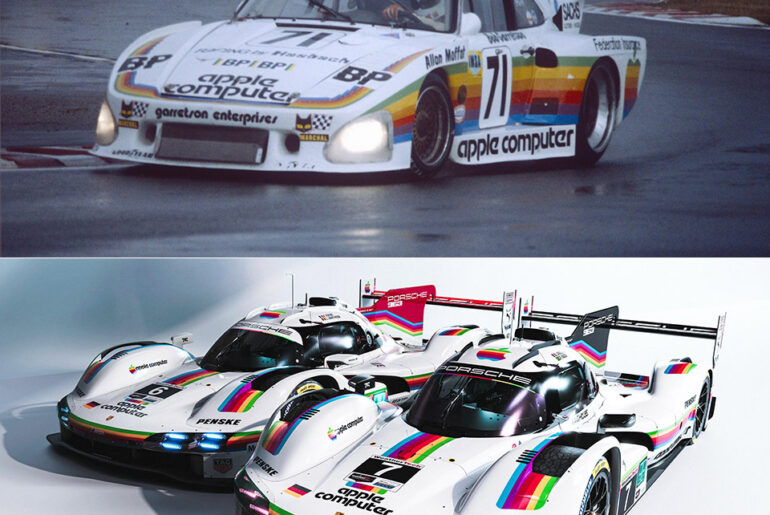
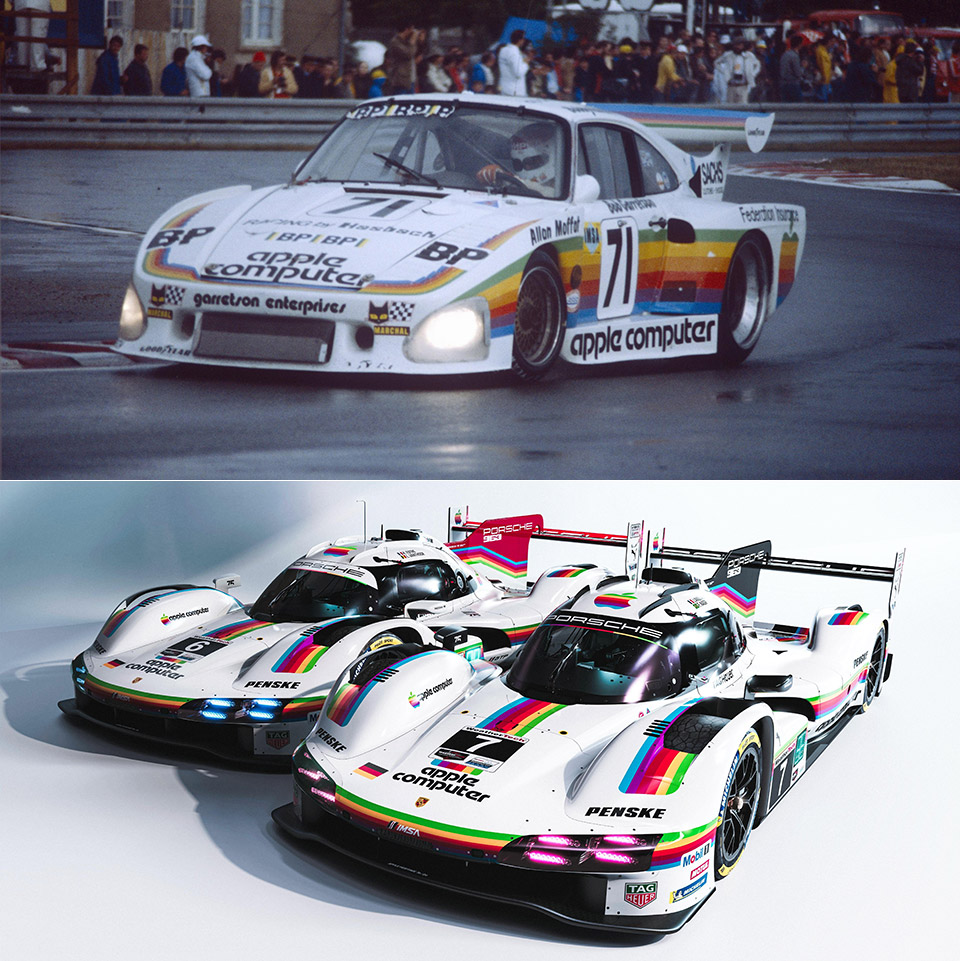
Racing fans hold fond memories of one particular Porsche from decades ago. In the 1980 season a customer 935 K3 from Dick Barbour Racing hit the circuits wrapped in bright rainbow colors and the Apple Computer logo. That machine competed at major events including the 24 Hours of Le Mans and left a lasting impression wherever it appeared.

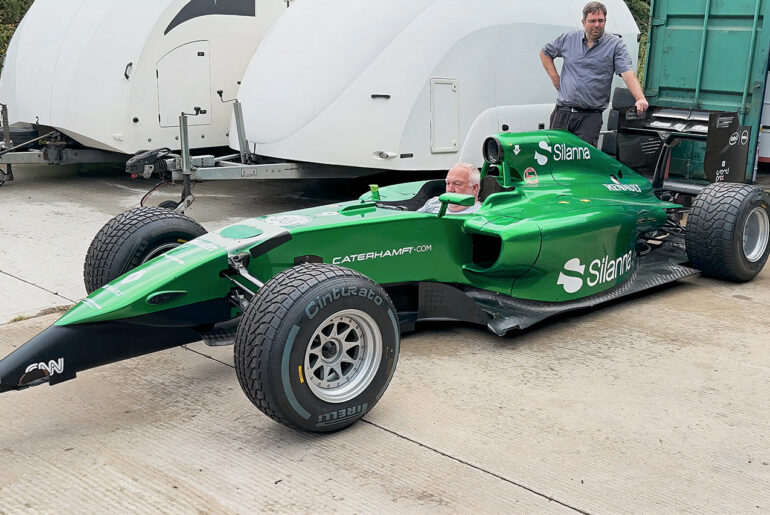
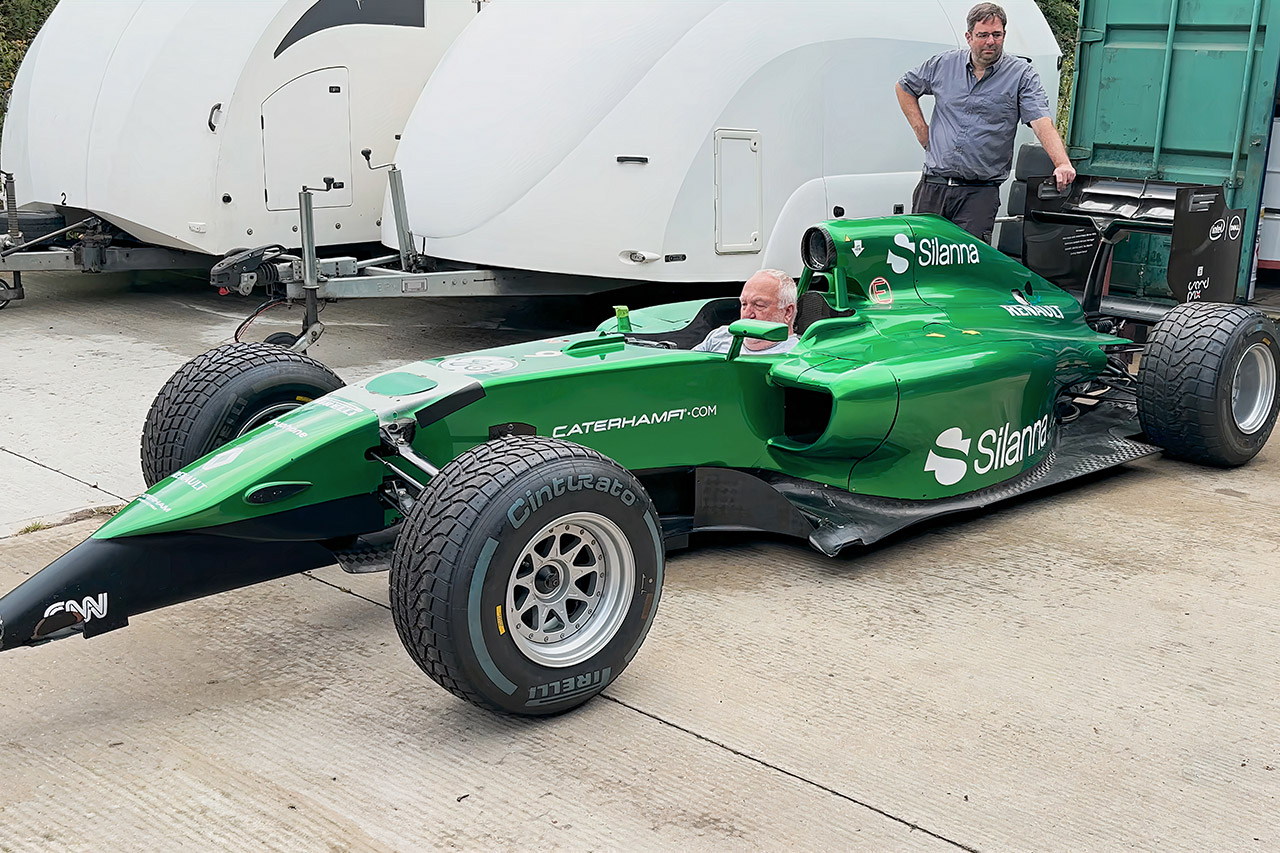
Kevin Thomas from Burgess Hill saw the mangled carbon fiber tub in front of him as a complete racing machine simply waiting for little TLC. Ten years ago, that tub was part of a Caterham F1 vehicle, and it was the focal point of a spectacular crash at the 2014 Hungarian Grand Prix. After the team disbanded owing to financial issues, it was allowed to gather dust with three missing wheels and a critically damaged center structure. It was cleared out by debt collectors and then sold at auction, where Kevin purchased it.

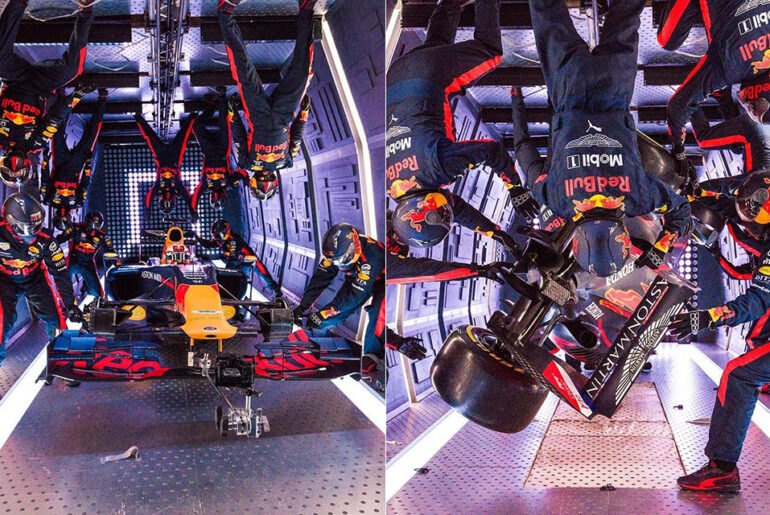
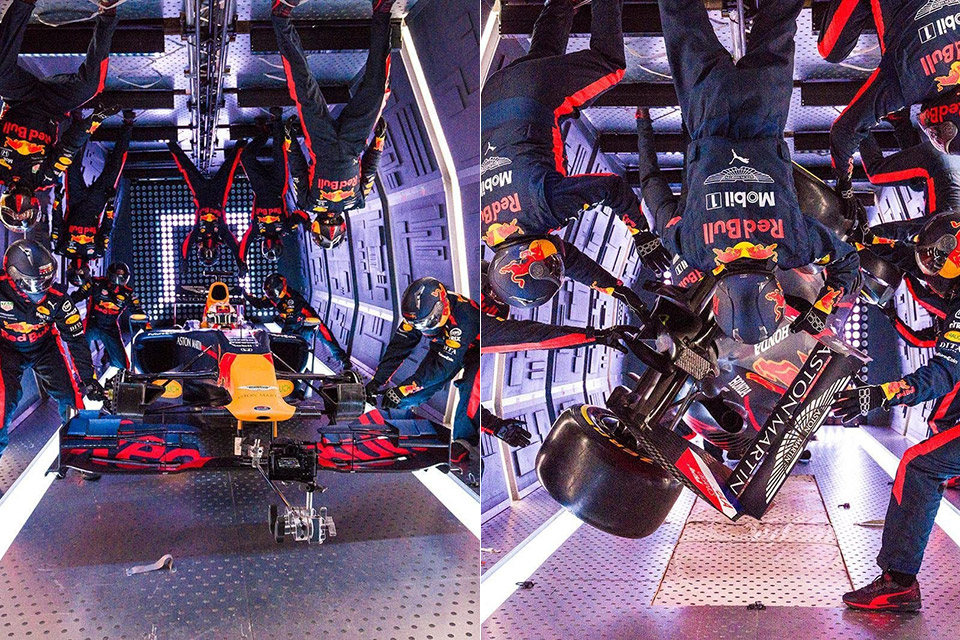
Photo credit: Red Bull Racing, Zero-G BTS stills by Denis Klero
By the end of the 2019 season, Red Bull Racing set numerous world records for fastest pit stops. However, as expected, the team was still eager to push itself to new heights, literally. They decided to put their skills to the test in a completely new setting, or more specifically, changing an F1 car’s four tires while floating around in the center of an aircraft.

Ford has unleashed a new contender for the 2025 Pikes Peak International Hill Climb, and it’s a far cry from the Mustang Mach-E you’d spot at a charging station. Revealed on June 16, 2025, the Super Mustang Mach-E is a purpose-built electric race car designed to dominate the treacherous 12.42-mile, 156-turn ascent to 14,115 feet in Colorado’s Rockies. With a staggering 1,421 horsepower, an aerodynamic package generating up to 12,000 pounds of downforce, and veteran driver Romain Dumas at the wheel, this machine is Ford’s boldest bid yet for Pikes Peak glory.

On June 22, 2025, a Honda CR-V will carve its way up the 12.42-mile, 156-turn gauntlet of the Broadmoor Pikes Peak International Hill Climb, nicknamed “The Race to the Clouds.” This isn’t your standard CR-V, though—it’s the e:FCEV, the first hydrogen-powered vehicle to ever tackle this iconic Colorado mountain course.

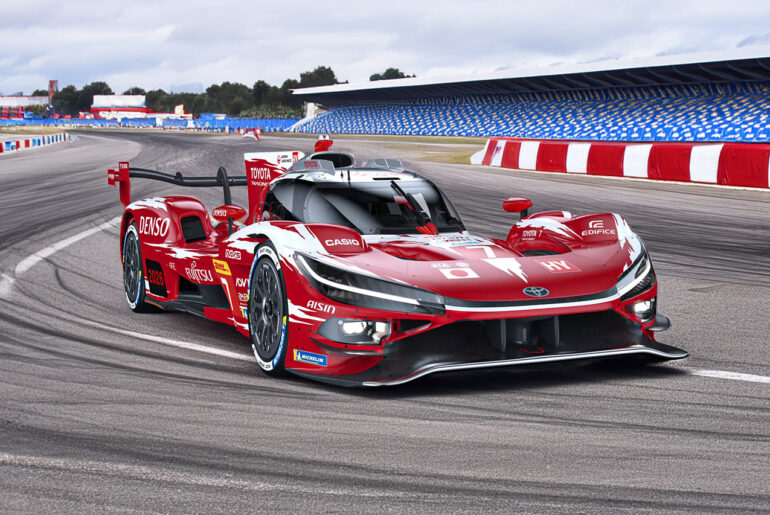
On June 11, 2025, at the Le Mans 24 Hours’ H2 Village in France, Toyota pulled the curtain off their GR LH2 Racing Concept—a liquid hydrogen-powered race car that marks a giant leap forward for sustainable race cars.