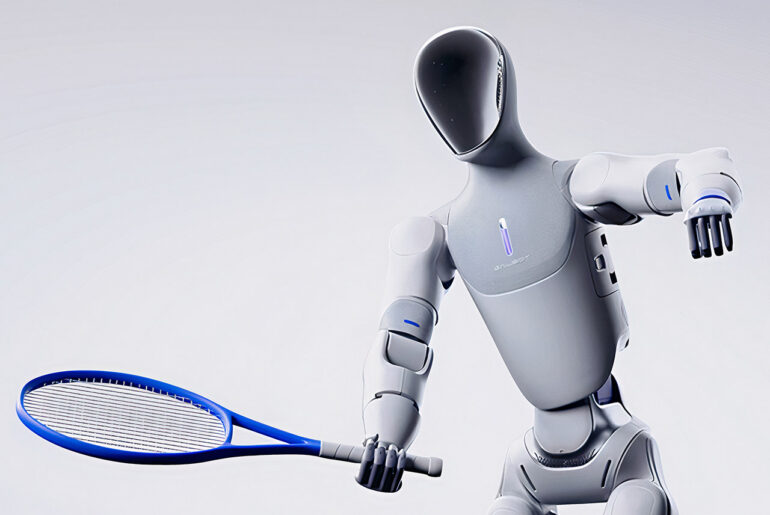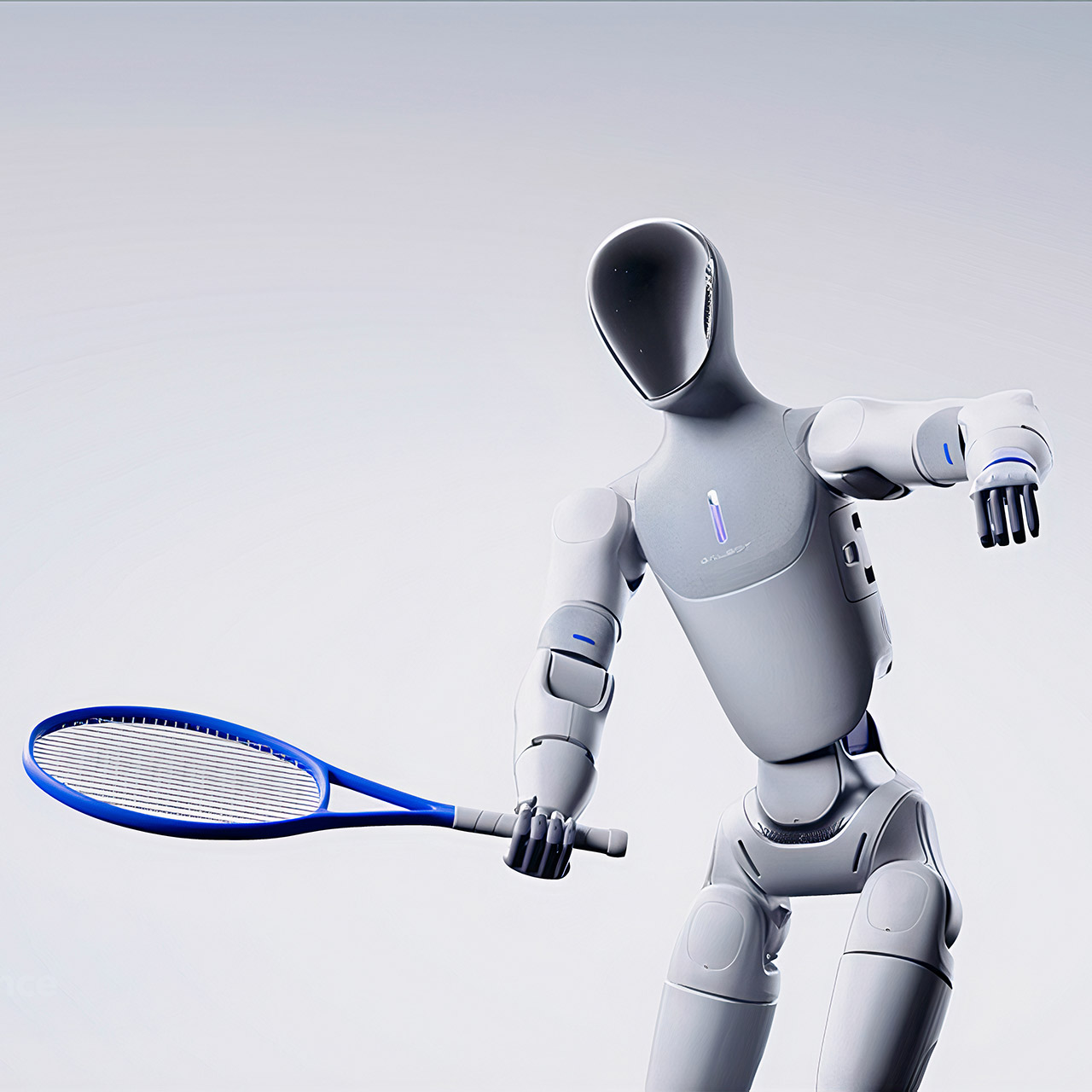
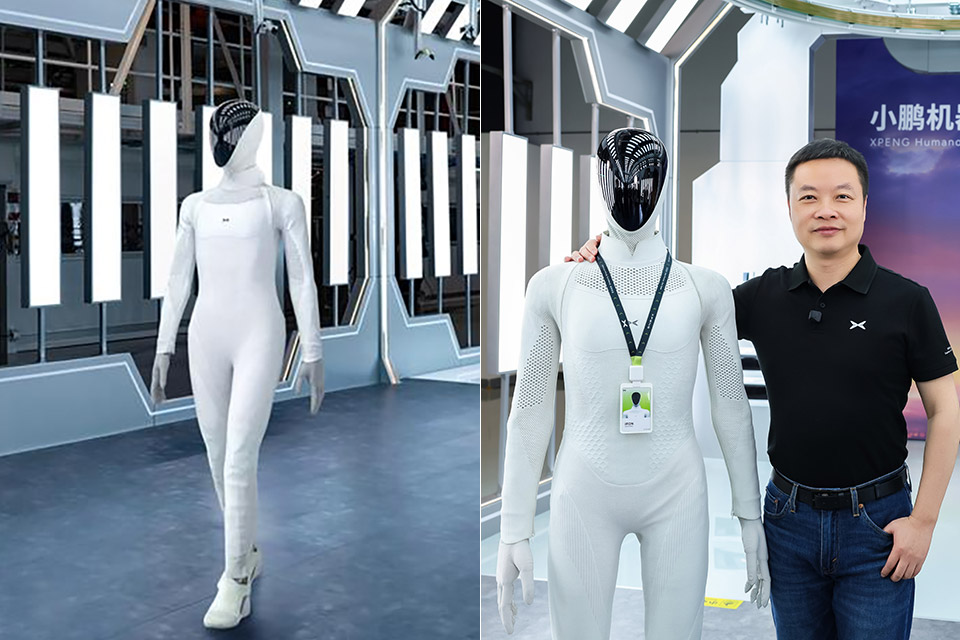
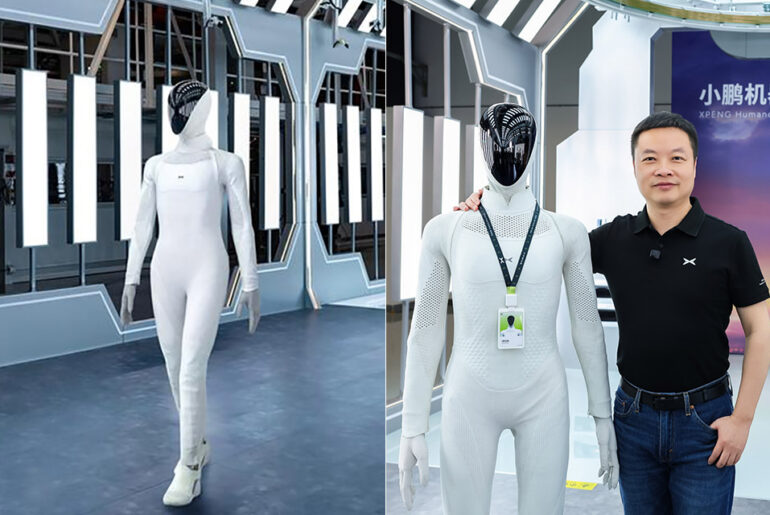
Finished on a new Guangzhou line, XPENG’s Iron stood up and walked away on its own. No remote pilot. No stage crew. Just a completed humanoid leaving the factory floor the way a car leaves a paint booth, only this one used two legs. The company called the September 7 moment the first time an advanced general-purpose humanoid had been built on automated production lines and then departed under its own power.
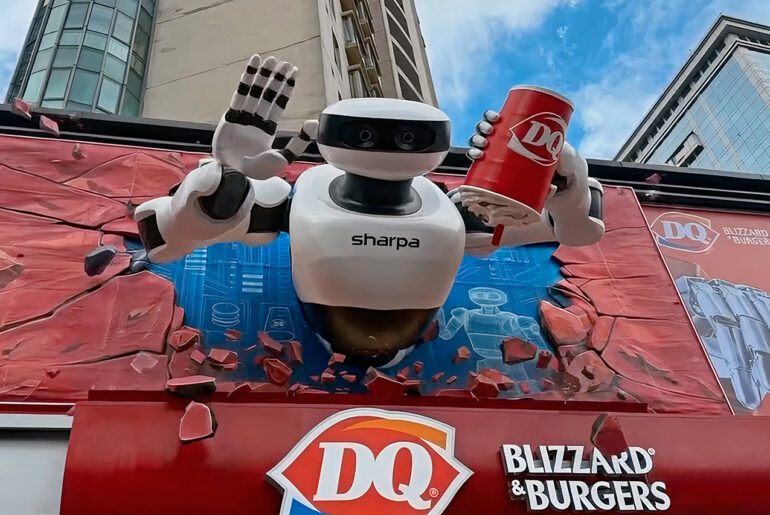
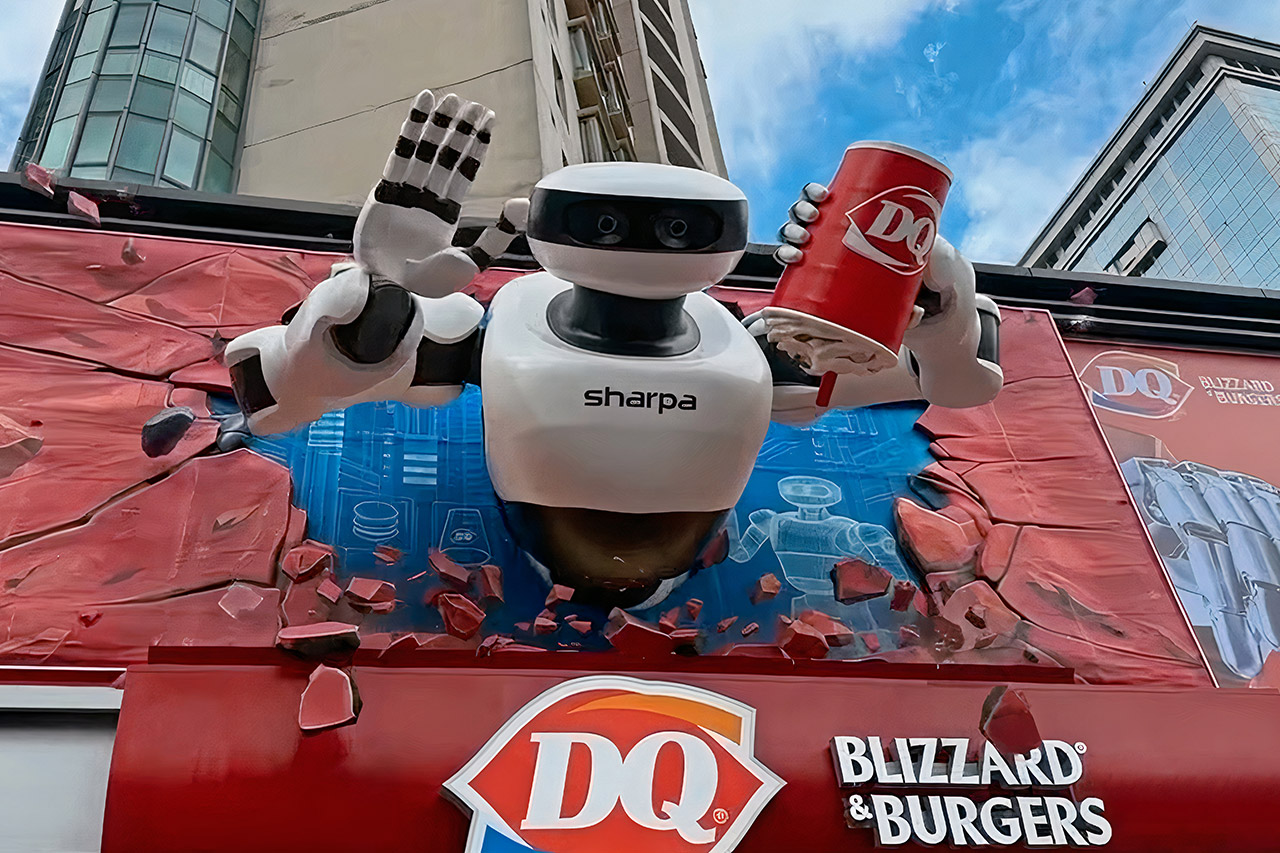
Crowds on Shanghai’s Wujiang Road have a new reason to stall outside the Dairy Queen at No. 169, across from Louis Vuitton’s ship-shaped flagship. On August 29, Sharpa’s wheeled humanoid, North, started a daily shift behind a dedicated counter in that store, making Oreo Blizzards for paying customers on the same machines, cups, toppings, and blender a human crew already used. CFB Group runs the franchise. Sharpa and DQ call the setup the first live commercial kitchen where a humanoid works a full branded workflow without new fixtures, custom conveyors, or a rebuilt room.

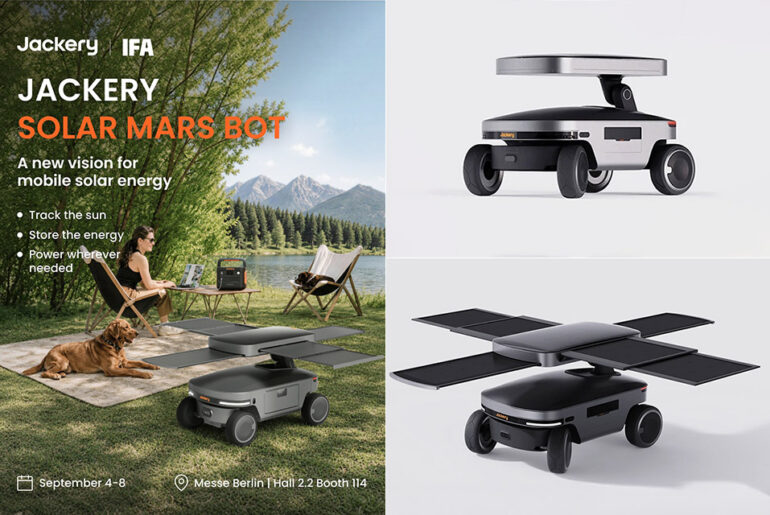
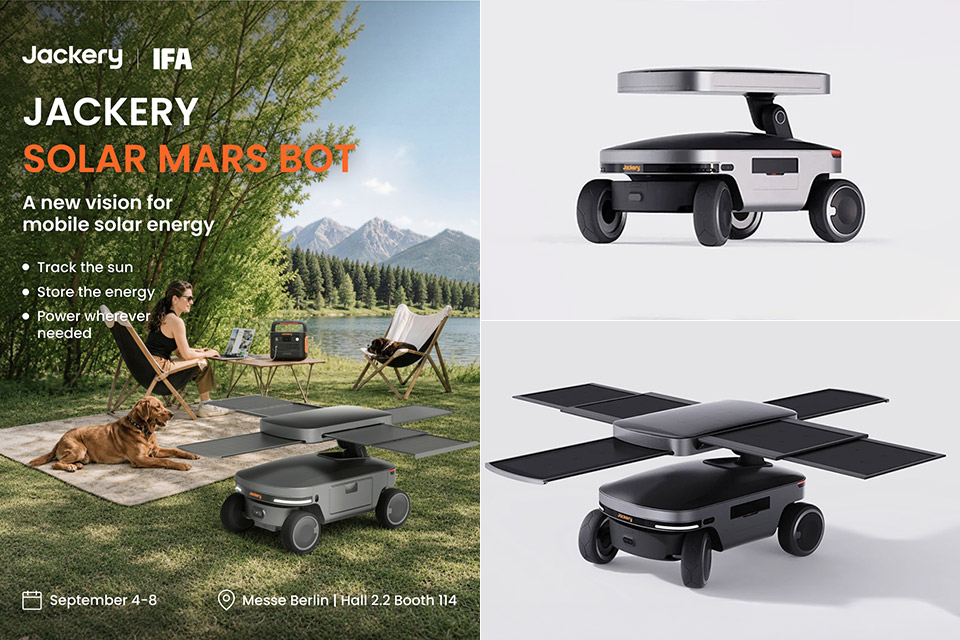
Jackery first parked a wheeled solar generator on a CES floor in 2024 and called it Solar Mars Bot. Two years of work later, the same rover is back in public, this time at IFA Berlin 2026, still billed as a future product that can hunt sunlight, charge itself, then roll over to you with a few kilowatt-hours in tow.

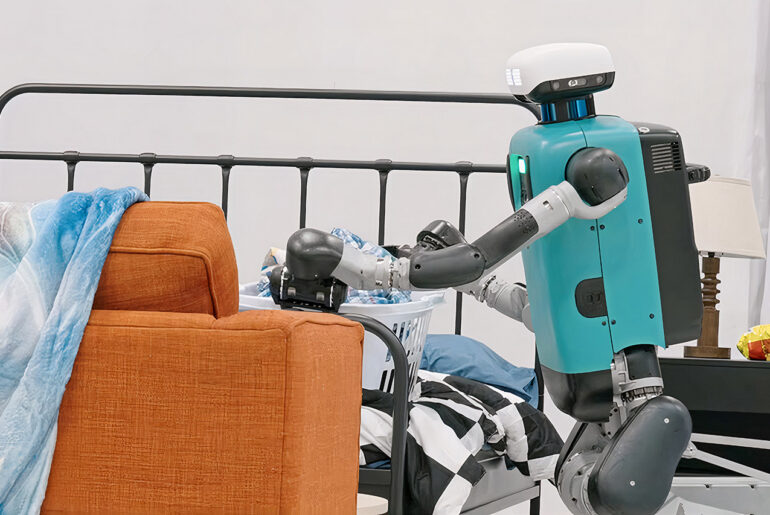
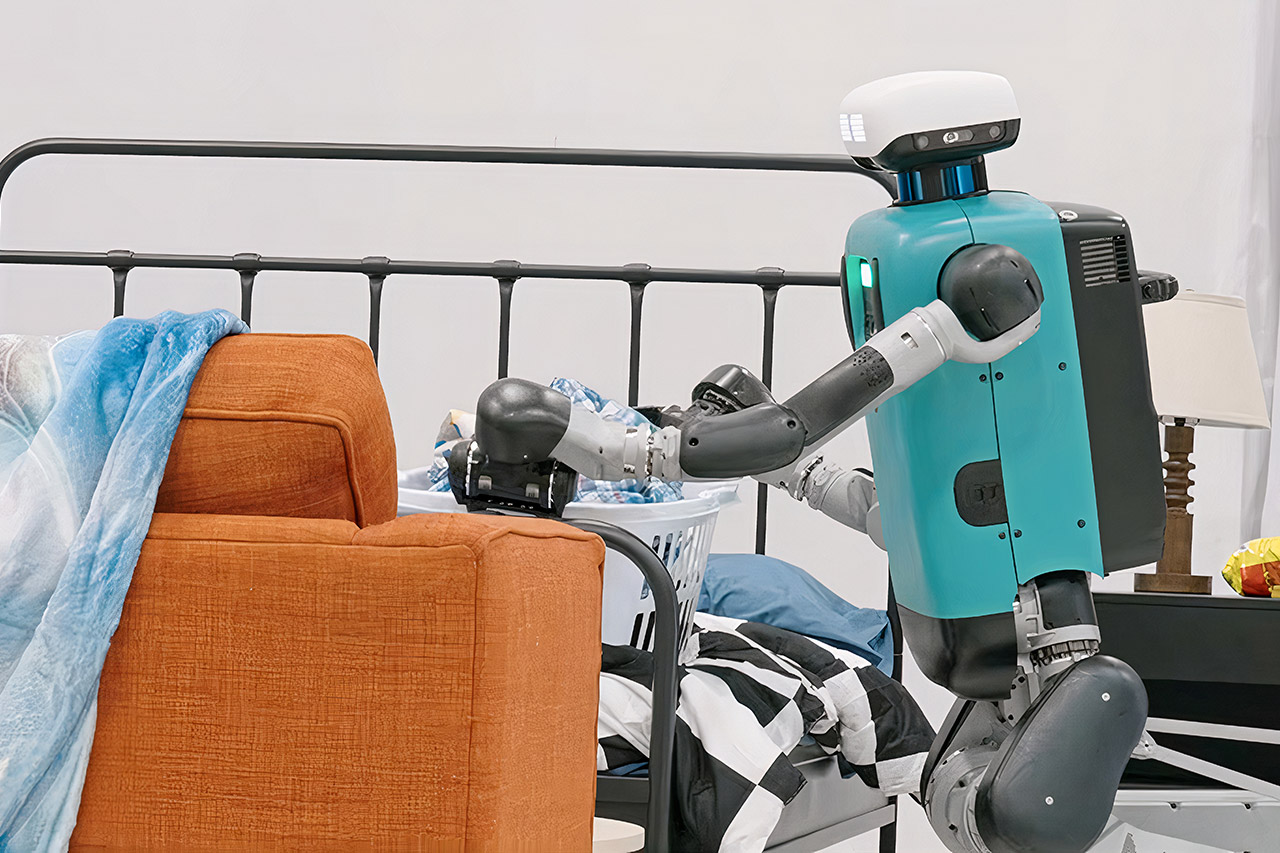
Agility Robotics posted a short clip this week of Digit rearranging a room, dragging a couch and shifting chairs, bags, and household clutter as if the furniture were just another tote. That demo is the company showing off generalized manipulation: objects of different sizes, weights, and grips, moved through a space built for people. The same skill set is what Digit already uses on mixed loads and changing layouts inside warehouses.

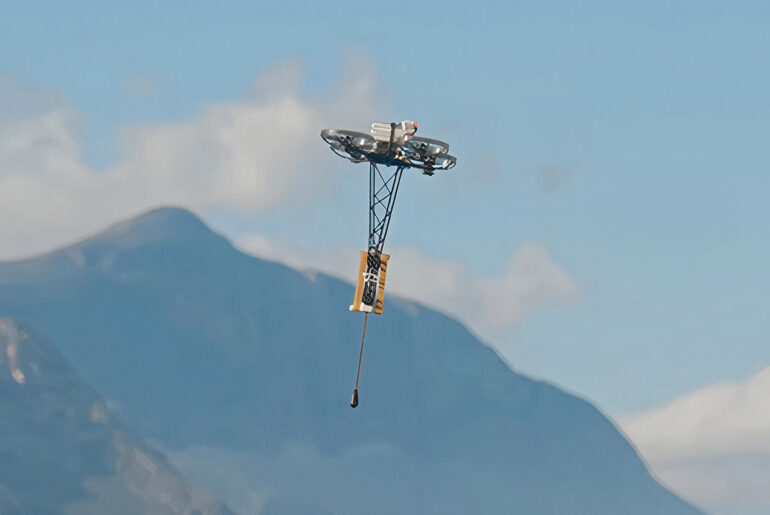
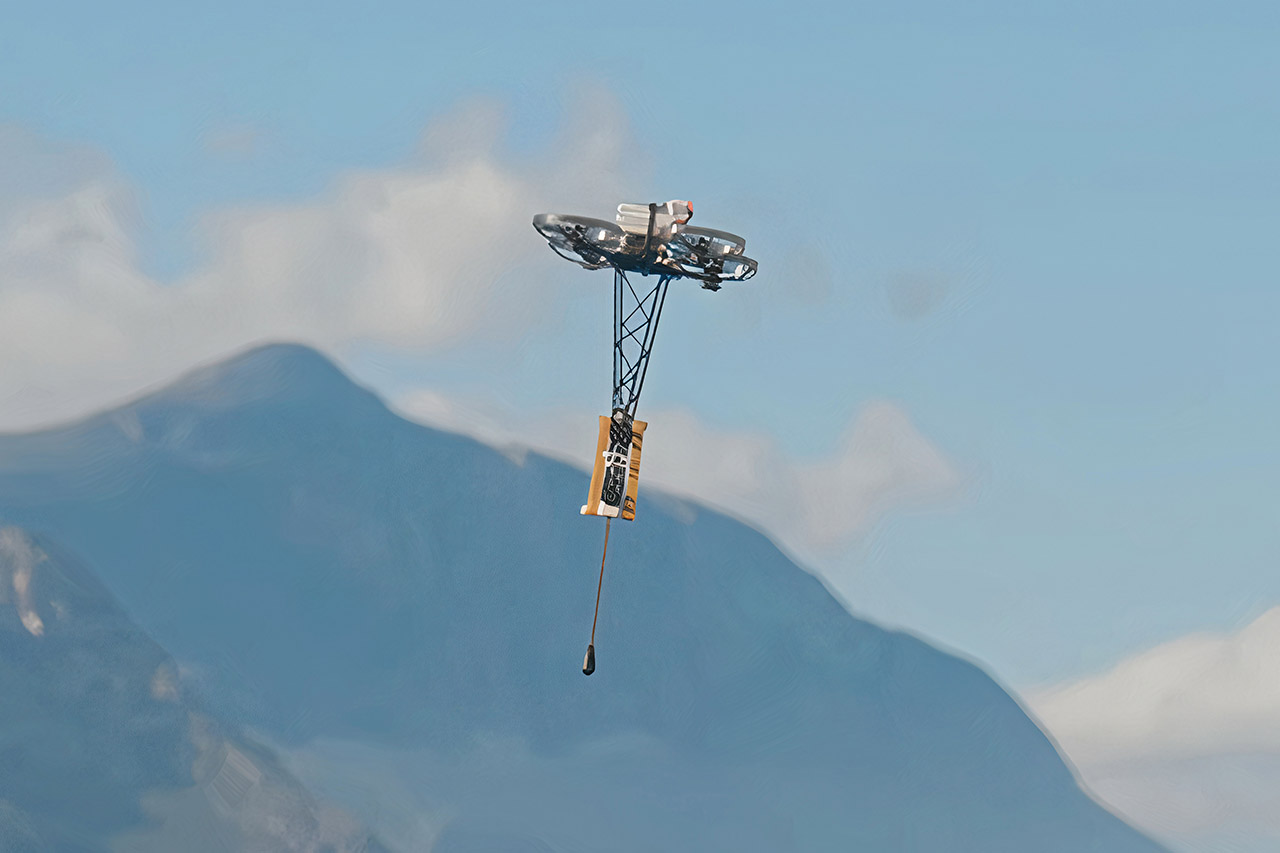
HopTo’s first machine, Hop-1, looks like a small quadcopter that grew a pogo stick. That extra leg is the whole argument. Continuous flight means the motors fight gravity every second the machine is aloft. Hop-1 spends most of its trip bouncing on a passive spring, so the rotors only top up energy lost on each landing and fully take over when a gap, a wall, or a sudden climb actually requires flight. HopTo puts hopping energy use at about a quarter of continuous flight. Stay on the ground as much as possible, and only fly when you have to.

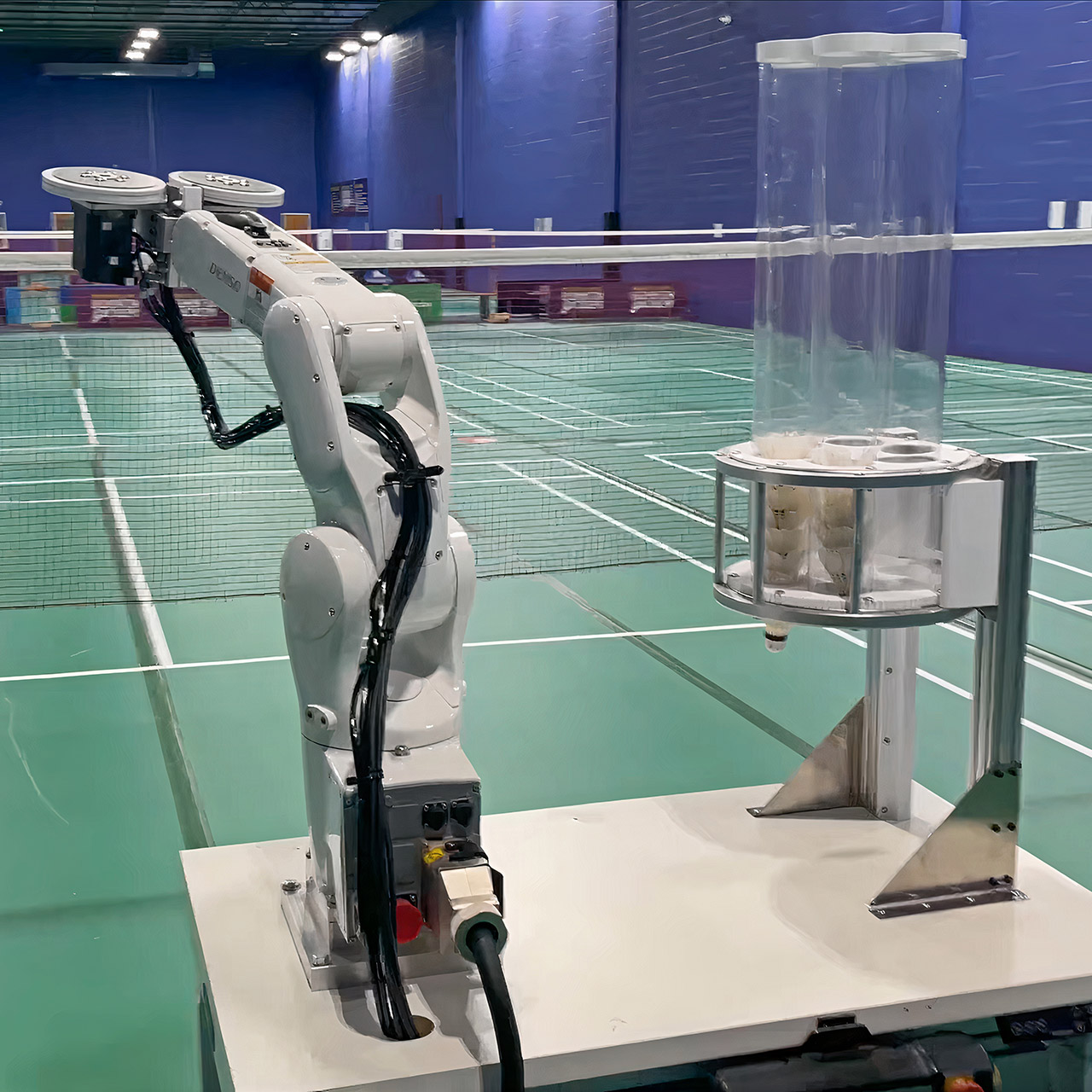
Badminton still needs two people, a net, and a pile of shuttlecocks that never last as long as the rally in your head. Travis Mitchell already played weekly. His kids had just gotten old enough to start learning. His wife once competed in women’s singles for Team USA and now runs a 15-court facility. A decade earlier he had already tried to build a launcher with a CR-10 printer and a cheap CNC router, then life got in the way. This time he wanted the machine itself to be more fun, so he bought a used Denso VS-050 industrial arm on eBay and spent about six months turning it into a court-side feeder.

Galbot spent three years putting wheeled machines to work in Chinese pharmacies and convenience stores, picking products and handing them to riders on real shifts. In August the Beijing company, founded in 2023 by Peking University professor He Wang, rolled out its first machine that stands on two legs. ET1 debuted at the World Robot Conference and then walked onto a court at the World Humanoid Robot Games, where Galbot machines held live rallies against people.

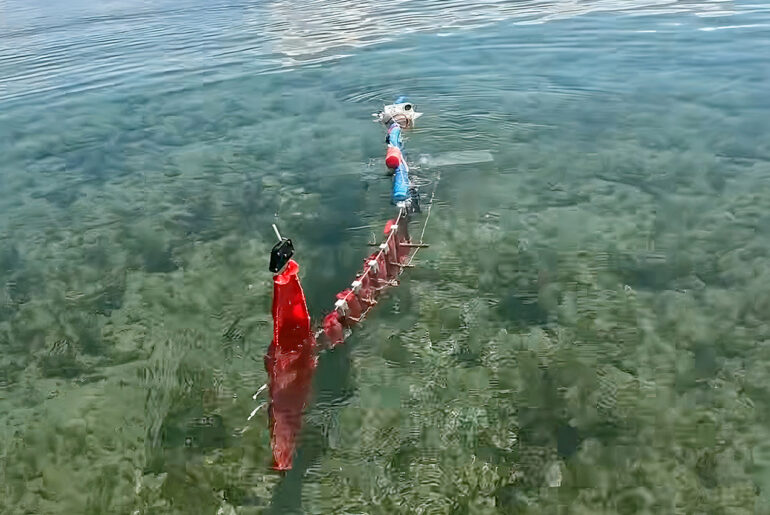
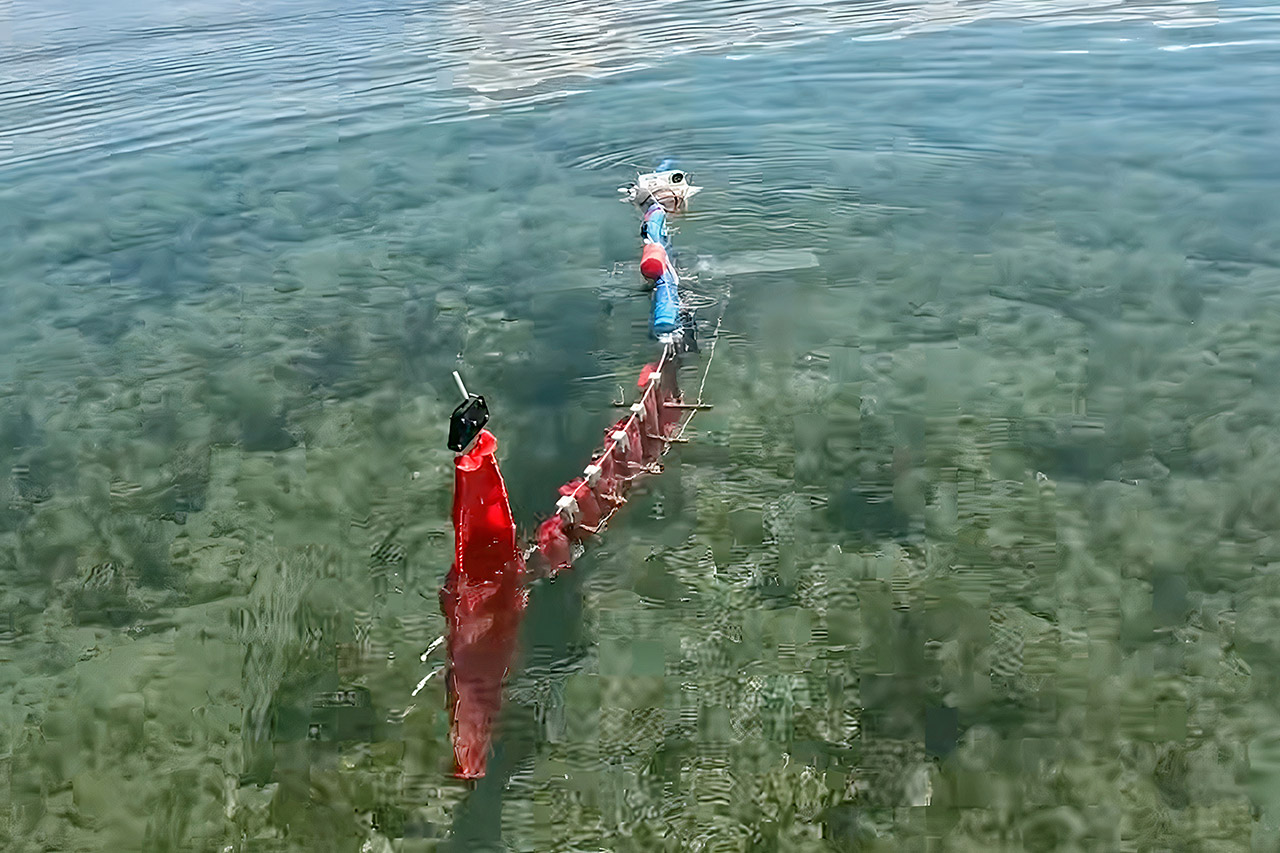
Most fish-inspired robots arrive locked to one length and one job. Scale them up for a lake or down for a creek and the whole machine usually has to be designed again from scratch. Engineers working between NYU Tandon and EPFL have shown a way around that limit with ScaFi, a compliant robot modeled on the tail-heavy swimming of fish such as cod and mackerel. Those species keep most of their body bend toward the rear, a style that works across a wide range of real animal sizes. ScaFi copies the same idea with a rigid motor-driven front and a flexible tail of fiberglass rods wrapped in red fabric. A single motor pulls two tendons that cross near the tail tip, forcing the familiar S-curve that pushes water backward.

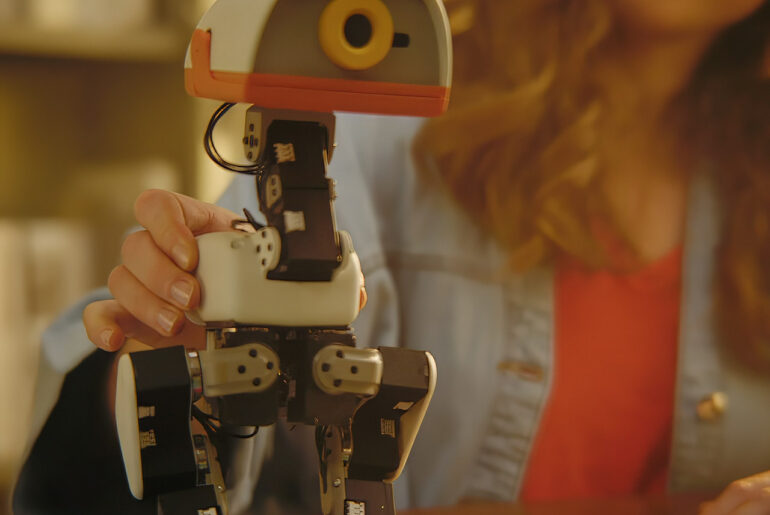
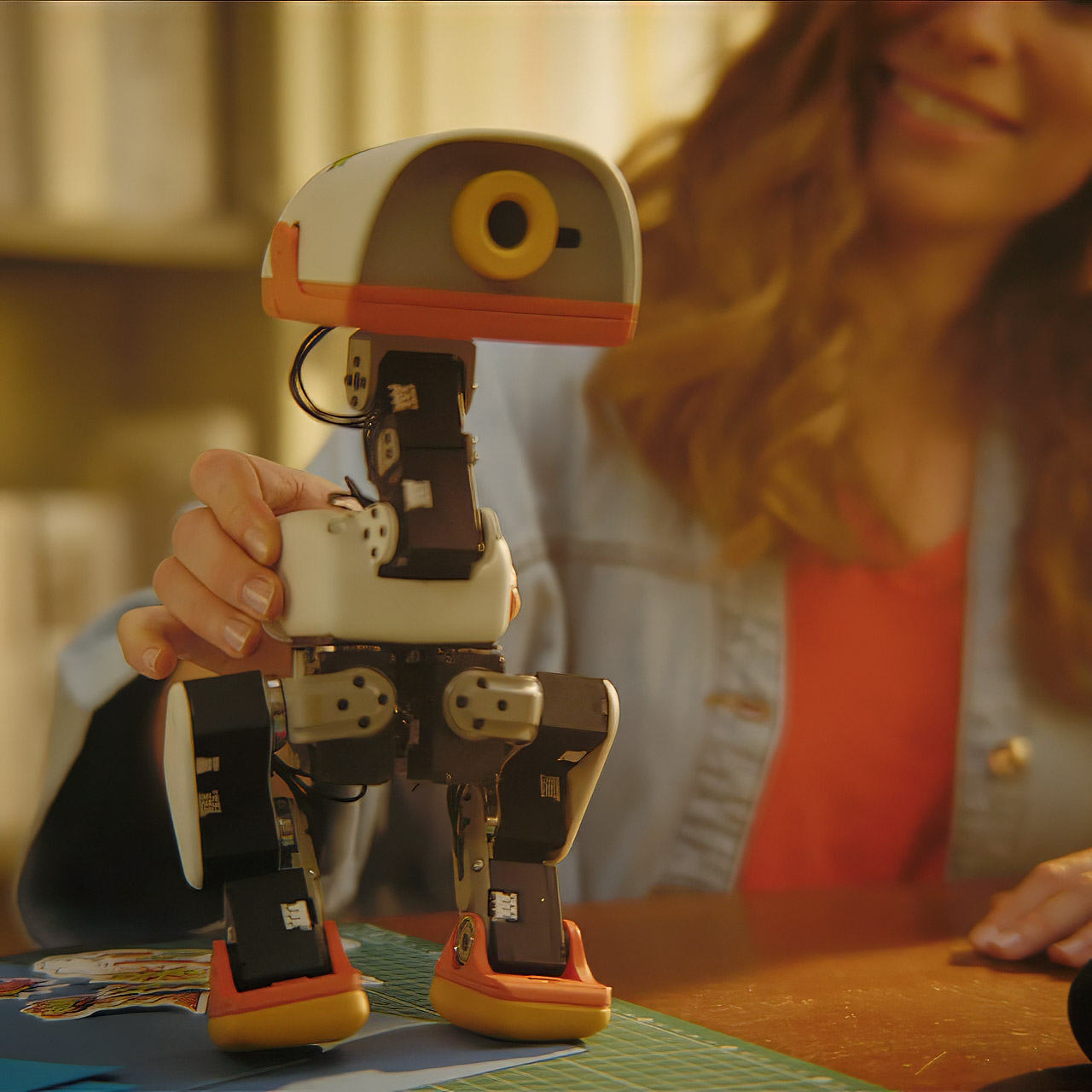
Reports this week put a possible NVIDIA purchase of Hugging Face near $13 billion. This morning the company’s Bordeaux robotics group still went ahead and opened pre-orders on something far smaller: Microduck, a 25-centimeter biped from Pollen Robotics that looks like a one-eyed water bird and costs $399 before tax and shipping.

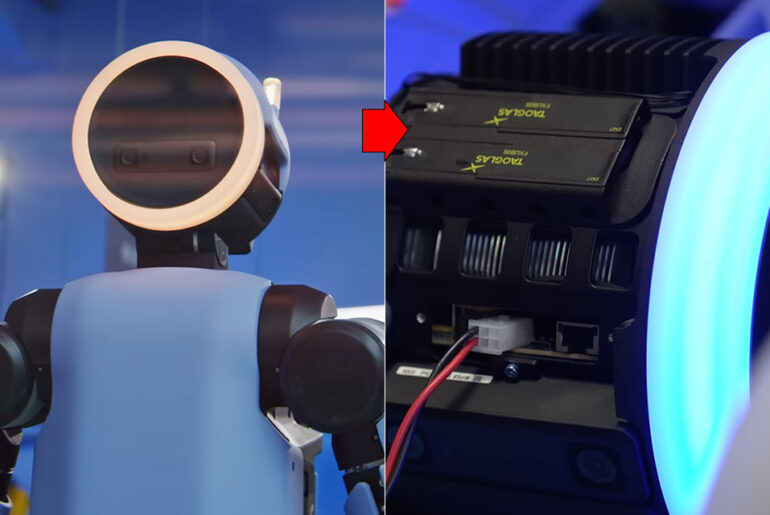
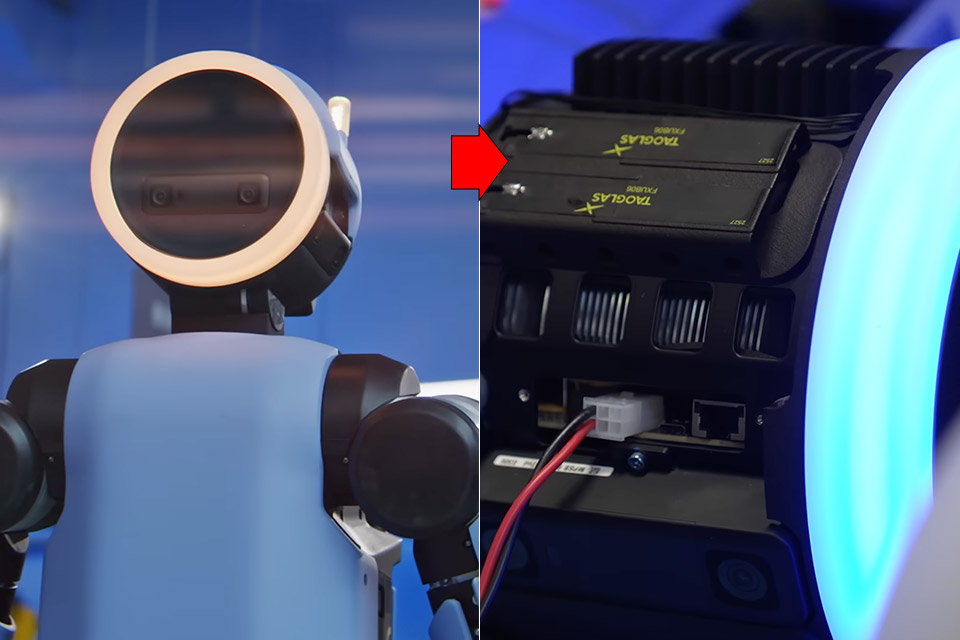
Boston Dynamics spent years sending Atlas over boxes and through parkour courses with almost nothing on top that looked like a head. Hydraulic Atlas lived as a research machine built for flips, runs, and balance tests. Forward sensors were enough when the only job was reading the ground a few steps ahead.