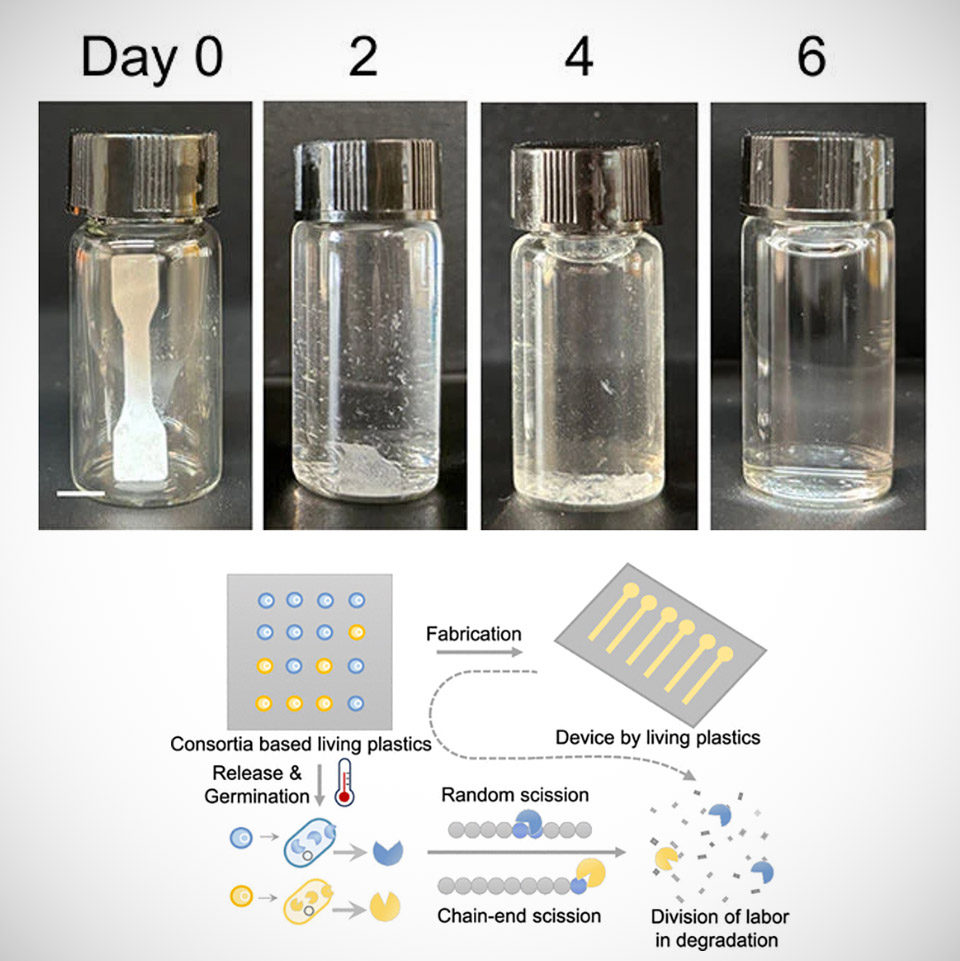
Researchers have found a way to mix bacteria into plastic so the material works normally but then disappears entirely when triggered, nicknamed ‘living plastics’. Engineers from the Shenzhen Institutes of Advanced Technology started with polycaprolactone, a polymer already used in 3D printing and medical sutures. They added dormant spores from two specially modified strains of Bacillus subtilis, a common soil bacterium.
The one strain was able to produce an enzyme that simply chopped up the polymer chains whenever it felt like it. The other strain produces an enzyme, which then degrades the polymer parts into their basic building blocks. The enzymes work together to complete tasks quickly, much like two humans functioning as a team. The foundation material is polycaprolactone, and the spores sit quietly inside until you need them. Tests reveal that the final product bends and holds up just as well as any normal films created from the same polymer, with no discernible difference in strength or flexibility.

- New size, more viewing area: The 11“ smart display features a vibrant Full-HD touchscreen with 60% more viewing area versus Echo Show...
- Content looks and sounds incredible: Watch shows on Prime Video, Netflix, and more on the vibrant Full-HD 11" screen and enjoy room-filling spatial...
- Your everyday assistant: The 11" display makes it easy to see recipes and calendars at a glance, find meal inspo, and manage your shopping lists. With...
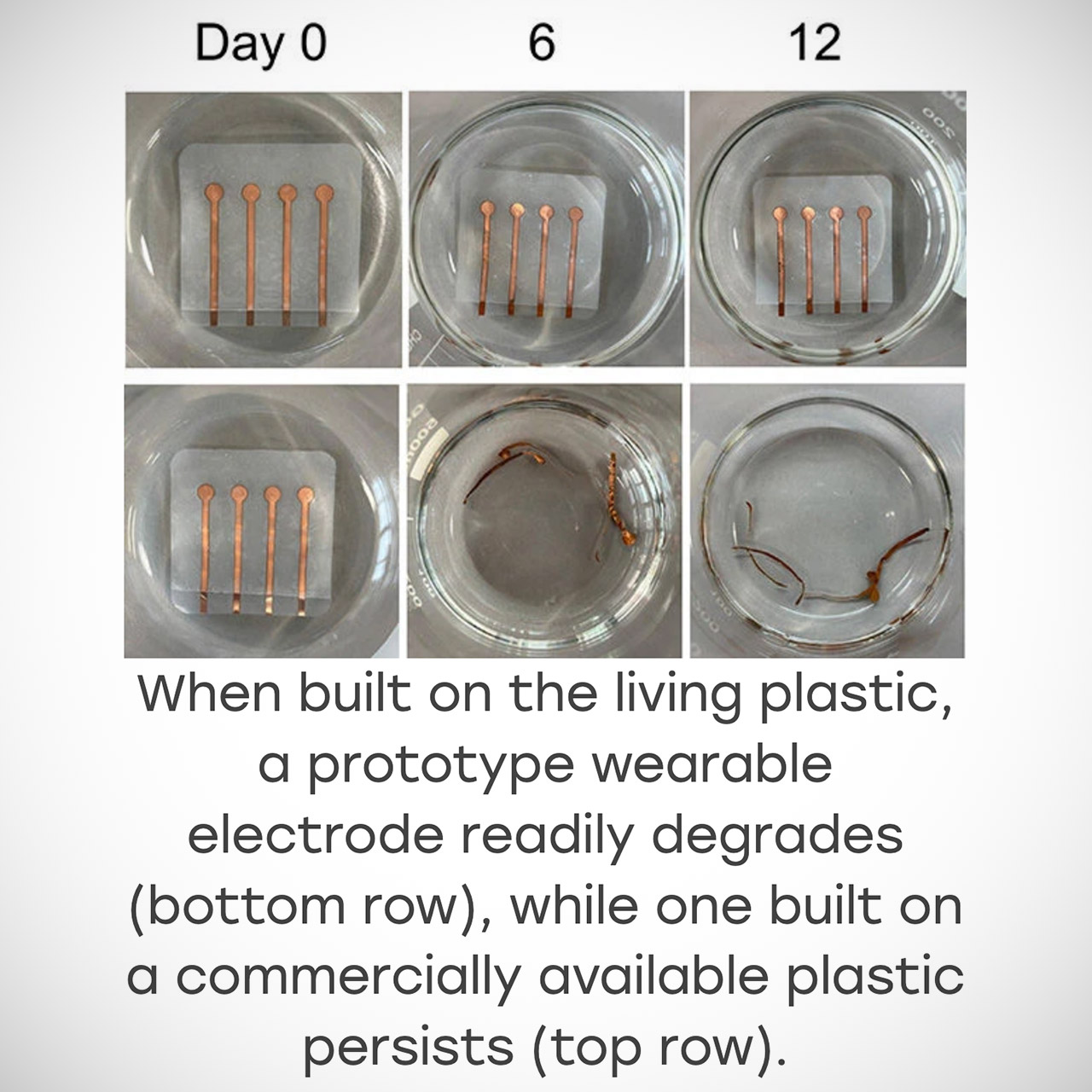
All it takes is one easy step: add some food broth and heat the plastic to around 50 degrees Celsius. The spores wake up, begin to develop, and then release enzymes. Within six days, the entire plastic coating breaks down into harmless small building blocks, leaving nothing to worry about. The scientists put this theory to the test by creating a flexible electrode to measure impulses from a person’s muscles out of ‘living’ plastic. Guess what? The gadget detected electrical activity from a person’s arm, precisely as expected. After two weeks under those activation settings, the electrode just vanished into thin air, whereas a regular plastic electrode continued to function.
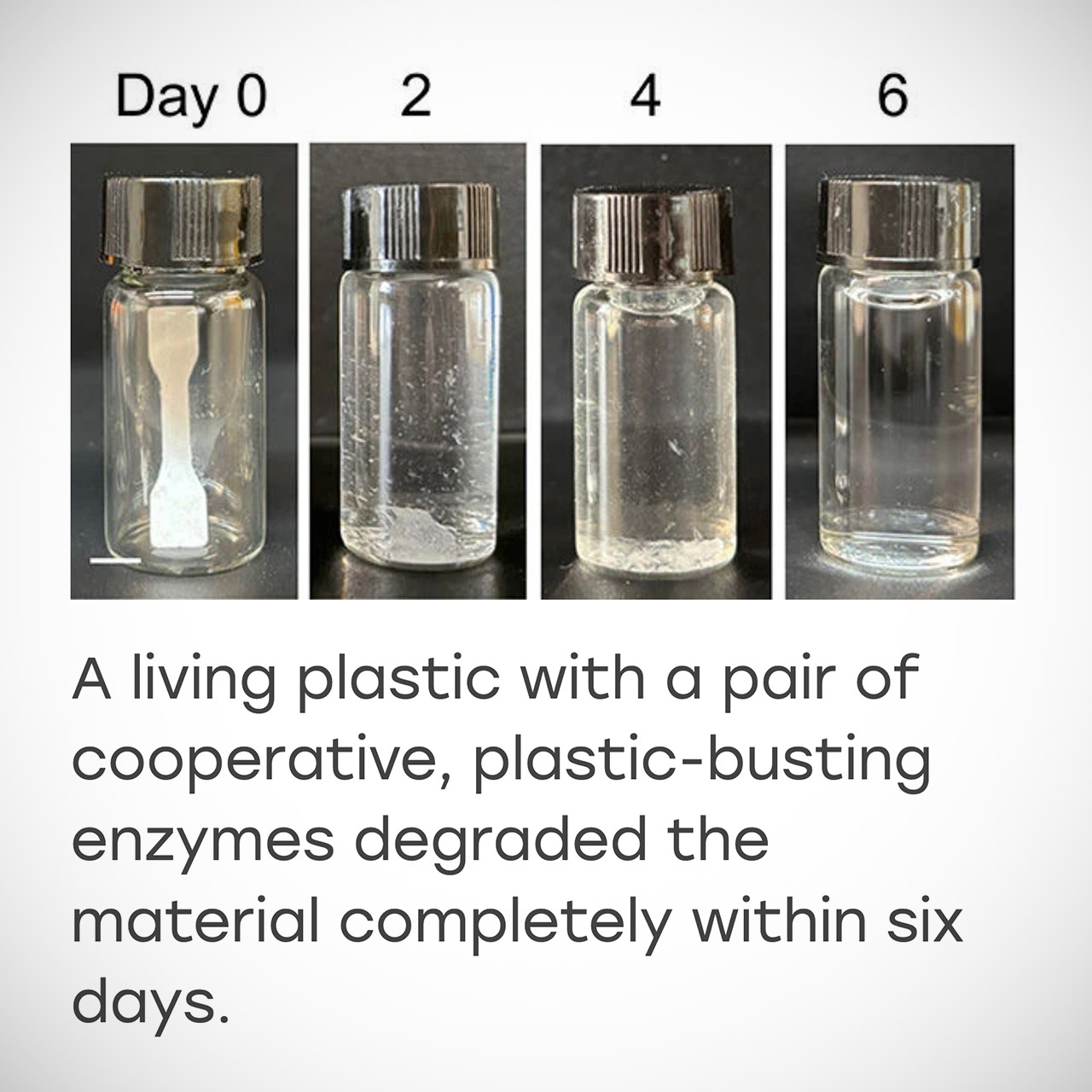
Previous attempts at this had always relied on employing only one enzyme and leaving pieces of it intact, which is not desirable; but, with these two enzymes working together, you get total disintegration with no small plastic fragments left to bother you. The bacteria remain hidden and quiet until it is time for them to do their thing.
They may eventually be able to get the material to respond to normal water rather than a particular broth, or any other trigger. The approach might also be used to a variety of other popular plastics used for packaging or other items where that is desired, as the substance only lasts long enough to accomplish its purpose before disappearing.
Ordinary plastic debris sits in landfills and oceans for generations because it is so difficult to degrade, but this substance is unique in that it is only as durable as you want it to be before you decide it’s time to throw it away. That kind of transformation fundamentally alters the way designers approach the products they develop from the start.
[Source]