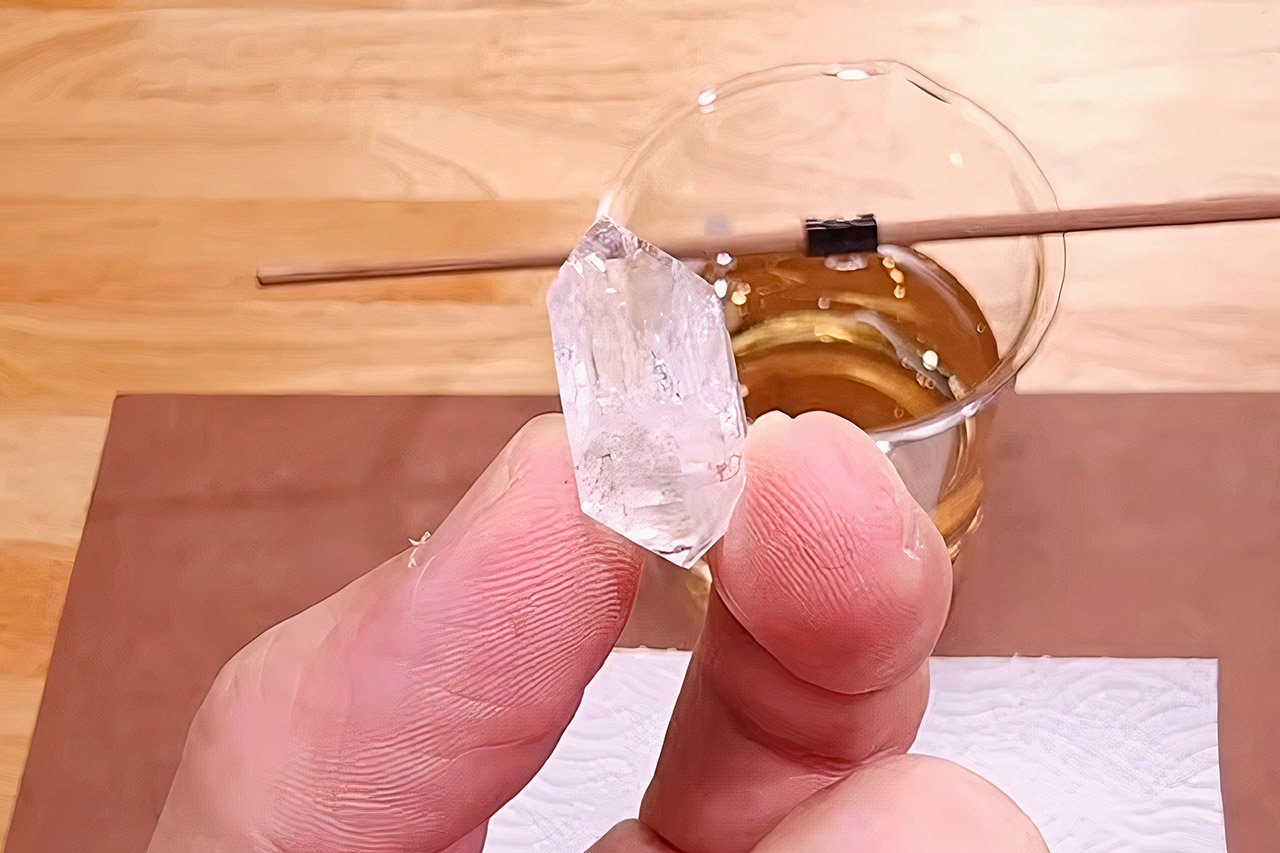
Sugar has more power than most people realize, as Chase at Crystalverse demonstrates just how far a single bag from the grocery store can go when used correctly. What begins as regular grains becomes a single brilliant crystal large enough to hold in your palm and appreciate from all sides.
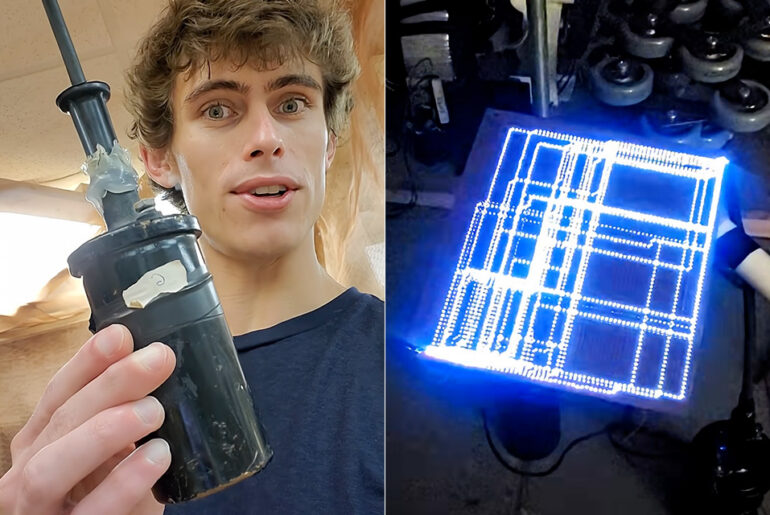
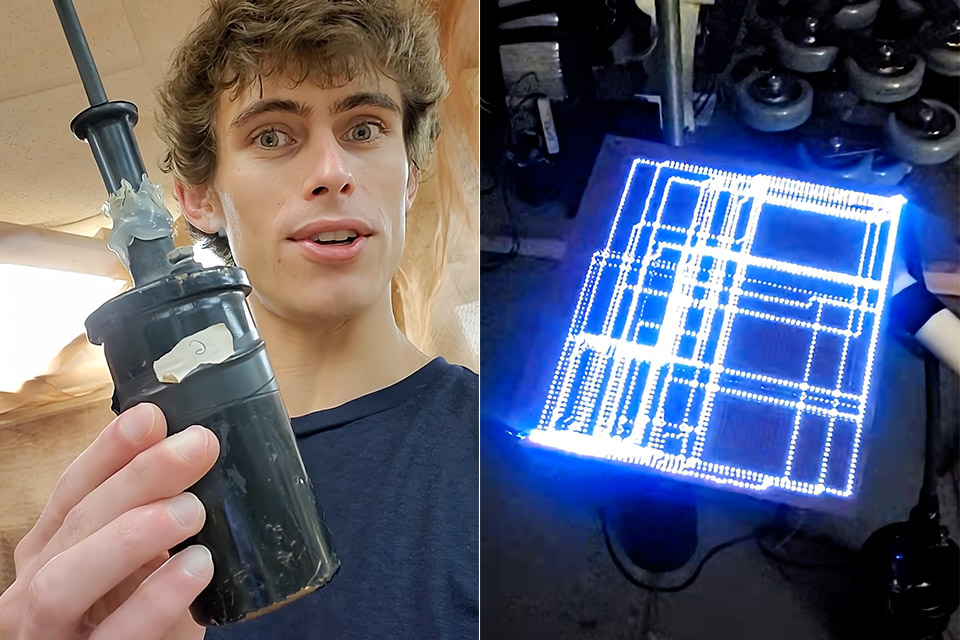
Styropyro has established a name for himself by pushing seemingly ordinary technology to its limits, and in this experiment, he demonstrates some of the fundamental physics at work in its most obvious form. He simply takes car ignition coils, the typical transformers that ignite a spark in your engine, and directs their output to a large blank circuit board.

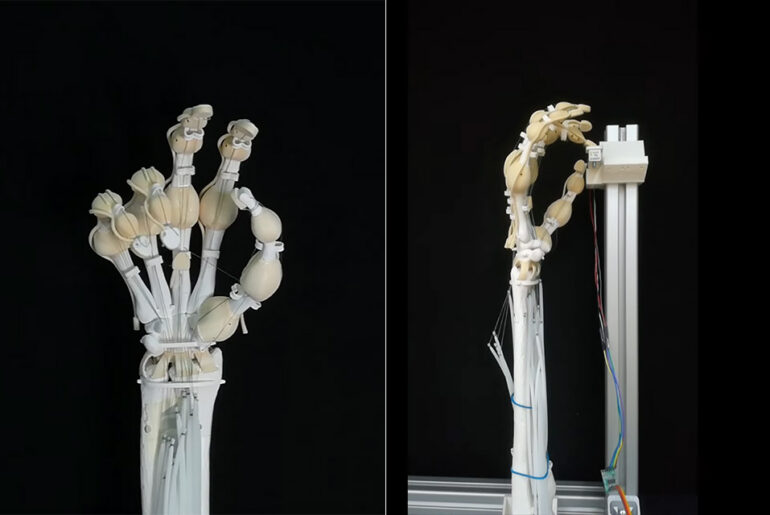
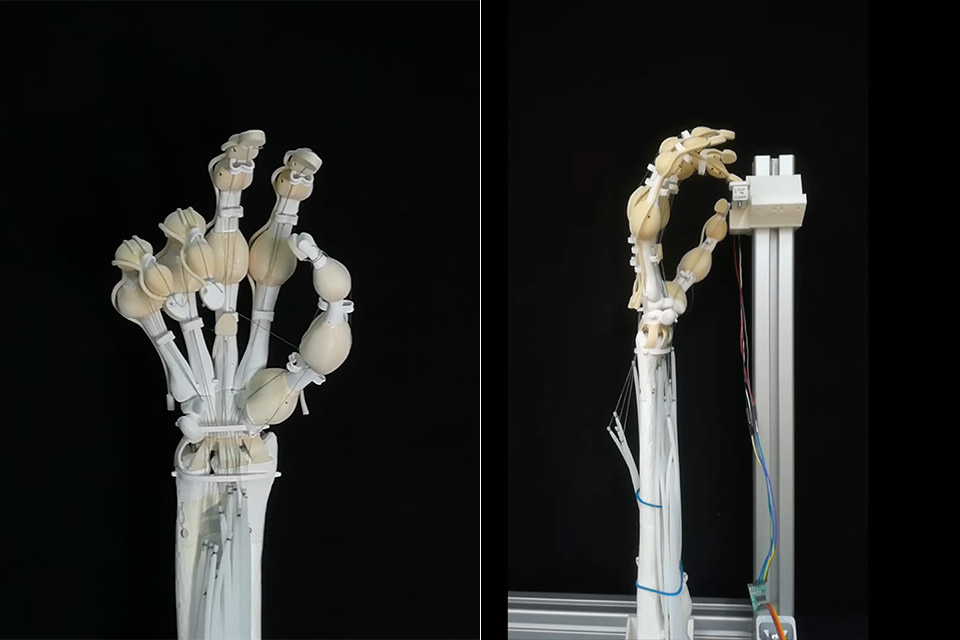
Researchers at ETH Zurich’s Soft Robotics lab have created a robotic hand and forearm that is surprisingly similar to a human. RHAVCJ stands for Replicating Human Anatomy with Vision-Controlled Jetting, which is quite a mouthful. This is a significant step forward in developing robot hands that can be utilized on humanoid robots.

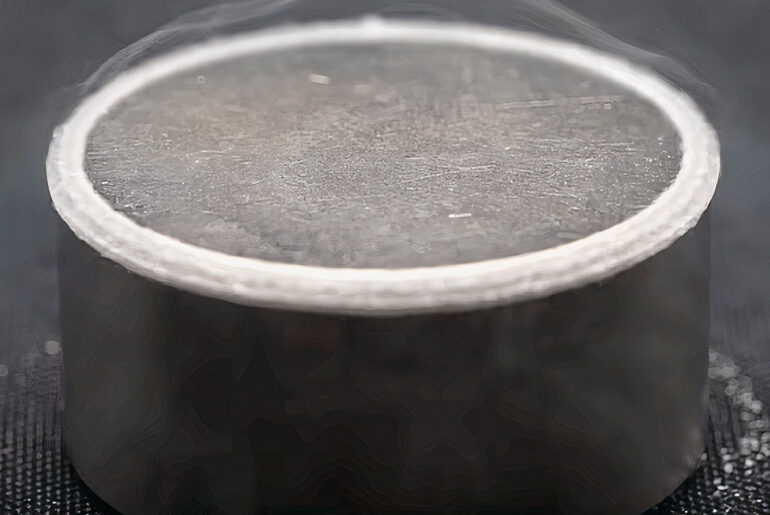
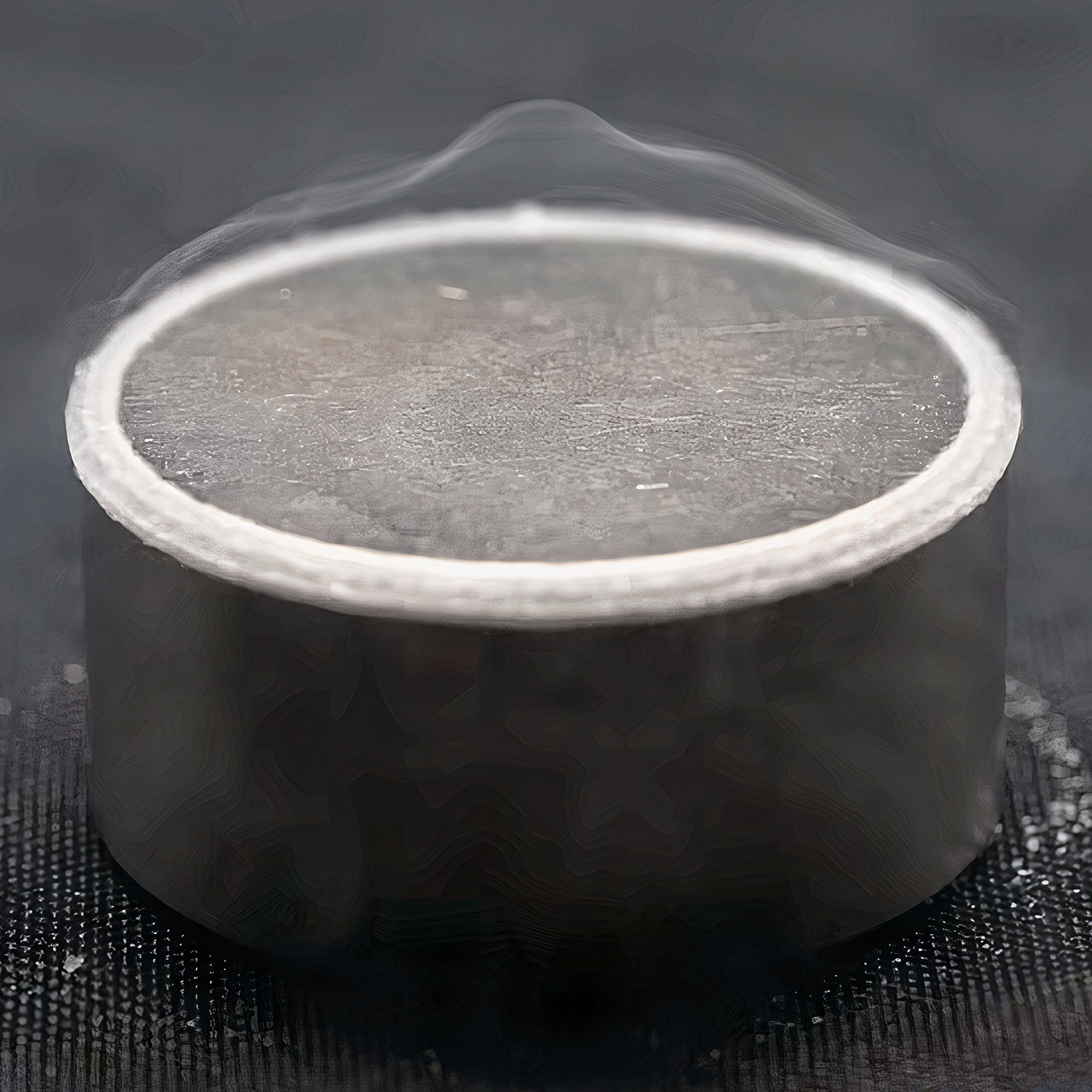
Liquid oxygen is used in rockets and treated with care in laboratories, but it’s not something that people think about in everyday life. Except for one maker who was interested as to why this was the case, so he decided to make some at home and examine what makes people so cautious about it.

Human brain cells grown in a lab have learned to play DOOM. Australia-based Cortical Labs put on this impressive display with their CL1 biological computer, which is a really cool device that cradles 200,000 living human neurons on a microchip topped with a multi-electrode array. These neurons, derived from stem cells, float in a nutrient solution and link directly to the chip’s electrodes, which send and receive electrical signals.

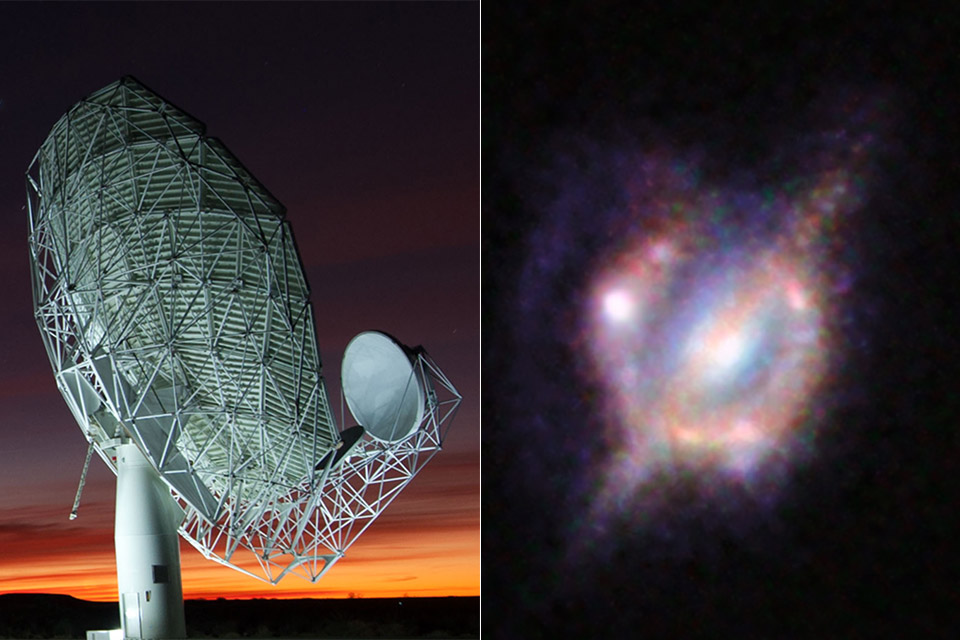
Photo credit: SARAO
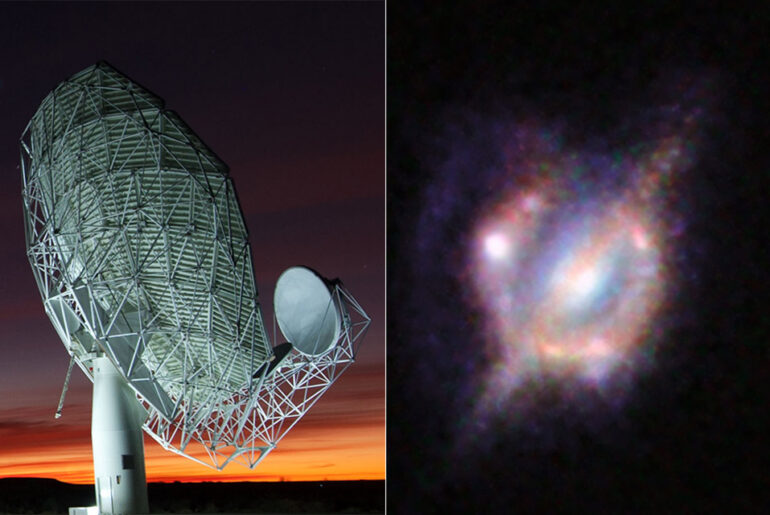
Astronomers discovered a strange beacon deep in space: a natural microwave laser so powerful that physicists refer to it as a gigamaser. A team utilizing South Africa’s MeerKAT radio telescope discovered an extraordinarily strong signal at 1667 megahertz while scanning the sky for distant galaxies rich in molecular hydrogen.

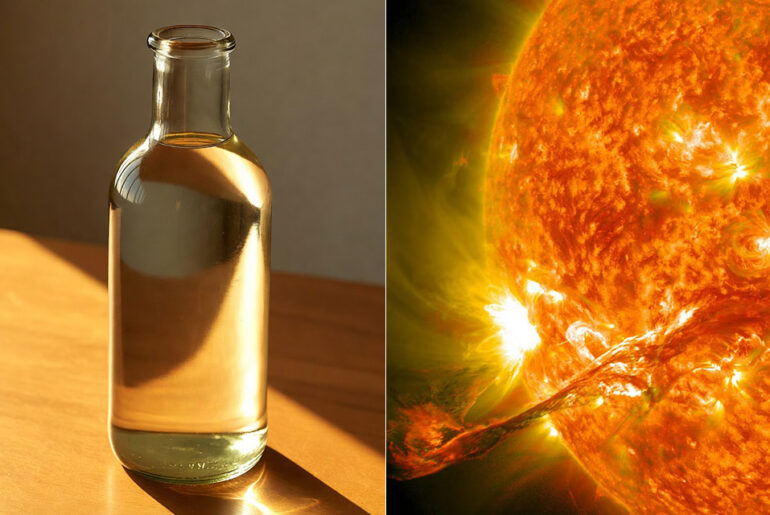
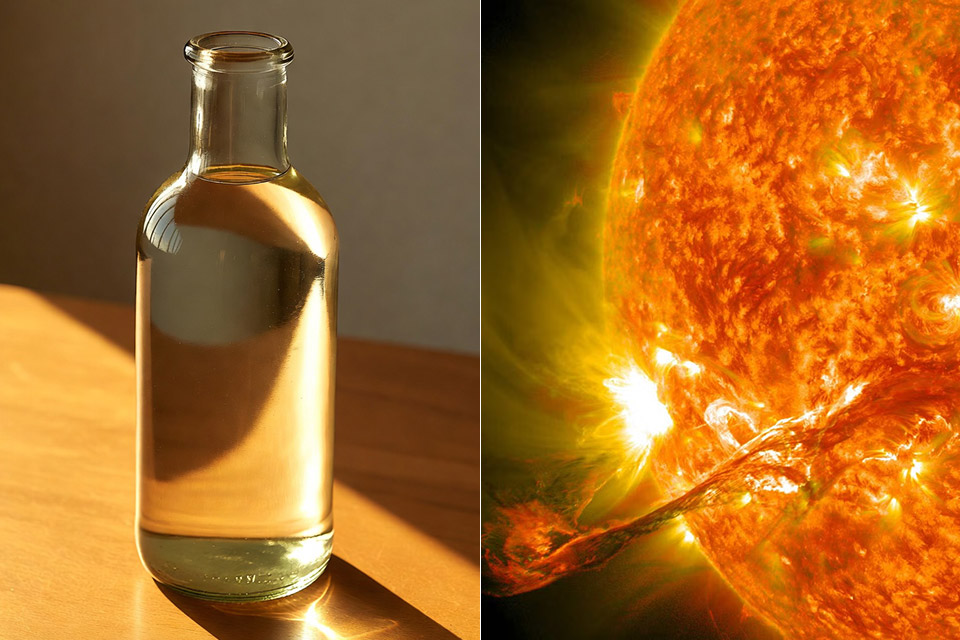
Researchers at UC Santa Barbara (UCSB) have developed a clear, reusable liquid that captures solar energy directly and holds it as chemical energy for months or longer, then releases the stored energy as heat when needed. All of this is feasible without the use of batteries or the conversion of energy into electricity, according to a recent study published in the journal Science. This is known as a molecular solar-thermal system, and it is enabled by the clever chemical pyrimidone.

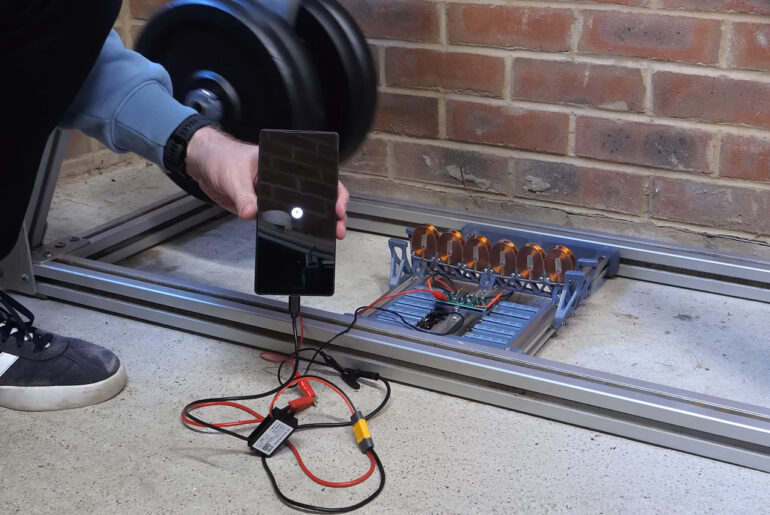
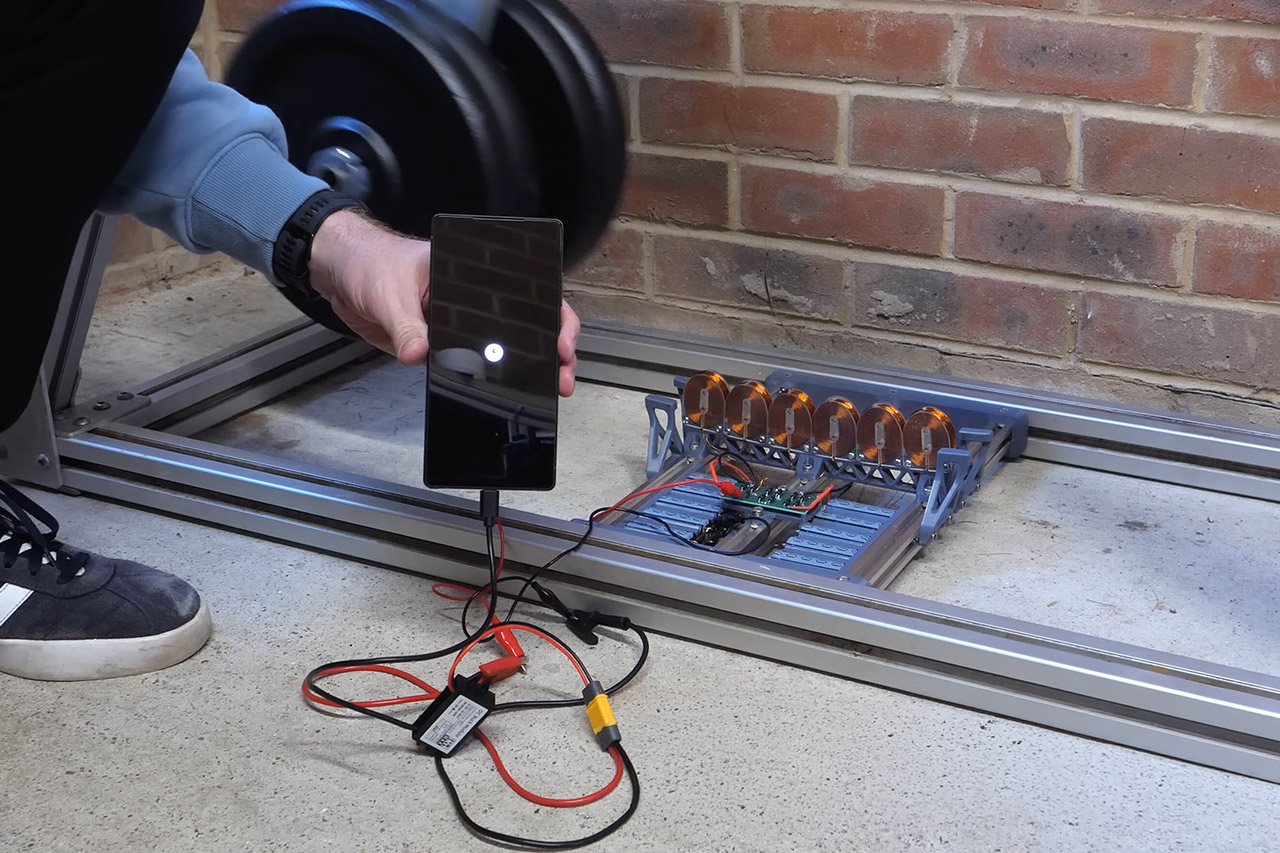
A big pendulum hangs in Tom Stanton’s workshop, ready to go. He heaves the weighted arm to one side, lets it go, and watches it swing for a long time thanks to the low friction bearings. This is a simple device for storing energy, as gravity converts potential energy into kinetic energy with each pass, then back the other way again. Most people store electricity in batteries, but Stanton took a different approach, storing it mechanically and then converting it back to electricity on demand.

DD Squad decided to put a classic physics demonstration to the test in the real world. They built a catapult on the back of a flatbed truck and used it to launch one of their team members in the opposite direction of the truck, which was traveling at around 50 miles per hour (81 kilometers per hour). What transpired appeared to be inconceivable, as the guy appeared to float in mid-air for a brief while before the truck sped away into the distance.