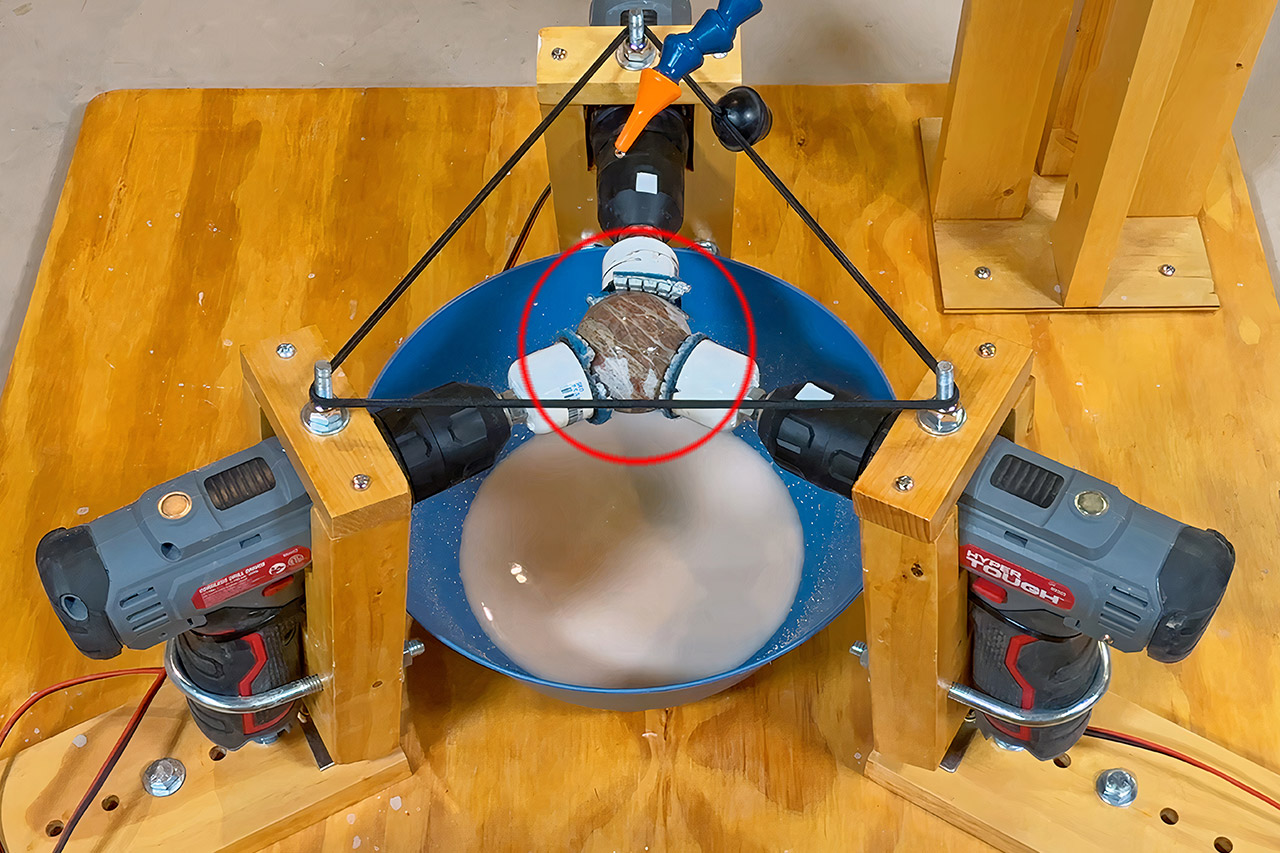
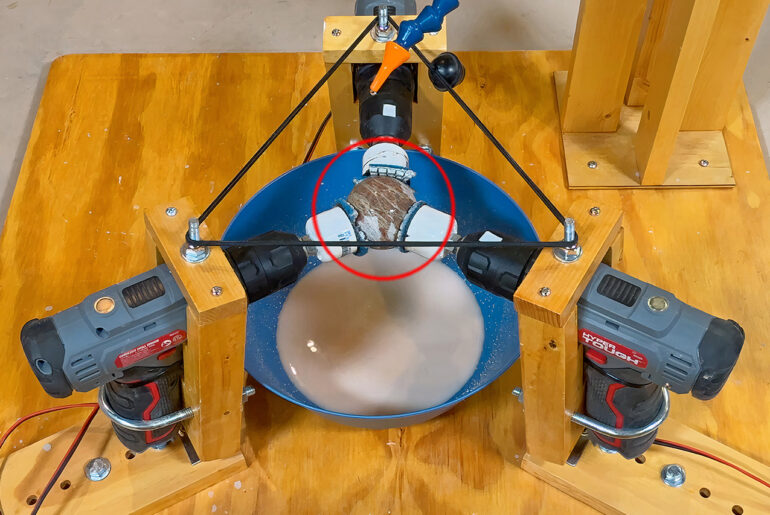
A homemade device spins in a small workshop, transforming rough beach stones into shiny, perfect spheres. Rob from Michigan Rocks built the spherical machine himself, and the results are almost too precise to be a DIY project. He first got the idea from an older design uploaded on YouTube by James Muchmore approximately 7 years ago, and he set out to develop something much more accessible because commercial sphere machines are a significant financial investment.
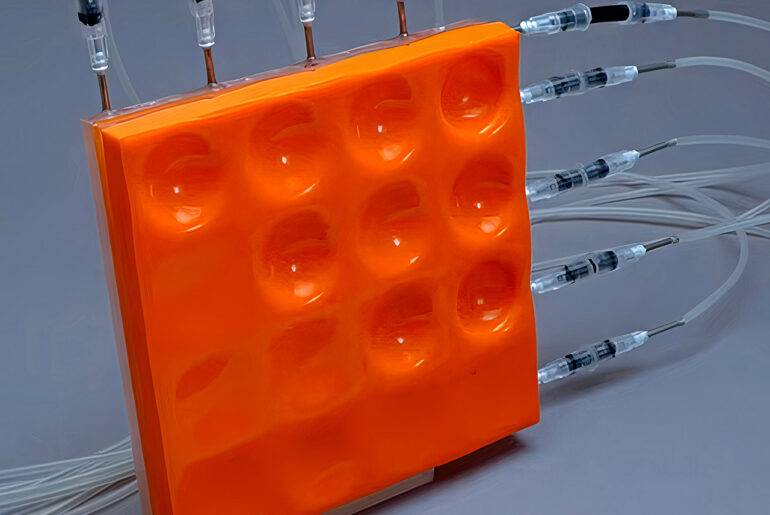
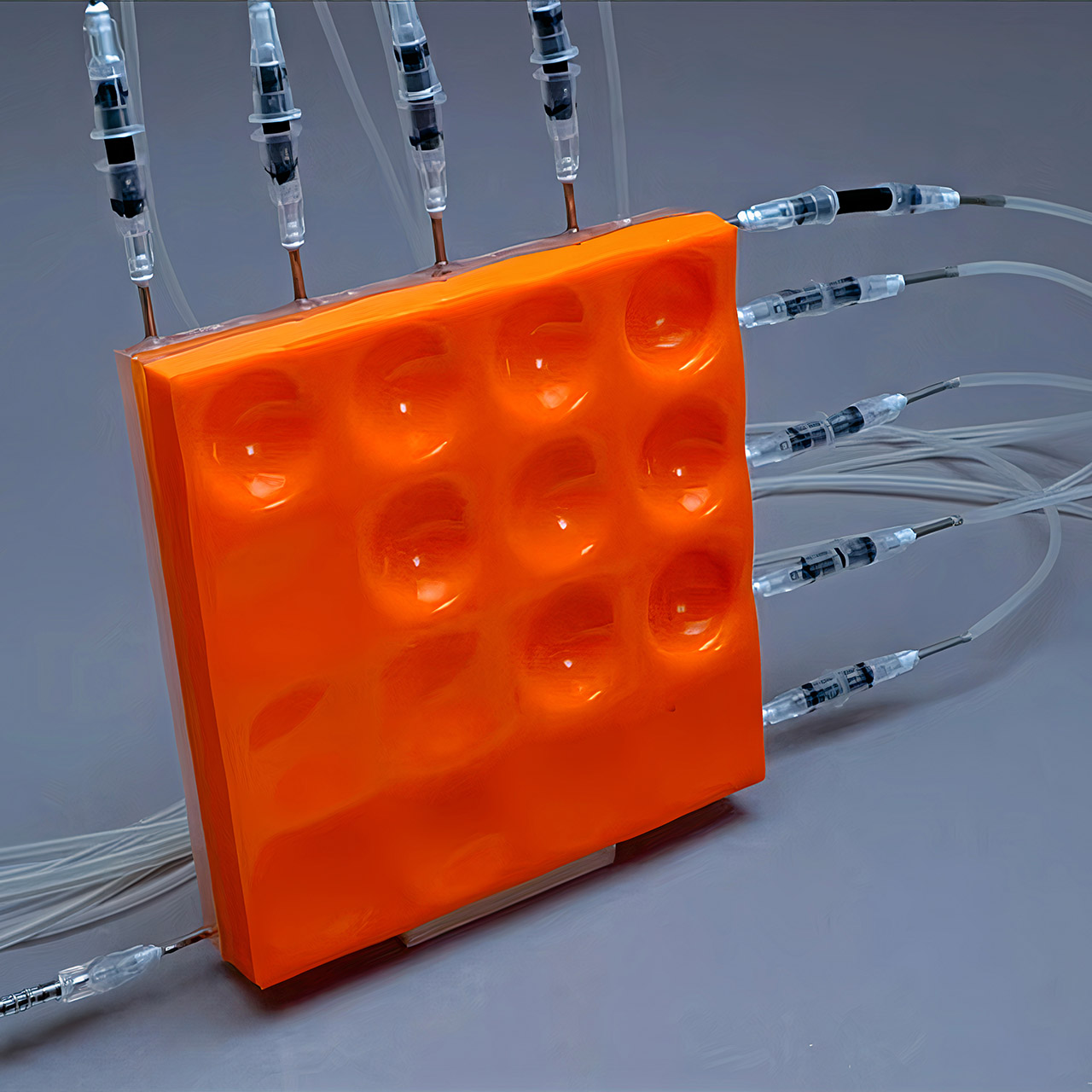
A display that uses air power to transform our perceptions of screens is a novel concept. Maker Soiboi Soft set out to create one using only 3D printing, a small amount of soft silicone, and the difference in air pressure between normal and vacuum. The end result is a 4×4 grid of pixels that light up various patterns and games, letters, numbers, and even a rudimentary snake game animation, all without the use of electricity.

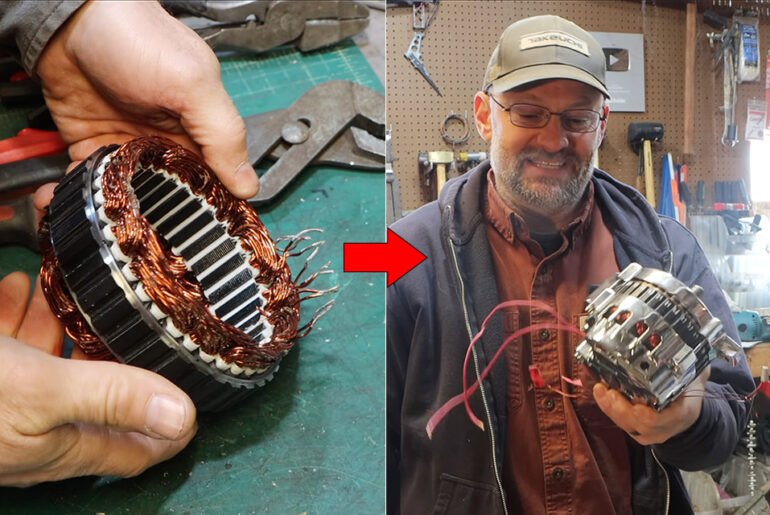
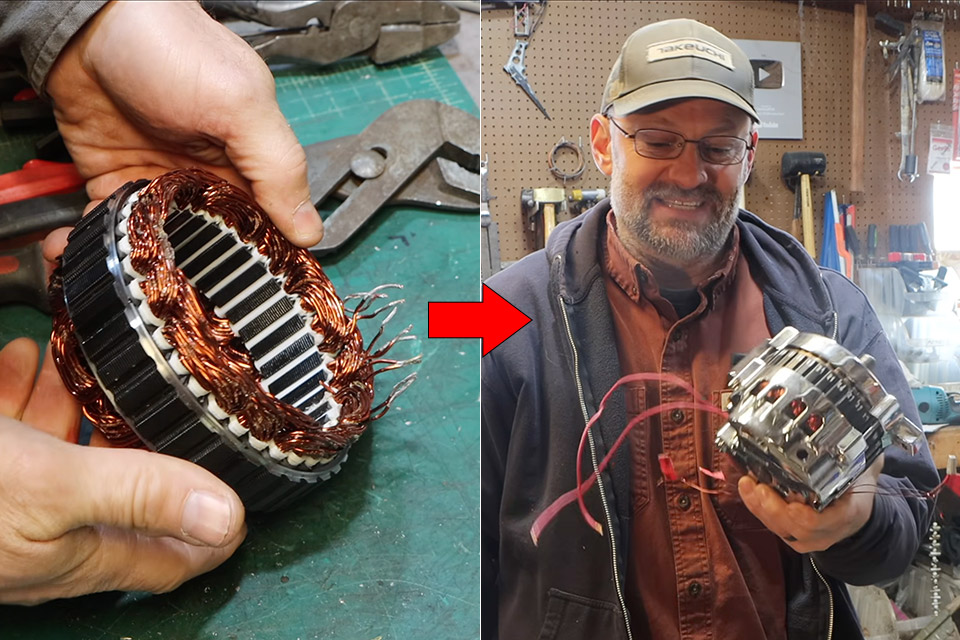
A car alternator will normally charge a battery at 14 volts while the engine is operating. One inventive maker had an epiphany: the same technology might be adapted to do a lot more when connected to running water. John from FarmCraft101 wanted to try his hand at repurposing a conventional car alternator. He disassembled the stator and manually rewound each coil to boost the output to 200 volts, or more if possible. As a result, the technology now powers a piece of his workplace from a pond hundreds of feet away, cutting line losses that would otherwise kill a standard 12-volt system.

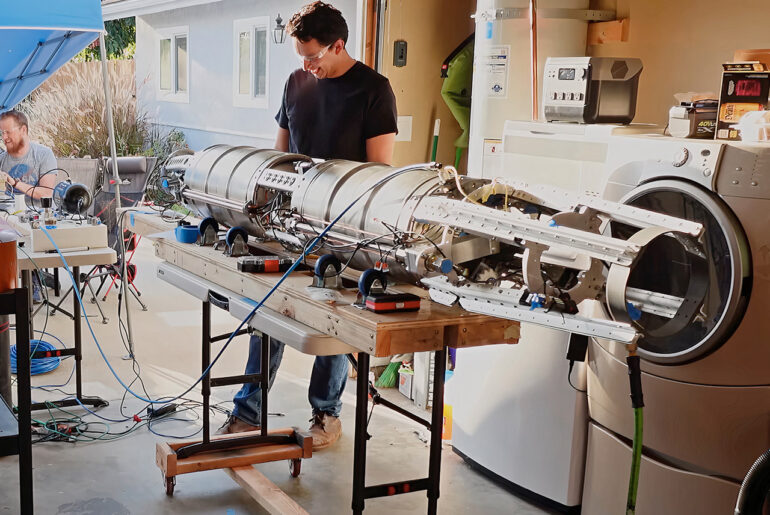
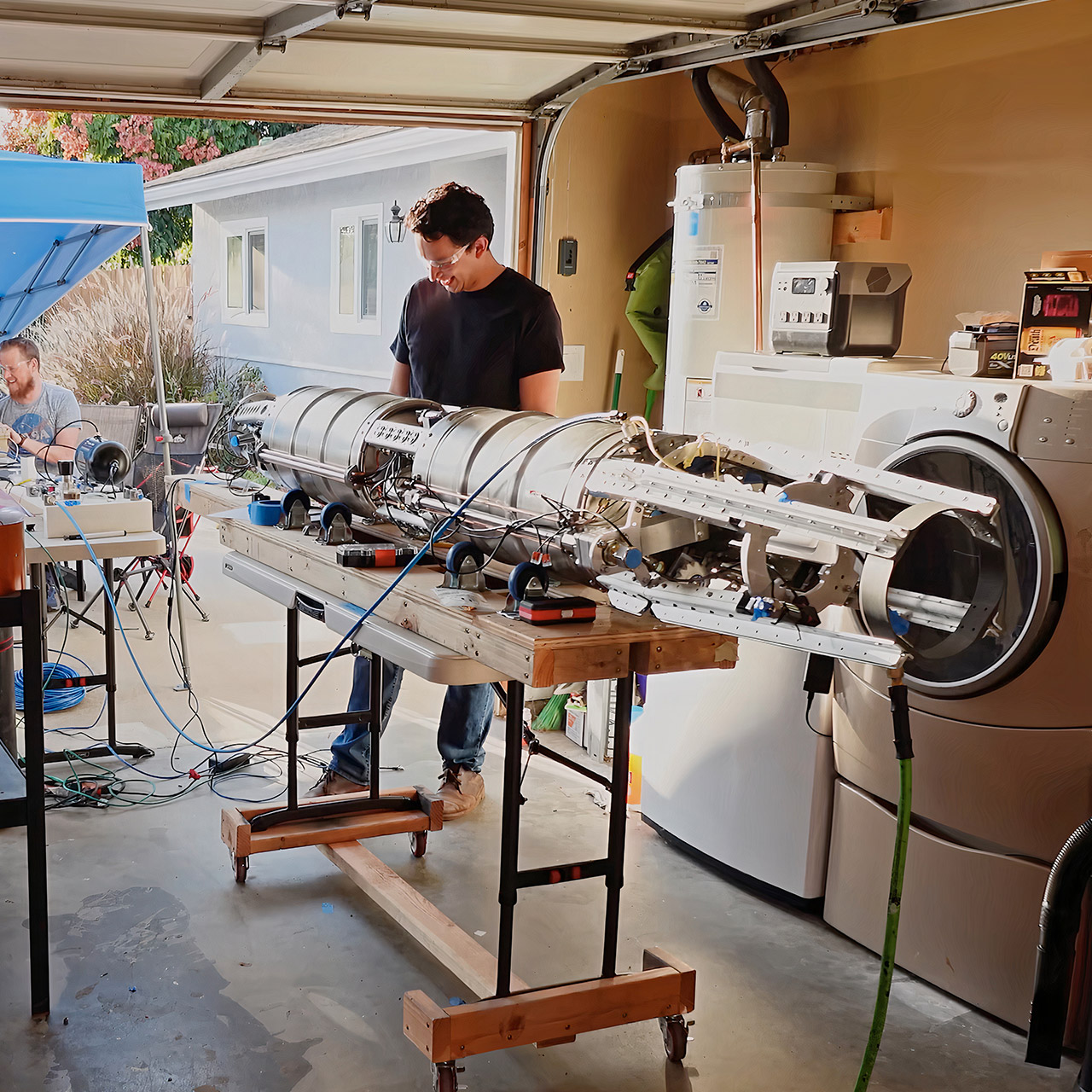
Beer kegs should be able to maintain carbonation for weeks due to the pressure they hold. Ryan and his team at Project KegRocket looked at one and immediately imagined something completely different, such as a pair of tanks containing the components for an actual rocket flight. Early on, the team decided to use conventional stainless steel beer kegs as propellant containers because, let’s be honest, they’re a convenient starting point.

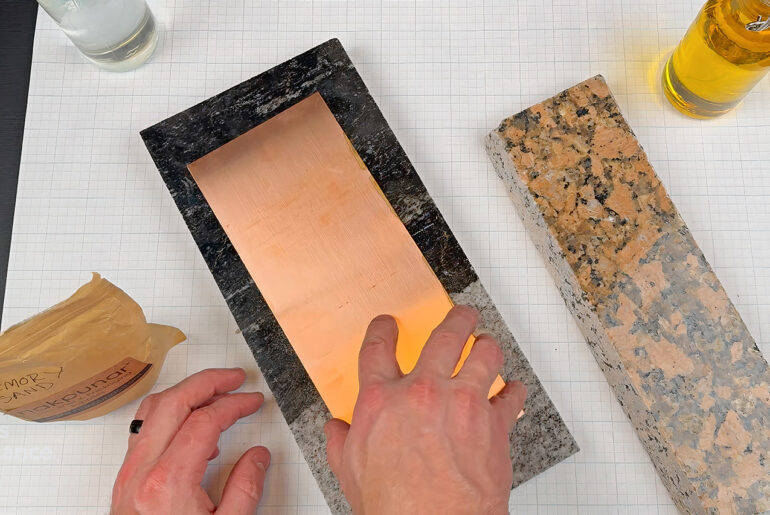
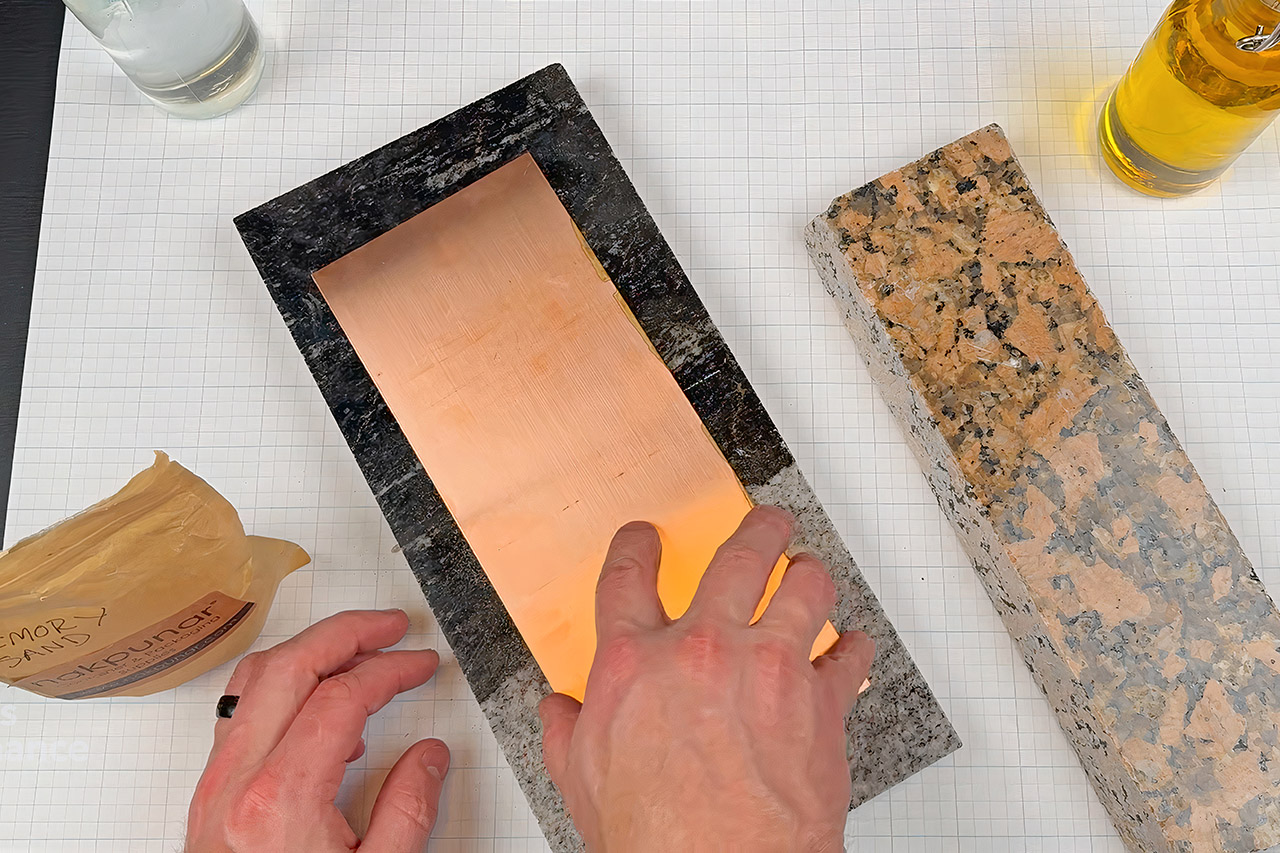
The ancient Egyptians were able to accomplish some incredible feats in flatness within their stone work, which continue to amaze engineers and historians to this very day. IntoTheMap takes a technical engineering approach to this to see if it can be explained, and how their flatness is actually achieved with the resources available to them.

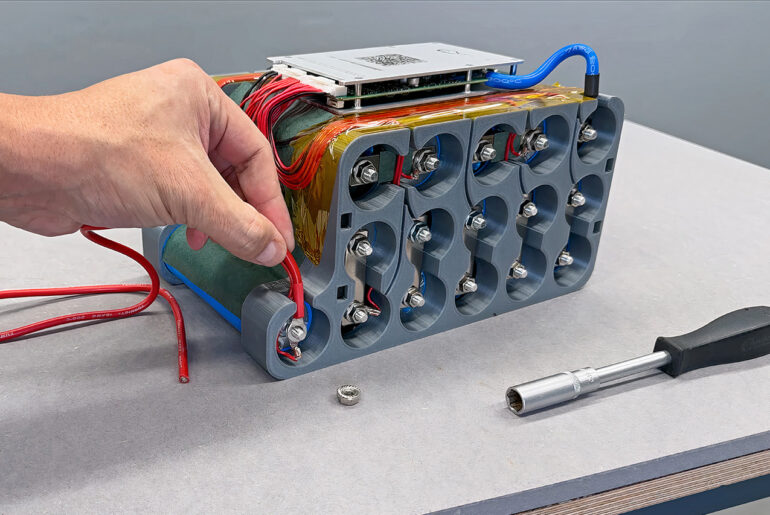
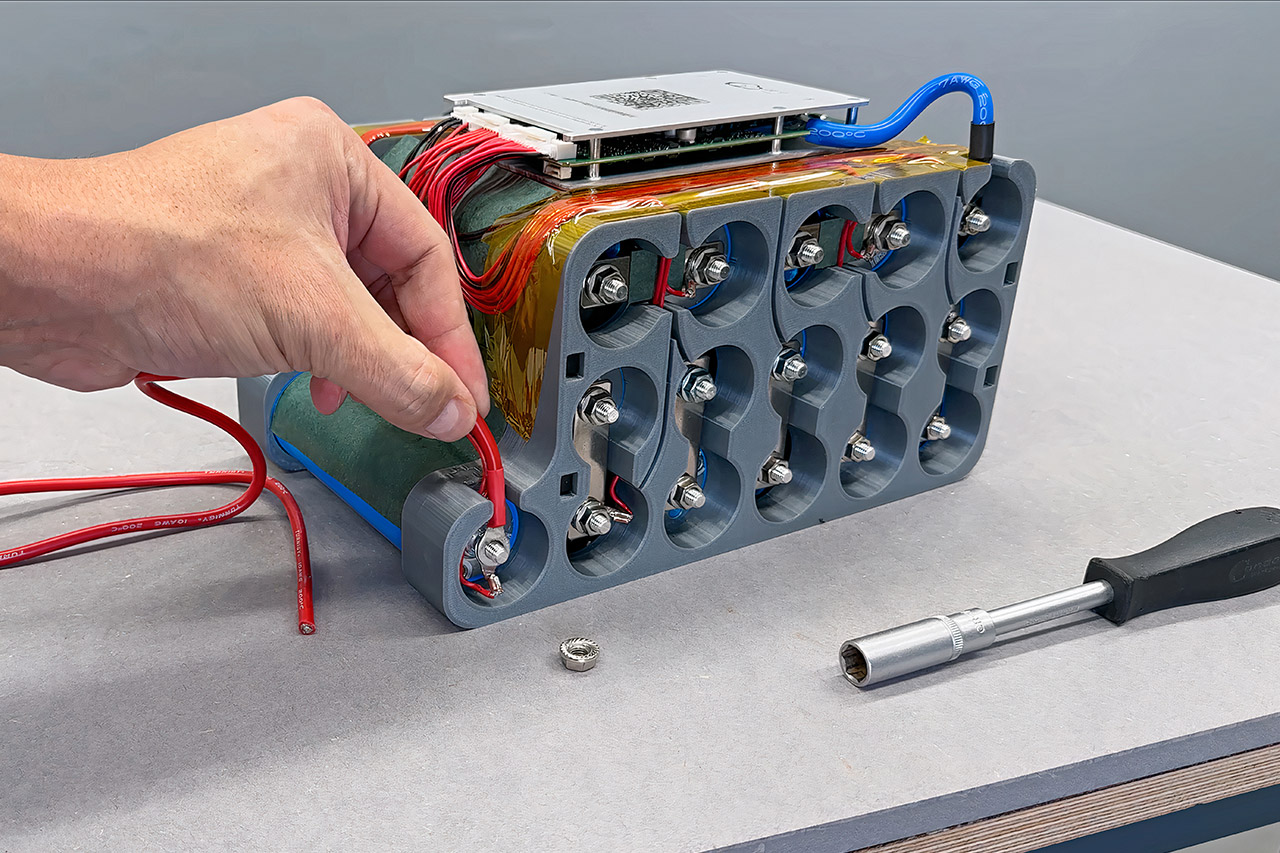
People usually go for store-bought batteries because they are less expensive and easier to use, but when performance is critical, custom work is the way to go. A worn-out lead-acid battery in a midsize electric ATV prompted one builder to replace the factory pack and start over using LiFePO4 cells. The chemistry has some obvious advantages: it has a better energy density than traditional lead-acid batteries, provides consistent power delivery even when the pack is low on charge, and is far safer than many other lithium varieties.

One log stands alone on an open area of land, waiting for the transformation to begin. Someone with a chainsaw approaches, and within minutes, that single piece of wood is split up and transformed into a steady burning fire capable of warming hands, boiling water, and cooking a meal. This invention, known as the Swedish Torch, takes scarcity and simply whacks it away with a few straight cuts and some dry tinder.

Connor Creates’ most recent project began with a simple challenge from a viewer, or more specifically, from a viewer’s dog Rufus, after he made a big matchstick out of wood and foam in a previous video. Rufus, on the other hand, made a suggestion that caught his attention…create one that truly lights up.

Photo credit: Sree Krishna Pillarisetti
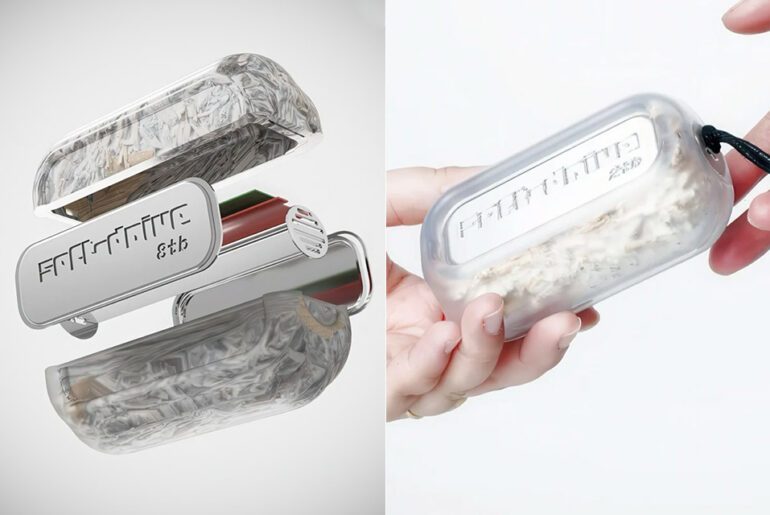
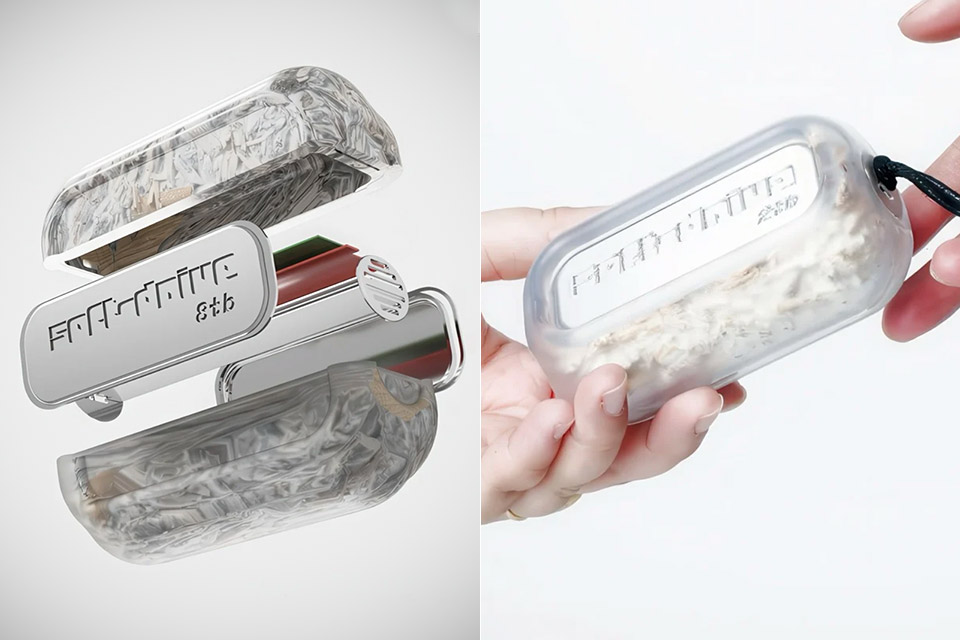
The Soft Drive, a portable USB storage device, has a truly unique claim to fame: its protective shell is made not of plastic or metal, but of a mixture of mycelium, an underground network of fungal threads, and hemp fibers, with a bioplastic made from waste called polylactic acid blended in. Designer Sree Krishna Pillarisetti created the concept for Soft Drive as his MFA thesis project while studying at Parsons School of Design, which is part of The New School.

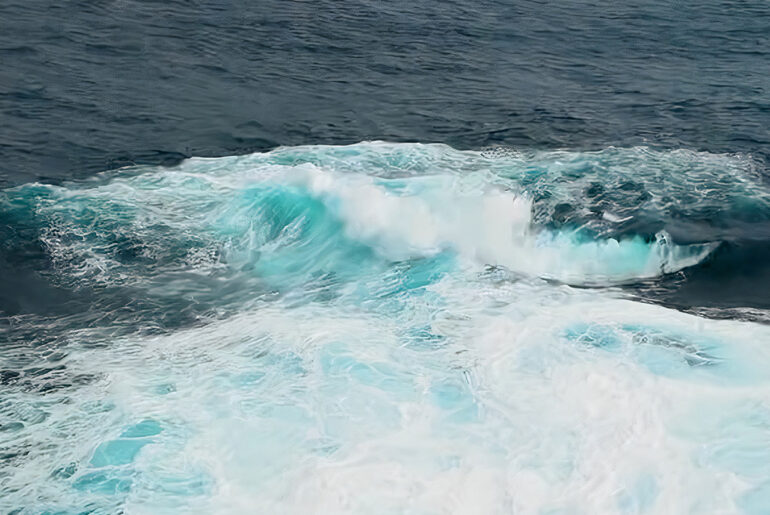
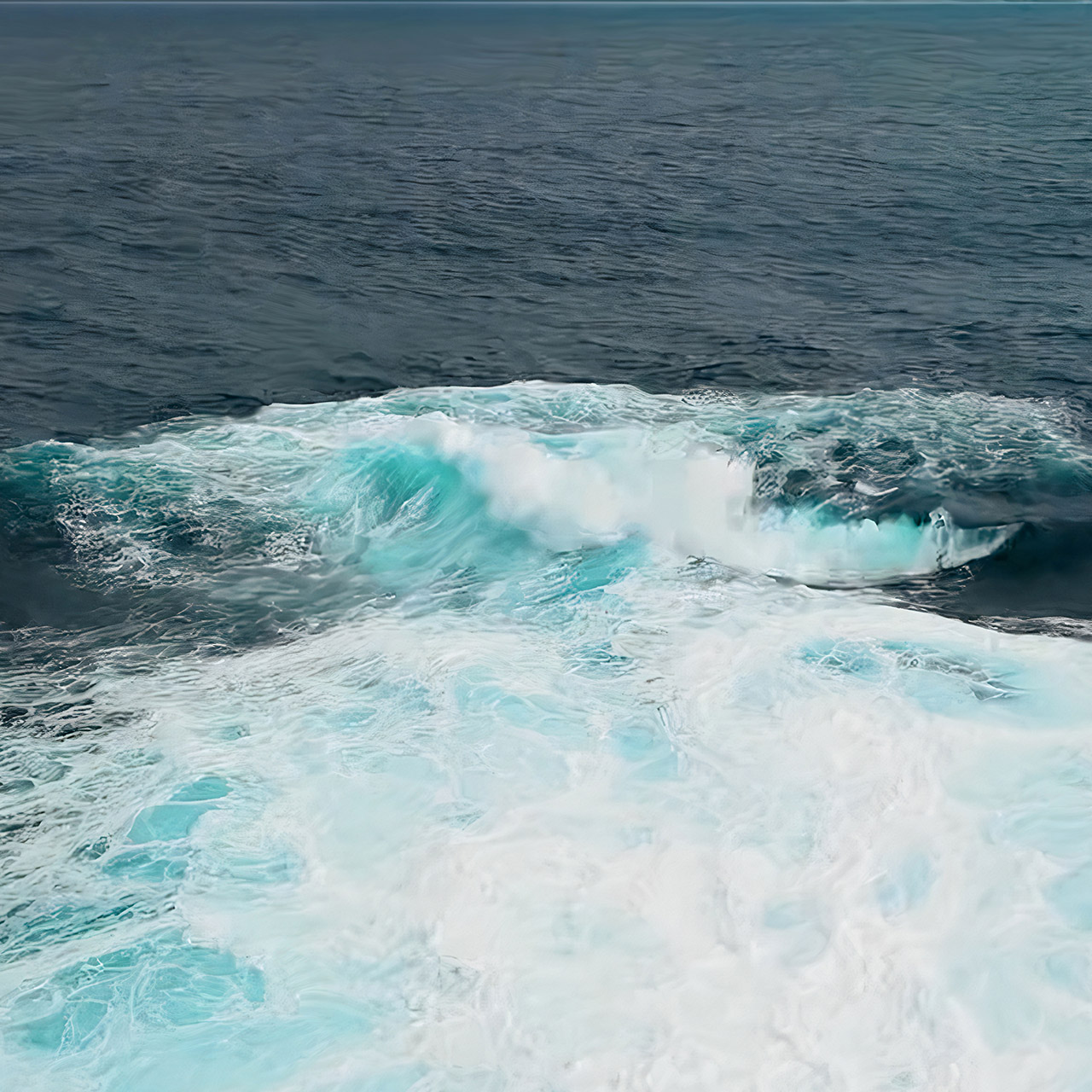
Off the distant coast of Western Australia, where the water stretches out into the enormous expanse of the Indian water, there is a natural beauty so exact and awe-inspiring that you can’t help but wonder if it was computer-generated, all digital creation to one set of eyes. Four separate wave peaks crash into a shallow reef at the same moment, curling in from all angles and then slamming into each other perfectly symmetrically, spraying water up to 70 meters or more into the sky.