Tag

SEGA

Browsing

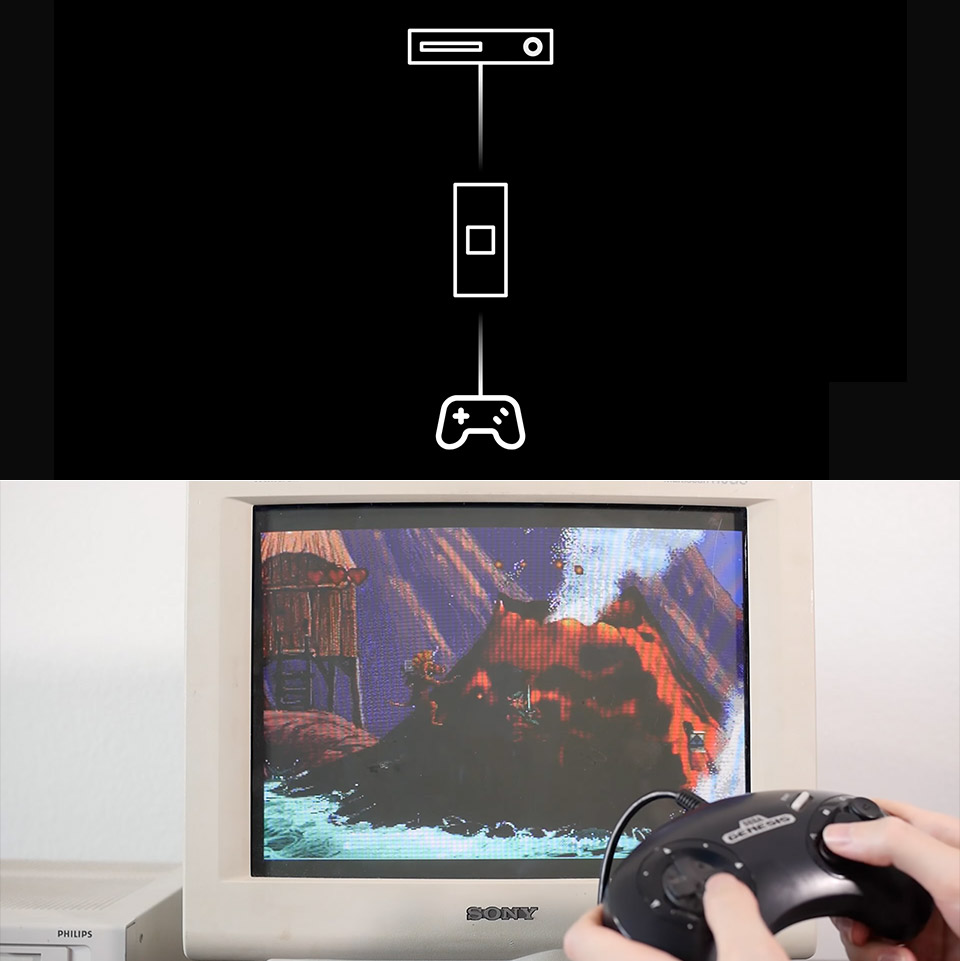
GENCDi Philips CD-i SEGA Genesis Controller Mod
Owning a Philips CD-i often means dealing with controllers that feel more like afterthoughts than proper game pads. Released in 1991 as a multimedia player that later tried to become a game console, the machine never sold in large numbers, and its original input devices remain scarce and expensive decades later. Most units shipped with an infrared remote or the awkward pointing device known as the spoon, neither of which works well for anything requiring quick reactions or precise movement.
SEGA Game Gear 36th Birthday Release Date
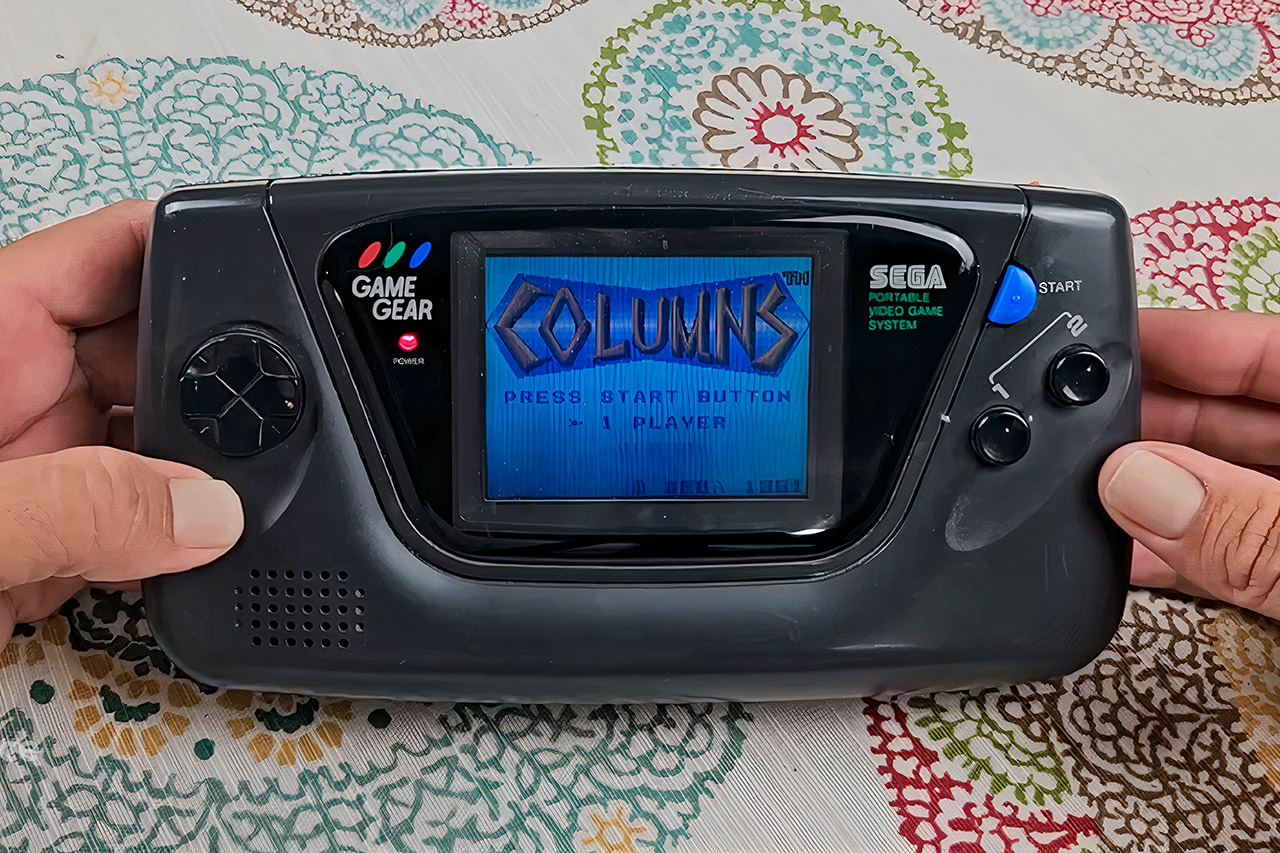
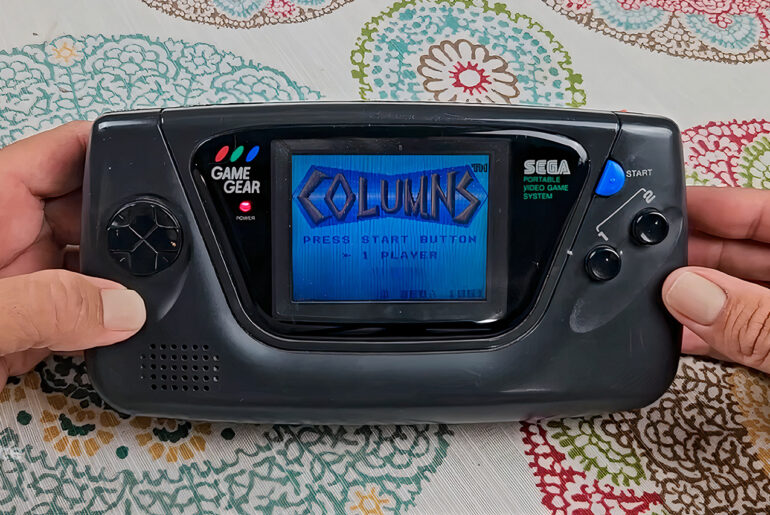
SEGA shipped its first handheld in Japan on October 6, 1990, priced at ¥19,800 ($320 today) and built under the internal name Project Mercury. Hayao Nakayama had pushed the company to answer the Game Boy, which Nintendo had put on shelves the year before. Engineers reused the Master System’s Zilog Z80 running at about 3.5 MHz and the same Texas Instruments sound chip, then widened the color palette from 64 shades to 4,096. A 3.2-inch backlit screen, 160 by 144 pixels and able to show 32 colors at once, sat between grips shaped like a shrunken Genesis pad. Six AA batteries fed a cold-cathode fluorescent lamp behind the glass. Playtime landed between three and five hours. A Game Boy on four AAs could run past thirty.

Canceled SEGA 32X X-Men: Mind Games
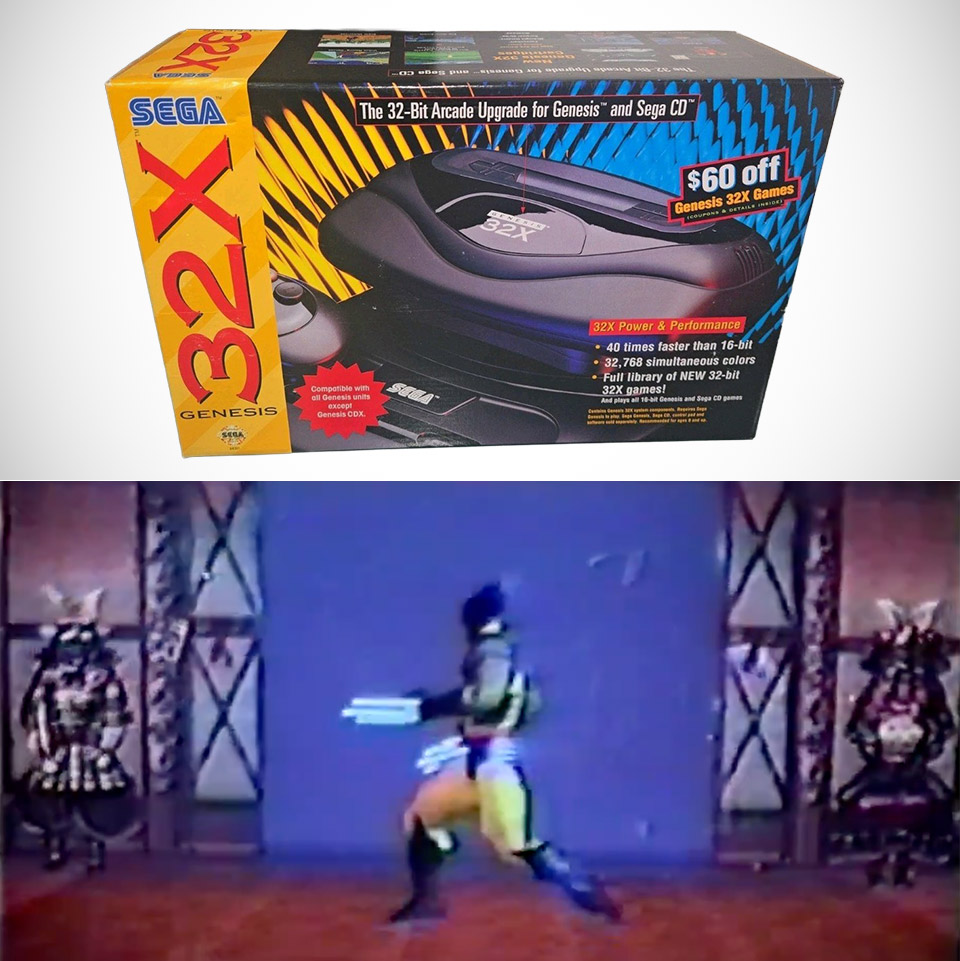
SEGA spent a lot of money and effort trying to convince people the 32X was worth buying in 1995. One of the attractions they brought to E3 that year was an X-Men game that never made it past the booth. More than three decades later, the Video Game History Foundation pulled a short clip from its E3 1995 archives and put it online. The footage lasts about forty seconds and mostly shows Wolverine running through empty rooms.

SuperGroupies SEGA Mega Drive Saturn Dreamcast Watches
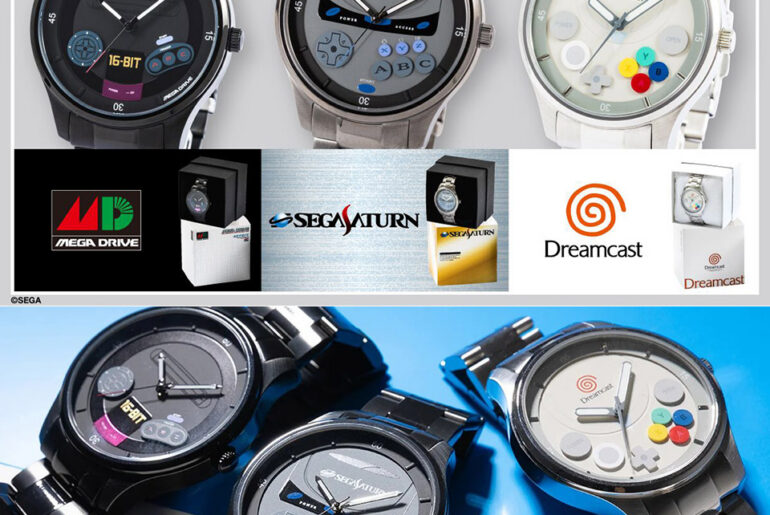
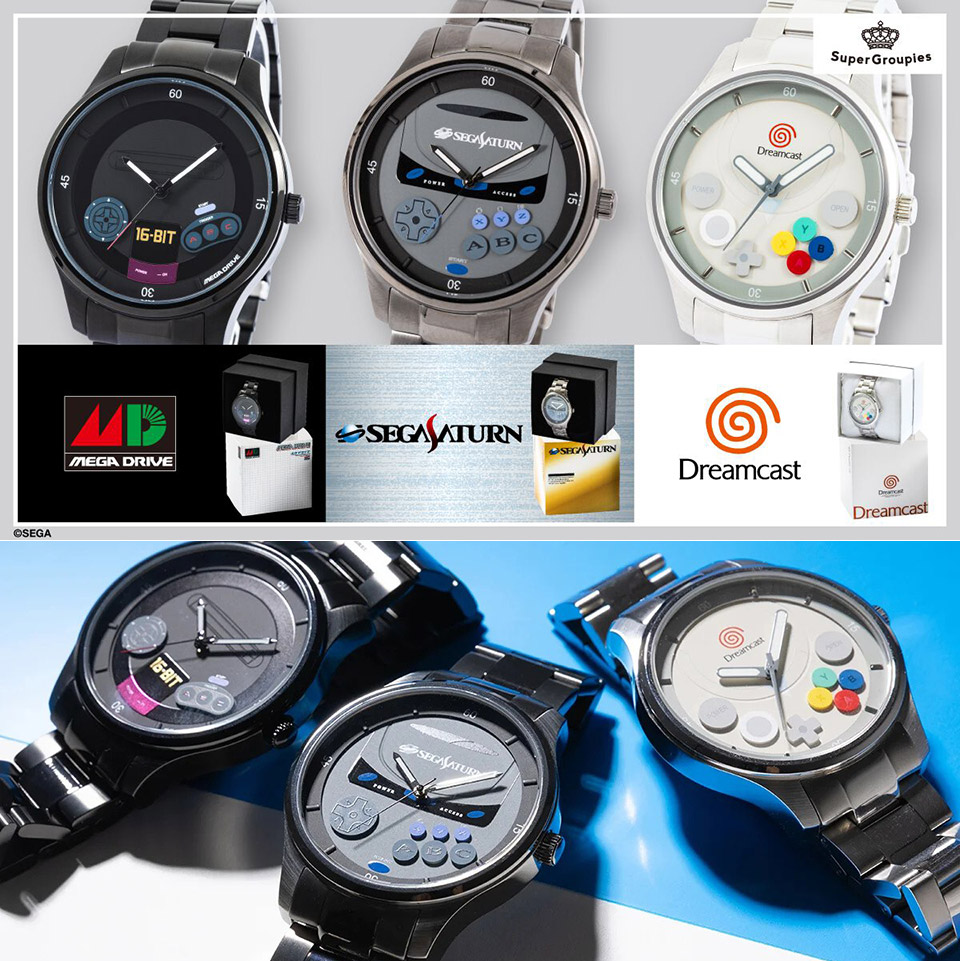
Fans of SEGA’s classic hardware finally have a new way to keep those machines close. SuperGroupies has partnered with the company on a trio of official wristwatches that recreate the Mega Drive, SEGA Saturn and Dreamcast in wearable form. Each one pulls specific details from the original consoles and their controllers, then packs them into a 42mm stainless steel case that looks ready for daily use.

Sonic Adventure 2 Redux Demo Unreal Engine 5 Remake
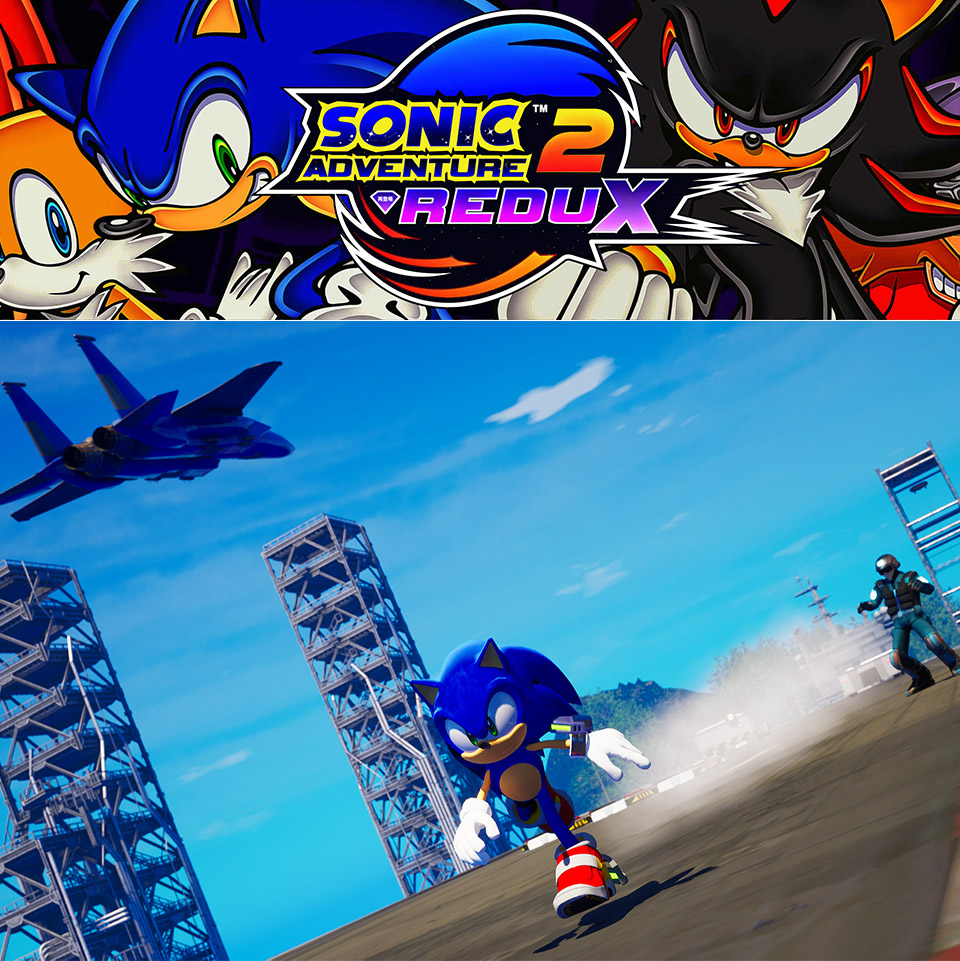
JeliLiam decided enough time had passed. The original Sonic Adventure 2 arrived on Dreamcast in 2001 and later reached GameCube players as Sonic Adventure 2 Battle. It delivered breakneck platforming, rival hedgehogs trading blows, and a story that actually mattered. Official channels never delivered a true modern version. So one dedicated creator started fresh in Unreal Engine 5 and called the result Sonic Adventure 2 Redux.

SEGA Crazy Taxi World Tour
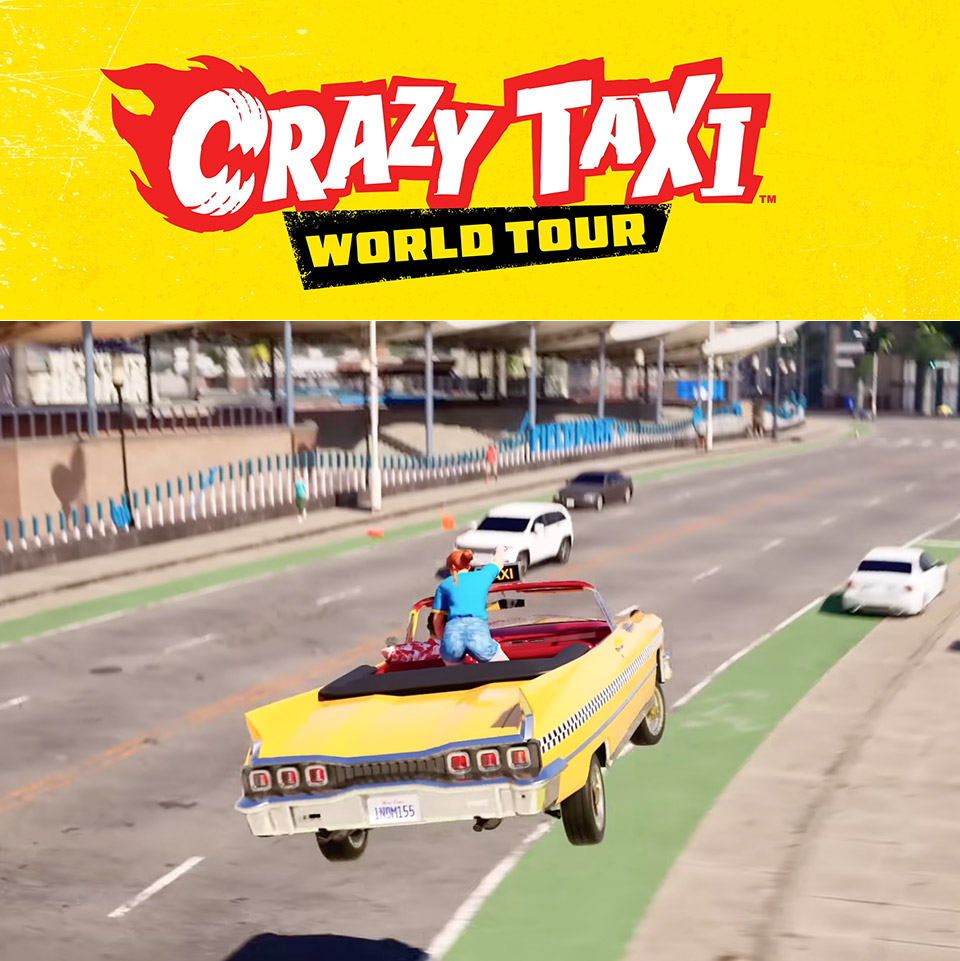
SEGA chose the Xbox Games Showcase to revive Crazy Taxi after many years without a new flagship title. The game’s subtitle is World Tour, and it will be launched in 2027. The announcement began with Axel driving the famous yellow taxi. He tears through streets that have the appearance and feel of historic San Francisco, complete with a recognized bridge in the background. The song “All I Want” by The Offspring plays over the footage. Later scenes include a mysterious new driver and hint at action that will take the plot to a new level.

Vritua Fighter Crossroads Reveal
SEGA just ended a long silence with something that feels both familiar and entirely fresh. Virtua Fighter Crossroads arrives in 2027 as the first proper new mainline entry in the series since 2006, yet it carries a different shape than fans might have expected. RGG Studio, the team behind the dense, character-driven worlds of the Like a Dragon series, takes the lead. The result blends the precise, readable combat Virtua Fighter has always prized with a full single-player story mode set inside a sprawling, lived-in city.

SEGA Genesis Games On Vinyl
Throaty Mumbo continues coming up with new and inventive methods to connect old game systems with some very old storage techniques. His most recent effort was to determine if a SEGA Genesis game could be loaded off a vinyl record, and the simple answer is something between yes and no. The entire narrative demonstrates how far a basic audio signal can go in terms of getting classic game code functioning.

SEGA Meganet Modem Genesis Online Service 1990
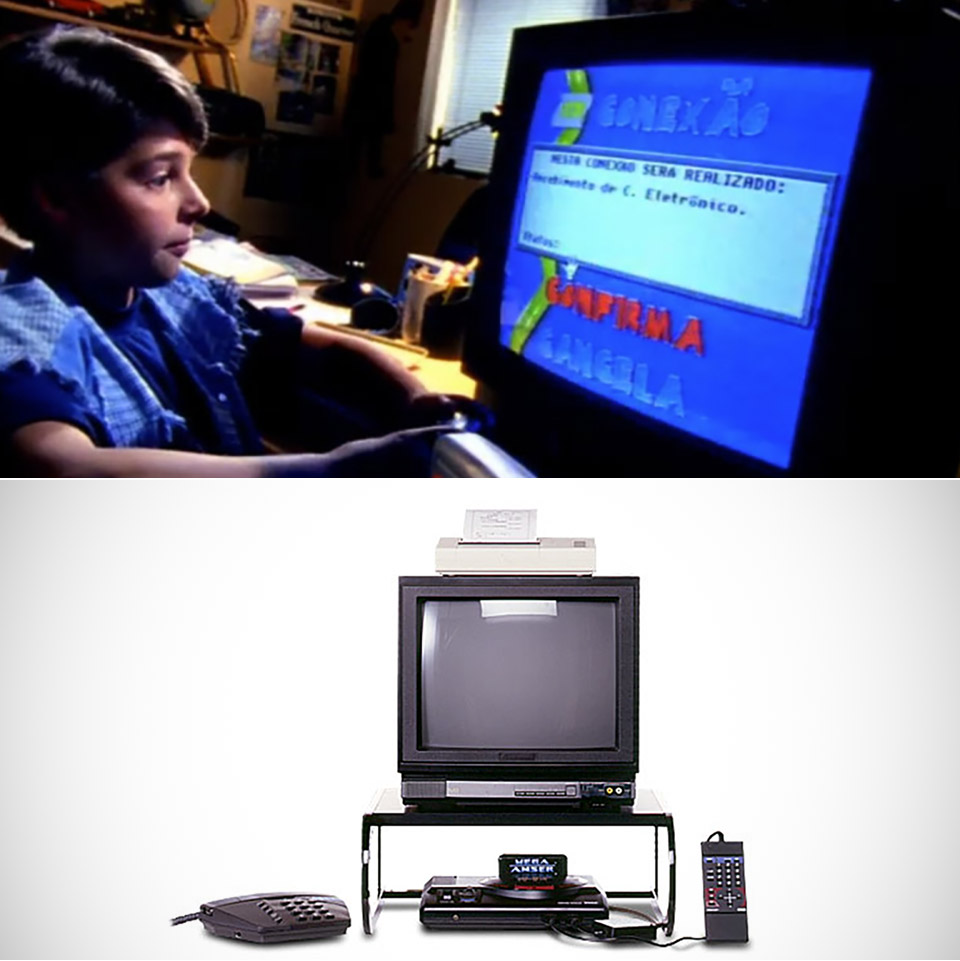
SEGA intended to set the Mega Drive (Genesis) system apart from the competition by giving it a unique selling factor that no one else could duplicate. The system was released in Japanese stores in October 1988, however SEGA’s initial sales were far fewer than they had anticipated. Engineers soon responded by developing an internet service that allowed users to download new games and compete against one another from the comfort of their own homes. It was an ambitious concept, but on November 3rd, 1990, it all came together with the debut of Meganet, a service that anyone wanting to spend the extra money and pay a monthly subscription could participate in.