Tag

Space

Browsing

NASA Fluid Particles Experiment Physics ISS Microgravity
Photo credit: NASA / Zena Cardman
The International Space Station (ISS), located high above the Earth, has been used to demonstrate how strange things behave when gravity is no longer pulling them downward. Recently, several astronauts captured a shot inside the Destiny lab module of a group of ball bearings floating around a larger one. They’re floating in a thick liquid that keeps the metal spheres stable, and they respond to very subtle vibrations in a way that can’t be replicated on the ground.
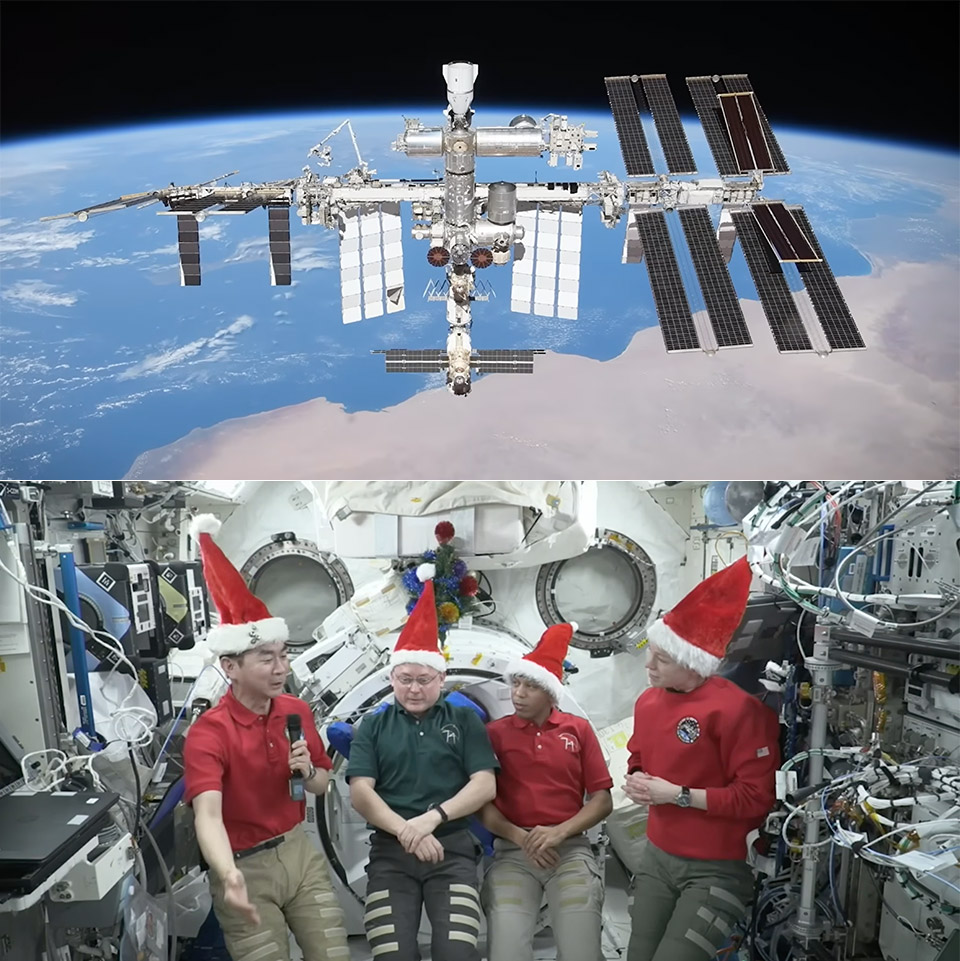
NASA ISS Crew Christmas in Space 2025
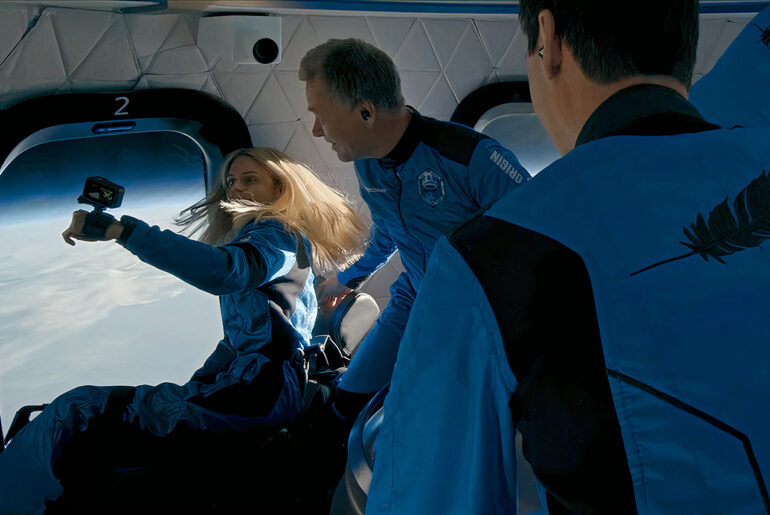
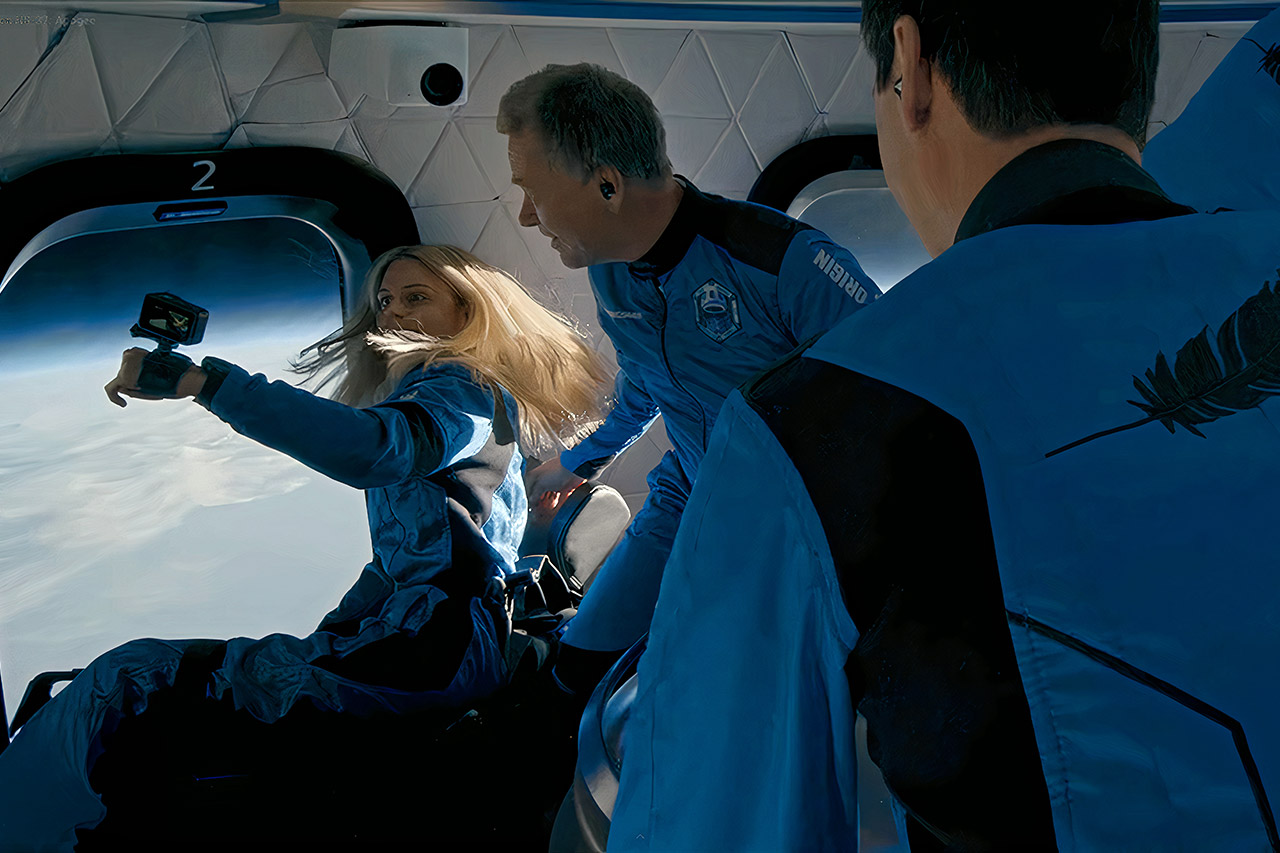
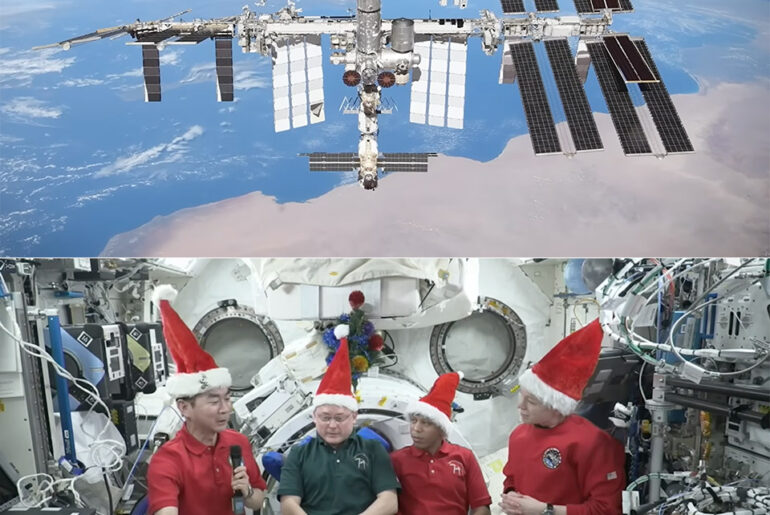
On Christmas Day, seven astronauts aboard the ISS were in orbit high above the Earth, racing around the planet no fewer than 16 times at an incredible 17,500 miles per hour, while everyone else was down below opening presents and spending time with family and friends. Commander Mike Fincke led the Expedition 74 crew in creating a touching video message that was sent back down to loved ones, mission control staff, and families all around the world.

Hubble Largest Protoplanetary Disk Circling Star
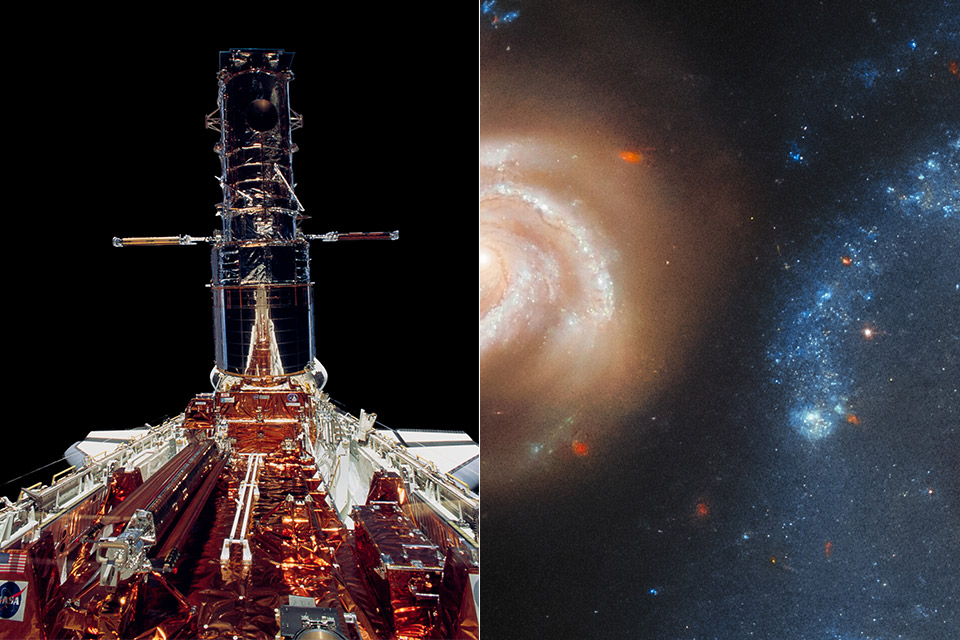
A team of astronomers has observed the largest protoplanetary disk ever seen circling a young star some 1,000 light years away. This churning expanse of gas and dust spans roughly 400 billion miles, 40 times the size of our solar system and extending to the Kuiper Belt. They’ve cataloged this disk as IRAS 23077+6707, also known as Dracula’s Chivito, and it’s easy to see why given its completely opaque center, which Hubble’s high resolution photo has peeled away to reveal a really odd image.

NASA Curiosity Mars Rover Polygons Hollow
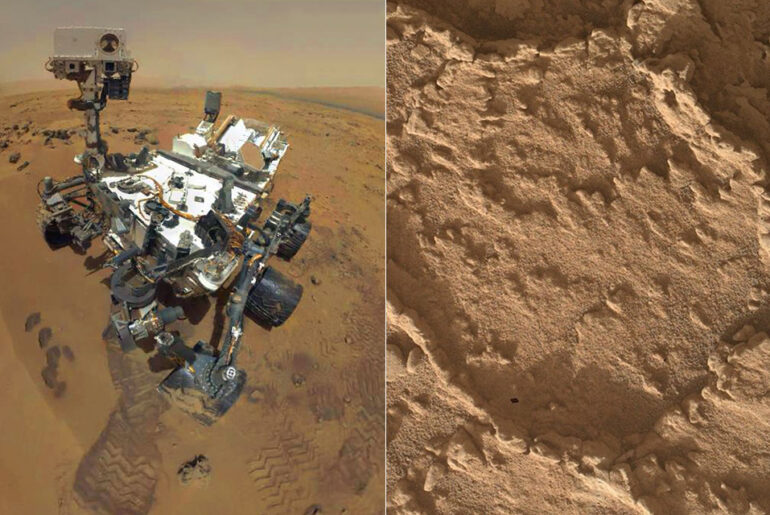
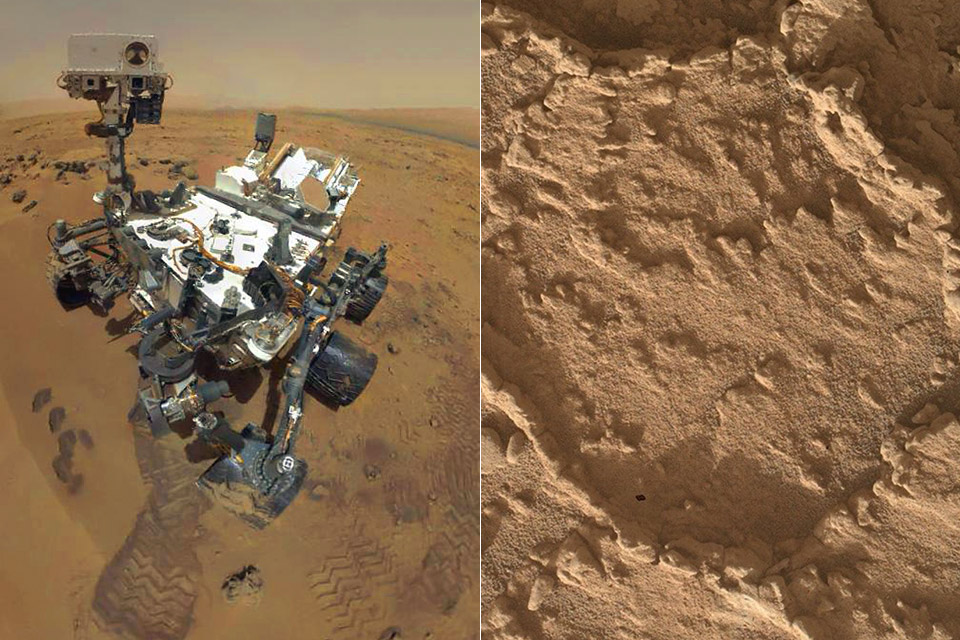
NASA’s Curiosity has been progressively removing layers of Mars’ ancient past from deep within Gale Crater. After over 13 years on the surface, the rover returned to a familiar location known as the Monte Grande boxwork hollow in December 2025. Scientists were eager to have a closer look at the ridges and depressions in this area, so they devised a meticulous plan. As they were wrapping up a weekend excursion, the rover came across something extraordinary.

NASA MRO 100,000 Image Milestone
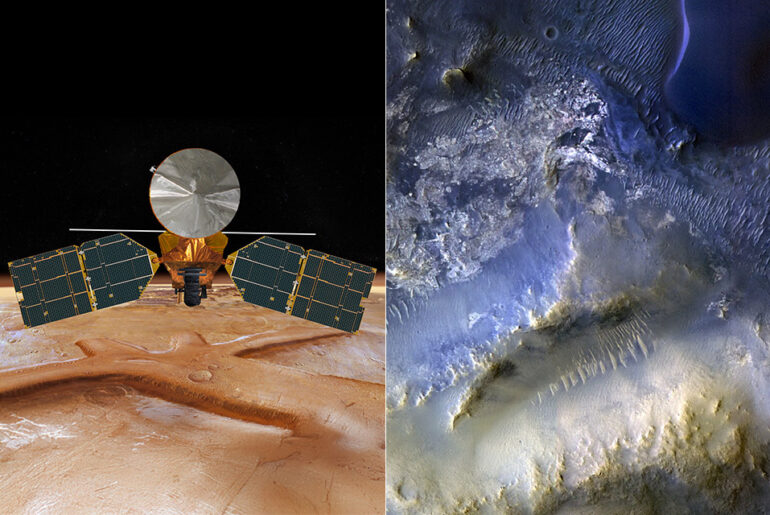
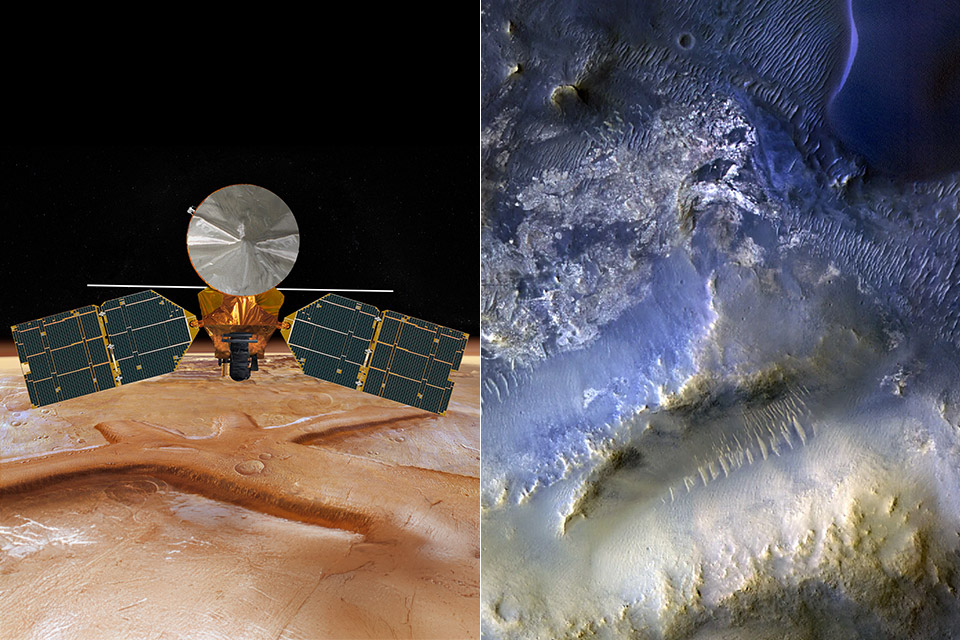
Nearly two decades ago, NASA’s Mars Reconnaissance Orbiter (MRO) launched from Earth and began its long and winding journey to the Red Planet. Since landing in orbit over Mars in 2006, this spacecraft has quietly turned the way astronomers understand another planet on its head. On October 7, 2025, one of the instruments on board, the High Resolution Imaging Science Experiment camera, or HiRISE for short, captured its 100,000th photo.

NASA James Webb Telescope Lemon Planet PSR J2322-2650b
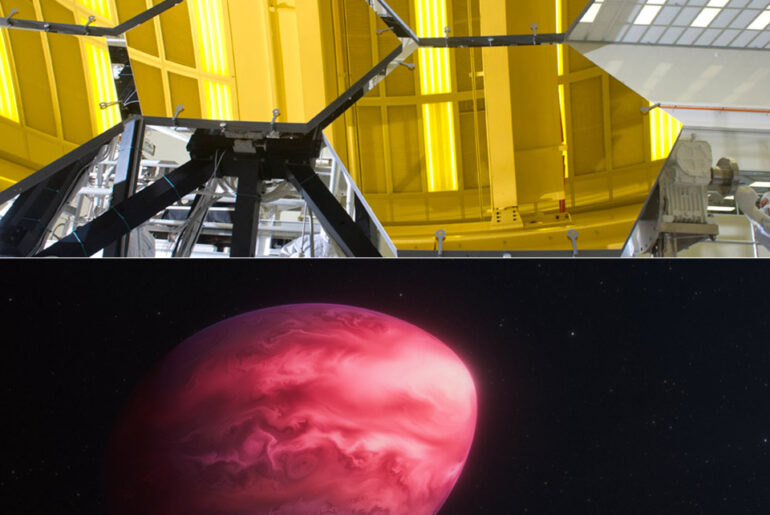
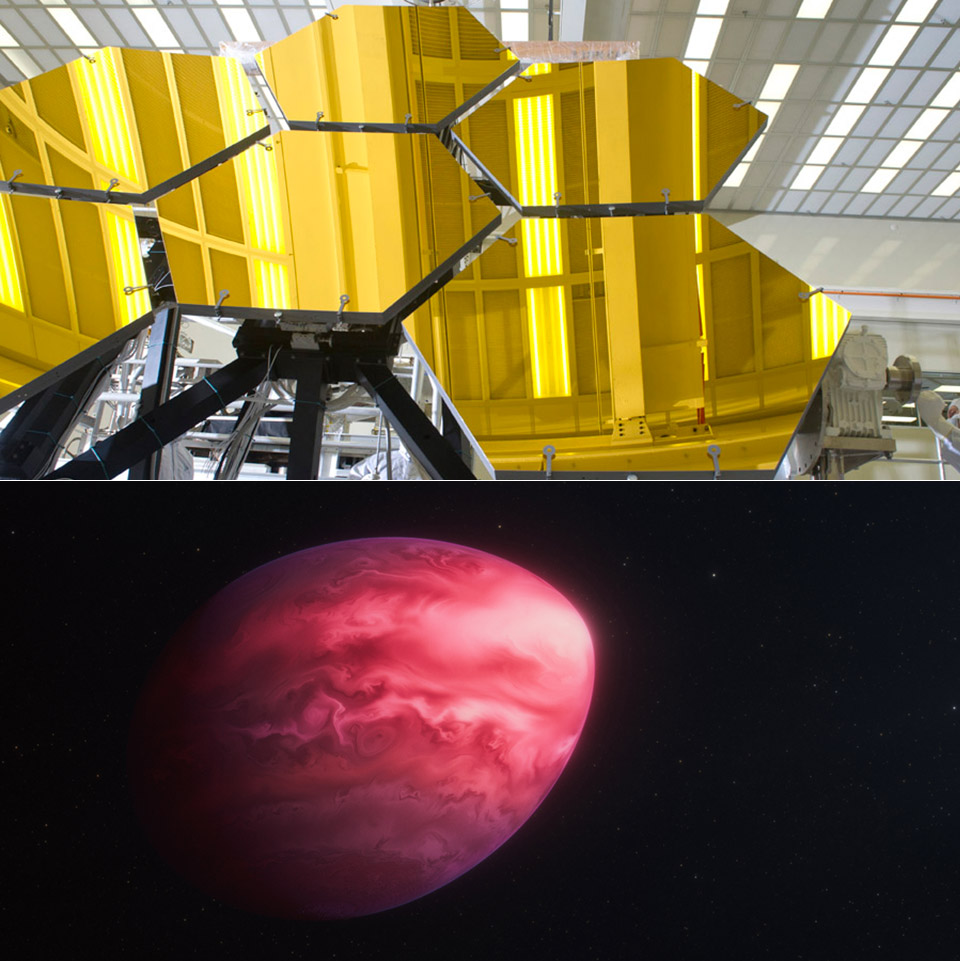
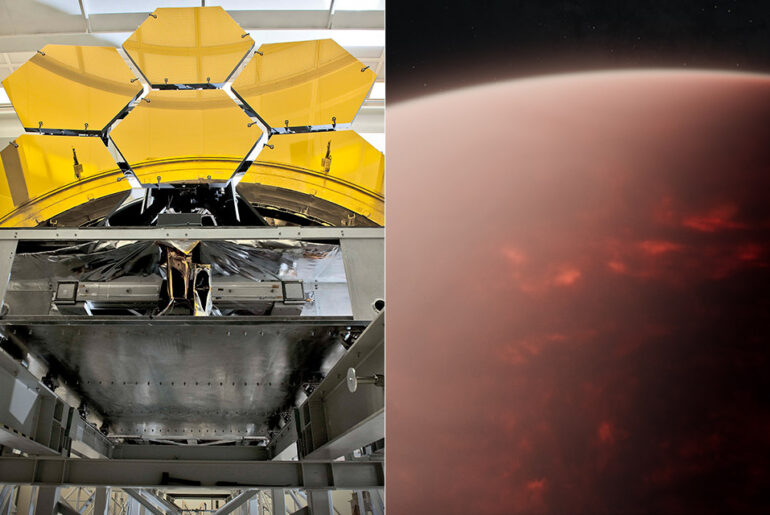
NASA’s James Webb Space Telescope has discovered a planet that is unlike anything we’ve ever seen, far beyond our solar system. They named it PSR J2322-2650b, and it has some fairly weird features for where it is. This planet is orbiting a pulsar, which is essentially the spinning remnant of a big star that went supernova. According to the scientists, its shape resembles a lemon, although one that has been stretched out by its host’s gravitational pull.

Hubble NGC 4388 Spiral Galaxy Virgo
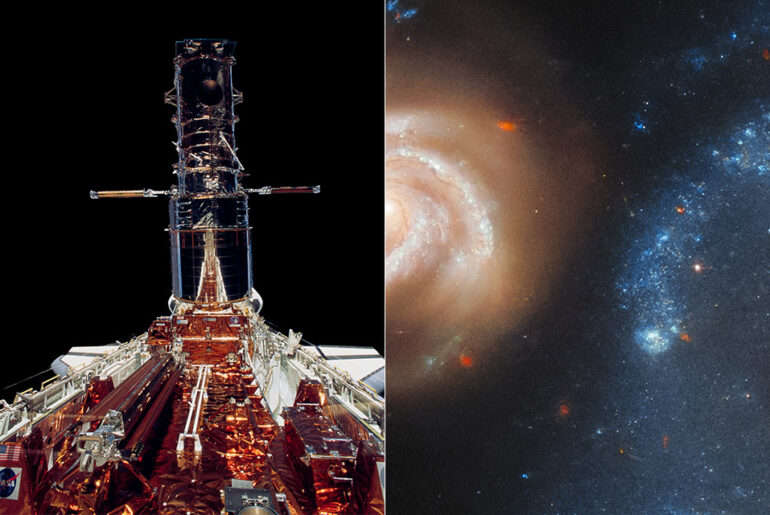
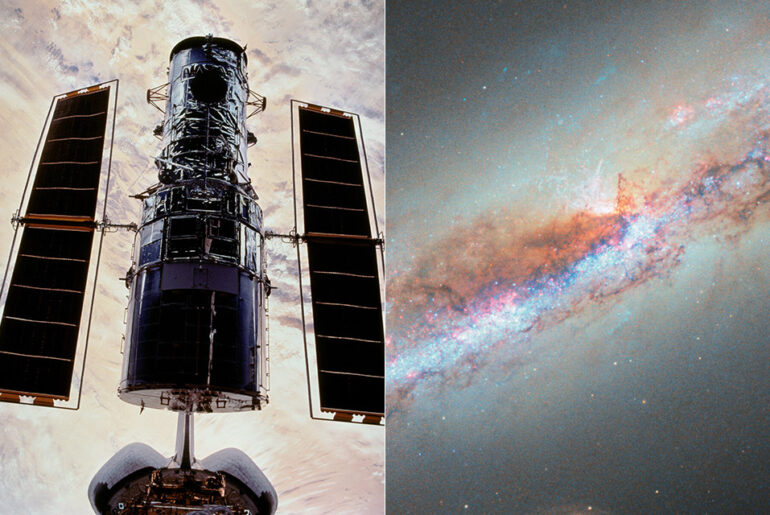
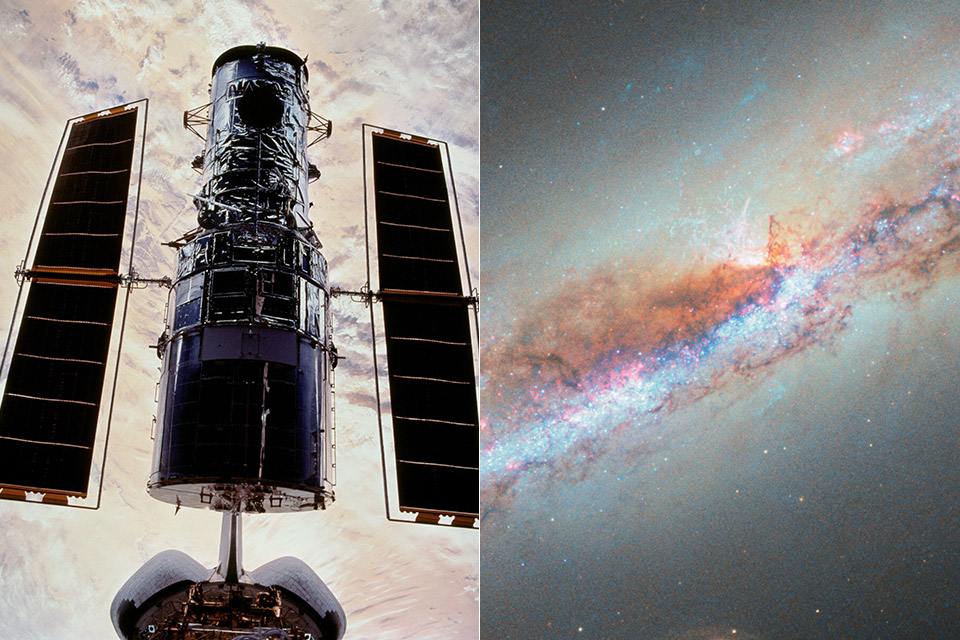
Hubble’s most recent image focuses on NGC 4388, a sideways spiral galaxy undergoing tremendous change. It’s located 60 million light years away in the constellation Virgo, right in the midst of the Virgo Cluster, which contains over a thousand other galaxies. Because Hubble is looking at this galaxy from virtually straight on, what would ordinarily be a flat disk has transformed into a narrow, luminous line chock full of secrets just waiting to be unearthed.