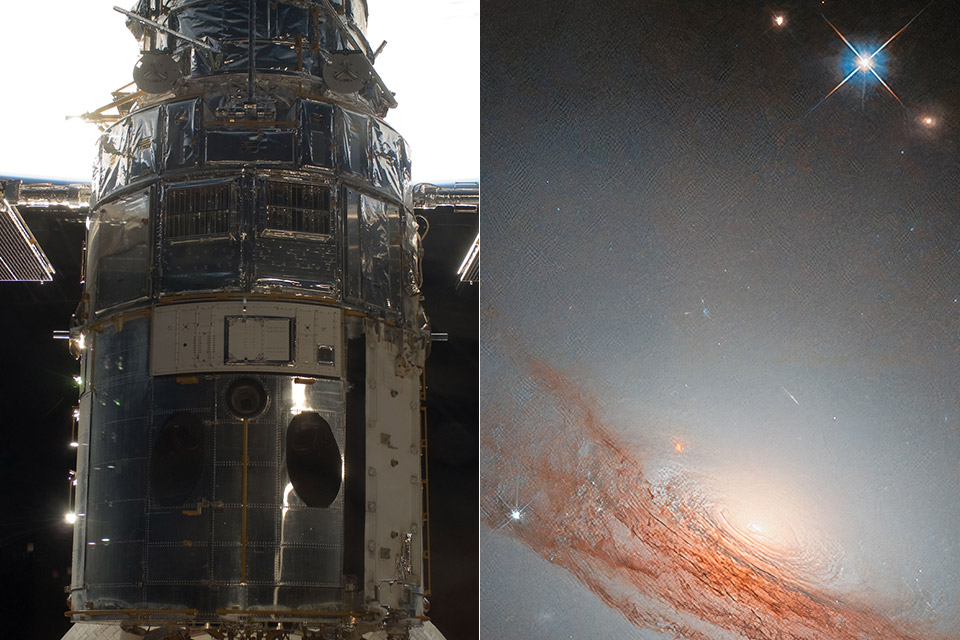
Hubble’s stunning views of distant galaxies continue to surprise us, and this latest photo of NGC 7722 serves as a gentle reminder. This lenticular beauty is a true head-scratcher, as it’s located in the constellation Pegasus, a good 187 million light-years away, and it combines characteristics from two sorts of galaxies that you’d expect to see separately. There are the graceful arms of a spiral and the smooth, rounded profile of an elliptical, but NGC 7722 stands out with a pristine disk, no spiral arms, a bright central bulge, and an outside halo that simply glows.
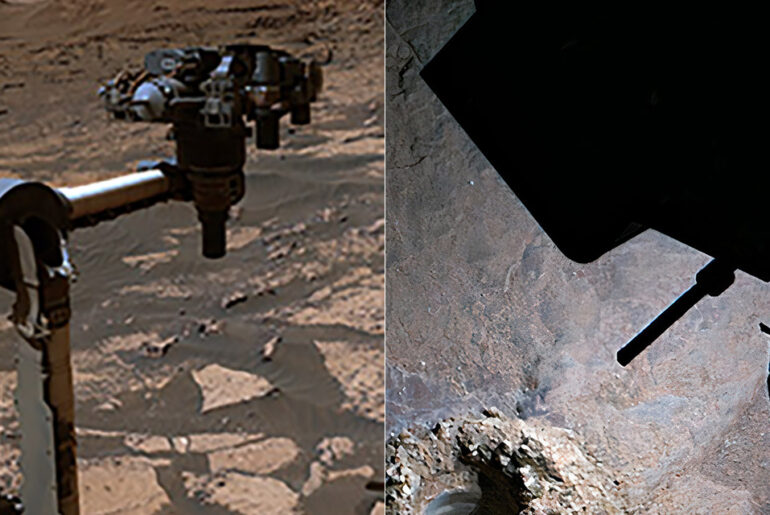
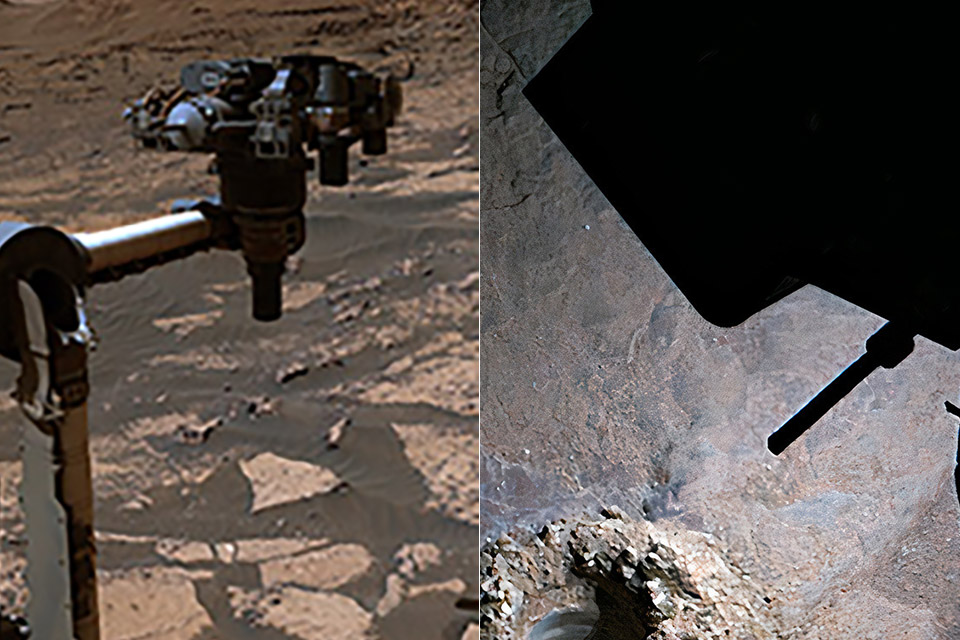
NASA’s Curiosity rover has been trudging about in the Martian sand for over a decade now, transmitting an endless flood of information in the bright Martian sunlight. However, on December 6, 2025, or Sol 4740 of its mission, a significant event in Curiosity’s long mission history took place when engineers used its lights to take a series of photos.

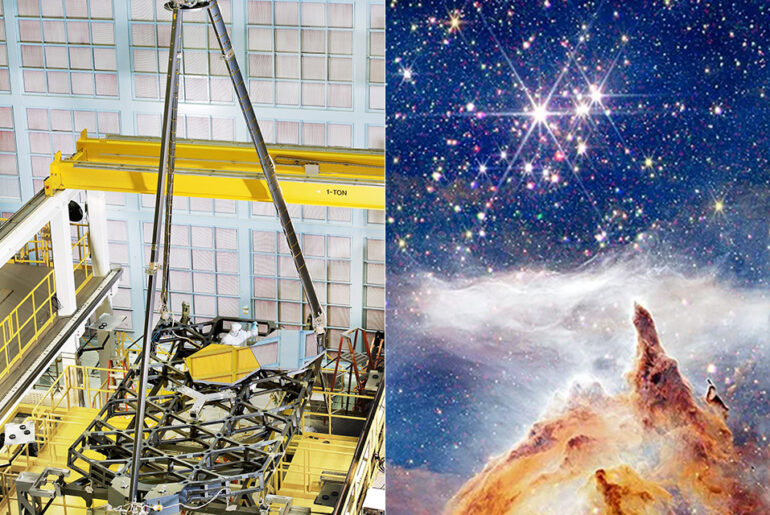
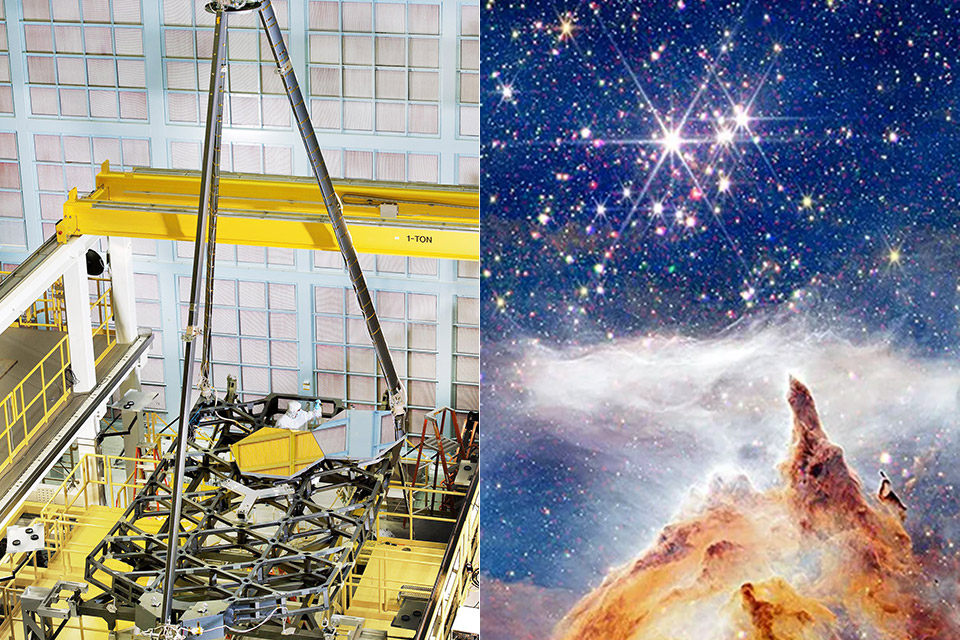
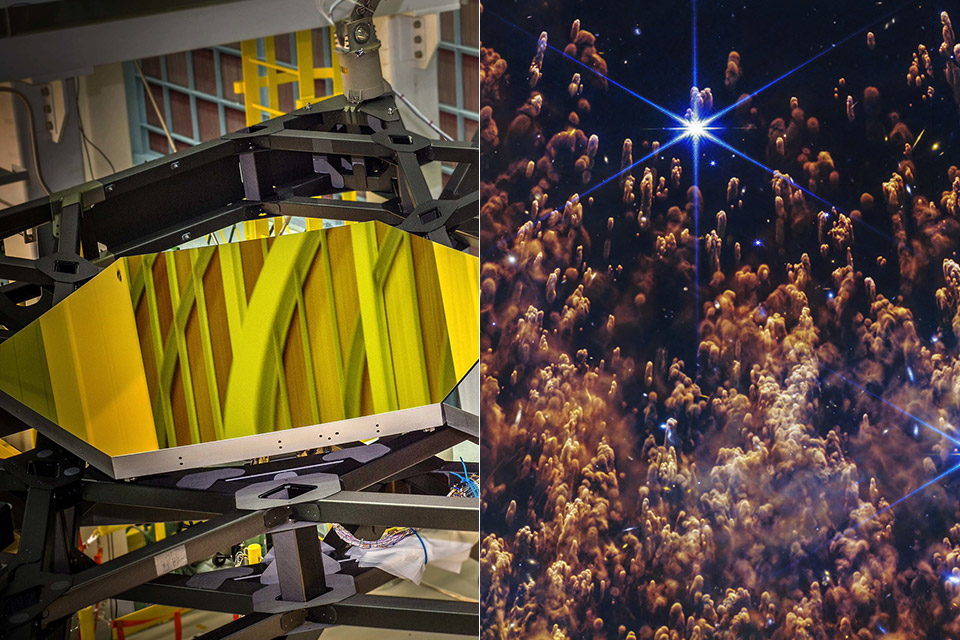
NASA’s James Webb Space Telescope continues to capture views that transport you far into the cosmos, and this latest look at Pismis 24 is particularly compelling. When you combine that with Chandra’s keen eye for high-energy bursts, you have an unmistakable depiction of chaos and creation. Pismis 24 is a young cluster of massive stars that are still in their prime, clustered together in a tight young group around 5,500 light years away in the constellation Scorpius, hidden within the expansive Lobster Nebula section of NGC 6357, one of the Milky Way’s most prolific star formation locations.

Photo credit: Chris Russell
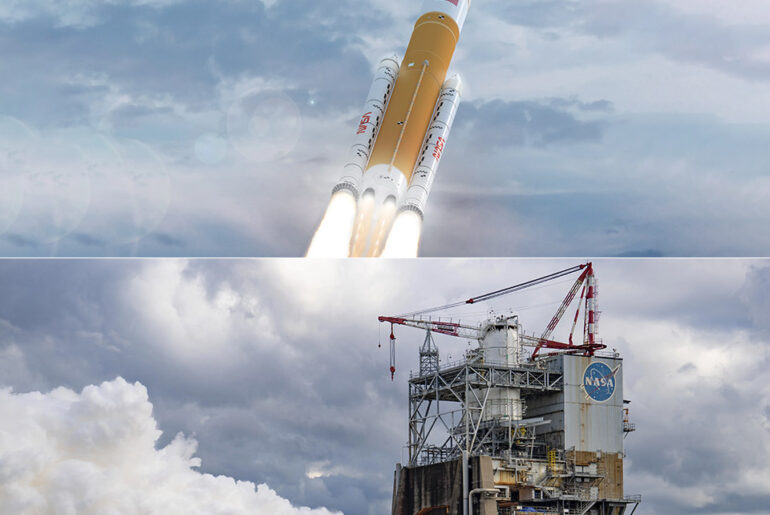
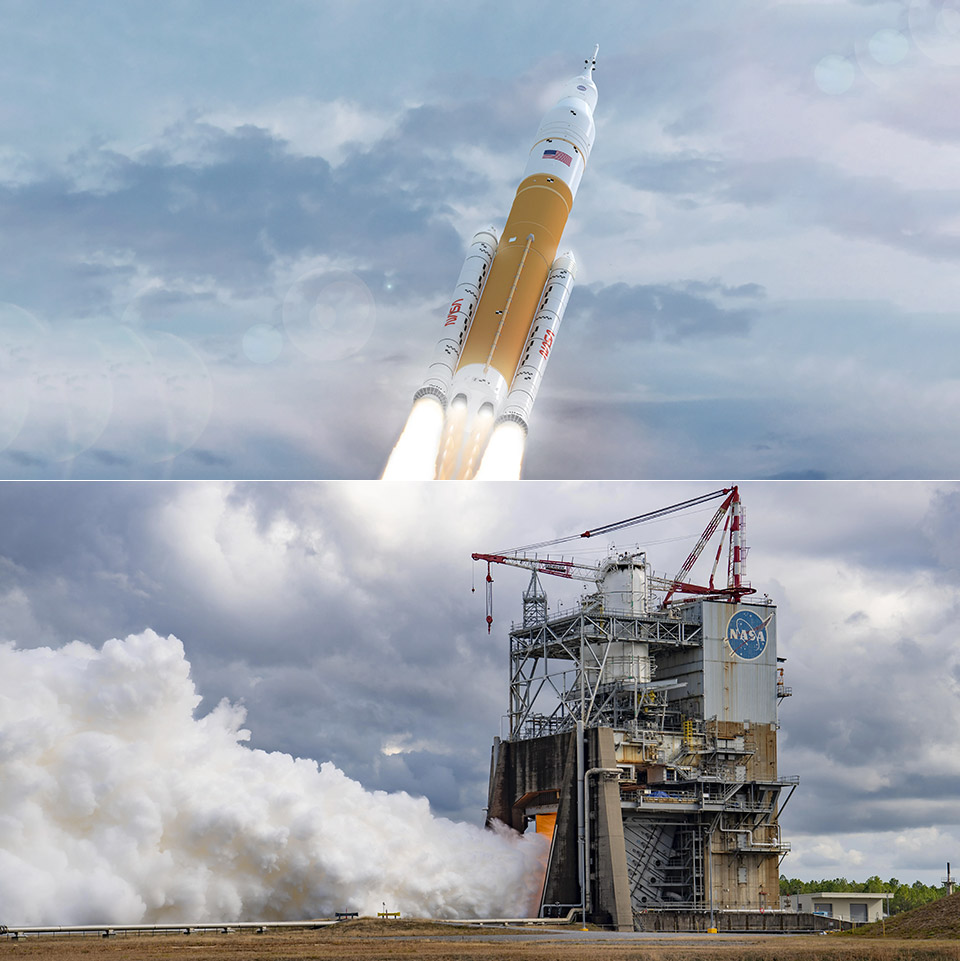
The recent hot fire test of an RS-25 engine marked a big step forward for NASA’s Artemis program, and it went practically unnoticed. On January 22, 2026, engineers at Stennis Space Center in Mississippi took out one of the RS-25 engines, number 2063, and tested it on the Fred Haise test stand. This included a 5-minute burn, and thankfully, everything fell into place. The engine delivered 109% of its rated power output, providing the rock-solid, robust performance required to place the Space Launch System rocket into orbit with little fuss.

Photo credit: Chris Williams
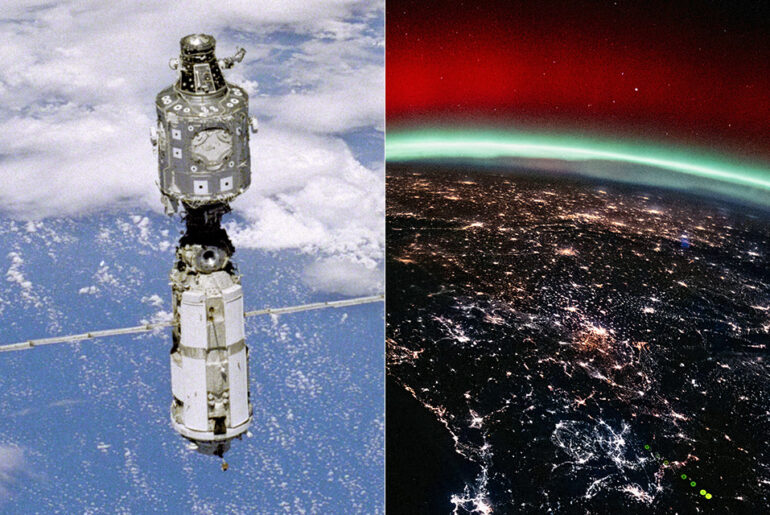
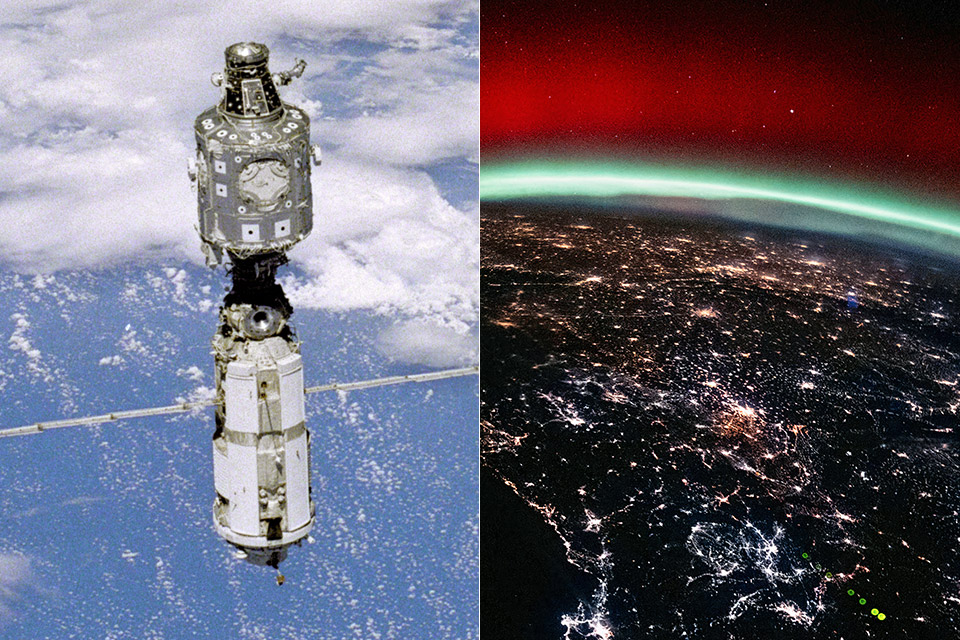
On January 19, 2026, NASA astronaut Chris Williams took amazing images of an aurora while floating high above the Mediterranean Sea onboard the International Space Station. The final sight is breathtaking, with blazing green and red light ribbons arching along the Earth’s edge and European city lights glittering like stars beneath, with a view north from the Italian coast to Germany.

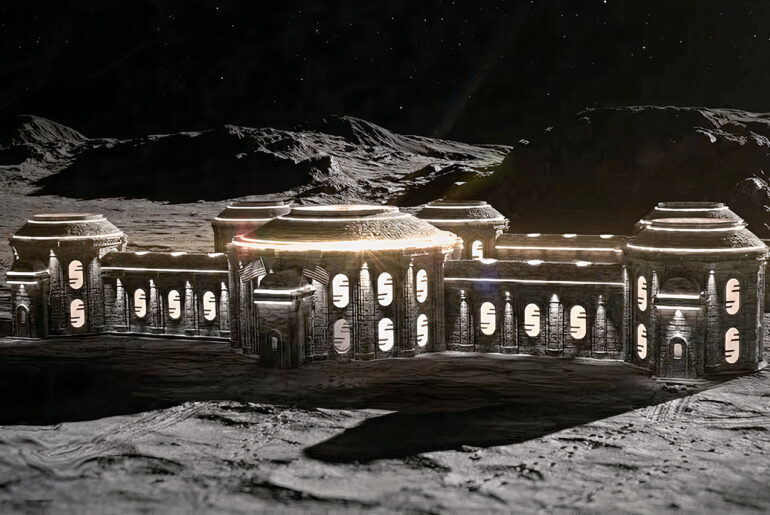
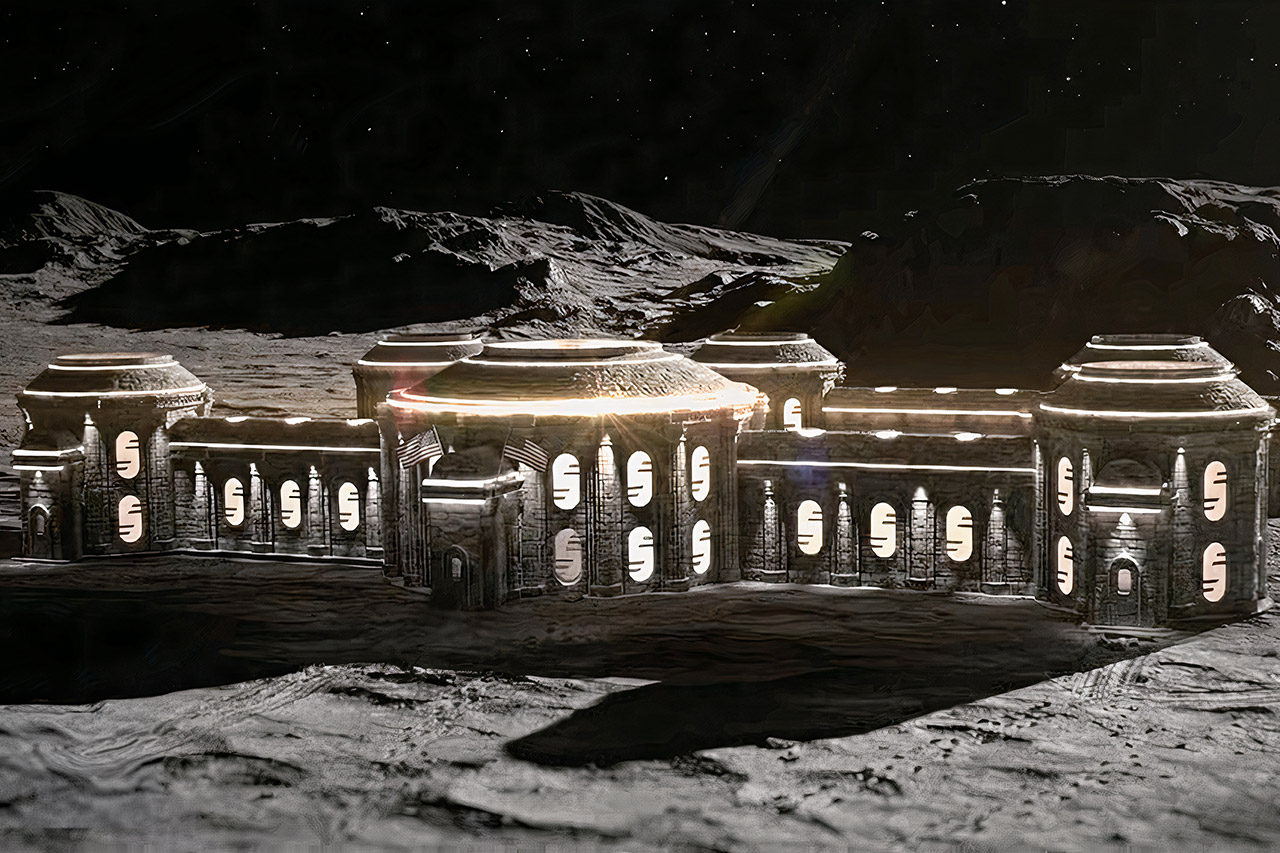
A California startup has just begun accepting reservations for the world’s first hotel on the Moon, and the prices aren’t cheap. A deposit of ranging from $250,000 to $1 million will secure your seat in a project that won’t begin until 2032. Galactic Resource Utilization Space, also known as GRU Space, began the booking process in mid-January 2026.

Photo credit: Chris Williams
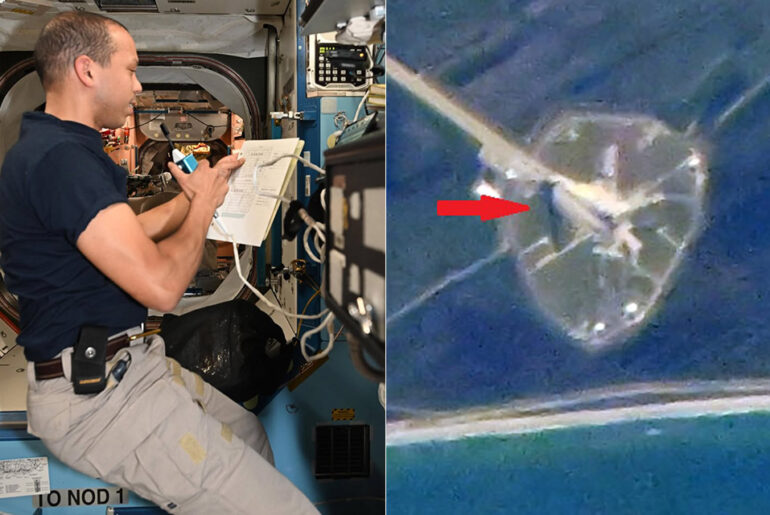
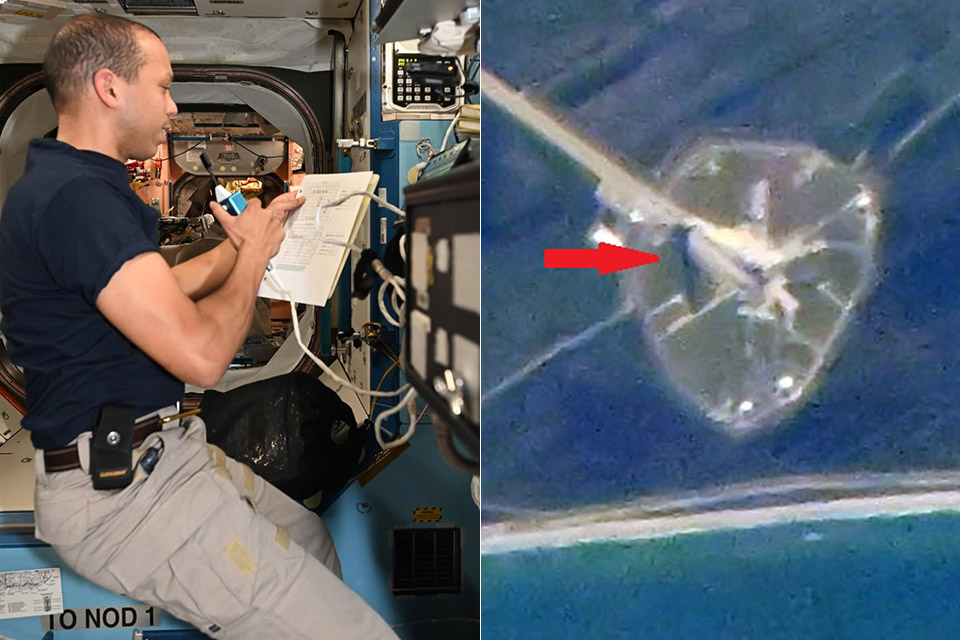
Astronaut Chris Williams was floating on board the International Space Station when it flew over a familiar location, and he captured a photo that throws the Artemis II mission into great focus. The image shows NASA Kennedy Space Center on Florida’s coast, where the SLS rocket is now placed on Launch Pad 39B.

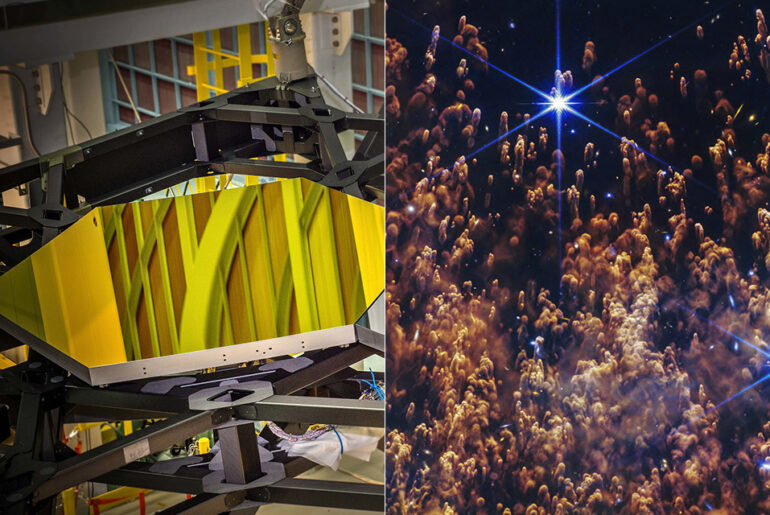
The Helix Nebula is one of the most beautiful planetary nebulae visible from Earth, and NASA’s James Webb Space Telescope recently captured the finest image yet. This bright shell of gas and dust, located approximately 650 light-years away in the constellation Aquarius, is the last act of a star that bears a remarkable likeness to our own sun. The most recent near-infrared measurements have pinpointed a portion of the nebula in extraordinary detail, revealing far more than previous observatories could detect.

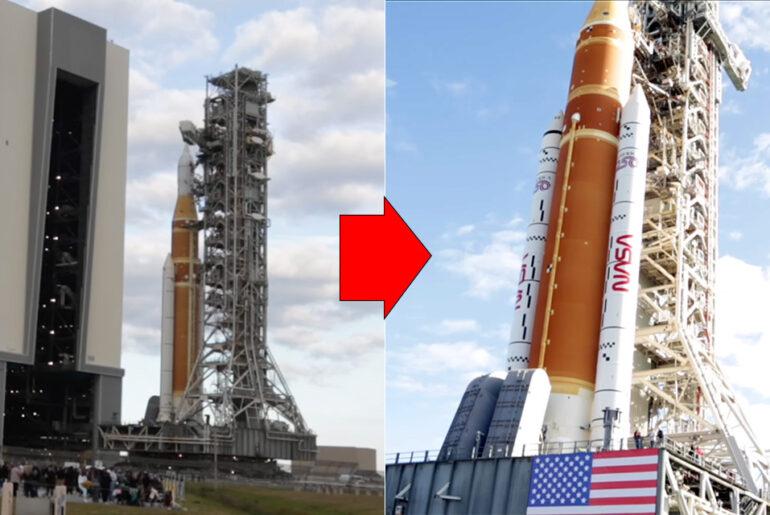
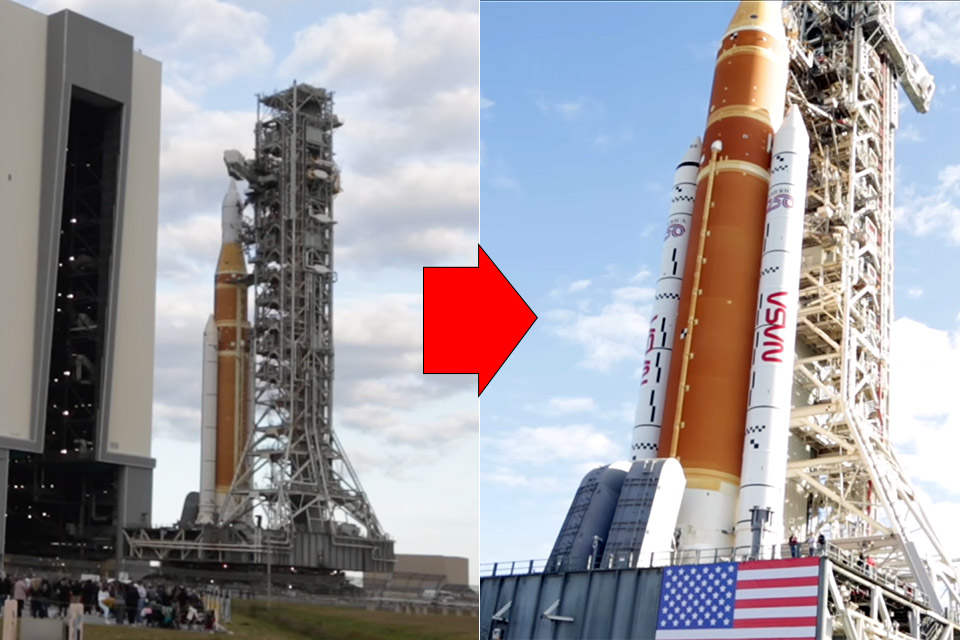
The Crawler-Transporter 2, cradling NASA’s Artemis II moon rocket, arrived at the launch pad about a week ago, marking a quiet but historic step toward transporting astronauts beyond outer space for the first time in more than 50 years. That mission is scheduled to take place on January 17, 2026, at the famous Kennedy Space Center in Florida. At 7:04 a.m. eastern time, the crawler began hauling the fully built Space Launch System rocket, Orion spacecraft, and mobile launcher from the Vehicle Assembly Building to Launch Complex 39B.

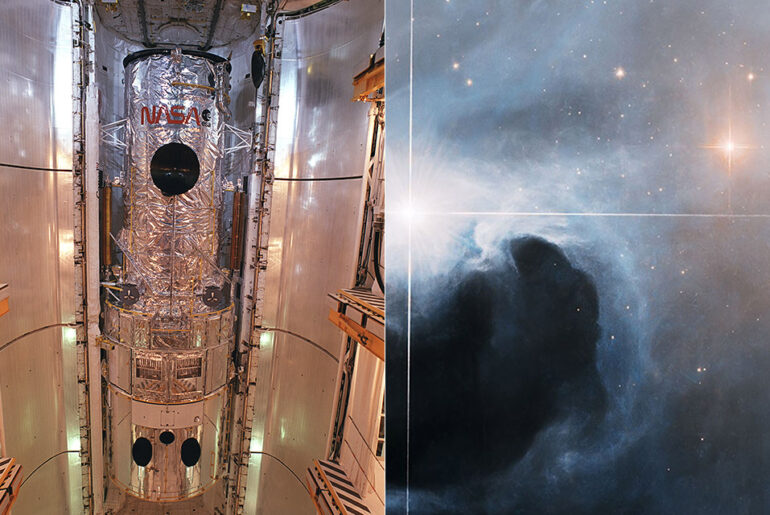
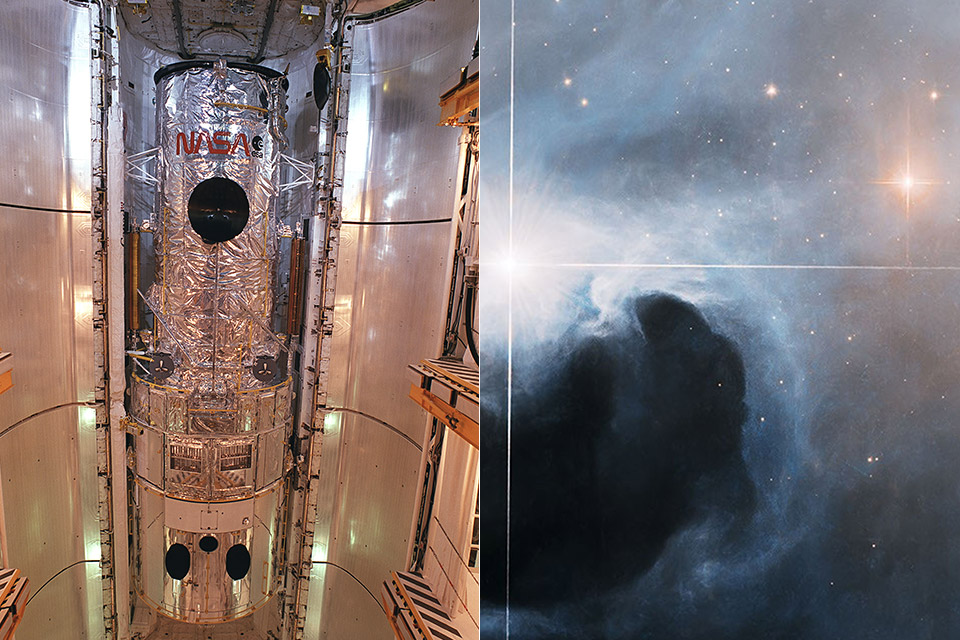
A thin veil of gas and dust seeps across the frame, giving the picture a ghostly appearance. White tendrils curl through the blackness like wisps of smoke, while a large dark patch anchors the bottom left giving a sense of stability. Points of light shine out against this backdrop, indicating young stars in their early stages of development as they navigate the universe. Lupus 3, located in the Scorpius constellation, around 500 light years from Earth, was showcased in Hubble’s latest image.