Seven years ago, a team of six Amazon engineers began toying with the idea of satellites that could transmit internet signals to the world’s most remote locations. They called it Project Kuiper, nicknamed after a distant ring system around Neptune. It was a code name that persisted through the early stages of obtaining licenses, signing contracts, and even conducting test flights. However, with over 150 satellites already circling high above, the business has finally given it a name that accurately expresses what it is all about: Leo.

SpaceX just flung the doors open on the Starship HLS lunar lander and the view that greeted us is just stunning. Four astronauts are sitting in a circle of chairs, with their backs to the curved wall, which is as wide as a city bus. The sunlight streaming in is making the metal ribs underfoot look like polished silver. Above them, a massive 30-foot-high dome looms large – big enough to park a house in. With NASA breathing down their neck and demanding the schedule get cut down by months, SpaceX made the decision to rip out the seats, shelves and half the cargo racks.

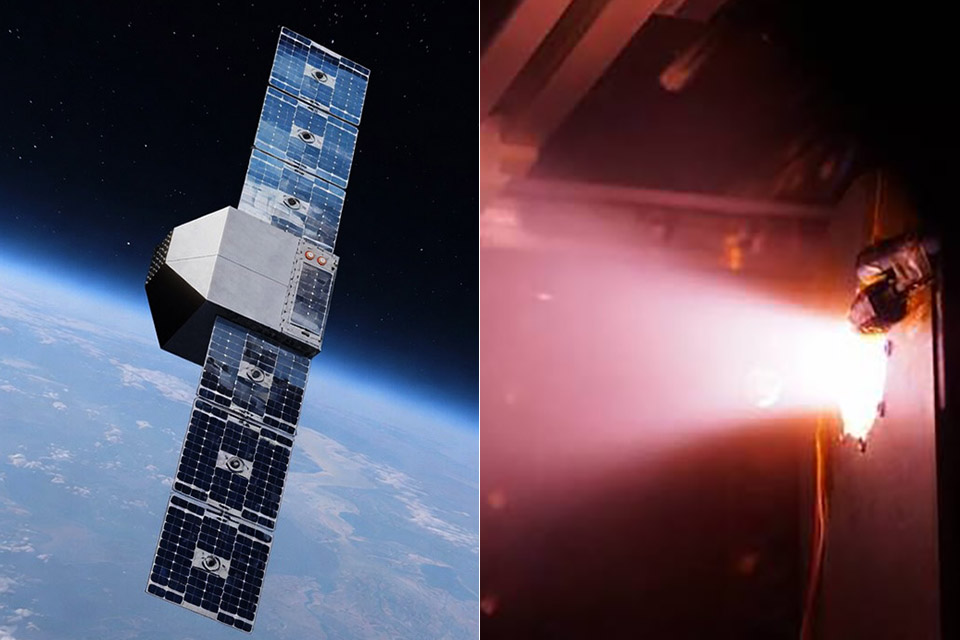
Photo credit: Rendezvous Robotics
Elon Musk has a talent for bringing far-fetched ideas down to earth. When word surfaced last month that two of the new generation of space companies were collaborating, he couldn’t help but share his thoughts, even if it was merely to make a simple point about SpaceX’s intentions to build data centers in orbit. There was no fanfare, no extensive explanation, just a deadpan remark to scaling up existing satellite technology. In a world where the demand for processing power is constantly increasing, that casual statement sent shockwaves across the IT community, drawing everyone’s attention to that untapped resource – literally the void where silicon meets sunlight.

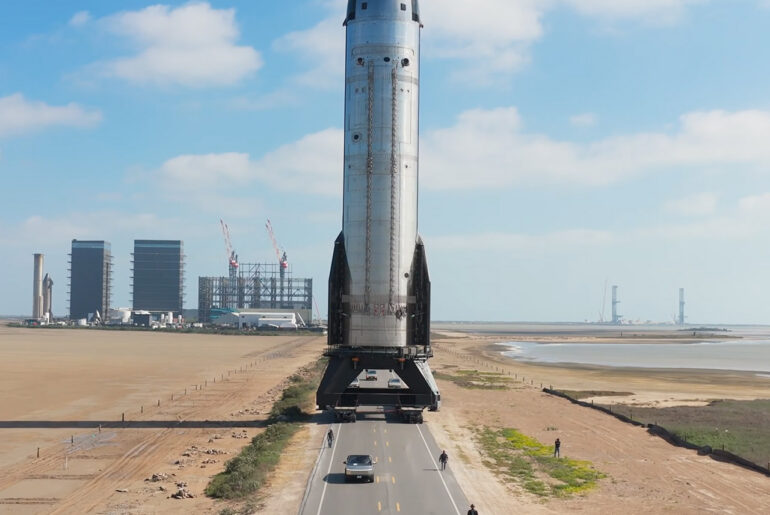
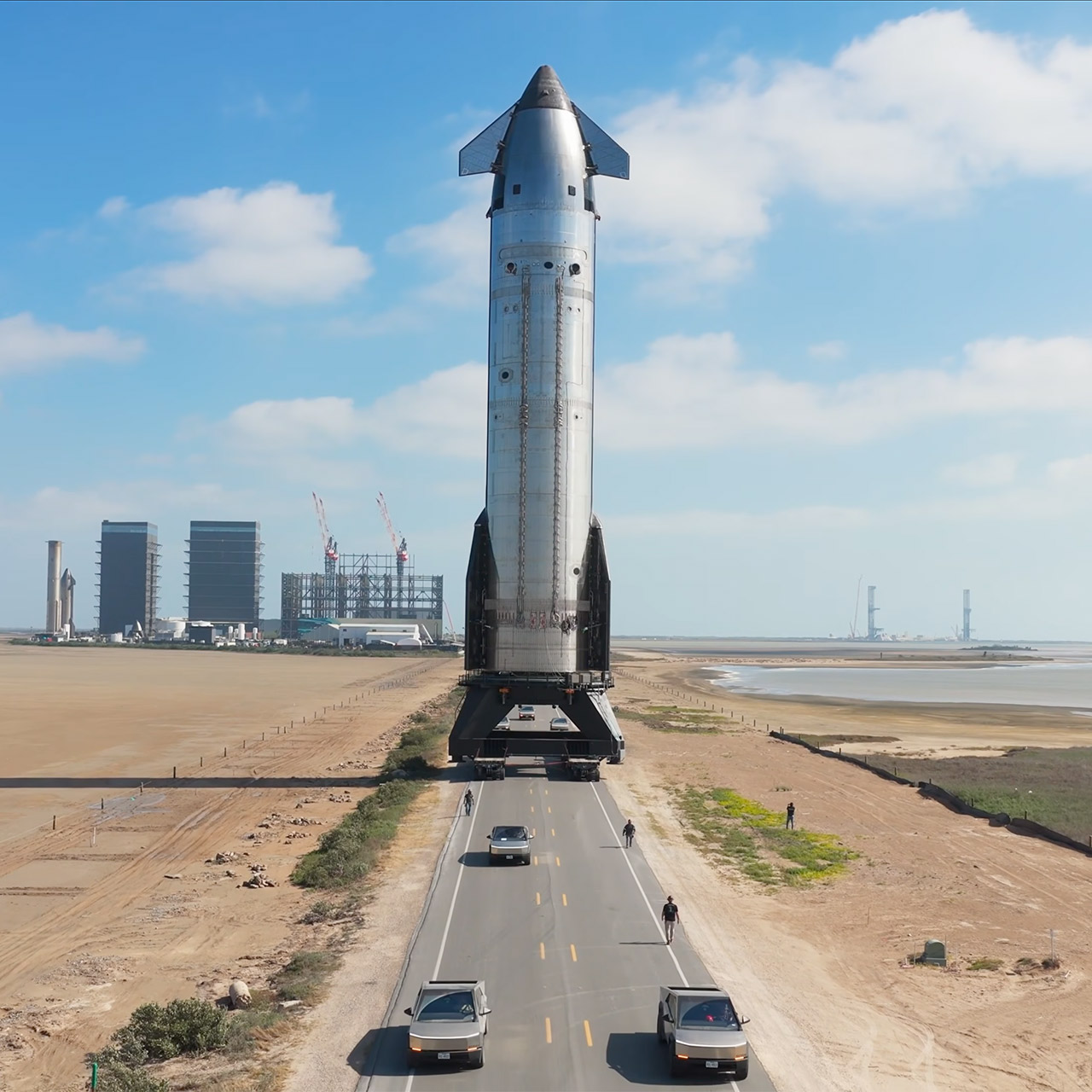
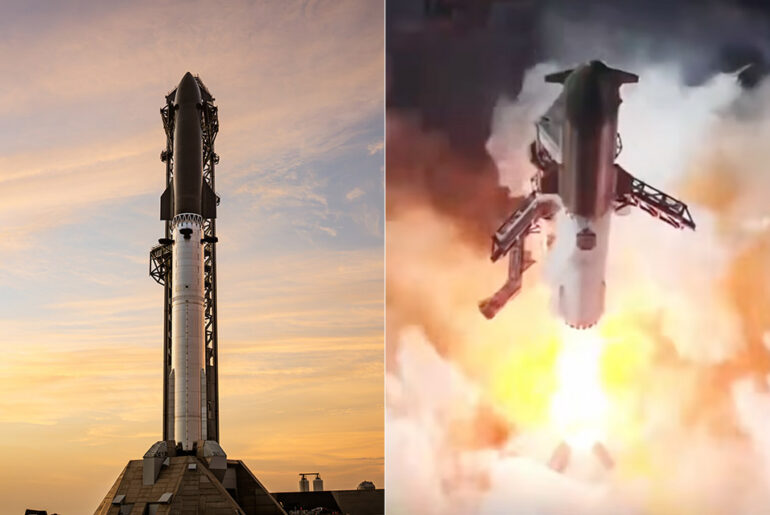
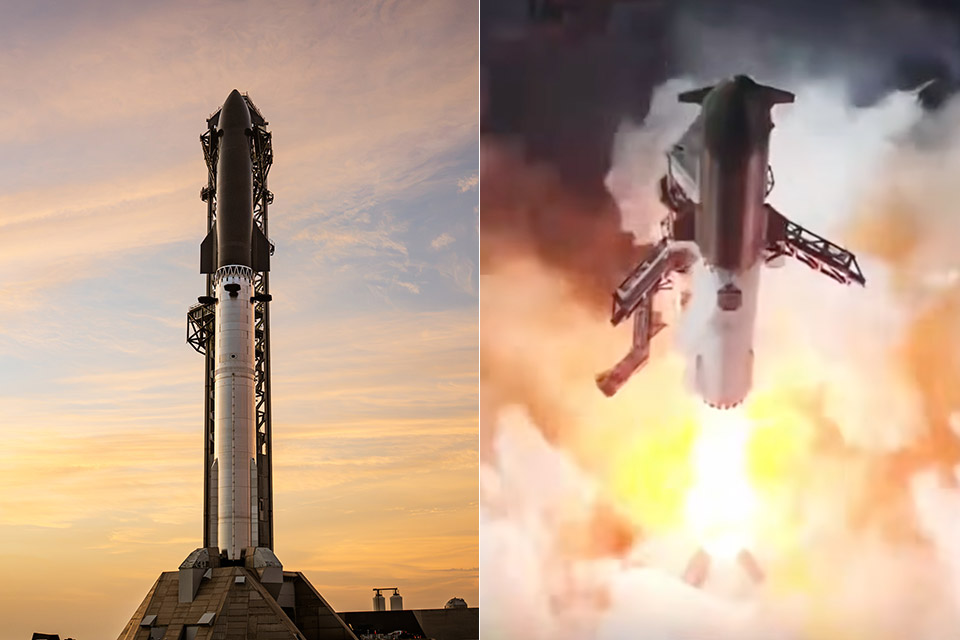
October 13th, 2025 will be remembered as a turning point for SpaceX. At 6:23 p.m. local time, the Starship rocket blasted off from Starbase in South Texas. Flight 11 was the final hurrah for Starship’s Version 2, marking the beginning for some truly exciting times ahead. Standing an incredible 403 feet tall, this absolute behemoth of a machine carried the hope for landing on the moon, establishing colonies on Mars, and ushering in a new era of space travel.

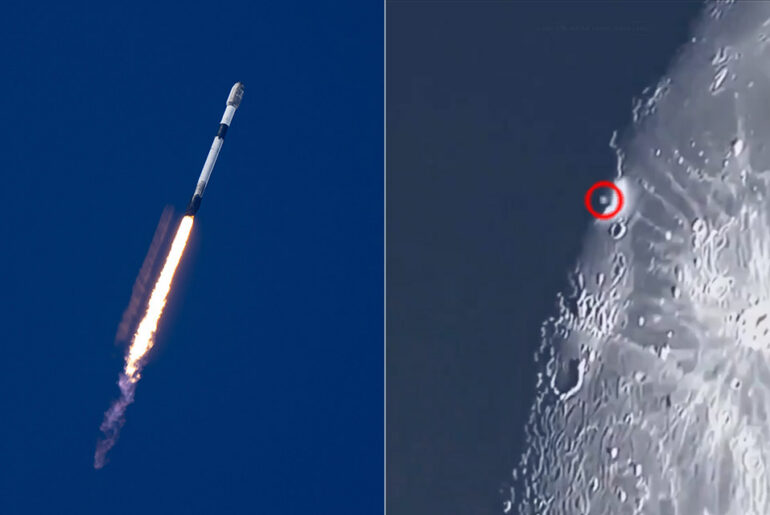
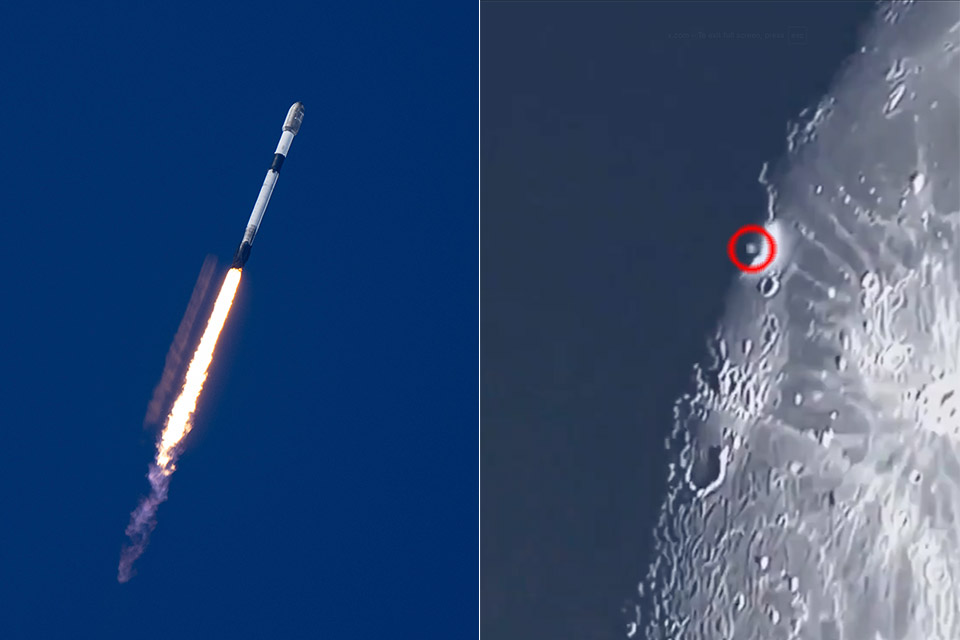
Photo credit: Andrew McCarthy
Andrew McCarthy stands in a Florida wildlife refuge, eight miles from a SpaceX launchpad, gazing out at the horizon. His cameras are set up on a gravel road, ready to capture something never seen before: a rocket going through the Sun’s chromosphere, its plasma plume rippling across the surface of the star. On September 6, 2025, he becomes the first photographer to freeze a Falcon 9 in front of the Sun’s hydrogen-alpha flare.

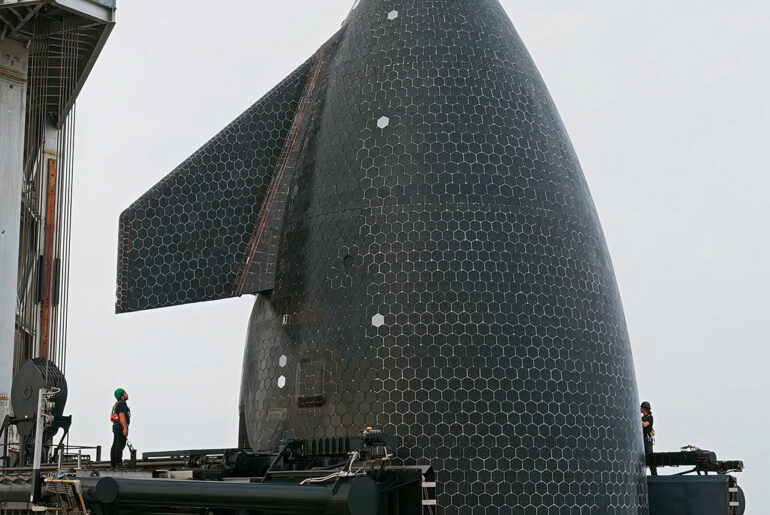
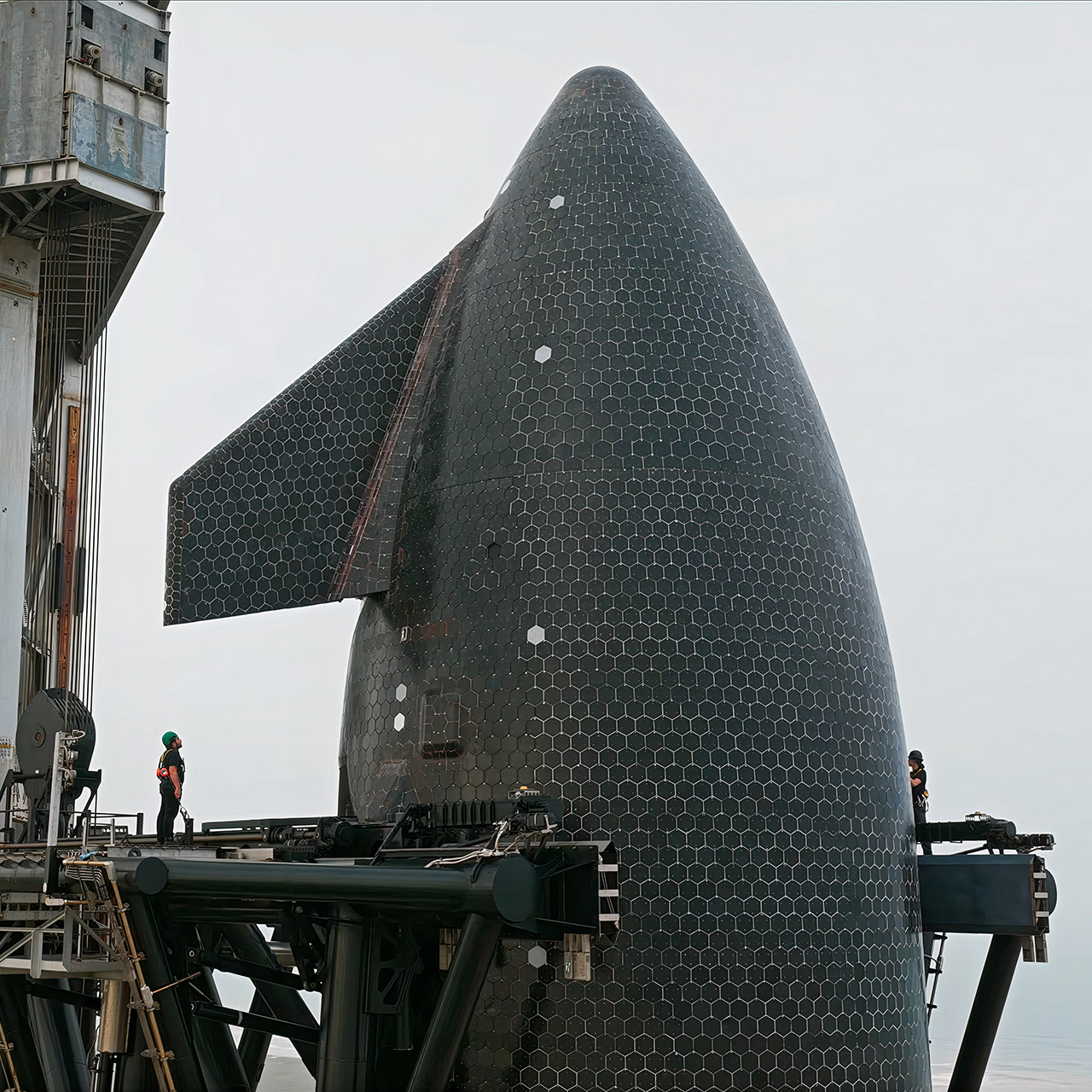
Starship’s upper stage has been in a fight and it shows, or more specifically, its 10th test flight. Its once shiny stainless steel body is now pockmarked with scars – orange streaks, charred tiles and bare metal – telling the story of survival against the forces of reentry.

SpinLaunch, the company that used to launch satellites into orbit with a giant centrifuge, is taking on Starlink and Project Kuiper with its Meridian Space constellation. This low-earth orbit (LEO) satellite network will deliver high-speed internet to businesses worldwide. With $30 million in new funding, a partnership with Kongsberg NanoAvionics and a target for first customer connections by late 2026, SpinLaunch is making a big move into the satellite broadband market.

Honda just dropped a bombshell that nobody saw coming. They’re the champs of cars, bikes, and even those funky humanoid robots, but now their team’s gone full space-nerd, launching a reusable rocket up in Taiki Town, Hokkaido. This thing was no giant—it stood 6.3 meters tall, 85 centimeters wide, and weighed 900 kilos dry, or 1,312 kilos with its fuel tank full.