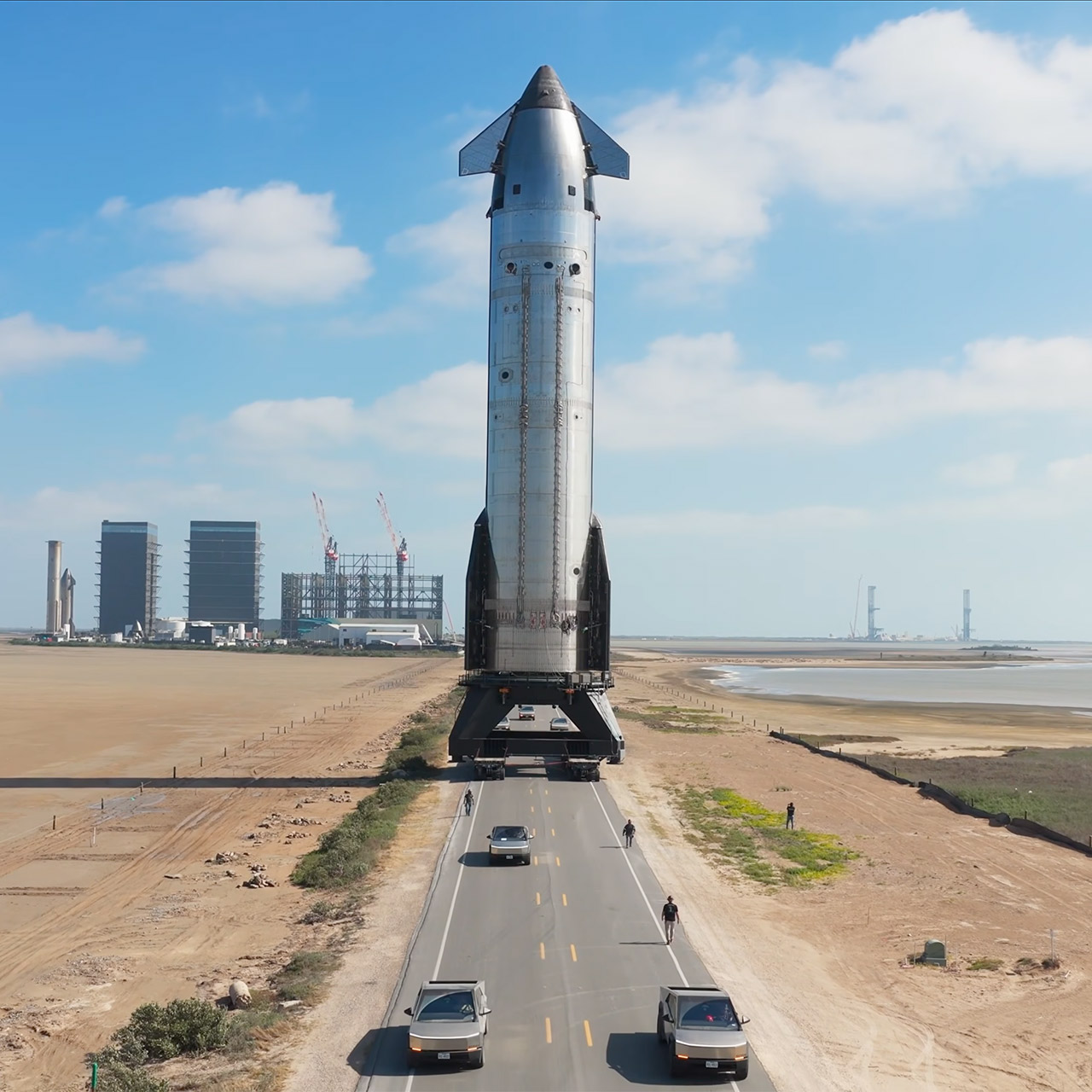
SpaceX spent seven years looking for a stretch of Earth quiet enough, empty enough, and rich enough in natural gas to fly Starship the way airliners leave a busy airport. On Tuesday, August 25, company leaders and Louisiana officials said they found it on about 125,000 acres of Gulf marsh near Pecan Island in Vermilion Parish, a former Exxon property roughly 50 miles south of Lafayette and about 200 miles west of New Orleans. They are calling the place Starbase Louisiana.
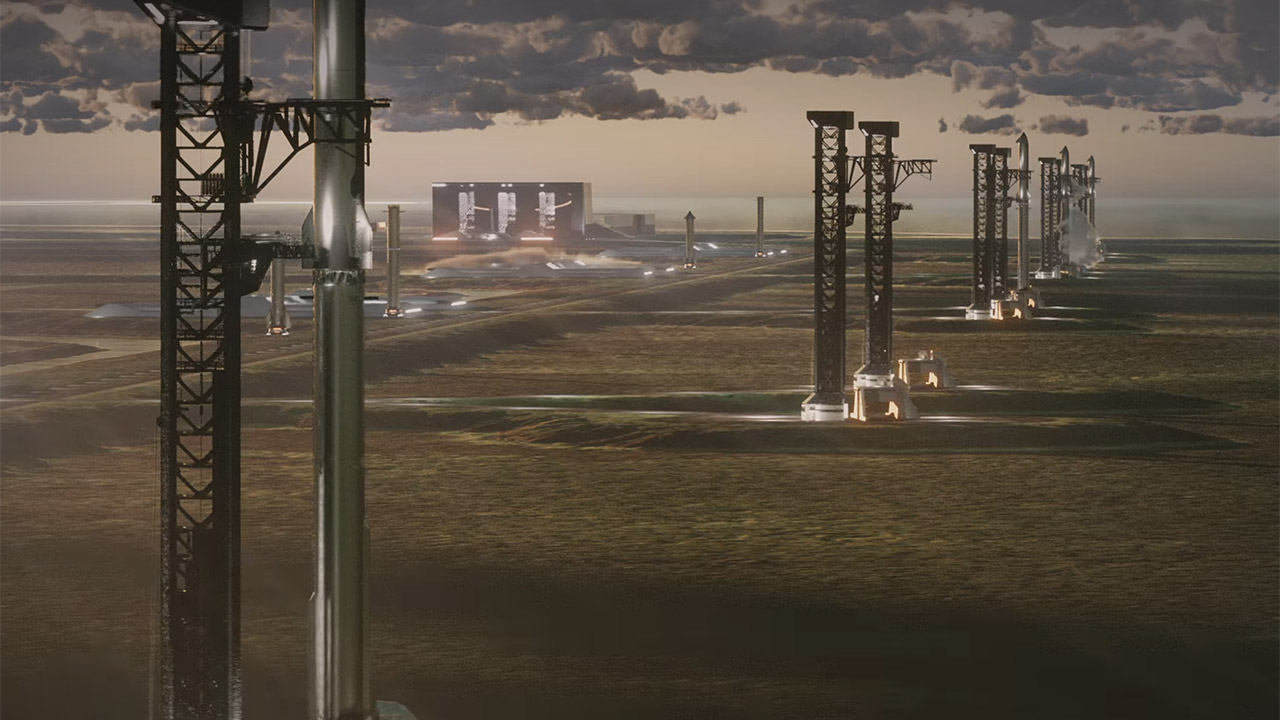
Elon Musk put the scale in one line on X: Starbase Louisiana will ultimately have over a dozen launch towers, enabling more than 30 Starship flights per day and making it the biggest launch site on Earth. State papers imply a little more methodical initial phase, with five launch complexes each with two pads and its own fuel farm, for a total of ten pads. To be honest, Louisiana had never hosted an orbital launch before. If SpaceX achieves the launch schedule they claim, Louisiana will become the world’s busiest launch hub.

- NASA rocket model kit – Launch into a creative project with the LEGO Icons NASA Artemis Space Launch System model building project for adult space...
- What’s in the box? – This creative building set includes everything you need to craft a multistage rocket with 2 solid-fuel boosters, an Orion...
- Features and Functions – This NASA-themed rocket model features retractable launch tower umbilicals, rocket support and crew bridge, detachable...
SpaceX has pledged at least $100 billion to the development, which Louisiana officials claim is the greatest investment in state history. Governor Jeff Landry told a crowded audience in Abbeville that the contract brings the state over $250 billion in new investments in recent years, calling the day “a turning point.” Construction is slated to begin in 2027, with the first Starship flight from the coast expected no later than 2029.
SpaceX's newly announced Starship launch site proposal in Louisiana is utterly massive: pic.twitter.com/5hWGEyTmml
— IGW (@interstellargw) August 26, 2026
Gwynne Shotwell, SpaceX’s president and COO, envisioned a self-sufficient spaceport rather than a collection of pads. They are discussing on-site methane production from local natural gas, their own power generation to avoid burdening ratepayers with the bill, car processing buildings, deep water ports to bring finished Starships in from Texas, employee housing, and maybe an airport. The rocket manufacturing however will stay in Texas and Florida. Louisiana’s function is to simply fuel, stack, fly, capture, and send them back up.
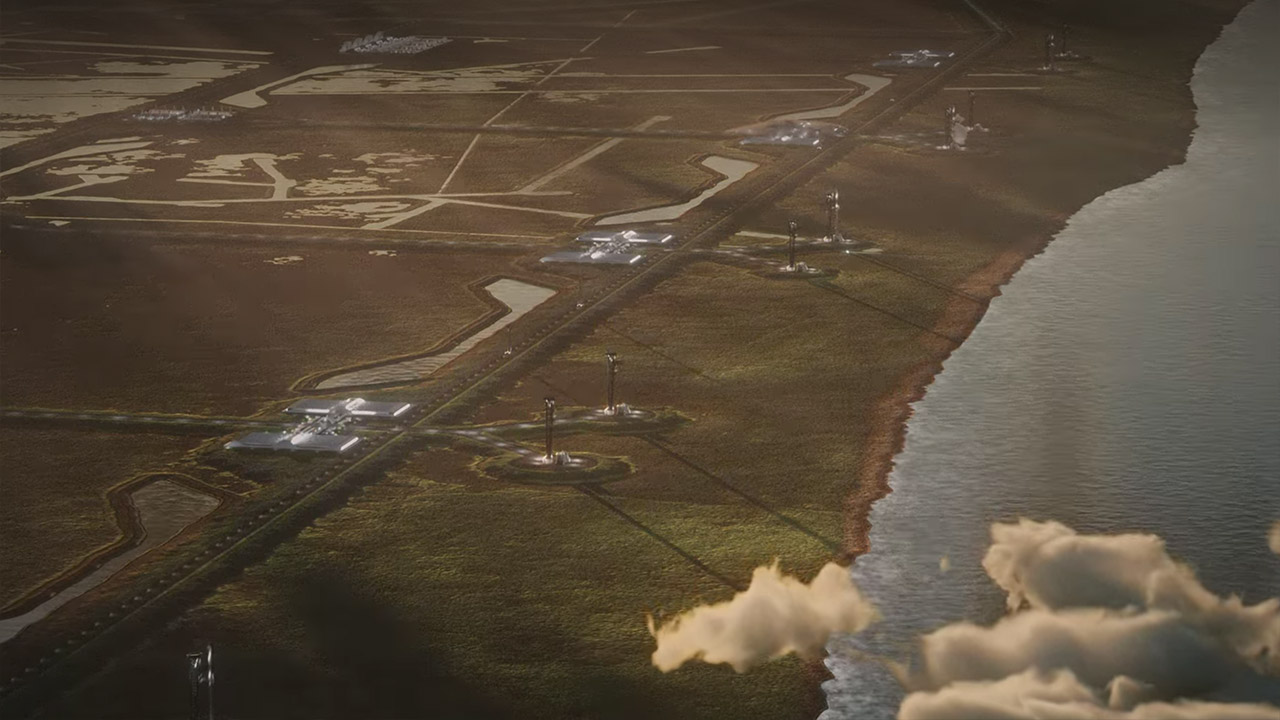
That is significant since Texas’s Starbase currently has two pads and is surrounded by towns, wildlife regulations, and restricted acreage, whereas Florida is expanding Starship pads at Kennedy and Canaveral, but those sites will have to share airspace and range time with NASA and other firms. In a local interview, SpaceX’s Sheila McCorkle stated that there are only a few places on the planet where thousands of fully reusable Starship flights are possible each year, and Pecan Island made the short list because it is remote from major cities, sits on the Gulf, and has clear launch corridors over water, as well as existing pipelines running through the marsh.
On Tuesday, everyone debated another number: jobs. The Louisiana Economic Development team was able to win a commitment for 3,000 direct jobs over ten years at an average pay of $92,600, nearly double the local wage, as well as an additional 8,100 indirect jobs throughout Acadiana. Musk, in a video taken during a helicopter tour of the site, believes the true total will be far higher, north of 10,000. Shotwell agreed with her supervisor, as they anticipate 10,000 rather than 3,000 direct jobs, with 60 to 80% of new hires coming from local communities. Welders, technicians, restaurant employees, and engineers are all on the same hire list.
[Source]