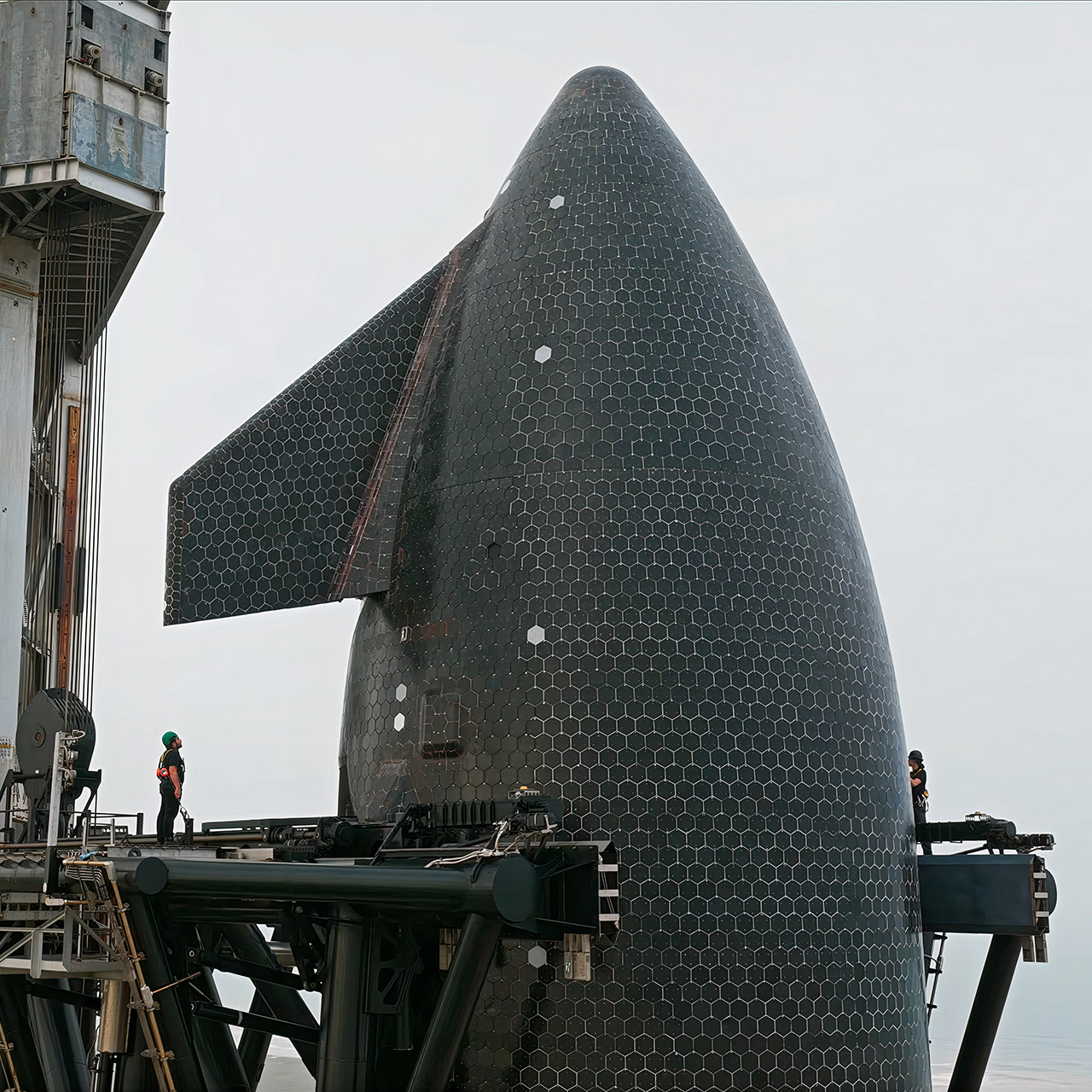
SpaceX just released a new documentary that drops straight into the control rooms and launch site during the final stretch before its biggest rocket flew again. Titled Critical Path, the 34-minute film follows engineers at Starbase in Texas through the intense days leading up to Flight 12 on May 22. It is the second episode in their ongoing series and stays tightly focused on the real work required to get the first Version 3 Starship and Super Heavy off the ground.
Version 3 was a total revamp from the start for both stages. It was a completely different ballgame with a new upper stage, a new booster, updated Raptor engines, and a totally new launch pad designed to handle the strains of flying more regularly. The documentary demonstrates how all of those modifications resulted in a whole new set of dependencies that all had to fall into place on time. Engineers begin by explaining the critical path in simple terms. Simply said, it is the longest chain of jobs, with each step dependent on the previous one. Any delay in that chain means that the entire launch is pushed back. They describe the ongoing discipline of keeping an eye on those links without becoming bogged down in second-guessing, which would only stifle growth.

- NASA rocket model kit – Launch into a creative project with the LEGO Icons NASA Artemis Space Launch System model building project for adult space...
- What’s in the box? – This creative building set includes everything you need to craft a multistage rocket with 2 solid-fuel boosters, an Orion...
- Features and Functions – This NASA-themed rocket model features retractable launch tower umbilicals, rocket support and crew bridge, detachable...
The story begins with a 10 engine static fire on the booster. The crew was looking for strong evidence of how the new pad and engines would perform together under stress. An early attempt was cut short when sensors detected unexpected vibration on the flame diverter. They modified things and then completed a full-duration burn on the second attempt. When the clean data began to arrive, there was a noticeable sense of relief.
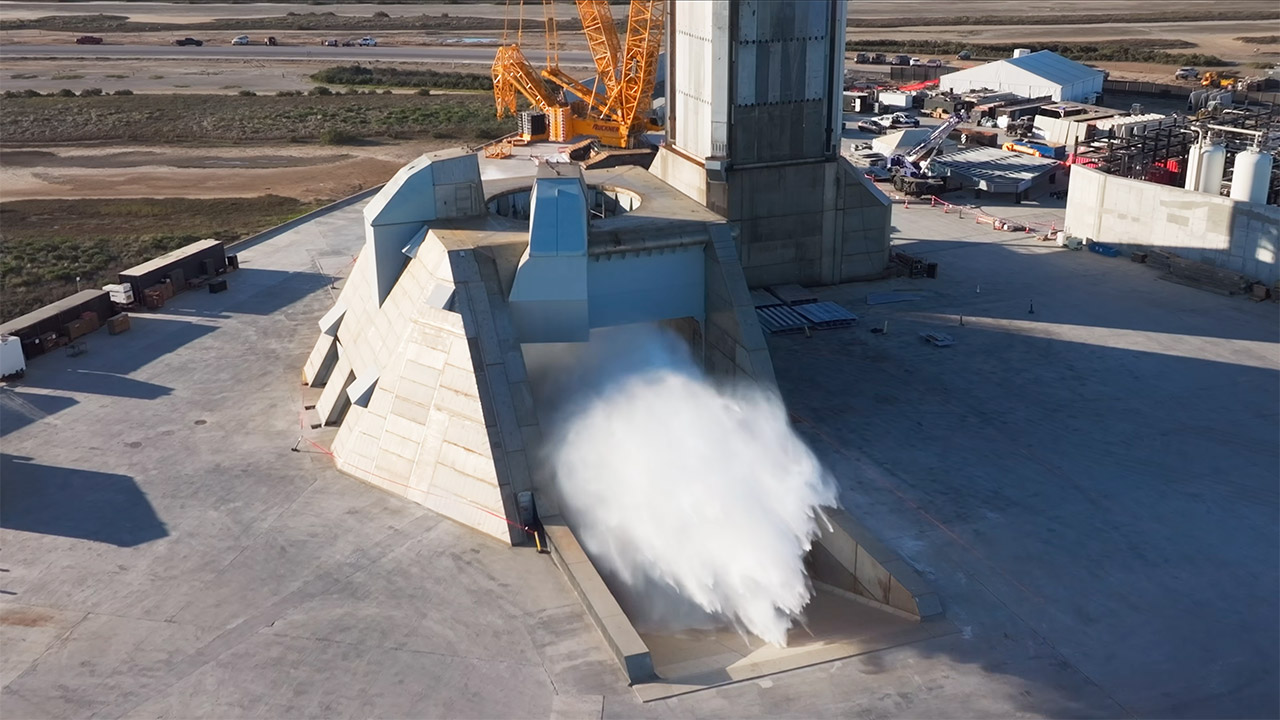
We get a close-up view of the new Pad 2 infrastructure. This is a gigantic flame diverter that can route the exhaust from 33 engines. Water deluge systems are on standby, ready to convert into steam and remove heat from the concrete and steel. The design is based on the hard lessons learned from earlier flights that ruined the original pad. Crews had never attached the quick-disconnect propellant arms or flowed fuel on this pad previously. Small pressure blips and mild movement in those arms during testing were carefully examined.
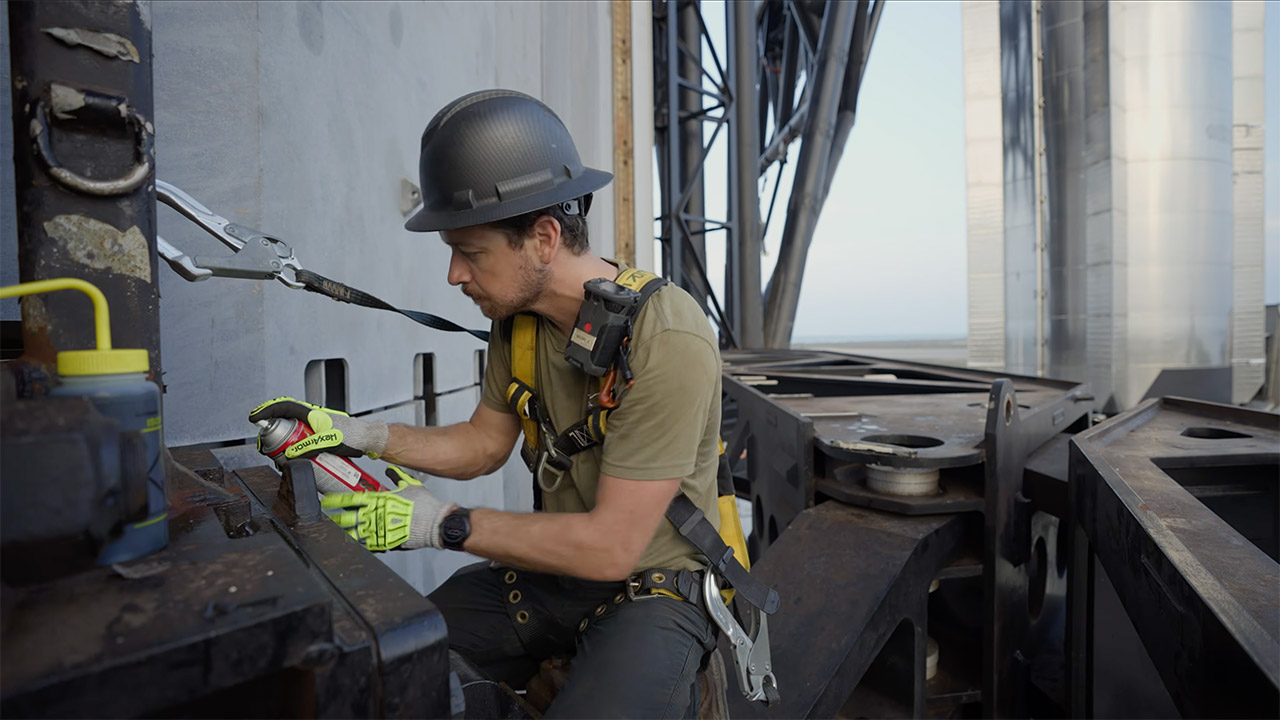
One launch attempt was canceled when those peculiarities reappeared in the closing minutes. The crew labored late one night to find out a solution, and then added a simple welded hard stop to limit any undesired motion, which held on the next attempt. Another sequence depicts what occurs when something breaks on a large moving item; following the static fire, a link in the chain on one of the tower arms collapsed during retraction. The catch mechanism has to be fixed immediately away. Spare parts arrived from the other side of the nation, and crane men worked all night. After 30 hours, the arm was back up and working nicely.
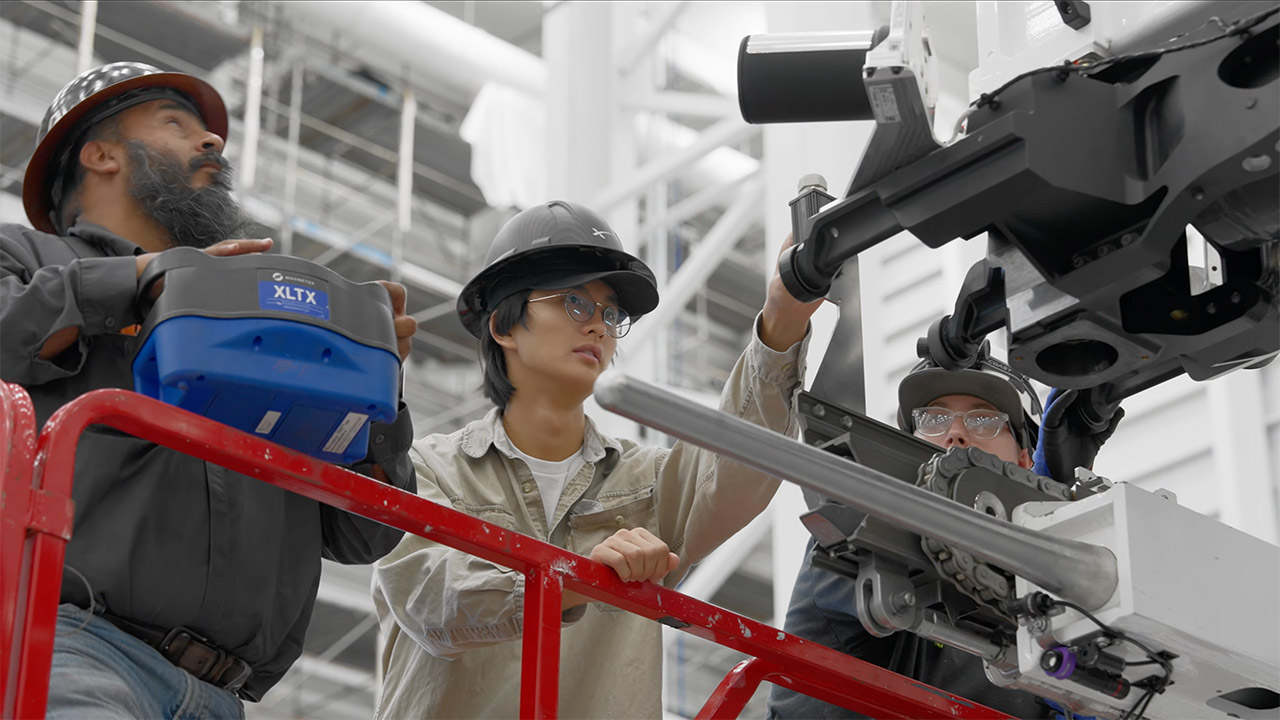
For this flight, twenty-two objects were placed into the bay, including mass simulators and two modified Starlink satellites equipped with cameras. With a total mass of 37.5 metric tons (the heaviest payload the Starship has ever carried), the team had to double-check every last surface to ensure that nothing would come loose at the worst possible time, and recovery planning is not overlooked; in fact, it receives a lot of attention. One of the mission’s key objectives was to acquire some extremely high-quality imagery of the heat shield during re-entry; the splashdown site featured the most buoys, drones, and support vessels observed in the Indian Ocean to date. This meant that they needed all of that hardware to collect reliable data on how the vehicle performed under the extreme heat of re-entry to create an accurate model.
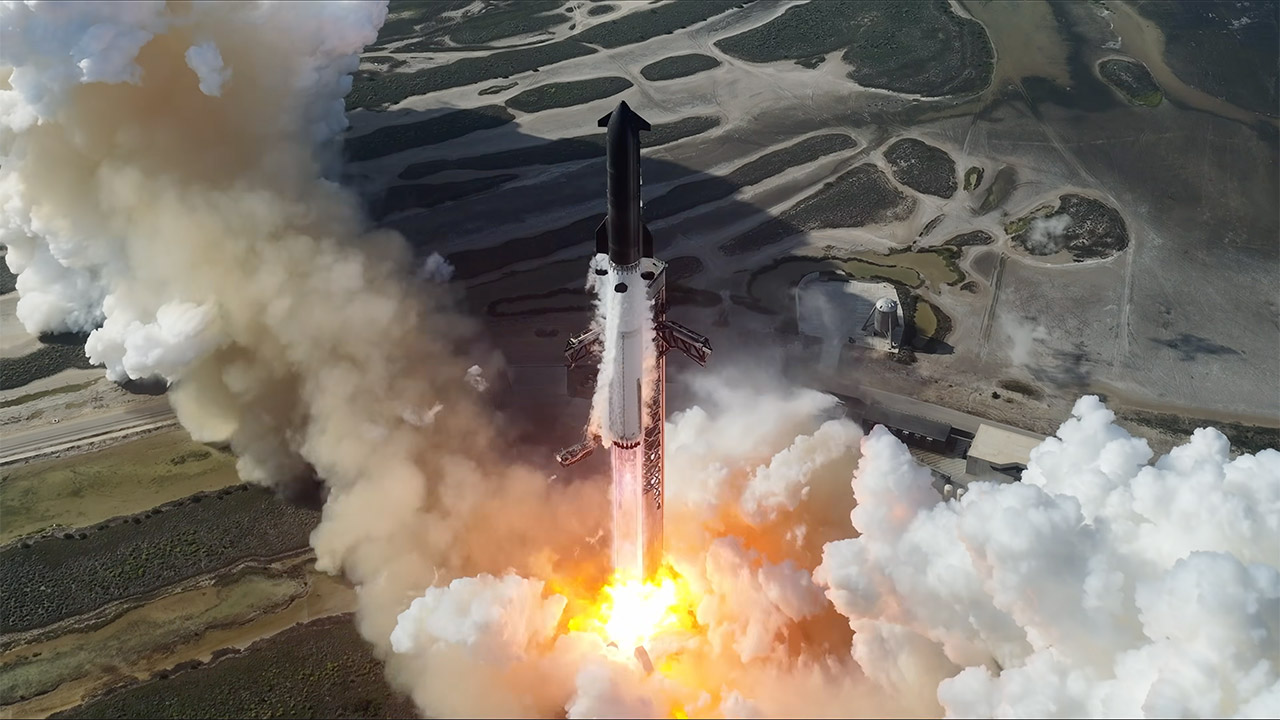
When the launch day arrived, the first countdown had to be halted due to a quick-disconnect pressure reading that did not match. Engineers felt it was best to stand down and focus on the remedy, which they did, implementing it overnight and hoped for the best. They returned the next evening, fully prepared, and liftoff went off without a hitch. All 33 engines started up cleanly and supplied the power they were designed to. One of them shut down briefly during the ascent, but the car continued to climb. Hot staging, the key step in which the stages separate, was a breeze; nothing got stuck up or caused us any problems. The upper stage placed the payload in orbit and then performed a controlled re-entry, complete with a little banking maneuver to test the rear flaps and see how they would react when things got hot. Needless to say, it splashed down exactly on target in the Indian Ocean.