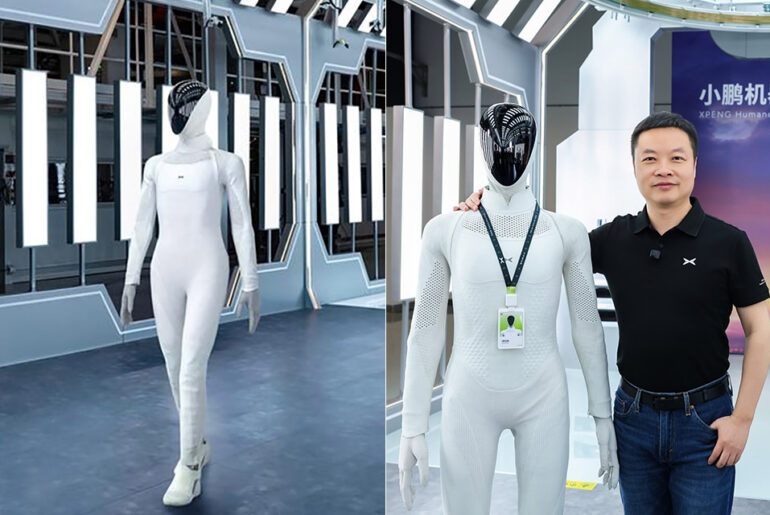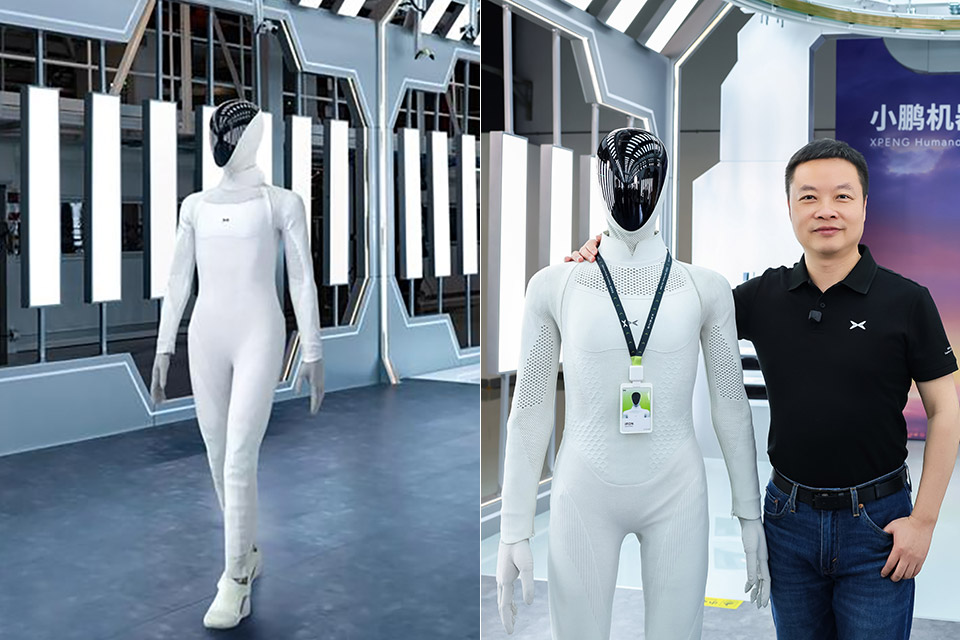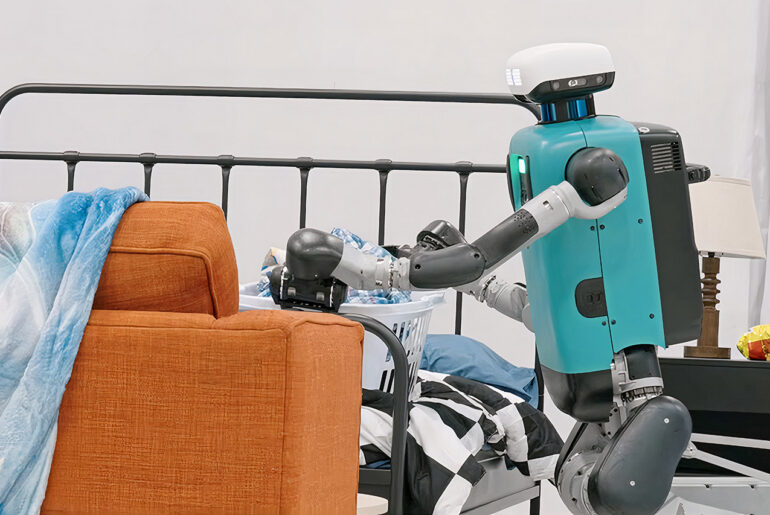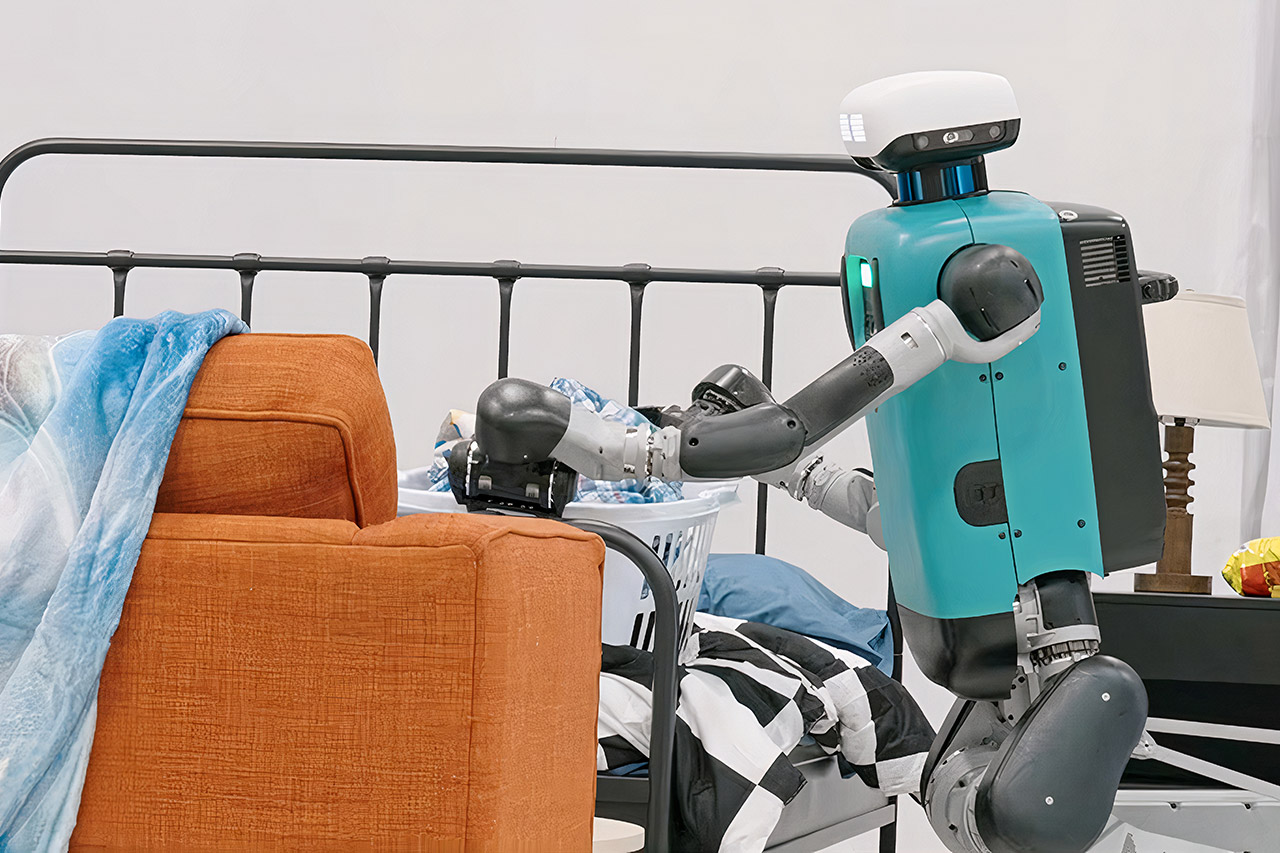
London-based Humanoid announced a manufacturing agreement with Bosch that moves its HMND-01 robots closer to larger deployments across European factories and warehouses. The deal follows a successful proof-of-concept test completed in March at one of Bosch’s logistics sites in Bühl, Germany. During that trial, the robots handled box transfers from conveyors to trolleys, managing five different box sizes with varying weights and shapes without missing a step.

Photo credit: Notebookcheck
Fresh details emerged today about the smartphone OpenAI has under development. The company wants this device to let AI agents handle daily tasks directly instead of forcing users to navigate grids of apps. Analyst Ming-Chi Kuo updated his findings on the project. Mass production now looks set for the first half of 2027. OpenAI hopes to move 30 million units between 2027 and 2028. That volume would position the phone as a serious option in the premium market alongside devices like the iPhone 18 Pro and the Galaxy S27 series.

People type questions into Google dozens of times a day, often in short bursts that barely scratch the surface of what they want to know. Starting today, that simple white box on the homepage looks and behaves differently, and the change feels long overdue after twenty-five years of almost no movement.

Travelers stepping into Terminal B at LaGuardia Airport now spot a full-size hologram waiting near the food hall. She stands there in crisp professional clothes, smiling slightly, looking so real that people often pause for a second before realizing she is made of light. Her name is Bridget, and she exists to answer questions on the spot.

Maruchi Kim led a team at the University of Washington in a project that quietly rewrites what wireless earbuds can do, called VueBuds. They started with a familiar pair of Sony WF-1000XM3 earbuds and turned them into devices that capture images from the wearer’s perspective while staying true to their original size and comfort.

Engineers at Boston Dynamics shared details today on a new training system for their Atlas humanoid robot. The approach focuses on building the kind of physical coordination needed for demanding factory or warehouse work. One video demonstration captures the result perfectly. Atlas rotates its upper body a full 180 degrees, squats down, grips a mini-fridge loaded with about 50 pounds, and walks it straight over to an engineer waiting nearby. The motion stays smooth even when the weight inside shifts.

Resin 3D printers have stuck to a single material through every layer for years because switching resins always brought contamination and extra cleanup. Eric Potempa watched that limitation long enough to do something about it. He founded Polysynth in 2025 with backing from Founders Inc and created the P1, a machine that brings up to eight different resins into the same print job without stopping for manual intervention.

Engineers at Ouster just released a fresh lineup of color LiDAR sensors called the REV8 OS family. These devices shoot out laser beams to measure distances and build detailed three-dimensional views of the world around them. What stands out right away comes from a new chip inside each one. Developed together with Fujifilm, this L4 chip adds accurate color information straight to every measurement point during the scan itself.

Jenny Zhang left New York for Shenzhen last year with a clear plan. She wanted to build a camera that fit right into daily routines without forcing anyone to hold a device or wear something on their face. The result sits in her hair like an ordinary barrette, chunky and white, ready to record whatever passes in front of it.

Arduino projects often involve small robots that roll forward and steer clear of walls using basic sensors. Maker UncleStem decided to push that familiar idea into uncharted territory by enlarging every part of a classic turtle-style design by a factor of seven. He had just wrapped up work on a matching seven-times-larger Arduino Uno board and wanted a project that could put the oversized microcontroller through its paces. A tortoise bot offered the perfect match because the original small version already relies on straightforward code and simple hardware.