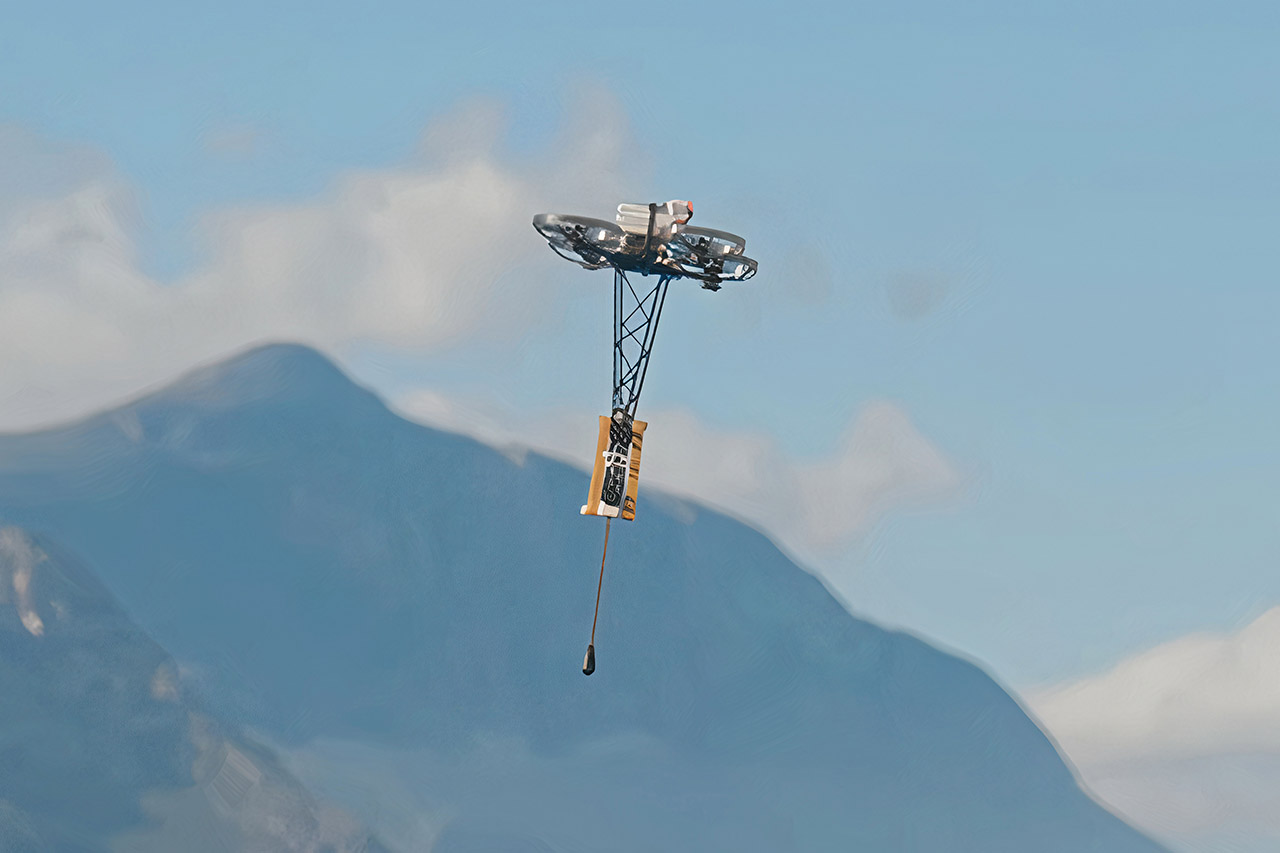
HopTo’s first machine, Hop-1, looks like a small quadcopter that grew a pogo stick. That extra leg is the whole argument. Continuous flight means the motors fight gravity every second the machine is aloft. Hop-1 spends most of its trip bouncing on a passive spring, so the rotors only top up energy lost on each landing and fully take over when a gap, a wall, or a sudden climb actually requires flight. HopTo puts hopping energy use at about a quarter of continuous flight. Stay on the ground as much as possible, and only fly when you have to.
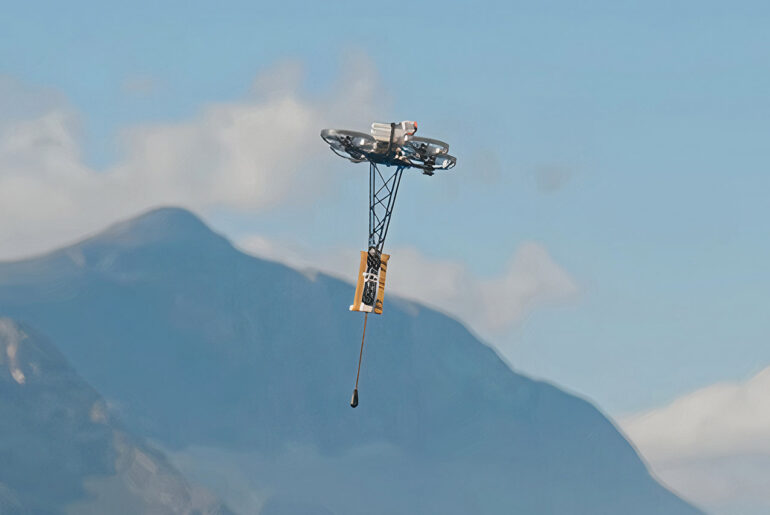
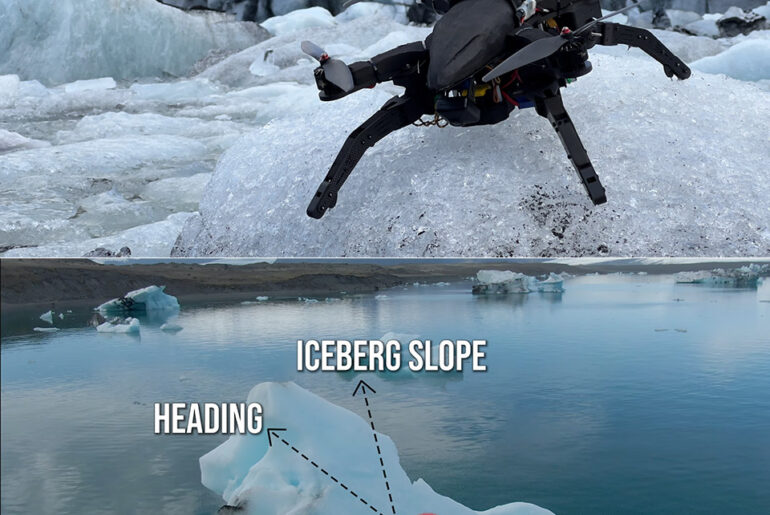
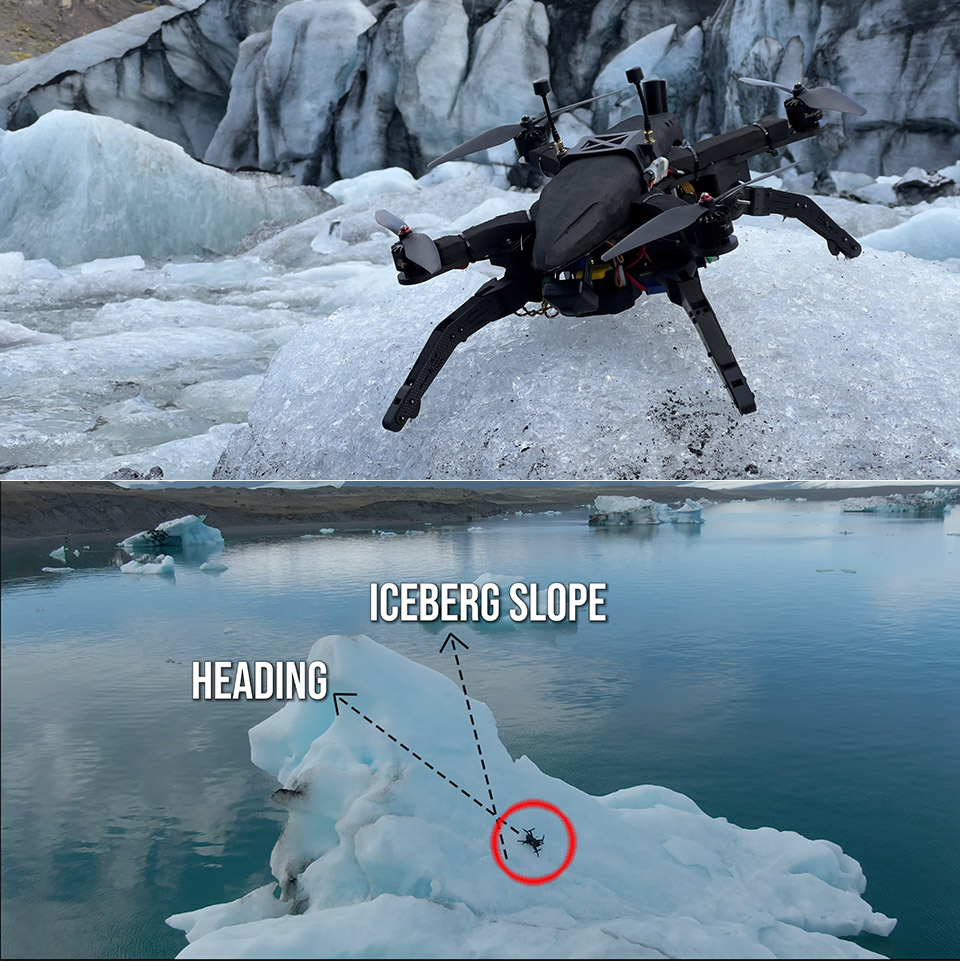
Standard drones start sliding on ice after a slope of only nine degrees. Gravity presses less of the aircraft into the surface as the angle rises, so a 60-degree wall leaves just half the usual downward force. Ice Dart, a 2.65-kilogram carbon-fiber quadrotor from Université de Sherbrooke in Quebec, now perches on ice that steep and stays put.

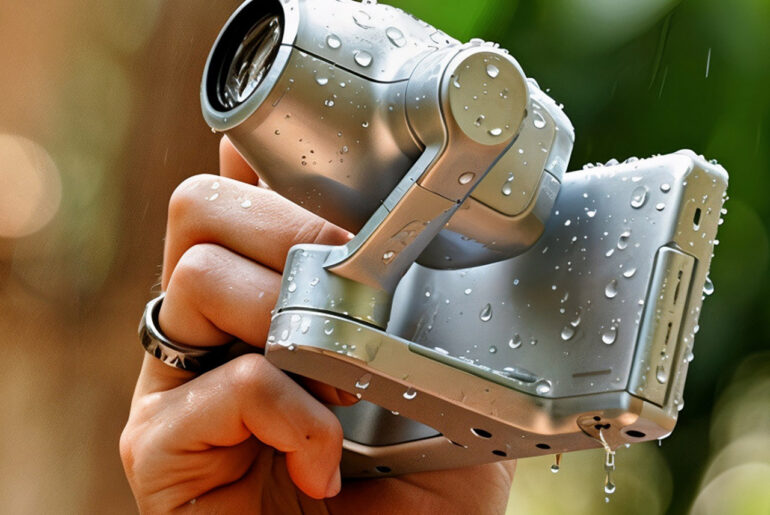
Four days into a Kickstarter run that ends September 26, FarseerTech’s RocXZoom has already pulled in about $249,628 from 344 backers against a $9,999 goal. Company copy calls it the world’s first robotic extreme zoom camera, and the hardware matches the slogan more closely than most crowdfunding pitches do.

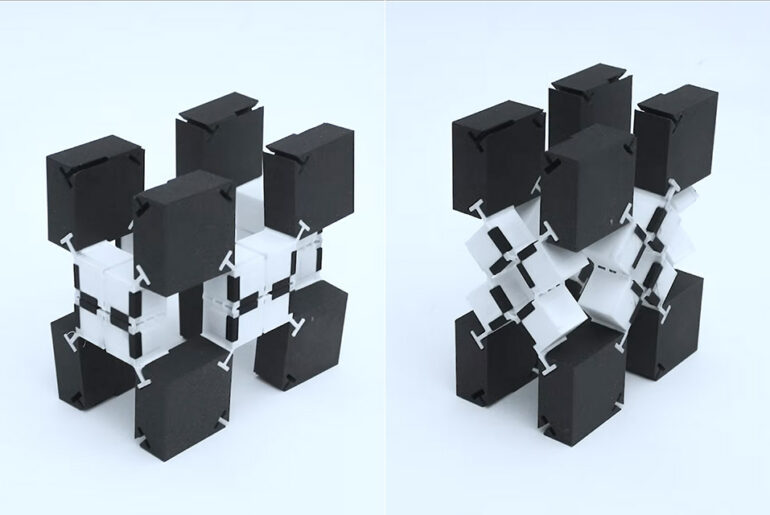
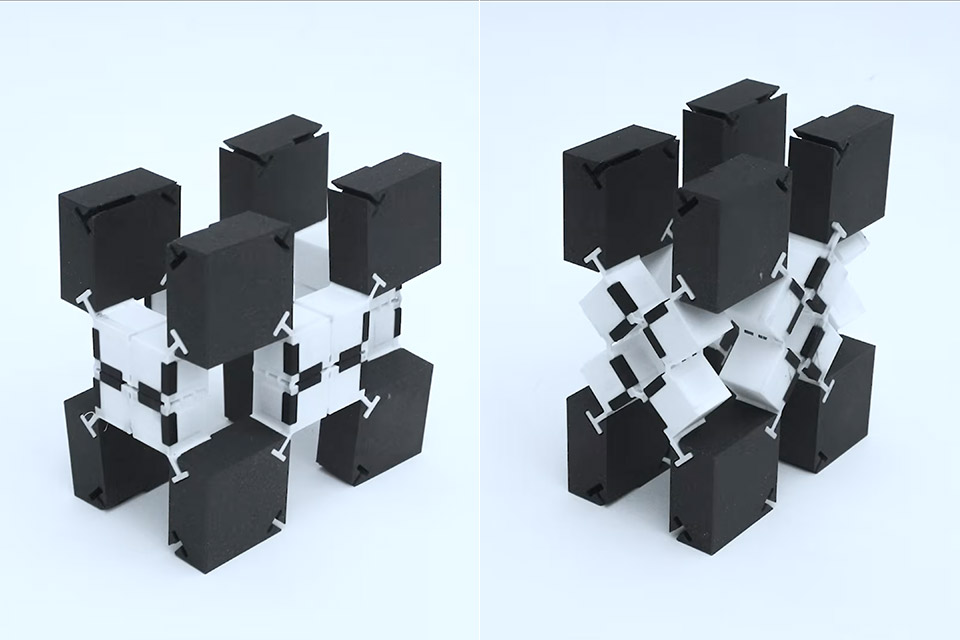
Chairs stay chairs. Tables stay tables. Anything that needs to become both usually grows hinges, motors, and a tangle of wires that quit the first time you twist the thing the wrong way. Researchers at MIT’s Computer Science and Artificial Intelligence Lab spent years looking for a quieter option, and they landed on Bifur-circuits: a kit of 3D-printed blocks that snap together, fold into new stable poses, and keep an electrical map of whatever form they just became.

Daily NK, a Seoul newsroom that reports on the North, handed Wall Street Journal reporter Dasl Yoon a mid-tier smartphone carried out of the country in 2023. The device is a Hyang 701, built that same year, and it looks like any other Android phone until you start tapping. It handles voice calls, texts, and a full set of apps. It will not reach the open internet. Wi-Fi stays locked. The only network available is the state-run intranet.

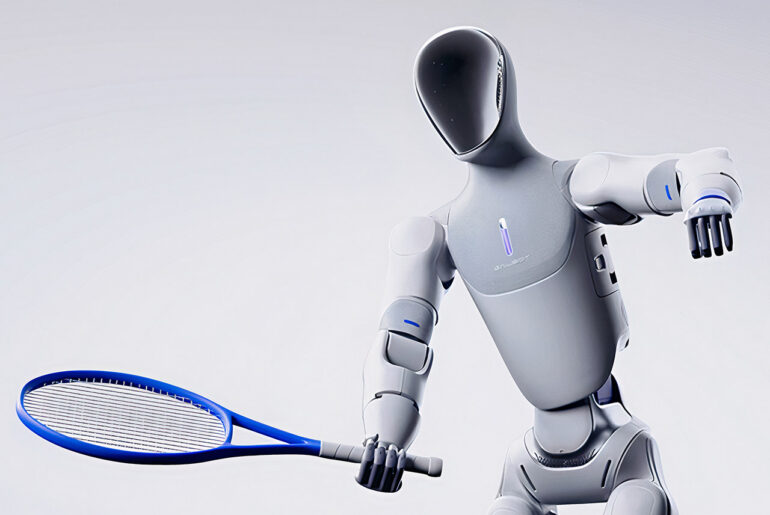
Galbot spent three years putting wheeled machines to work in Chinese pharmacies and convenience stores, picking products and handing them to riders on real shifts. In August the Beijing company, founded in 2023 by Peking University professor He Wang, rolled out its first machine that stands on two legs. ET1 debuted at the World Robot Conference and then walked onto a court at the World Humanoid Robot Games, where Galbot machines held live rallies against people.

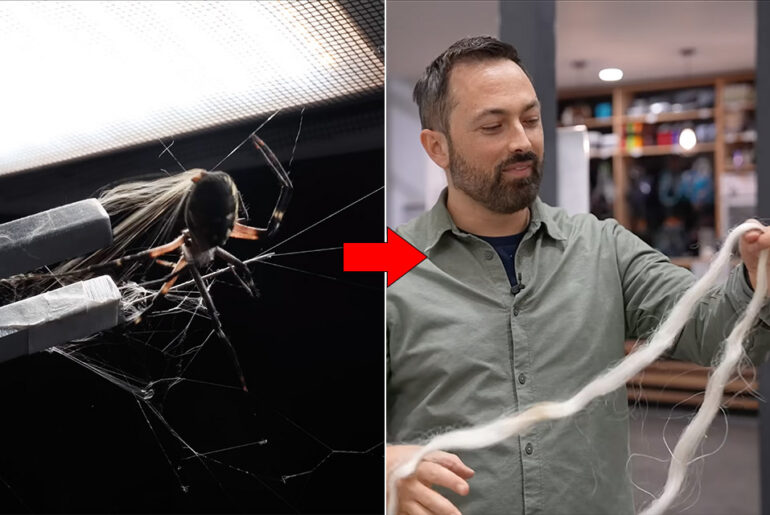
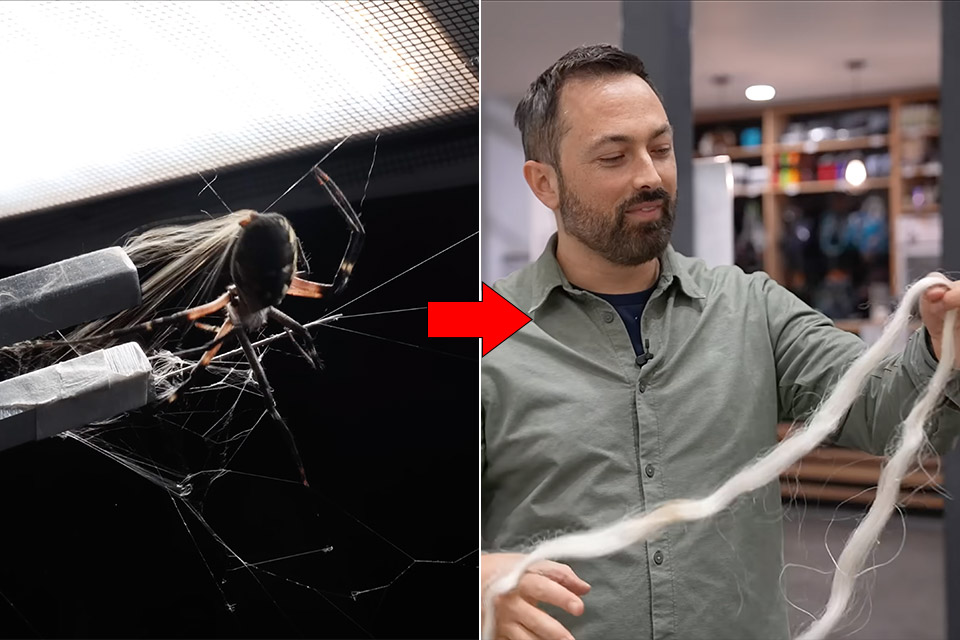
Henry van Dyck of Veritasium wanted a number, not a slogan. Classroom posters and superhero movies have spent years saying silk spider webbing beats steel. In a video he co-wrote and co-hosted with Derek Muller, he took that claim into Professor Todd Blackledge’s spider lab at the University of Akron and put live threads on a tensile tester, without harming the animals that made them.

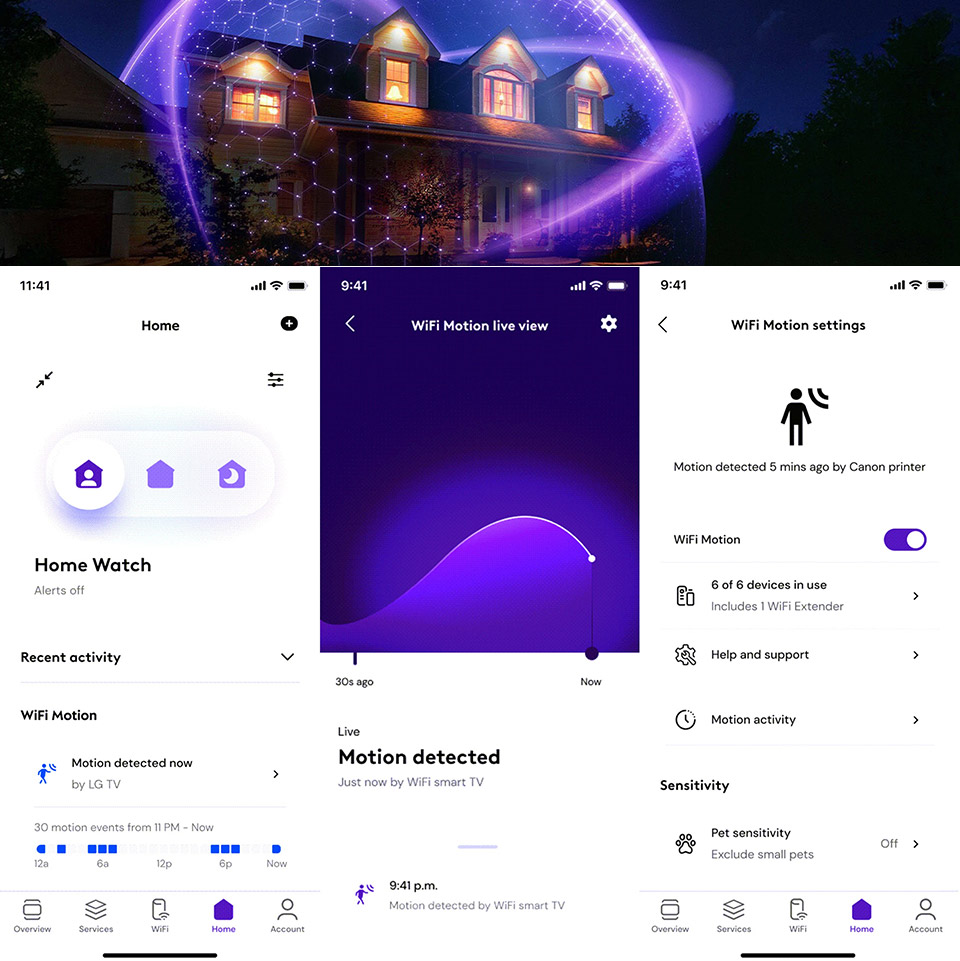
Comcast started rolling out Xfinity Shield this month, and the free piece that has everyone talking is WiFi Motion. Eligible internet customers who rent a recent Xfinity gateway can turn their existing Wi-Fi into a basic movement watcher without buying cameras or extra sensors. Radio waves already fly between the gateway and other gadgets that stay plugged in. A person walking through those paths changes how the waves arrive, and software in the box treats that change as motion.

Reports this week put a possible NVIDIA purchase of Hugging Face near $13 billion. This morning the company’s Bordeaux robotics group still went ahead and opened pre-orders on something far smaller: Microduck, a 25-centimeter biped from Pollen Robotics that looks like a one-eyed water bird and costs $399 before tax and shipping.