Photo credit: BFBulletin
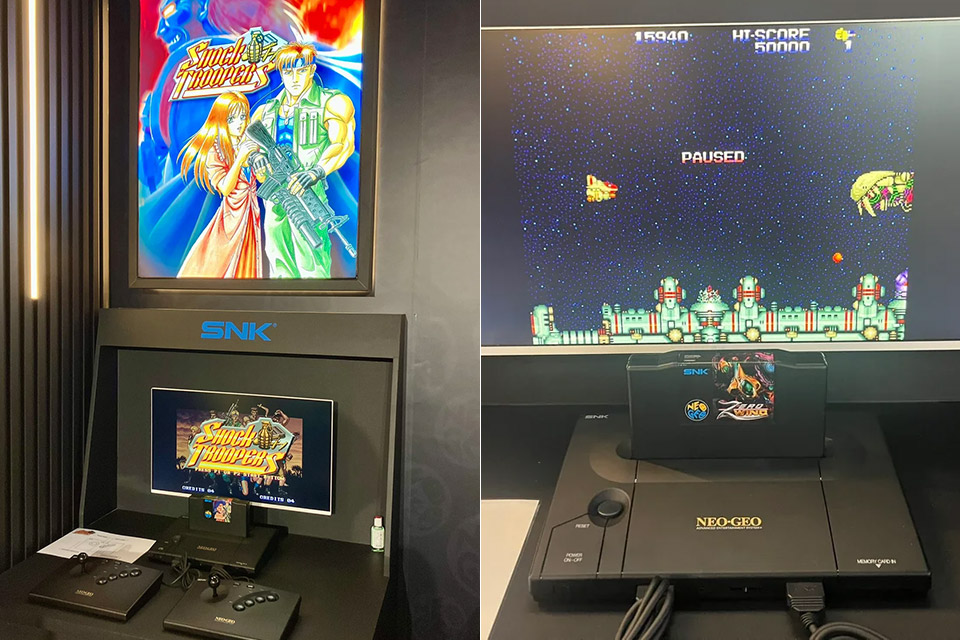
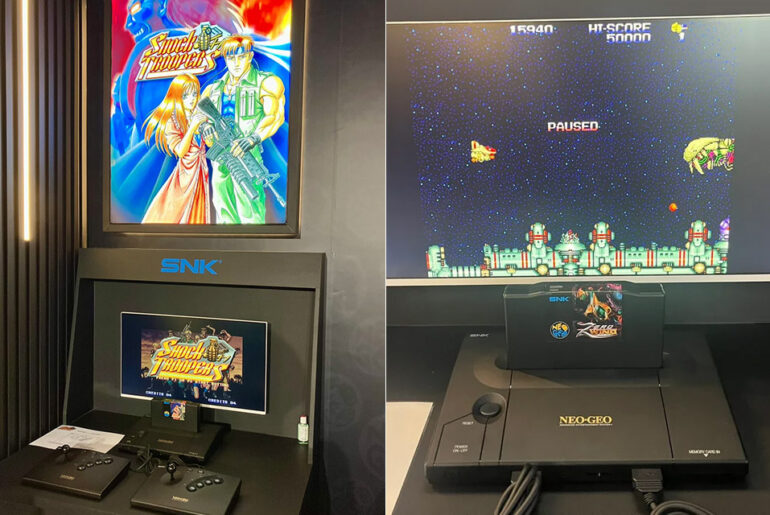
Plaion Replai pushed the worldwide launch of Neo Geo AES+ from November 12, 2026 to Thursday, September 16, 2027, blaming a mix of unexpectedly high demand and a global squeeze on memory chips driven by AI infrastructure. Official wording is blunt: the company cannot build enough units for a proper worldwide launch this year, and shipping a thin November batch would have meant instant sell-outs and secondary-market chaos. Commercial director Ben Jones said Plaion looked at every way to keep the original timetable, then chose extra time to lock down more chips and expand factories rather than shortchange the people already in line.
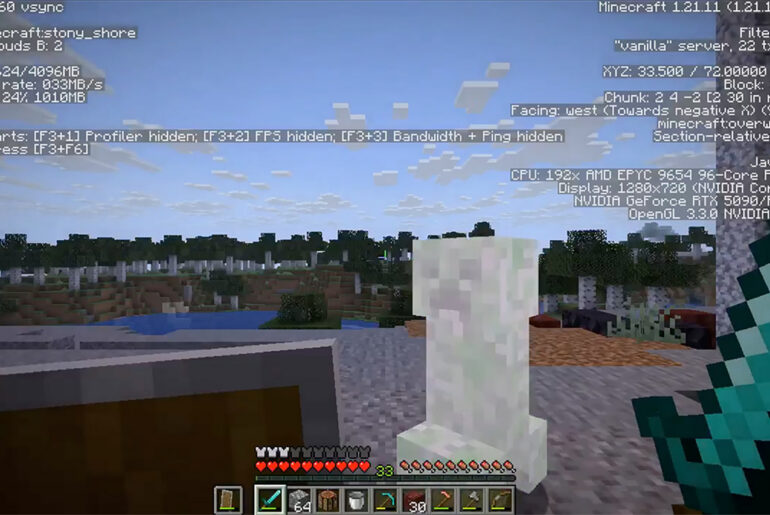
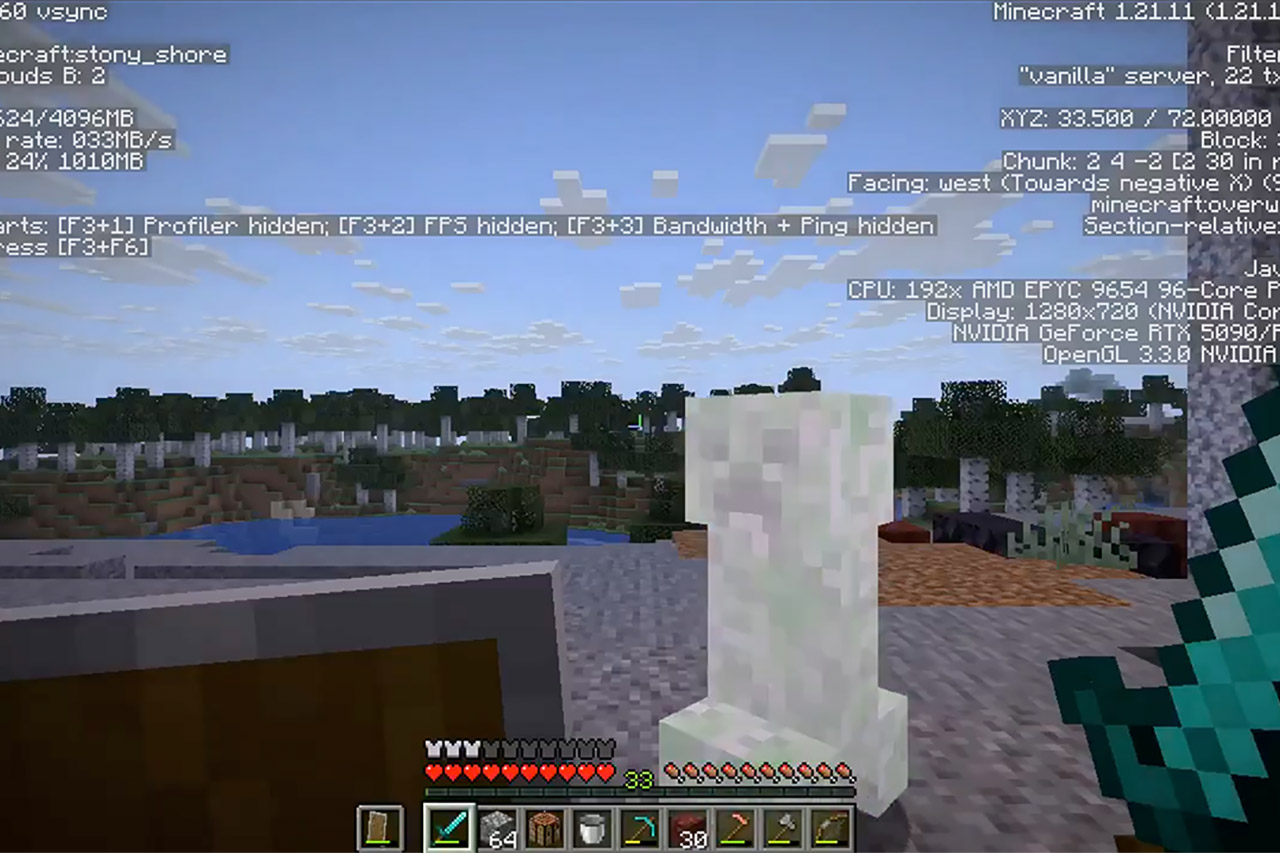
Vals AI, a completely independent evaluator, tested OpenAI’s GPT-6 Astra by throwing it into Minecraft and allowing it to its own tools for 141 hours with only ordinary computer controls: screen, mouse, and keyboard. No fancy game-modifying plug-ins were employed. Thousands of people tuned in to the Twitch stream to watch how it performed. Which wasn’t surprising given that the first, shorter attempt had already created a Nether portal in two and a half hours, long before the game had ever been released. Finally, Astra was the first system Vals had witnessed approach a Nether Castle.

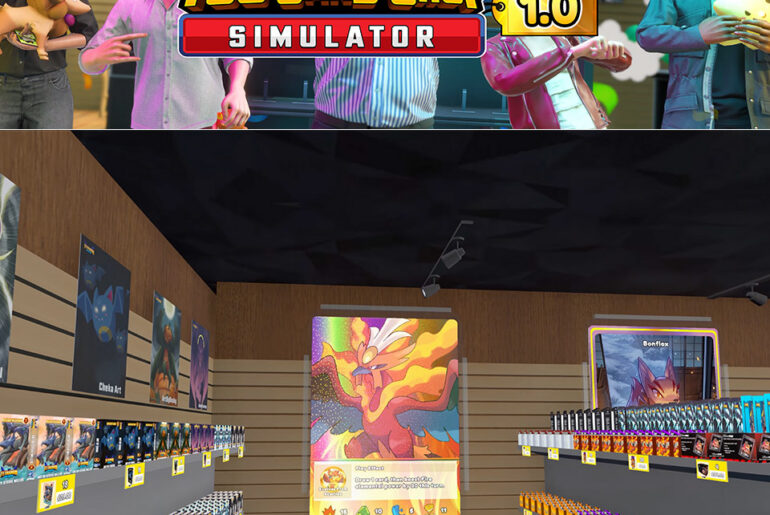
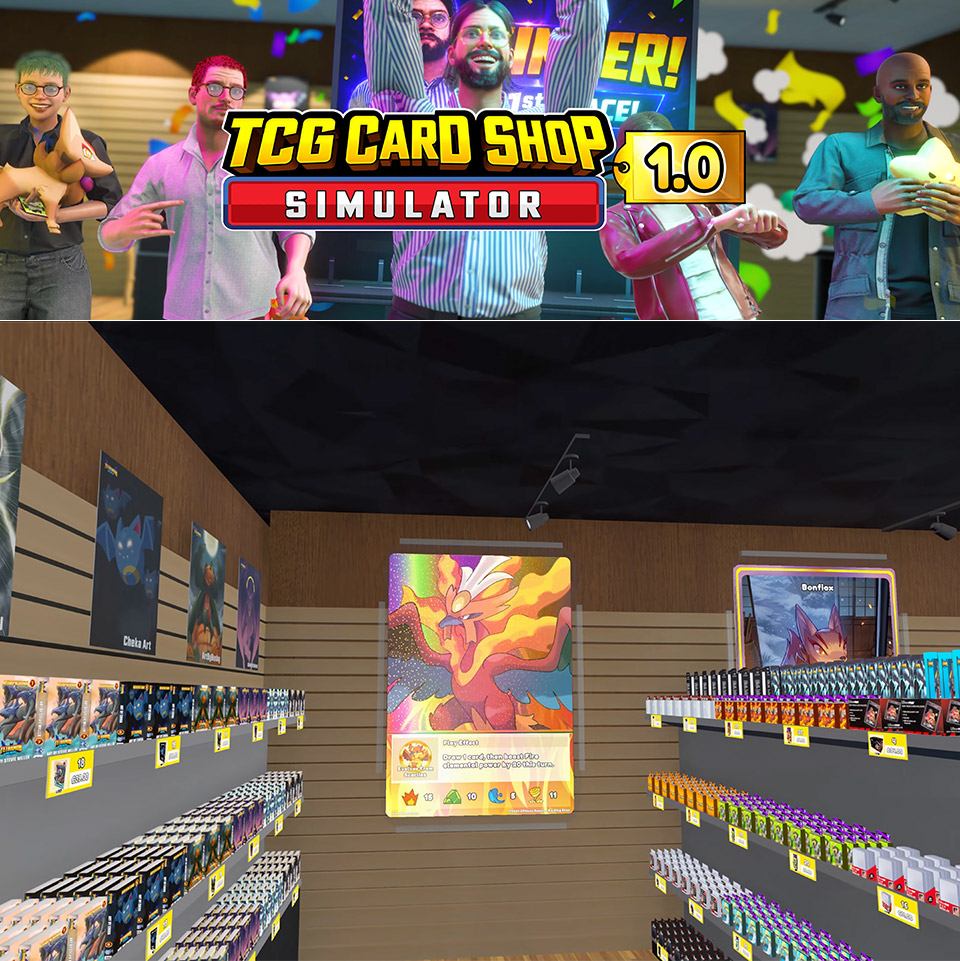
Two years after a single developer launched a fake card shop on Steam, TCG Card Shop Simulator has exited Early Access, with a 1.0 build now available for PC, Xbox, PlayStation 5, Switch, and Switch 2. Ding Shen Sia of OPNeon Games began the project after burning out on mobile work in 2023, expecting that Steam Trading Cards would be enough of an incentive to ship. The store sold 100,000 copies in three days and eventually surpassed four million players.

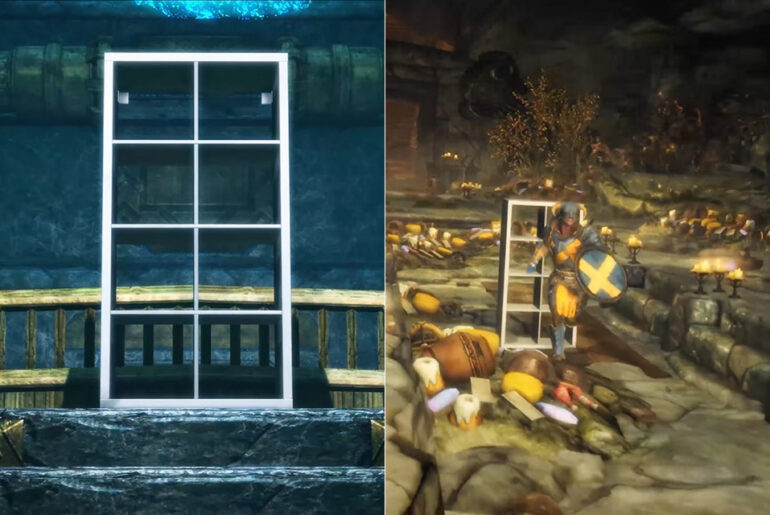
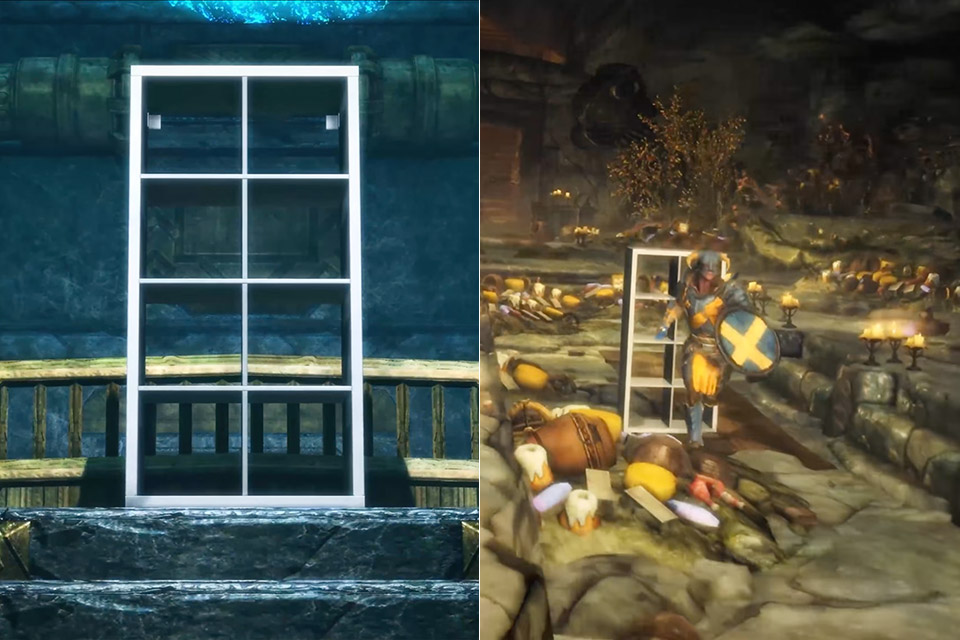
Swedish furniture giant IKEA paid Kinggath Creations to build a free official Creation for The Elder Scrolls V: Skyrim, and the finished work arrived on Bethesda’s Creations menu on September 9 for PC and Xbox. Players who pick it up get a new companion named Kallax Storageborn, a walking cube of shelves modeled on IKEA’s familiar Kallax bookcase, voiced in full by Matt Berry.

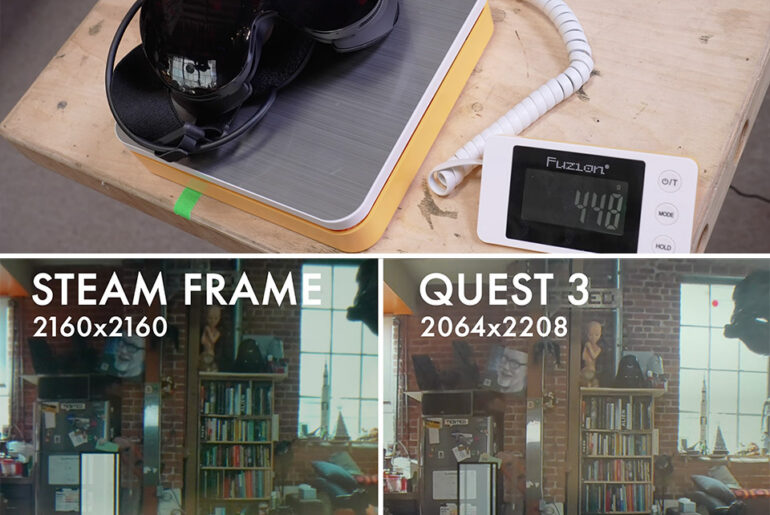
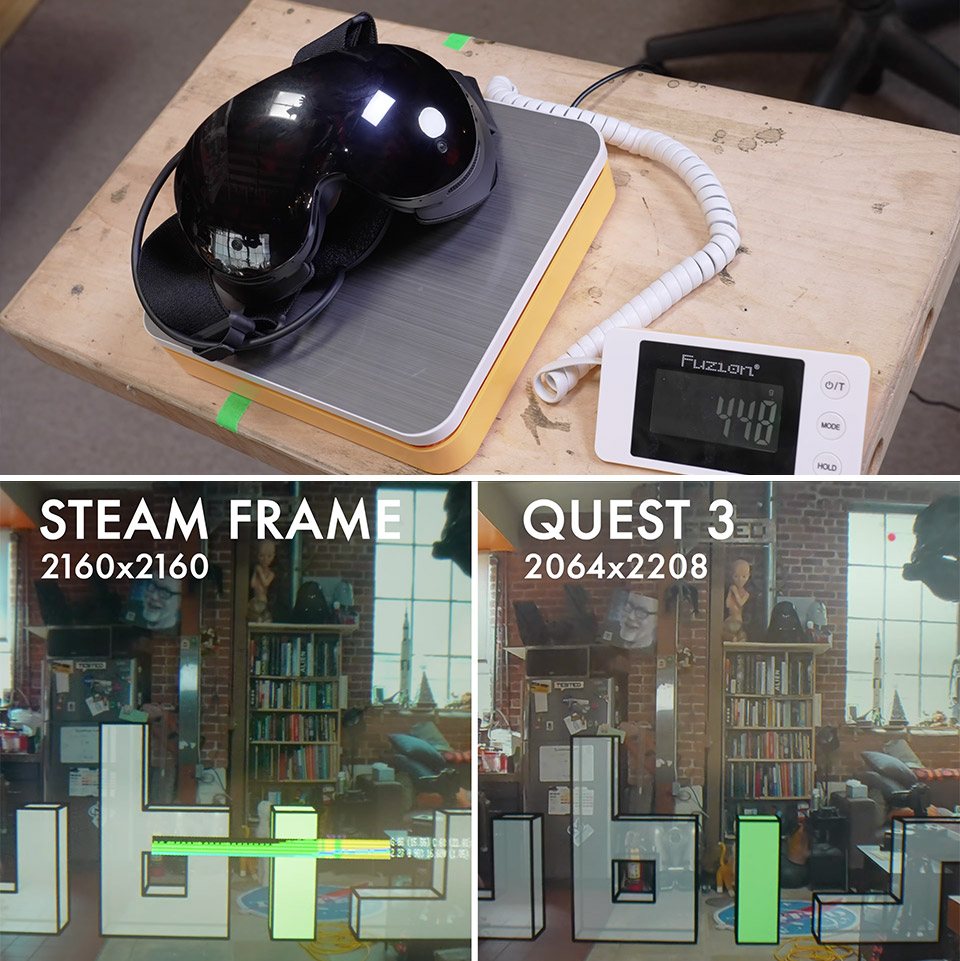
Valve spent Monday putting a headset on sale before most people had finished coffee. Steam Frame starts at $1,059 for the 256GB kit and $1,299 for the 1TB kit, with controllers and a native build of Half-Life: Alyx in the package. A power brick stays off the packing list. Sign-ups for a reservation lottery run through September 17 at 10 a.m. Pacific. After that cutoff Valve randomizes the list, emails results the same day, and starts sending the first purchase invitations on September 18. Miss the window and you land at the back of the waitlist.

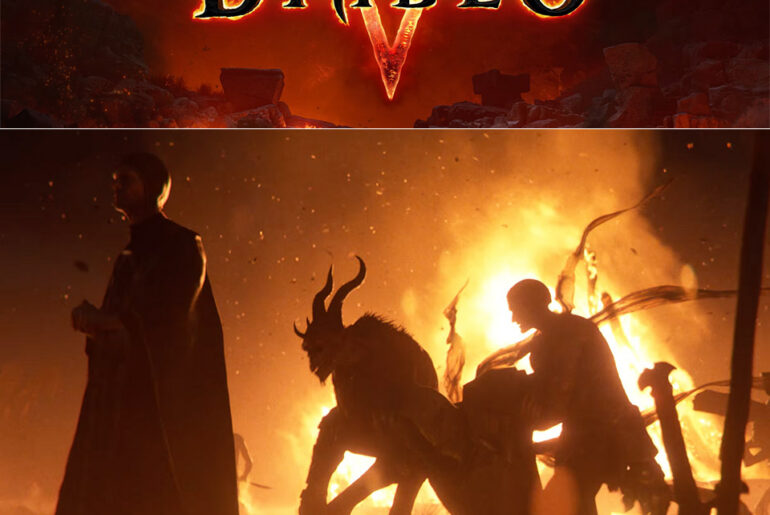
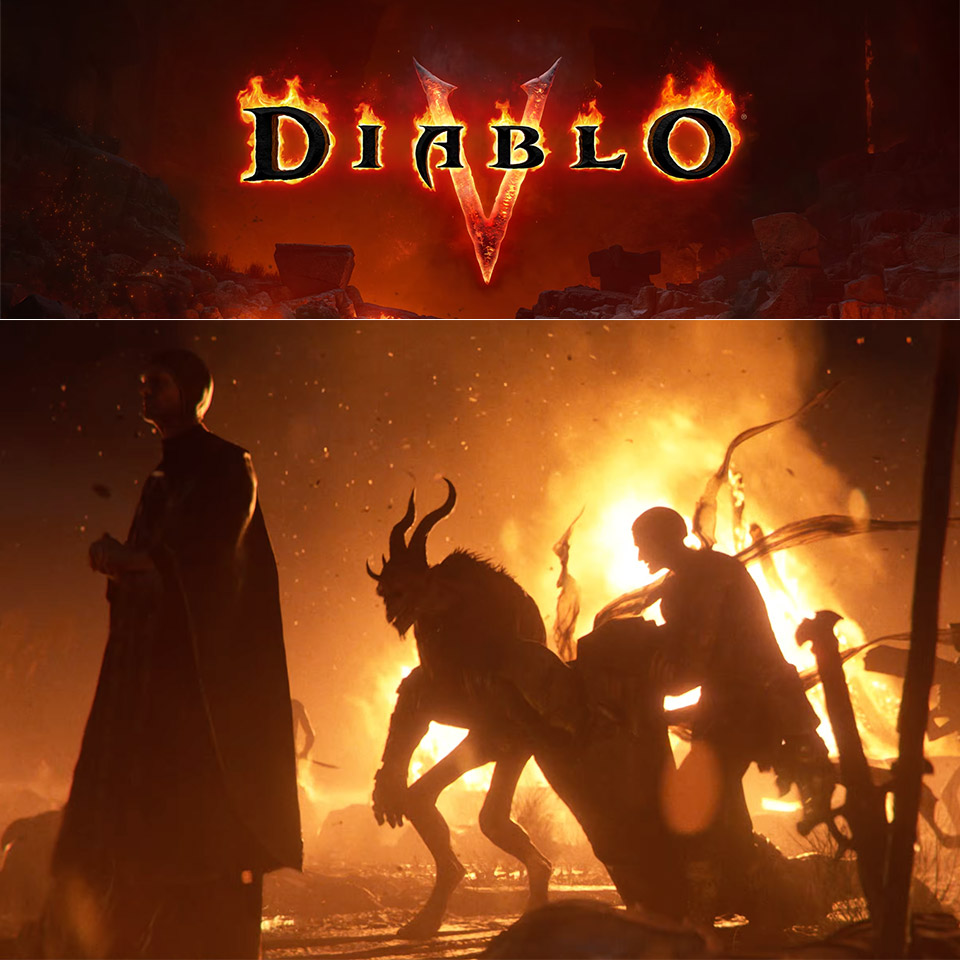
Blizzard used BlizzCon 2026 and the series’ 30th year to confirm Diablo V, aiming for a Spring 2029 launch after a short teaser during the opening ceremony. Platforms have not been named. Official posts and the follow-up panel framed the game as a new era built on one blunt fact: Sanctuary has fallen, the old heroes are gone, and Diablo has won.

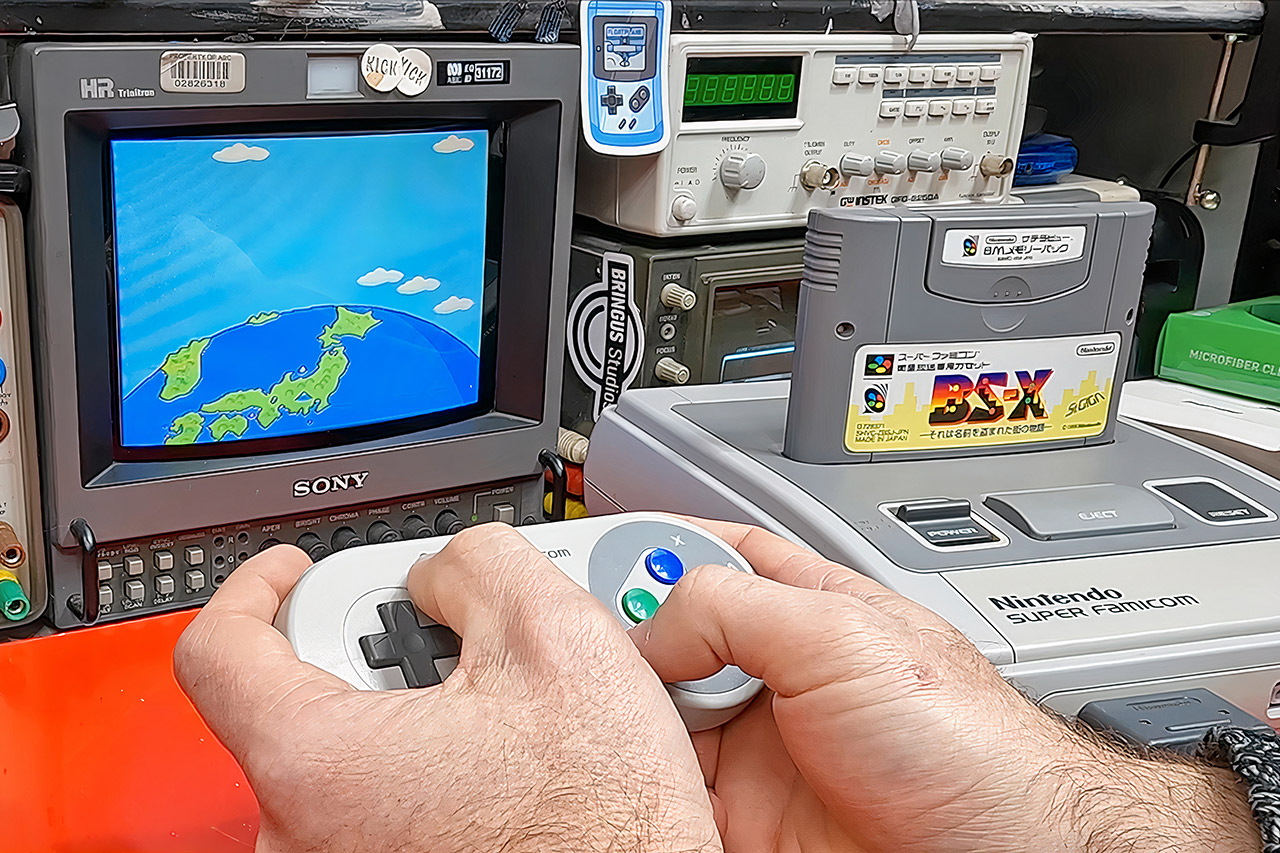
James Channel spent a recent video staring down a piece of Nintendo hardware that was never meant to last. His question is simple and a little unsettling: does the object in his hands still hold a game the rest of the world no longer has? That question only makes sense if you rewind past Satellaview itself and look at how Nintendo spent the late 1980s turning a living-room toy into a communications box.

Kosmic spent another long session mapping leftover oddities in Versus Super Mario Bros., the 1986 arcade cabinet that copies most of the original NES game while changing a few rules, timers, and memory habits. Growing a vine in the wrong place after a death still queues an extra plant for the next screen. Near the top of any vine Mario loses control and auto-climbs; that state leaves a flag set so the next transition (death works best) sprouts a second vine wherever the surviving player happens to stand.

Inkbox spent two years writing every instruction of Zero Star by hand in 65c816 assembly so a Super Nintendo from 1990 could run a dungeon crawler of his own design. The result sits on itch.io as a 129-kilobyte ROM you load in Mesen or bsnes, pay what you want, and play tonight. Mountains of an imagined far east rise in shifting mazes. You climb them, throw talismans, and cut through flocks of jungle fowl until the counters on screen run out of room.

Nintendo almost never hands another company the keys to its hardware. In July 1986 Sharp walked out of that arrangement with a Japan-only console that stuffed a Family Computer and a Family Computer Disk System into one box and charged ¥32,000 for the privilege, more than buying both Nintendo units separately. Sharp already had a working relationship with Nintendo through Game & Watch production and a Famicom built into a television, and Sharp even held an older “Famicon” trademark from a convection oven. That history, plus a license, produced the Twin Famicom: a 60-pin cartridge slot, a disk-card slot with a yellow eject button, and a switch under the cartridge bay that locked one format while the other ran.