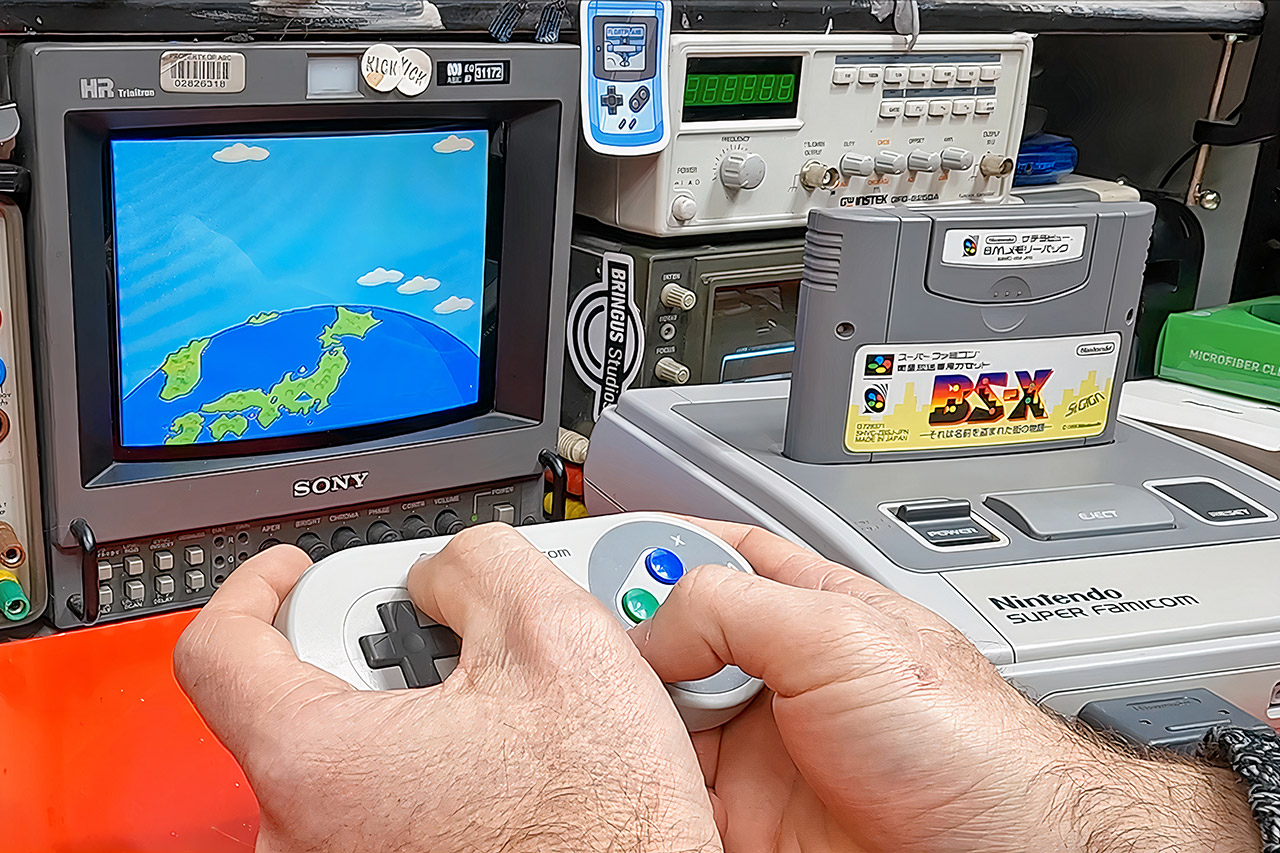
James Channel spent a recent video staring down a piece of Nintendo hardware that was never meant to last. His question is simple and a little unsettling: does the object in his hands still hold a game the rest of the world no longer has? That question only makes sense if you rewind past Satellaview itself and look at how Nintendo spent the late 1980s turning a living-room toy into a communications box.
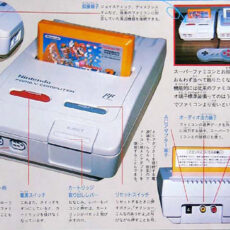
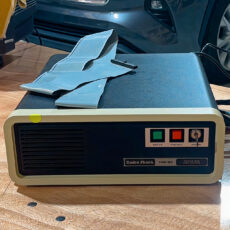
Nintendo’s Family Computer had already established itself in millions of Japanese homes when the corporation chose to add a disk drive to it in 1986. Disk cards were dirt cheap, easy to rewrite, and extremely small. Stores began installing Disk Writer kiosks, allowing customers to walk in with a used disk and walk out with an entirely different game for a few hundred yen. Another innovation, the Disk Fax machine, allowing players from all around the country to upload their high scores from national competitions. The disk drive was the catalyst for the release of games like Zelda and Metroid, as it provided space for save data and extra soundtracks. That short trial showed Nintendo two things: first, that cheap distribution was the way to go, and second, that weak media and a divided user base would be a significant pain.

- BUILD AN ICON – Build the ultimate retro gaming display with the LEGO Game Boy (72046) model kit for adults ages 18 and up
- RELIVE THE EXCITEMENT – Remember powering up your Game Boy for the first time? Experience the thrill again with this authentic of the handheld...
- DISCOVER AUTHENTIC DETAILS – The instantly-recognizable Game Boy features classic button layout, contrast dial, and interchangeable Game Pak and...
Two years later, they tried it again, this time with a phone line. The Family Computer Network System consisted of a modem and a few credit-card-sized ROM cards that let a Famicom to dial up for a variety of information such as stock prices, the current horse racing odds, the weather, some jokes, and a dealer tool known as Super Mario Club. Approximately 130,000 machines were sold, however only a small percentage of owners used them for anything other than a curiosity “ooh see what this thing can do.” Even yet, Nintendo president Hiroshi Yamauchi believed that this was simply a test run, and that if the next one failed, he would try something new.
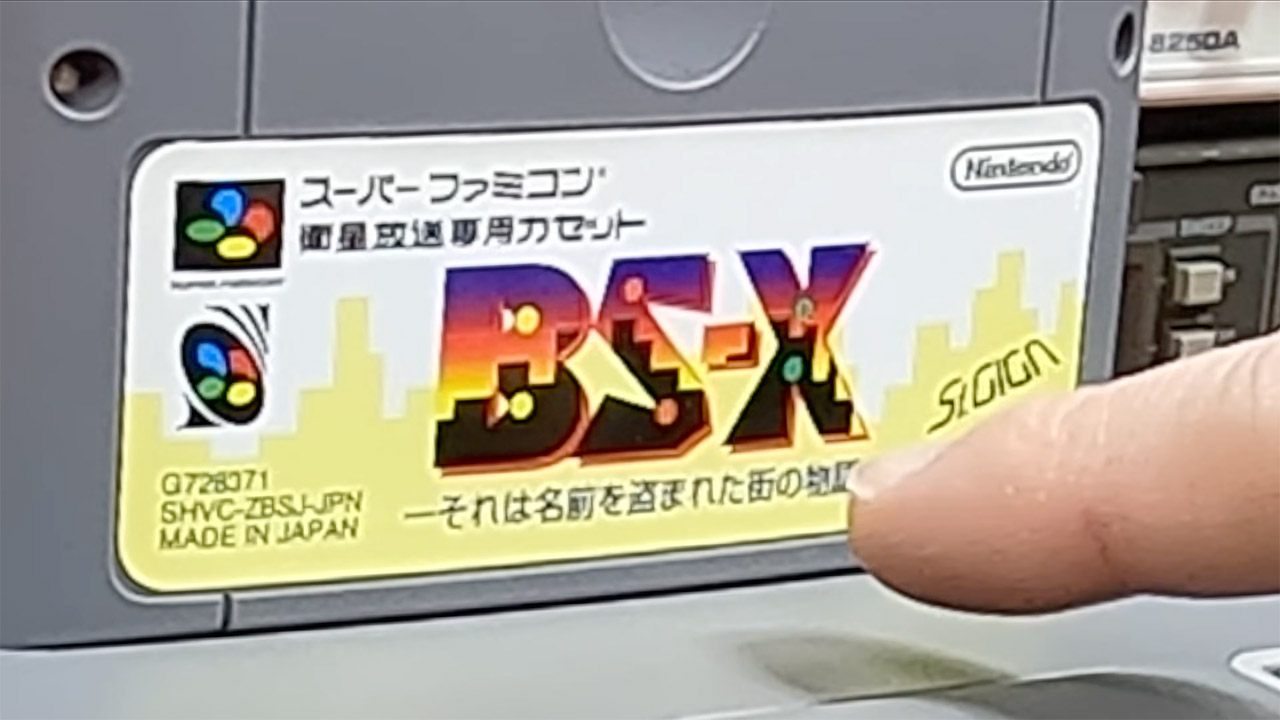
The next attempt, Satellaview, landed in Japan on April 23, 1995. It was a two-piece kit for the Super Famicom, consisting of a receiver that you plugged into the console and a cartridge named BS-X: Sore wa Namae o Nusumareta Machi no Monogatari, “The Town Whose Name Was Stolen,” which combined a little role-playing game and a menu. Then there was the memory pack, an 8-meg flash drive that held all of the downloads from space. St.GIGA, a satellite radio operation that Nintendo eventually acquired when the company was in financial trouble, was in charge of the broadcasting side of things. Players were expected to purchase the hardware and a dish, and then download whatever they wanted at no further cost. Nintendo expected to sell two million devices in the first year, but only sold roughly 100,000.
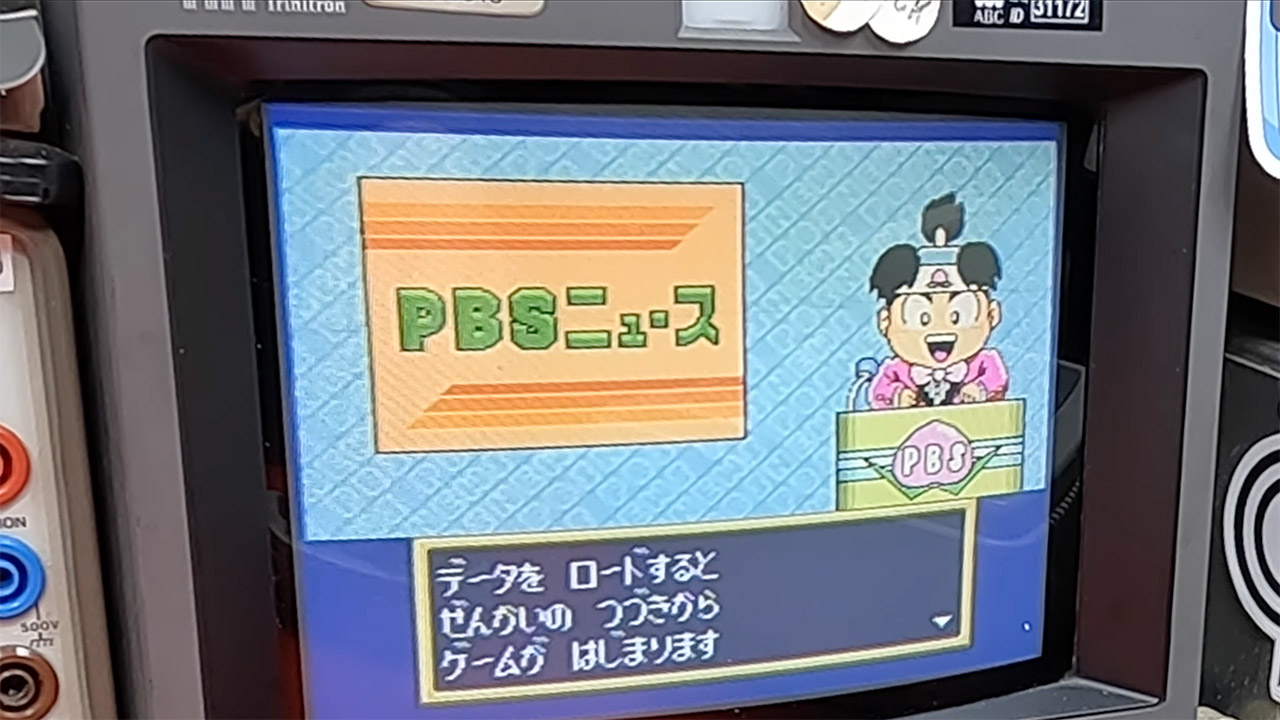
Every evening a window would open up to the world. During “Super Famicom Happy Hour” (a name that was more of a catch-all than anything officially assigned), a bunch of items would simply pour down. This might include a game, a digital magazine, or even a radio show all at the same time. SoundLink titles would then be overlaid on top of the existing data, such as a narrator talking over the original BS Zelda while also altering up the map or music on the fly, if someone on the other end of the satellite opted to modify something. The Ancient Stone Tablets then took players on a wild roller coaster ride six years after the original, with a Link characterization that was missing from the story and the Satellaview avatar taking center stage from the start, thanks to a separate four-part episode series broadcast on the Satellaview system. BS Super Mario USA, on the other hand, piggybacked off of the Western Super Mario Bros. 2. F-Zero received the typical new tracks and races. Fire Emblem, Kirby minigames, Square’s Radical Dreamers, Treasure Conflix, and a slew of other bizarre stuff all arrived in the same way: they simply appeared in the system with little explanation. Many were held up for approximately a week before the most recent pack was overwritten with a fresh one, and the entire affair was canceled.
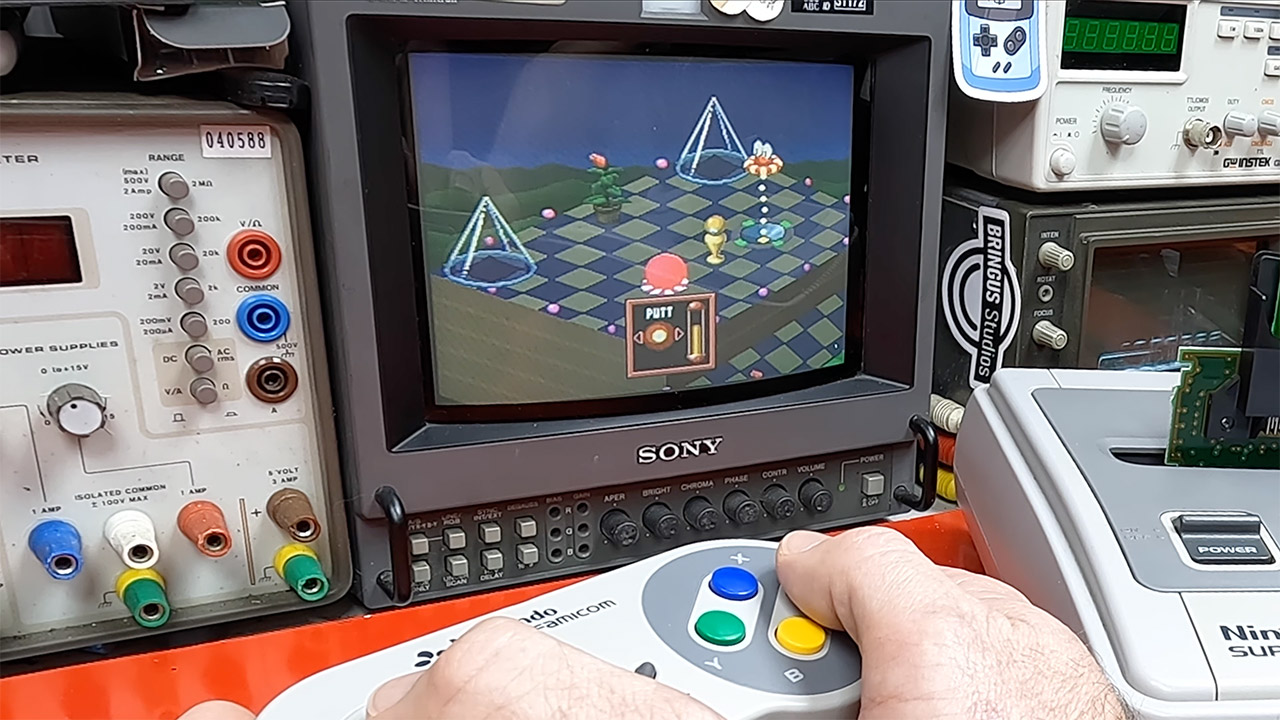
Eventually, St.GIGA and Nintendo fell out after debt collection talks failed and a license agreement to broadcast anything was missed. Nintendo discontinued sending their products about 1999 for this reason. St.GIGA went through the motions and repeated parts of the old items for a little longer, until June 30, 2000. Then, with a skeleton crew, all radio transmissions came to a standstill. The entire thing suddenly went apart. People either left the packs in their drawers or threw them away after they were overwritten. Today, all that exists is a collection of (mainly useless) dumps collected from these ancient broadcasts. Some people, like James, have even begun purchasing outdated hardware in the hopes that the occasional broadcast has been left in the system and can still be played out, waiting for someone to come along and push the proper button.