Tag

Video Games

Browsing

James Channel Famiclone Windows System
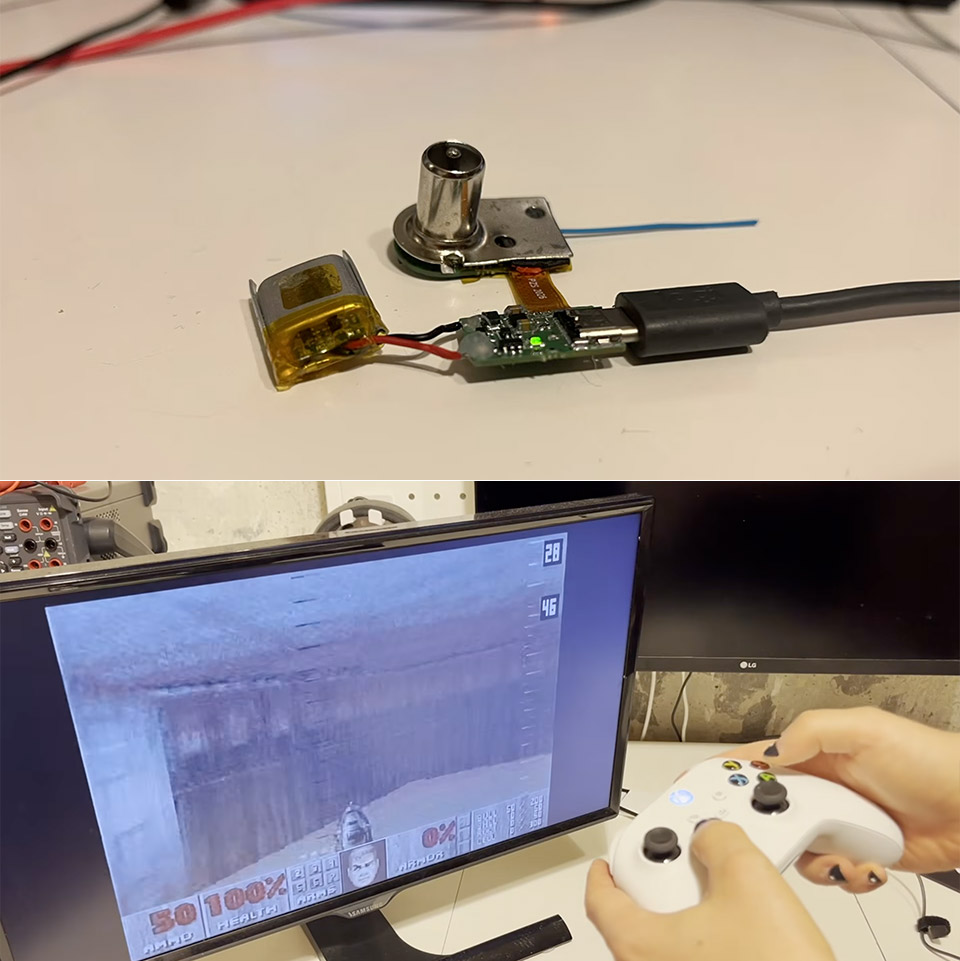
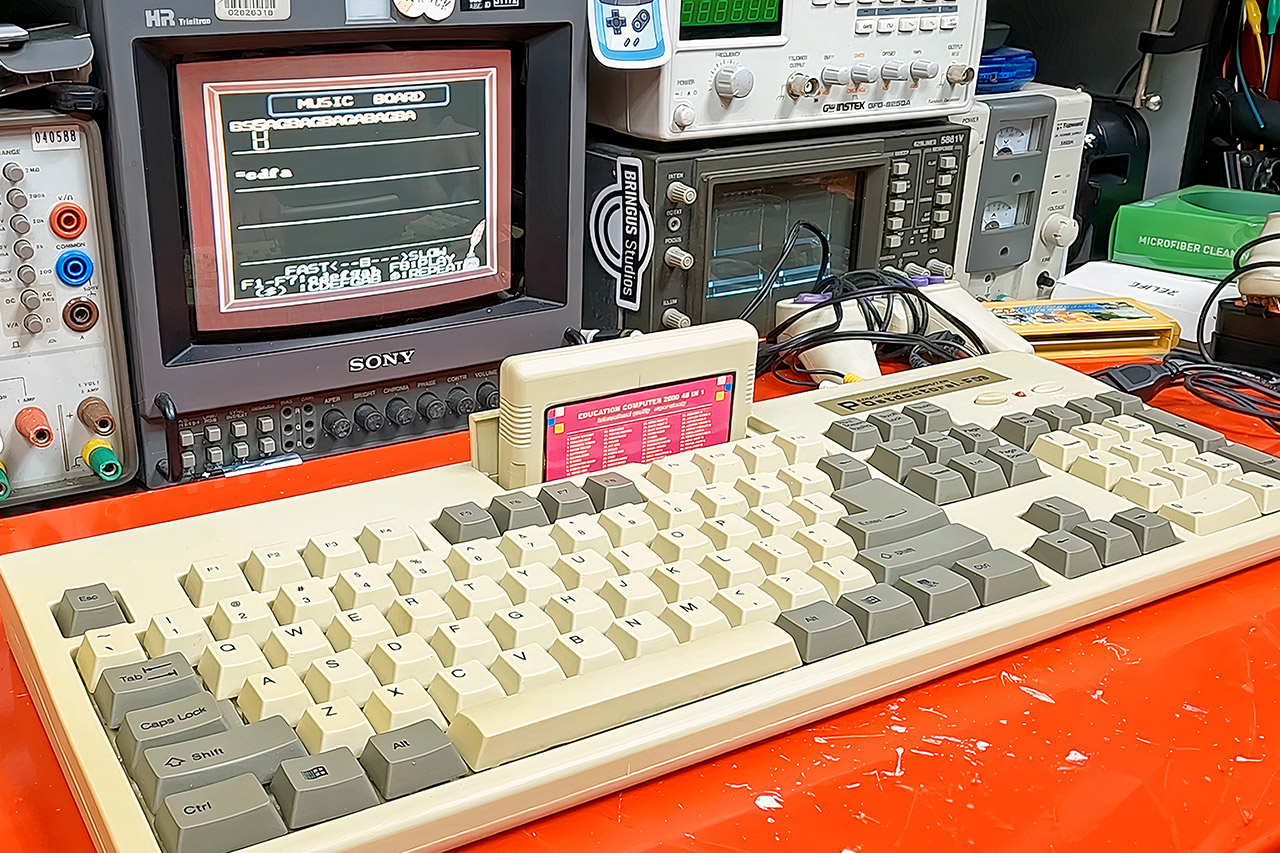
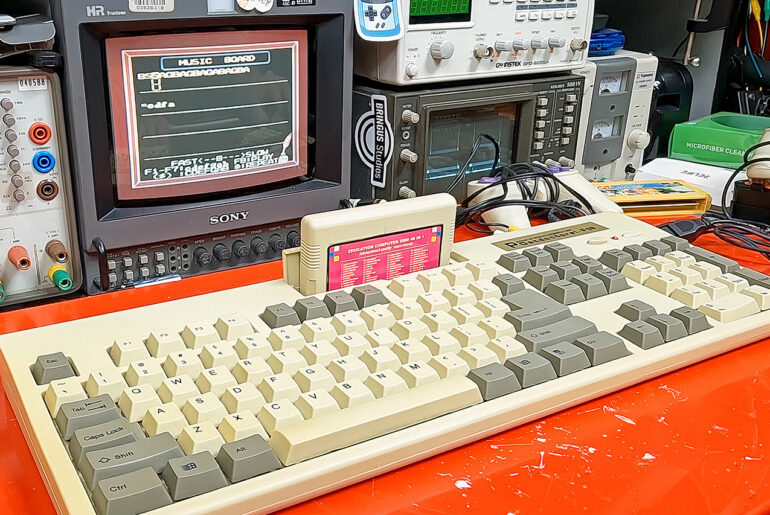
James Channel recently got hold of a small box that promised the latest Windows system, complete with a keyboard, mouse, and enough software to turn any living room into a home office. What arrived instead was a Famiclone, one of the countless unauthorized copies of Nintendo’s original Family Computer that flooded markets across Asia and beyond during the late 1980s and 1990s. These machines used a single chip to recreate the hardware that once powered Super Mario Bros., and manufacturers kept producing them long after the patents expired because they were cheap to build and easy to sell to families who could not afford a real computer.
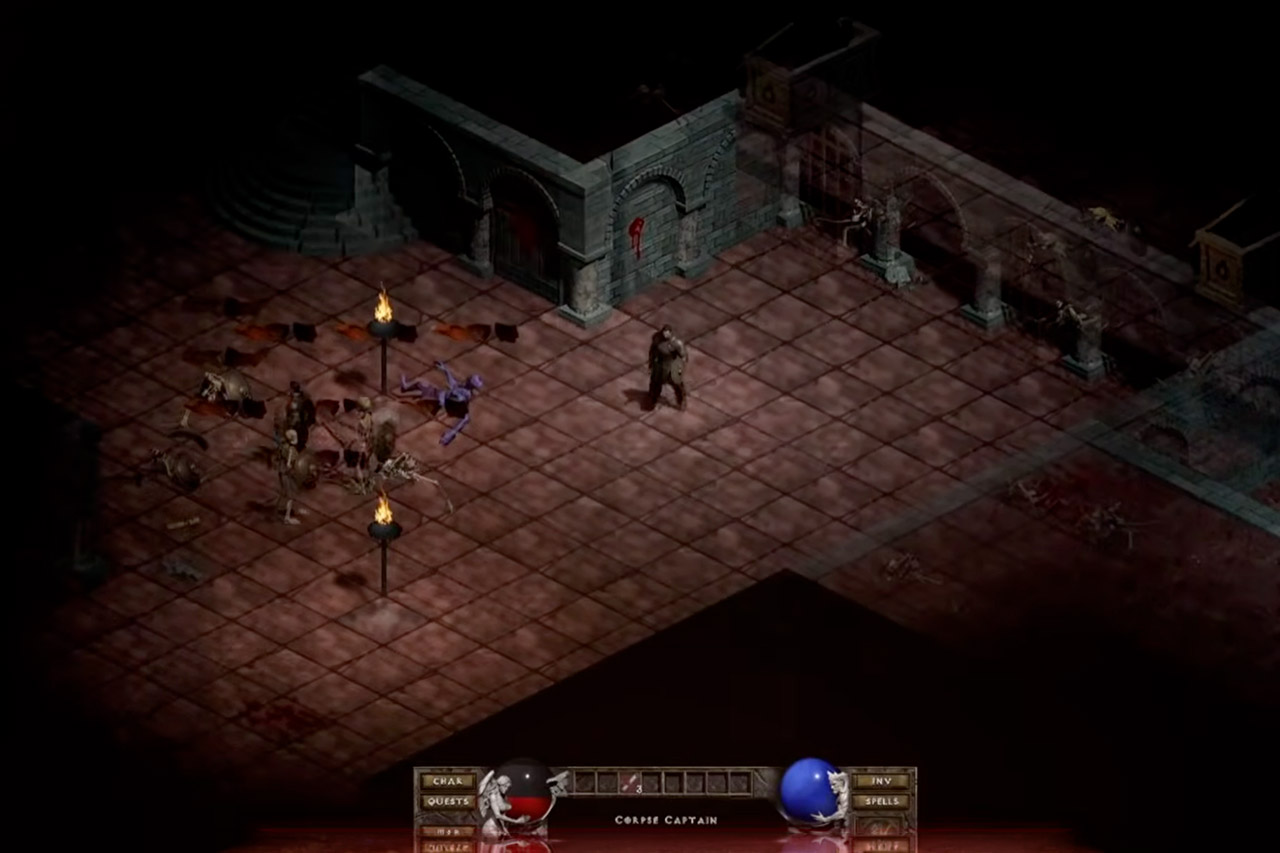
DamnationX Diablo 1 Fan Remake
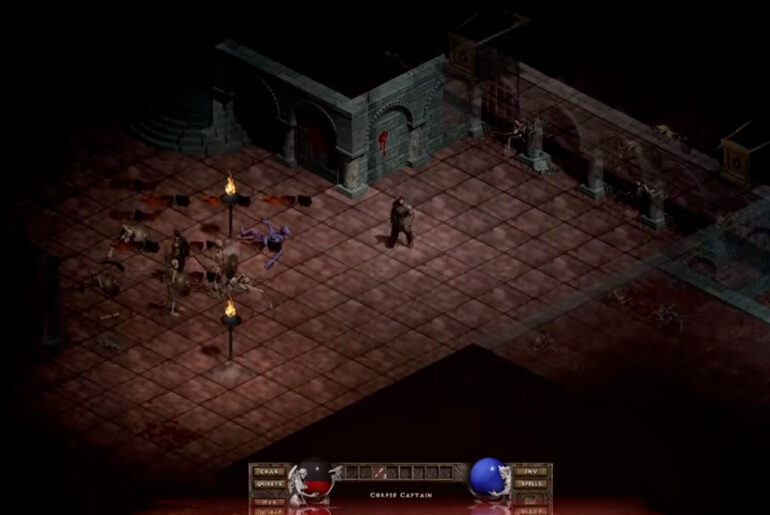
Fans who still wander the dark streets of Tristram and the levels beneath it now have another way to return. DamnationX is a fan project built on top of DevilutionX, the long-running open-source port that already lets people run the original 1996 Diablo on modern computers with higher frame rates, controller support, and other practical fixes. Troygentic has taken that foundation and layered on optional high-definition art, lighting that uses ray tracing, and an online lobby so groups can play together.

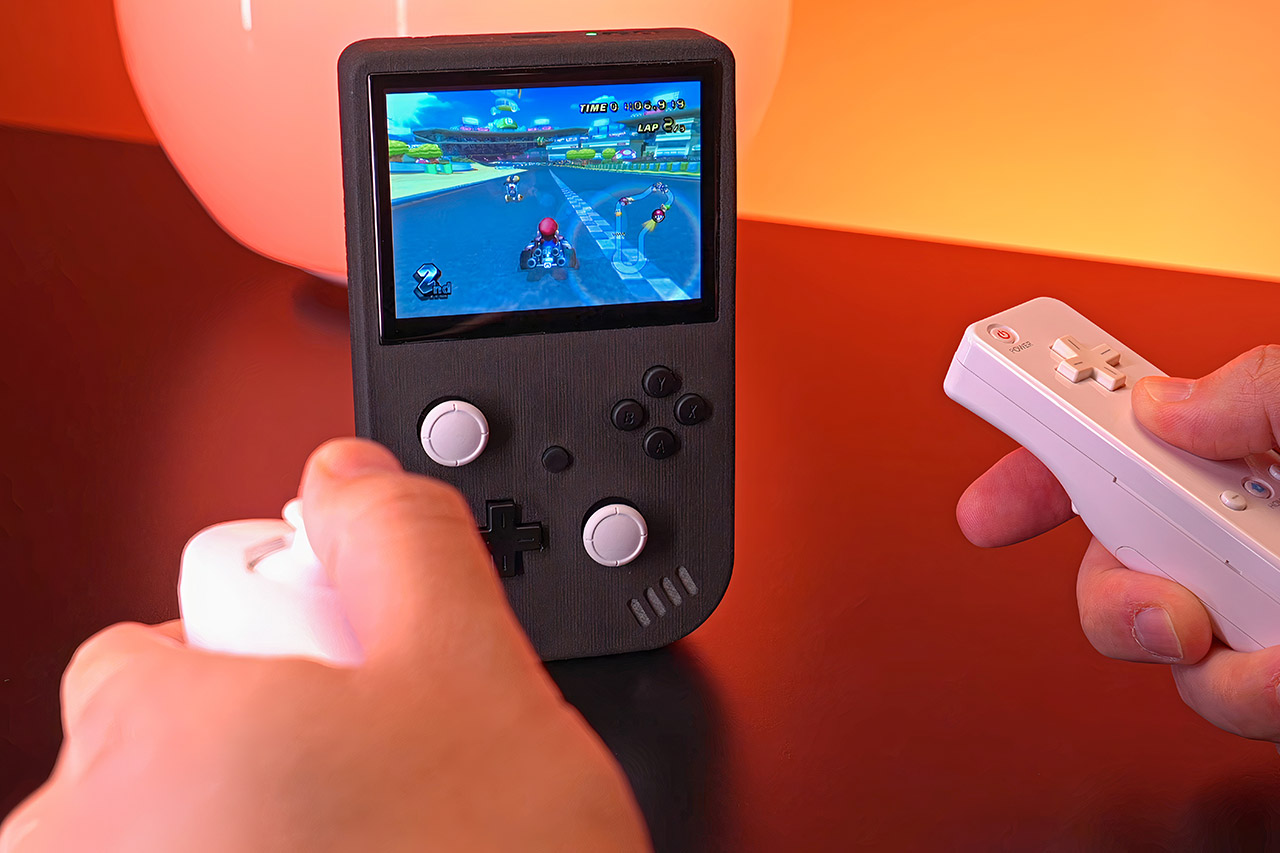
Xii Boy Ultra Wii-Powered Game Boy
Modders have spent years trimming Nintendo Wii motherboards down to the absolute minimum so they fit inside handheld shells that resemble the original Game Boy. Xenii refined that approach across earlier Xii-Boy versions until the latest Ultra revision arrived as a fully modular kit. Tito from Macho Nacho Productions assembled one, and the result sits at roughly 145 by 86 by 27 millimeters while still containing a genuine Wii board that has undergone the standard OMGWTF trim.

Sierra Screamin 3D Graphics Card 1996
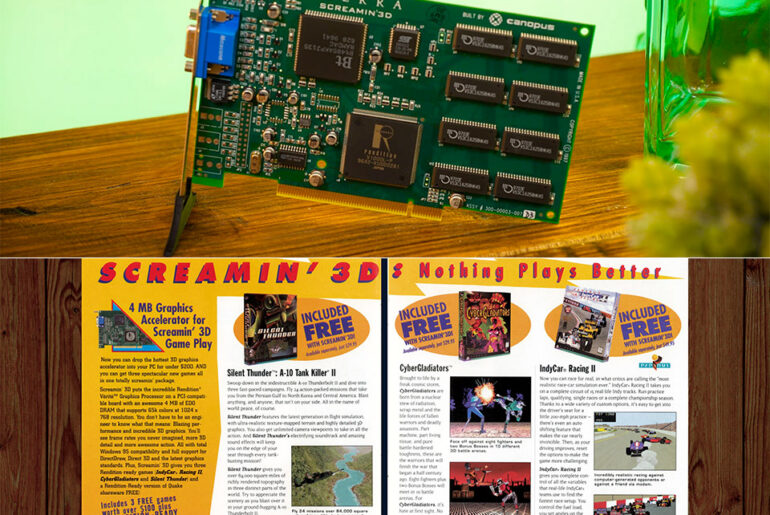
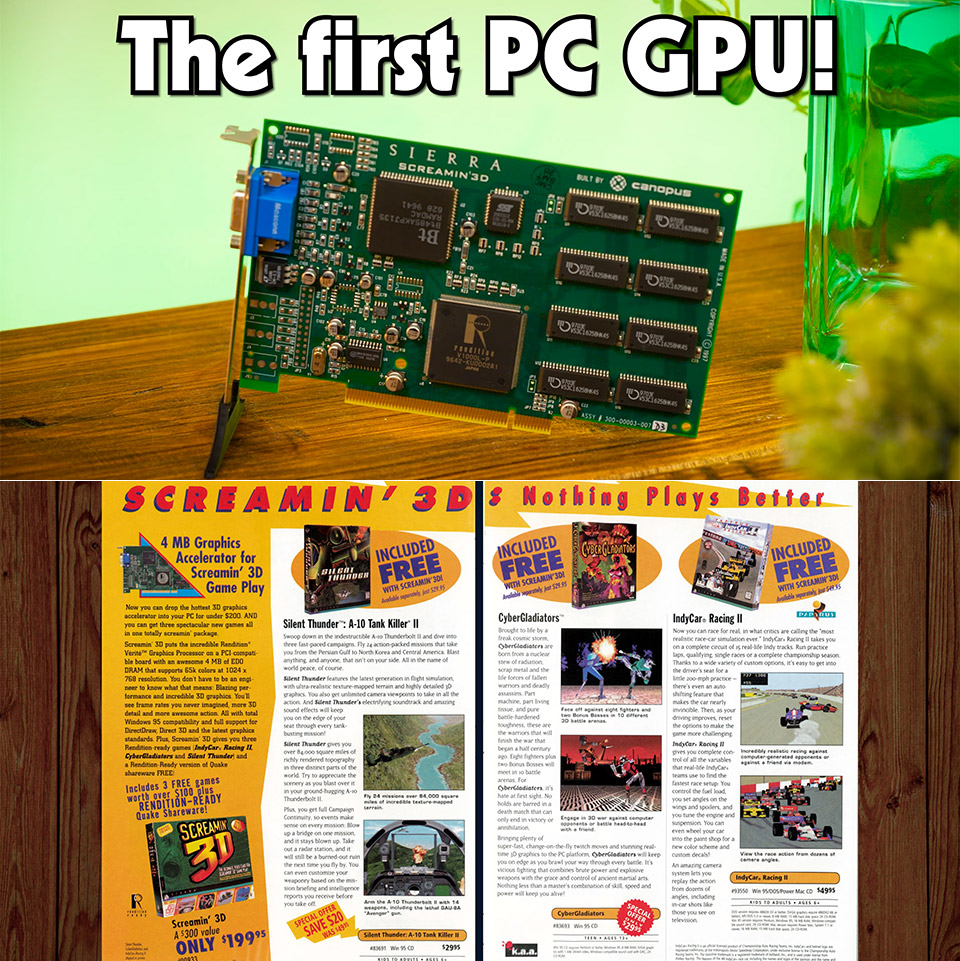
Sierra On-Line spent most of the 1990s shipping adventure games with names like King’s Quest and Space Quest, then spent one Christmas trying to sell the board those games would run on. Screamin’ 3D reached stores in November 1996 at a suggested price of $199, the only graphics card the Oakhurst studio ever put its name on, and it vanished so completely that plenty of people who owned a Sierra box never knew the company had tried hardware at all.