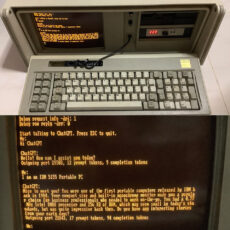
Businesses in the early 1980s were all about paperwork and figures. Spreadsheets were simply rows of figures, documents were heaped up page after page, and IBM PCs were the workhorses that handled all this data, with an option of two monitors. IBM chose Color Graphics Adapter, which provided a splash of color but was only 640 by 200 pixels, making text appear blocky and difficult to read. Then there was the Monochrome Display Adapter, which produced a 720 by 350 pixel screen in a clear green or amber. Hercules Computer Technology identified the gap and stepped in with a card that married both strengths without having to make any sacrifices
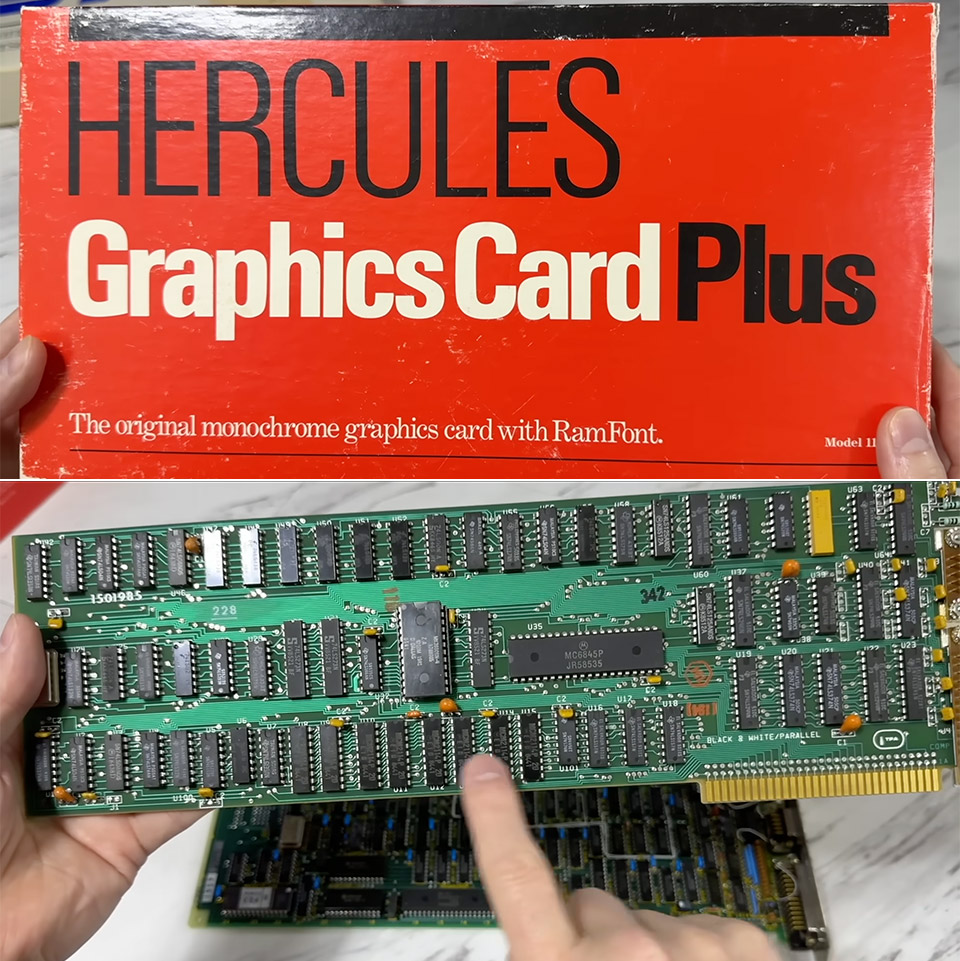
Founder Van Chu arrived from Taiwan with a wealth of technical knowledge and a clear vision of what he intended to achieve. His team created the Hercules Graphics card to fit directly into current MDA systems. Users can keep their monochrome monitors and still have control over pixels. In graphics mode, the device managed 720 by 348 pixels, which came close to matching MDA text quality while also allowing for early drawing and simulations. A 32k frame buffer contained the entire screen, allowing applications to write directly to video memory while keeping the CPU free to perform actual work.

- Powered by the NVIDIA Blackwell architecture and DLSS 4 OC mode: 2610 MHz/ Default mode: 2580 MHz(Boost clock)
- Quad-fan design boosts air flow and pressure by up to 20%. Compatibility: 357.6mm (14.1") length, 3.8 slots, 6.6 lbs. Confirm case clearance and slot...
- Patented vapor chamber with milled heatspreader for lower GPU temperatures
The hardware conveyed the situation quite clearly: the initial MDA card had 8 kilobytes, which was enough to handle plain text pages. Then Hercules came along and doubled it to 64 kilobytes, divided into two banks. The problem was that games only used half of it because they could only display black or white pixels. A parallel port sat on the bracket, replicating the IBM design, making it simple to upgrade. Soon after, firms began producing clones that would run alongside the Hercules on CGA modes via DIP switches. ATI joined the party late in the decade with some hybrid boards, but the original cards maintained their reputation for purity.
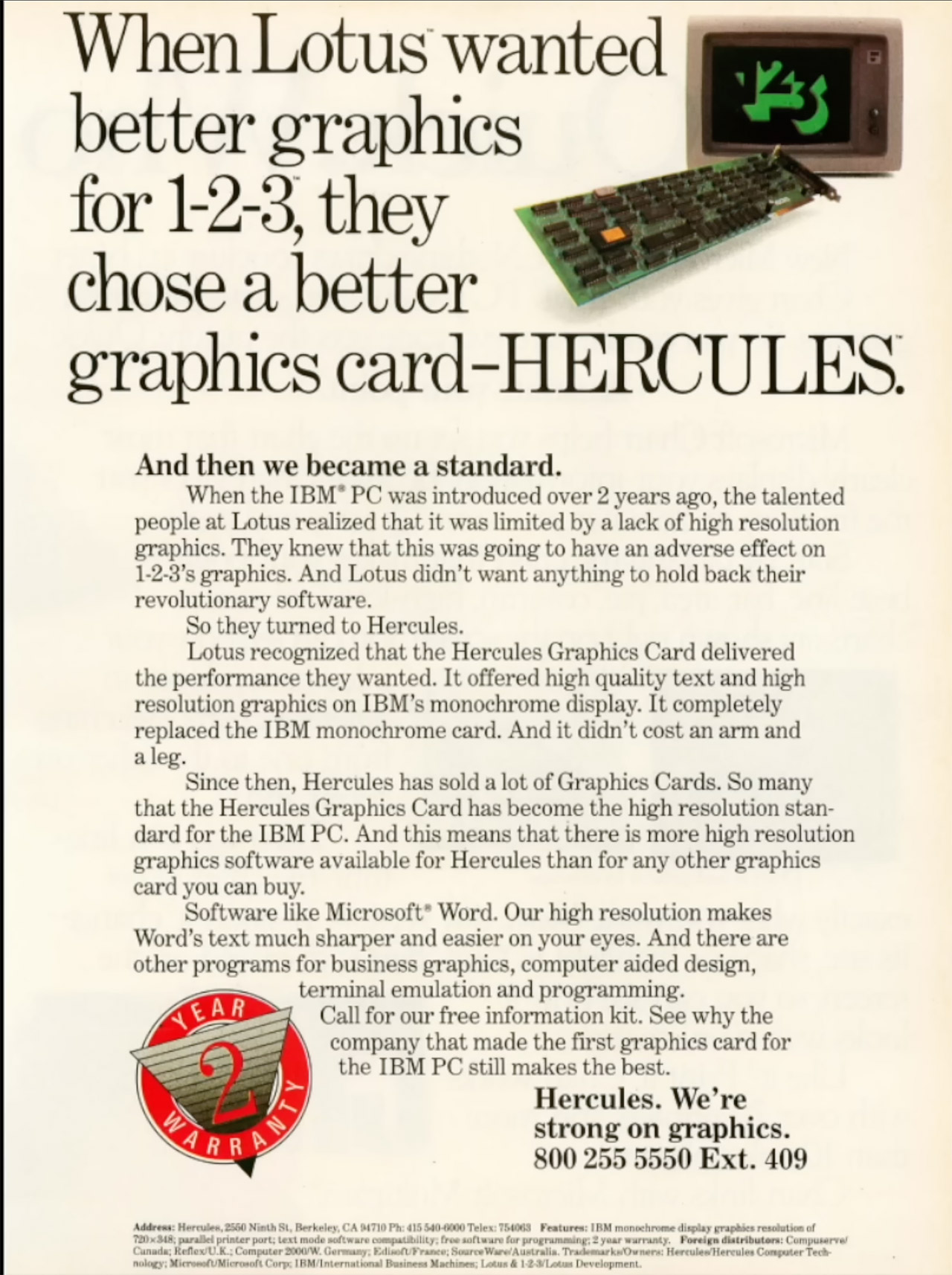
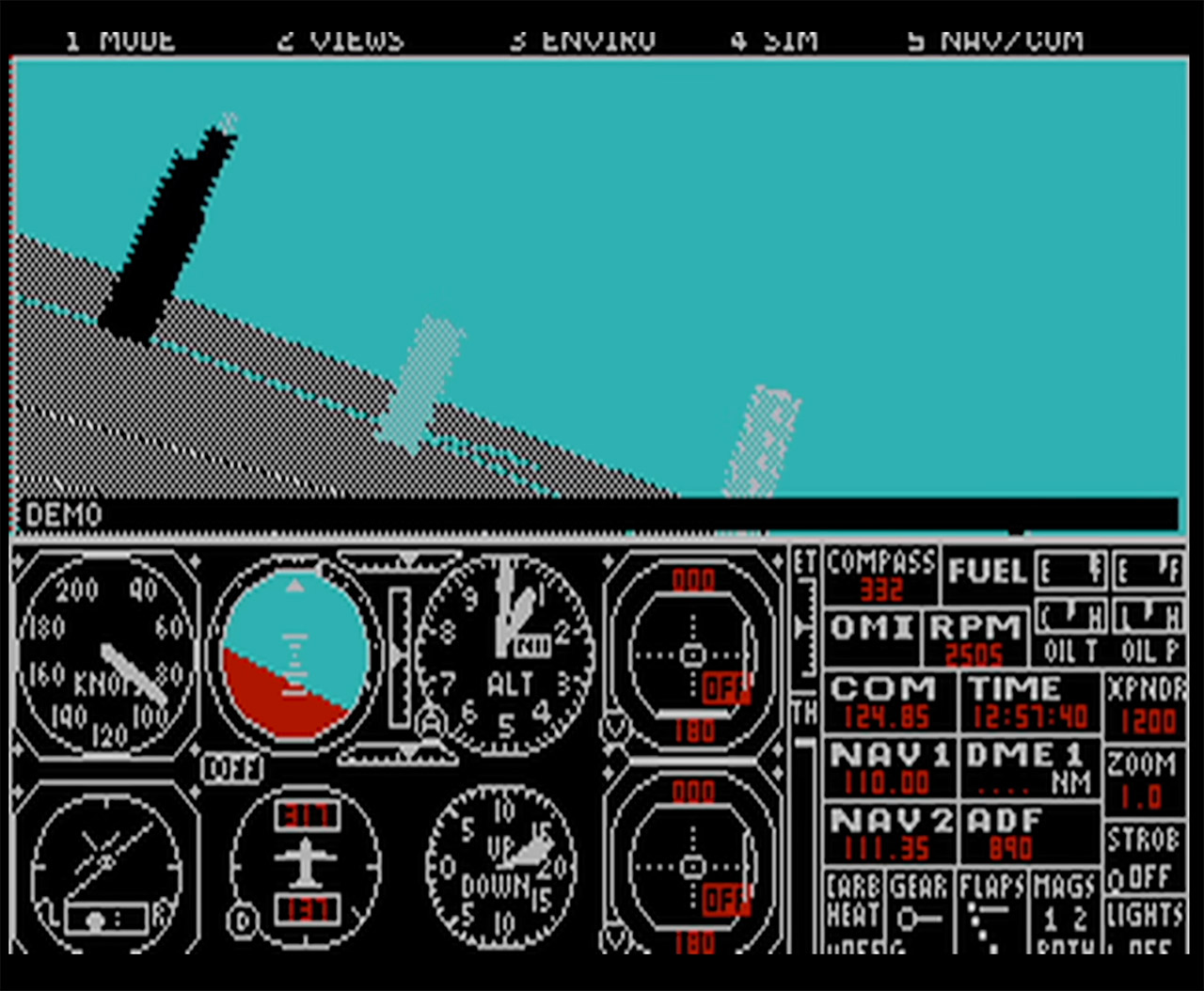
Software developers were eager to leap on board, with Lotus 1-2-3 introducing charts and fine lines. The framework described documents in some depth. Dr. Halo created technical graphics one pixel at a time. Games began to appear in waves. Microsoft Flight Simulator 3 succeeded to make cockpit gauges seem sharp enough to read. SimCity set out cities block by block, removing the unattractive jagged edges, while Prince of Persia managed to make animation look smooth on monochrome screens. Apparently, there are 536 titles that natively support Hercules graphics, which is considerably behind CGA but still a good number to prove there was a demand.
The frosting on the cake was the use of dual monitors. MDA memory was mapped to address B0000, while CGA was assigned to address A0000. As long as you installed both cards and connected separate screens, code flowed seamlessly across them. Programmers could complete their monochrome code while checking color output on a second monitor. Even though monochrome had long since gone out of vogue, this configuration was still rather prevalent in VGA days.
The Graphics Card Plus, released in 1986, was Hercules’ most ambitious product. One of the most impressive aspects was how they managed to fit all of the same functionality into a smaller chip while also adding some extra RAM for a bespoke character font. Software could now redefine characters on the fly, a feature that Commodore users had long enjoyed but PC customers had just recently caught up with. In terms of real memory, not much changed (64k was still the maximum), but everything became a little more compact, which helped to save expenses while also ensuring that everything worked properly.
Windows 3.1 debuted in 1990, exposing the limitations of CGA, and it looked rather terrible. The menus were squeezed into a tiny 640 by 200 pixel space, and the Solitaire cards had blurry suits. But hey, Hercules managed to draw the entire interface at full resolution, which made a huge difference: the icons were beautiful and crisp, and the text was clear. Only the color cues had to go; red hearts and diamonds required individuals to recall how the deck appeared.
Color tempted Hercules once more, but they finally got there in 1987 with the InColor card. This one maintained monochrome compatibility while adding 16 colors from a 64-color palette at 720 by 348. EGA monitors were close enough to sync, and six games supported the mode – though, to be honest, Deluxe Paint didn’t bother with it and only used two colors. Unfortunately for Hercules, the market was already saturated by EGA and VGA when the InColor card was released.
[Source]