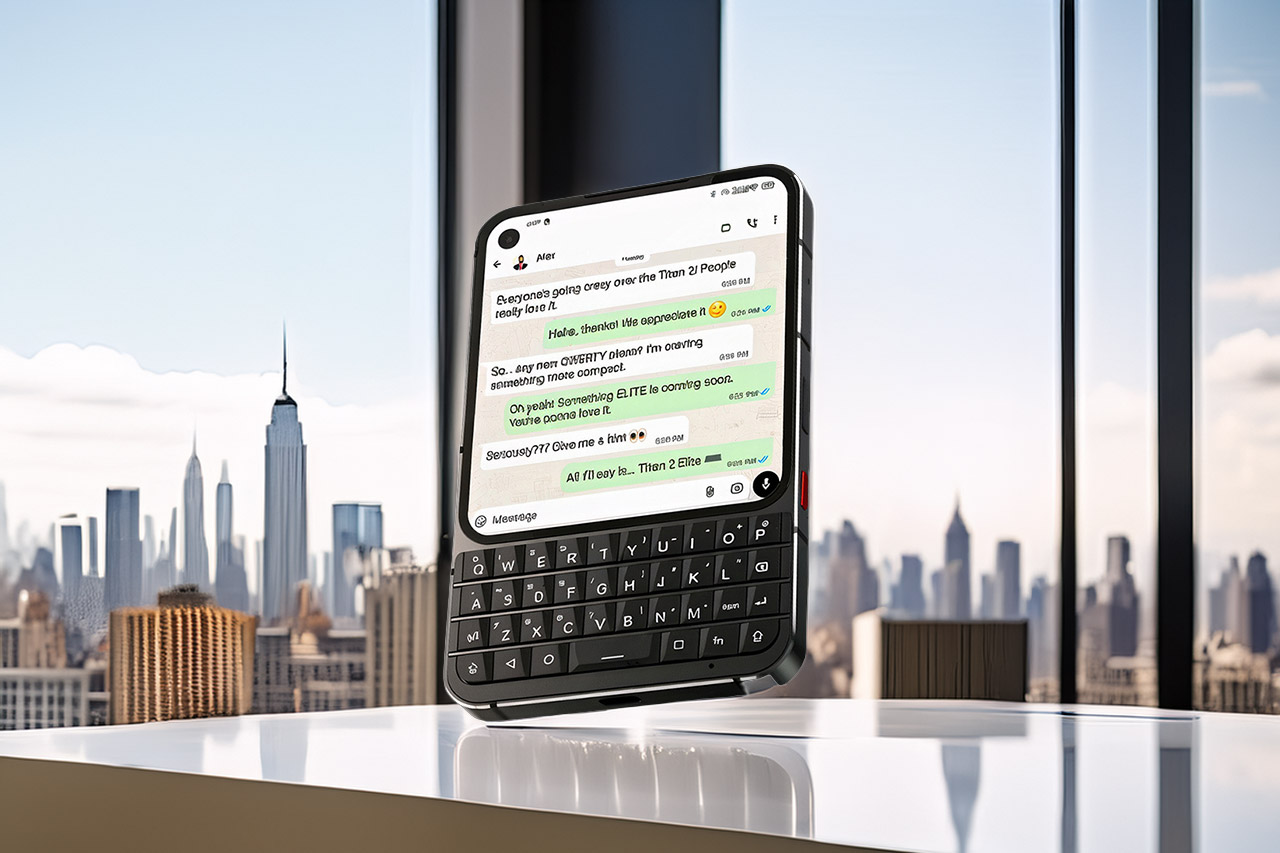
The Unihertz Titan 2 Elite is the latest in a small but steady revival of phones with physical keyboards, and it’s no surprise that the device is set to appear on the market after releasing their Titan 2 model last summer. The standard Titan 2 has a square display and a solid QWERTY configuration, but the Elite promises to improve on those features.
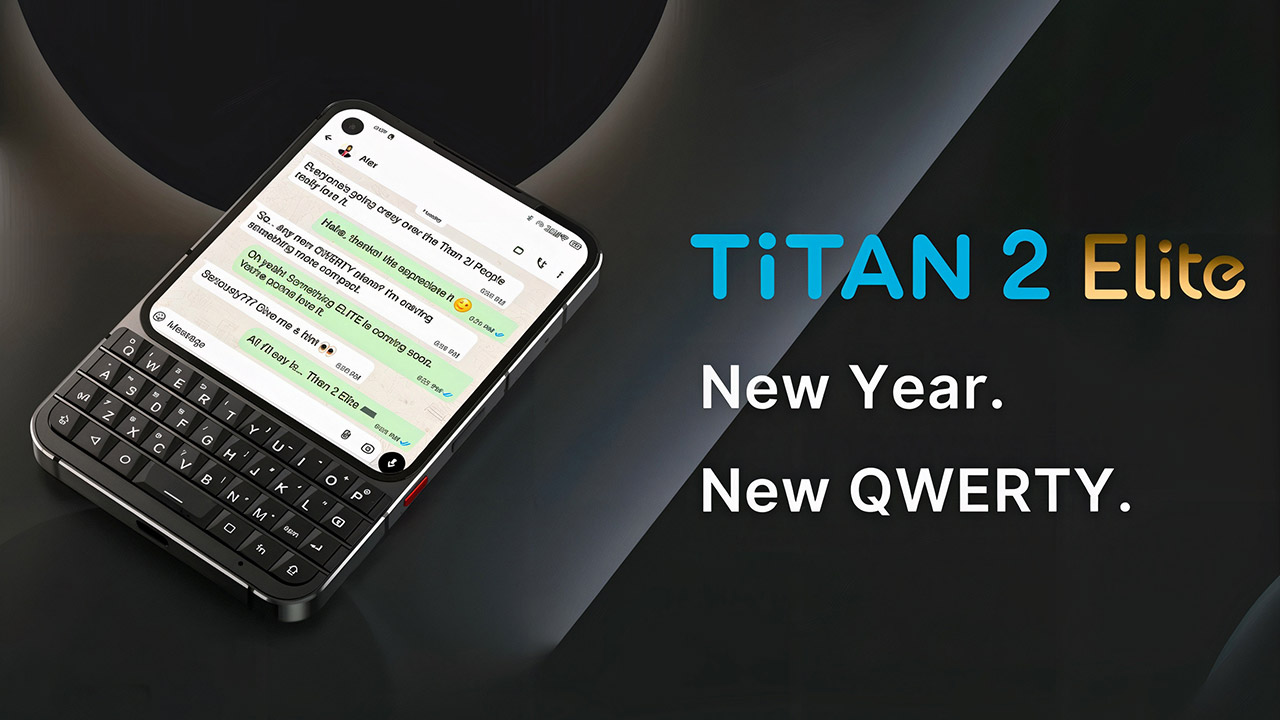
One thing that defines Unihertz’s approach here is their design choices; the company is clearly moving away from the chunky frames and thick bezels that all of their previous Titans were known for, instead opting for a curved display and a punch-hole front camera over the old-school wide top-notch design. The keyboard remains the same four-row QWERTY layout with a function key for accessing numbers and symbols, but the navigation keys are now positioned alongside the spacebar rather than in their own row, making the phone slightly smaller while retaining all of the critical features. As you might guess, this seems like a throwback to classic BlackBerry devices, but with a current Android twist.
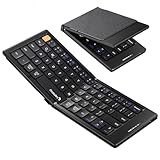
- 【Folding Mini Keyboard】 Only a 7.8-ounce palm-sized foldup keyboard is designed in two-fold and compact enough to save desk space or take it on...
- 【Compact-Sized Portability】With a travel size portable keyboard that easily connects to bluetooth enable device you need to use it on, you can...
- 【Multi-device Bluetooth Keyboard】Our foldable keyboard with triple Bluetooth channels, which will maintains stable connectivity and fast response...
There isn’t much information available about the hardware yet, other than that the Elite is an upgrade over the Titan 2, featuring a MediaTek Dimensity 7300 processor, 12GB of RAM, and 512GB of storage. If Unihertz uses all of the normal jargon, the screen will most likely be an AMOLED display. As for the battery and cameras, we’ll have to wait a little longer to find out, but so far, it appears that we can expect a long-lasting cell of roughly 5,000mAh and a powerful main sensor at 50MP. Connectivity appears to be standard, with 5G support, NFC, and all of the typical wireless features, and we can anticipate the Android operating system to serve as the underlying base, with Unihertz promising some significant update commitments.
The typing on these devices, however, is what keeps users coming back year after year, and the tactile input from the keys is something that no touchscreen can ever replicate when you’re typing out messages, emails, or notes for extended periods of time. Unihertz does an excellent job of incorporating shortcuts, and the keyboard is touch sensitive, allowing you to scroll and swipe about, which is a wonderful feature. The entire experience begins to feel more like a productivity tool than merely a novelty. The Elite aims to take this a step further by reducing bulk and improving ergonomics, making it easier to use on a daily basis.
As for when we’ll get our hands on the device, Unihertz doesn’t have a firm date just yet, but the company has set up a sign-up page on their website and promises updates, likely before Mobile World Congress in March 2026. There is no word on price yet, but the standard Titan 2 cost roughly $400, so the Elite may be slightly more expensive, but not significantly.
[Source]