
On a clear, sunny, yet slightly cloudy afternoon in Hollister, California, Wisk Aero’s latest aircraft took off for the first time. The date was December 16th, 2025, and the moment of truth finally arrived at 12:26 pm local time. Engineers and test pilots gazed in astonishment as the Generation 6 eVTOL rose vertically, hovered steadily as desired, and performed a few basic maneuvers before landing again. The flight barely lasted slightly more than 30 seconds, but the sensation of relief and years of hard effort was almost palpable.
Wisk has pursued this design through six subsequent generations, each building upon the last. The company has already completed over 1,750 test flights with previous versions; however, this latest aircraft is the first to receive formal type certification from the FAA as an autonomous passenger carrying vehicle, and to be fair, no other companies in the US have even gotten this far with a fully pilotless eVTOL intended for commercial service.

- Due to platform compatibility issue, the DJI Fly app has been removed from Google Play. DJI Neo must be activated in the DJI Fly App, to ensure a...
- Lightweight and Regulation Friendly - At just 135g, this drone with camera for adults 4K may be even lighter than your phone and does not require FAA...
- Palm Takeoff & Landing, Go Controller-Free [1] - Neo takes off from your hand with just a push of a button. The safe and easy operation of this drone...
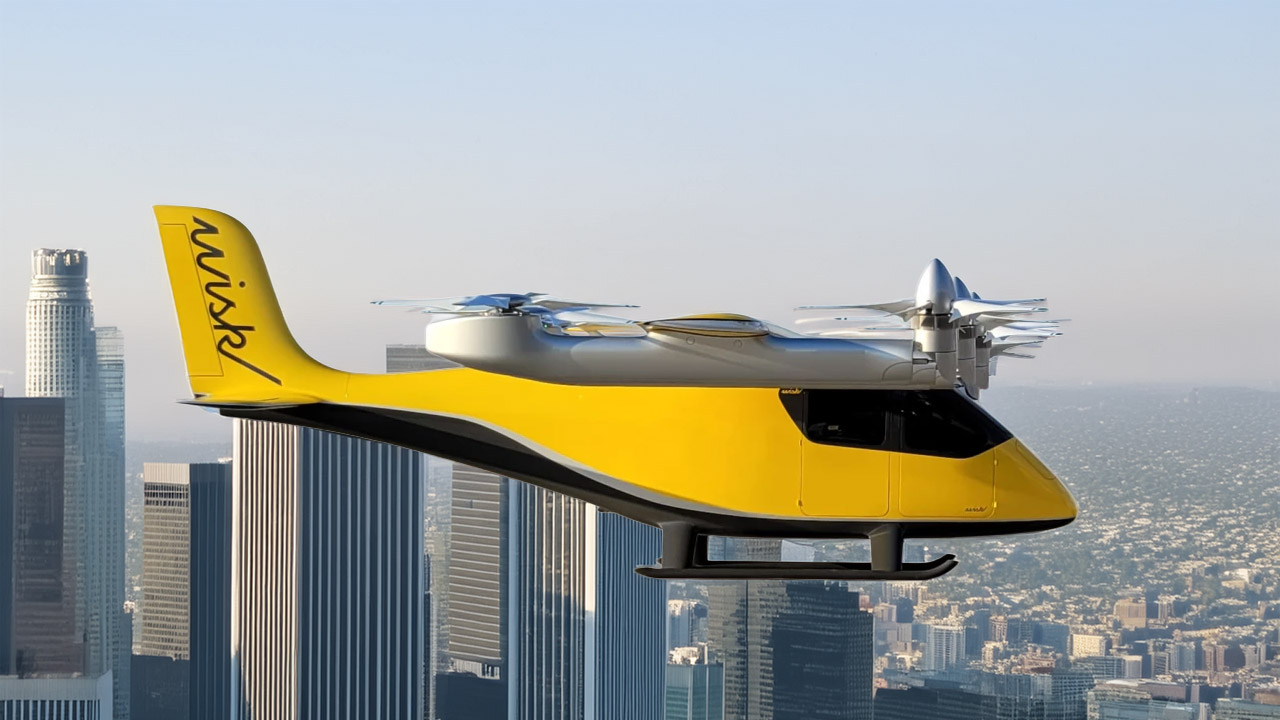
The Generation 6 has a wingspan of about 50 feet and a high wing layout that is supposed to improve stability and provide passengers with a clear view of the world outside. The thing is powered by 12 propellers, six of which in the front tilt to help shift from vertical lift to forward thrust, while the six in the back remain fixed in place to help with lift at takeoff and hover. The shift to wing-borne flying takes around 30 seconds. The system is driven entirely by electric motors, ensuring a very quiet ride with minimal direct emissions.
The cabin is designed to be nice and easy to get in and out of; you’ll be able to cram in about four passengers (plus your stuff, of course). The cruise speed is 120 knots (138 miles per hour), and flights are planned at altitudes of up to 4,000 feet. The aircraft features redundant systems all over the place, from power distribution to control surfaces, to ensure safety up to level with commercial airlines.
Autonomy is essential, as there are no cockpit controls to speak of, which means no sticks, pedals, or yokes at all. Flight proceeds through a pre-programmed procedure that is directed by sensors for detect-and-avoid functions and navigation. On the ground, human supervisors are on hand to keep an eye on things, overseeing up to three cars at once, all with the goal of combining reliability and scalability by using logic-based algorithms rather than attempting to learn via experience.
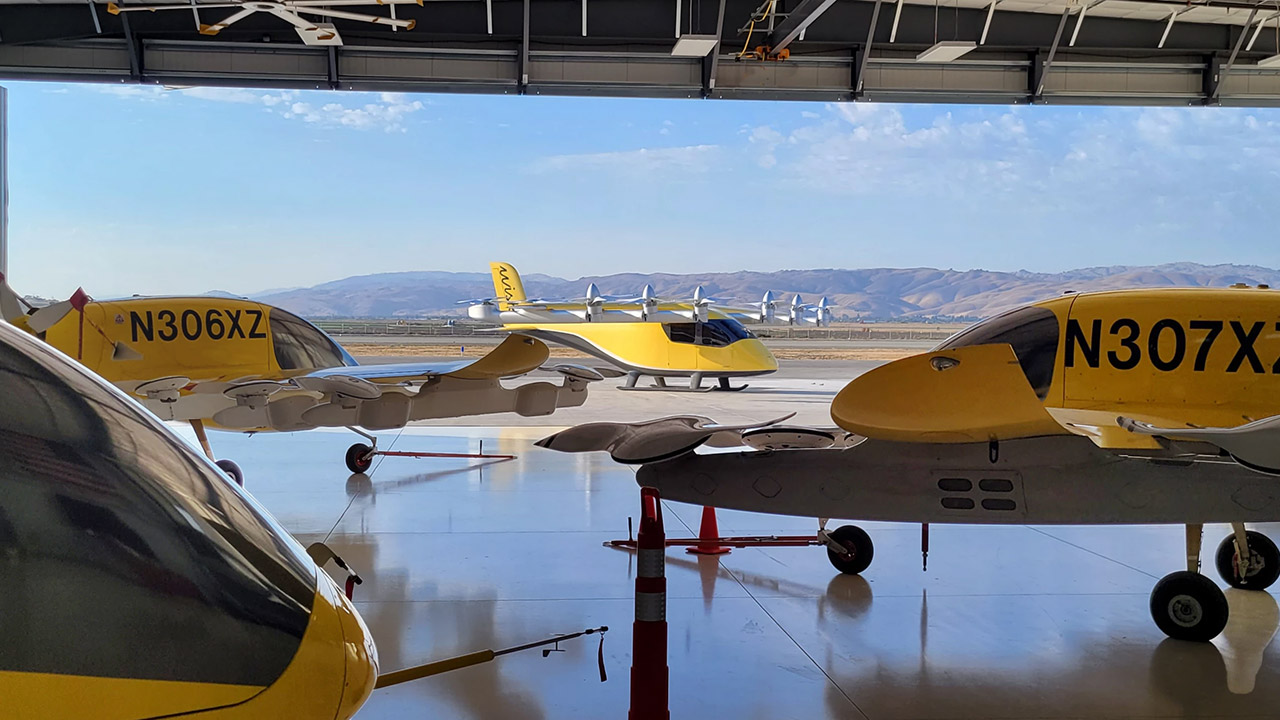
The initial flight demonstrated that it could handle basic stability in hover and low-speed movement. Future testing will go on to forward flight, transitions between modes, and faster speeds. The plan is to gradually expand the campaign to build up data and models to support certification, so the first flight may have only been a modest step, but it is a rather important one.
Boeing, the parent company, brings their knowledge in manufacturing and systems integration to the table, while partnerships with NASA and others help to refine airspace management. As for where this little marvel will first take to the skies, Houston, Los Angeles, and Miami are all possibilities.
[Source]