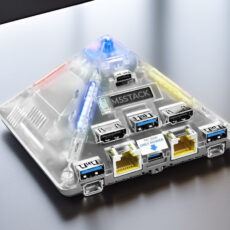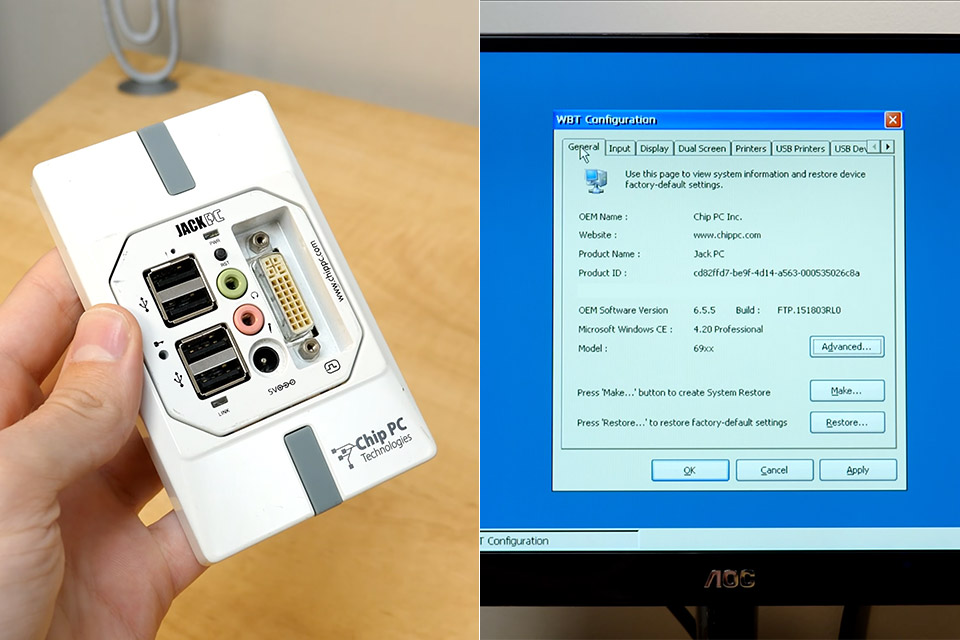
Back in the middle of 2006, a small company called Chip PC Technologies started shipping a computer that vanished into the wall. Jack PC occupied the same opening as a standard network jack, behind a faceplate barely larger than a light-switch cover, and every port a desk worker needed sat on that plate. Offices were paying for floor space by the square foot, and a tower under every desk ate room, power, and repair hours. Chip PC, founded in 2000 and based in Ness Ziona, built thin clients for companies that already ran Citrix or Microsoft terminal servers.
Installation was supposed to seem like you just connected an Ethernet cable to a power outlet and plugged it into the rear of the switch, but because the switch supported Power over Ethernet, you could use the same wire to power the computer. In use, the computer consumed 3 to 3.5 watts, with the most demanding scenarios reaching 5 watts. When it’s in sleep mode, its power consumption lowers to around a third of a watt. If you didn’t have a powered switch, you could simply install a midspan injector or connect a small 5-volt brick to a DC port on the front.

- LITTLE DO-IT-ALL — Mac mini packs pure power into a small, five-by-five-inch desktop as the M6 chip delivers next-level AI capabilities. Mac mini...
- M6 CHIP — Everything you do on Mac mini feels more responsive with the M6 chip and its next-generation CPU. Fly through AI workflows with up to 4.8x...
- CONNECT IT ALL — Features three Thunderbolt 4 ports, an HDMI port, and a 2.5Gb Ethernet port in the back, and two USB-C ports and a headphone jack...
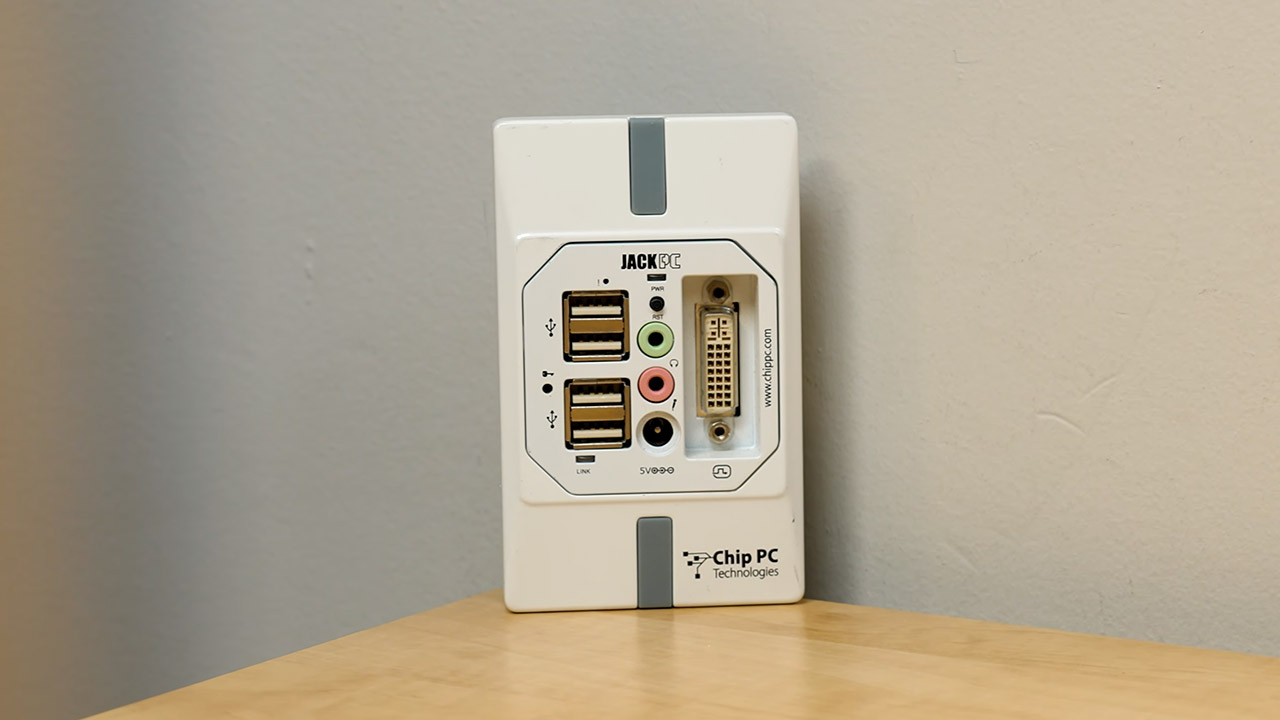
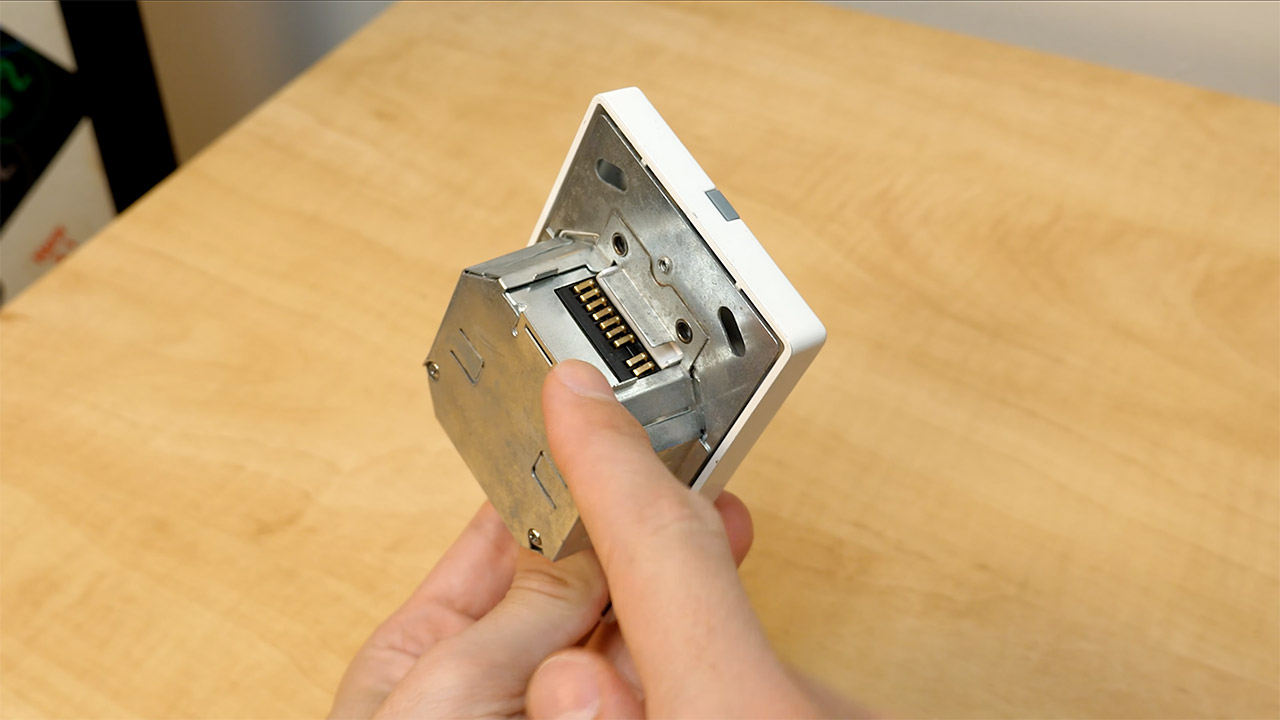
Inside the box, there were two or three circuit boards piled on top of each other, making the total size roughly 1.6 inches. The US-style face plates were about 2.8 inches wide and 4.6 inches tall. Because the heat output was minimal, Europe and the UK had plates that were a pretty square form, about 3.4 inches on each side, with the wall cavity doing all of the cooling for you and no fan. Initially, there were three models to pick from. According to Chip PC, the EFI 6700 included an AMD Alchemy Au1550, a 333 MHz MIPS processor that is roughly equivalent to an 800 MHz x86 processor. It included 32 megabytes of flash memory, 64 megabytes of DDR RAM, and 4 megabytes of vram, as well as a VGA connection capable of up to 1280 by 1024 resolution.
The EFI 6800 improved performance by increasing the CPU speed to 500 MHz, making it roughly similar to a 1.2 GHz x86 microprocessor. It also had 64 megabytes of flash, 128 megabytes of RAM, 8 megabytes of vram, and a VGA connector that could display up to 1600 by 1200. The final iteration, the EFI 6900, had the same fast processor and memory but replaced the VGA port with a DVI-I interface. It also featured dual display capability, allowing you to operate two panels simultaneously, each with a resolution of 1024 by 768. All three variants feature four USB 2.0 ports, a headphone connector, and a microphone jack on the front of the faceplate.
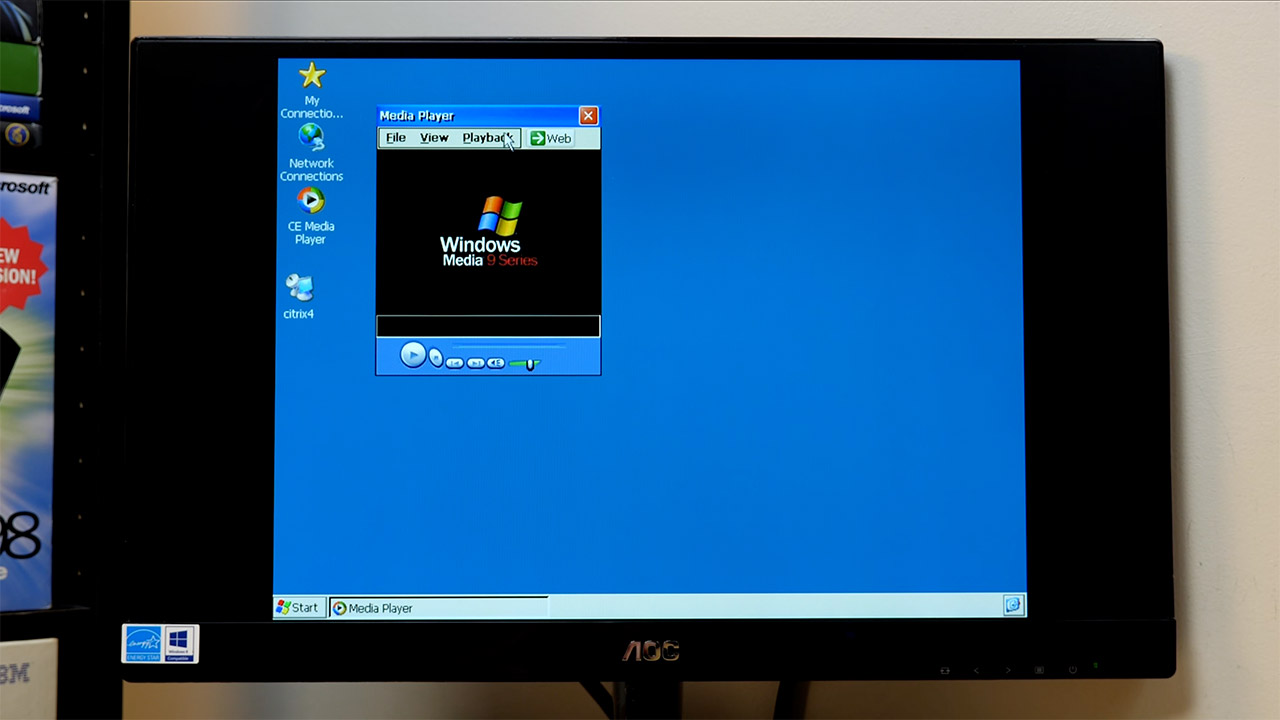
The operating system was Windows CE 5, which was stored on flash memory with Internet Explorer 6 and Microsoft Remote Desktop and Citrix ICA client software. Real work, of course, took place on a server in the next room or in another building. The local storage stored the operating system and a few settings, but no user files. Chip PC advertised this setup as being difficult to steal because the computer was housed inside the wall, difficult to infect with malware because the CE on a locked MIPS board couldn’t run standard Windows programs, and fleet control was handled entirely through the company’s Xcalibur Global software, allowing an administrator to send settings to all of the computers without having to physically visit each one.
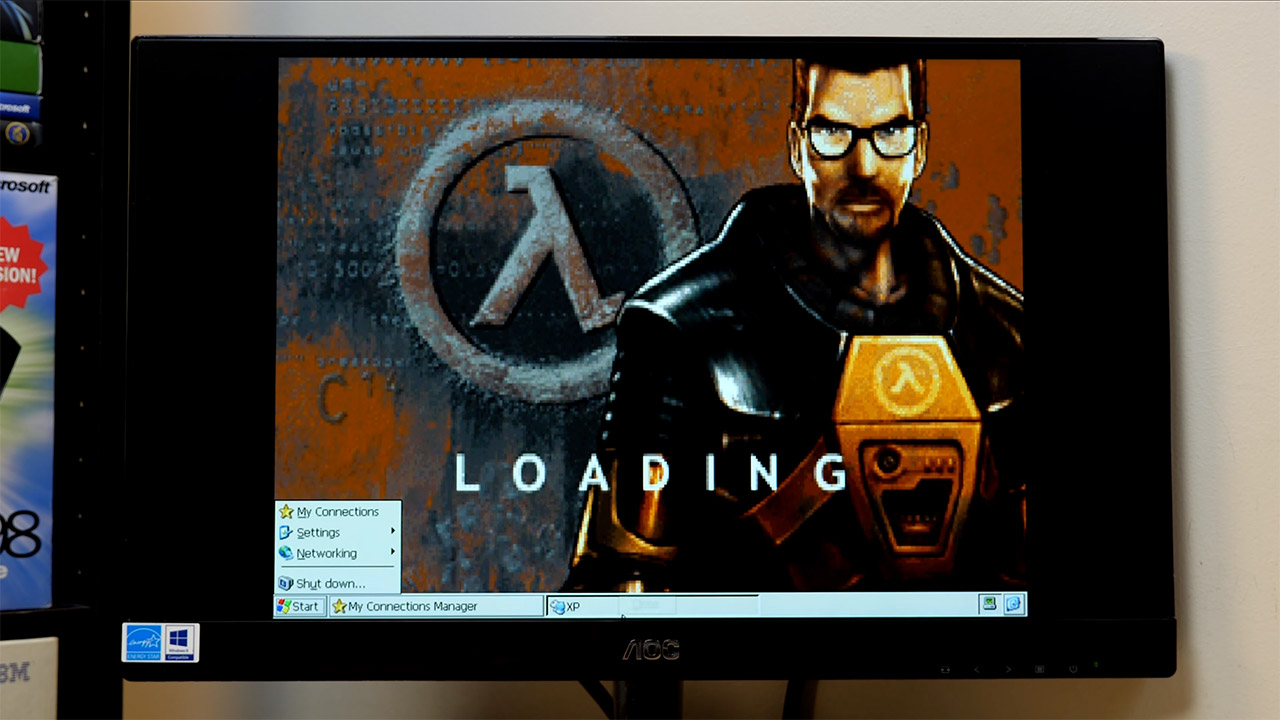
The costs, however, were a bit of a sticker shock for some consumers, with UK prices ranging between 209, 279, and 349 pounds for the three separate variants. In Europe, the middle-of-the-range model was priced between 299 and 499 euros, whereas in the United States, the middle model cost $392. Some reviewers noted that a full desktop was really slightly less expensive. Chip PC maintained that the savings would show up on your power bill, clear off some desk clutter, and reduce the amount of broken computer towers, but you still required a monitor, keyboard, and mouse on your desk. Resolution and color depth were adequate for office work and web browsing, but not for much else.