
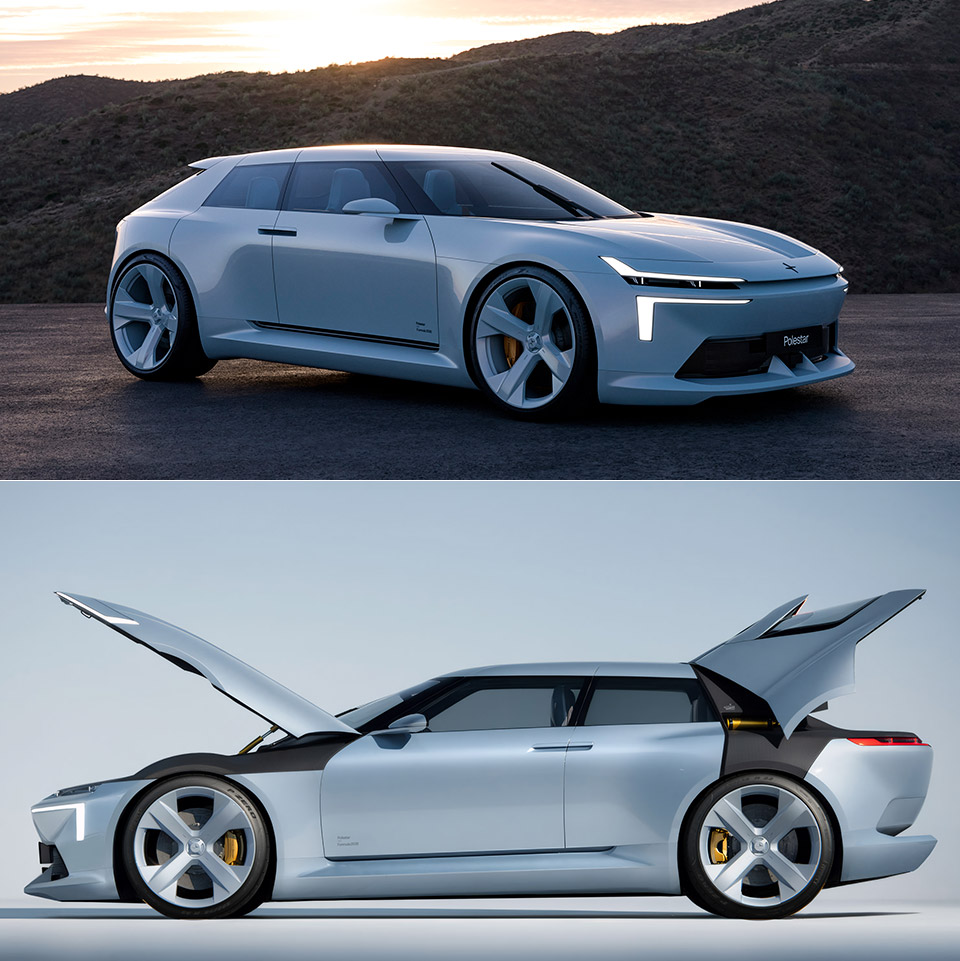
Polestar unveiled the Formula 2030 concept this week as a concrete statement of where its design heads through the rest of the decade. The compact four-door sports car measures 4,680 millimeters long, 2,021 millimeters wide and just 1,350 millimeters tall on a 2,780 millimeter wheelbase, placing it lower than the Polestar 5 and dimensionally between the next Polestar 2 due in 2027 and the Polestar 7 planned for 2028.
The long hood and narrow overhangs give the car a traditional cab-rearward posture, with a large rear haunch. The arches are filled with 22-inch center-lock wheels, with Swedish Gold Brembo calipers sitting directly behind them. The dual blade headlights are integrated into a front aero wing above a deep splitter, reflecting the design proposed for the Polestar 2. This sports a single blade back light instead of the typical horizontal bar, a single vertical windshield wiper tucked in close to the glass, and a LiDAR unit nestled behind the bodywork until the car enters autonomous mode.

- Remote Controlled Tesla Cybertruck!
- Includes Car and Remote Control! Track/Accessories Sold Seperately!
- 1:64 Scale Diecast Toy Vehicle
The rear doors open from the back, with no B-pillar in between. The clamshell hatch swings up to reveal a translucent back panel that shows Öhlins dampers and Polestar bags secured by dazzling gold straps underneath. The Nitrogen paint job is consistent across the car, including the body, wheels, splitter, and diffuser, with Swedish Gold highlights on the brake calipers, seat belts, and interior elements. Philipp Römers, Polestar’s new head of design after leaving Audi, defined the car as a bold new path for the company, taking the familiar elements and pushing the form and performance cues even farther.
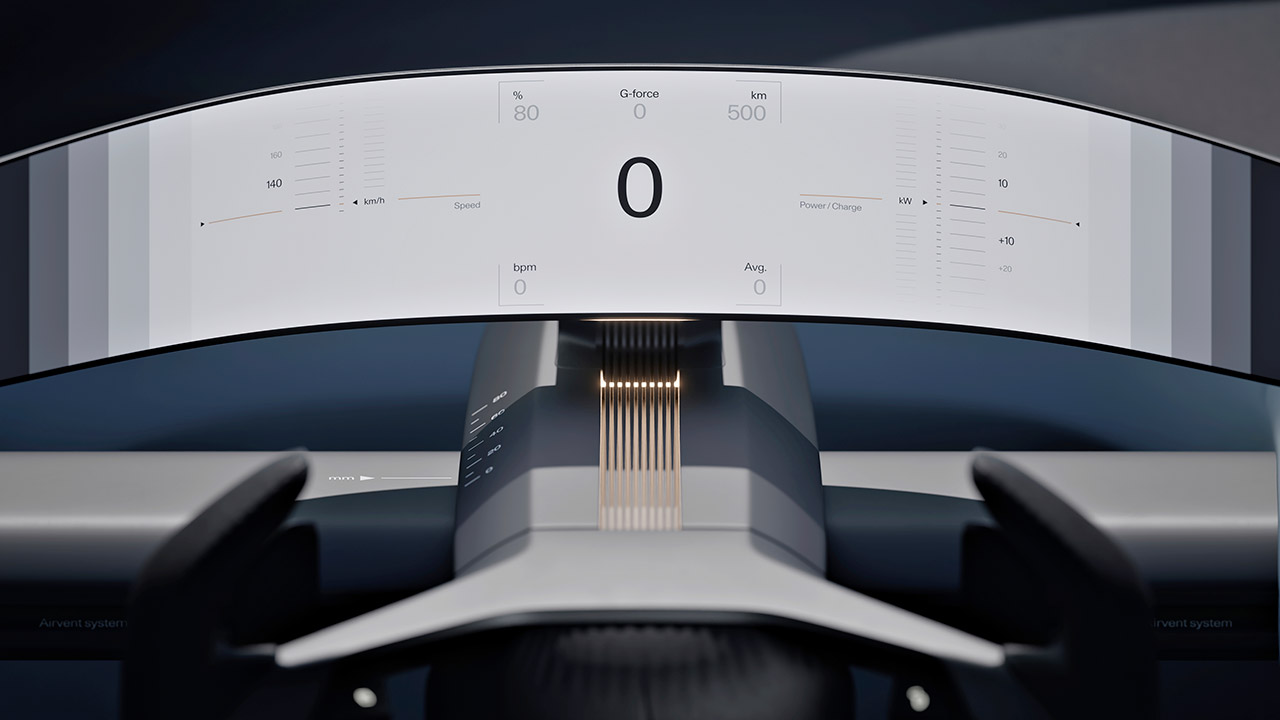
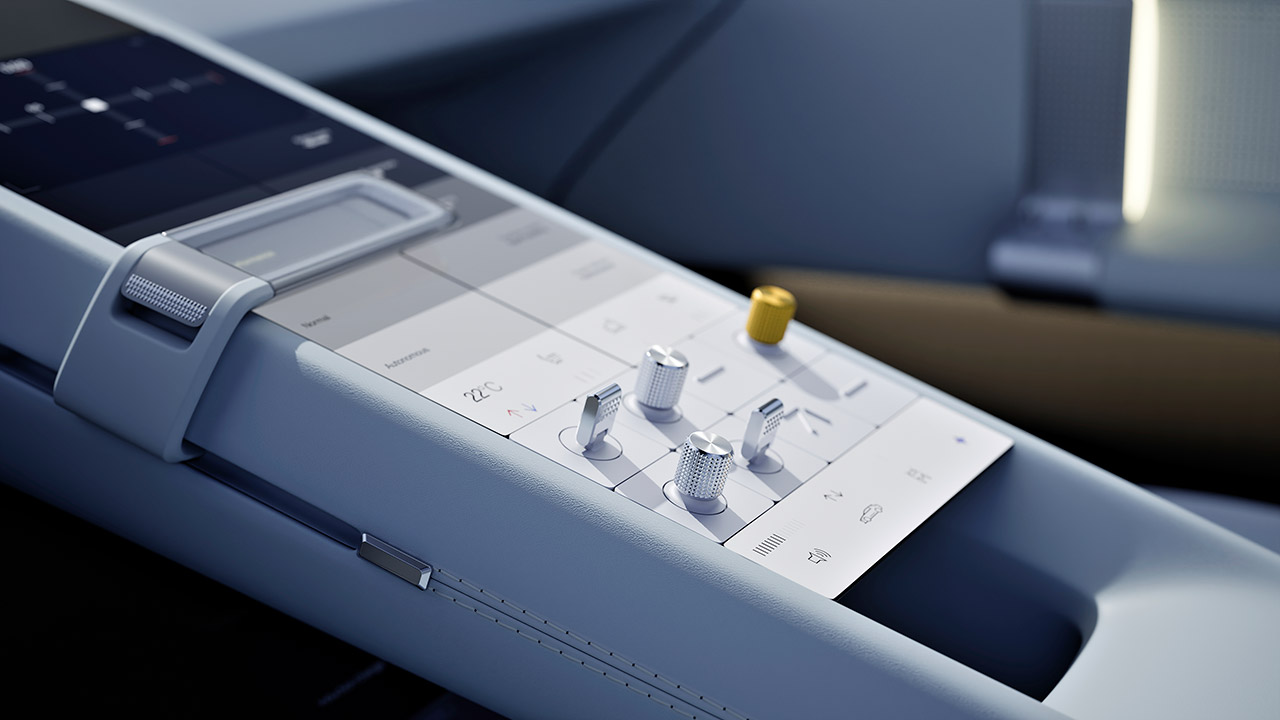
Inside, you’ll find a 20-inch HyperDIM display attached directly to the steering column, keeping it right in your line of sight. Along with it, a 12.2 inch screen is built into the tunnel that comes up, and eight physical controls sit just beneath that screen, with the ability to convert between rocker switches and rotary dials with customizable functions.
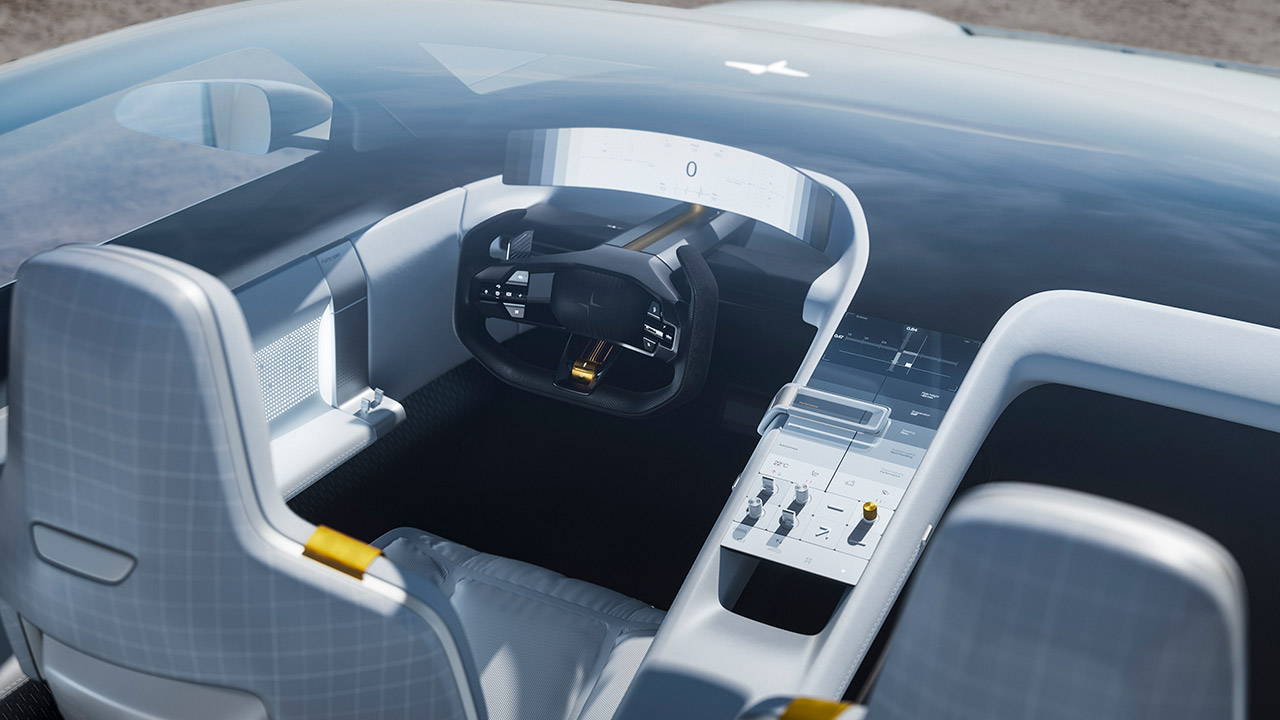
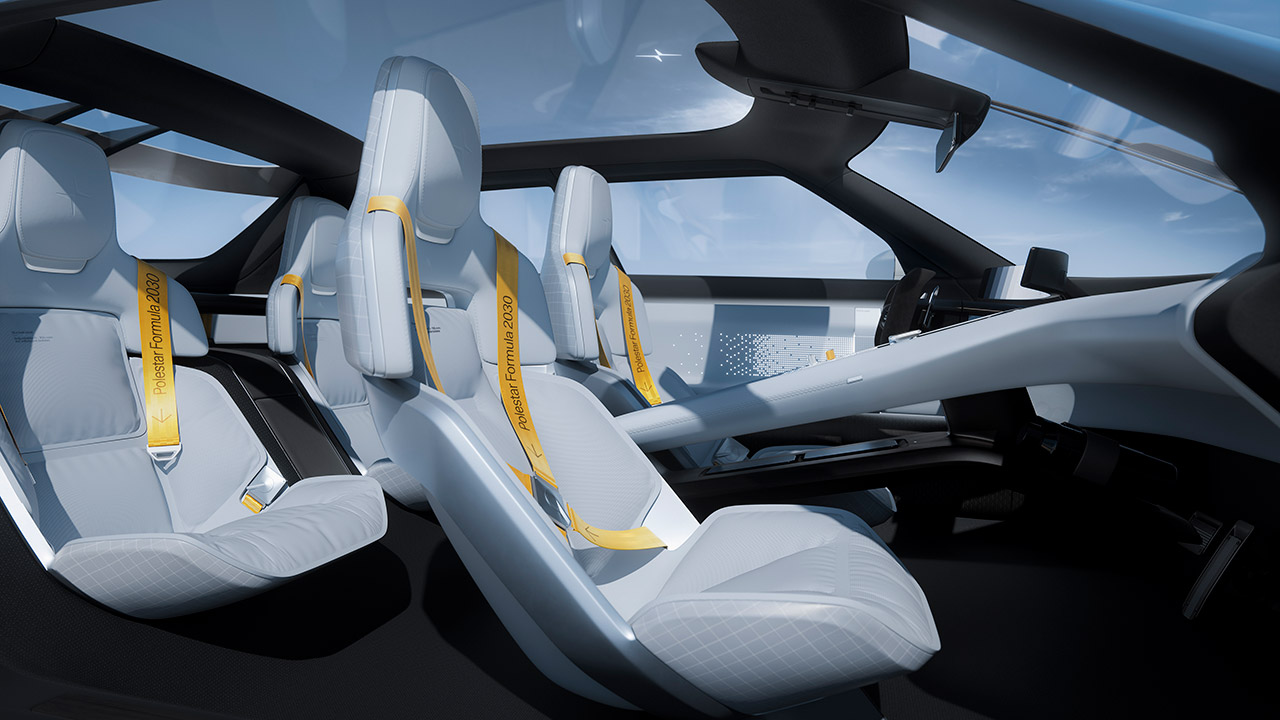
The hardware changes depending on the mode you’re in. Performance mode lowers the screen and brings the wheel and display closer together, whilst Autonomous mode pushes everything out to the sides when the LiDAR unit appears. Four individual seats use inflatable bolsters and cushions that mold themselves to each occupant, and there is a steer-by-wire system that sends inputs electronically, eliminating the need for a mechanical column.
The seat backs are composed of a mix of European flax and polypropylene in a stunning grid pattern that is related to the fields where the fiber grows. To ensure full recyclability, the exposed seat frames and cross-car beam are constructed of low-emission galvanized steel derived from recycled materials and driven by renewable energy. Google Gemini operates in the background to provide voice control.
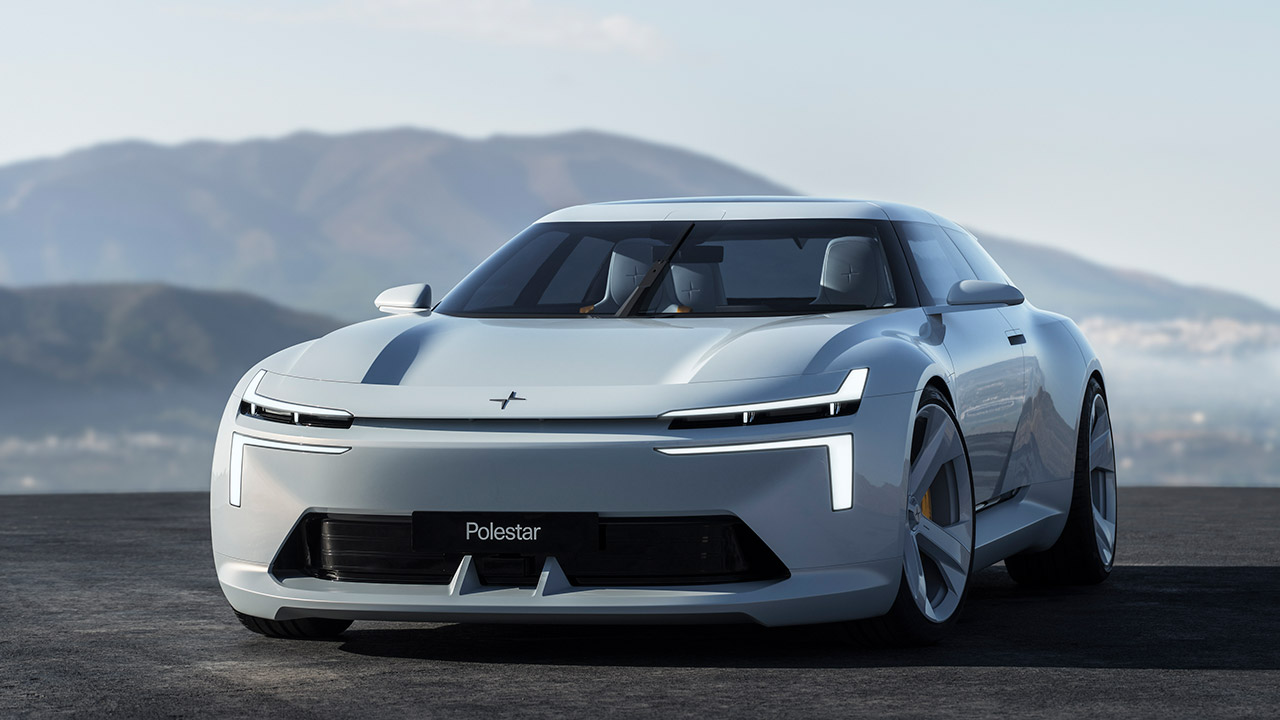
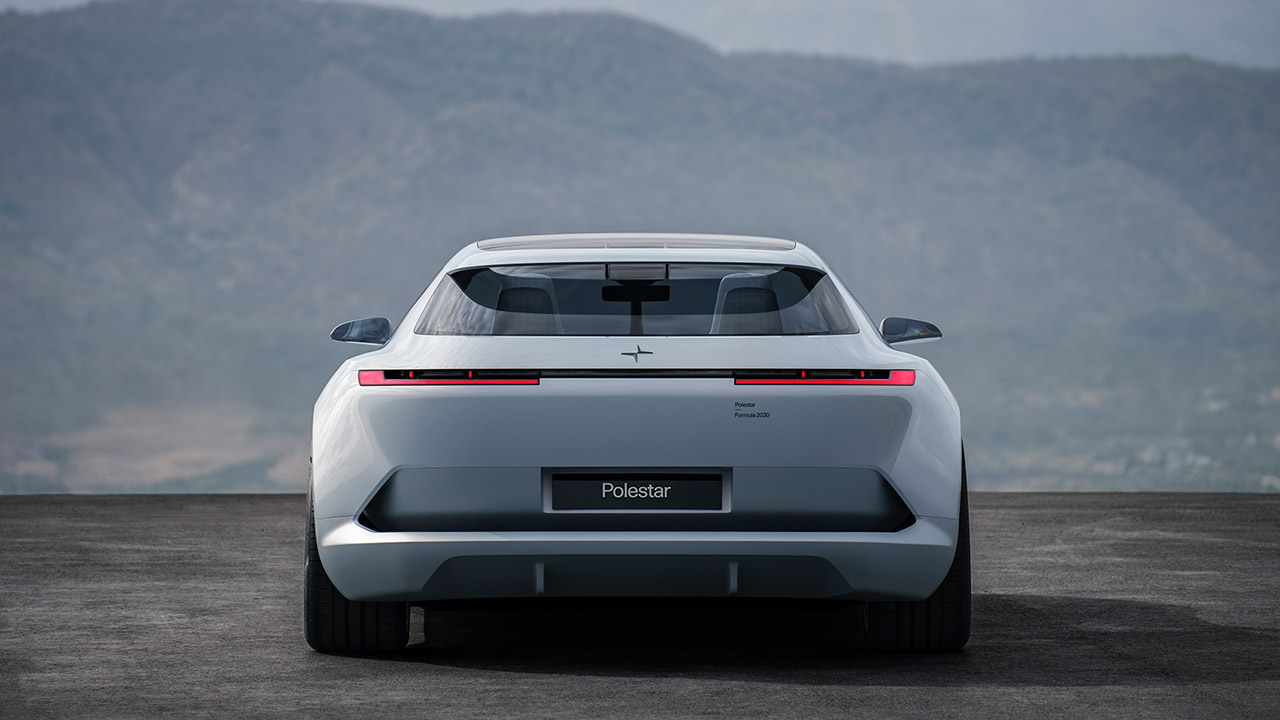
Polestar does not intend to build the Formula 2030 themselves, but elements of the design have been confirmed for the next Polestar 2 and Polestar 7, as they take the same approach of removing what is unnecessary, shaping the parts that require it, and refusing to budge on what is most important.
[Source]