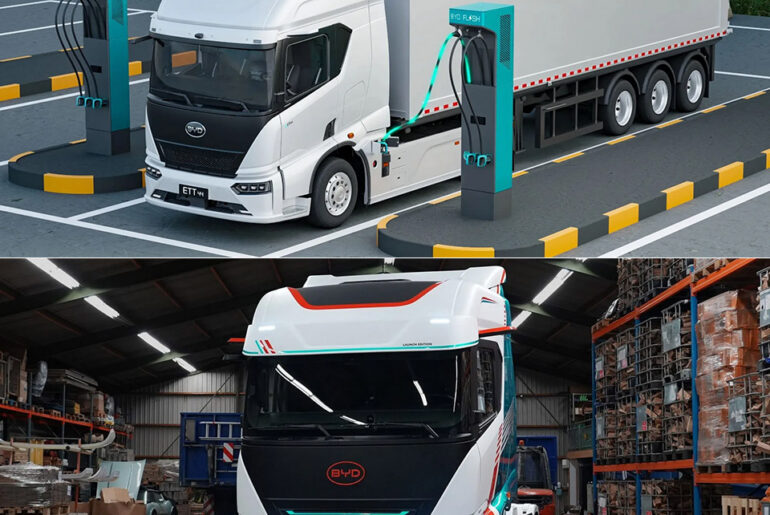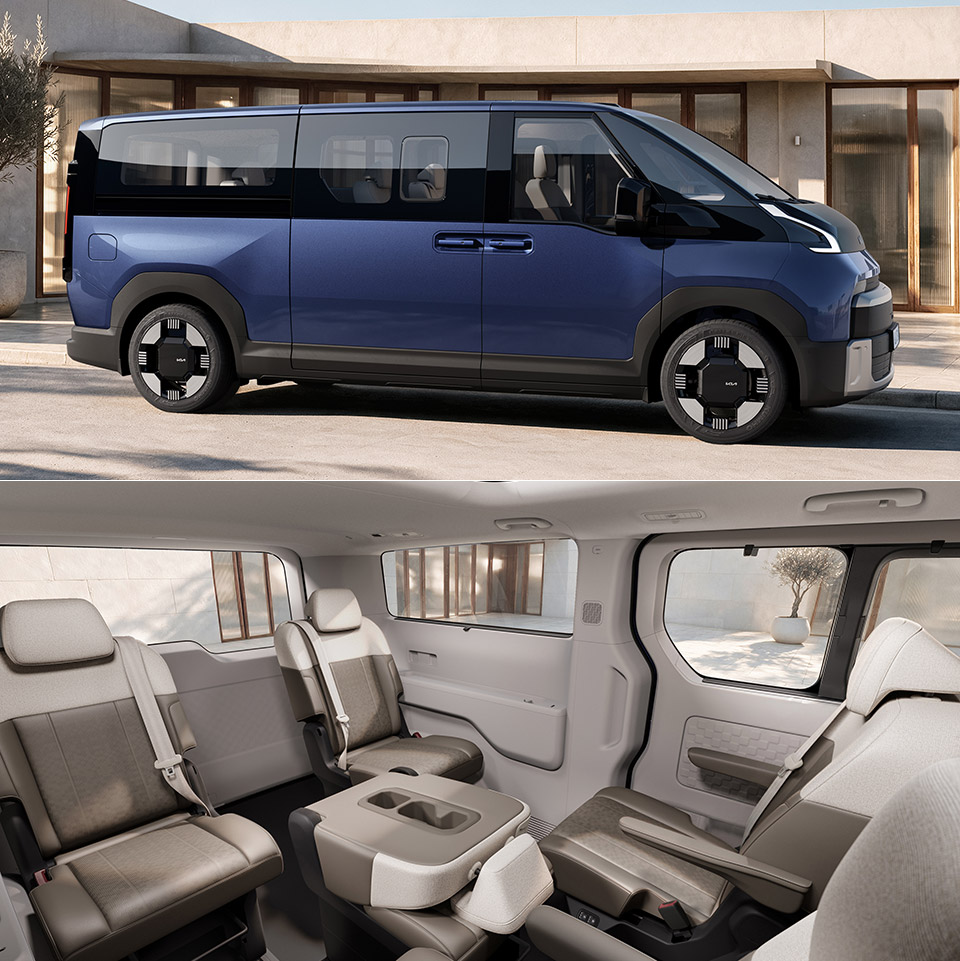
BYD parked a new 4×2 semi-truck at IAA Transportation in Hannover last week and named it the ETT 44. Fleet buyers across Europe now have a long-haul electric option rated for 44-metric-ton combinations, or about 97,000 pounds gross. First customer trucks are scheduled for the second quarter of 2027.

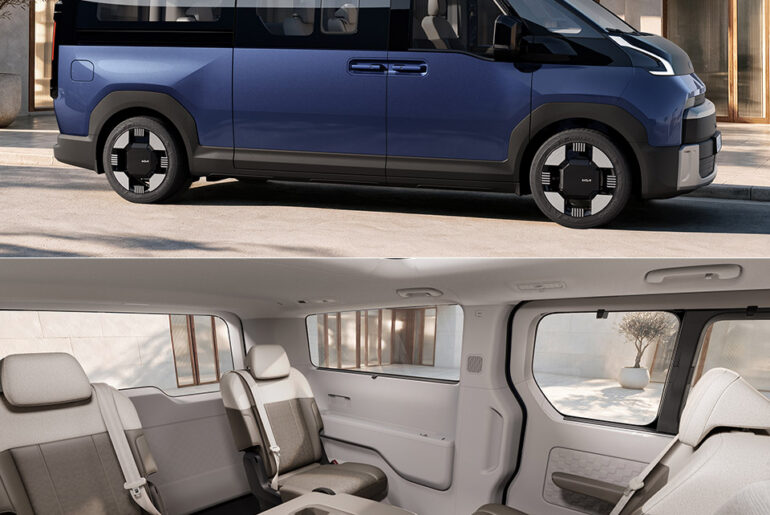
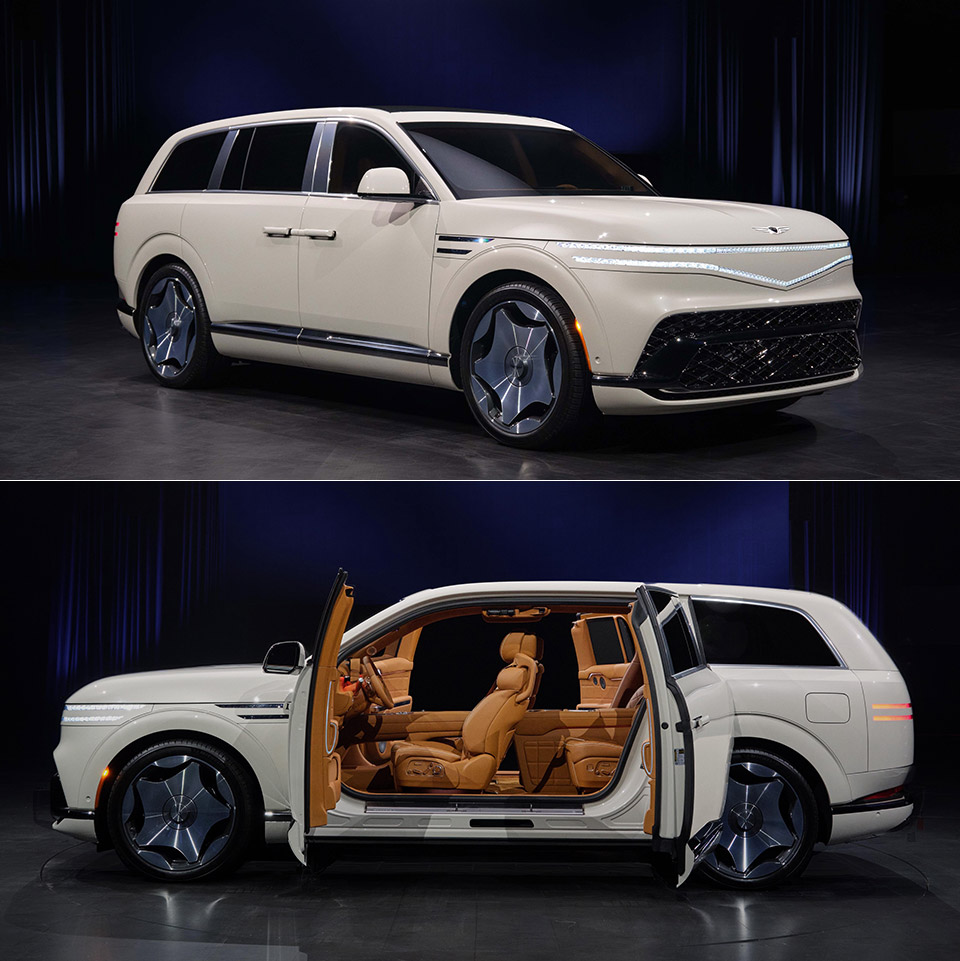
Kia rolled out the PV7 this week at IAA Transportation 2026 in Hannover as the second all-electric model in its Platform Beyond Vehicle family, a step up from the smaller PV5 that went on sale last year. This one targets the midsize light-commercial segment that fleets actually live in, with a blunt one-box shape, short overhangs, a visor-like dark band wrapping the windshield, thin daytime running lights that climb the A-pillars, and chunky wheel arches that give the sides more presence than a typical delivery box. Passenger and Cargo versions share the same Long shell for now, with Compact, high-roof, chassis-cab, and conversion bodies promised later as Kia works toward 23 variants.

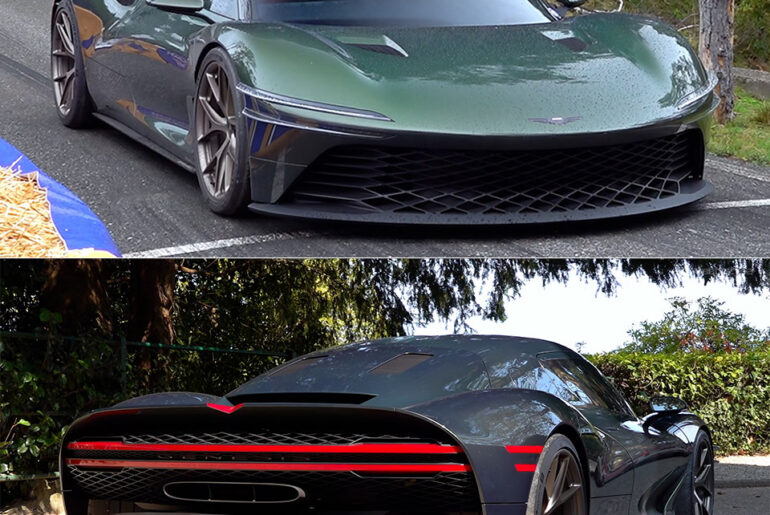
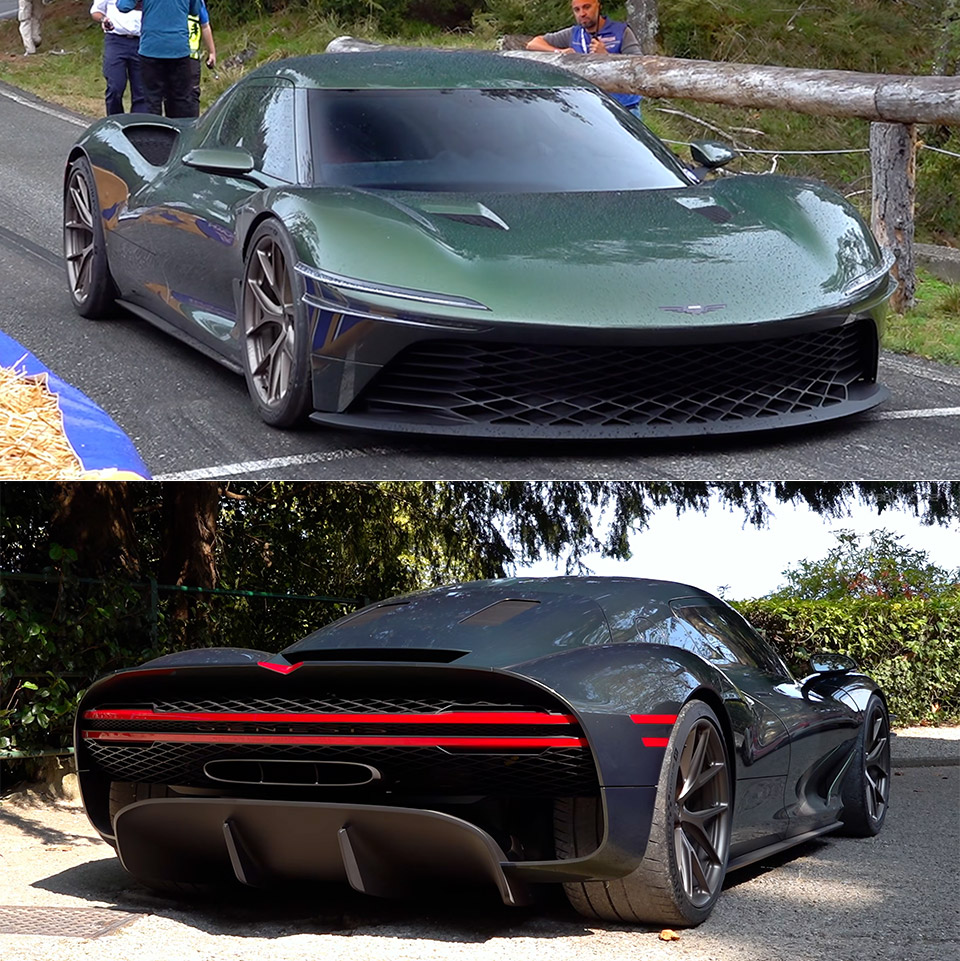
Genesis brought its Magma GT Concept to life on a 9-kilometer stretch of Italian mountain road last week. The mid-engined grand tourer, first shown as a still object at Le Mans in June, rolled onto the closed Strada Borromea on Mount Mottarone for the Tutto Bene Hillclimb, an invitation-only gathering of 85 cars overlooking Lake Maggiore.

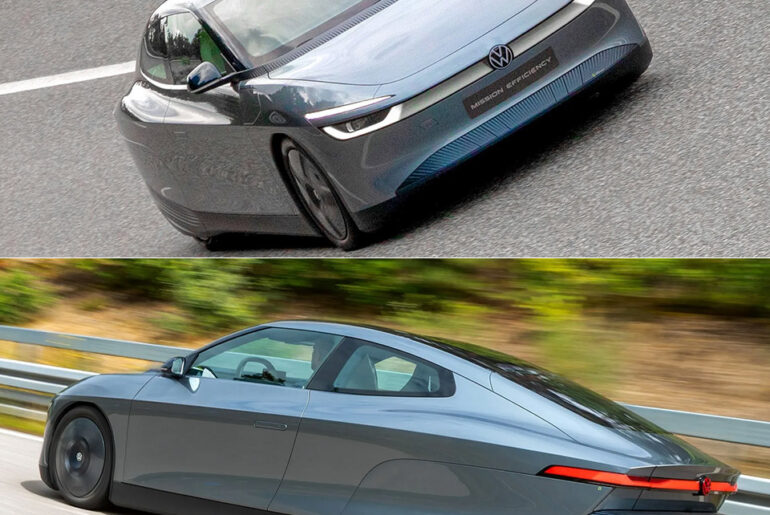
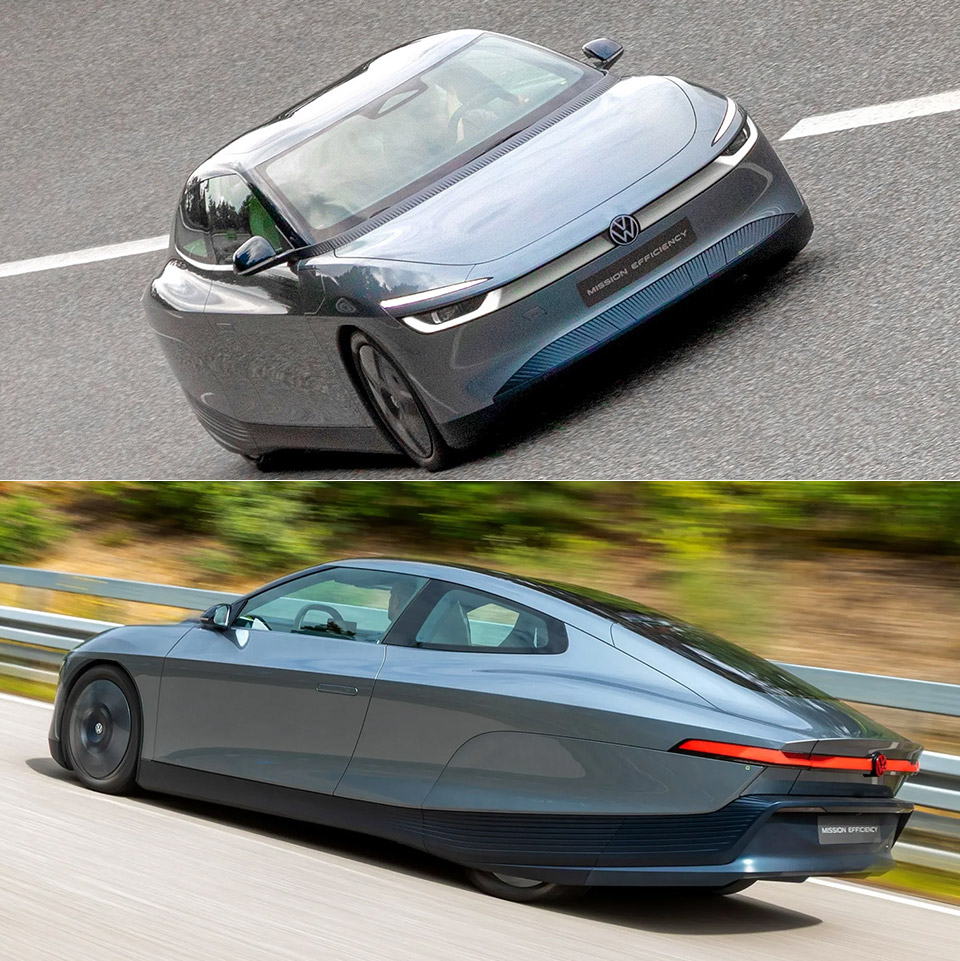
Volkswagen unveiled Mission Efficiency today as a near-production electric 2+2 coupe whose entire brief is to waste as little energy as possible. The car is a clear nod to the 2013 XL1, the plug-in hybrid teardrop that once held the title of the most economical production car on sale. This time the powertrain is fully electric, the platform is the same front-drive MEB+ hardware headed for the ID. Polo and ID. Cross, and the claim is a new record for any road-approved car: a drag coefficient of 0.158.

Photo credit: McMurtry
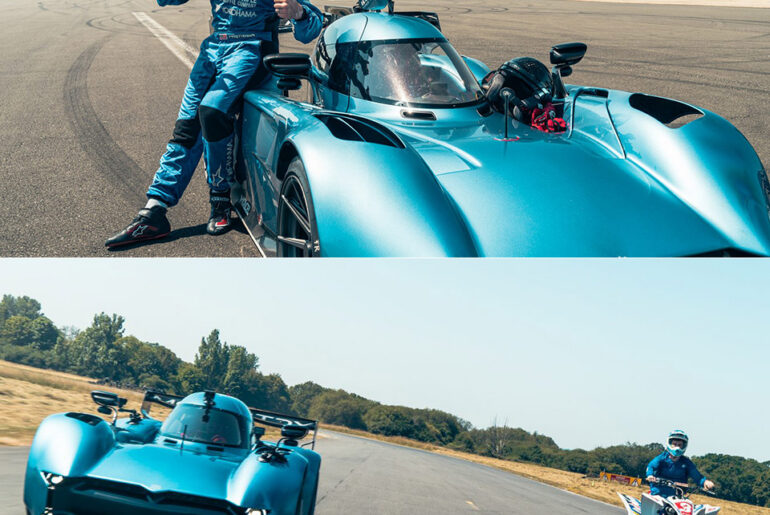
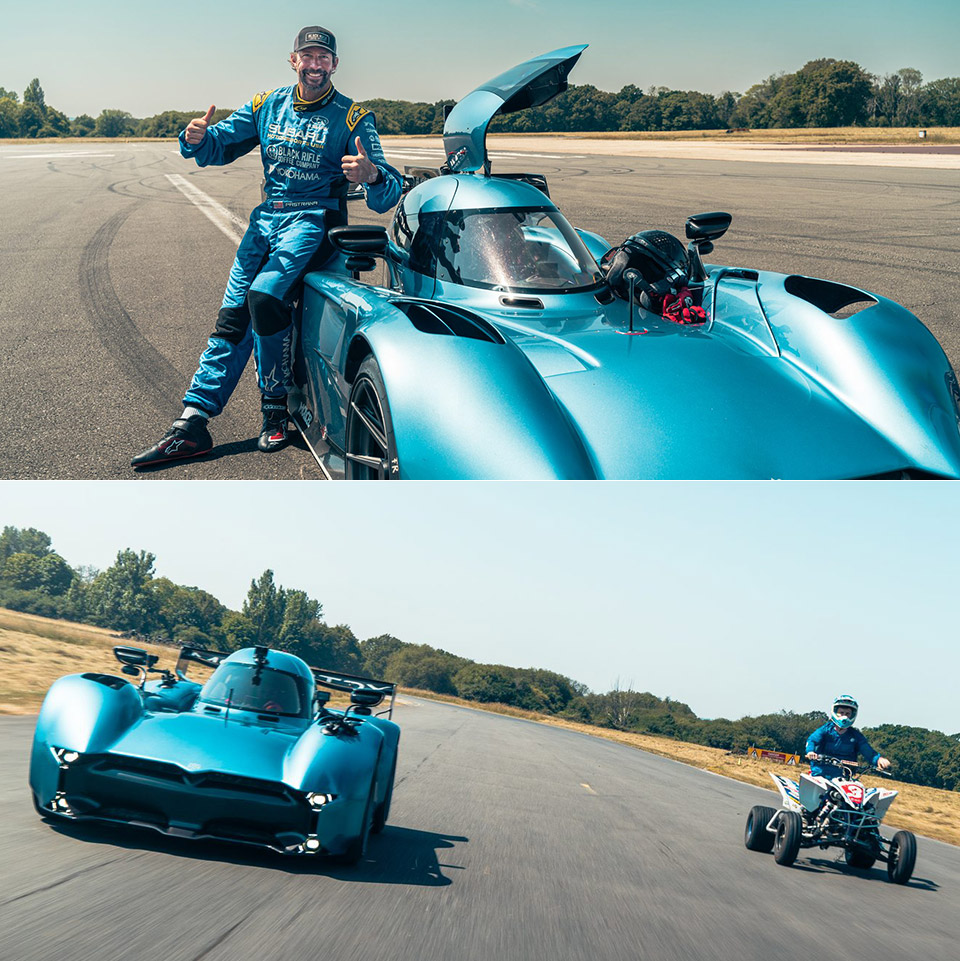
Travis Pastrana has jumped from a plane with no parachute, landed the first double backflip on a motorcycle, collected 11 X Games gold medals, and raced the Daytona 500. On a day at Dunsfold Aerodrome in England, the same airfield used as the old Top Gear test track, he still found something that reset his scale. He climbed into a McMurtry Spéirling prototype and later said he had gone faster than in any vehicle of his life.

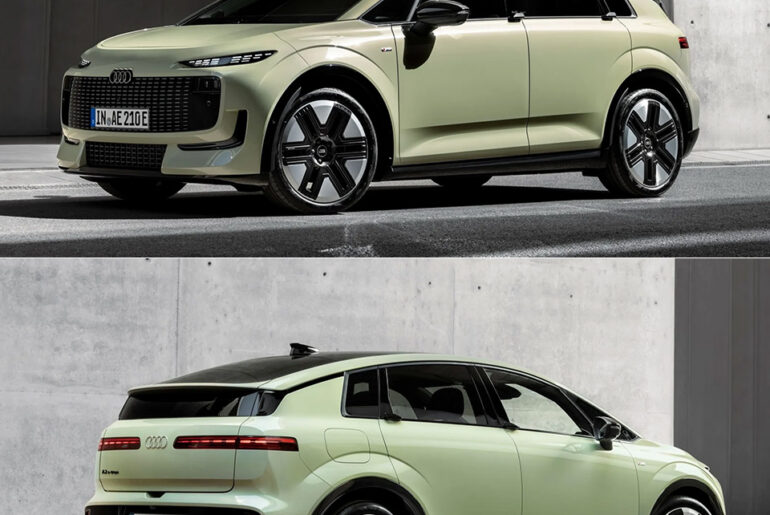
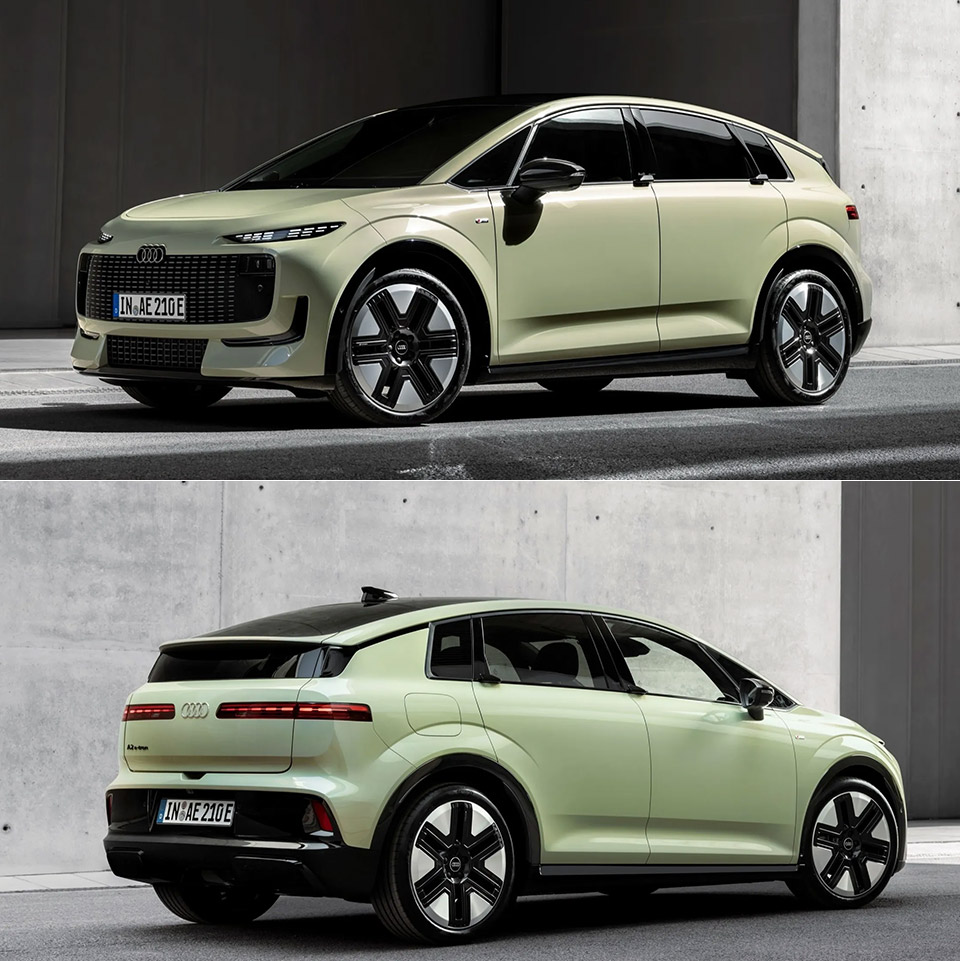
Audi put the A2 name back on a production car this morning, and the claim attached to it is blunt. A2 e-tron is the most efficient electric Audi the company has built, with official consumption as low as 12.8 kWh per 100 kilometers and a WLTP range that reaches 646 kilometers on the largest battery.

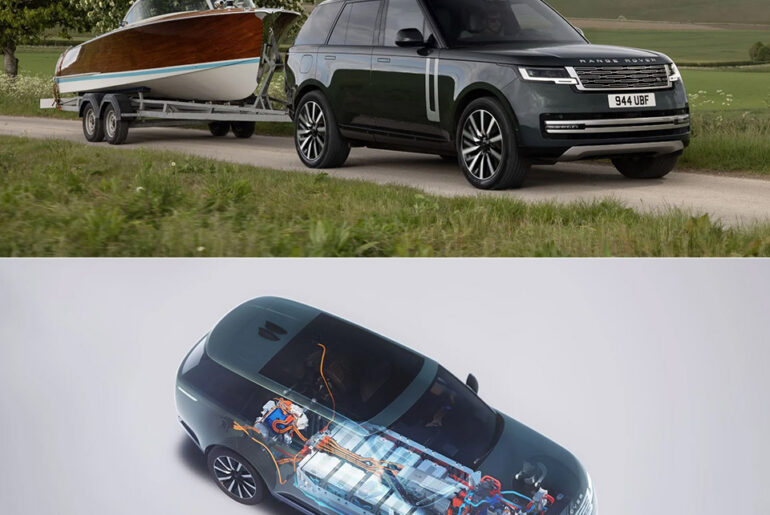
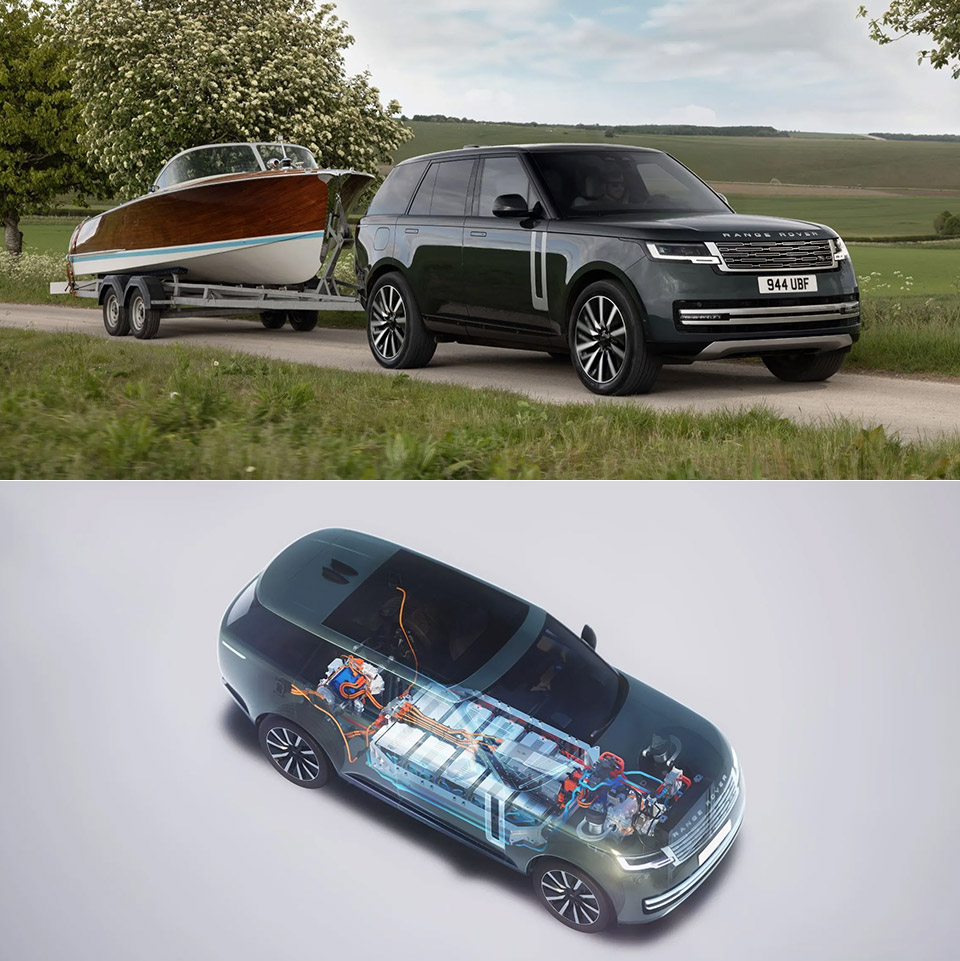
Range Rover Electric finally arrived this week after a delayed decade of work, and order books are open now for the 2027 model. JLR kept the fifth-generation silhouette almost intact, then fitted an aero grille, cleaner wheels, and a smoothed underbody so the big SUV still looks like a Range Rover from across a parking lot. Solihull builds it next to the petrol and plug-in versions, while Wolverhampton makes the battery packs and drive units. Martin Limpert, Range Rover’s managing director, called electric propulsion a natural match for the cabin’s calm, and he also said the company pushed testing further than first planned so the car would still feel like the original luxury SUV.

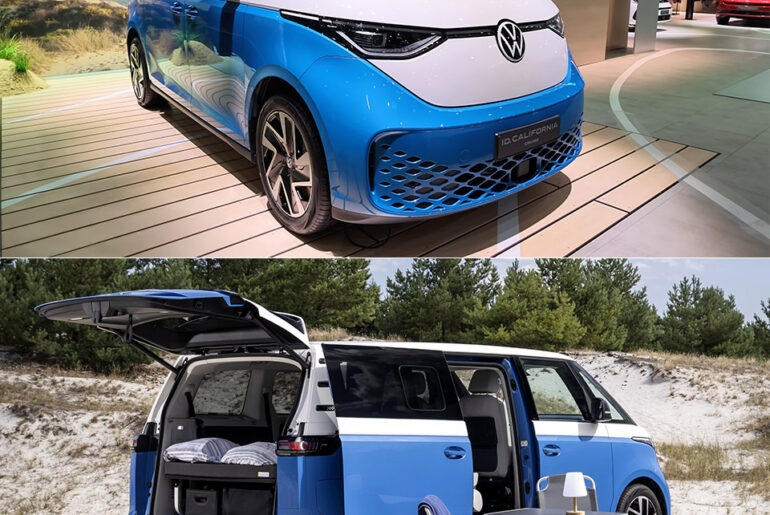
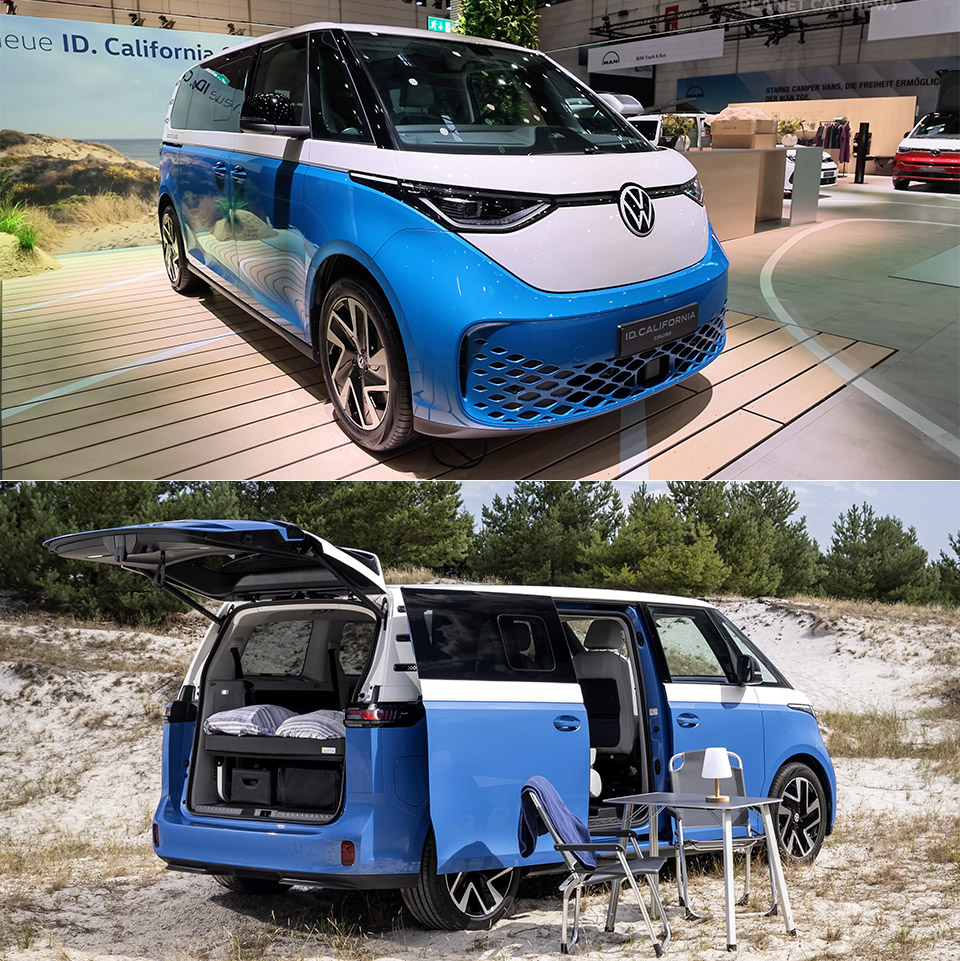
Volkswagen Commercial Vehicles put the ID. California Cruise on the floor at Düsseldorf’s Caravan Salon as the first battery-powered member of a name that has lived on diesel since 1988. Built on the ID. Buzz Pro, the van arrives in short and long wheelbases and keeps the familiar two-tone shape, adding only California lettering on the tailgate and Cruise graphics along the flanks. German pricing starts at €60,761, about $70,500, which undercuts the midsize diesel California Beach by a few thousand euros. First customer vans are due in early 2027, with more electric California variants promised by 2028.

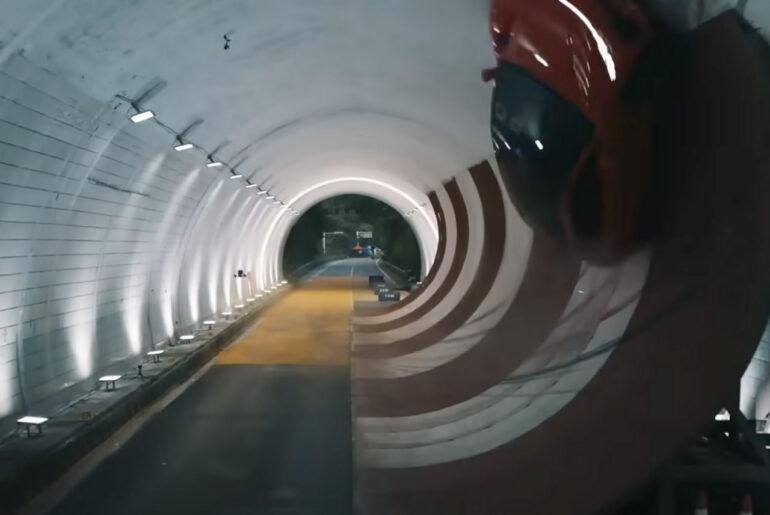
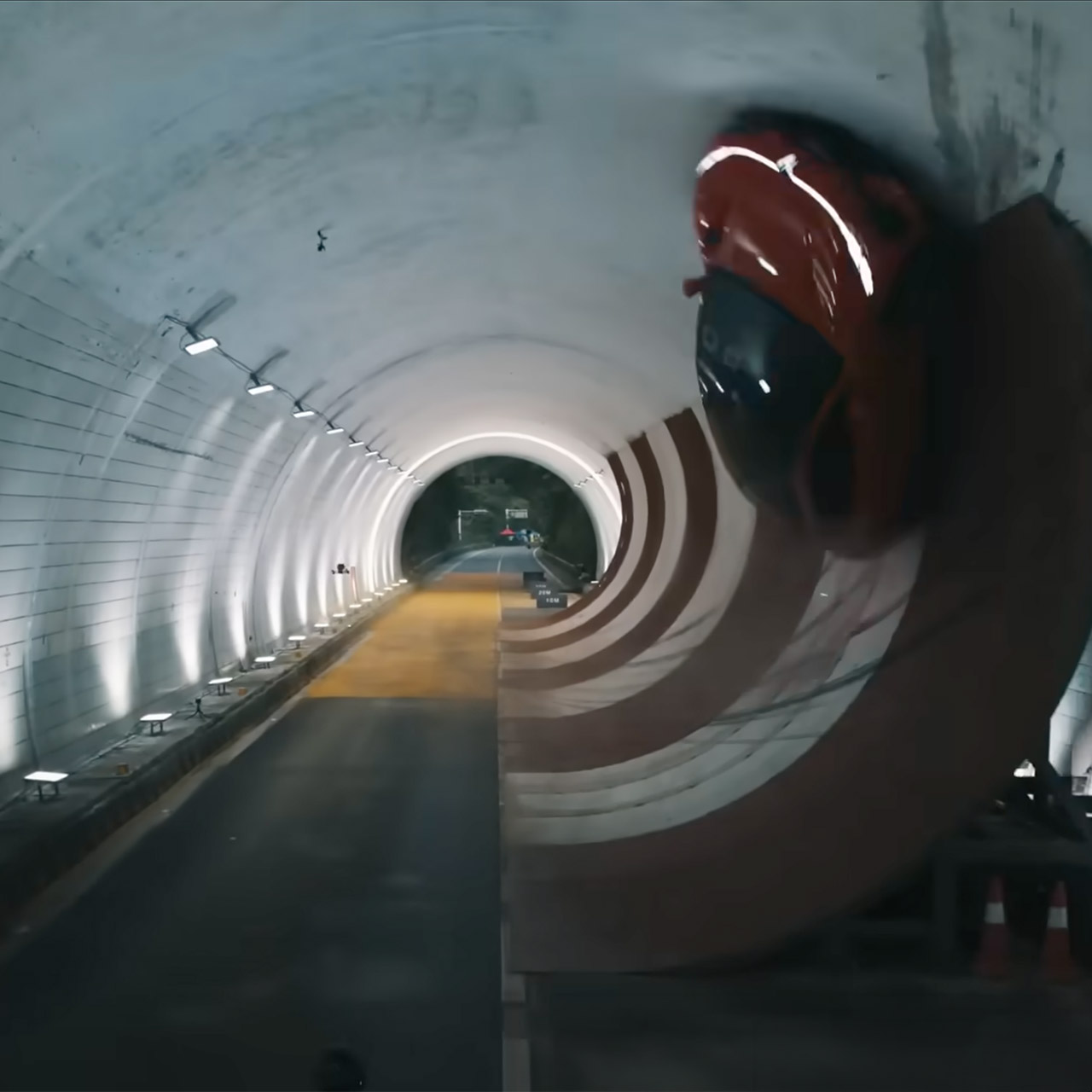
In a closed test tunnel in Wuhan, a production Voyah Passion S electric crossover entered a curved section at roughly 130 kilometers per hour and stayed on the surface until it was driving across the ceiling. Drivers held about 16 degrees of steering lock the entire way, generating the continuous force that pressed the tires into the wall and then the roof before bringing the vehicle back down the opposite side in one unbroken run.

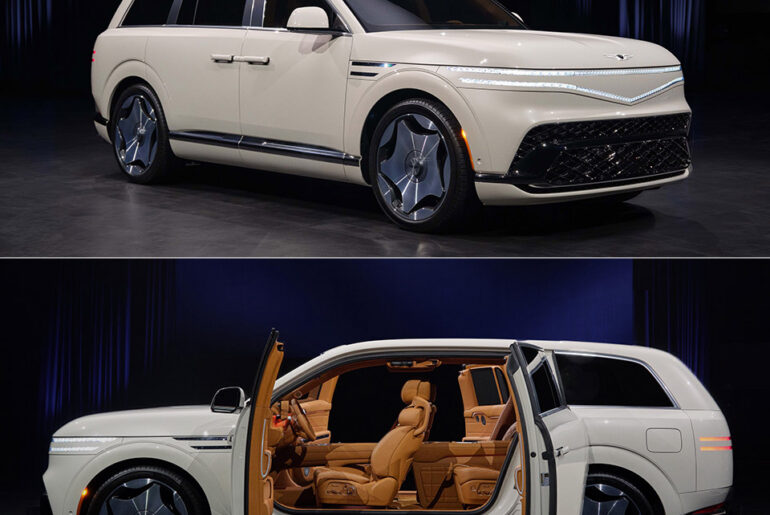
Genesis just showed the world its first full-size electric SUV, the GV90, and the doors alone are enough to stop traffic. On the range-topping Neolun version, the rear doors open backward while the fronts swing forward. A dual-motion hinge lets the rear doors slide out a short distance first, then swing wide. When both pairs stand open, the B-pillar vanishes from view. Genesis calls the arrangement the Neolun Arch Gate and claims it is the first coach-door system that can open and close each door on its own. The result is a single, unbroken opening that feels closer to stepping into a private lounge than climbing into a conventional three-row SUV.