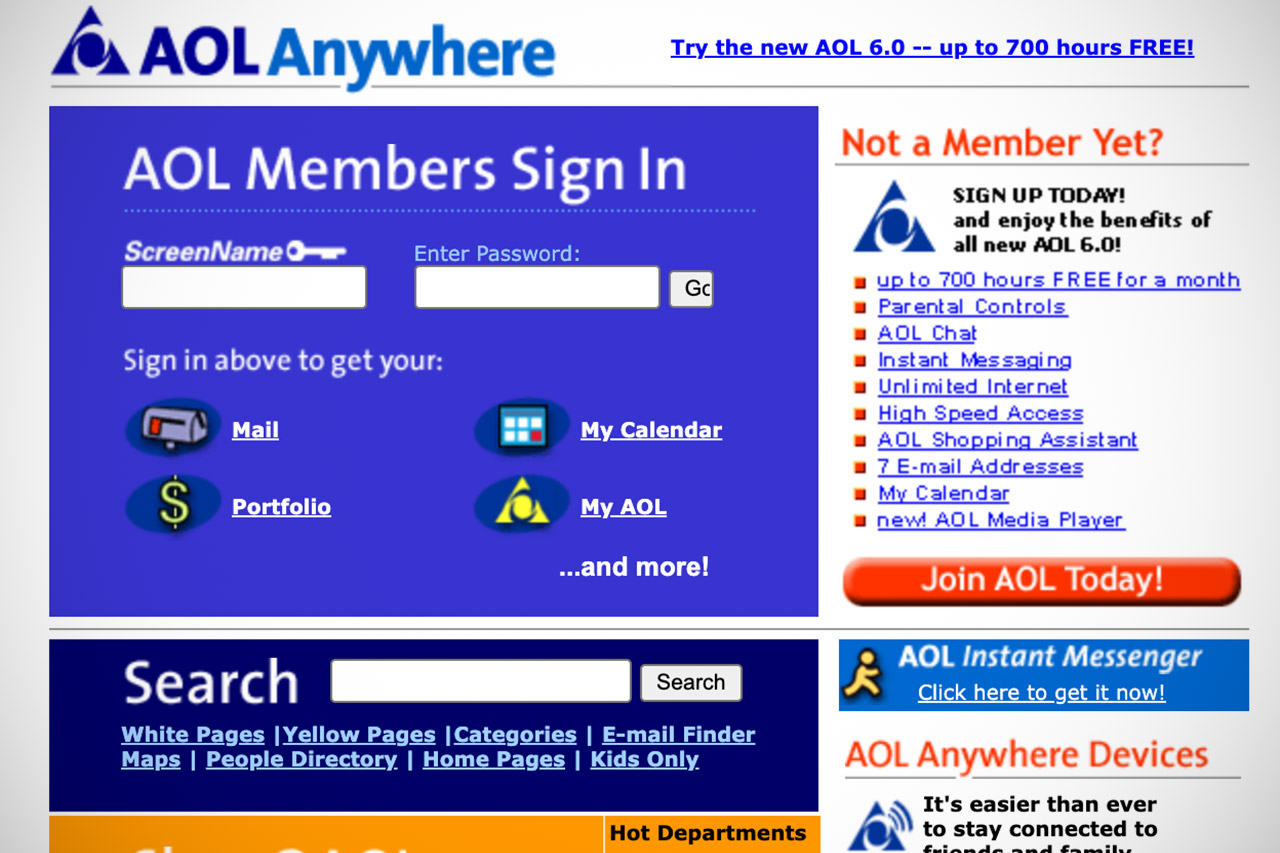
A sound once synonymous with the internet—a screeching, crunching melody of beeps and static—will soon fade into silence. AOL, the company that brought millions online with its dial-up service, is discontinuing this relic of the digital age on September 30, 2025. Along with it, the AOL Dialer software and AOL Shield browser, designed for slower connections and older systems, will also disappear.
AOL’s dial-up service launched in 1989 under the name Quantum Computer Services and changed how people accessed the online world. Back then, the internet wasn’t a seamless utility humming in the background of daily life. Connecting required a modem, a phone line and a dose of patience as speeds crawled at 56 kilobits per second under ideal conditions. AOL made this process approachable especially for those intimidated by the technical complexity of early computing. Its user-friendly interface and “walled garden” of curated content—chat rooms, news and games—offered a guided tour of the internet’s wild frontier. By 1995 AOL had 10 million subscribers, fueled by an aggressive marketing campaign that blanketed the world with free trial CDs.

- Faster Performance for Everyday Computing: Powered by the Intel Celeron N5095 processor (4 Cores, 4 Threads, up to 2.9GHz), the KAMRUI AK1PLUS Mini PC...
- 16GB RAM & Up to 4TB Expandable Storage: Work faster with 16GB LPDDR4X memory and a high-speed 256GB M.2 2280 SSD for quick boot-ups and smooth...
- Dual 4K UHD Displays for Maximum Productivity: Expand your workspace with dual HDMI 2.0 outputs, supporting two 4K@60Hz UHD displays simultaneously...
Dial-up’s dominance didn’t last. The 2000s brought faster alternatives—cable, DSL and fiber—delivering speeds that left 56 kbps in the dust. Broadband turned the internet from a novelty into a necessity and smartphones, led by the iPhone’s debut in 2007, made connectivity easy. AOL’s subscriber base dwindled as users traded slow modems for always-on connections. Nonetheless, the service lasted for 34 years, servicing a tiny but dedicated core of subscribers, primarily in rural places where broadband was limited.
Why did AOL hold on so long? For some, dial-up was a lifeline. In remote corners of the U.S. where modern infrastructure lags traditional phone lines were a reliable if slow way to get online. Affordability played a role too—dial-up plans were cheaper than broadband or satellite alternatives. The AOL Shield browser and Dialer software served these holdouts, supporting older operating systems and low-bandwidth needs. But as broadband and 5G expand even these niches have shrunk. AOL’s decision to end the service is simple: faster, more accessible options now cover the globe.
The announcement is buried in AOL’s help pages but it marks the end of more than just a service. It’s the end of an era of internet history that shaped how millions first experienced the digital world. AOL wasn’t just about getting online; it was a cultural touchstone. Its Instant Messenger with its door-slam sound for signing off created early online communities.
[Source]