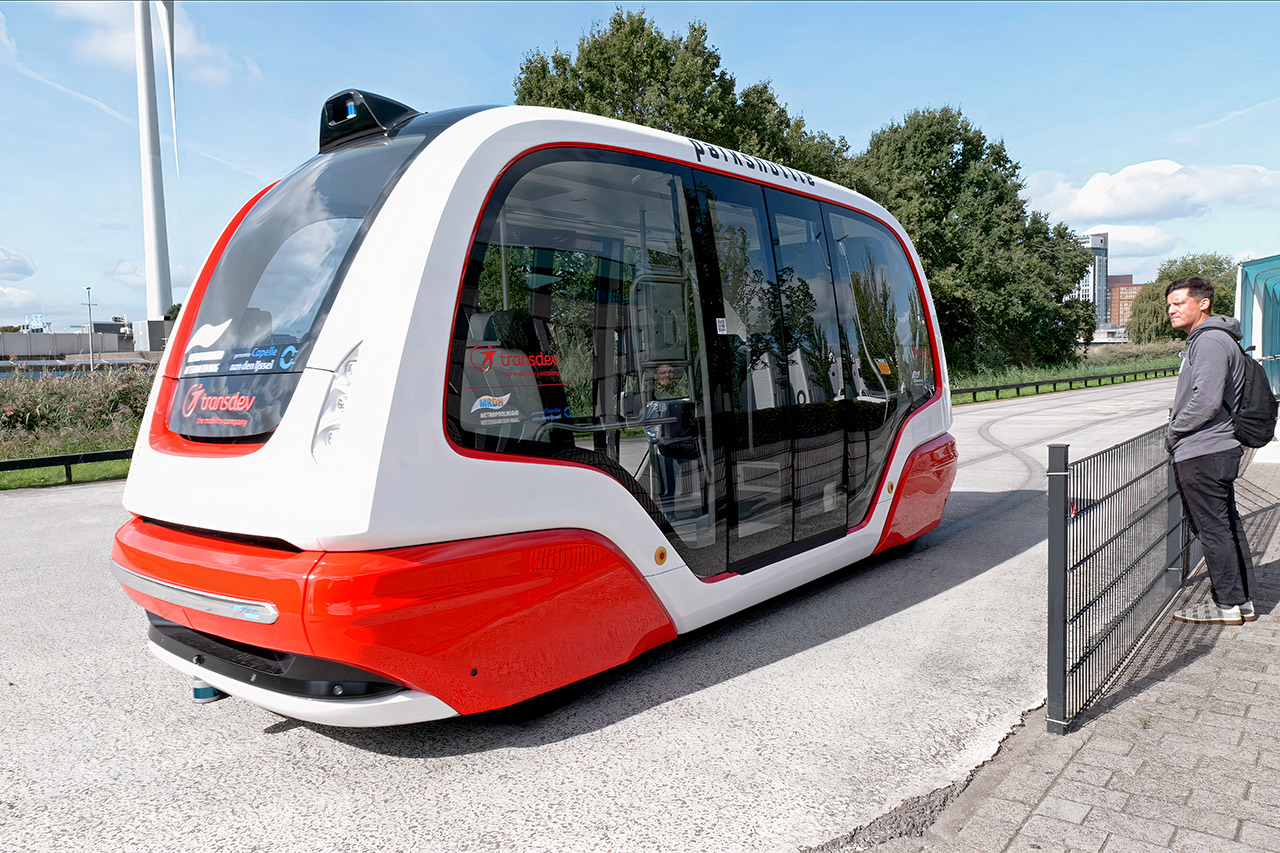
Riders waiting on the platform at Kralingse Zoom metro station in Rotterdam board one of six small electric vehicles that cover the 1.8-kilometer run to the Rivium business park in Capelle aan den IJssel entirely on their own. ParkShuttle service began in February 1999 as a practical answer to a short but repetitive connection between a busy metro stop and a growing office district on reclaimed land.
Local planners were looking for a means to make frequent trips without breaking the bank by hiring a full-time driver for each individual journey. So the Dutch company 2getthere, which had previously worked on automated vehicles in the Port of Rotterdam, came in with a solution that met the description. One operator stays in a control center and monitors the entire operation, while the cars do the driving.

- WHY IPAD MINI — The full iPad experience in an ultraportable design. Featuring Apple Intelligence.* With an 8.3-inch Liquid Retina display...
- APPLE INTELLIGENCE — Apple Intelligence is the personal intelligence system that helps you write, express yourself, and get things done...
- 8.3-INCH LIQUID RETINA DISPLAY — The gorgeous Liquid Retina display features advanced technologies like P3 wide color, True Tone, and ultralow...
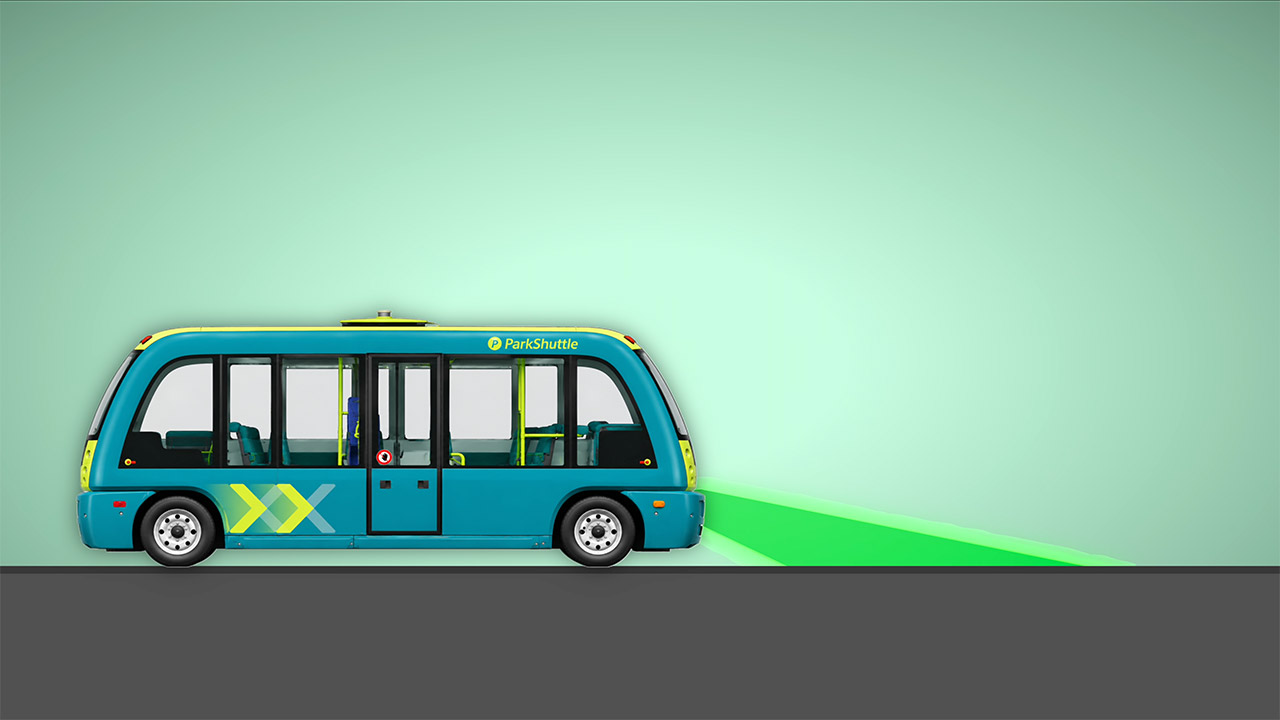
To keep the shuttles on track (no pun intended), magnets buried in the pavement provide a continual reference point for their exact location. Meanwhile, onboard computers use wheel rotations and steering angles to determine their location and direction to within a few centimeters. Lasers and ultrasonic sensors are installed on the cars to keep a look out for any obstructions. If these detect anything on the path, they will automatically stop.
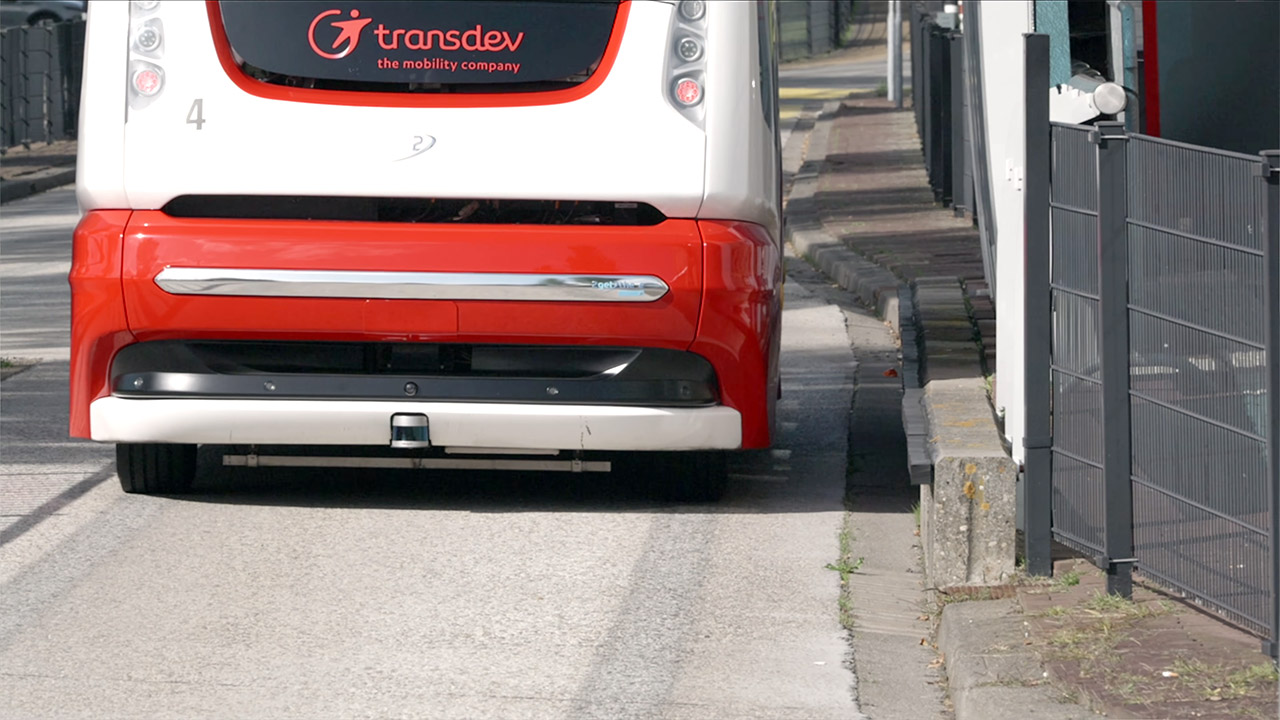
The bulk of the route has been designated as its own right-of-way, but vehicles must share level crossings with cars, cyclists, and pedestrians. Don’t worry, barriers and warning signals will come into operation to clear the way for the next car. Peak hours run every two and a half minutes from 6 a.m. to 9 p.m. on weekdays; during other times of the day, simply push the button at the stop and the next available vehicle will arrive. Each can transport up to 22 people, with a combination of seats and standing room, and charges automatically at the metro station.
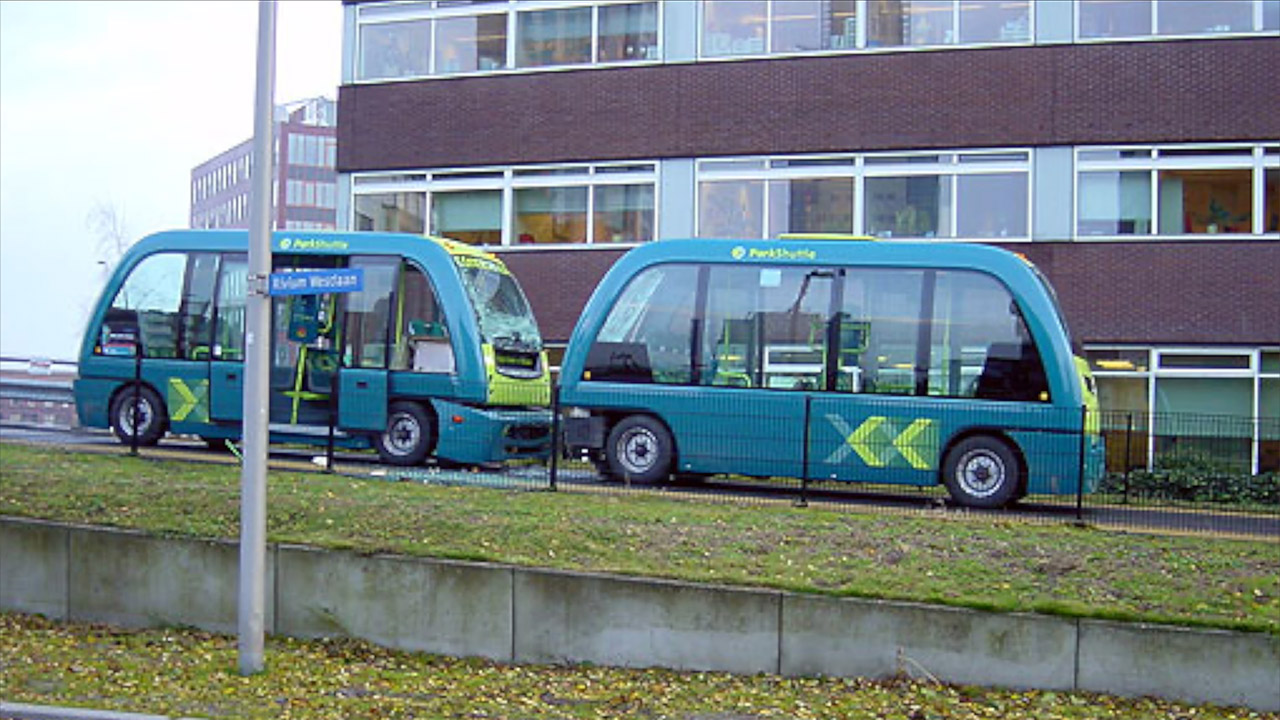
The first batch of cars could only transport a few passengers and had to run on a single track with passing areas. By the end of 2006, a new generation of higher-capacity shuttles had begun operations, complete with a mainly dual-lane roadway. The six were officially launched by the Dutch prime minister and have been in daily operation for over a decade, with each clocking over 200,000 kilometers and ferrying thousands of passengers back and forth on workdays.
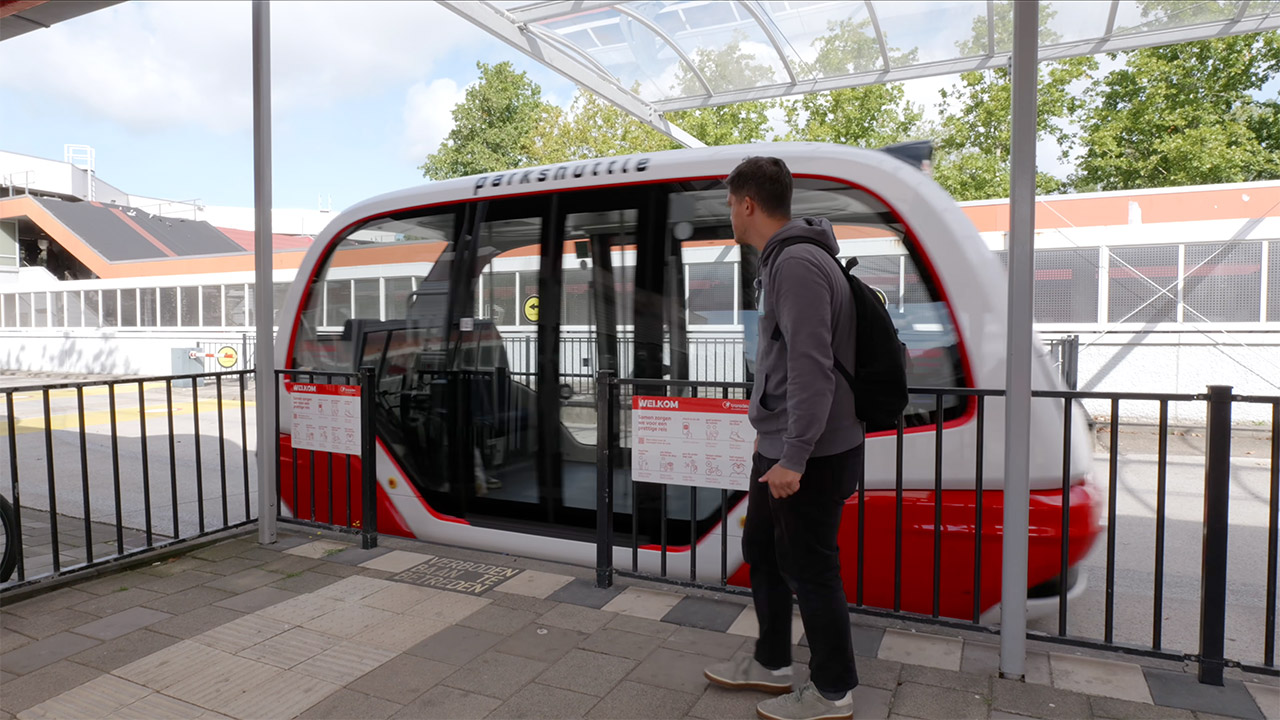
Five years later, a third generation of vehicle came (although slightly delayed due to the pandemic). These modern vehicles are slightly lighter, have air conditioning, and can travel in either way, eliminating the need for turning loops at the end of the line. The system still uses the original magnet-based guidance and sensor suite, but it can now handle mixed traffic on extensions to the waterfront, as well as connect to the Waterbus. The operator, Connexxion, is still part of the Transdev group, and they have a concession to run the route from Rotterdam to The Hague.
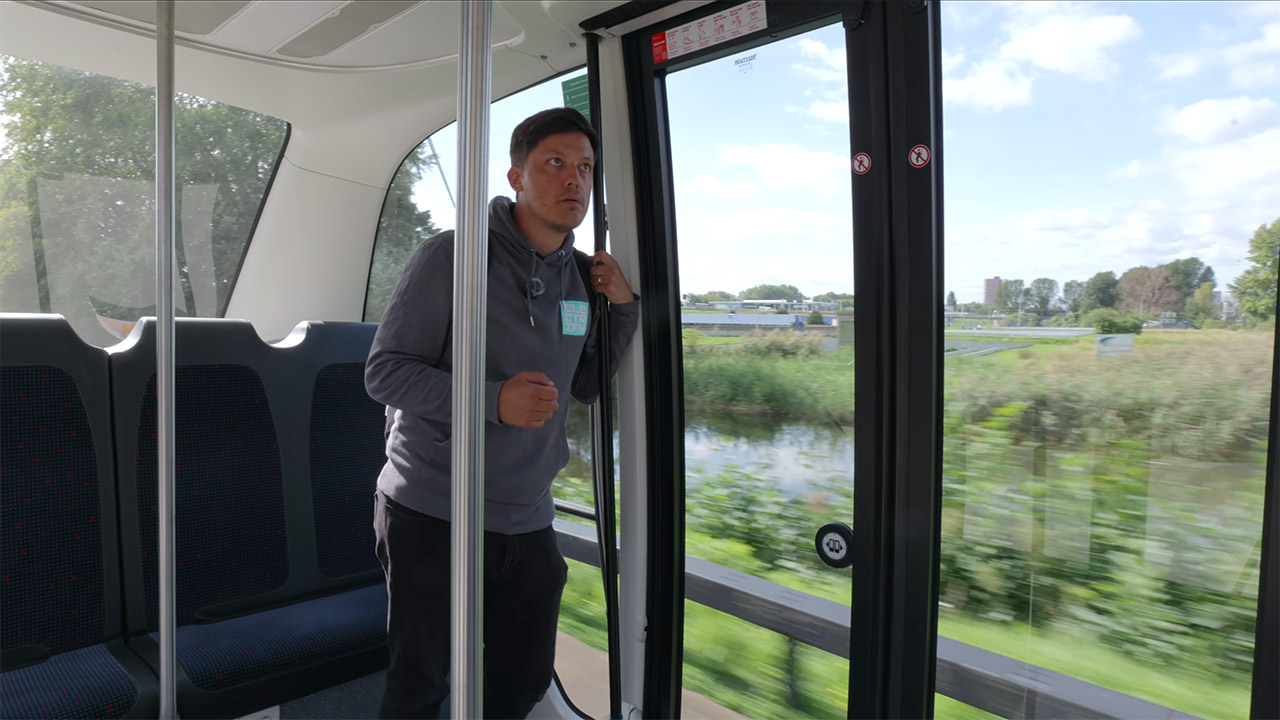
Today, around 1,850 people utilize the service every day, and the existing fleet has just reached a million passengers. The older generations between them have transported many million more passengers over the years. Back in the day, there was a little wobble when a couple of empty vehicles collided during testing, but the system has been a model of dependability. Yes, you read that correctly: it’s been serving the public for nearly three decades, with no safety driver in sight. Long-term, the idea is to expand the route into regular streets, with the same autonomous operation but a much longer journey. This brief yet useful automated shuttle service has been relatively trouble-free.