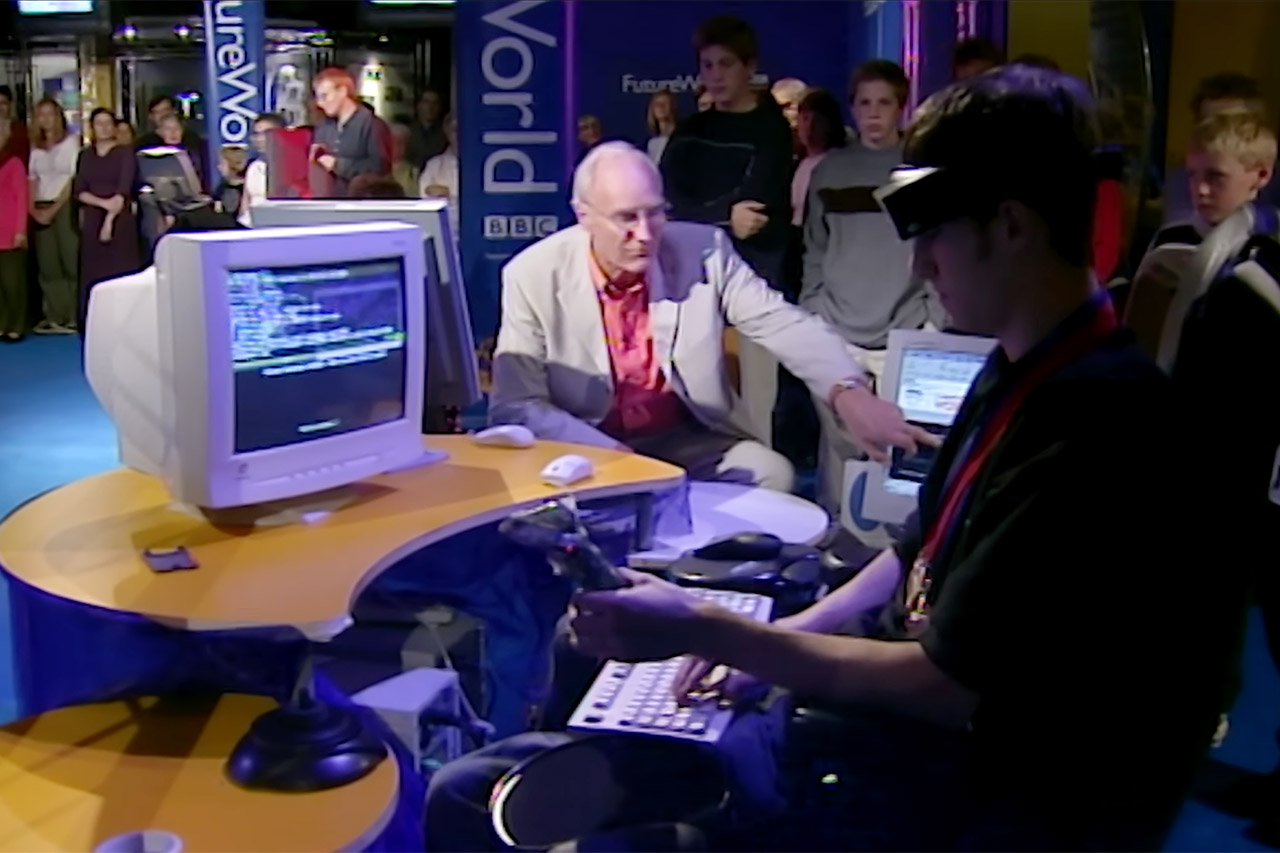
Peter Snow and Lindsey Fallow opened their special edition of Tomorrow’s World with a simple greeting from the BBC Futureworld exhibition in Bristol. This was a Webwise special meant to give viewers a practical head start on the internet. More than 330 million people were already online around the planet, and new users were joining every second. The live show mixed demonstrations of new hardware and software with challenges for ordinary families still getting their bearings.
Elliot, the teenage gaming champion, sat down in a chair outfitted with fancy haptic feedback technology while wearing some very spectacular 3D goggles. The chair began to get the old pulse going with each explosion and rocket launch as he played an online game against hundreds of opponents from all around the world, all in real time. To add to the amusement, a webcam stream showed several of the opponents joking around at a London cyber cafe. The setup effectively transformed what would otherwise be a faraway online contest into something that felt very real.

- Most Comfortable And Relaxing: Equipped with headrest and lumbar pillow. When your neck feels sore from gaming or working with head down for a long...
- More Stable Than Others: Common gaming chairs are equipped with plastic legs generally to save costs, but we still insist on applying the same...
- Liberate Your Feet: Will you feel tired for sitting all the time? Sure. Then you can choose the chair with footrest to relax your feet. When you...
Faster connections were put through a quick side-by-side test. Now we’re talking: one machine started on a regular telephone line, while another used ADSL broadband. They were both watching the same video of Olympic rower Steve Redgrave flying around online. The dial-up version appeared smeared and unappealing to view, whereas the ADSL stream came through in quite high quality and remained connected without the typical dial-up delay. Families who were already utilizing the speedier connection raved about the instant access to games and even TV-style viewing via the internet.
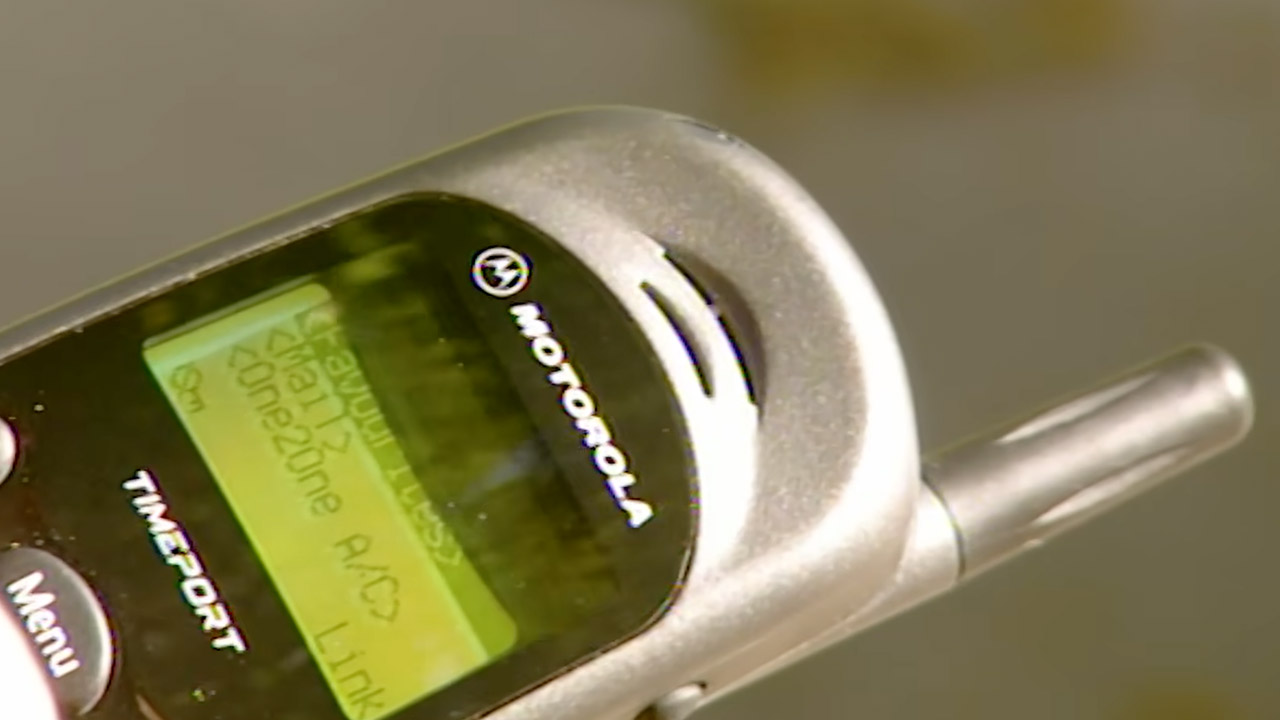
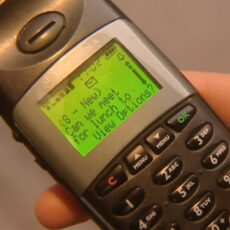
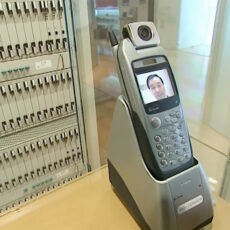
Meanwhile, mobile phones carried a watered-down version of the internet called Wireless Application Protocol. A smartphone generated a weather forecast for Southampton in a matter of seconds, replete with temperature and sailing conditions (which is quite useful, I suppose). Another demo sprung into action, transmitting a live video feed of some children to a parent’s phone. It wasn’t the smoothest operation in the world, but it worked. Presenters kept their chins up, knowing that third-generation networks will soon be able to handle clearer footage and faster speeds, even if the monthly price would be a tidy fifty pounds.
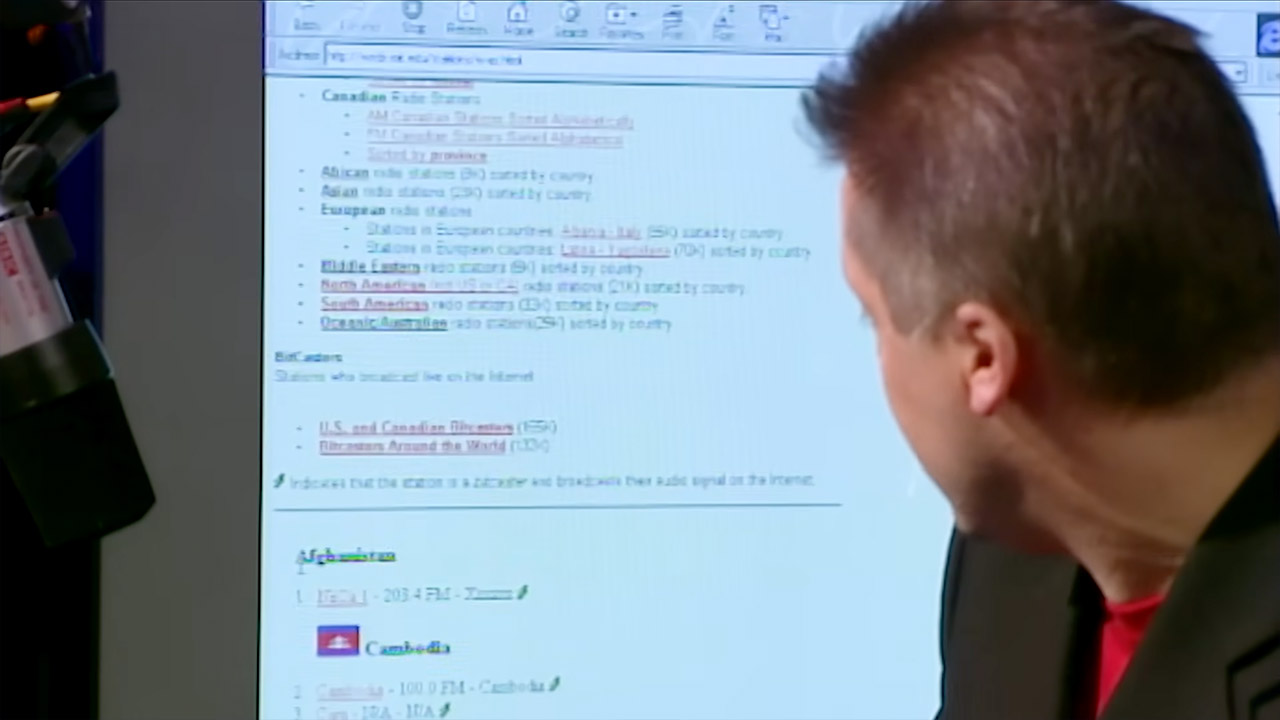
DJ Mark Goodier plugged a spanking new internet radio directly into a phone line (which is exactly how you would want to do it, right?). The item had access to thousands of stations from all around the world. A jazz broadcast from Washington, DC had sound that was at least as excellent as FM. And, of course, broadband promised to bring it much closer to CD quality in a few months.
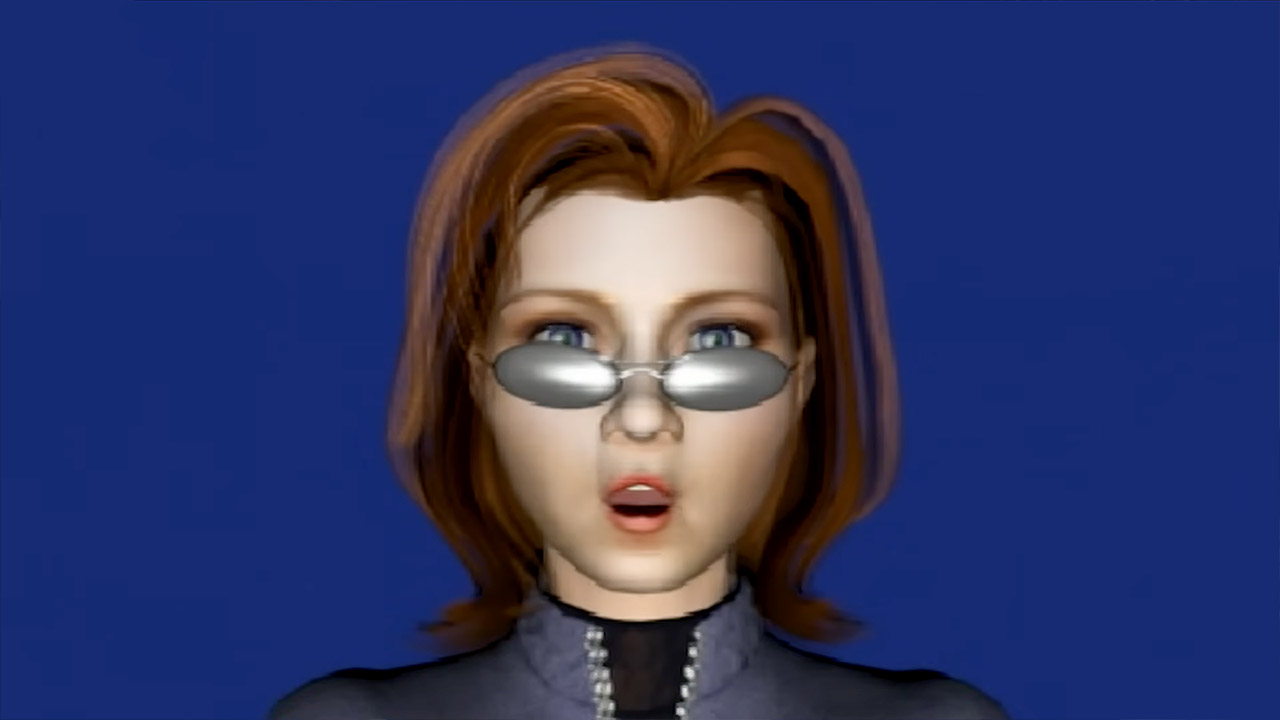
When Anya Sitaram met her digital clone, she had a really weird experience. Technicians had scanned her face with hundreds of images, created a three-dimensional mesh, added texture and clothing, and loaded an electronic gadget with information about her hobbies, memories, and opinions. The finished avatar talked in her voice and responded in ways that matched her recorded characteristics, including a forecast about the upcoming American presidential election. A more basic free service, on the other hand, allowed anyone to email images and receive a virtual head that could spin around and try on various funny hats and glasses.
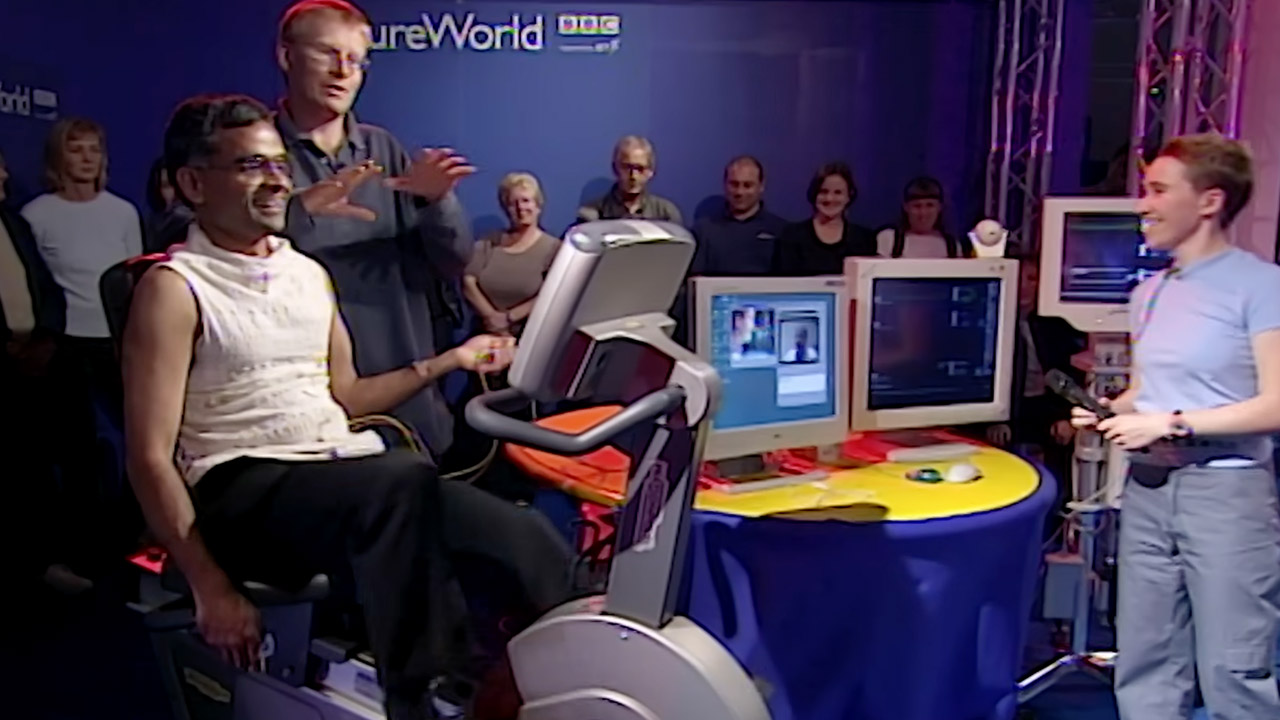
Remote health monitoring appeared in the form of an intelligent shirt jam-packed with sensors. The device measured heart rate, temperature, breathing, and other vital signs before transmitting the information to a cardiologist in New York via a webcam. The aim was that persons with chronic diseases may remain under the radar without having to make frequent hospital trips, particularly those who lived far away from specialists.
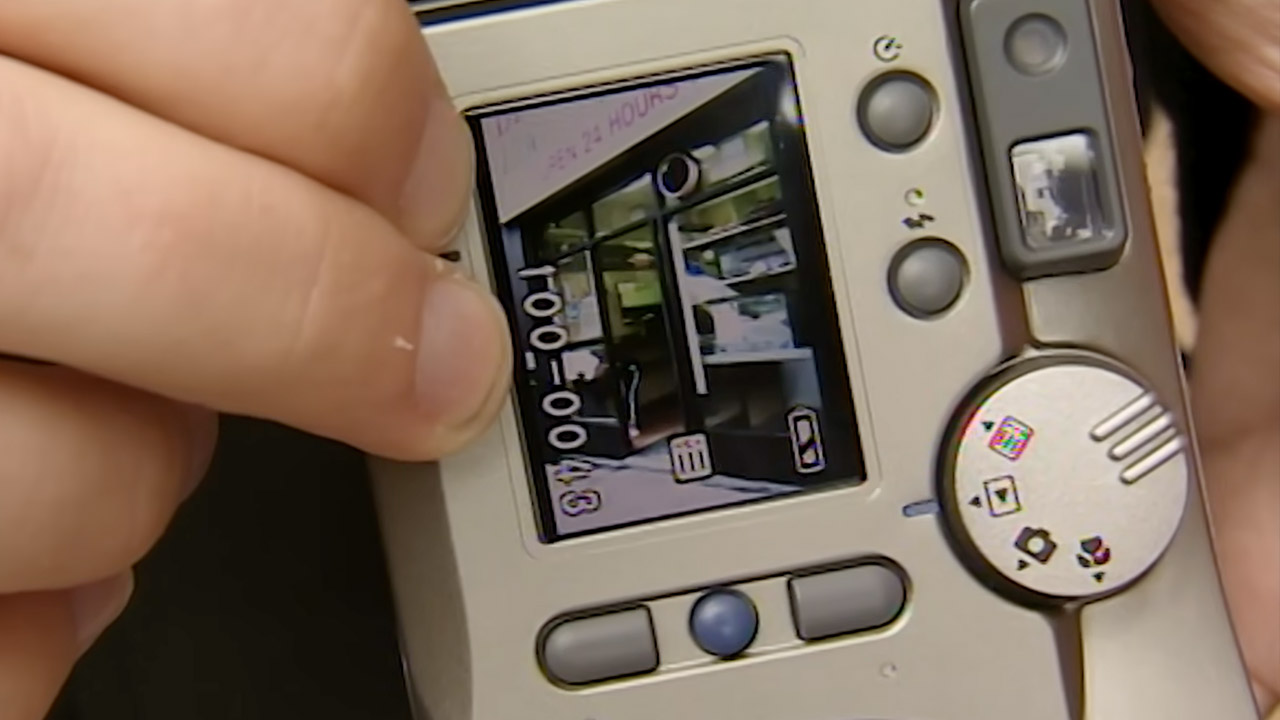
Lindsey Fallow threw down the gauntlet, embarking on a day-long endeavor to create and publish her own website from scratch. She grabbed her 2.1-megapixel digital camera to take still photos, connected a digital video camera via FireWire to record short videos, and even carried a portable scanner to scan in text and printouts. Then there was the trick: she was able to get a website up and running without knowing a single line of code. Netscape Composer, a free piece of software, did the heavy job for her. The finished website, which offered advice on how to become a TV presenter, went up on a free web hosting provider. When staff at a local computer cafe reviewed it, they scored it a 6 and 1/2 out of ten.
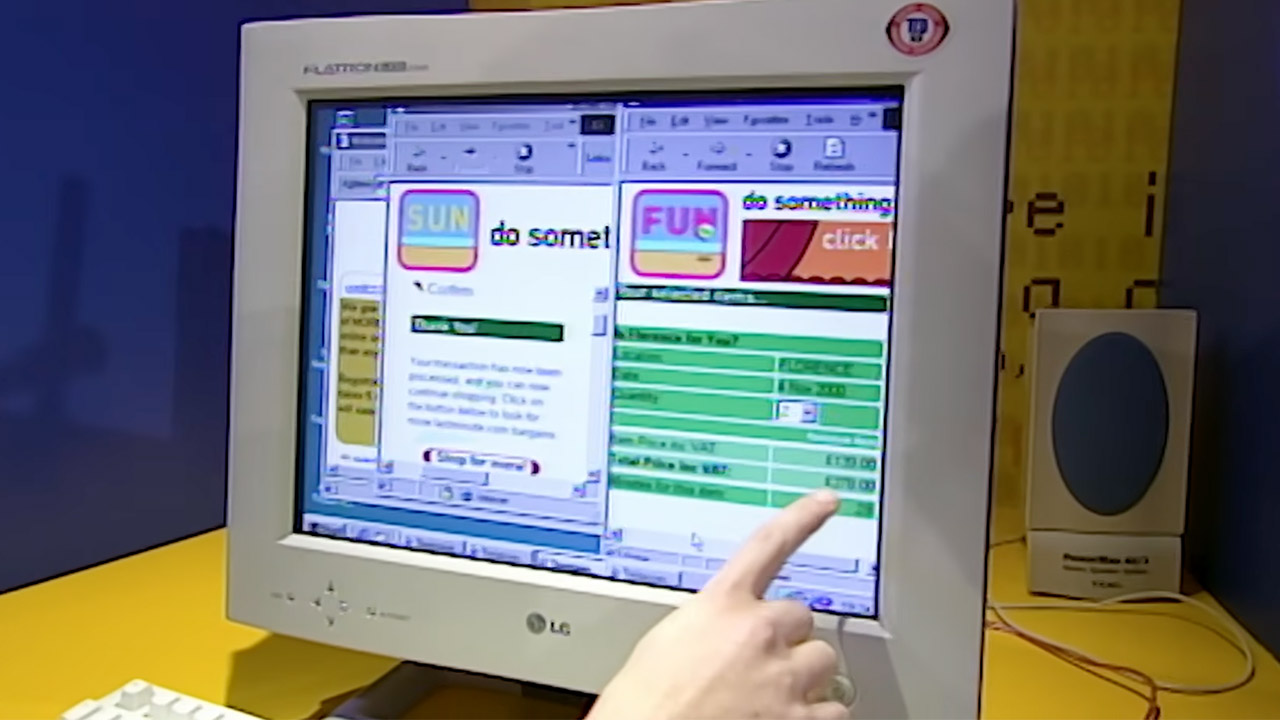
The Goodmans, a local family who were completely new to the internet, were up next. They gave themselves three rather basic tasks. The first step was creating an email invitation for a Halloween party, replete with music and quirky visuals downloaded from the internet. Then they began researching the history of their surname. Finally, they arranged a brief trip to Florence, which came in just under their £250 budget, which they were quite pleased with, but not everything went as planned; one of their assignments fell somewhat short.
[Source]